Up to 69′ (21 m) tall, trunk up to 5′ (1.5 m) in diameter. Crown may be rounded, irregular, or contorted. Bark is pale gray, appearing whitish from a distance
Typically 10–20′ (3–6.1 m) tall. Crown dense, conical or rounded
Leaves
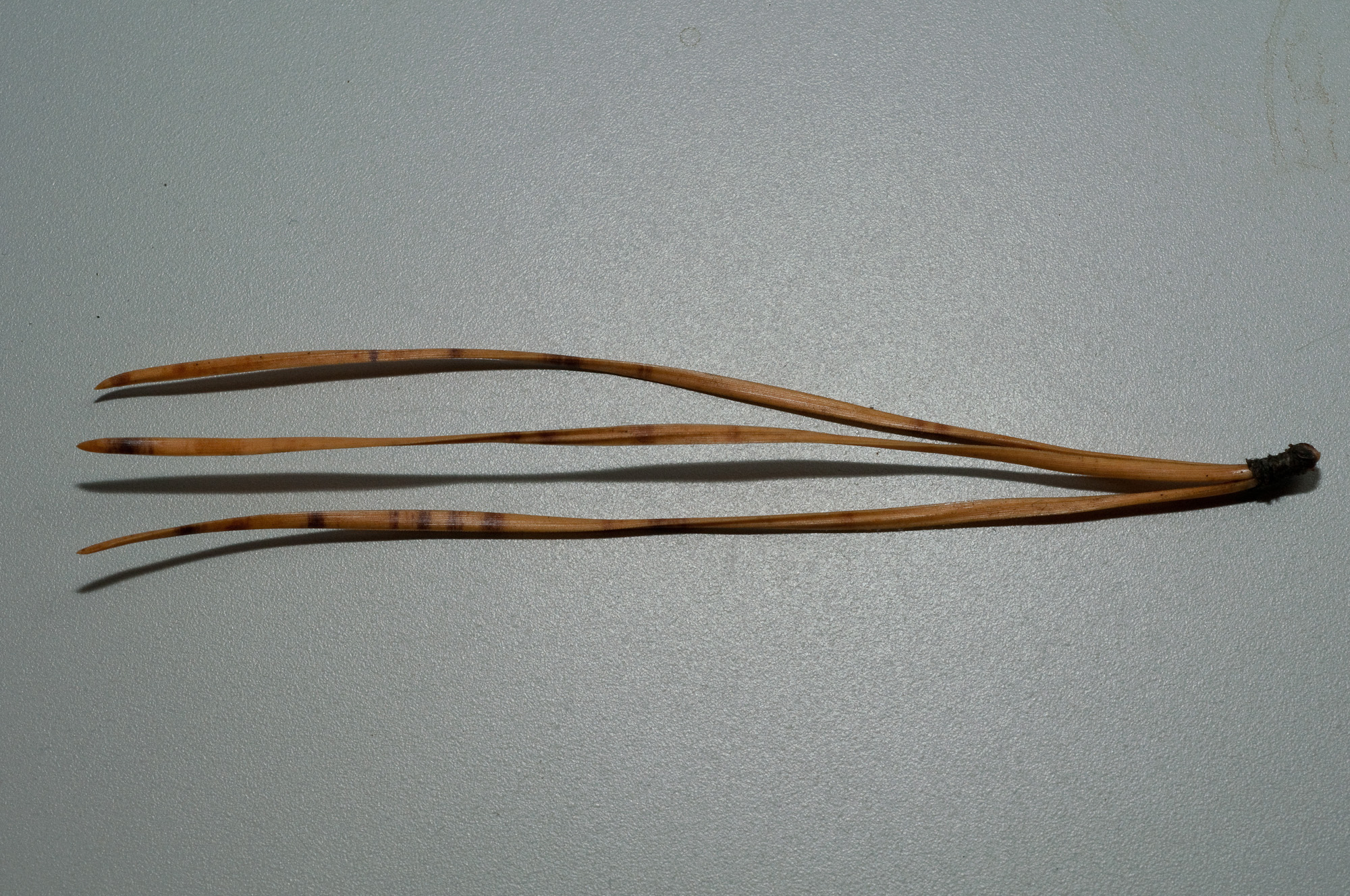
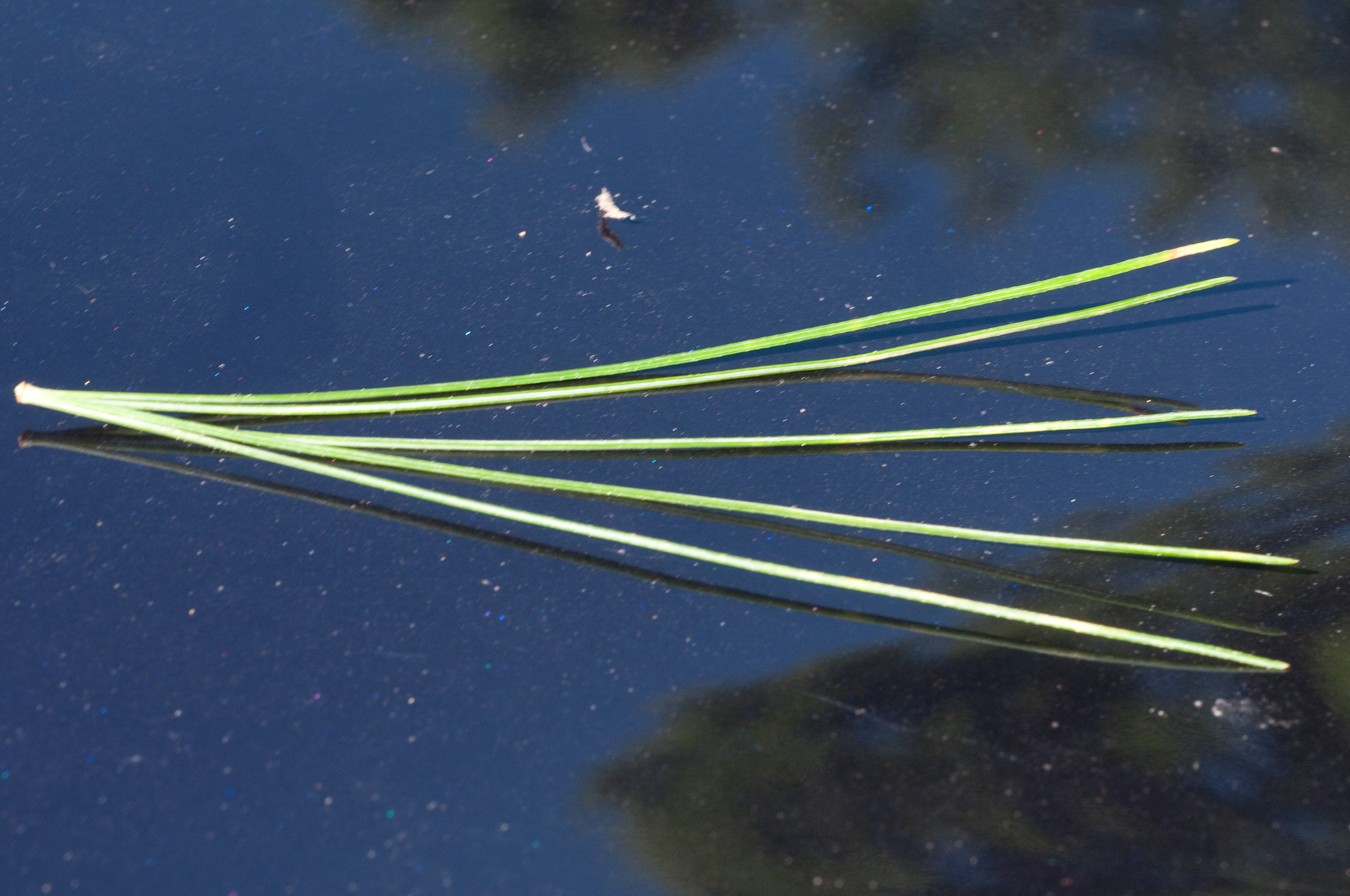
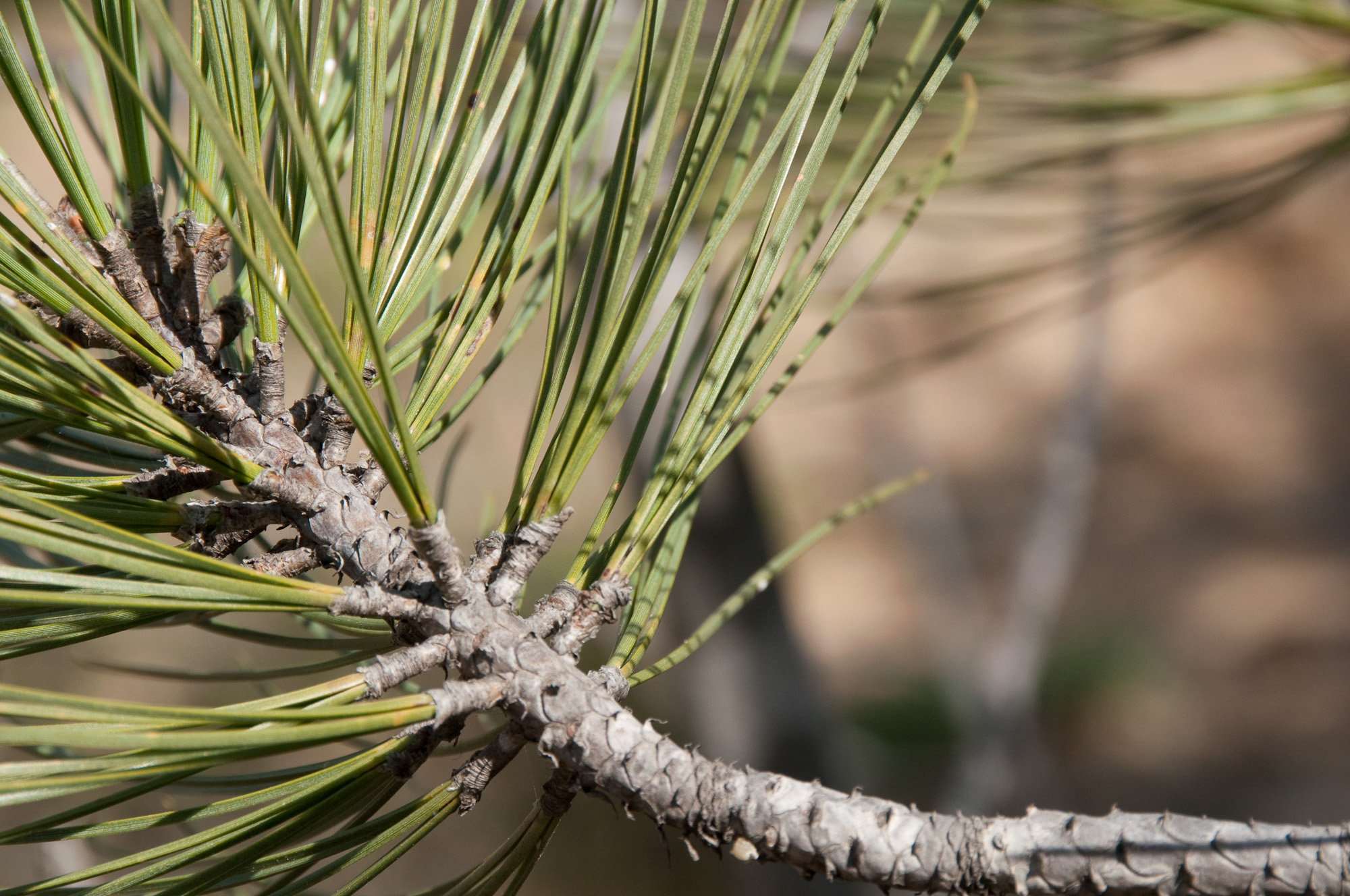
Needles are in groups of five, tending to curve upward, 1–2½″ (3–7 cm) long × 1/32″ (1.5 mm) wide, deep yellow-green
Typically two blue-green needles per group, sometimes 1 or 3. Upwardly curved, 1¼″ (3.2 cm) long. Needles have 2 or 3 sides
Flowers
Pollen cones are bright red when in flower
Red-brown, inconspicuous
Fruit
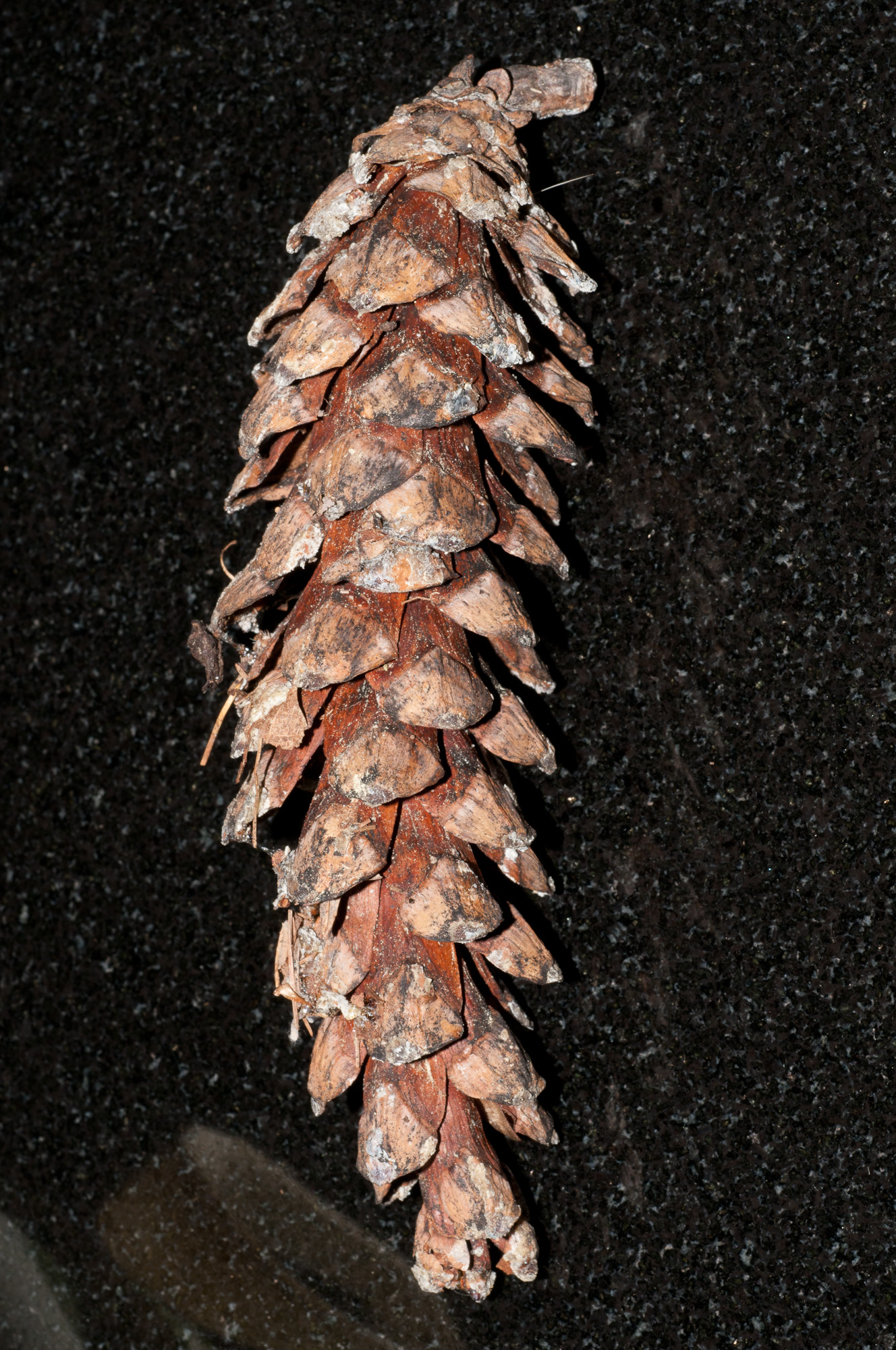
Cones oval to roughly cylindrical, ⅜–½″ (1–1.5 cm) long, bright red
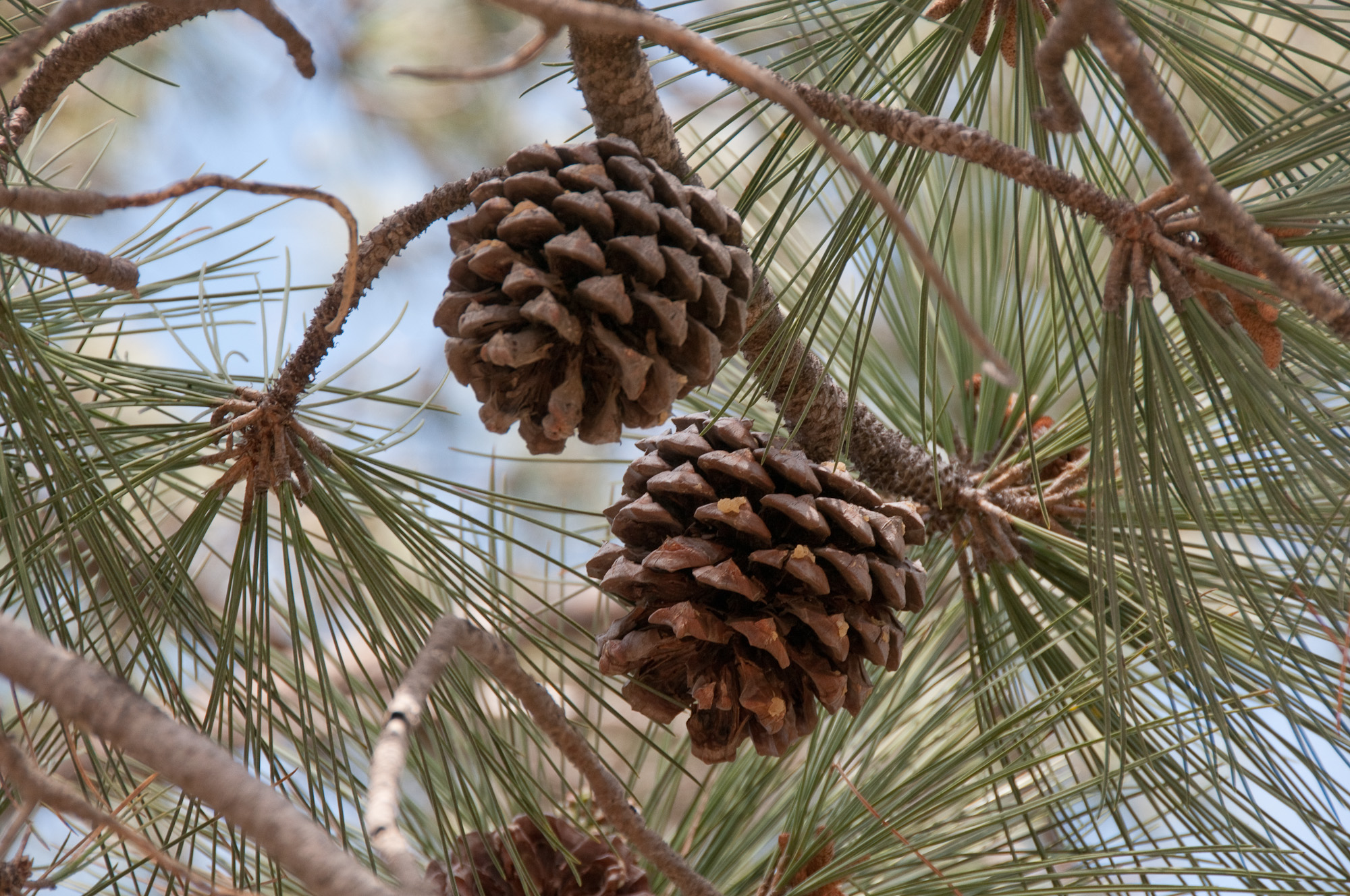
Cones are oval to round, yellowish to red-brown, up to 1¼″ (3.2 cm) around
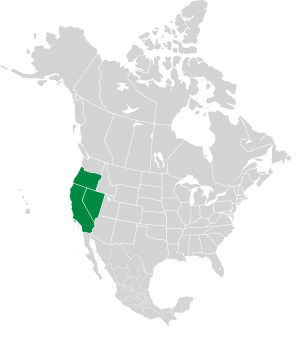
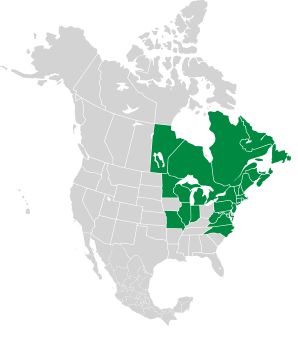
Range/ Zones
USDA Zones: 3-5
USDA Zones: 3-7
USDA Zones: 3-8
Habitats
Thin, rocky soils near or somewhat below the timberline
On dry mountain slopes and plateaus, at elevations of 4921–6890′ (1.5–2.1 km), max 1.7 mi (2.7 km)
79–128′ (24–39 m) in height, and 2–4′ (60–120 cm) in diameter, rarely up to 50% larger. Bark is yellow brown to cinnamon-colored, with large scaly plates and deep furrows. Resin scent is similar to vanilla, lemon, pineapple, violets, apple, or butterscotch.
98–164′ (30–50 m) tall, with a maximum of 246′ (75 m). Trunk is 3–6′ (90–180 cm) in diameter, with a maximum of 11′ (3.3 m). The crown is a tall, narrow cone, becoming more rounded with age. Bark is red- to gray-brown
Up to 52′ (16 m) tall. Crown is rounded or often irregular due to winds. Because of extreme age and harsh conditions, portions of each tree are usually dead. Bark is bright orange-yellow
Leaves
Needles are in groups of three, bluish-grayish-green or yellow-green in color. They are 4½–9″ (12–23 cm) long.
Needles occur in groups of five, each 1¾–4″ (5–10 cm) × ~1/32″ (1–1.5 mm). They are straight, pliable, and blue-green in color
Usually needles are in groups of 5 (sometimes 3 or 4), curving upward, deep yellow green, and unusually short ½–1¼″ (1.5–3.5 cm) × 1/32″ (1 mm)
Flowers
Red-brown, inconspicuous
Pale red-brown; inconspicuous
Fruit
Cones are 4½–9″ (12–24 cm) in length, dark purple at first, becoming pale brown, with thin woody scales and sharp inward-pointing barbs.
Immature cones are up to 1′ (30 cm) long × 1¼″ (3.2 cm) around, tightly packed and almost smooth, purplish. Mature cones expand to up to 1′ (35 cm) in length—longer than any other conifer
Cones are 2–3½″ (6–9.5 cm) long, purple when young, becoming red-brown. Each seed has a sharp thin thorn
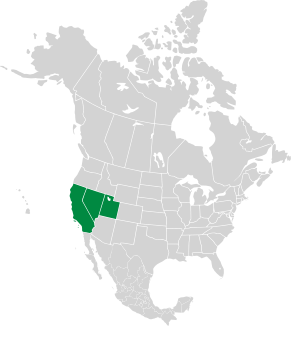
Range/ Zones
USDA Zones: 5-10
USDA Zones: 5-10
Habitats
Above 4921′ (1.5 km)
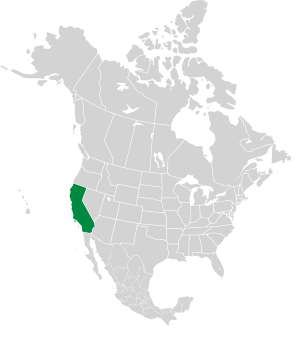
Mixed conifer forests; over 80% is in California
Mountainous regions, at and somewhat below the tree line, elevations of 1.1–2.1 mi (1.7–3.4 km)
60–130′ (18–39 m) tall, with a max of 260′ (79 m). Trunk 2½–4′ (80–120 cm) in diameter (max 8′ (2.5 m)). Twigs are orange-brown, rough, and springy. Resin scent is odorless or similar to turpentine.
Leaves
Needles are in clusters of two, 4″ (10 cm) long, stiffer and denser than those of red pines.
Needles occur in groups of 2-5, with three most common. Each needle is 2½–10″ (7–25 cm) × 1/32″ (1.5 mm), deep yellow-green, slightly twisted
Flowers
Inconspicuous flowers occur for a short time in April or May. Male flowers are clusters of orange-yellow catkins, while female flowers are small yellow-green conelike structures.
Red-brown, resinous
Fruit
Cones are up to 3″ (7.6 cm) long, and pale brown or yellow brown in color.
Cones are about 4½″ (11 cm) long, oval to cylindrical when immature, maturing to be more egg-shaped
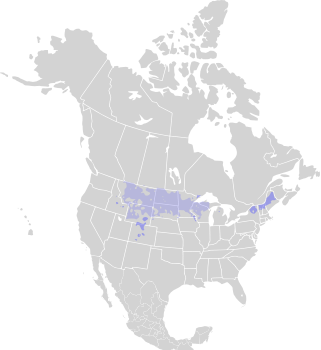
Range/ Zones
USDA Zones: 4
USDA Zones: 5-10
USDA Zones: 2-5
Habitats
Mostly mountainous regions, either alone or mixed with other pines
Trees are often relatively small and oddly shaped, but can reach 80′ (24 m). Bark is dark and scaly when the plant is young, becoming scaly, peelable plates that are light brown or red brown. Tufts of needles can occur on the trunk
Typically 50–80′ (15–24 m) high; up to 120′ (36 m). Bark on younger trees is smooth and gray; on older trees it takes the form of gray or reddish rounded scales
Trees are 60–90′ (18–27 m) tall, with a typically straight trunk 1–5′ (40–150 cm) in diameter. The bark on mature trees has furrows.
Leaves
Needles are 2½–5″ (6.3–12 cm) long, in groups of 3, yellow-green or green, twisted
Needles are 3–5″ (7.6–12 cm) long, in groups of 5. Blue-green needles are thinner (less than 1/32″ (1 mm)) than those of other species of pines
Needles in groups of three, 4½–9″ (12–22 cm) long.
Flowers
Red to yellow, in clusters at twig tips
Male flowers are yellow, while female flowers are light green; both are inconspicuous.
Male flowers are groups of red to yellow cylinders at branch tips, each ½–1½″ (1.3–3.8 cm) long.
Fruit
Cones are egg-shaped, 2–4″ (5–10 cm) long, light brown or grayish in color. Each seed in the cone has a sharp thorny protuberance
Cones are 5–10″ (12–25 cm) long, oval or cylidrical in shape, up to 1½″ (3.8 cm) wide
Female cones are green to pale brown, conical, 2½–5″ (7–13 cm) × ¾–1″ (2–3 cm), with sharp spines 1/16–3/16″ (3–6 mm) long.
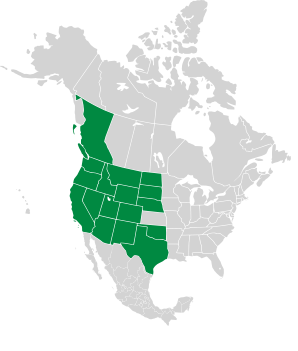
Range/ Zones
USDA Zones: 4-7
USDA Zones: 3-7
Habitats
Dry acidic sandly uplands to swampy lowlands; tolerates very poor soils