Pinus longaeva D.K. Bailey
Bristlecone pine, intermountain bristlecone pine, great basin bristlecone pine
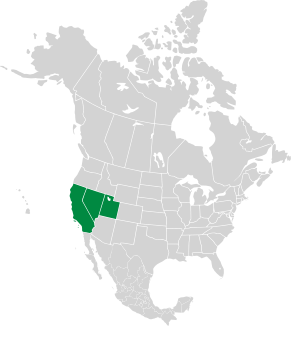
Most pines are comparatively long-lived, but bristlecones redefine the concept of old age. The oldest known living specimen, the “Methuselah” tree, is 4,842 years old as of 2010! The intermountain bristlecone pine is a native of the western United States.
Plants: Trees are up to 52′ (16 m) tall. The crown is rounded or often irregular due to winds. Because of extreme age and harsh conditions, portions of each tree are usually dead. The bark is bright orange-yellow.
Leaves: Usually needles are in groups of 5 (sometimes 3 or 4). The deep yellow green needles curve upward, and they are unusually short: ½–1¼ ⨉ 1/32″ (1.5–3.5 cm ⨉ 1 mm).
Flowers: Pale red-brown; inconspicuous.
Fruits: Cones are 2–3½″ (6–9.5 cm) long, purple when young, becoming red-brown. Each seed has a sharp thin thorn.
Habitats: Mountainous regions, at and somewhat below the tree line, elevations of 1.1–2.1 mi (1.7–3.4 km).
For further information, see the Pinus comparison tables.
Online References:
References:
Pinus aristata Engelm. var. longaeva (D.K. Bailey) Little
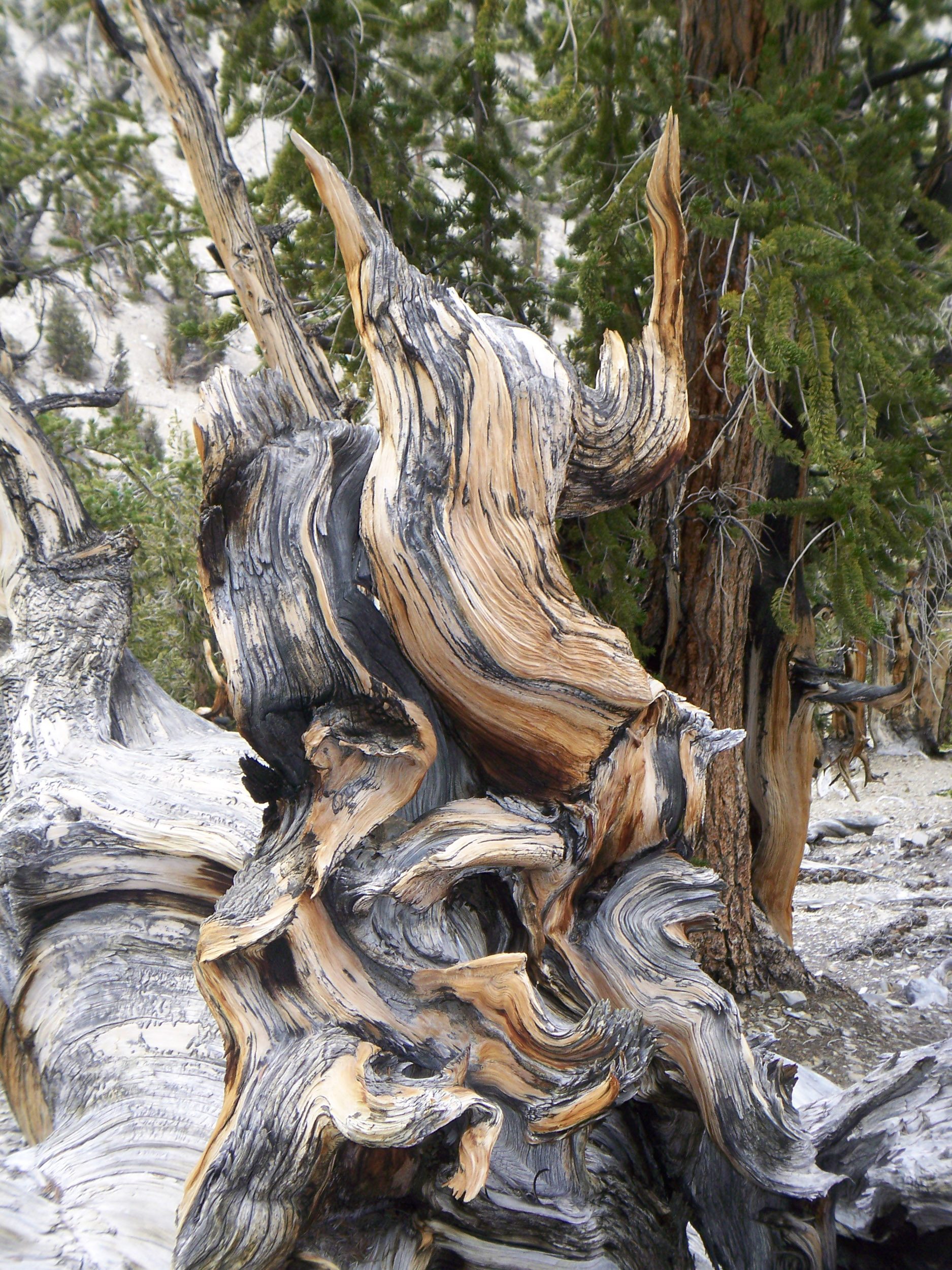
5/1/2007 · By Rhonda Tatiana Schorer  ID is uncertain
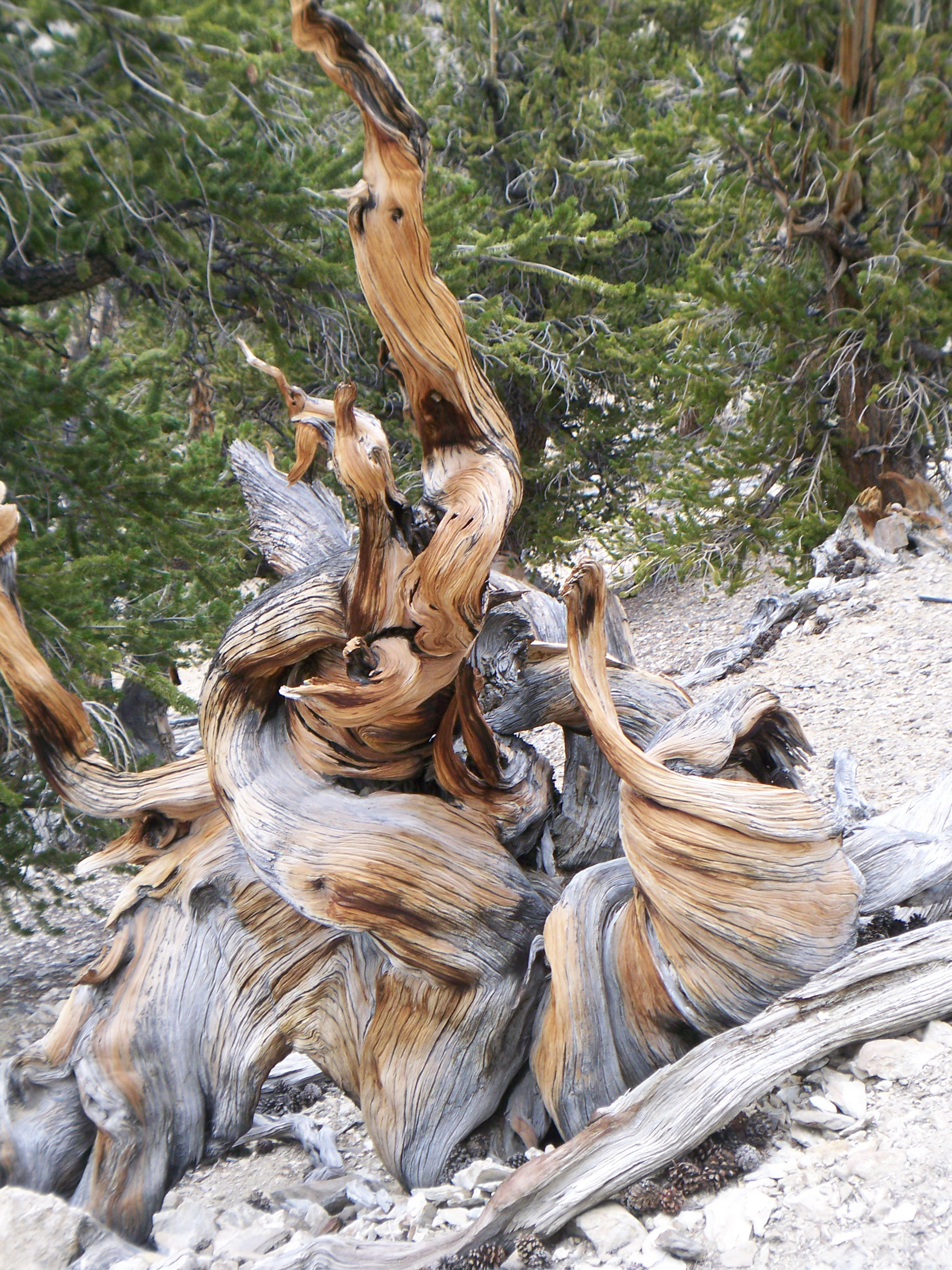
5/1/2007 · By Rhonda Tatiana Schorer ID is uncertain 

5/1/2007 · By Rhonda Tatiana Schorer ID is uncertain 
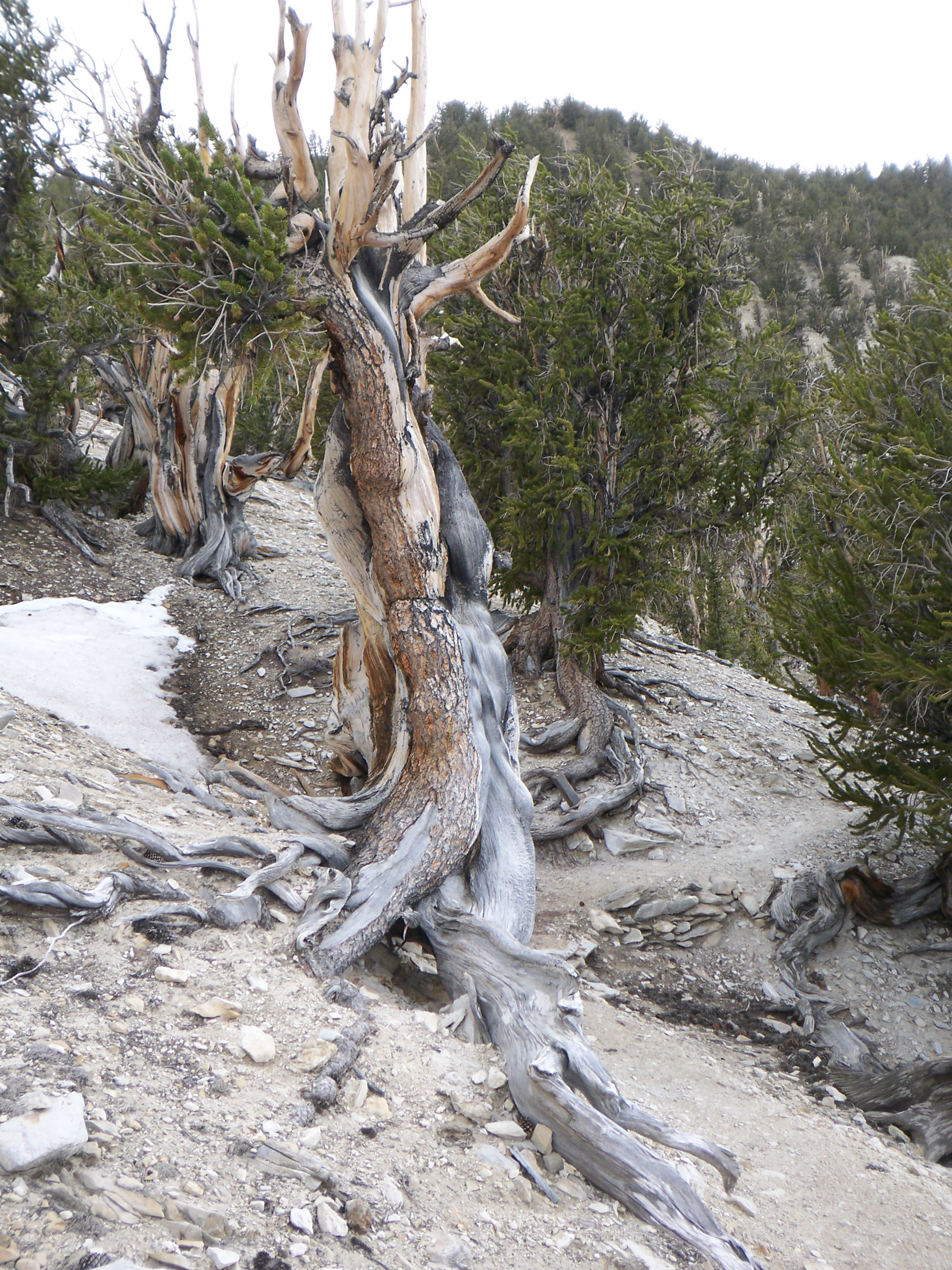
5/1/2007 · By Rhonda Tatiana Schorer ID is uncertain 
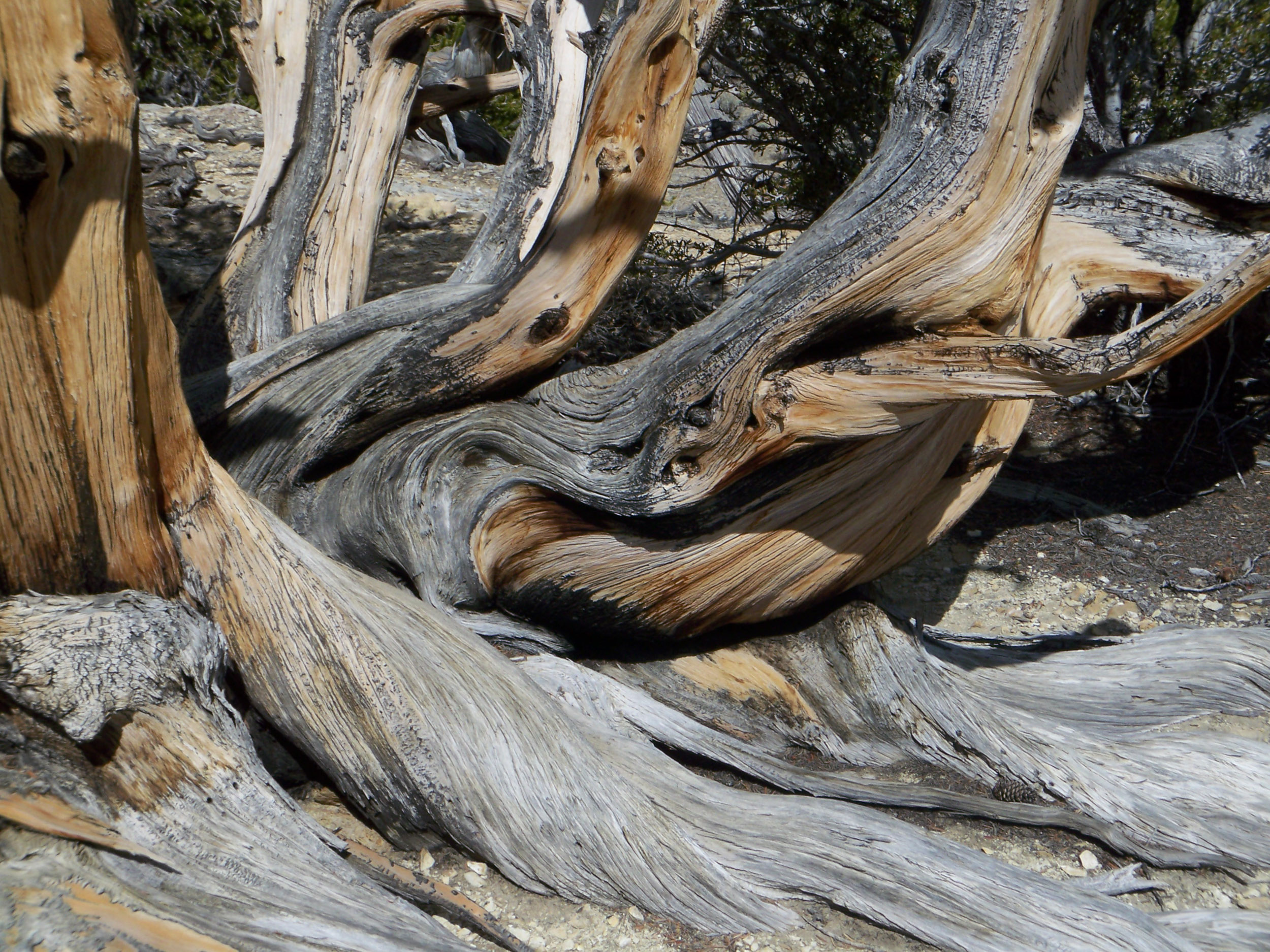
5/1/2007 · By Rhonda Tatiana Schorer ID is uncertain 
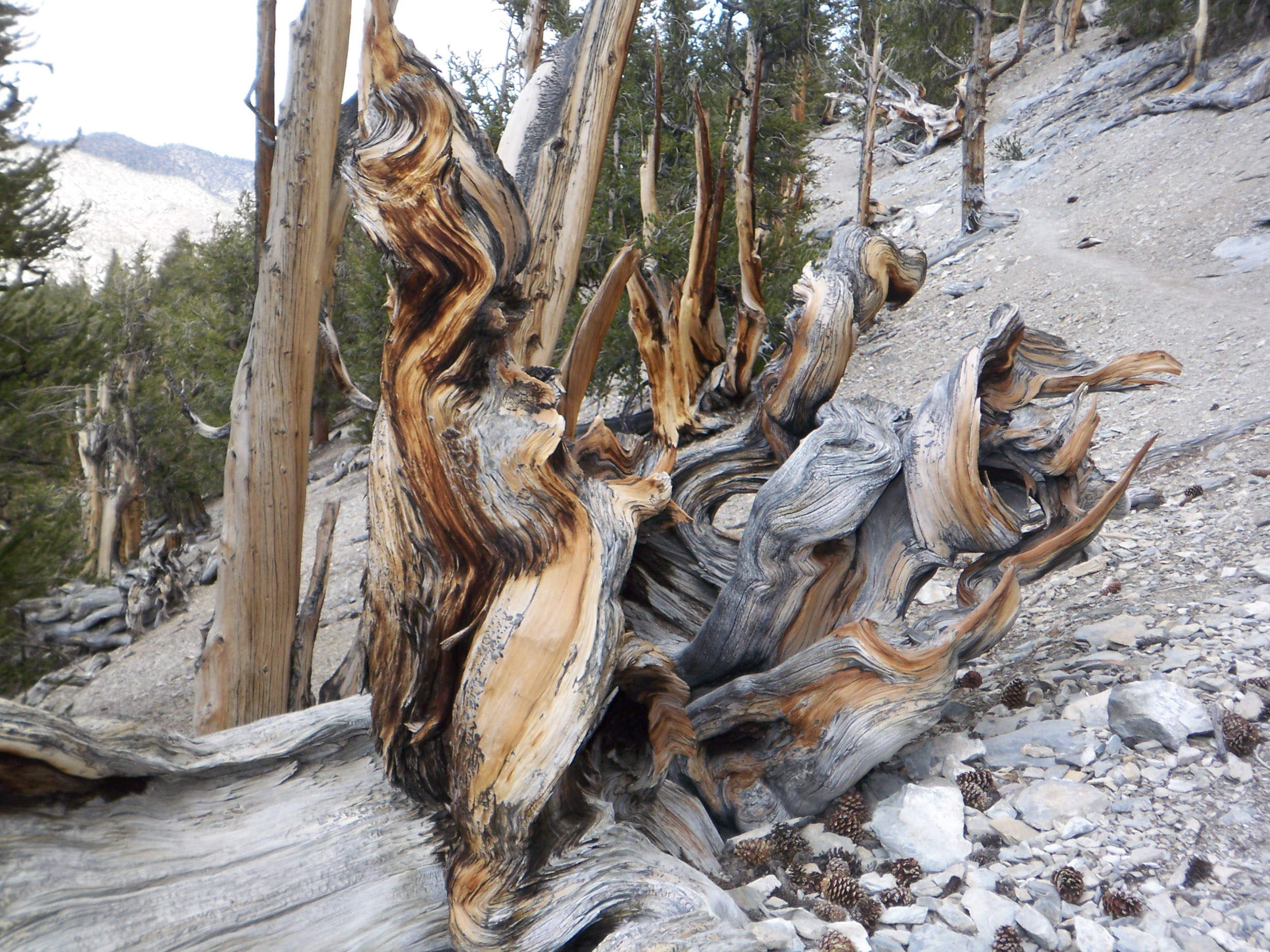
5/1/2007 · By Rhonda Tatiana Schorer ID is uncertain 
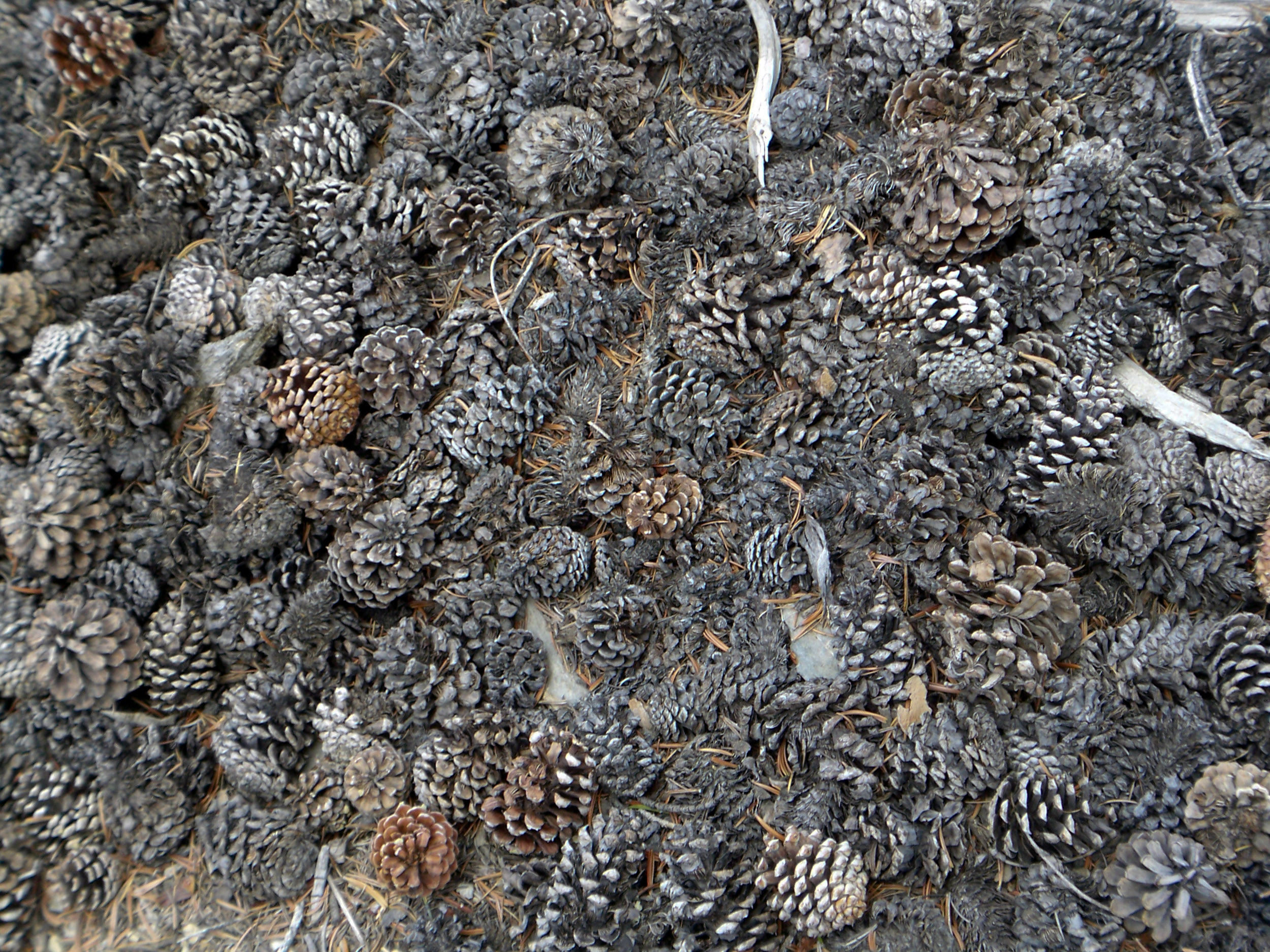
5/1/2007 · By Rhonda Tatiana Schorer ID is uncertain 
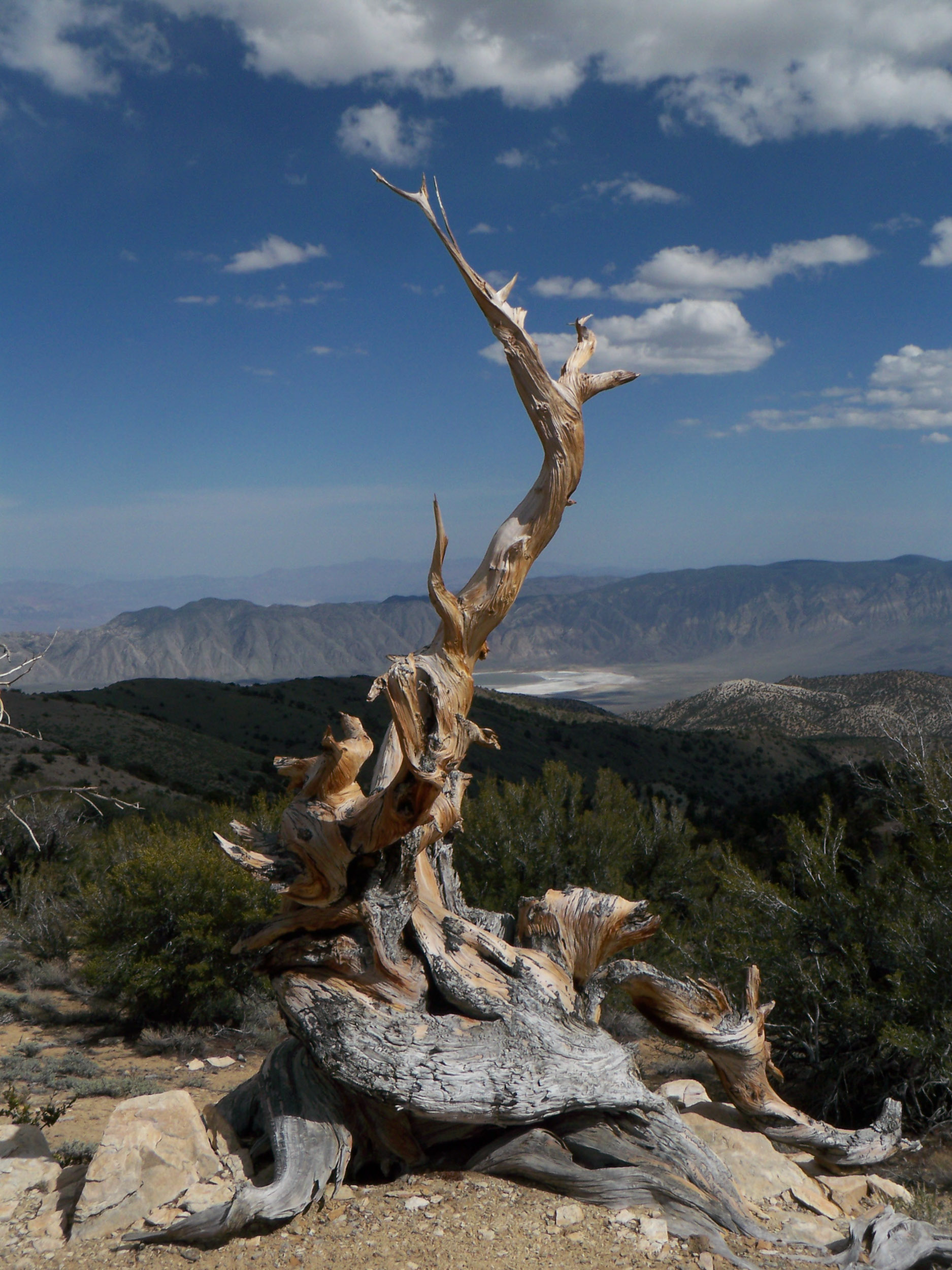
5/1/2007 · By Rhonda Tatiana Schorer ID is uncertain 
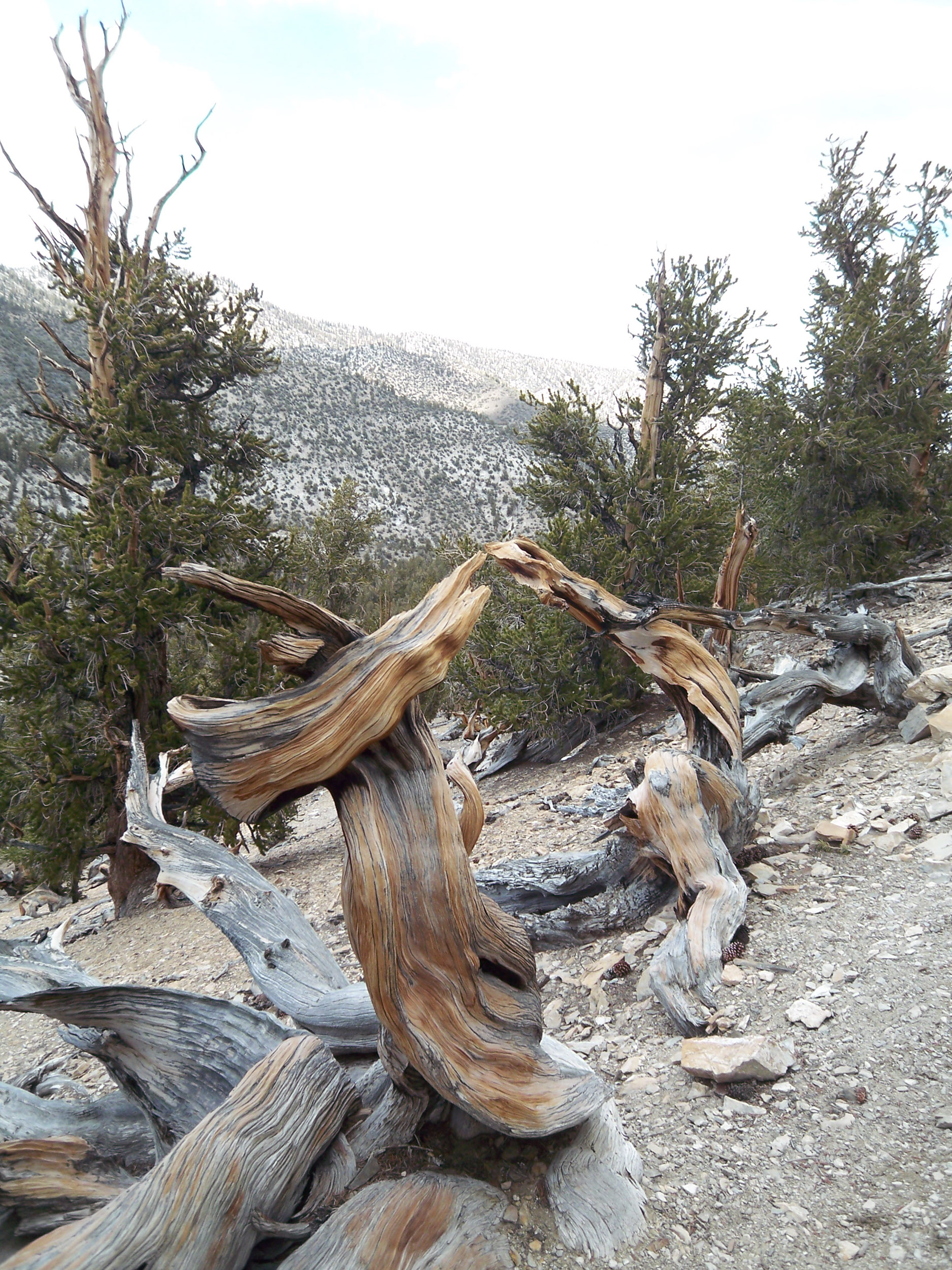
5/1/2007 · By Rhonda Tatiana Schorer ID is uncertain 
| Kingdom | Plantae | Plants, but not fungi, lichens, or algae (from Stearn's Botanical Latin) |
| Subkingdom | Tracheobionta | Vascular plants—plants with a “circulatory system” for delivering water and nutrients |
| Division | Coniferophyta | Conifers—cone-bearing trees (and a few shrubs) |
| Class | Pinopsida | Gymnosperms such as cedars, Douglas-firs, cypresses, firs, junipers, kauri, larches, pines, hemlocks, redwoods, spruces, and yews |
| Order | Pinales | Cone-bearing plants: cedar, cypress, fir, juniper, larch, pine, redwood, spruce, yew, and others |
| Family | Pinaceae | Pine family: cedars, firs, hemlocks, larches, pines and spruces |
| Genus | Pinus | Latin for “pine” |
| Species | longaeva | “Long-lived” |
Pinus longaeva description by Thomas H. Kent, not updated.

© FloraFinder.org. All rights reserved.