x
FloraFinder uses cookies only for correct operation. More info. Okay


Vaccinium L.

Blueberry

Similar species

 
Gaylussacia baccata

Gaylussacia brachycera

Gaylussacia dumosa
Common Name

black huckleberry

box-huckleberry

dwarf huckleberry
Plant 1–3′ (30–91 cm) in height, with stiff branches that are light brown or greenish when young, changing to gray or black with age. Shrubs are found in colonies. These low evergreen shrubs are 6–18″ (15–45 cm) high. 12–30″ (30–75 cm) in height, and heavily branched. Young twigs are covered with short, curly hairs.
Leaves Oval, becoming orange/red in the fall. Leaves are coated with gold-colored resin glands. The resin can be seen by rubbing the leaves between your fingers, or on a piece of paper. Leaves resemble boxwood leaves. They lack the resin glands found in other huckleberries, and are dark, glossy green, becoming bronze-colored or reddish-purple in the fall. They are ovate, with crenate or serrulate edges and leaf petioles (stems) 1/32–⅛″ (0.5–3 mm) long. 1″ (2.5 cm) long, leathery, and obovate to elliptic.
Flowers Pink, about ⅜″ (9.5 mm) in size, and urn-shaped, in racemes. They bloom from May to July. White or pinkish, urn-shaped, about ⅛″ (4 mm) in size, appearing from May to June. Bell-shaped, cream-colored, tinged with pink, appearing in June.
Fruit Berries contain 10 seeds, fewer than blueberries. Resembles blueberries, but with fewer, larger seeds. They are about ⅜″ (1.2 cm) in size. Berries are about ¼″ (8 mm) in diameter, each with 10 seeds, fewer than for blueberries.
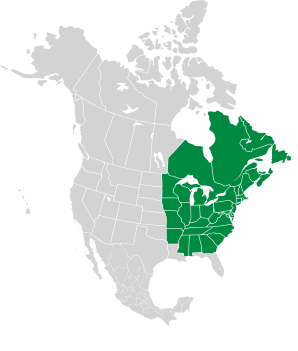
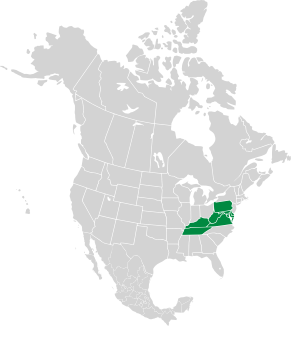
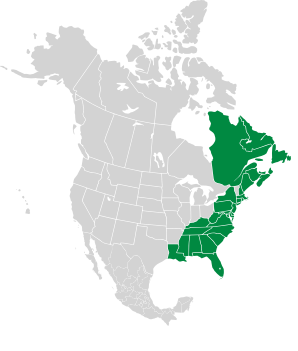
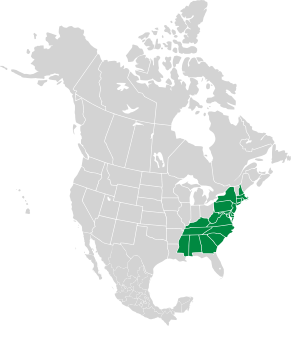
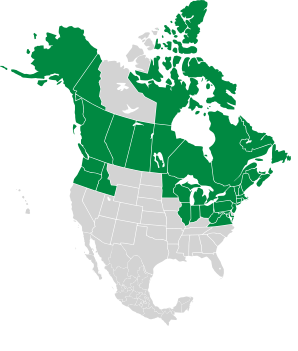
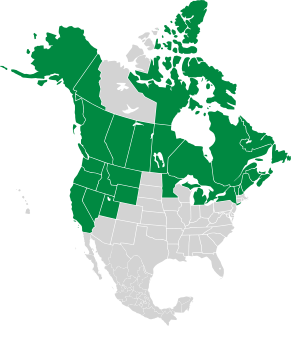
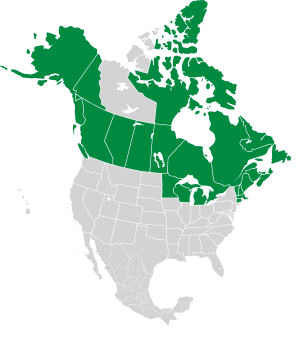
Range/ Zones

Habitats Open woods and thickets; in rocky, sandy soil   Forests, especially pine forests; bogs, bays, wet sandy soil.


Gaylussacia frondosa

Vaccinium angustifolium

Vaccinium corymbosum
Common Name

blue huckleberry

lowbush blueberry

highbush blueberry
Plant Deciduous, heavily branched, and up to 6½′ (2 m) in height. Up to 2′ (60 cm) tall, usually less than half that. Said to be up to 12′ (3.7 m) in height, though I have never seen one larger than 4′ (1.2 m) high.
Leaves Up to 2½″ (7 cm) × 1¼″ (3.5 cm), and hairy and glandular on the leaf bottoms. Glossy green, elliptic, turning red-purple in the fall. About 1″ (2.5 cm) long, dark green on top, lighter below. In the fall, leaves turn a whole range of colors—yellow, orange, red.
Flowers Greenish-white. White, sometimes tinged with pink, bell-shaped, in dense clusters, ⅛″ (5 mm) long. Less than ½″ (1.3 cm) long, pinkish or white, bell- or urn-shaped.
Fruit ¼″ (8 mm) in diameter, usually blue, but may be black or even white. Flowers and fruits hang on long petioles. ⅛–½″ (3.2–12 mm) in diameter, dark blue, sometimes almost black. ¼–½″ (6.3–12 mm) in diameter, dark blue, sometimes black.
Range/ Zones

USDA Zones: 2-6

USDA Zones: 5-8
Habitats Wooded areas near bogs and swamps; acidic soils. Sandy, acidic soils Near swampy areas


Vaccinium deliciosum

Vaccinium fuscatum

Vaccinium macrocarpon
Common Name

blue huckleberry

black highbush blueberry

American cranberry
Plant Deciduous shrubs are less than 1′ (30 cm) high, forming sprawling mats. Shrubs are perennials, reaching 11′ (3.5 m), with brown bark. Vine-like, creeping up to 6′ (1.8 m) horizontally, but less than 8″ (20 cm) high. If you aren't standing or floating in a bog, you probably aren't looking at cranberries.
Leaves Alternate, oblong to egg-shaped, about ⅝–1¼″ (1.7–3.5 cm) × ¼–⅝″ (9–17 mm), with finely serrated (sometimes smooth) edges. Alternate, 1–1¼″ (3–3.5 cm) × ⅝–⅞″ (1.6–2.5 cm) wide, and lanceolate, elliptic, or ovate; thick and leathery, hairless above, finely hairy and much lighter in color below. About ½″ (1.3 cm) long, oval, shiny on top.
Flowers Pink or red, globose (spherical) or urn-shaped, ⅛–3/16″ (4–6 mm) × ⅛–¼″ (5–7 mm). They appear from May to July. Urn-shaped and cream-colored, with pink bases and sometimes pink stripes, about ⅛″ (6 mm) in size. Pale pink or white, about ½″ (1.3 cm) long, with four petals that curve strongly backward.
Fruit Blue to dull black, coated with a white waxy powder, ¼–½″ (9–13 mm) in diameter. ⅛–⅜″ (6–10 mm) in diameter. Berries are ½–1″ (1.3–2.5 cm) in diameter and quite hard, like tiny apples.
Range/ Zones

USDA Zones: 3-7
Habitats Alpine meadows, subalpine coniferous woods, talus slopes; elevations of 1969–6562′ (600–2000 m) Woodlands, medium shade, acid soils, swampy areas Acidic bogs


Vaccinium myrtilloides

Vaccinium oxycoccos

Vaccinium uliginosum
Common Name

velvetleaf blueberry

small cranberry

bog huckleberry
Plant These spreading shrubs are up to 1½′ (50 cm) in height, with stems covered with fine hairs. Small cranberries form mats of tiny shrubs only a few centimeters in height. 1½–3′ (50–100 cm) high; on mountains, 4–6″ (10–15 cm) high.
Leaves Deciduous, alternate, ⅞–1¼″ (2.3–3.5 cm) × ¼–⅝″ (8–16 mm), bright green above, much lighter below, covered with soft and velvety hairs. Leaf edges are rolled under. Leaves are opposite, roughly oval (ovate), wider at the base, pointed at the tip. Obovate to elliptic to oblong, ⅜–1″ (1–3 cm) × ⅛–½″ (6–15 mm).
Flowers White, urn-shaped, about 1/16–3/16″ (3–5 mm) in size, appearing May-June. Dark pink, and four-petaled, with the petals bending way back to the stem ("reflexed"). Flowers are pink (really white/pink striped), urn-shaped. They appear in June.
Fruit ⅛–¼″ (6–8 mm) in diameter, usually blue with a whitish waxy bloom, sometimes purplish black. Less than ½″ (1.3 cm) in diameter, while large cranberries are more than ½″ (1.3 cm) in diameter. Both are deep red when ripe. Dark blue and covered with a waxy whitish coating.
Range/ Zones

Habitats Acidic soils, coniferous woods, forested bogs, rocky areas.   Wet, acid soils; sun or partial shade


Vaccinium vitis-idaea
Common Name

lingonberry
Plant Plants are small evergreen shrubs 2–7″ (5–17 cm) tall.
Leaves Less than ¾″ (1.9 cm) long, usually closer to ½″ (1.3 cm); dark green and shiny on top.
Flowers White or pink, and bell-shaped, about ¼″ (6.3 mm) long.
Fruit Berries are bright red, ¼–⅜″ (6.3–10 mm) in diameter.
Range/ Zones

Habitats Temperate to subarctic climates—bogs, moist forests, rocky barrens, open slopes and dry woods


Vaccinium description by Thomas H. Kent, not updated.

© FloraFinder.org. All rights reserved.