Opuntia Mill.
Prickly pear cactus, prickly pear, cholla, pricklypear
Some members of Opuntia
Opuntia engelmannii var. cuija
Opuntia laevis
Opuntia macrocentra


|
Opuntia Mill. Prickly pear cactus, prickly pear, cholla, pricklypear Some members of Opuntia | |||
Opuntia engelmannii var. cuija |
Opuntia laevis |
Opuntia macrocentra |
|
|---|---|---|---|
| Common Name | |
|
|
| Plant | Up to 8′ (2.4 m) high, usually lower; in spreading clumps up to 10′ (3 m) wide. Thick yellowish- or bluish-green pads up to 10″ (25 cm) long, less than 1" thick. | This shubby, ground-hugging perennial forms clumps 1½–8′ (50–250 cm) wide and 12–35″ (30–90 cm) tall. Segments are 4–10 ⨉ 3–8″ (10–25 ⨉ 7.5–20 cm), with narrow, ovate bluish-green pads. These are often spineless, or with spines on the upper part of the joint. If spines are present, they are about ½″ (1.3 cm) long, with 1-3 per areole. | Up to 4′ (1.2 m) tall. Pads are purple or purple-tinged green. |
| Leaves | Spines are 1–1½″ (2.5–3.8 cm) long, in groups of 2-6 (usually 3-5), groups about 1½″ (3.8 cm) apart. No spines or very short spines, spines are light yellow. | Sometimes has no spines, or groups of up to 15. Spines are up to 7″ (17 cm) long! Longer spines are reddish brown to black (or rarely, yellow to red), turning whitish with age. | |
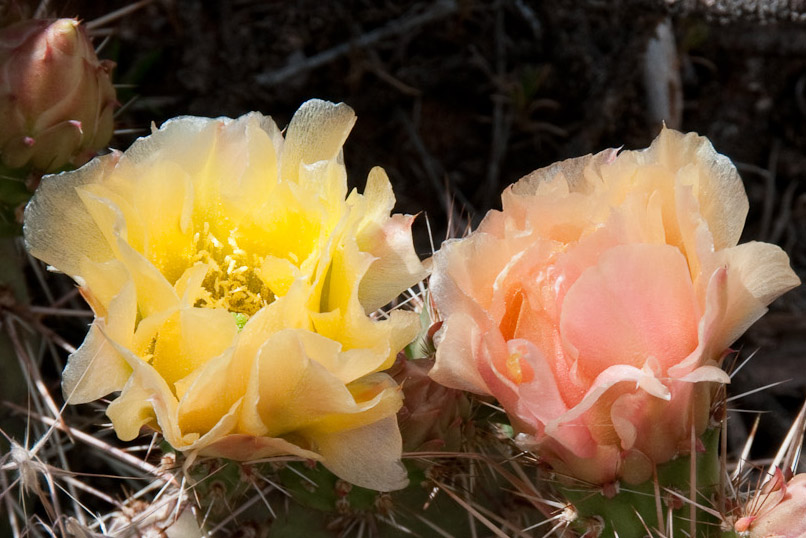
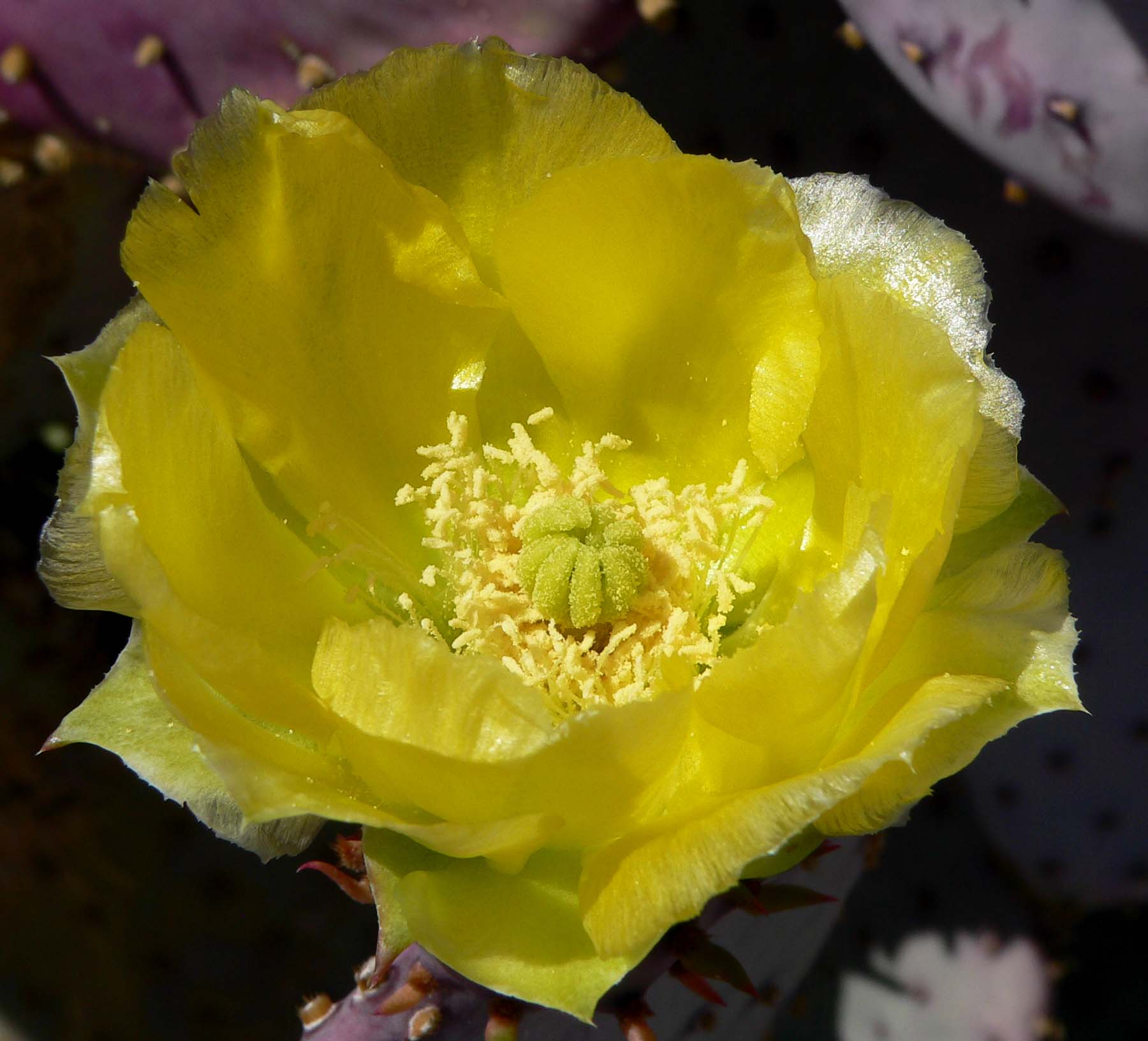
| Flowers | Yellow to red. About 2–3″ (5–7.6 cm) across. | Yellow, sometimes with reddish centers. |
|
| Fruit | Barrel-shaped, initially yellow-green, ripening to purple, up to 3″ (7.6 cm) long. | Fleshy and smooth, purple or reddish purple, roughly cylindrical, with a narrow base. They are 1–2 ⨉ ¾–1½″ (3–6 ⨉ 2–4 cm). | Reddish fruit is oboviod, ovoid, or ellipsoid, 1–1½″ long ⨉ ½–1″ in diameter (3–4.3 ⨉ 1.5–3 cm), and deeply concave. The rind is purple and the juice and pulp are pale-purple to clear. Seeds are flattened, tan, ~⅛″ in diameter ⨉ 1/32–1/16″ thick (3.4–4.5 ⨉ 1.5–1.9 mm), with a broad notch on one side. |
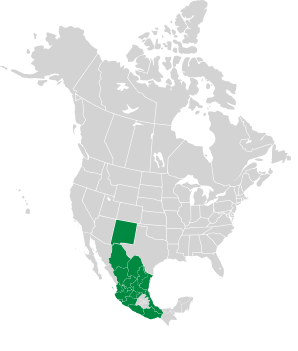
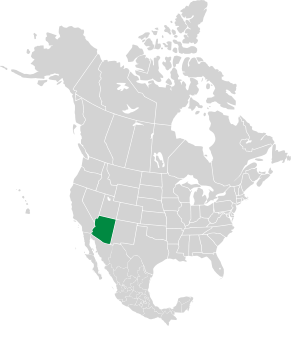
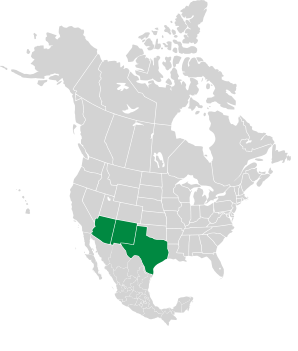
| Range/ Zones |
|
|
|
| Habitats | Desert scrub, grasslands, oak/pine/juniper woodlands | Sandy and rocky soils, pinyon juniper woodlands, grasslands, and ponderosa pine forests, from 1000–7000′ (304–2133 m). | Desert uplands, grasslands, rocky and sandy areas |





Opuntia description by Thomas H. Kent, not updated.
© FloraFinder.org. All rights reserved.