Baptisia australis (L.) R. Br.
Blue false indigo, false indigo, blue wild indigo
Blue false indigo is native to North America. Baptisia means “to immerse”—a reference to this plant’s use for creating dye, and australis means southern (not Australian), though I cannot find out what is southern about this species. Both the Cherokees and European settlers used the plant as a dye. This is called “false indigo” because it was used as an inferior substitute for Indigofera tinctoria.
Plants: 3–5′ (1–1.5 m) high, and about 1½–3′ (50–100 cm) around. When broken, the hairless stems secrete a fluid that turns dark purple on contact with air. (It is this reaction, not the flowers, that resulted in its use for dye.)
Leaves: In groups of three, each about 1″ (2.5 cm) long, and green, bluish green, or grayish green.
Flowers: It’s pea-like flowers, appearing at or in a spike near the top, vary in color from light blue to dark purple.
Fruits: Fruits are bluish-black hard pods ⅞–3 ⨉ ⅜–⅞″ (2.5–7.5 ⨉ 1.3–2.5 cm) in size. Seeds rattling in the dried seedpods have tricked more than one person into thinking a rattlesnake is nearby.
Habitats: Rich woods, thickets, meadows, stream banks.
Medical: Blue false indigo has been used to treat a wide range of ailments, described at Wikipedia and pfaf.org. A tea from the roots served as emetic and purgative. In poultices or in the mouth, it served as an anti-inflammatory. Many other uses have been documented as well.
 |
Blue false indigo vs. real indigo. |
Online References:
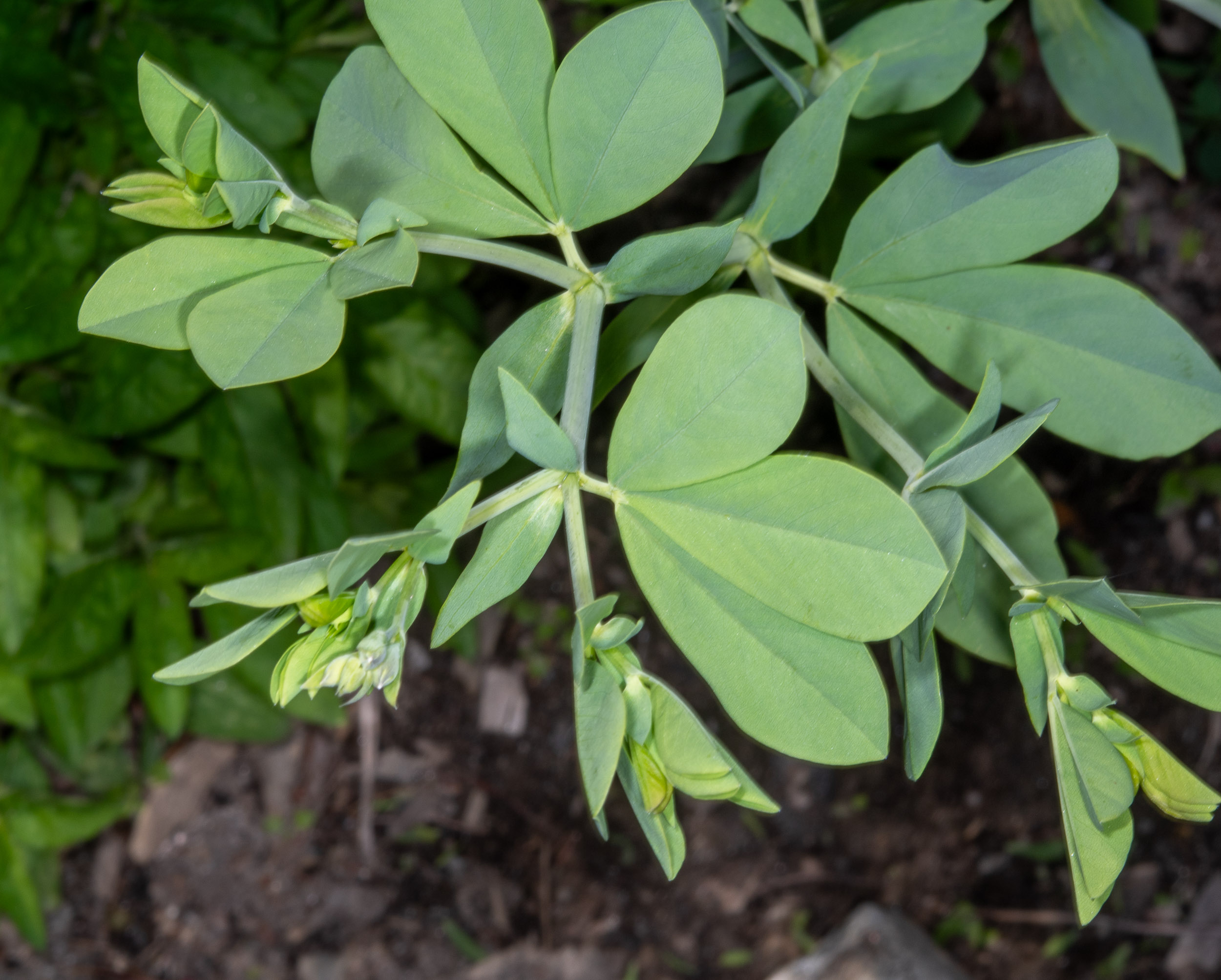
6/11/2025 · Coastal Maine Botanical Gardens, Boothbay, Maine · ≈ 7 × 5″ (17 × 13 cm) 
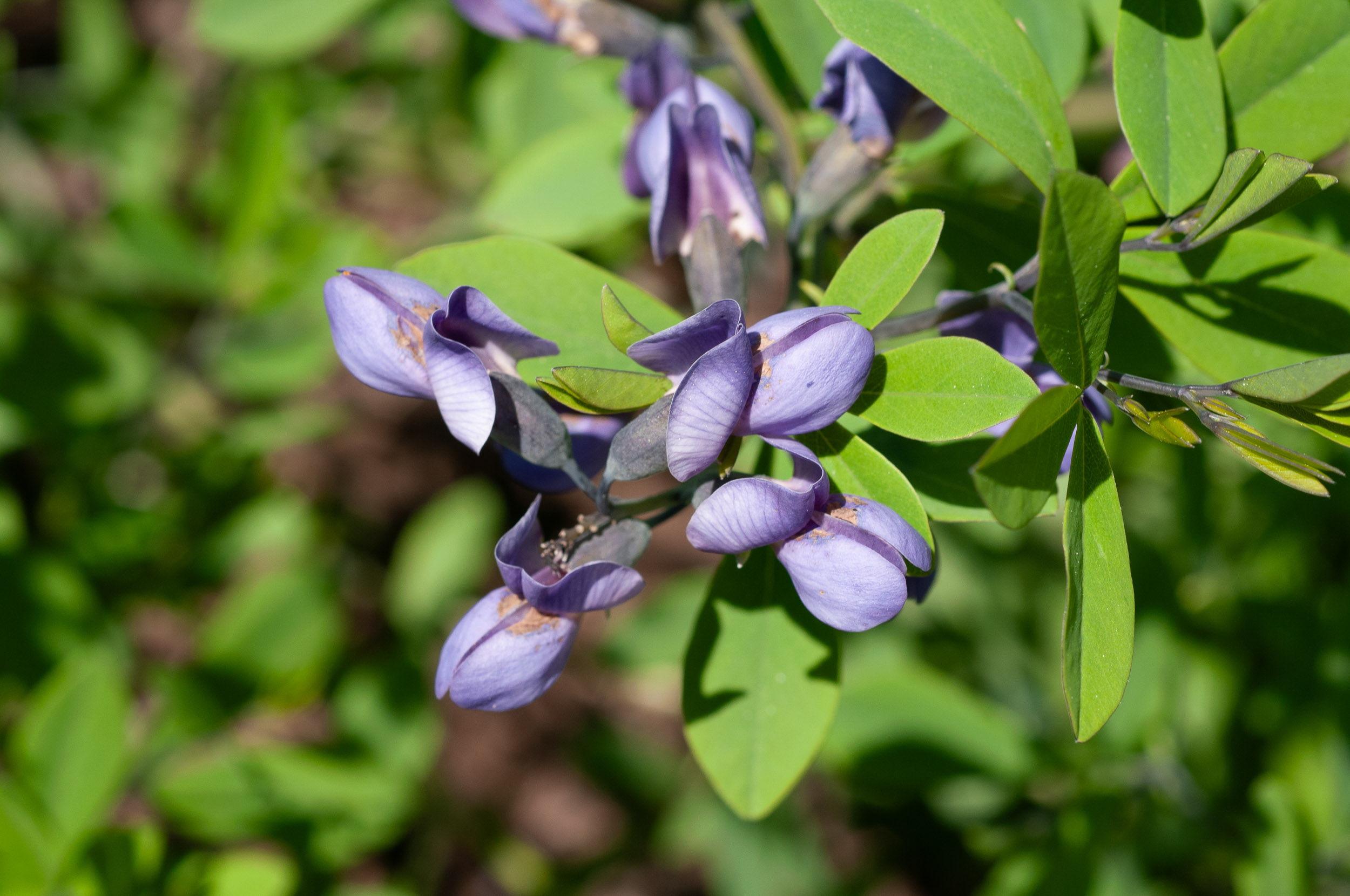
6/17/2012 · Coastal Maine Botanical Gardens, Boothbay, Maine · ≈ 7 × 4½″ (17 × 11 cm)  ID is uncertain

9/10/2014 · Acton Arboretum, Acton, Massachusetts · ≈ 12 × 8″ (31 × 21 cm) 
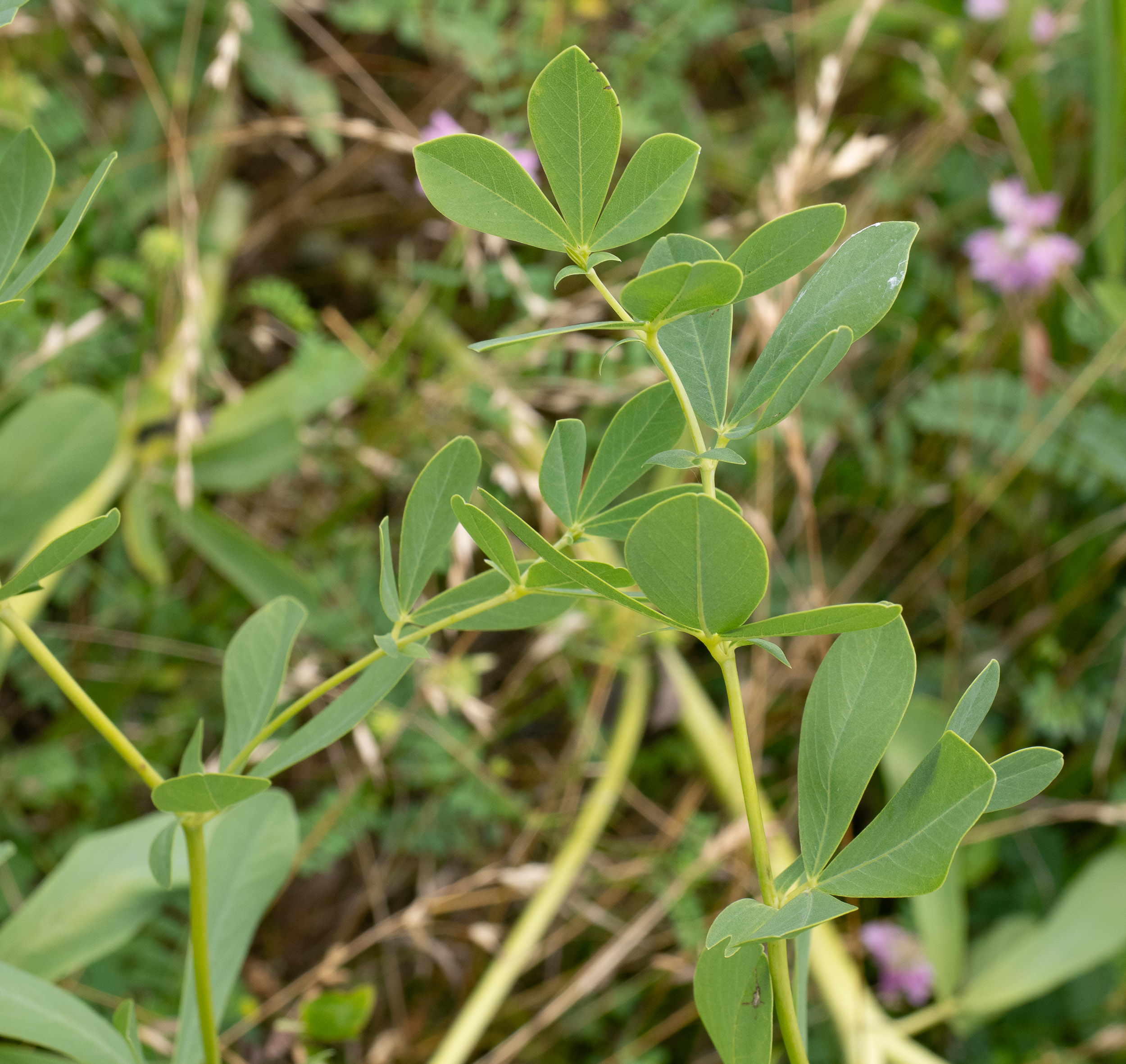
7/3/2023 · Gettysburg National Military Park, Gettysburg, Pennsylvania 
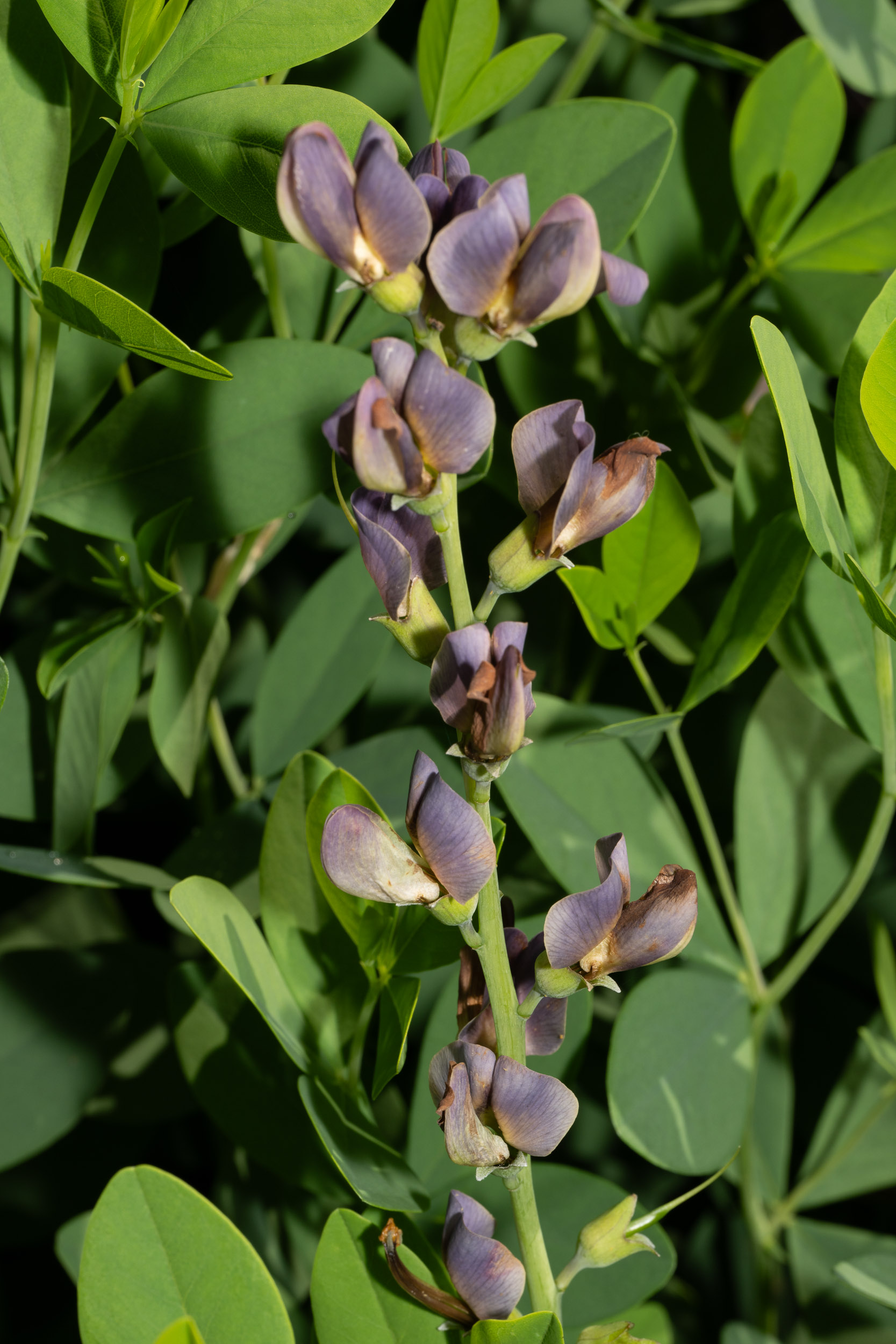
6/27/2026 · Coastal Maine Botanical Gardens, Boothbay, Maine · ≈ 5 × 8″ (12 × 19 cm) 

6/27/2026 · Coastal Maine Botanical Gardens, Boothbay, Maine · ≈ 8 × 5″ (19 × 12 cm) 
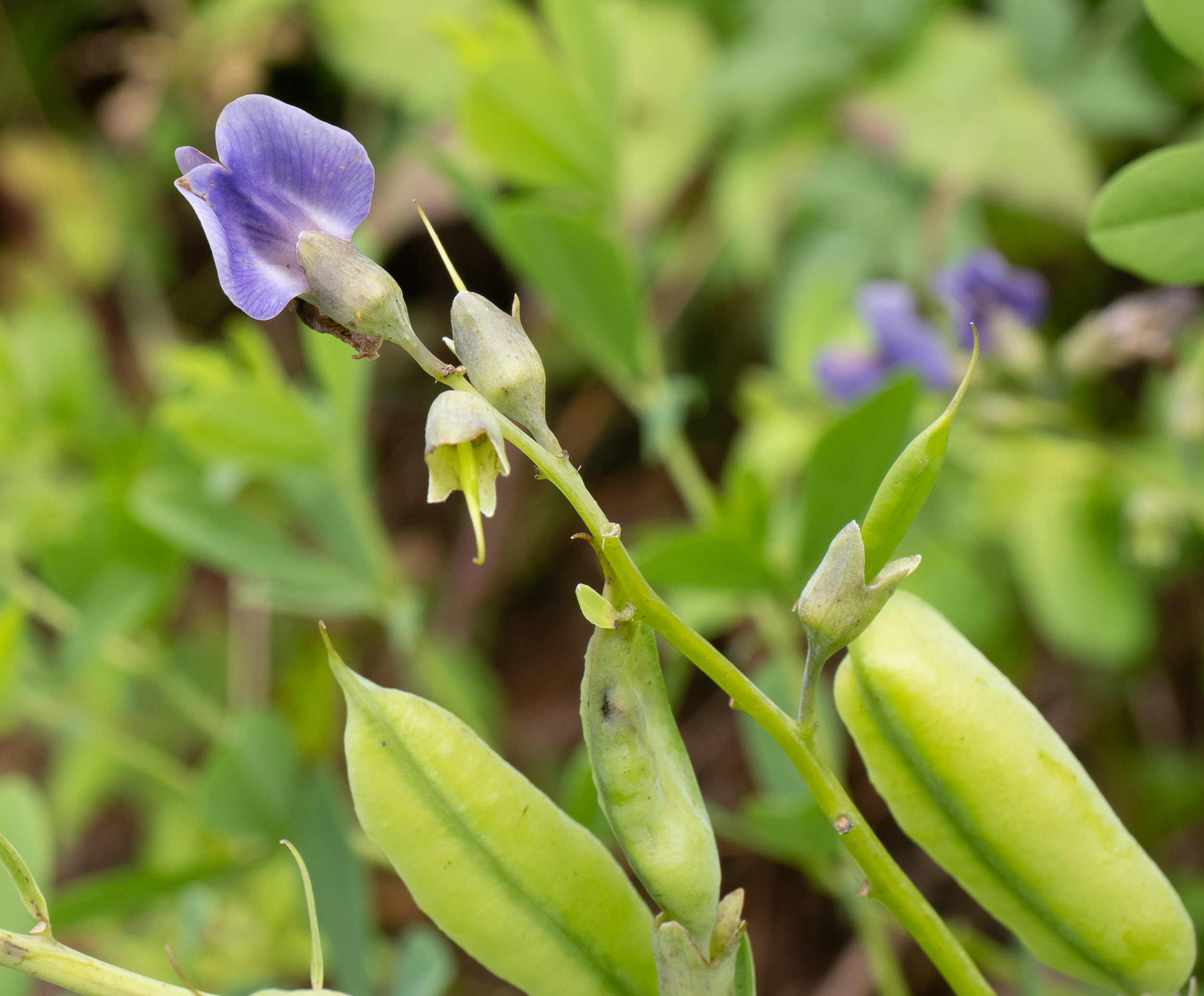
7/3/2023 · Gettysburg National Military Park, Gettysburg, Pennsylvania 

6/15/2010 · Garden in the Woods, Framingham, Massachusetts · ≈ 15 × 10″ (39 × 26 cm) 
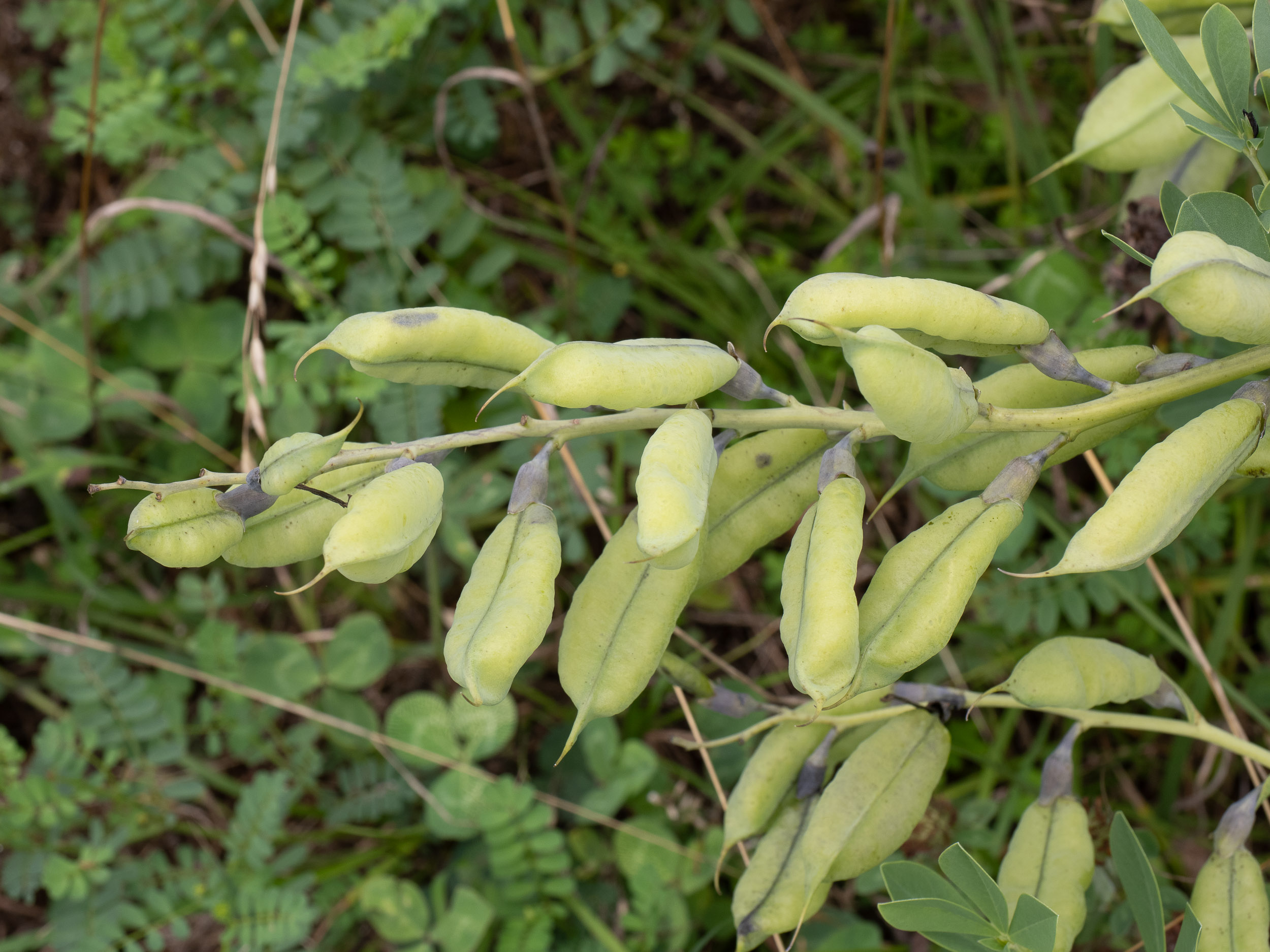
7/3/2023 · Gettysburg National Military Park, Gettysburg, Pennsylvania 

6/11/2025 · Coastal Maine Botanical Gardens, Boothbay, Maine · ≈ 8 × 12″ (20 × 31 cm) 
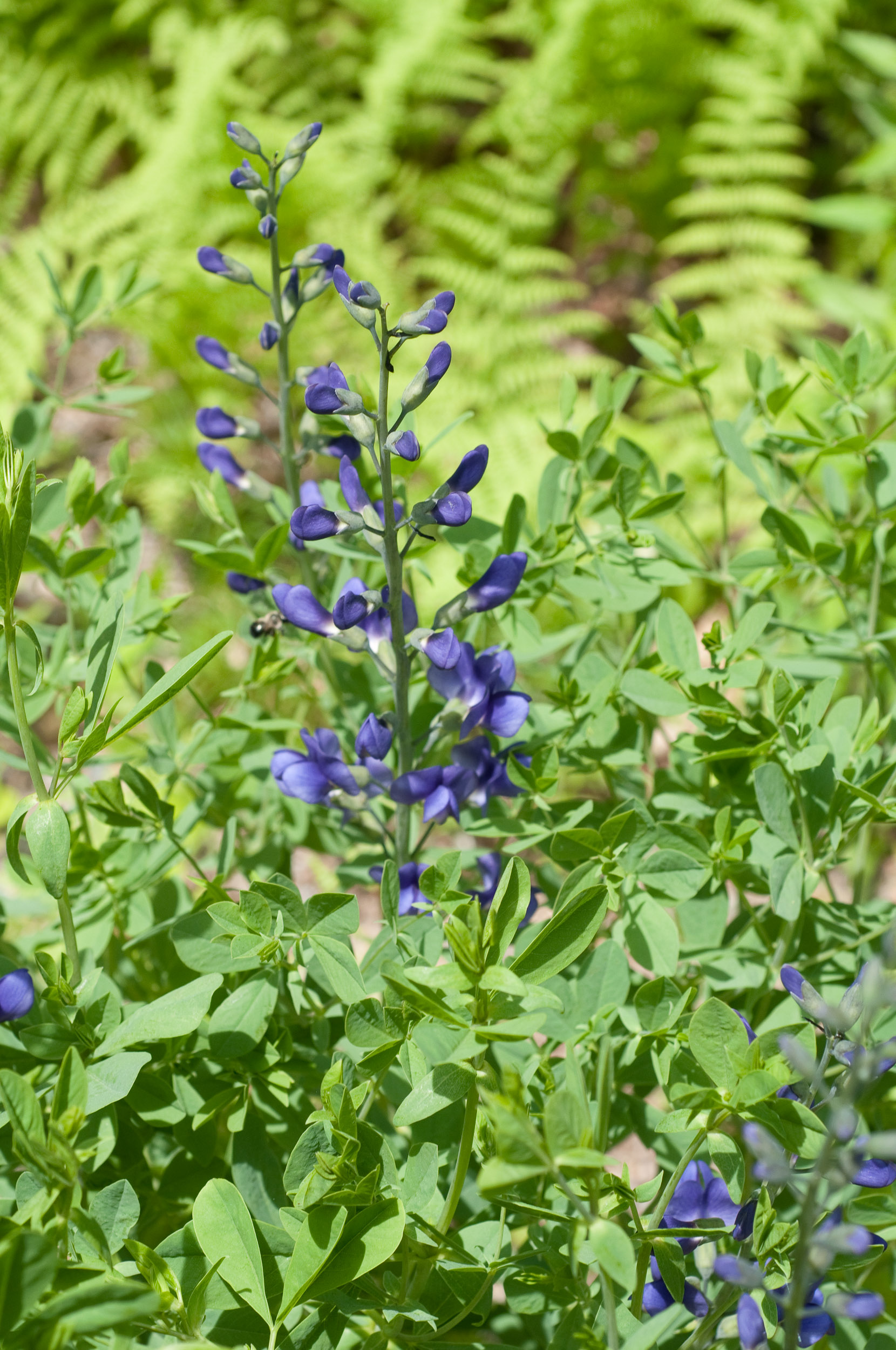
5/22/2010 · Garden in the Woods, Framingham, Massachusetts · ≈ 10 × 15″ (26 × 39 cm) 
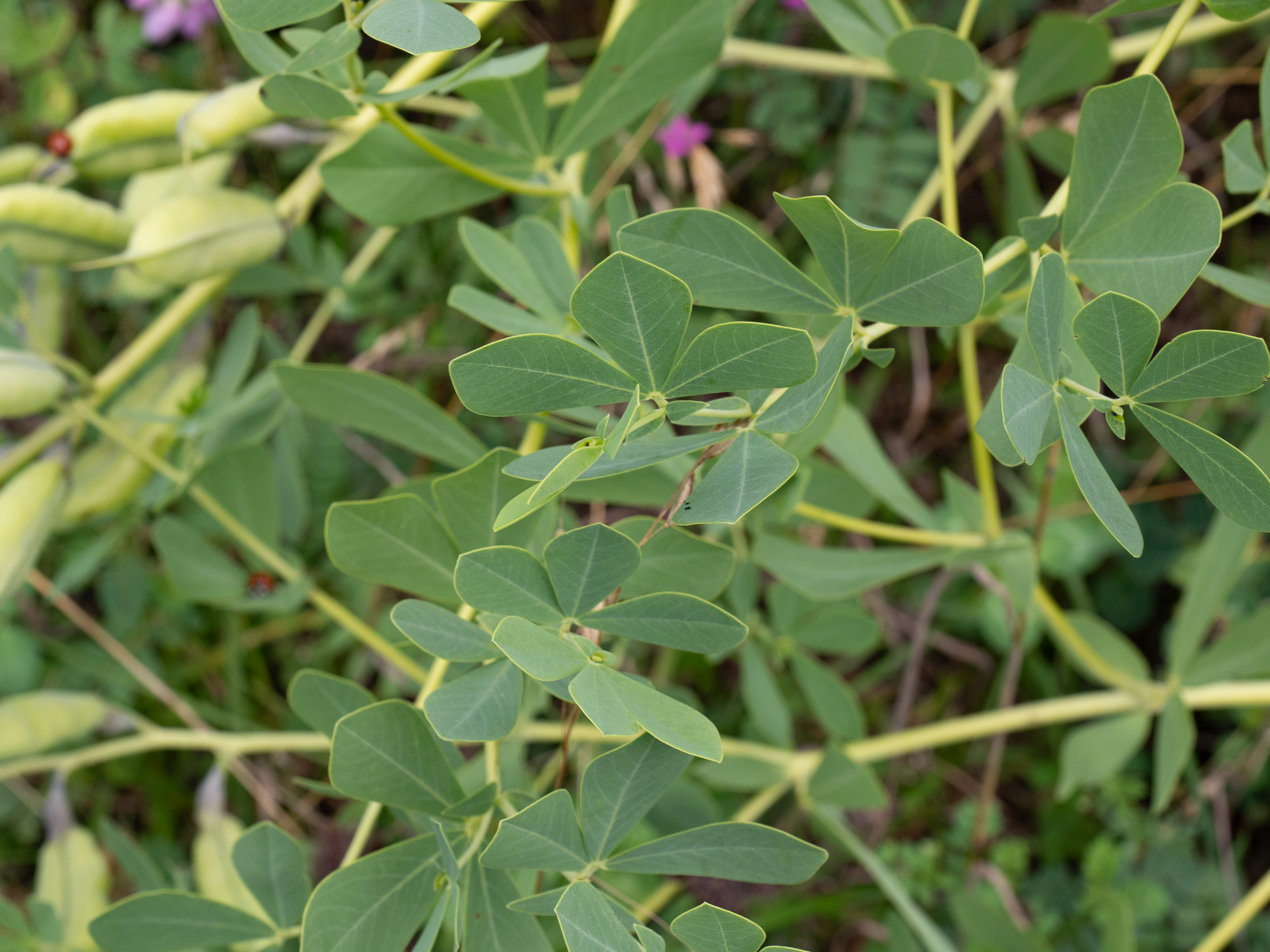
7/3/2023 · Gettysburg National Military Park, Gettysburg, Pennsylvania 

9/10/2014 · Acton Arboretum, Acton, Massachusetts · ≈ 10 × 15″ (25 × 37 cm) 
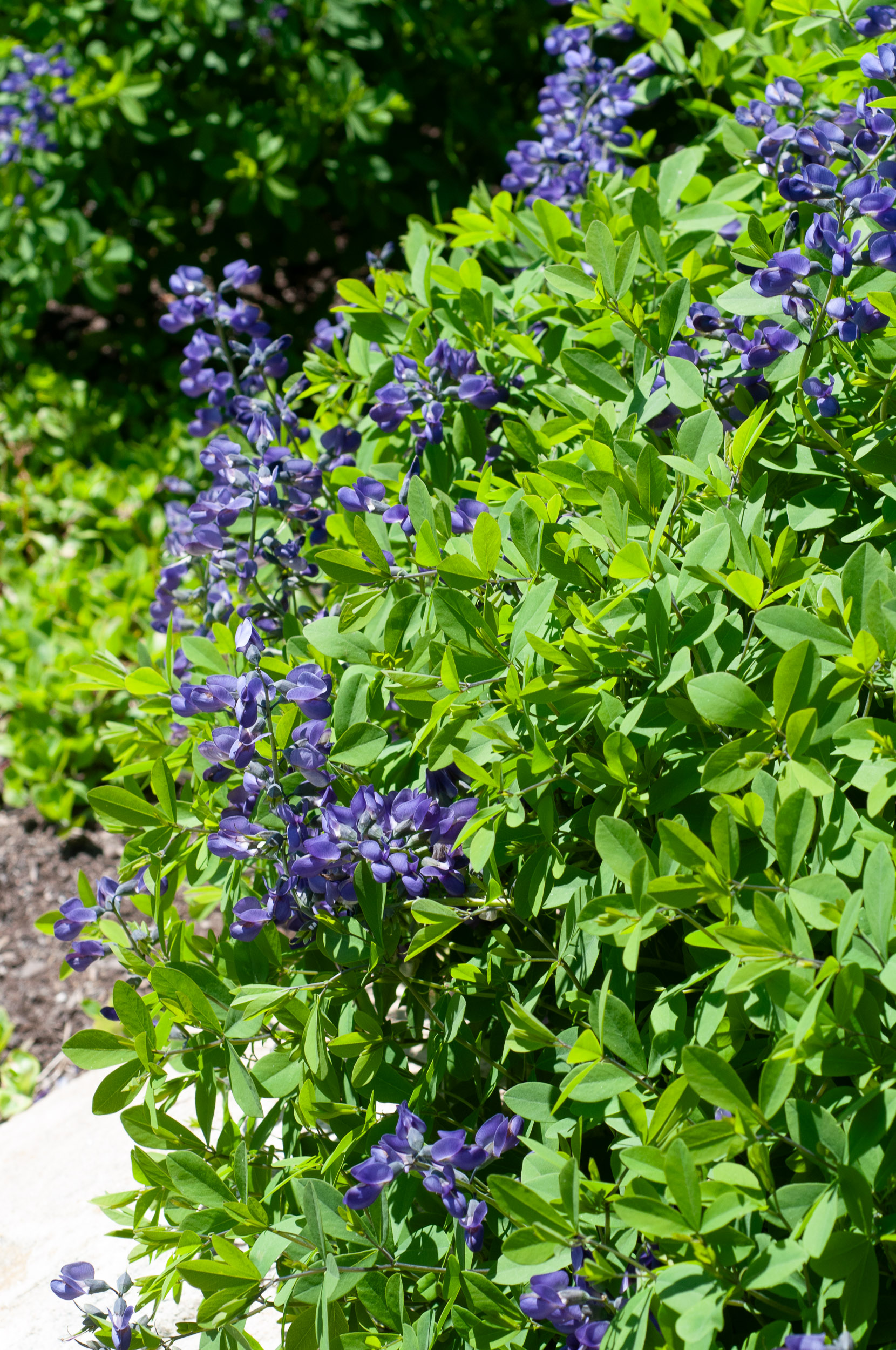
6/17/2012 · Coastal Maine Botanical Gardens, Boothbay, Maine · ≈ 1 × 2′ (41 × 62 cm) 
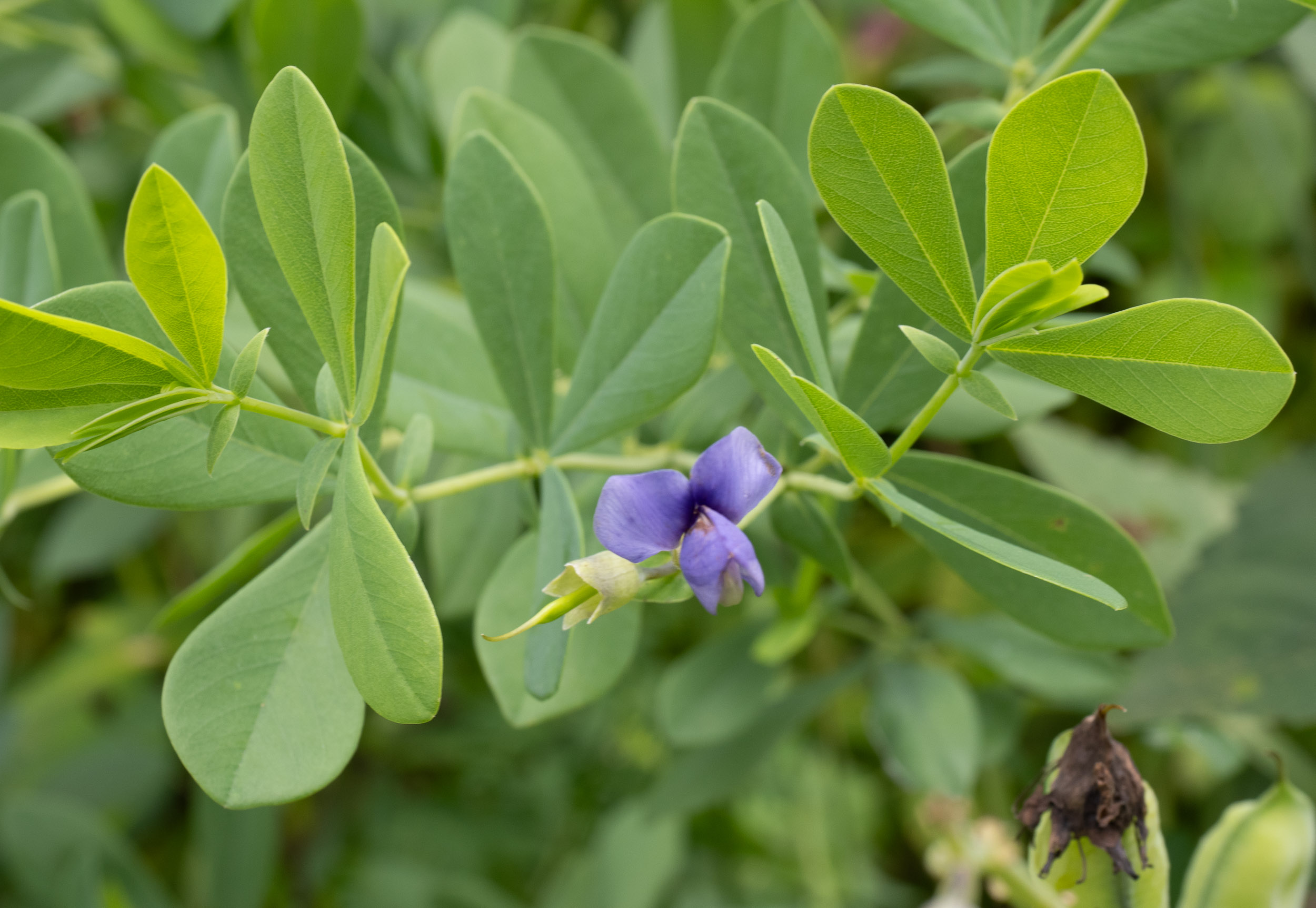
7/3/2023 · Gettysburg National Military Park, Gettysburg, Pennsylvania 
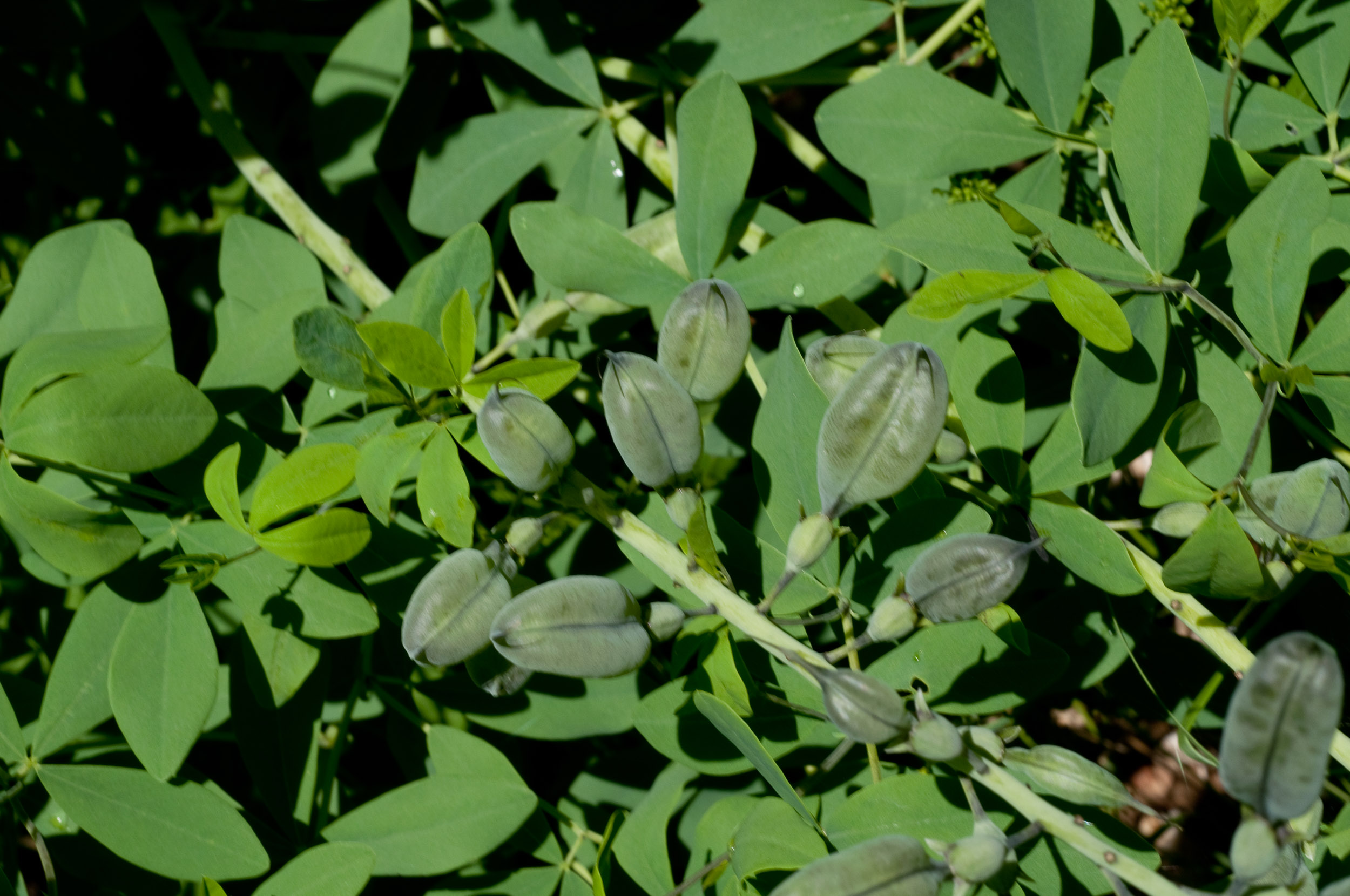
6/15/2010 · Garden in the Woods, Framingham, Massachusetts · ≈ 11 × 7″ (27 × 18 cm) 
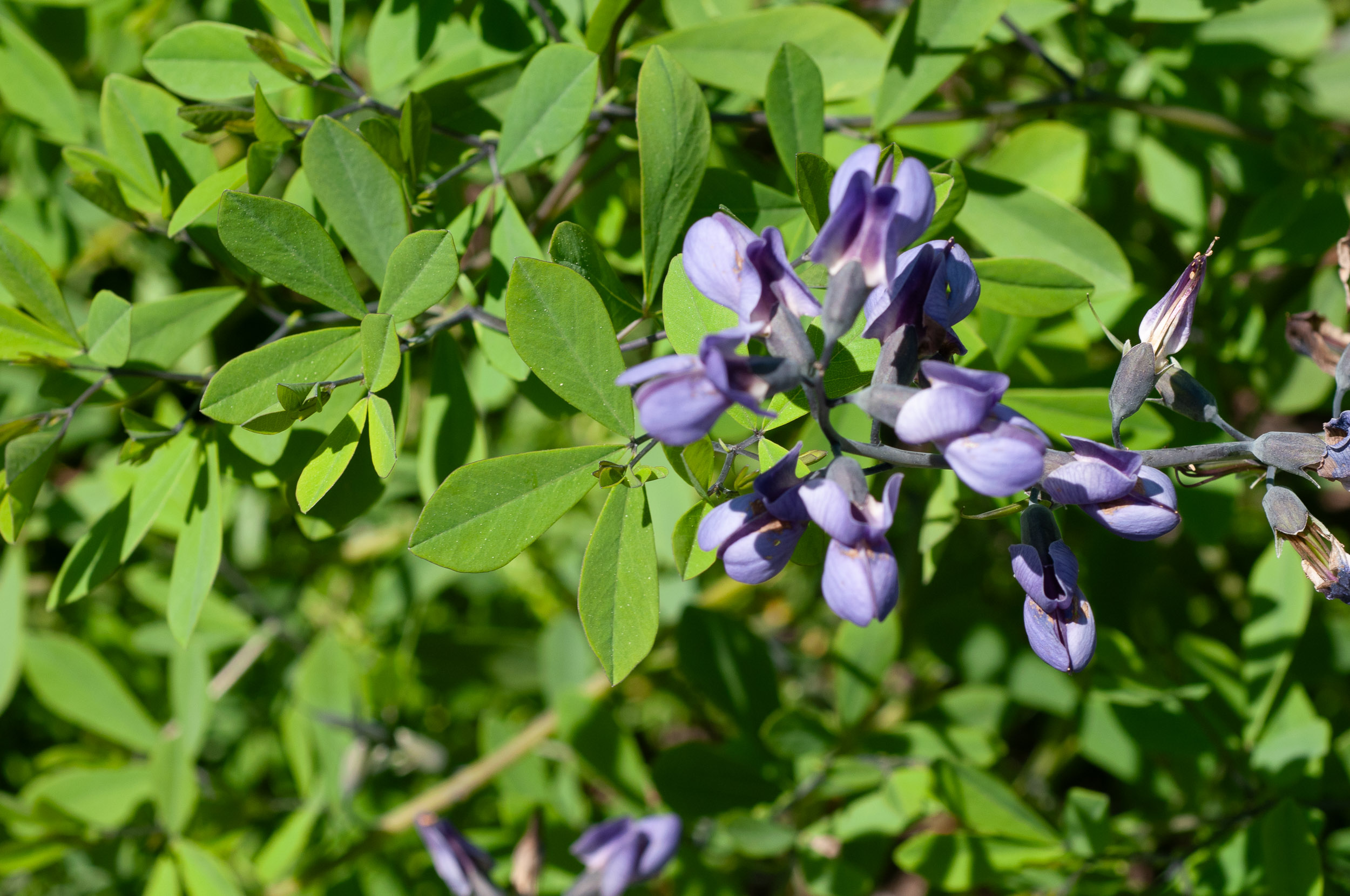
6/17/2012 · Coastal Maine Botanical Gardens, Boothbay, Maine · ≈ 9 × 6″ (23 × 15 cm) ID is uncertain 
| Kingdom | Plantae | Plants, but not fungi, lichens, or algae (from Stearn's Botanical Latin) |
| Subkingdom | Tracheobionta | Vascular plants—plants with a “circulatory system” for delivering water and nutrients |
| Division | Magnoliophyta | Flowering plants, also known as angiosperms |
| Class | Magnoliopsida | Dicotyledons—plants with two initial seed leaves |
| Subclass | Rosidae | Roses, legumes, proteas, dogwoods, hydrangeas, mistletoes, euphorbias, grapes, many more |
| Order | Fabales | Legumes (pea and bean families) |
| Family | Fabaceae | Legume family (peas and beans) |
| Genus | Baptisia | From Greek baptizein, “to dye,” because members of this genus were used to prepare dye |
| Species | australis | Southern |
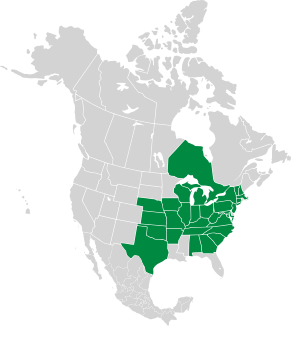
Baptisia australis description by Thomas H. Kent, not updated.

© FloraFinder.org. All rights reserved.