Achillea millefolium L.
Common yarrow, gordaldo, nosebleed plant, old man’s pepper, devil’s nettle, sanguinary, milfoil, soldier’s woundwort, thousand-leaf, yarrow
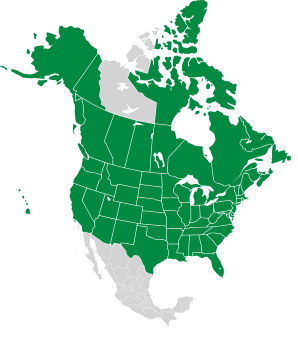
Yarrow is native to Europe, Eurasia, and Scandinavia, introduced throughout the U.S. and Canada, and invasive in some habitats. Numerous cultivars are available.
|
Common yarrow’s genus, Achillea, derives from the mythical Greek character Achilles, who carried it into battle for its medicinal properties. Yarrow’s species name, millefolium, means “thousand-leaf,” a reference to yarrow’s myriad tiny leaves, resembling feathers. Some of its odder common names, such as devil’s plaything, devil’s nettle, and bad man’s plaything, apparently stem from its use in witchcraft. Plants: Up to 3′ (91 cm) in height. The stem has woolly hairs. Leaves: Feathery, fernlike, smooth or sparsely hairy, bi- and tripinnately divided, attached almost directly to the stem in a spiral pattern. Individual leaves are 1¾–8″ (5–20 cm) long. The leaves are the most obvious identifying characteristic. Flowers: Flowers are flat-topped or umbrella-shaped corymbs 3–4″ (7.6–10 cm) across. Each flower is a composite flower, about ¼″ (6.3 mm) in diameter, with three to eight ray petals and 10-40 disc flowers. Natural flowers are white, sometimes pink, and cultivars are available in many other colors. Yarrows bloom from March to October. |
by Sigman |


Fruits: Flowerheads turn brown and hard, filled with numerous tiny seeds.
Habitats: Pastures, grasslands, woodlands, waste grounds, open forests, prairies, fallow fields, pathway edges, subalpine zones, and exposed ridges—nearly anywhere there is full or partial sun.
Edibility: Young yarrow leaves, which taste sweet with a bitter
tinge, are said to be good when cooked like spinach, or in a
soup. However, yarrow can
be confused with the somewhat similar-appearing, extremely poisonous
western water hemlock  , so don’t eat yarrow unless
you are absolutely certain of its identity.
, so don’t eat yarrow unless
you are absolutely certain of its identity.
Medicinal uses: Yarrow contains several chemicals which are used medically. It was believed to have healing powers and applied topically to treat wounds and staunch bleeding. An amazing number of other purported herbal uses are discussed in the Wikipedia article.
Online References:
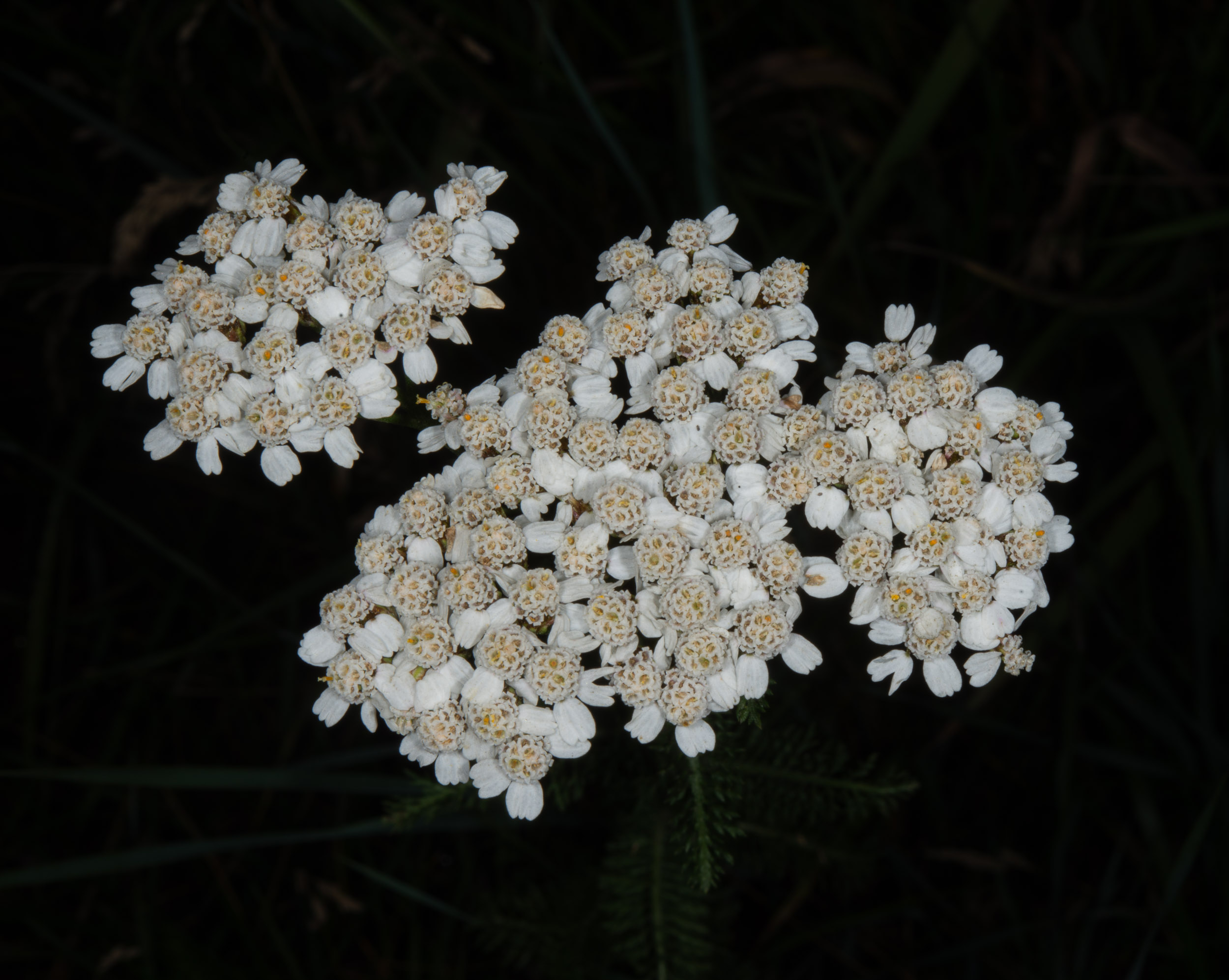
8/31/2014 · New Mexico · ≈ 5 × 4″ (13 × 10 cm) 
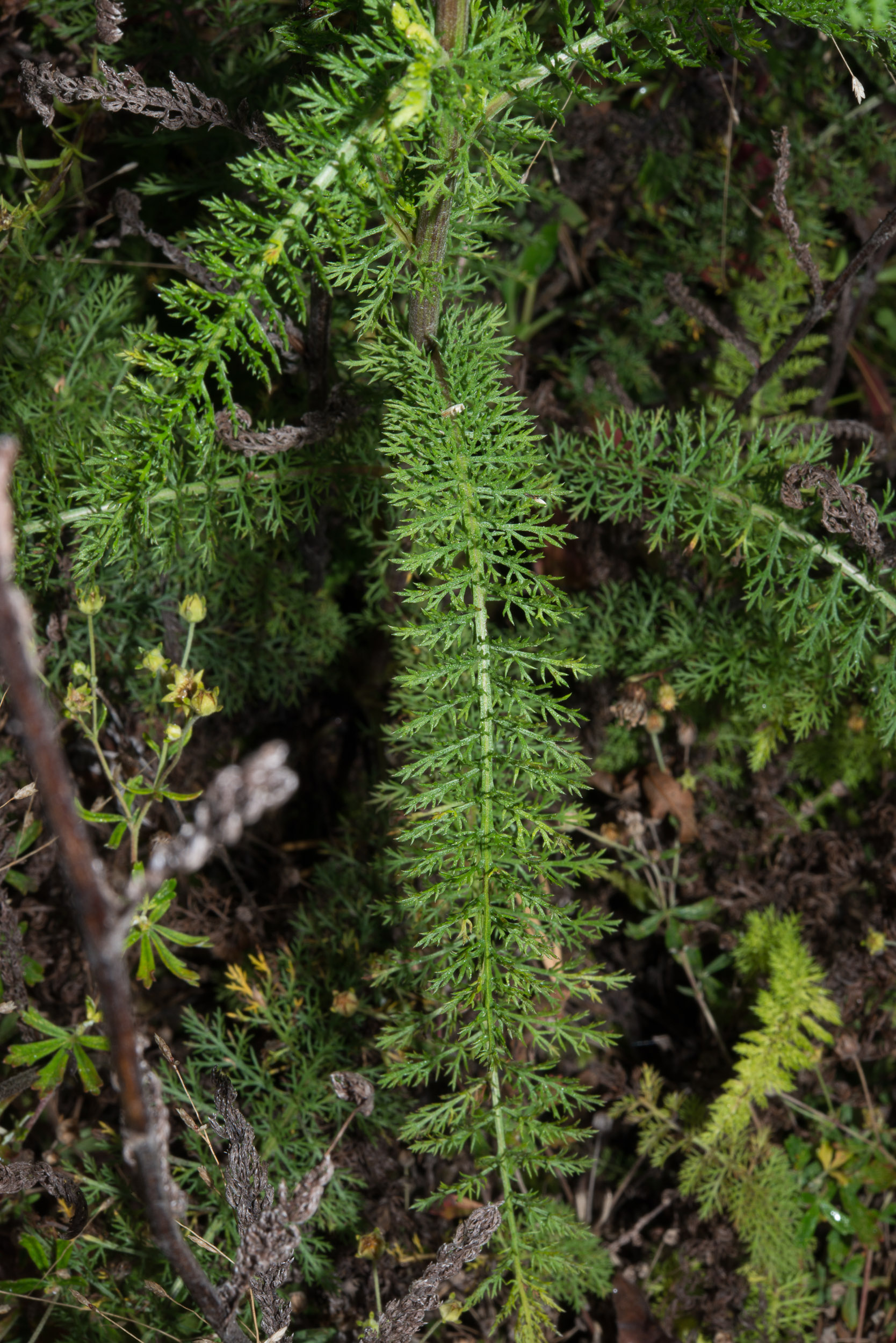
10/12/2013 · Flat Rock Hill Trail, off Skytop Lane, Dunstable, Massachusetts · ≈ 6 × 9″ (15 × 22 cm) 
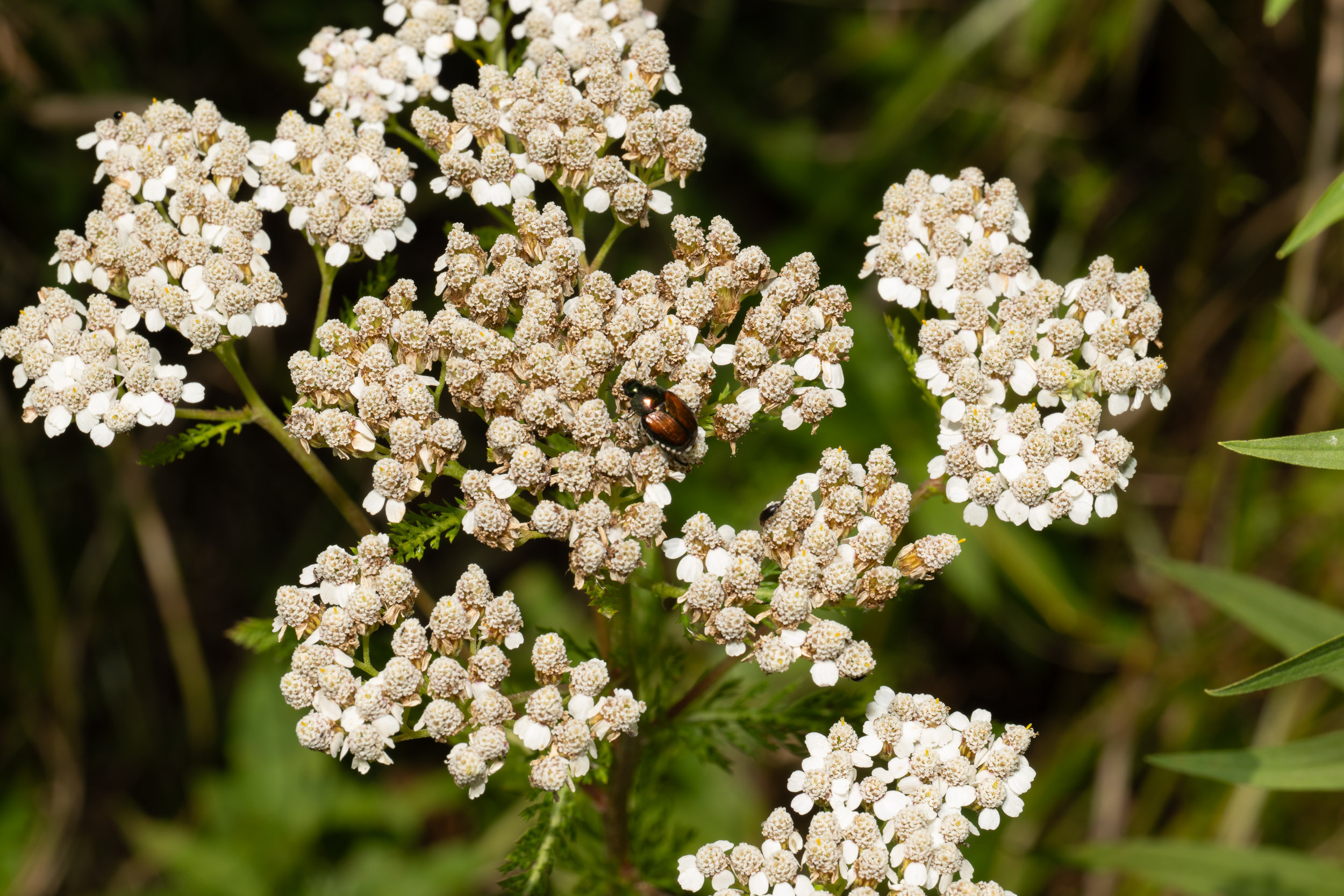
7/26/2025 · River Point Conservation Area, Falmouth, Maine · ≈ 8 × 5″ (19 × 12 cm) 
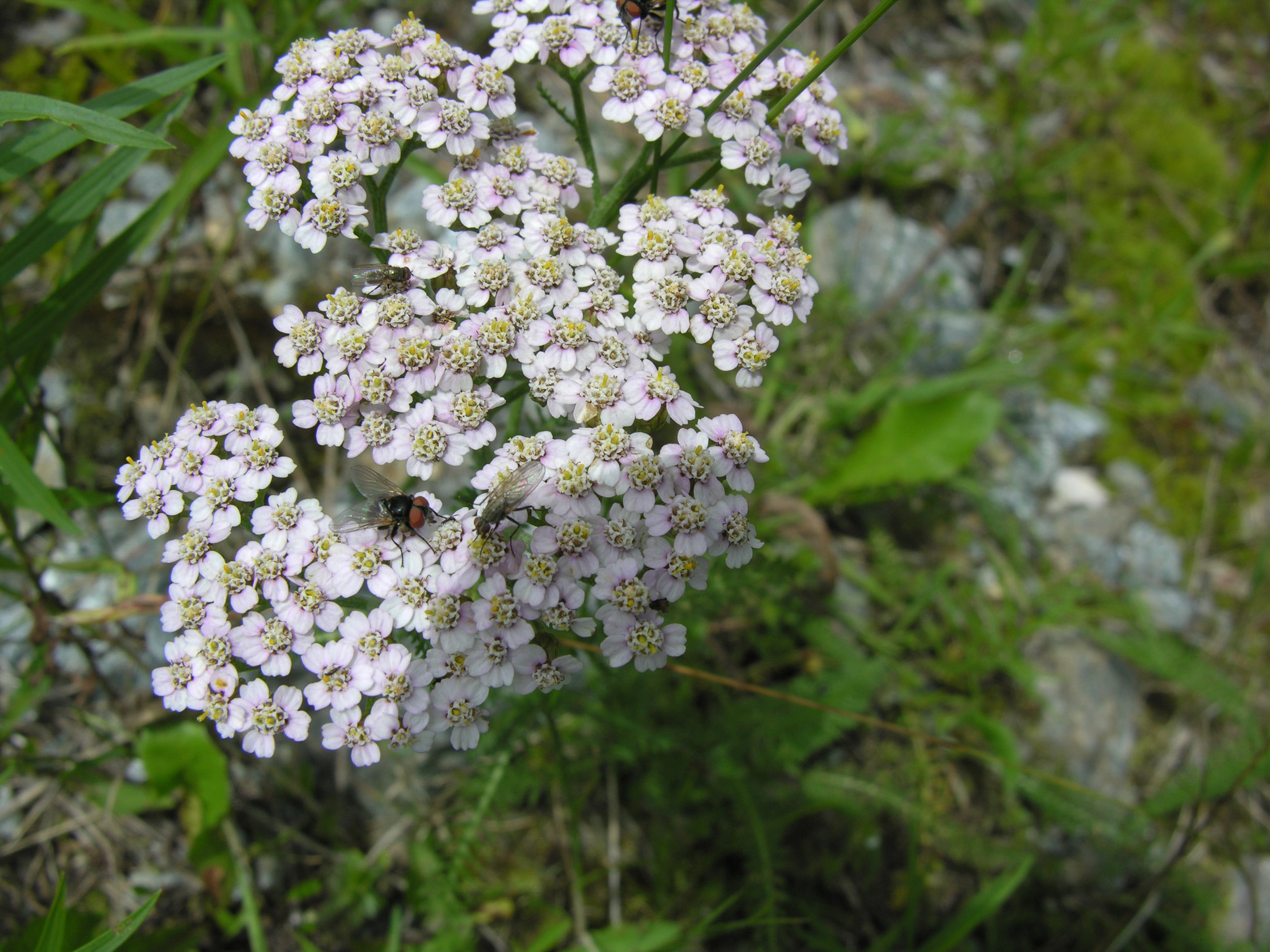
8/4/2006 · Mt. Mansfield, Stowe, Vermont 

7/31/2016 · Skyline Drive, Shenandoah Nation, Virginia 
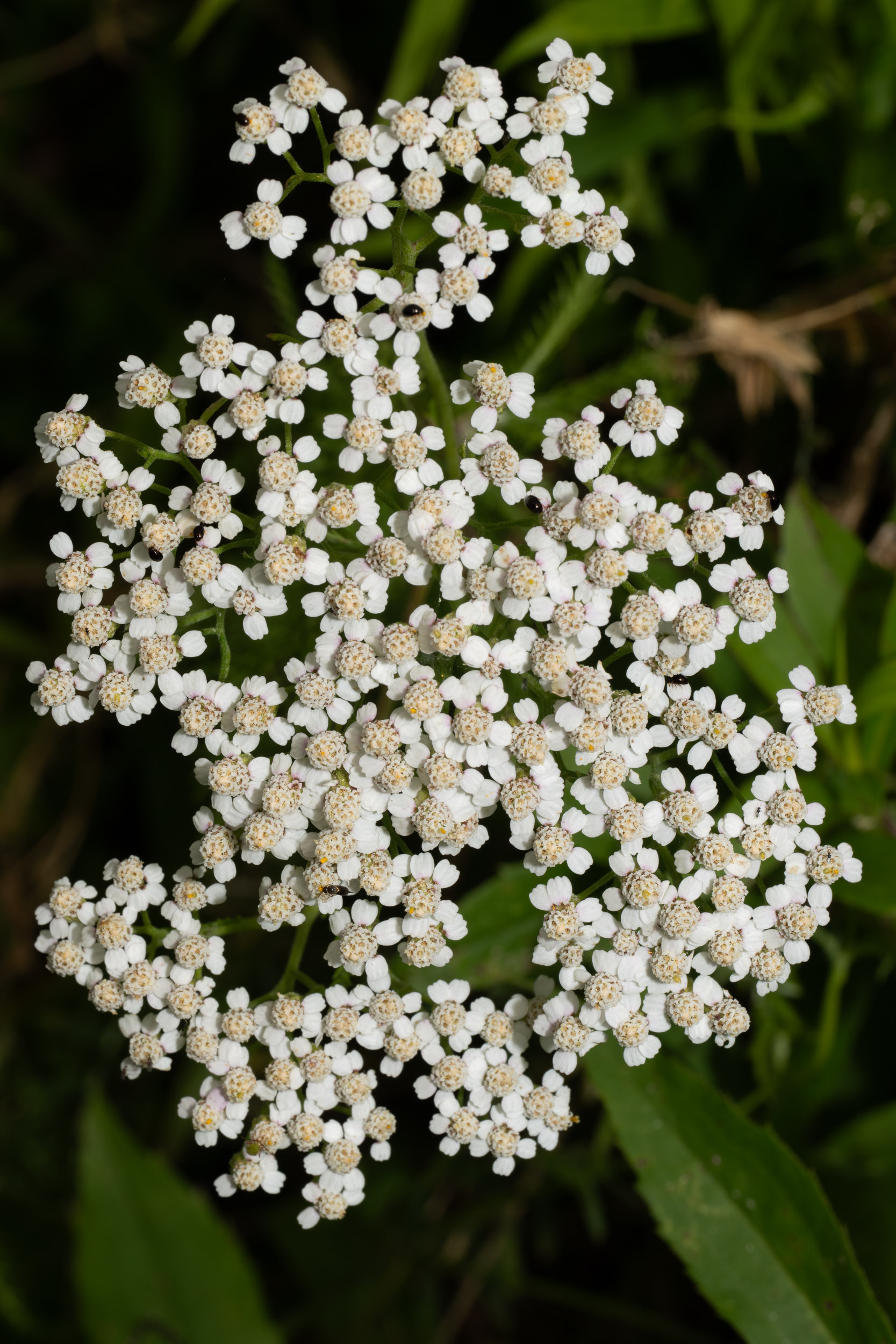
7/25/2025 · River Point Conservation Area, Falmouth, Maine · ≈ 4½ × 7″ (11 × 17 cm) 
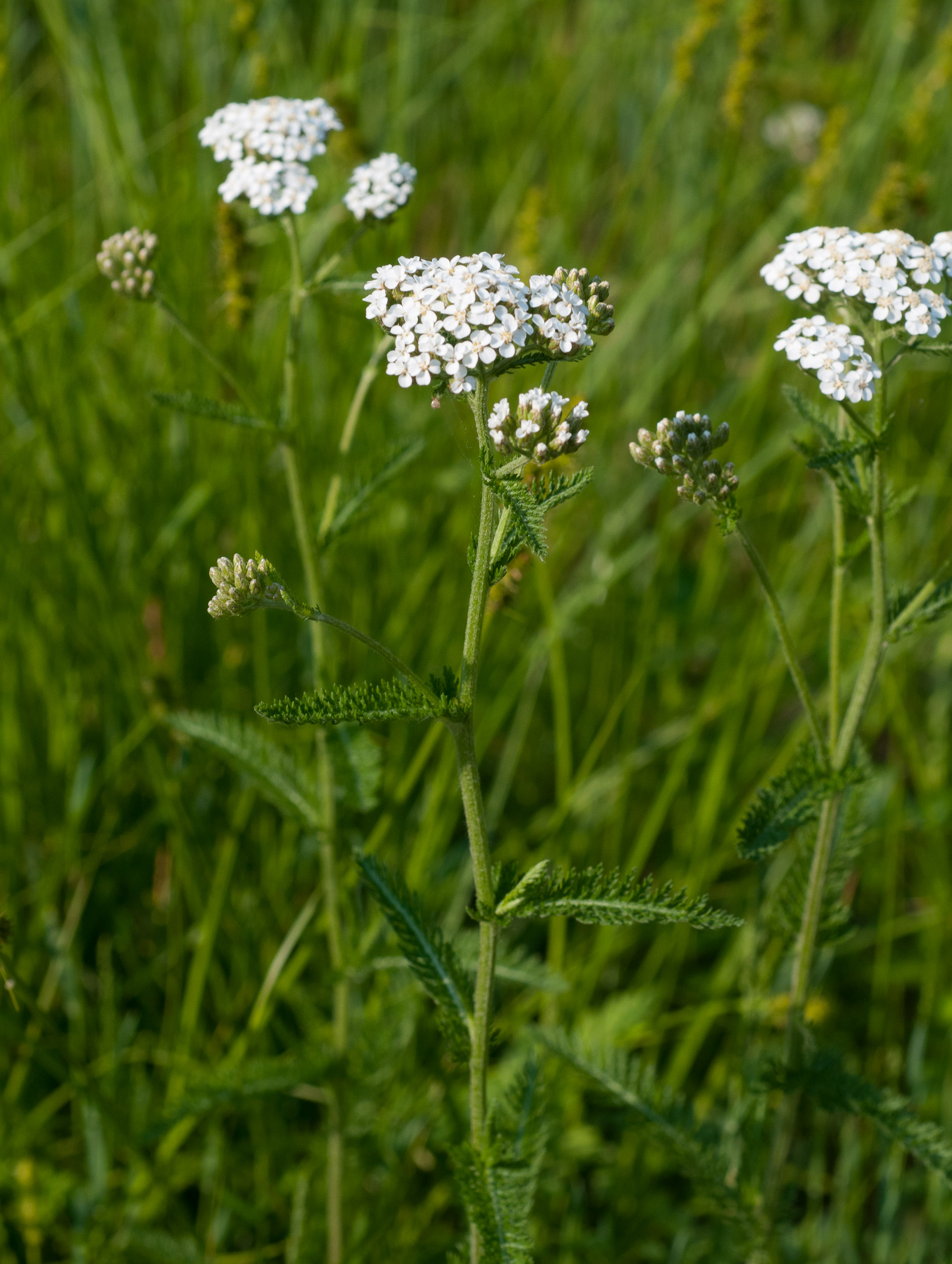
5/31/2010 · Mt. Lebanon St., Pepperell, Massachusetts · ≈ 7 × 9″ (17 × 23 cm) 

6/27/2025 · Butler Head Preserve, Bath, Maine · ≈ 8 × 10″ (19 × 26 cm) 
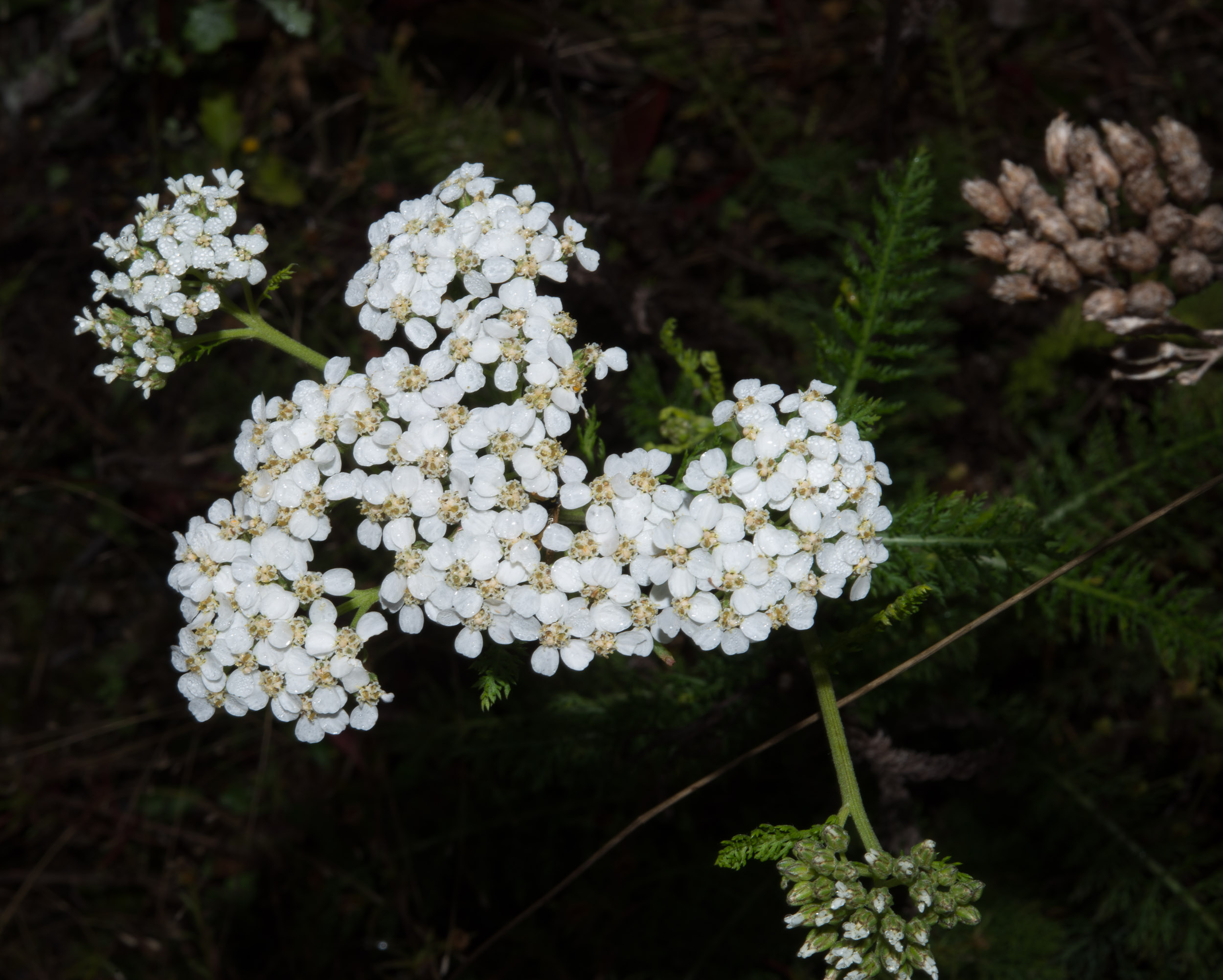
10/12/2013 · Flat Rock Hill Trail, off Skytop Lane, Dunstable, Massachusetts · ≈ 7 × 6″ (18 × 15 cm) 

6/22/2021 · Tarbox Preserve, Topsham, Maine · ≈ 5 × 3″ (12 × 8.4 cm) 
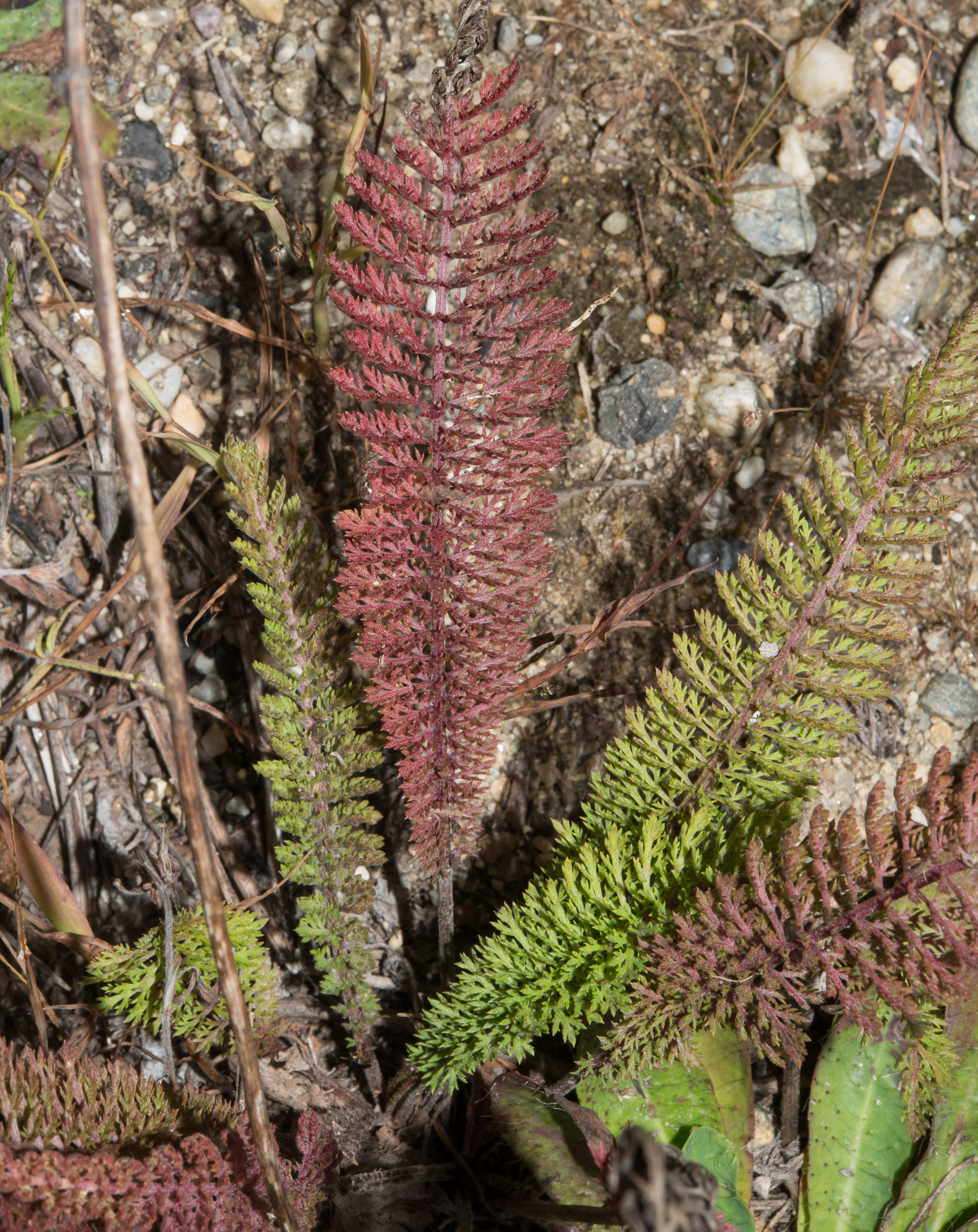
9/16/2013 · Townsend Wildlife Management Area, Townsend, Massachusetts · ≈ 5 × 7″ (13 × 16 cm) 
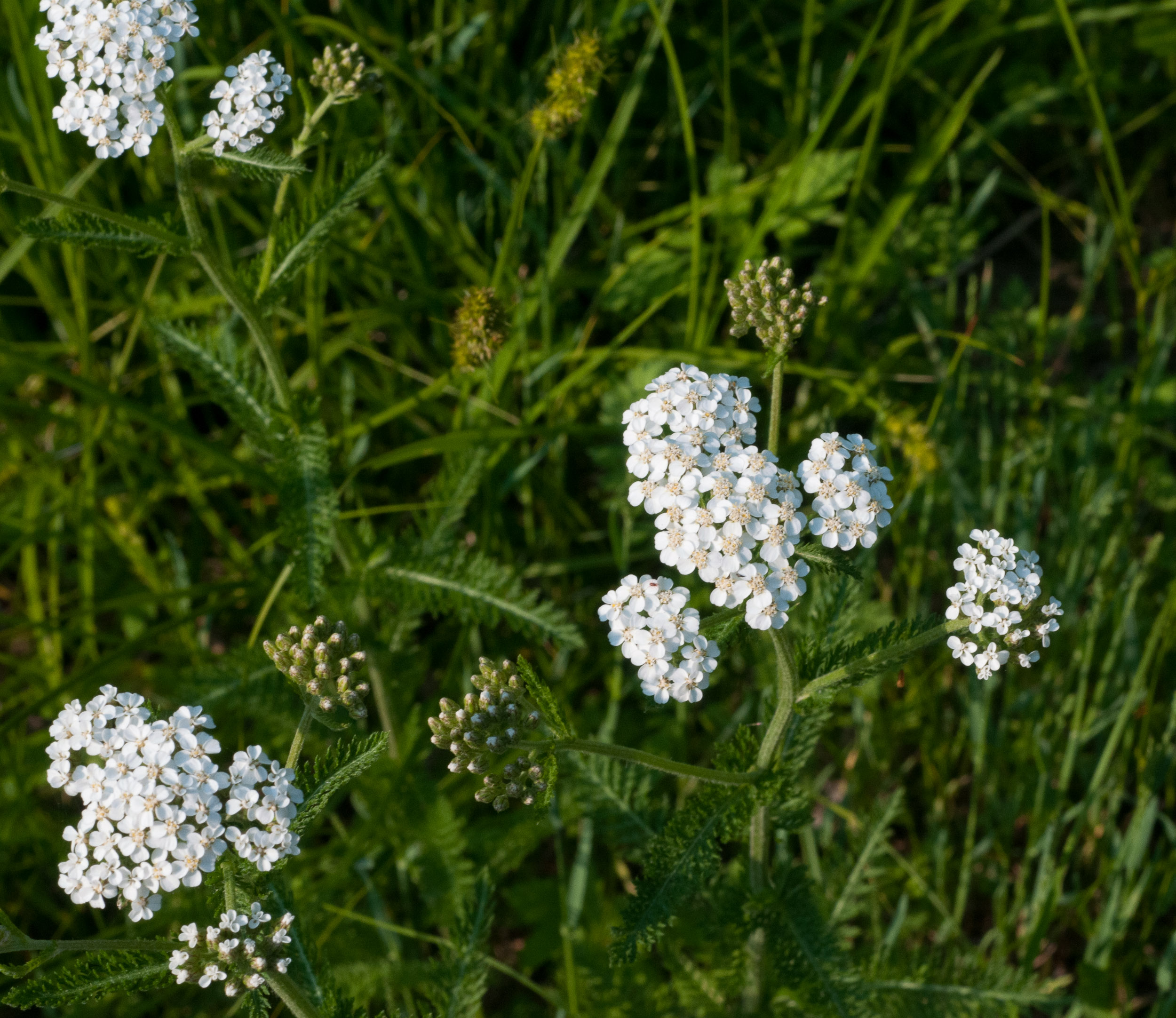
5/31/2010 · Mt. Lebanon St., Pepperell, Massachusetts · ≈ 8 × 7″ (21 × 18 cm) 
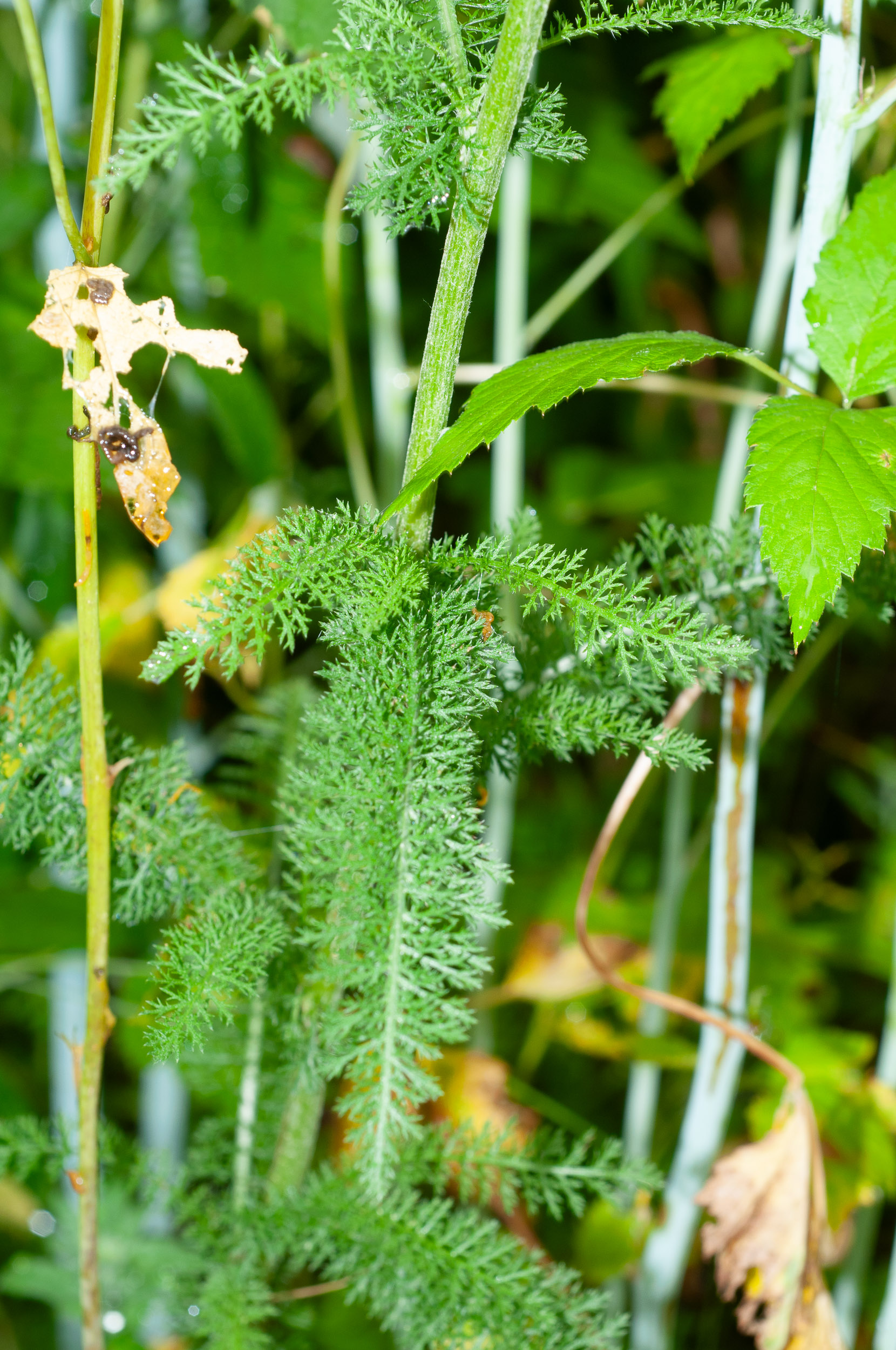
6/14/2012 · Nashua River Rail Trail, Groton Center, Groton, Massachusetts · ≈ 6 × 9″ (14 × 22 cm) 
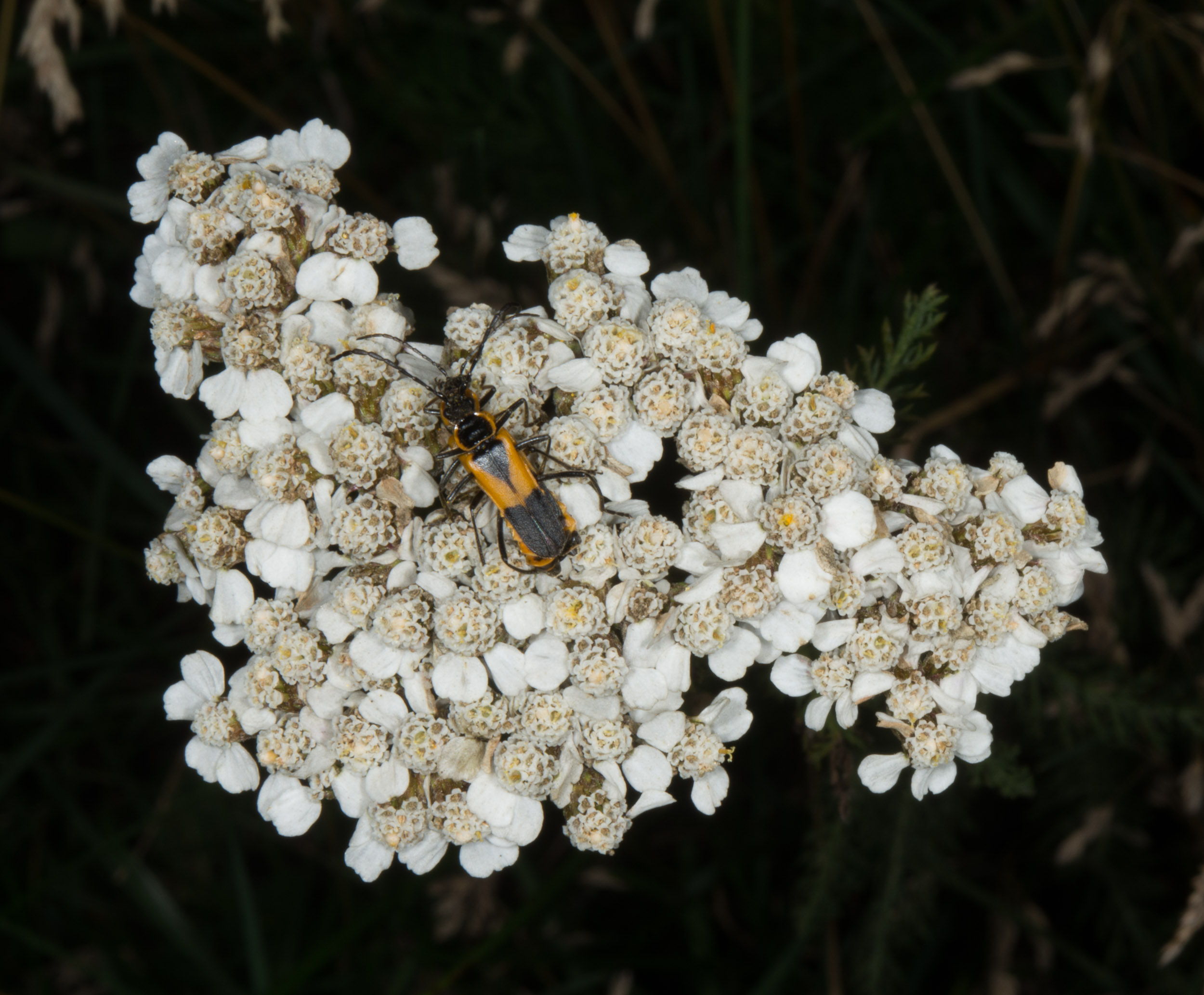
8/31/2014 · New Mexico · ≈ 4 × 3″ (9.9 × 8.2 cm) 

8/3/2009 · 111 Near 119, Pepperell, Massachusetts · ≈ 3½ × 4½″ (9.2 × 11 cm) 

6/13/2016 · Nashua River Rail Trail, Groton, Groton, Massachusetts 
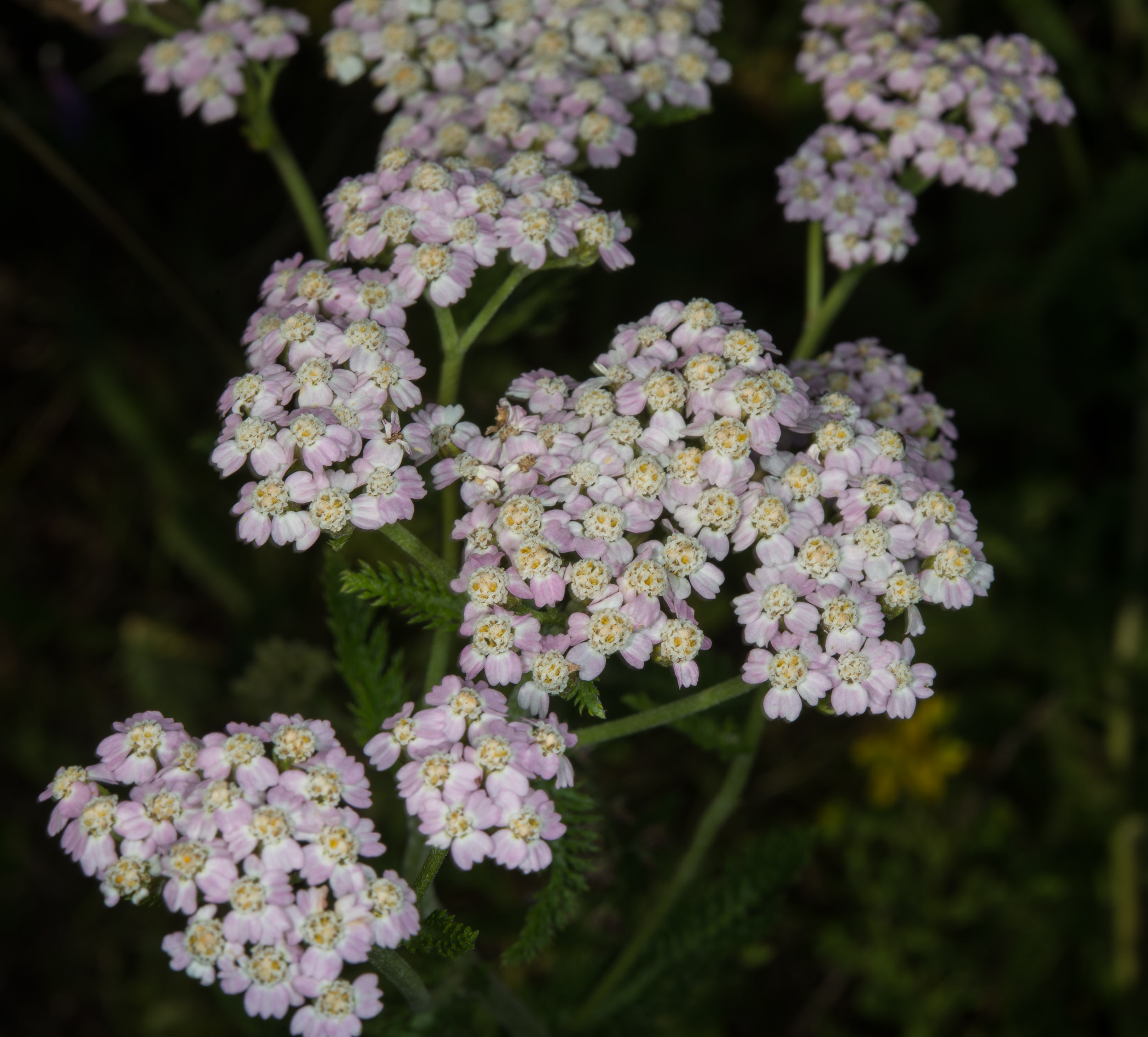
This pale pink variety is not as common as the white variety. · 6/29/2014 · Mount Agamenticus, York, Maine · ≈ 5 × 4½″ (13 × 12 cm) 
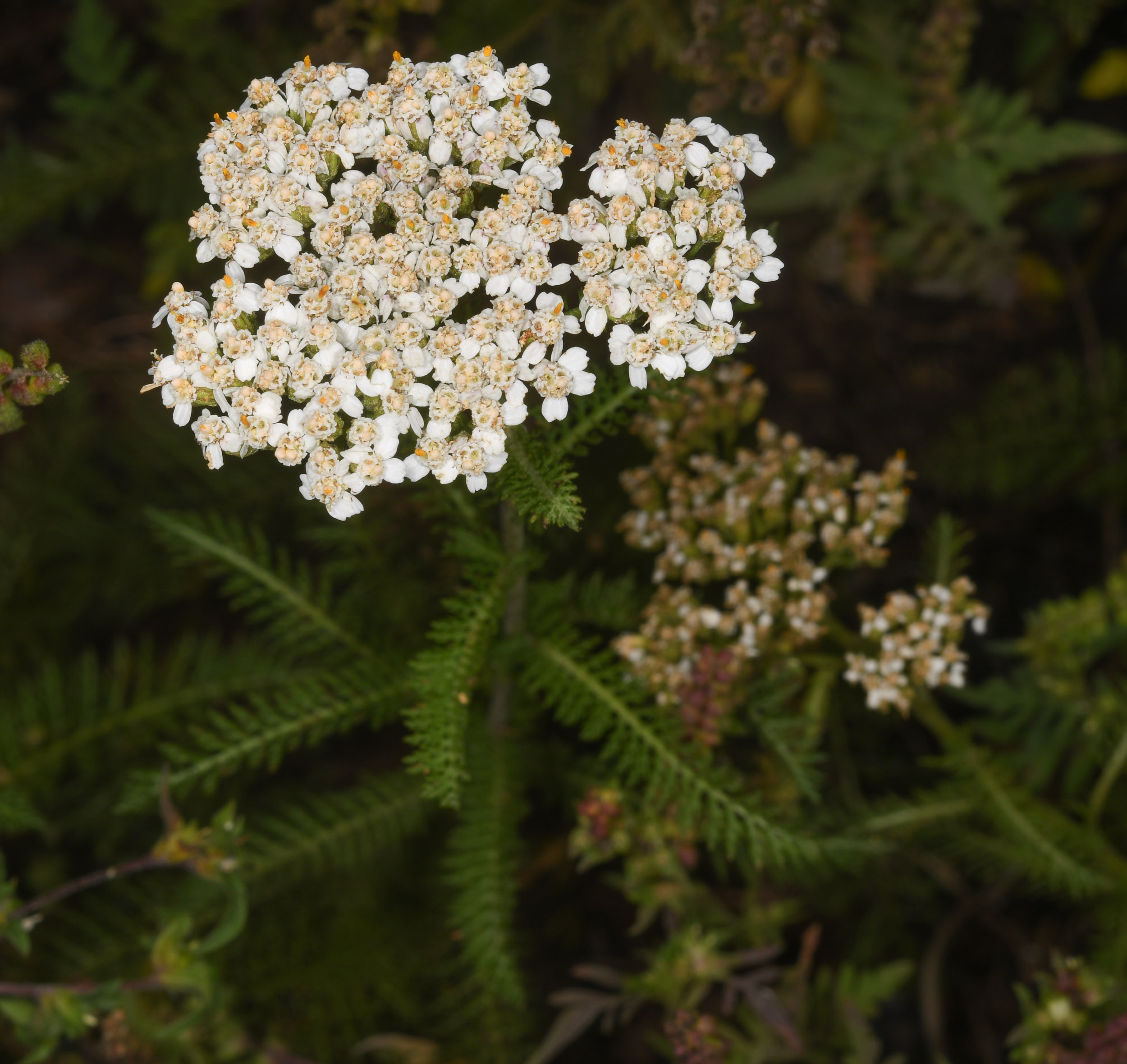
9/18/2016 · Edgar M. Tennis Preserve, Deer I, Maine 
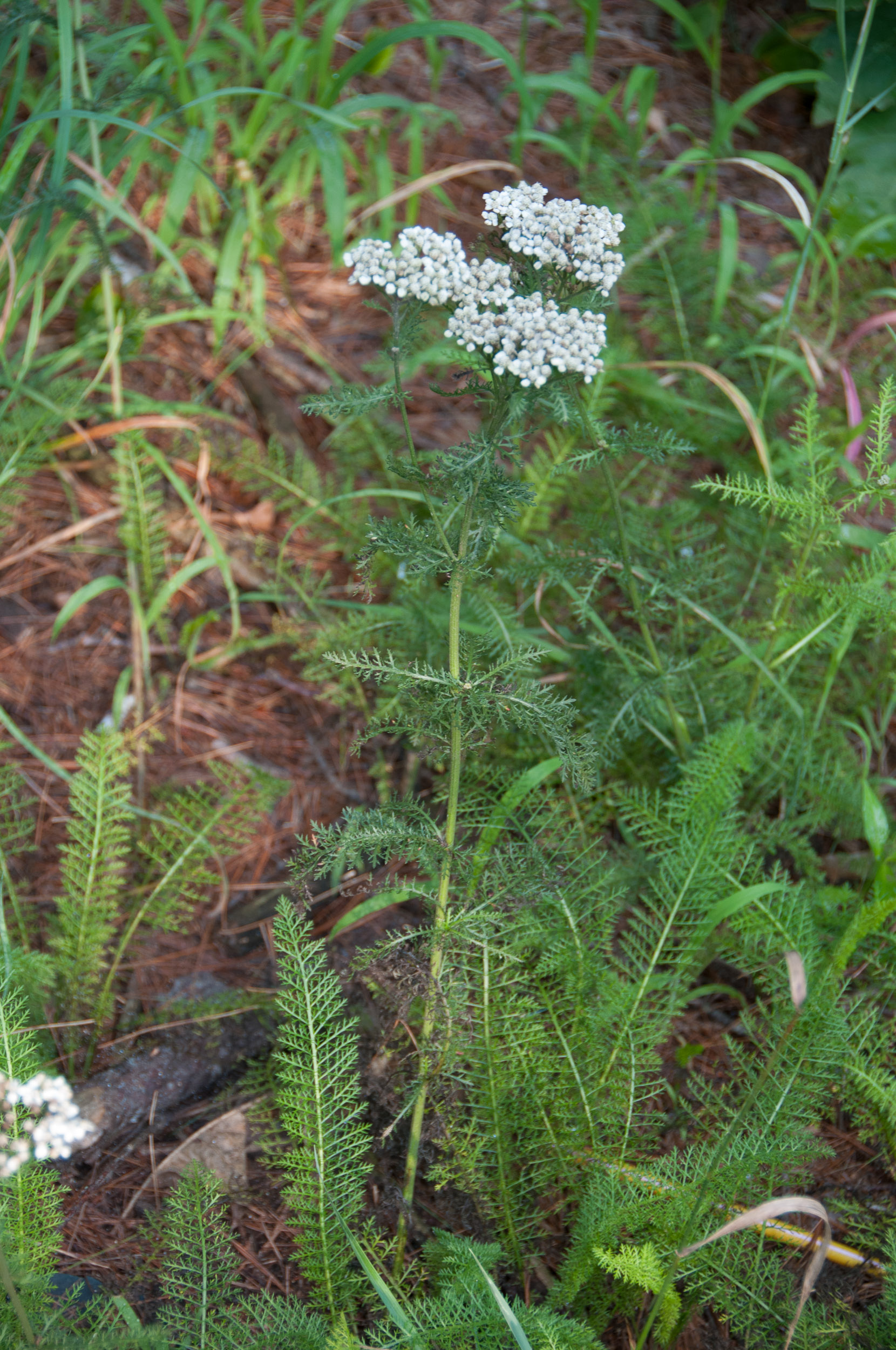
8/3/2009 · 111 Near 119, Pepperell, Massachusetts · ≈ 1 × 1½′ (36 × 54 cm) 
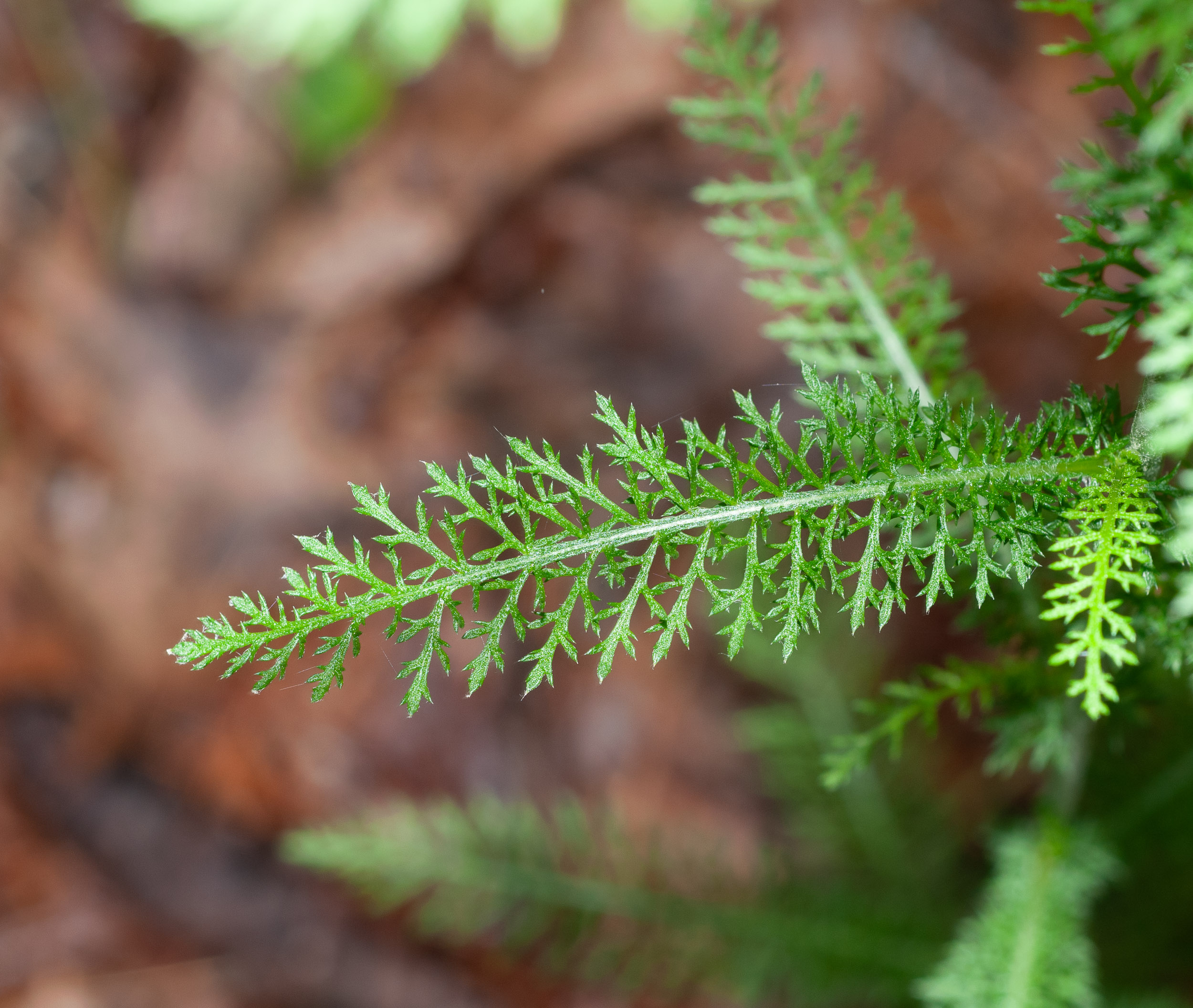
6/7/2012 · Nashua River Rail Trail, Groton, Groton, Massachusetts · ≈ 5 × 4″ (12 × 10 cm) 
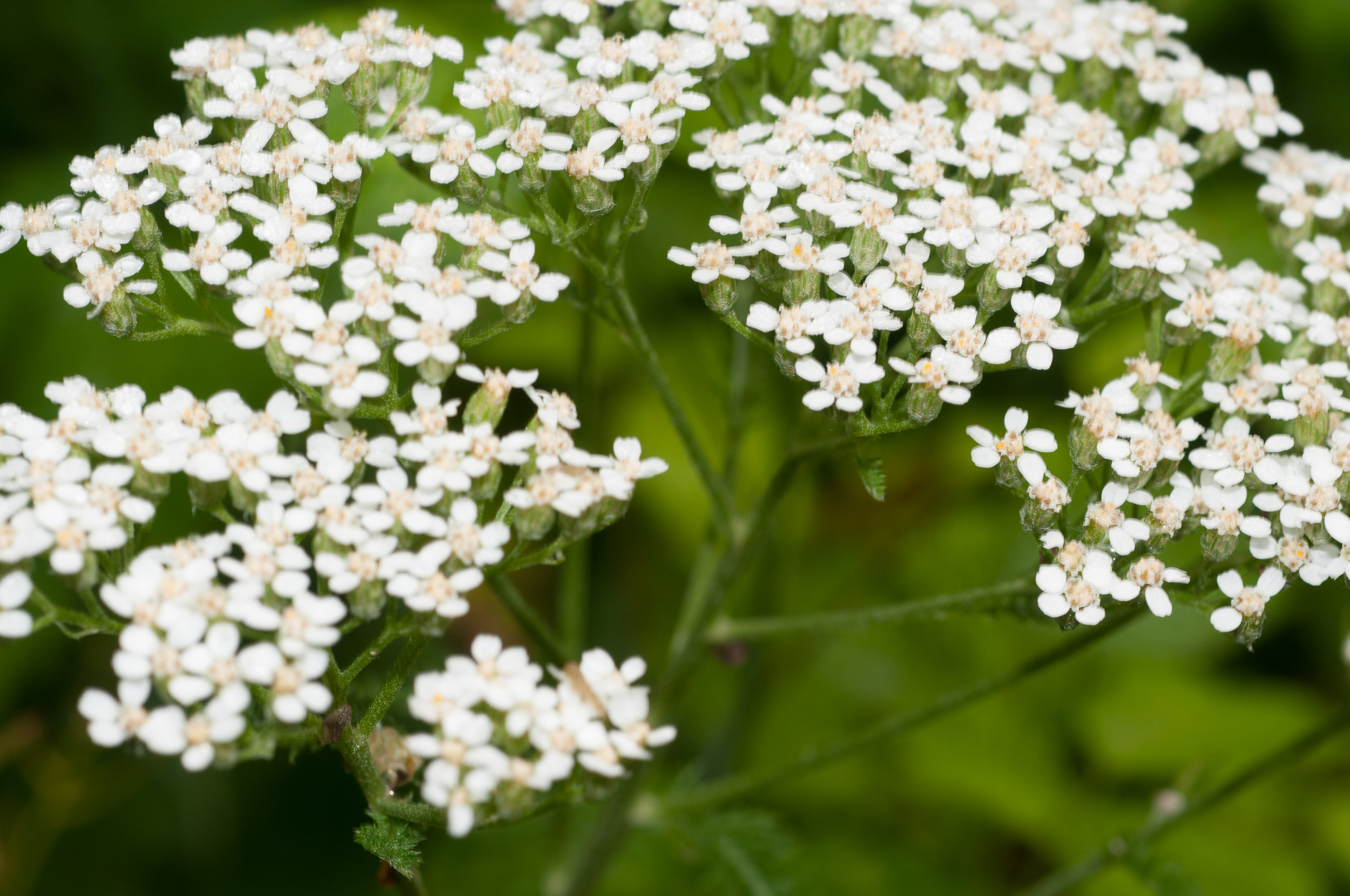
6/14/2012 · Nashua River Rail Trail, Groton Center, Groton, Massachusetts · ≈ 6 × 4″ (15 × 10 cm) 
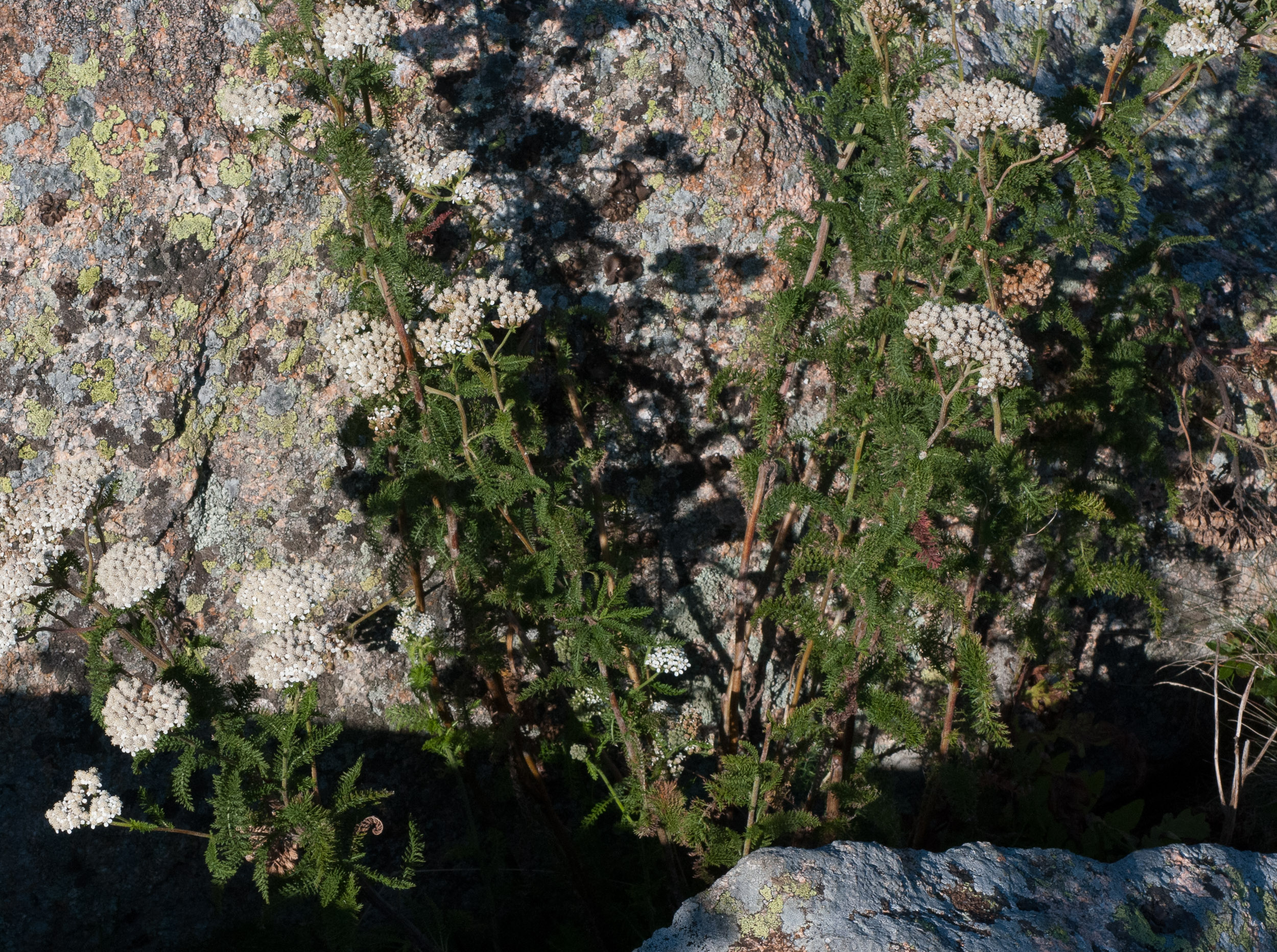
9/19/2009 · Acadia National Park, Bar Harbor, Maine  ID is uncertain
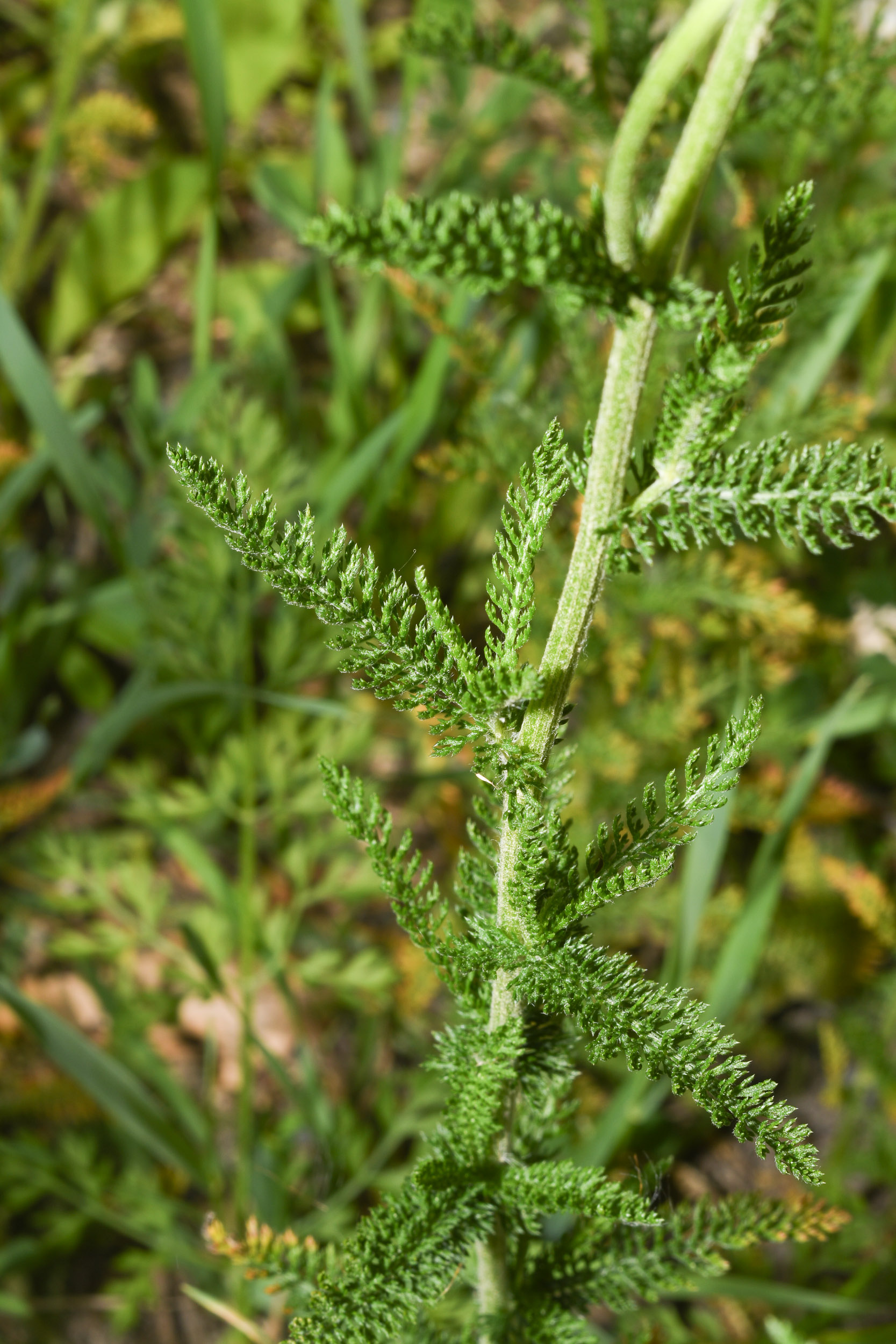
6/13/2016 · Nashua River Rail Trail, Groton, Groton, Massachusetts 
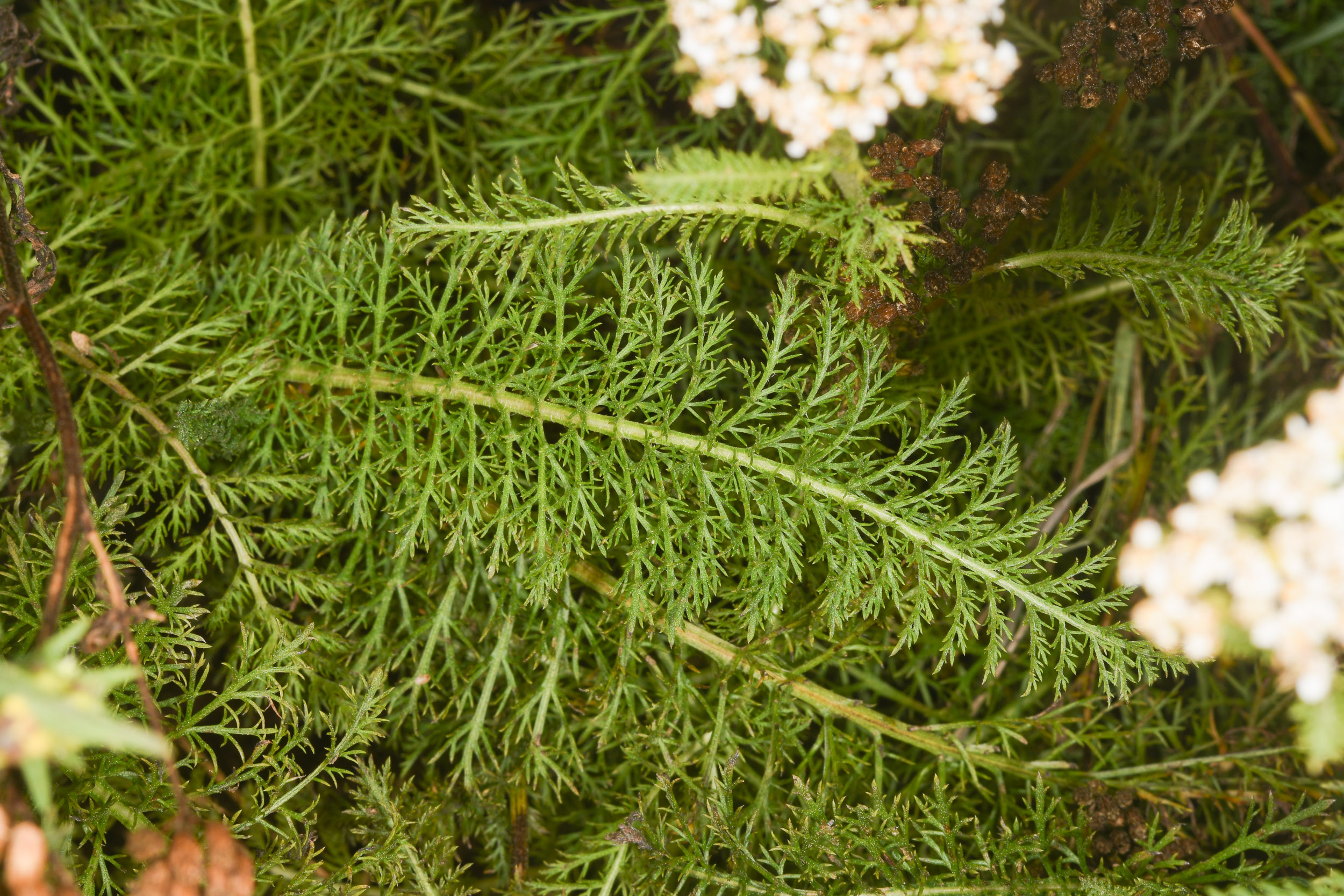
9/18/2016 · Edgar M. Tennis Preserve, Deer I, Maine 
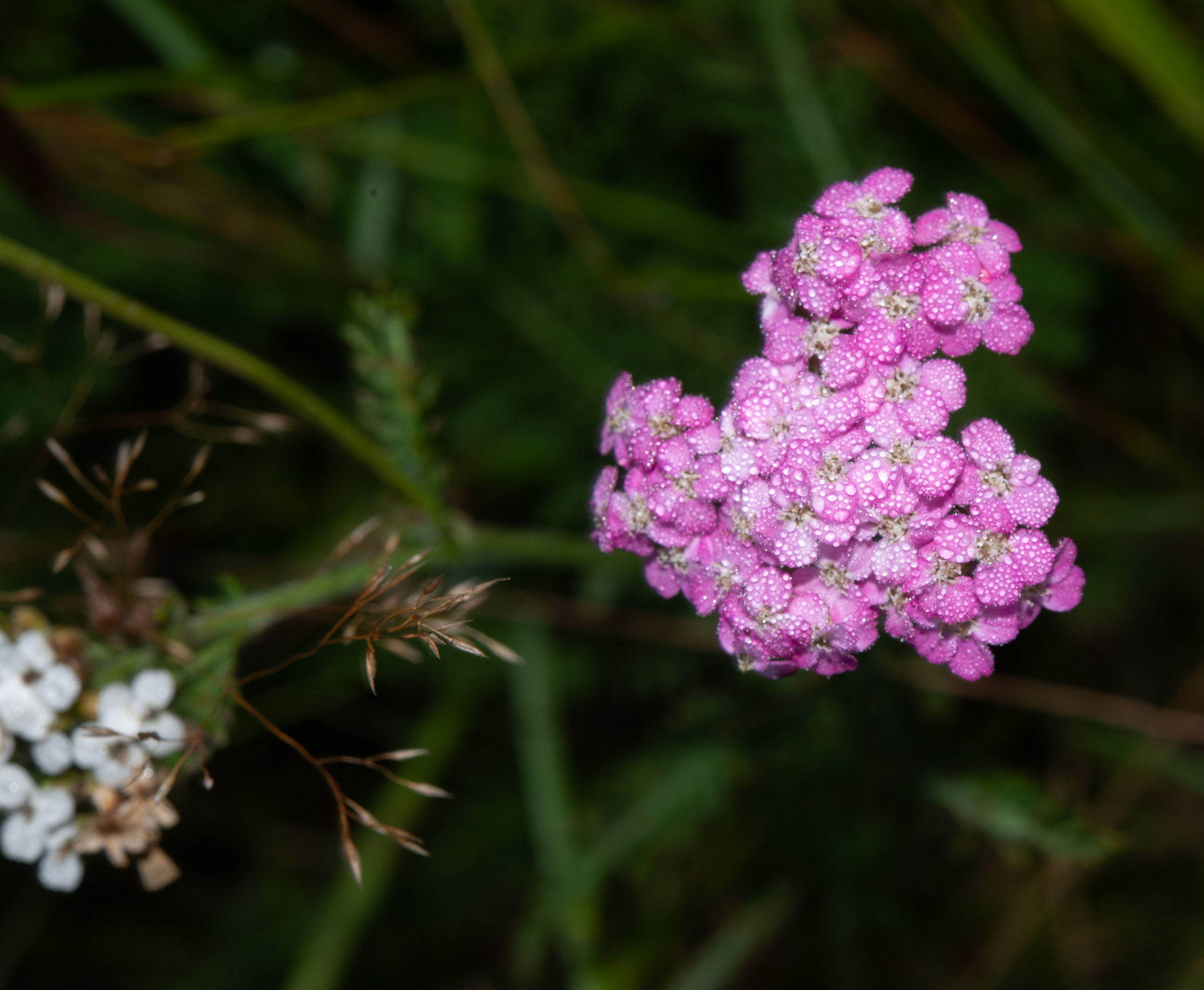
8/15/2015 · Grafton Notch State Park, Newry, Maine · ≈ 4 × 3½″ (10 × 9 cm) 
| Kingdom | Plantae | Plants, but not fungi, lichens, or algae (from Stearn's Botanical Latin) |
| Subkingdom | Tracheobionta | Vascular plants—plants with a “circulatory system” for delivering water and nutrients |
| Division | Magnoliophyta | Flowering plants, also known as angiosperms |
| Class | Magnoliopsida | Dicotyledons—plants with two initial seed leaves |
| Subclass | Asteridae | A large class that encompasses asters |
| Order | Asterales | Flowering plants with a central disk flower and surrounding petals, like daisies |
| Family | Asteraceae | The aster family, which also includes daisies and sunflowers; from the Greek ἀστήρ, “star,” for the star-shaped flowers |
| Genus | Achillea | Yarrows; “Achillea” means “Achilles,” who used the herb in battle |
| Species | millefolium | Means “thousand-leaf,” for the finely divided leaves |
Achillea millefolium description by Thomas H. Kent, not updated.

© FloraFinder.org. All rights reserved.