Yucca L.
Yucca
Some stemless yuccas
Yucca angustissima
Yucca arkansana
Yucca baccata


|
Yucca L. Yucca Some stemless yuccas | |||
Yucca angustissima |
Yucca arkansana |
Yucca baccata |
|
|---|---|---|---|
| Common Name | |
|
|
| Plant | Plants form basal rosettes up to 9½′ (3 m) in size, looking like giant pin cushions. | Foliage up to 2′ (60 cm); up to 7′ (2.1 m) with the flower stalk | Up to 5′ (1.5 m) around. |
| Leaves | 8–31 ⨉ ⅛–¾″ (20–80 cm ⨉ 4–20 mm), rigid, with straight edges. Leaves are somewhat wider in the middle. They taper to a sharp point, tipped by a sharp spine. Stiff white filaments intertwine with the leaves. Upper leaf sides are usually flattened. | 1–2′ (40–70 cm) long, wide at the base, narrowing toward the tips, like large grass blades, with white twisted wiry filaments. They are bluish- to yellowish-green | 1–3′ long ⨉ 1–2″ wide (30–101 ⨉ 2.5–5 cm), blue-green, stiff, narrowing to sharp tips, emerging from a central base |
| Flowers | White, cream, or greenish white, on racemes 2½–6½′ (80–200 cm) tall. Flowers hang downward and are tapered at both ends, somewhat ovoid. Each is 1–2″ (3–5.5 cm) long. The lowest flowers open above the leaf tips. | Flowering spike is covered with numerous greenish-white or purplish urn-shaped hanging flowers, each with 3 petals | Cream-colored, copious, 1½–3½″ (3.8–8.9 cm) long, hanging downward like inverted urns, on a stalk 3–5′ (91–152 cm) tall |
| Fruit | A dry capsule 1¼–3 ⨉ ¾–1″ (3.5–7.5 ⨉ 2–3 cm), with dull black seeds that are ¼–5/16 ⨉ ⅛–¼″ (7–9 ⨉ 5–7 mm). | Dark brown seed capsules | 3–7″ long ⨉ 2″ across (7.6–17 ⨉ 5 cm), cylindrical, sweet |
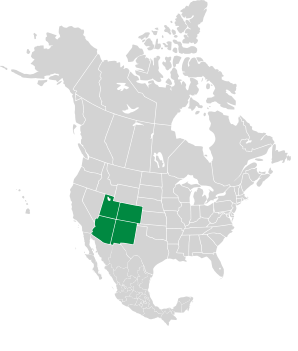
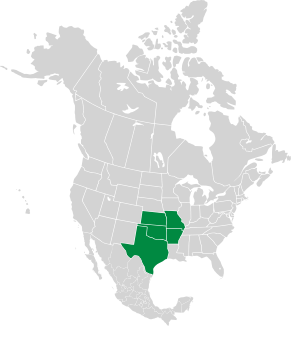
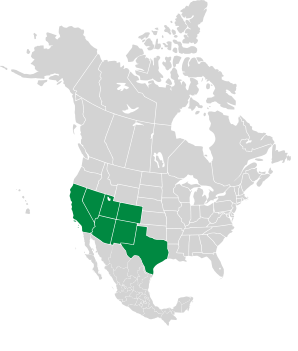
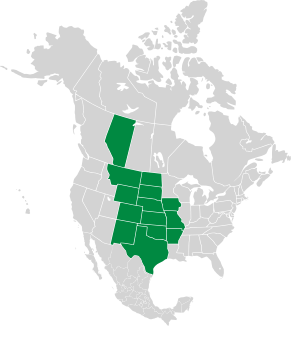
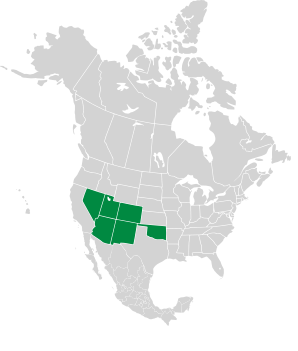
| Range/ Zones |
|
|
|
| Habitats | Sandy soils, rocky hillsides, and pinyon-juniper woodland; to 1.3 mi (2.1 km) elevation. | Open fields, edges of thickets on uplands | In pinyon-juniper, desert grassland, creosote bush scrub, sagebrush, and ponderosa pine colonies at elevations between 4921–8202′ (1.5–2.5 km). |


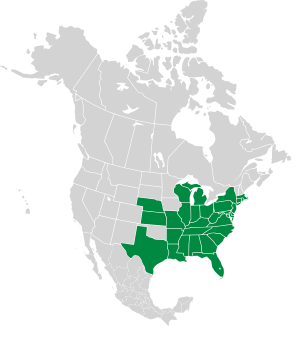
Yucca description by Thomas H. Kent, not updated.
© FloraFinder.org. All rights reserved.