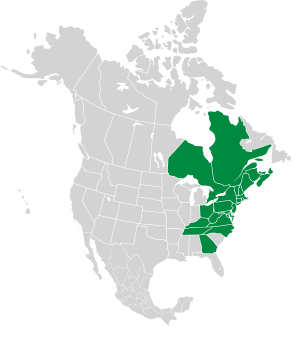
Viburnum grandifolium Aiton
Viburnum lantanoides Michx.
Hobblebush, witch-hobble, moosewood
Hobblebush is common in the understory of cool forests. The common name derives from the shrub’s branches, which root when they touch the ground, tripping and potentially hobbling hikers.
Plants: These irregular, sprawling shrubs are 6–12′ (1.8–3.7 m) high, and are found in moist wooded areas at lower elevations. Bark is gray-brown and warty, later becoming furrowed.
Leaves: Heart-shaped, prominently veined, 4–8″ (10–20 cm) long, with serrated edges.
Flowers: Flowerheads up to 4″ (10 cm) across consist of a central region with fertile ⅛″ (3.2 mm) flowers edged with ¾″ (1.9 cm) sterile white-to-pink flowers, each with five petals.
Fruits: Berry (drupe) clusters have oval berries that are first bright red, ripening to black.
Habitats: Rich, moist acidic woods, stream banks, and swamps.
See this comparison table showing Viburnums that are presently in our database, or this nicely done Viburnum species guide.
Online References:
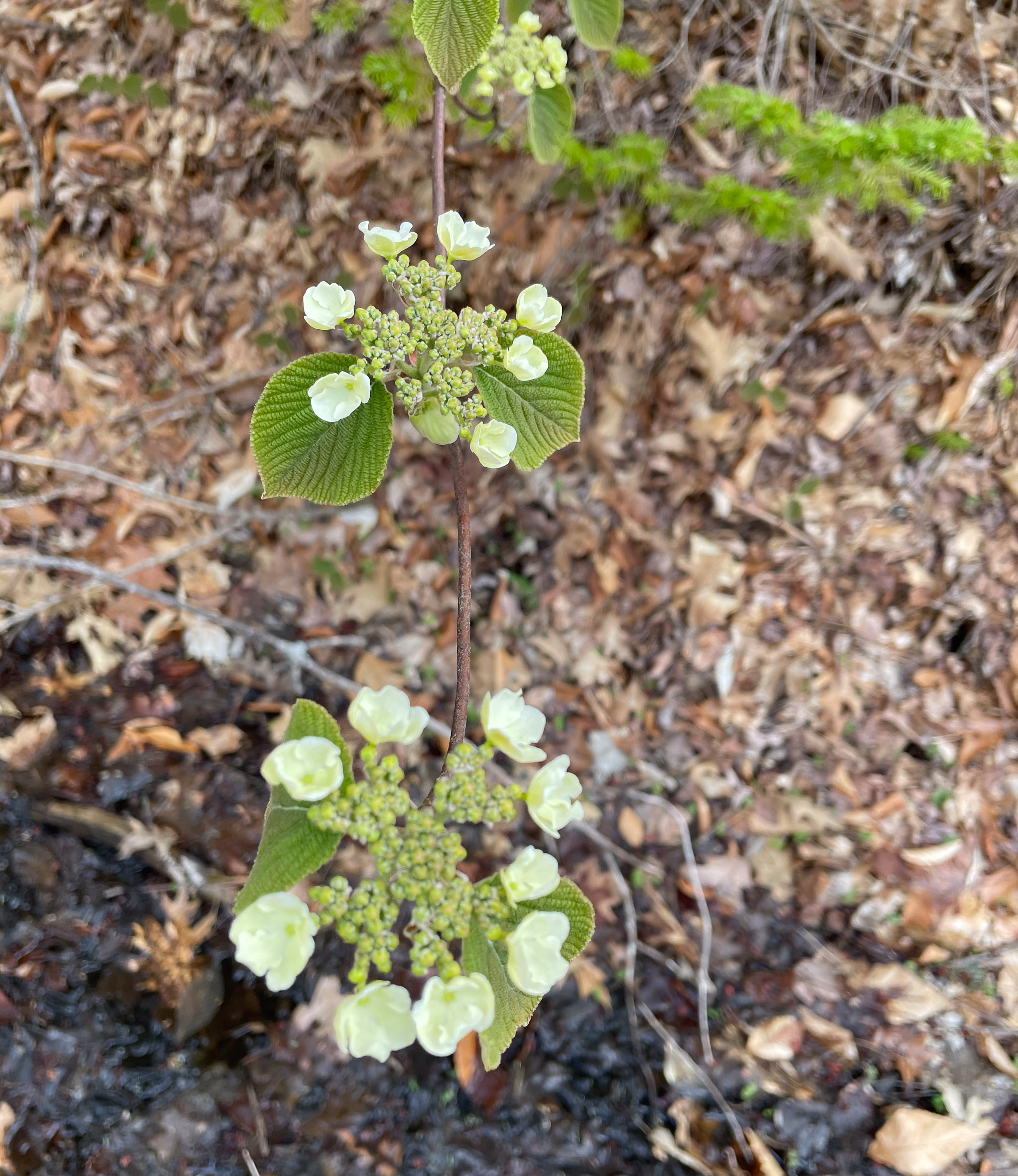
4/26/2021 · Papermill Trail/Miller Park, Lisbon, Maine 
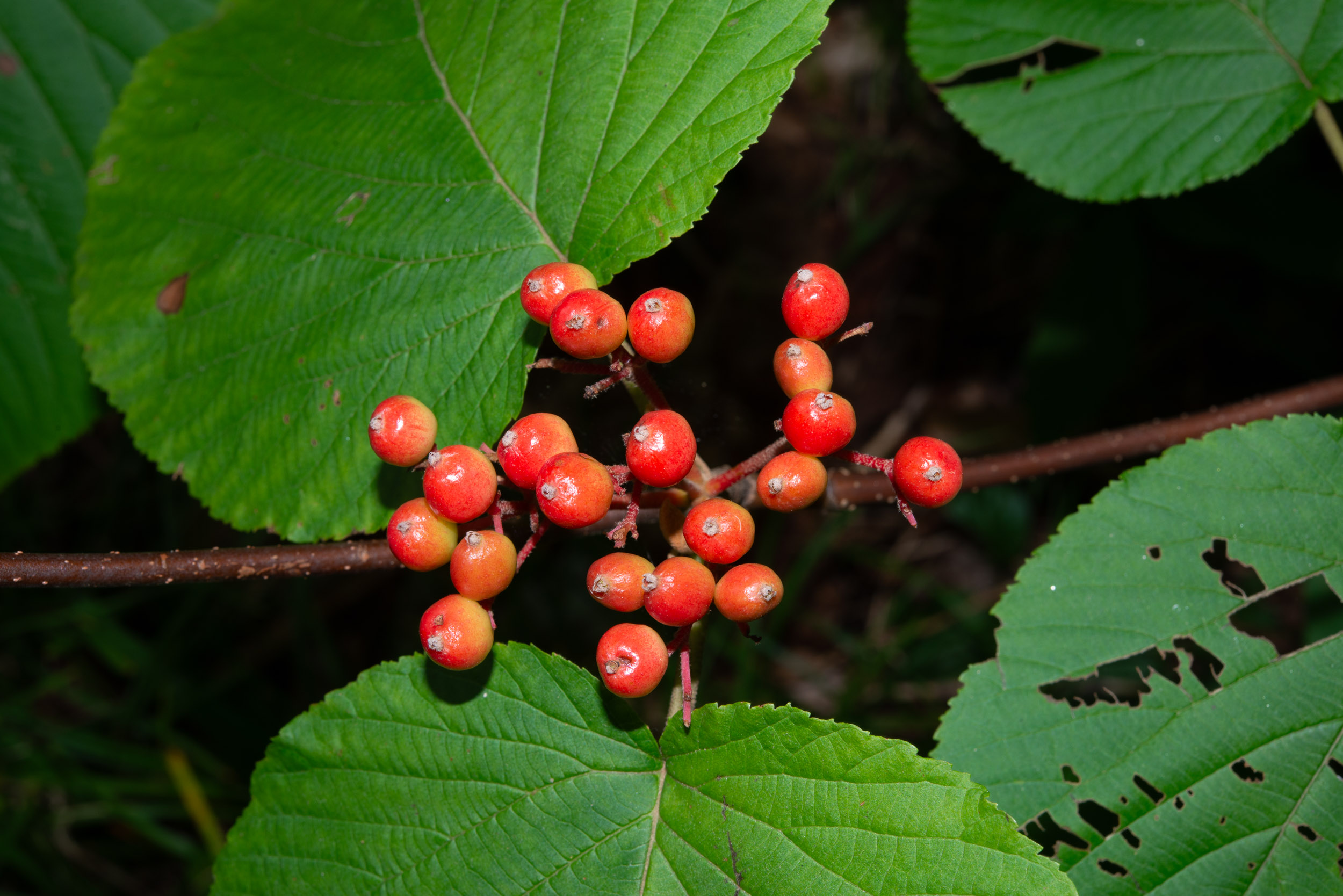
8/14/2015 · Roost Trail, Grafton Notch State Park, Newry, Maine · ≈ 9 × 6″ (22 × 15 cm) 
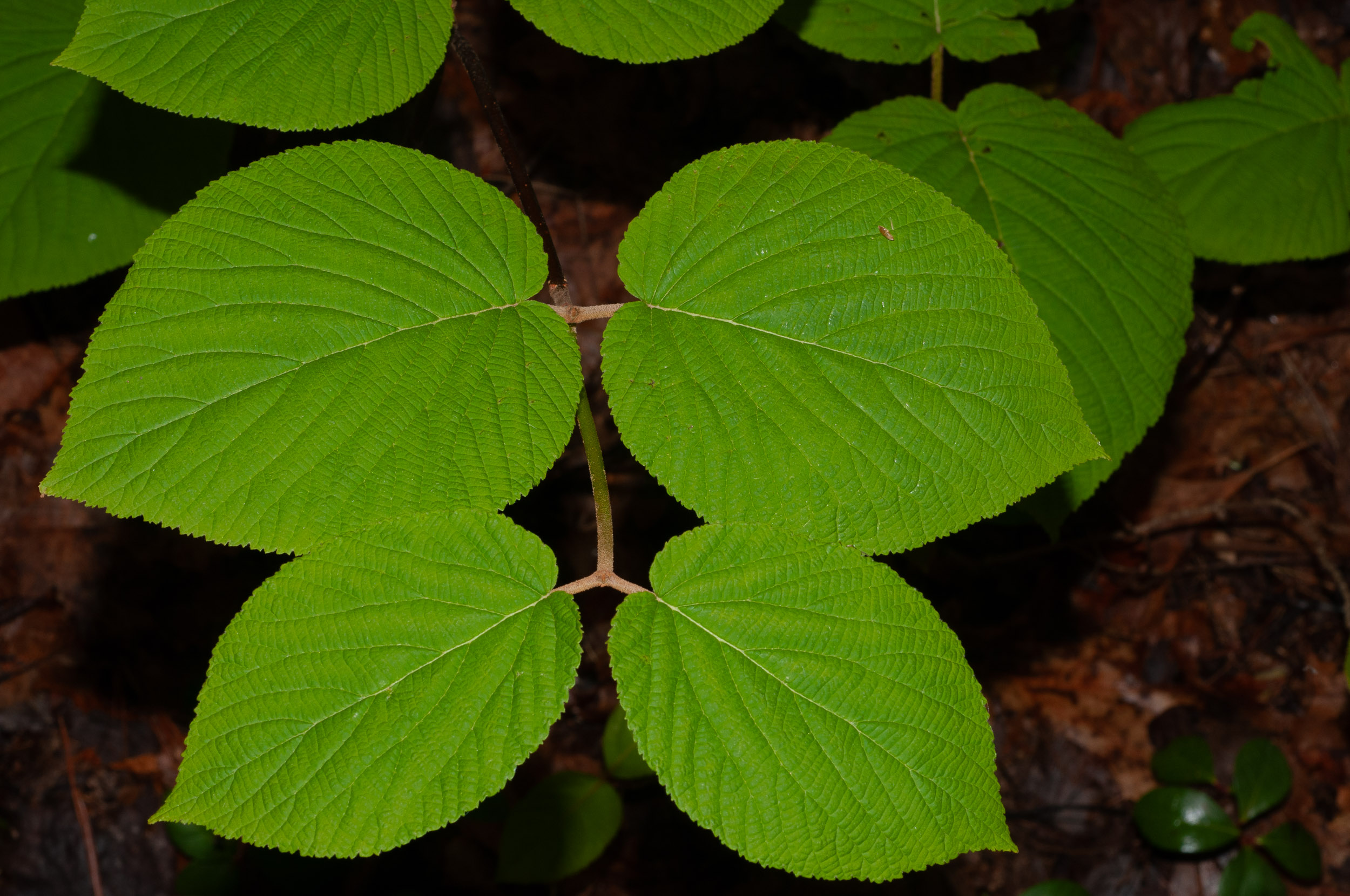
5/4/2012 · Blue Trail, Willard Brook State Park, Ashby, Massachusetts · ≈ 12 × 8″ (31 × 20 cm) 
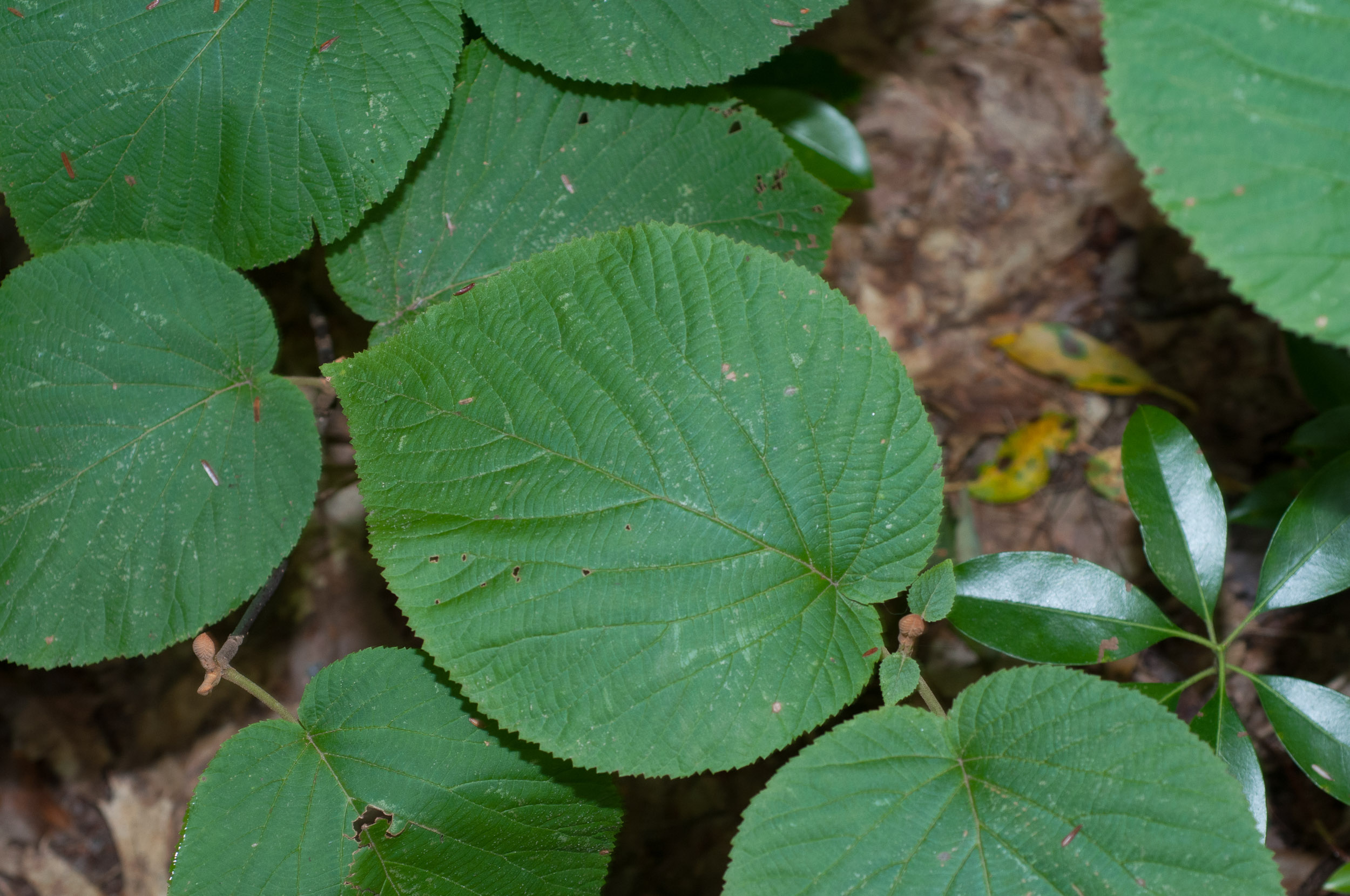
8/15/2010 · Blue Trail, Willard Brook State Park, Ashby, Massachusetts · ≈ 17 × 12″ (44 × 29 cm) 
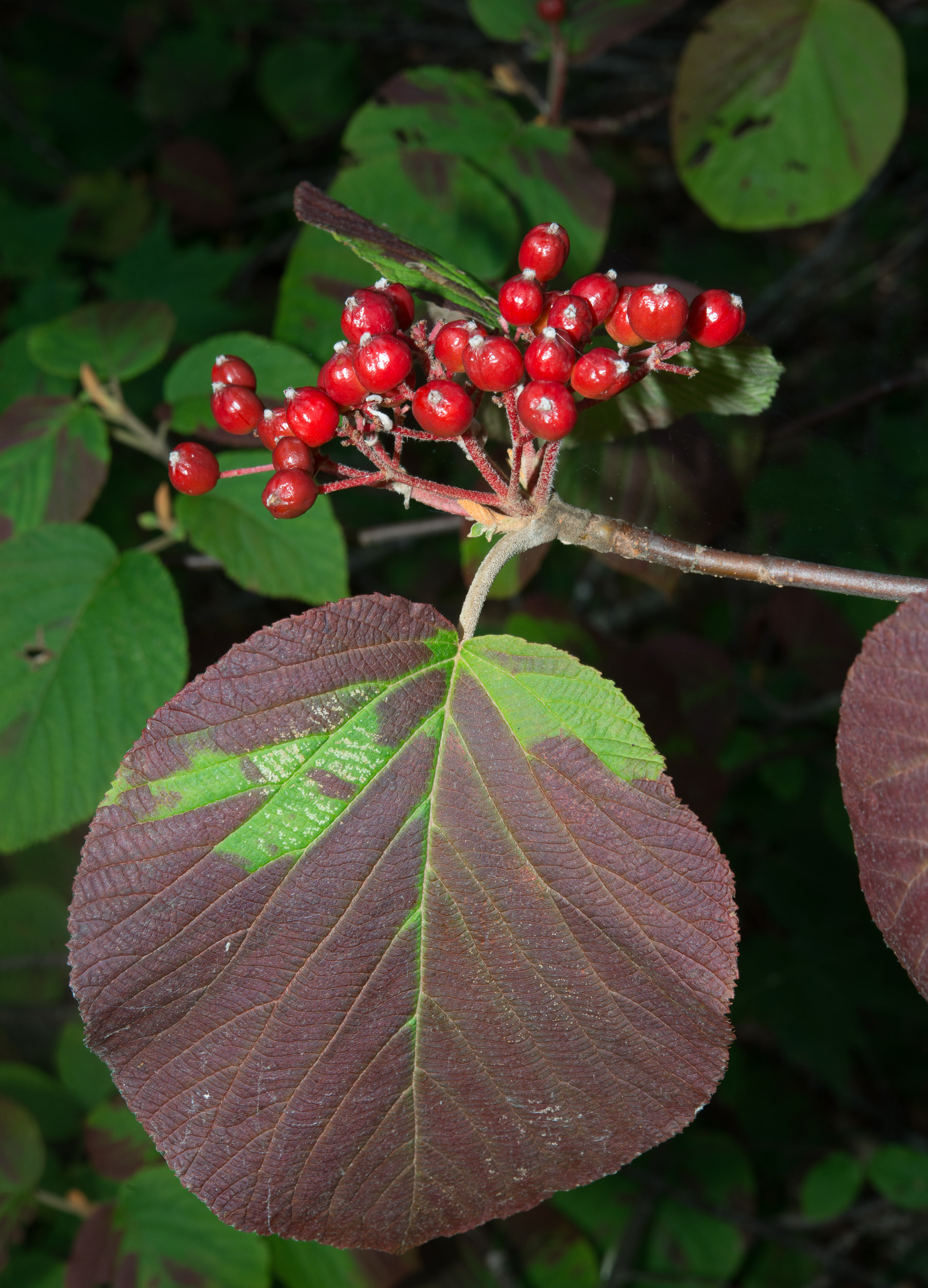
8/15/2015 · Screw Auger Falls, Grafton Notch State Park, Newry, Maine · ≈ 8 × 12″ (21 × 29 cm) 
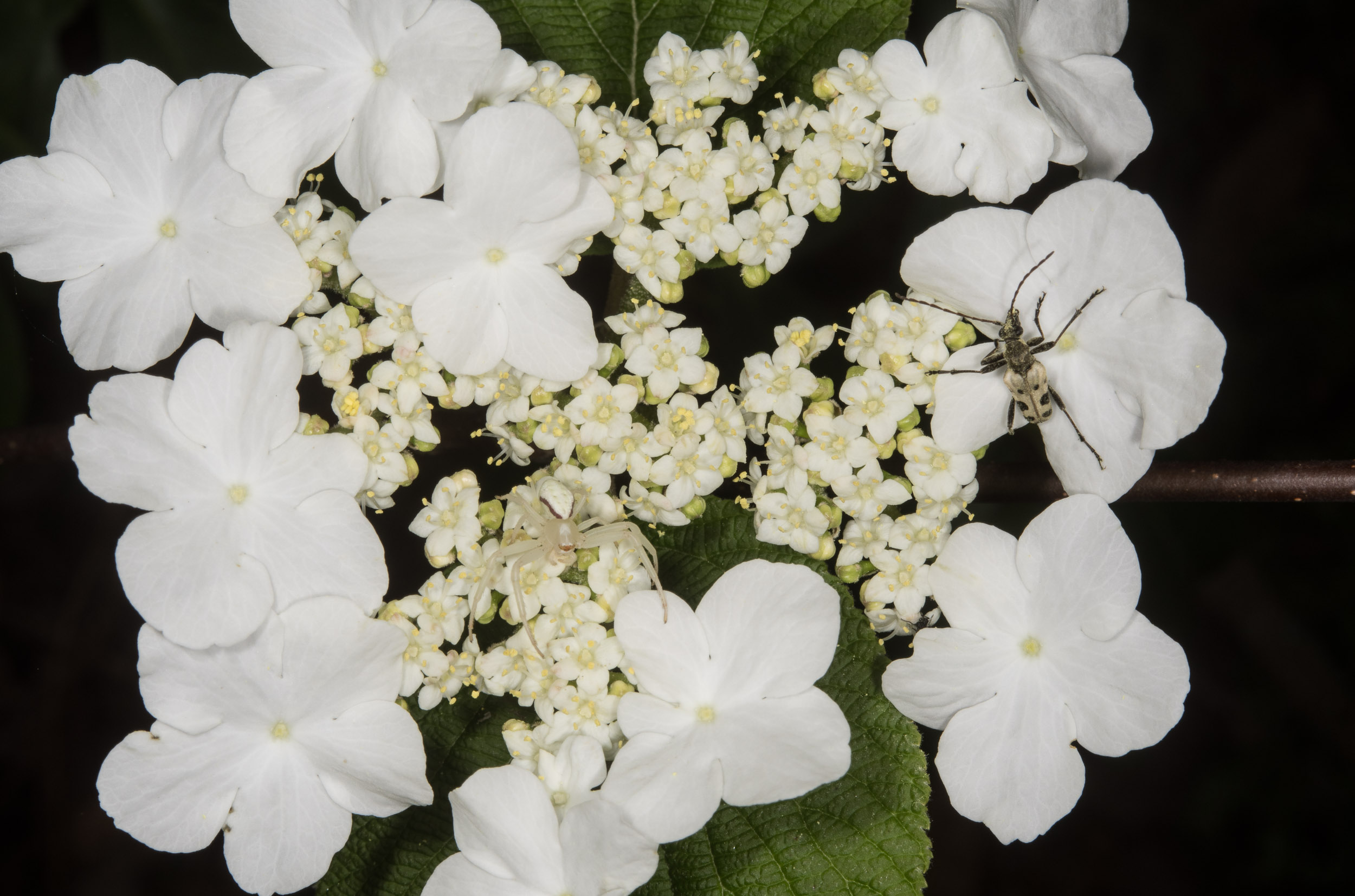
You probably noticed the black and white Evodinus monticola right away. But did you see the crab spider (Misumena vatia)? · 4/29/2017 · Willard Brook State Park, Ashby, Massachusetts · ≈ 6 × 4″ (15 × 10 cm) 

9/20/2009 · Wild Gardens of Acadia, Acadia National Park, Bar Harbor, Maine · ≈ 14 × 9″ (35 × 23 cm) 
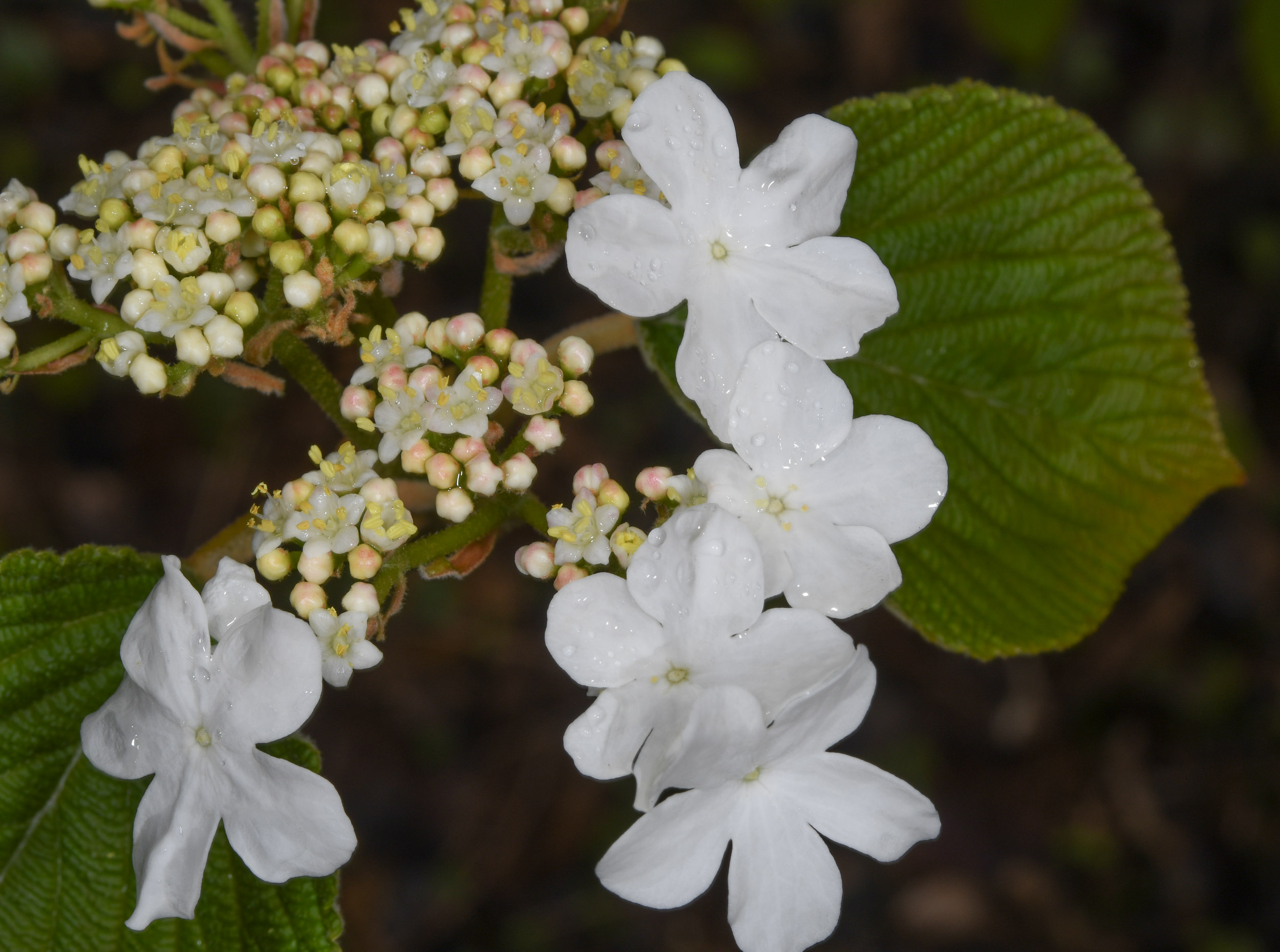
5/5/2016 · Wildflower Trail, Beaver Brook Conservation Area, Hollis, New Hampshire 
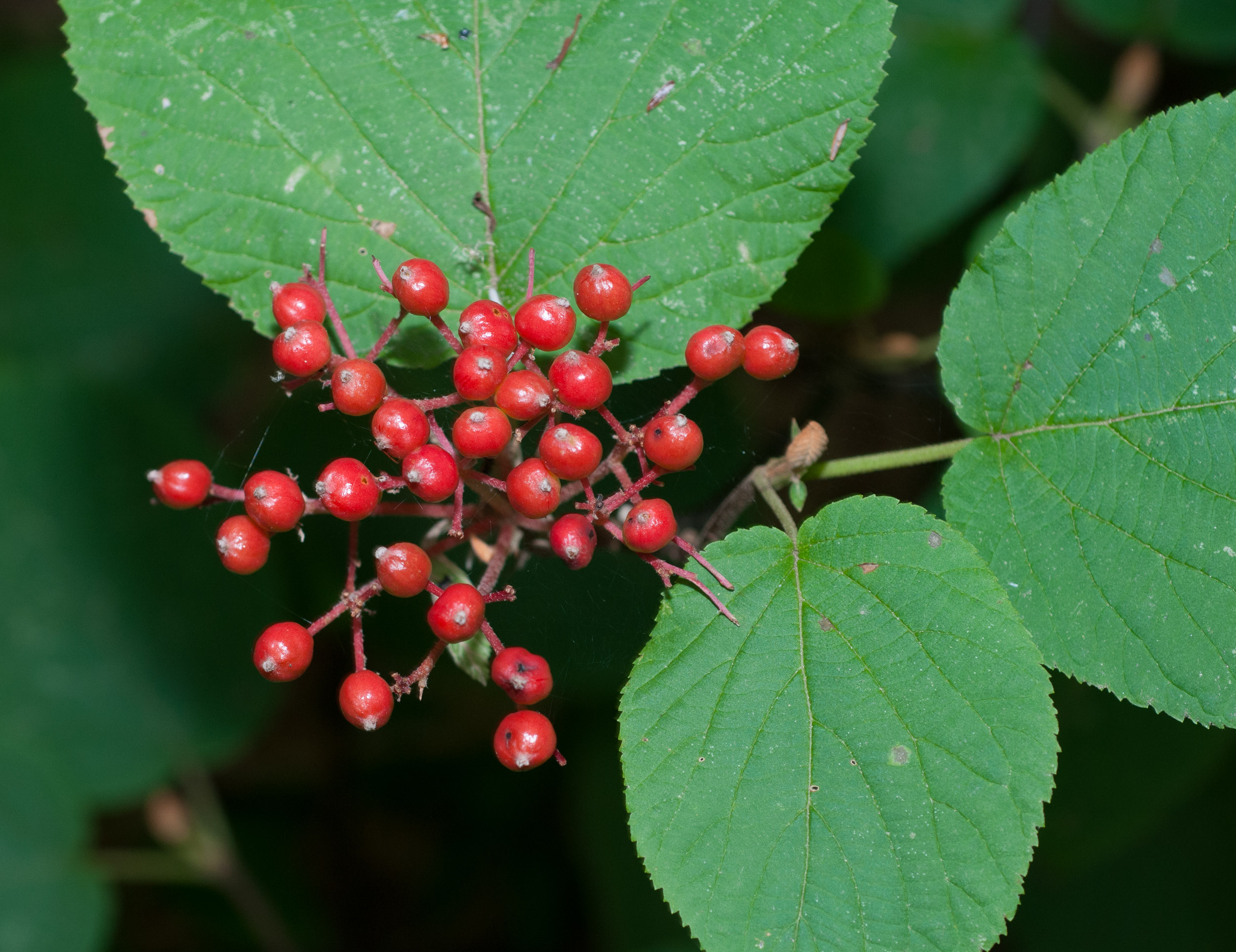
8/15/2010 · Blue Trail, Willard Brook State Park, Ashby, Massachusetts · ≈ 9 × 7″ (24 × 18 cm) 
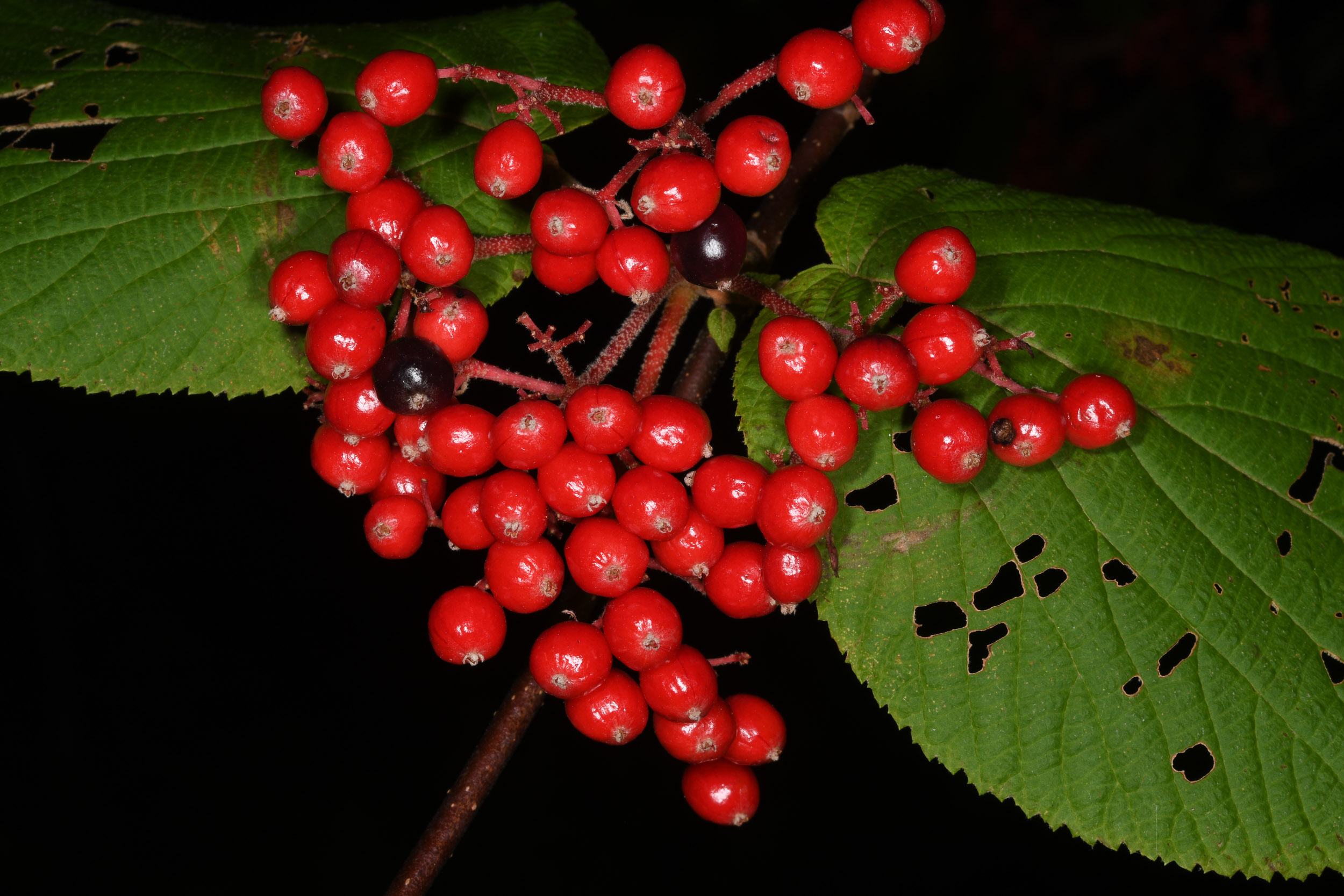
9/16/2016 · Sieur de Monts Botanical Gardens, Bar Harbor, Maine 
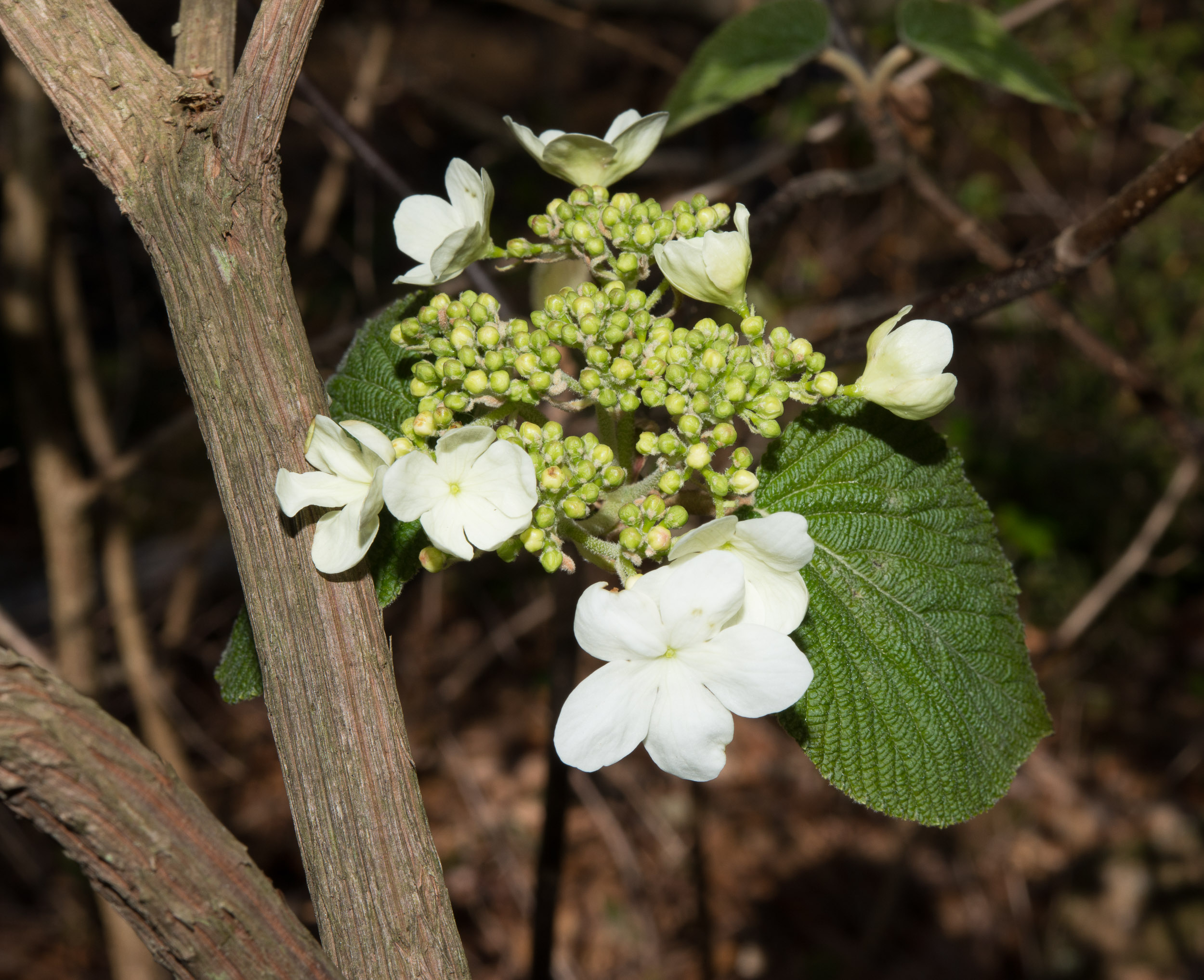
5/7/2014 · Blue Trail, Willard Brook State Park, Ashby, Massachusetts · ≈ 7 × 6″ (17 × 14 cm) 
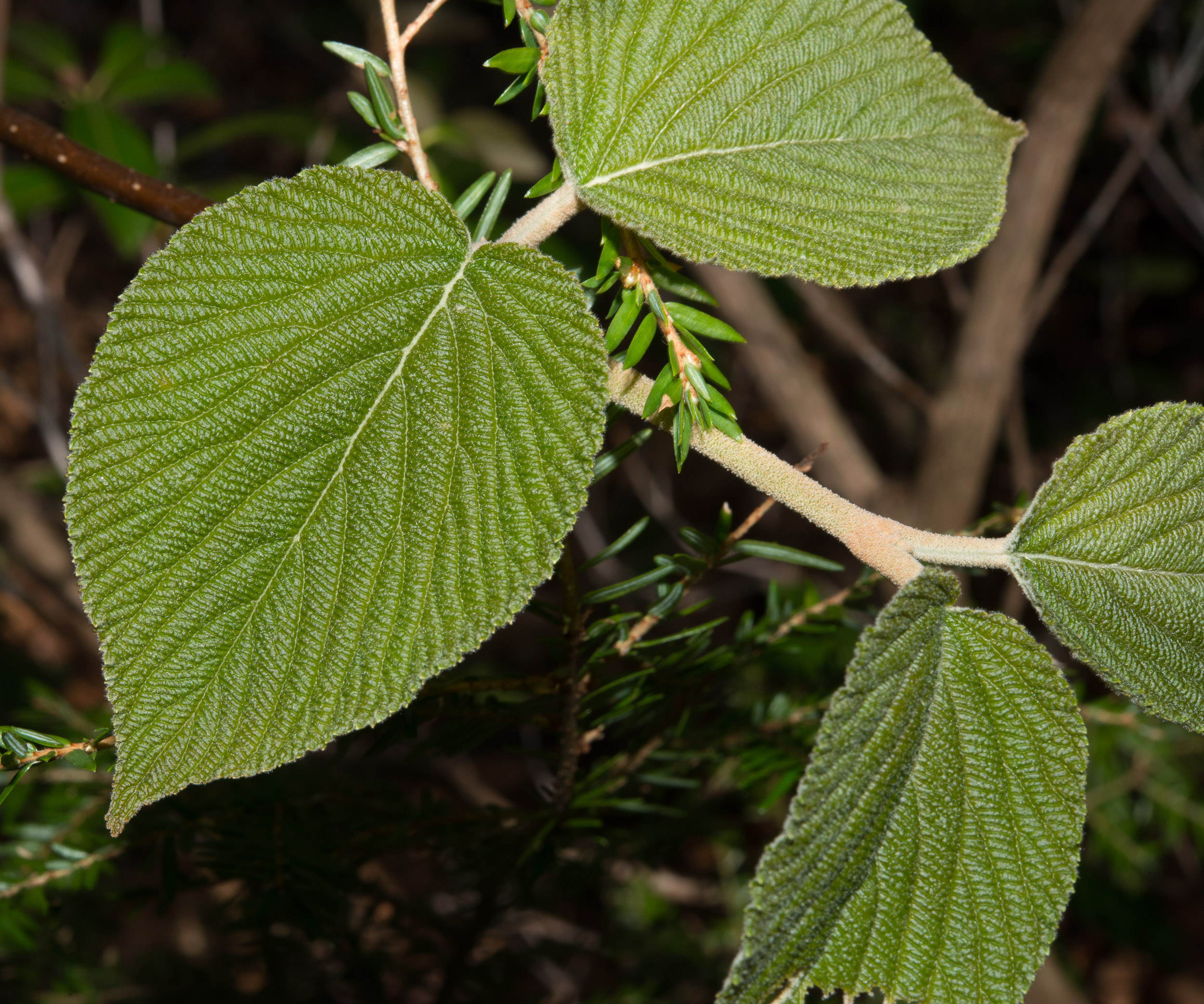
5/7/2014 · Blue Trail, Willard Brook State Park, Ashby, Massachusetts · ≈ 6 × 5″ (15 × 13 cm) 
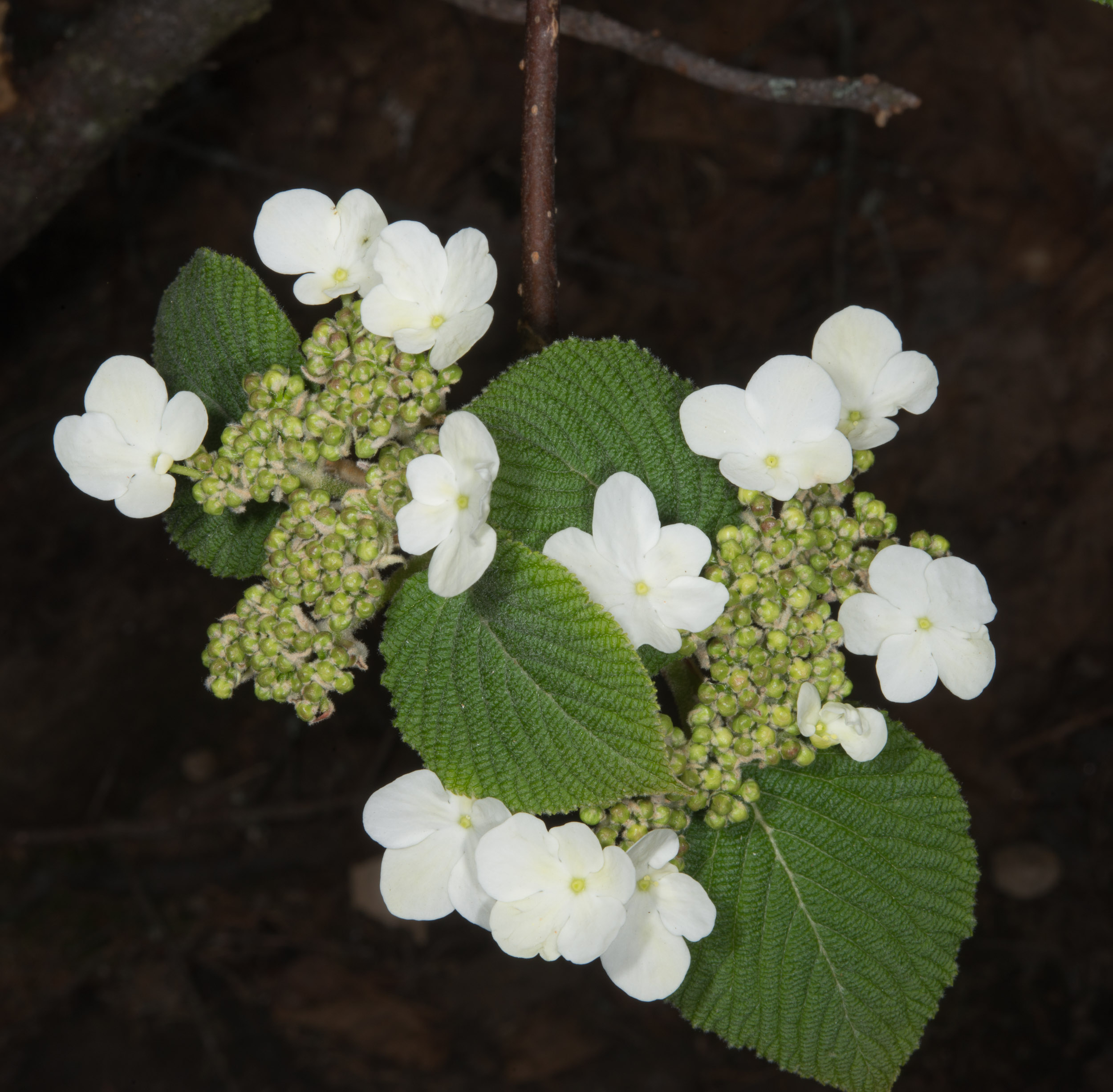
5/10/2015 · Mt. Kearsarge, New Hampshire · ≈ 6 × 6″ (16 × 16 cm) 
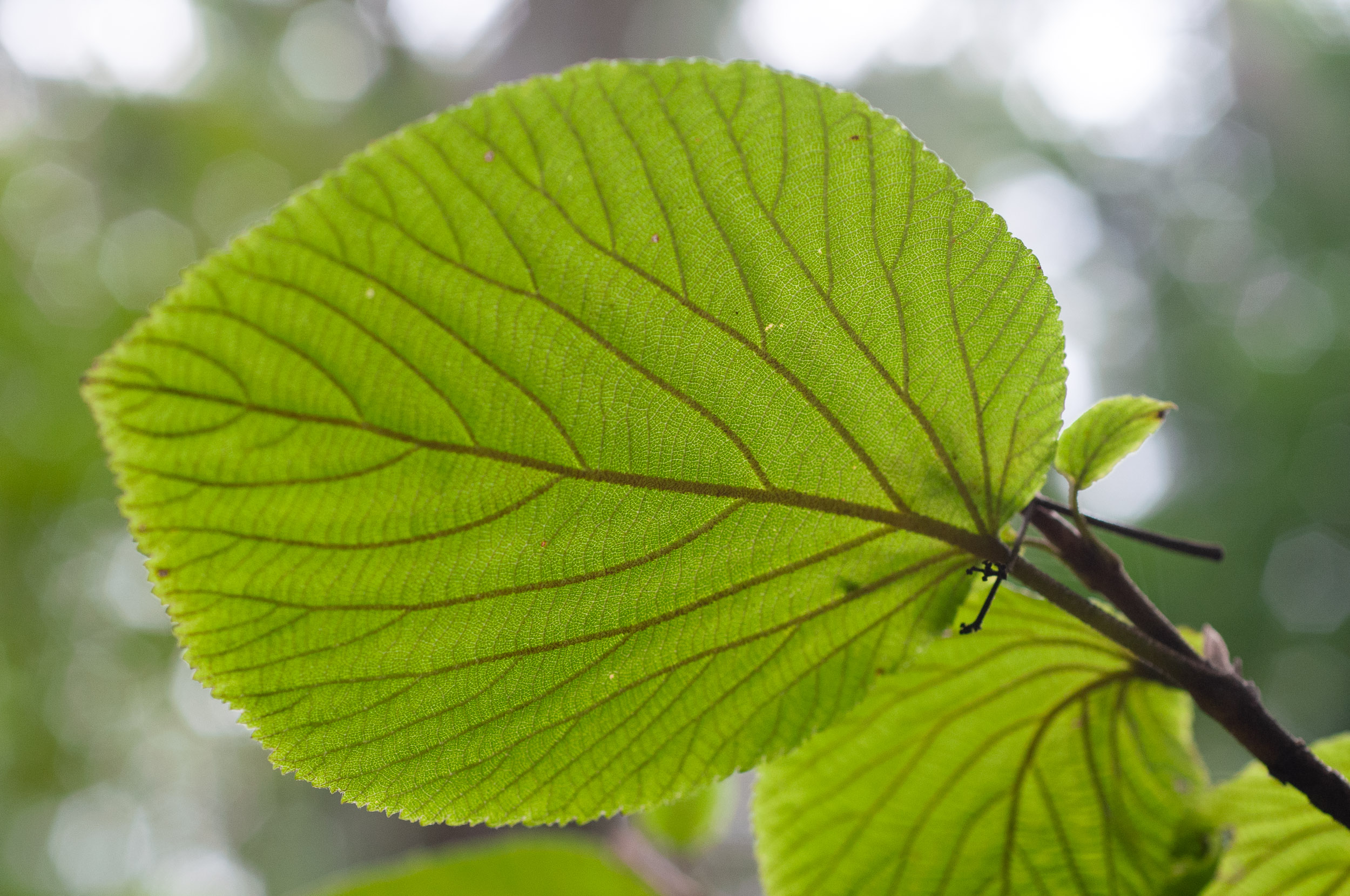
9/14/2010 · Garden in the Woods, Framingham, Massachusetts · ≈ 8 × 5″ (19 × 13 cm) 

4/29/2013 · Beaver Brook Conservation Area, Hollis, New Hampshire · ≈ 6 × 4½″ (14 × 12 cm) 
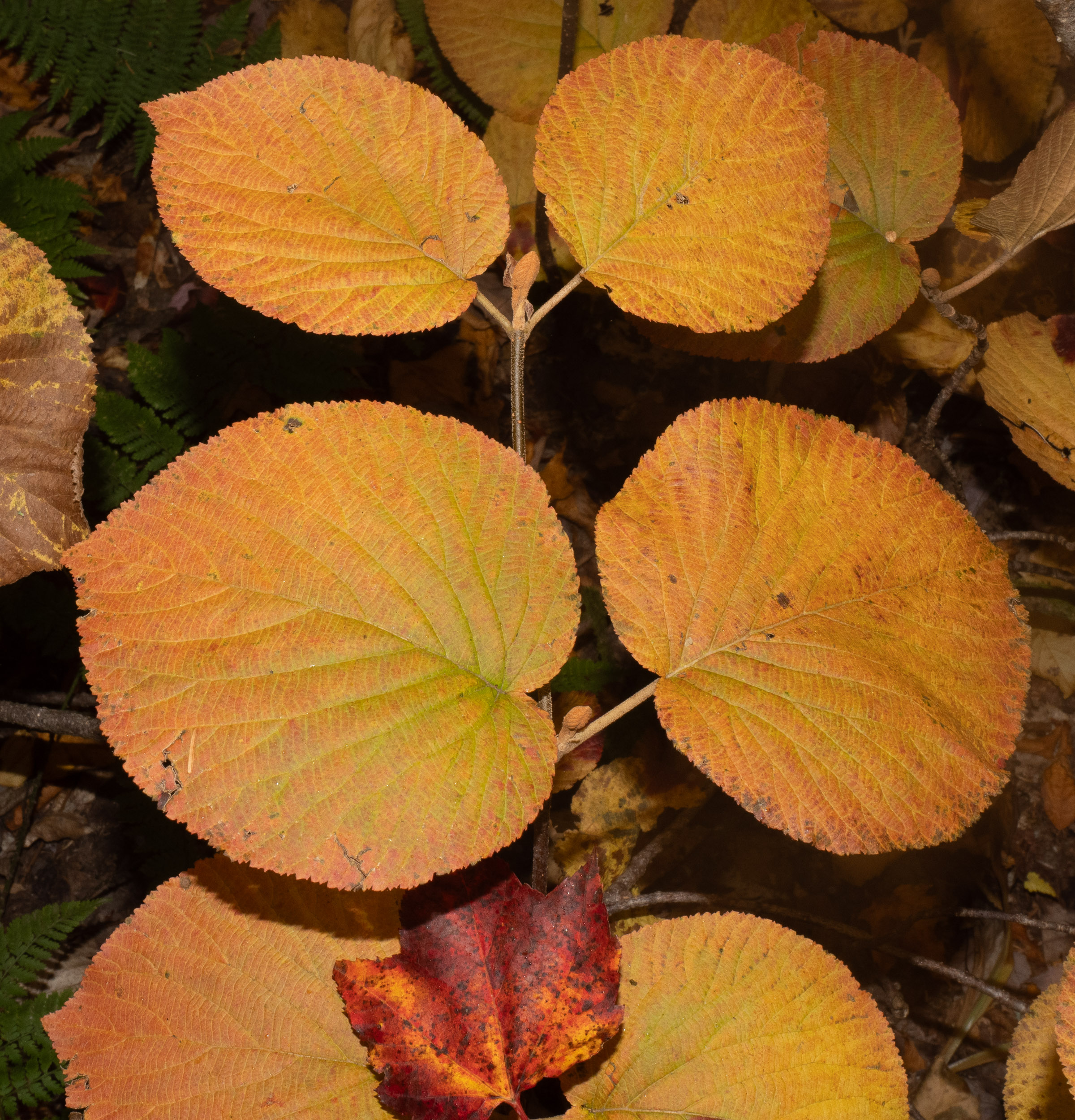
10/6/2023 
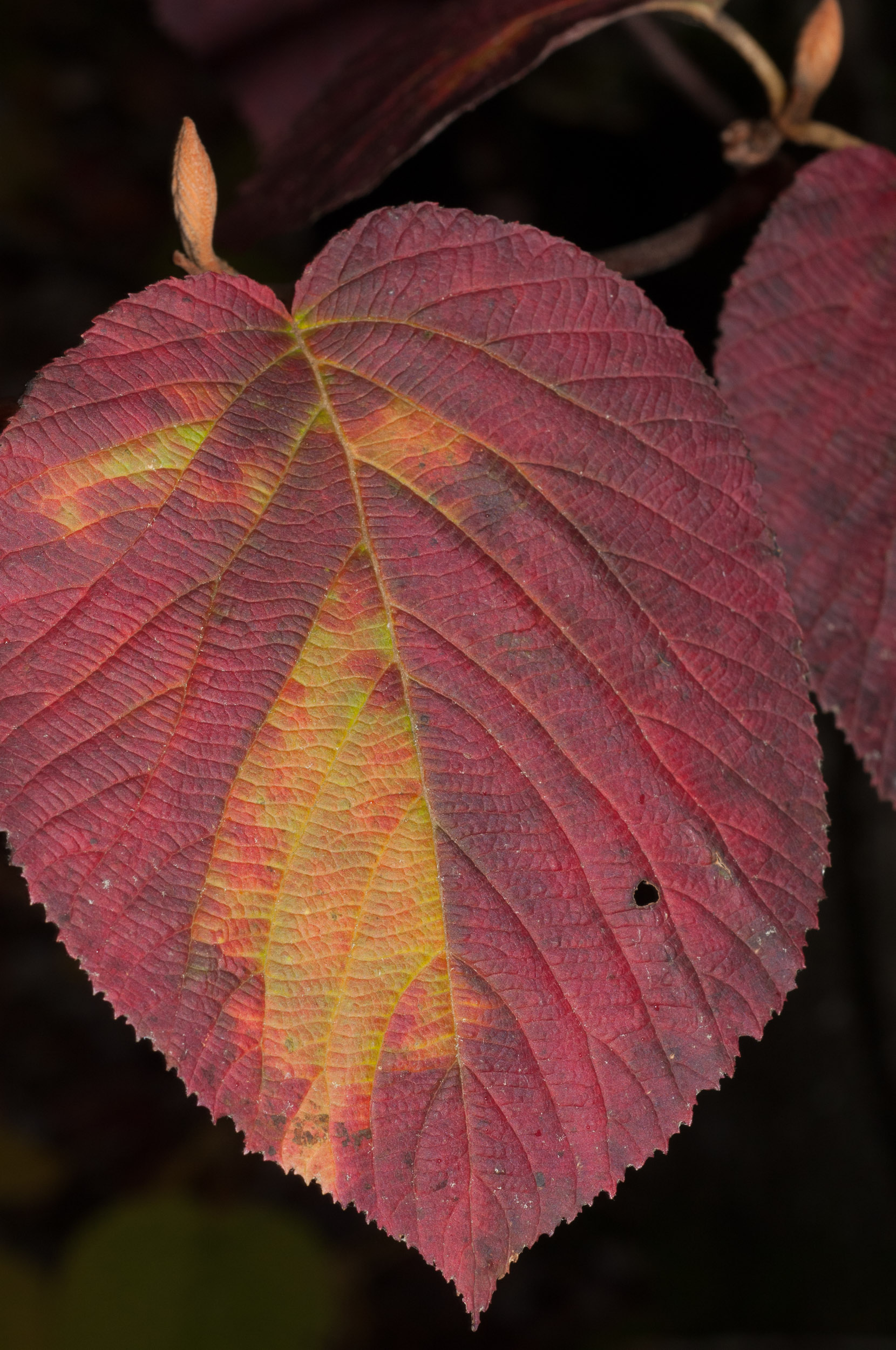
9/29/2012 · Franconia Falls Trail, Franconia Notch, New Hampshire · ≈ 4½ × 7″ (11 × 17 cm) 
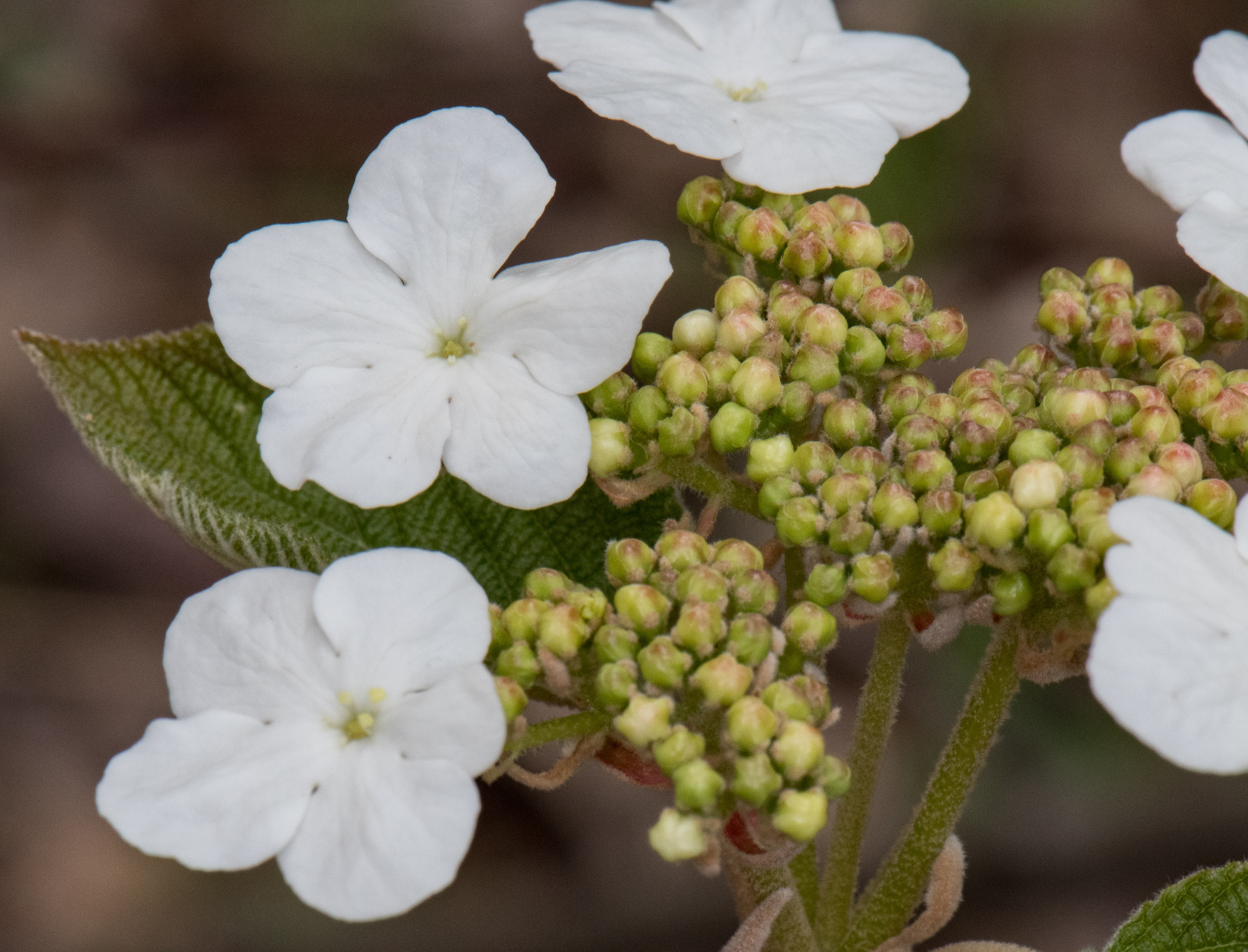
4/23/2016 · Big Tree/Porcupine Trail, Beaver Brook Conservation Area, Hollis, Massachusetts · ≈ 3½ × 2½″ (9.2 × 7 cm) 
| Kingdom | Plantae | Plants, but not fungi, lichens, or algae (from Stearn's Botanical Latin) |
| Subkingdom | Tracheobionta | Vascular plants—plants with a “circulatory system” for delivering water and nutrients |
| Division | Magnoliophyta | Flowering plants, also known as angiosperms |
| Class | Magnoliopsida | Dicotyledons—plants with two initial seed leaves |
| Subclass | Asteridae | A large class that encompasses asters |
| Order | Dipsacales | Includes viburnum, honeysuckle, snowberry, beautybush, twinflower, many others |
| Family | Adoxaceae | Elders and viburnums |
| Genus | Viburnum | Latin for “a kind of shrub” |
| Species | lantanoides |
Viburnum lantanoides description by Thomas H. Kent, not updated.

© FloraFinder.org. All rights reserved.