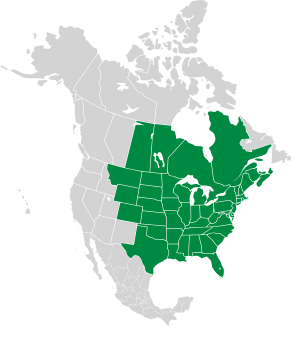
Ulmus floridana Chapm.
Ulmus americana L.
American elm
Elms are stately elegant North American natives, laid low by Dutch elm disease and now greatly reduced in population. Elms still grow, but do not reach maturity. They once lives for up to 300 years.
Plants: Trees reach 69–115′ (21–35 m), with trunks up to 4′ (1.2 m) in diameter and spreading canopies up to 70′ (21 m) wide. Mature trunks are ashen gray. narrowly fissures, and flaking or peeling into small scaly plates.
Leaves: Alternate, 2½–8″ (7–20 cm) long, ovate-elliptic, dark green, with doubly serrated edges.
Flowers: Small inconspicuous green flowers appear from March to April.
Fruits: Flat samaras are ¾ ⨉ ½″ (2 ⨉ 1.5 cm), with a circular papery wing surrounding a seed. Fruits are not produced until the tree is at least 15 years old.
Habitats: Eastern North America, from Canada to Florida, tolerating temperatures as low as –40°. It prefers rich bottomlands, floodplains, stream banks, and swampy ground, although it also often thrives on hillsides, uplands and other well-drained soils.
Online References:

8/6/2017 · Tom and Susan’s, Pepperell, Massachusetts · ≈ 7 × 4½″ (18 × 12 cm) 
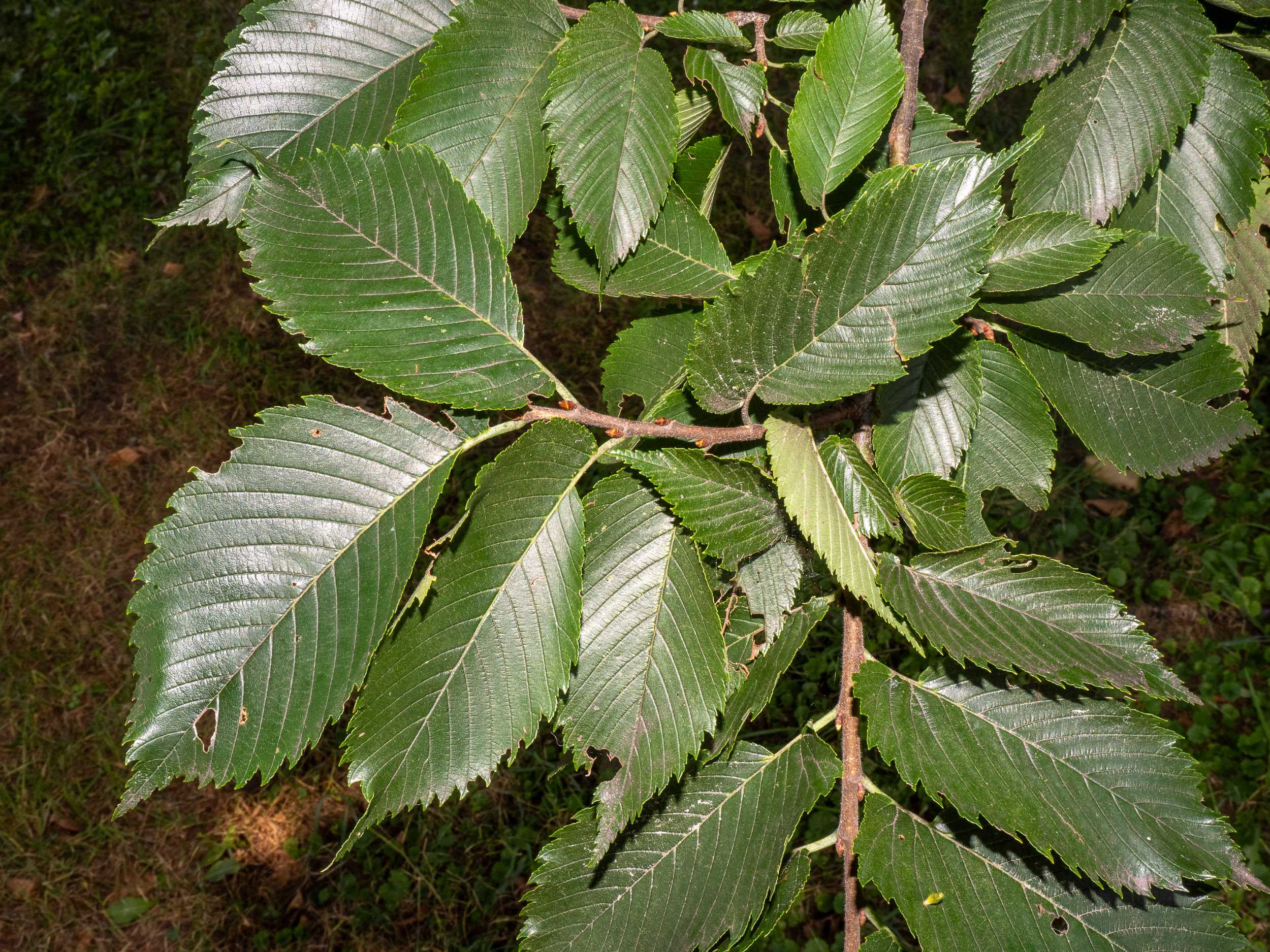
7/28/2024 · Blandsville, Massachusetts 

5/17/2024 · The Highlands, Topsham, Maine · ≈ 4½ × 3″ (11 × 8.4 cm) 
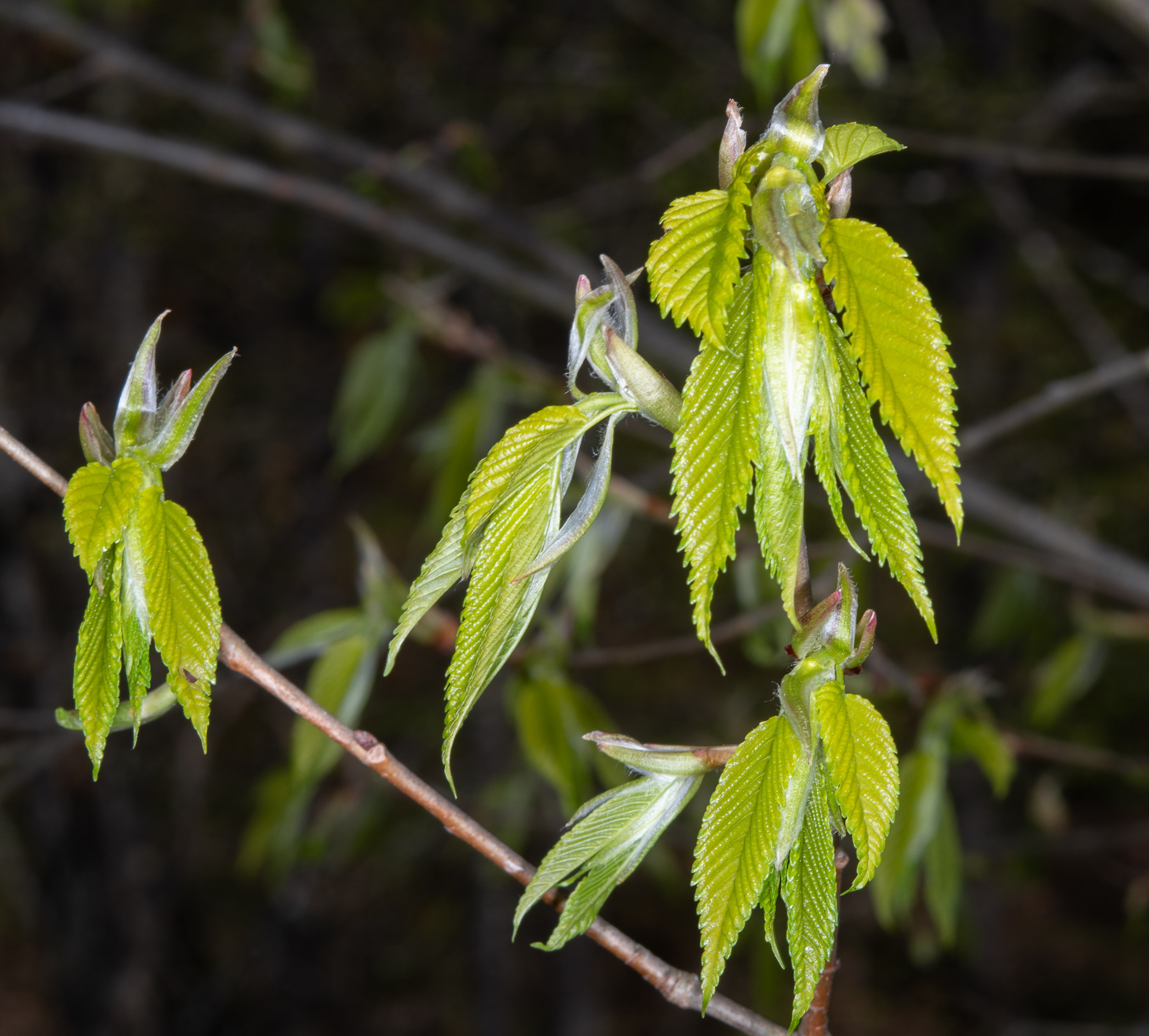
5/14/2024 · The Highlands, Topsham, Maine · ≈ 5 × 4½″ (13 × 11 cm) 
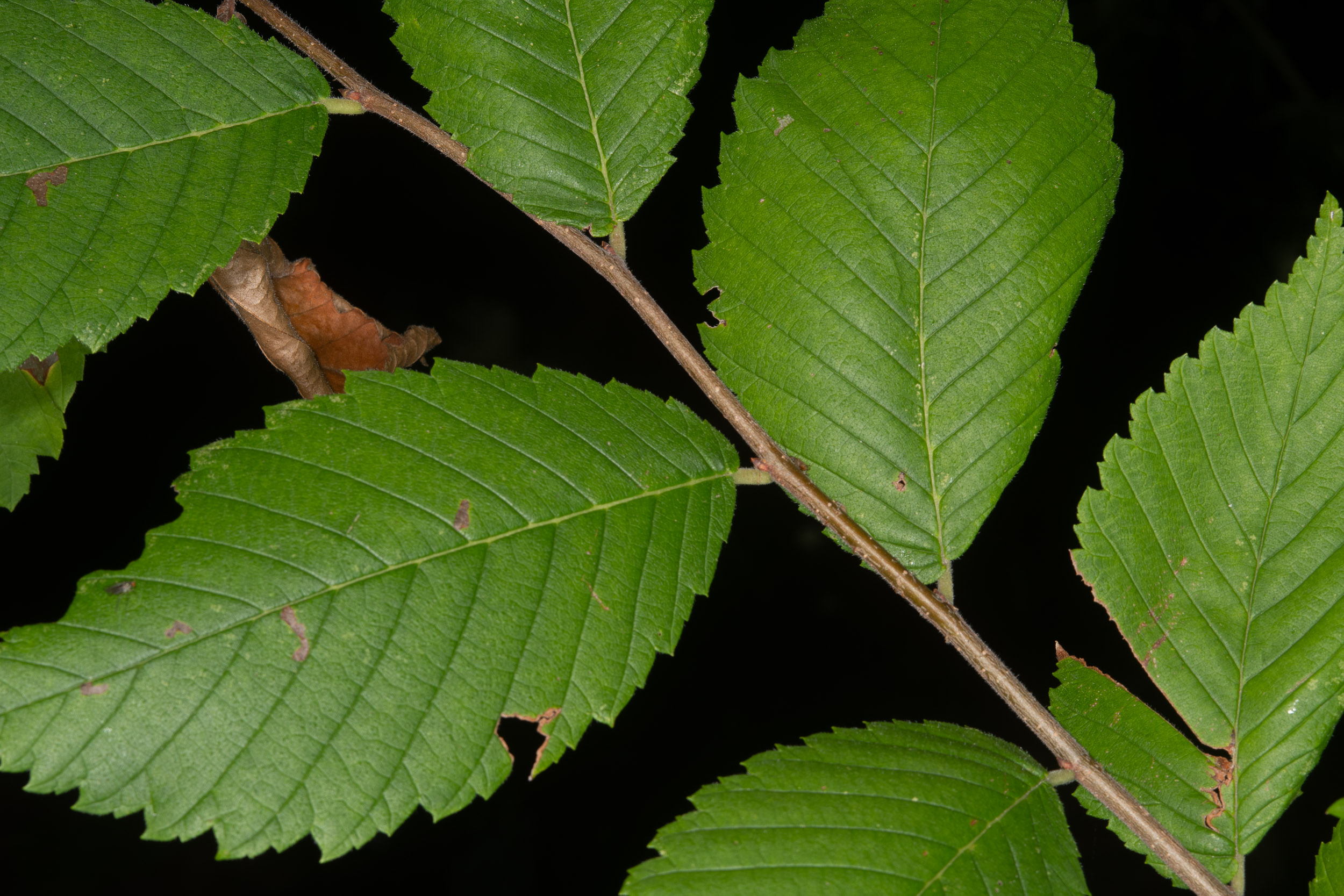
8/6/2017 · Tom and Susan’s, Pepperell, Massachusetts · ≈ 10 × 6″ (24 × 16 cm) 

5/14/2024 · The Highlands, Topsham, Maine · ≈ 3½ × 3½″ (9 × 9.4 cm) 

5/14/2024 · The Highlands, Topsham, Maine · ≈ 5 × 4″ (12 × 10 cm) 

8/6/2017 · Tom and Susan’s, Pepperell, Massachusetts · ≈ 10 × 6″ (24 × 16 cm) 
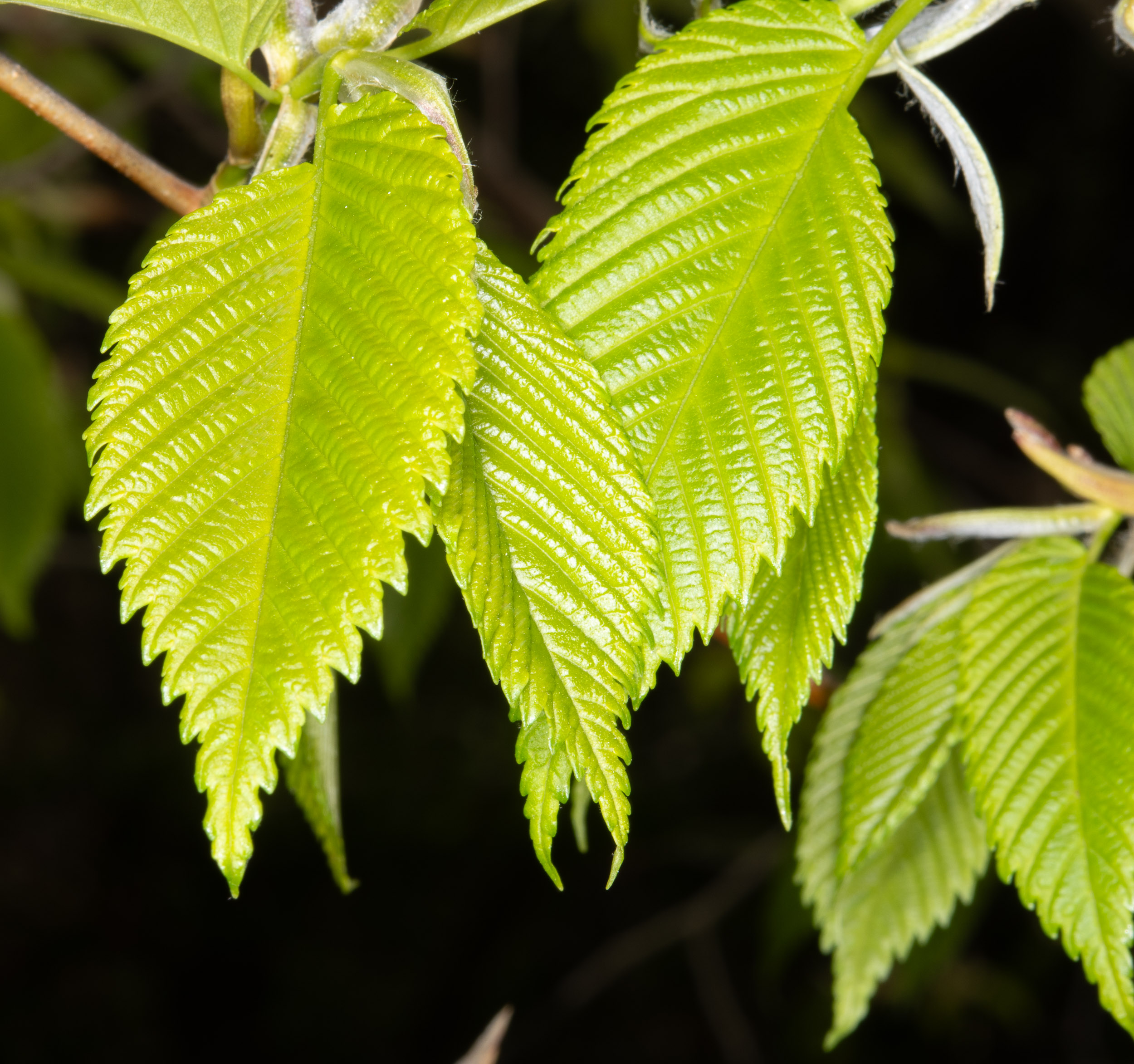
5/17/2024 · The Highlands, Topsham, Maine · ≈ 3½ × 3½″ (9.2 × 8.7 cm) 

7/28/2024 · Blandsville, Massachusetts 
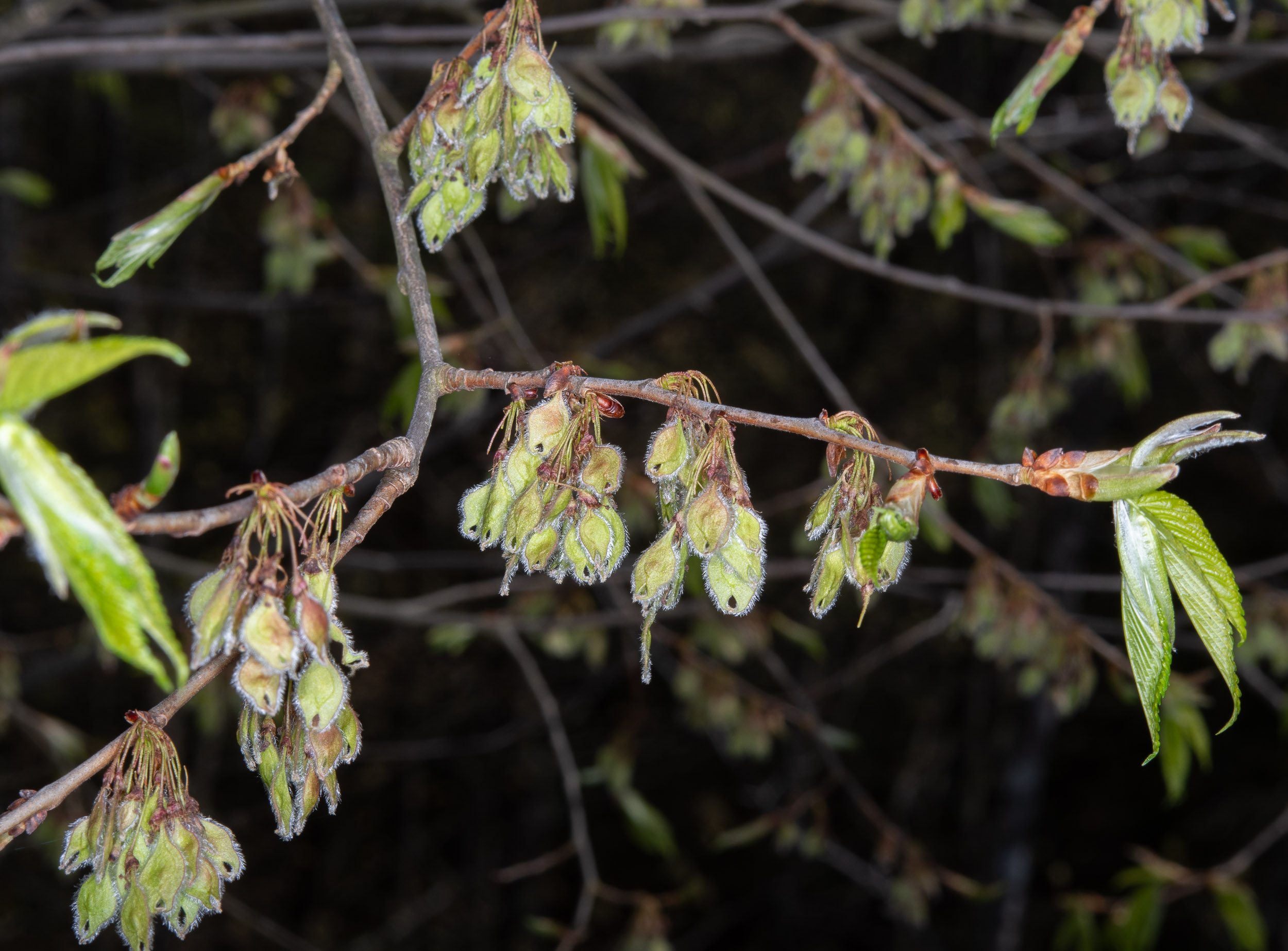
5/14/2024 · The Highlands, Topsham, Maine · ≈ 9 × 6″ (22 × 16 cm) 

5/14/2024 · The Highlands, Topsham, Maine · ≈ 6 × 5″ (15 × 13 cm) 
| Kingdom | Plantae | Plants, but not fungi, lichens, or algae (from Stearn's Botanical Latin) |
| Subkingdom | Tracheobionta | Vascular plants—plants with a “circulatory system” for delivering water and nutrients |
| Division | Magnoliophyta | Flowering plants, also known as angiosperms |
| Class | Magnoliopsida | Dicotyledons—plants with two initial seed leaves |
| Subclass | Rosidae | Roses, legumes, proteas, dogwoods, hydrangeas, mistletoes, euphorbias, grapes, many more |
| Order | Urticales | Includes cannabis, nettles, mulberries, elms, others |
| Family | Ulmaceae | “Elms”—the elm family |
| Genus | Ulmus | The classical Latin name for the elm |
| Species | americana | American |
Ulmus americana description by Thomas H. Kent, not updated.

© FloraFinder.org. All rights reserved.