Taraxacum officinale F.H. Wigg.
Common dandelion, dandelion
Dandelions inhabit temperate regions throughout the world. Their ability to hunker down and escape the mower blades makes them a bane to many lawn owners, but these robust plants produce beautiful flowers and seed heads. Plants have long thick tap roots, almost like carrots, that sustain them through the winter and make it difficult to remove them.
Plants: Dandelions sometimes reach heights of 2′ (70 cm), but that is the height of some of the flowerheads. Stems are dull green or purple. Broken stems exude a white, sticky bitter-tasting latex.
Leaves: All the leaves emerge from the ground in a basal rosette. Leaves may be nearly flat, or more upright, and they are up to 10″ (25 cm) long, but only about 1″ (2.5 cm) or less wide. The narrow leaves are heavily divided, looking almost ragged. Long, round, hollow, somewhat shiny stems, ⅛–3/16″ (3.2–5 mm) around, support a single flower.
Flowers: Dandelions are members of the aster family, and their deep yellow flowerheads, ¾–1¾″ (1.9–4.4 cm) across, resemble other asters. Each flower is composed of dozens or hundreds of florets.
Fruits: Seed heads are about the size of a golf ball, perfectly round, grayish-white. Dozens or hundreds of seeds, each equipped with its own parachute, emerge from the center, breaking off in the slightest breeze.
Habitats: Lawns. Seriously.
Edibility: Young dandelion greens are boiled for 5-10 minutes, thoroughly drained, and served hot with salt, pepper, and butter, or added to soup. The greens are quite bitter, and sometimes mixed half and half with spinach. Give the dandelions a head start in this case, since they take longer to cook. Pick the greens before any flowers appear. They can also be added to salads, but don’t use too many. Dandelions can be made into beer, and the flowers into wine. Even the roots can be baked in a slow oven until brown, ground like coffee, and made into a delicious coffee-like beverage.
Online References:
References:
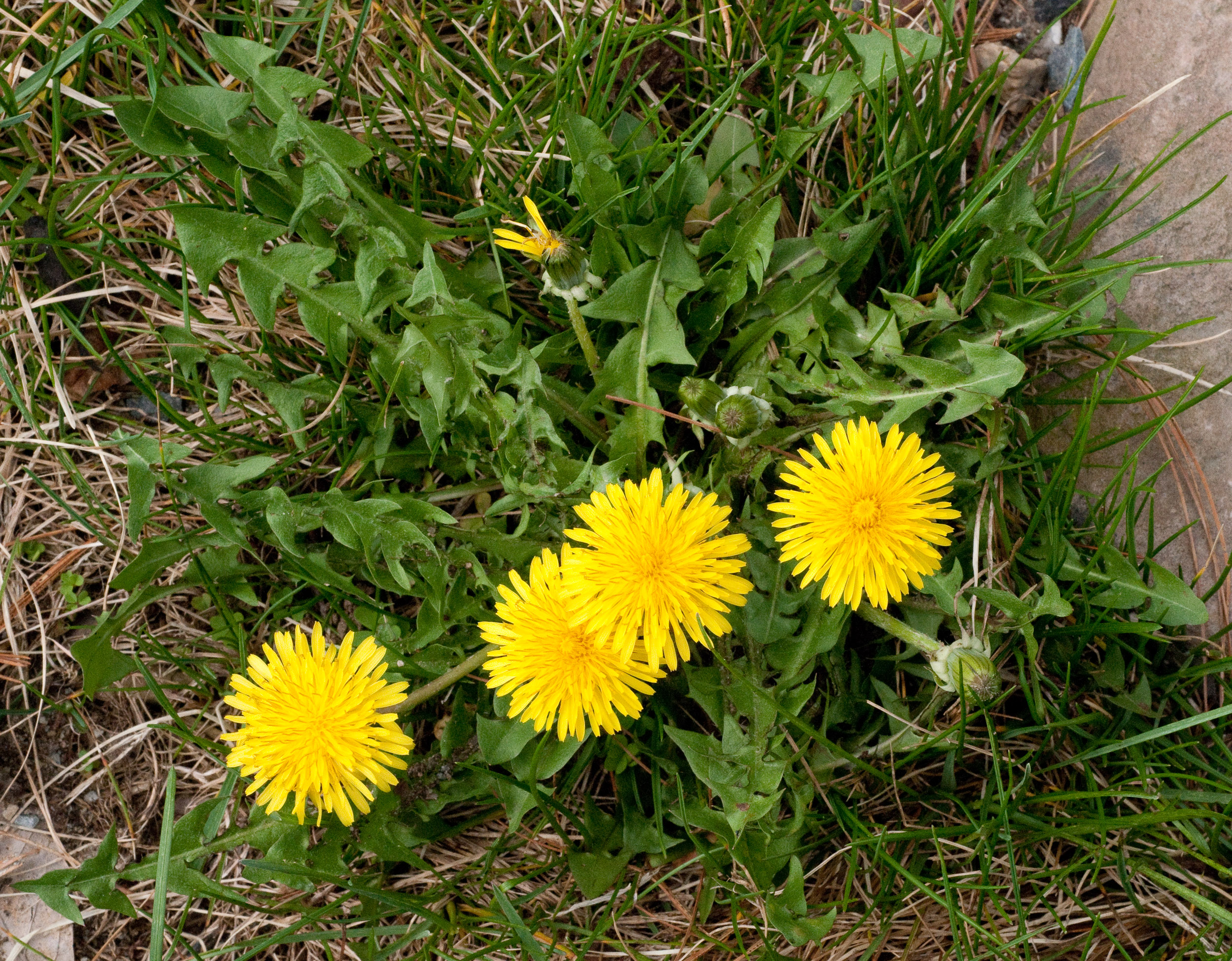
4/8/2010 · Tom & Susan’s, Pepperell, Massachusetts · ≈ 10 × 8″ (24 × 19 cm) 
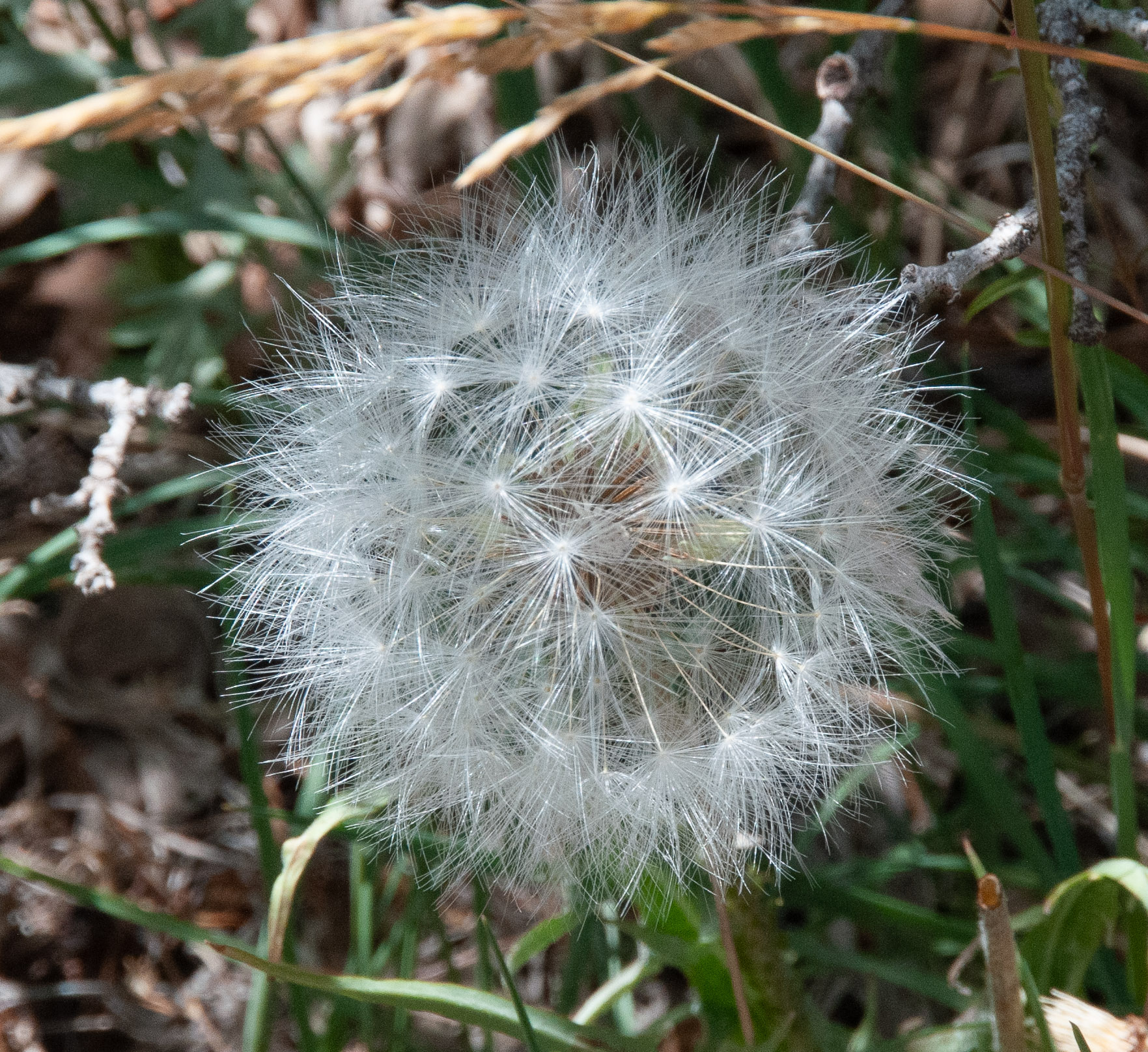
6/3/2009 · Timber Creek Overlook Trail, Kolob Canyons, Zion National Park, Utah · ≈ 2½ × 2″ (6.5 × 5.9 cm) 
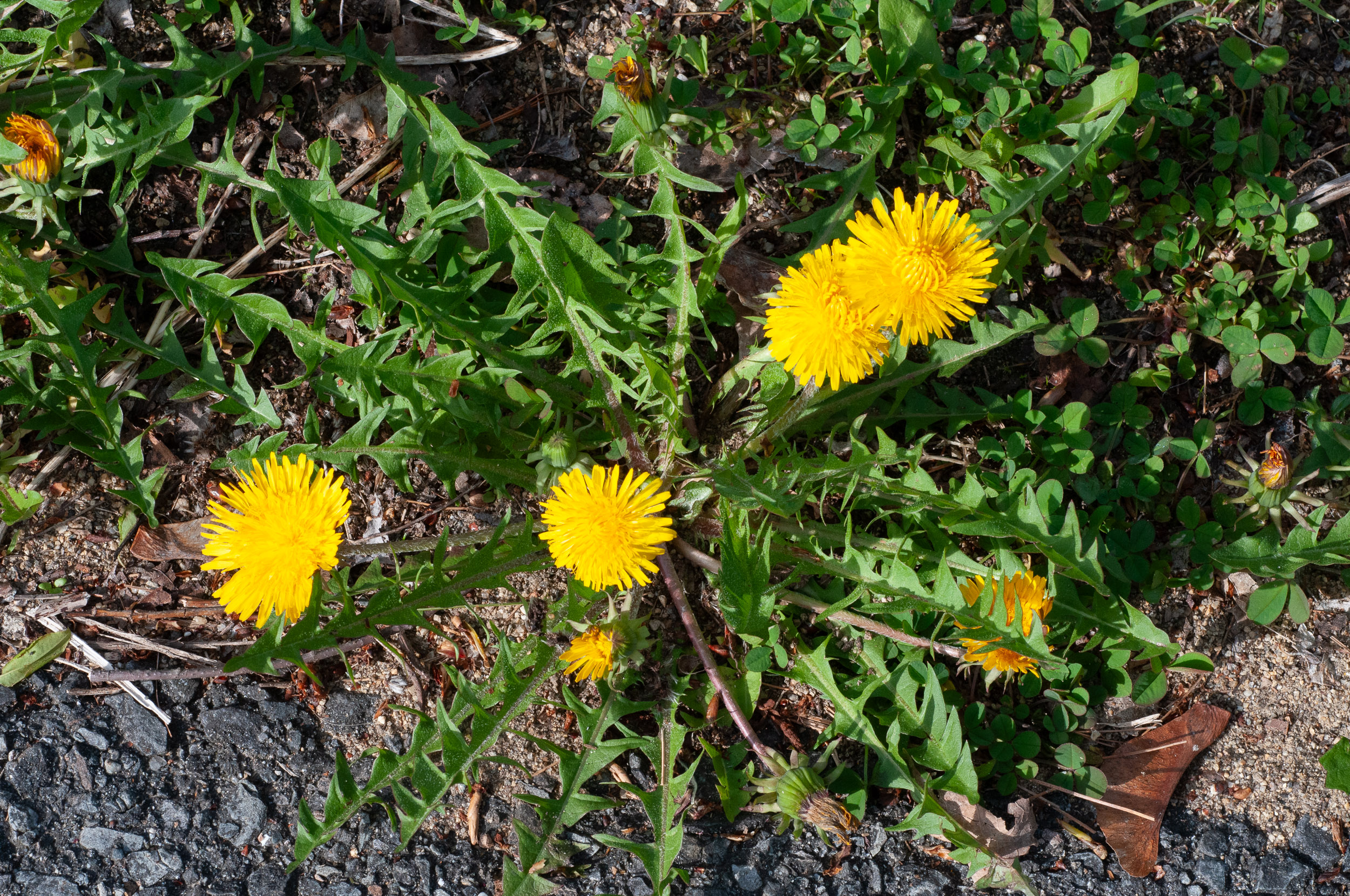
4/21/2010 · Nashua River Rail Trail, Groton Center, Groton, Massachusetts · ≈ 15 × 10″ (39 × 26 cm) 

4/23/2010 · Tom and Susan’s, Pepperell, Massachusetts · ≈ 3 × 3″ (8.2 × 7.9 cm) 
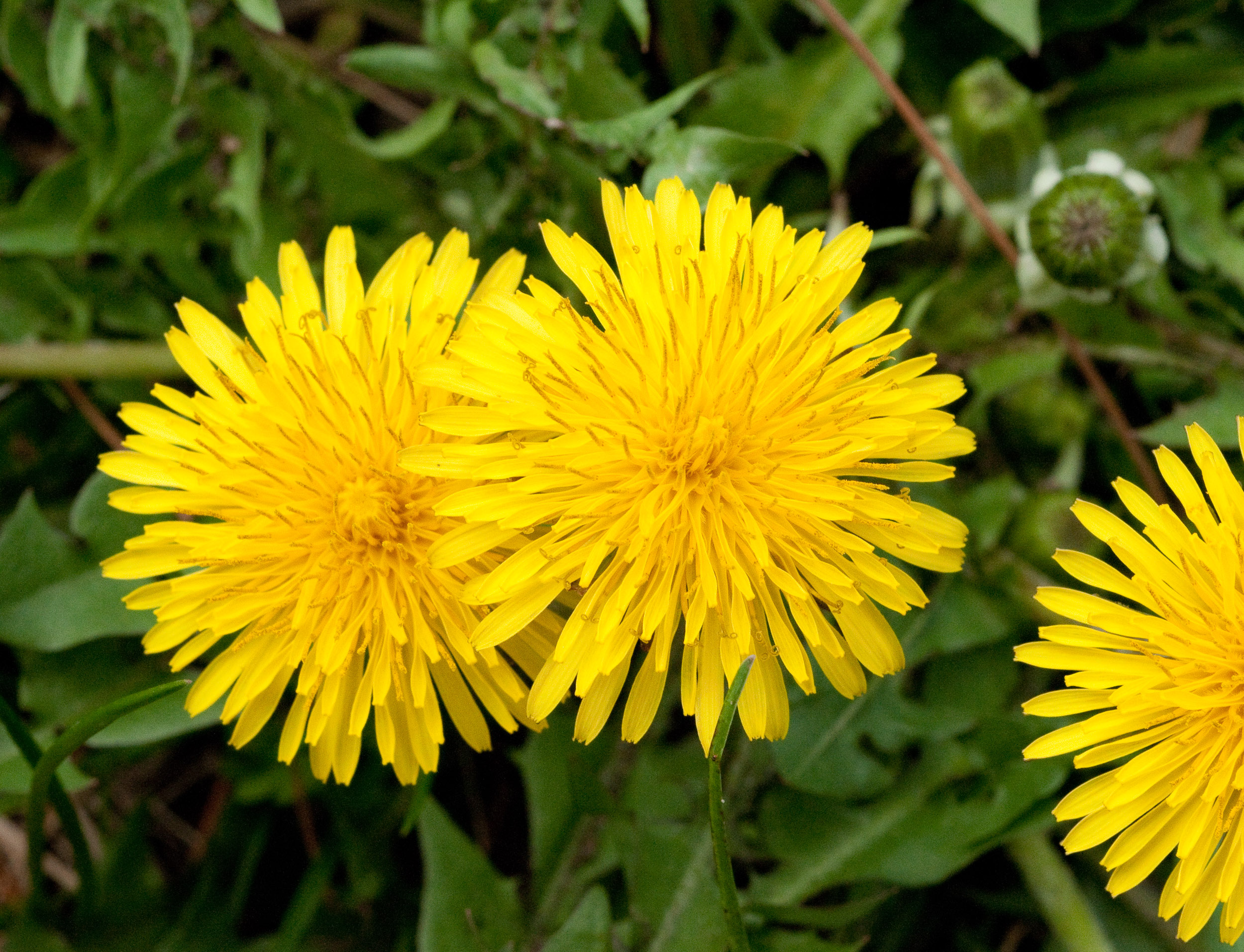
4/8/2010 · Tom & Susan’s, Pepperell, Massachusetts · ≈ 3½ × 4½″ (9.2 × 11 cm) 
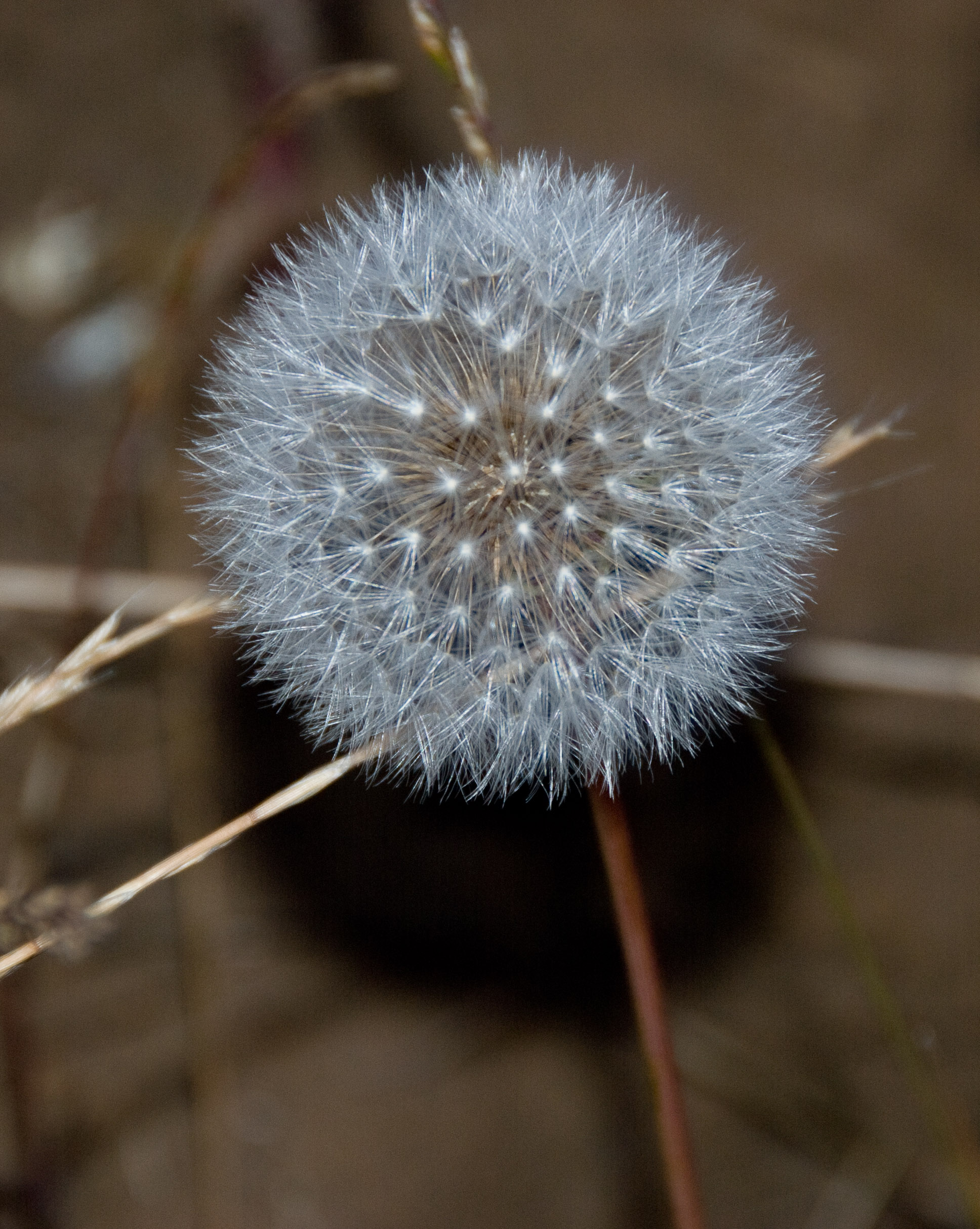
6/12/2007 · Near Golden Gate Bridge, Sausalito, California 

4/8/2010 · Nashua River Rail Trail, Ayer, Massachusetts · ≈ 15 × 12″ (38 × 29 cm)  ID is uncertain

I'm guessing this is some sort of mutation. · 5/24/2024 · Monhegan Island, Maine ID is uncertain 
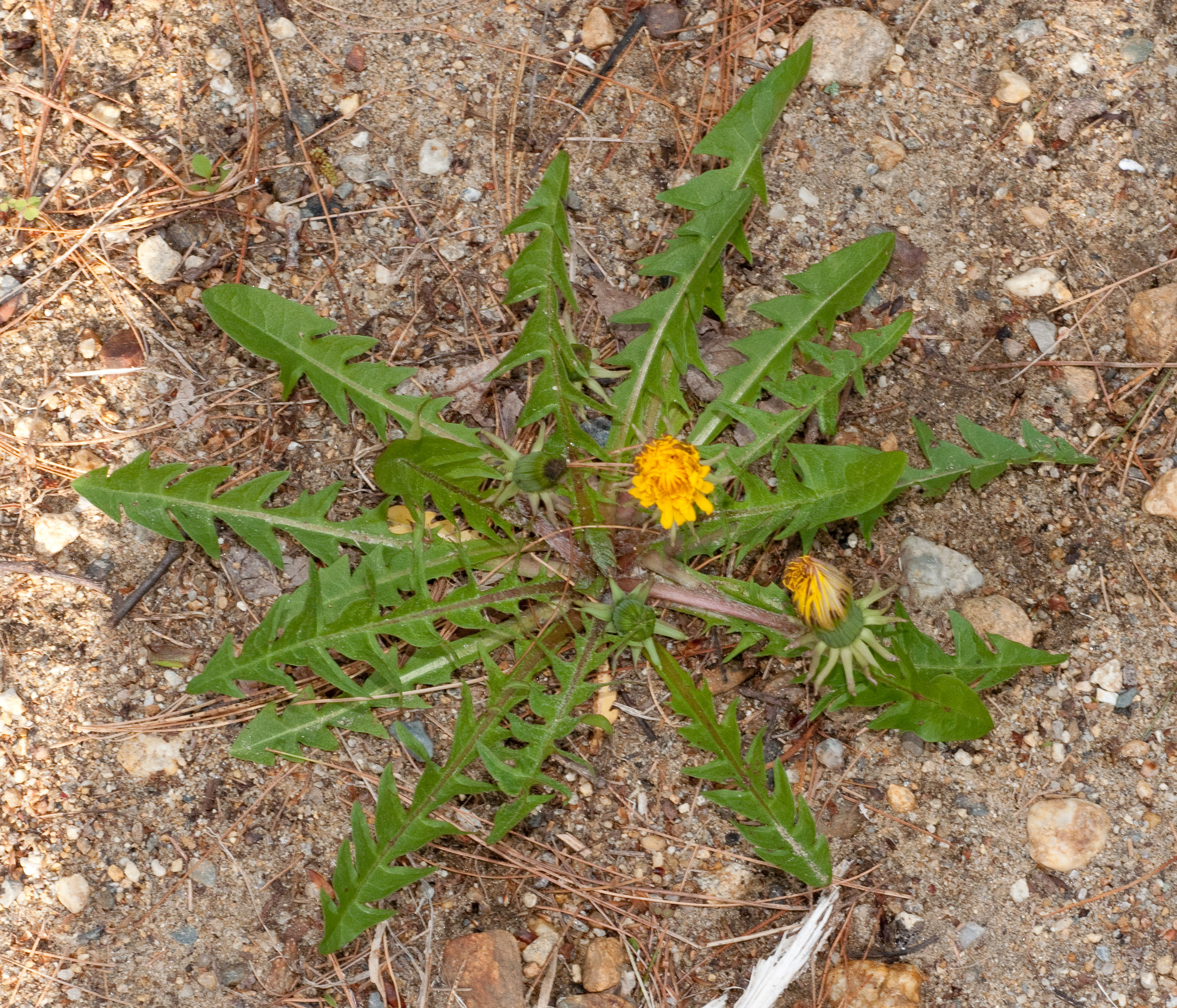
4/21/2010 · Nashua River Rail Trail, Groton Center, Groton, Massachusetts · ≈ 11 × 9″ (27 × 23 cm) 
| Kingdom | Plantae | Plants, but not fungi, lichens, or algae (from Stearn's Botanical Latin) |
| Subkingdom | Tracheobionta | Vascular plants—plants with a “circulatory system” for delivering water and nutrients |
| Division | Magnoliophyta | Flowering plants, also known as angiosperms |
| Class | Magnoliopsida | Dicotyledons—plants with two initial seed leaves |
| Subclass | Asteridae | A large class that encompasses asters |
| Order | Asterales | Flowering plants with a central disk flower and surrounding petals, like daisies |
| Family | Asteraceae | The aster family, which also includes daisies and sunflowers; from the Greek ἀστήρ, “star,” for the star-shaped flowers |
| Genus | Taraxacum | Medieval name traceable through Arabic to the Persian talkh chakok, meaning “bitter herb |
| Species | officinale | Sold as an herb, often applied to plants with real or supposed medicinal qualities |
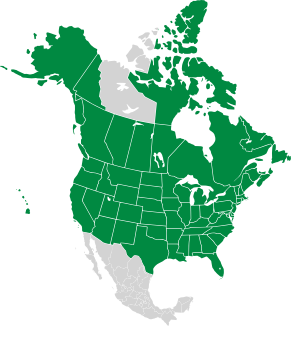
Taraxacum officinale description by Thomas H. Kent, not updated.

© FloraFinder.org. All rights reserved.