Rhus copallinum L.
Shining sumac, winged sumac
Winged sumac is a North American native plant. Rhus is the ancient Latin name for sumacs, and copallinum means “gum copal,” because the dried sap resembles that of the copal tree. Sumac simply means “red,” probably a reference to the berry color of most sumacs.
Plants: Winged sumac is a shrub or small tree that can reach 20′ (6.1 m) in height, and up to 10′ (3 m) around. Young branches have fine, velvety reddish-brown hairs, but much less so than those of close cousin staghorn sumac. Broken branches have clear sap, while other sumacs have a sticky white latex.
Leaves: Shiny, pointed oval-shaped leaves occur in opposing pairs along branches. Leaves are 1–4″ (2.5–10 cm) long. (Technically, the branch full of leaves is a single pinnately compound leaf, which is up to 1′ (30 cm) long.) The most unusual feature of this plant is the “wings”—small, long “leaves” that grow along the branch, between each set of leaves. In the fall, leaves turn burgundy red.
Flowers: Flowers are a drab yellowish green.
Fruits: Fruits are dense clusters of bright red berries, which often last through the winter, turning a darker shade.
Habitats: In dryish soils on hillsides, open woods, glades, fields and along the margins of roadsides and railroad tracks.
Edibility: Poisonous.  Okay, well, that isn’t actually
true. It isn’t edible, but it isn’t dangerous.
But be careful not to confuse winged sumac with poison sumac. If you think poison ivy or
poison oak are bad, you don’t want to run into the much more toxic poison sumac, which some
botanists consider the most poisonous plant in America. Poison sumac is relatively rare, and grows
only in very wet areas. It lacks the wings of winged sumac and the fuzzy branches and toothed
leaves of staghorn sumac.
Okay, well, that isn’t actually
true. It isn’t edible, but it isn’t dangerous.
But be careful not to confuse winged sumac with poison sumac. If you think poison ivy or
poison oak are bad, you don’t want to run into the much more toxic poison sumac, which some
botanists consider the most poisonous plant in America. Poison sumac is relatively rare, and grows
only in very wet areas. It lacks the wings of winged sumac and the fuzzy branches and toothed
leaves of staghorn sumac.
Medical:
Online References:
Rhus copallina L., orth. var.
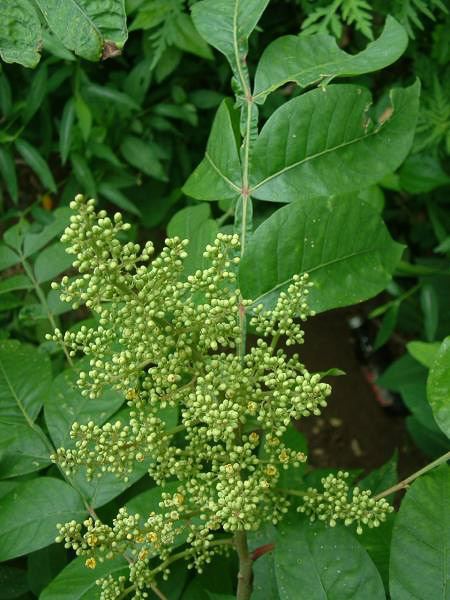
1/5/2026 · By Jacquelyn Boyt 
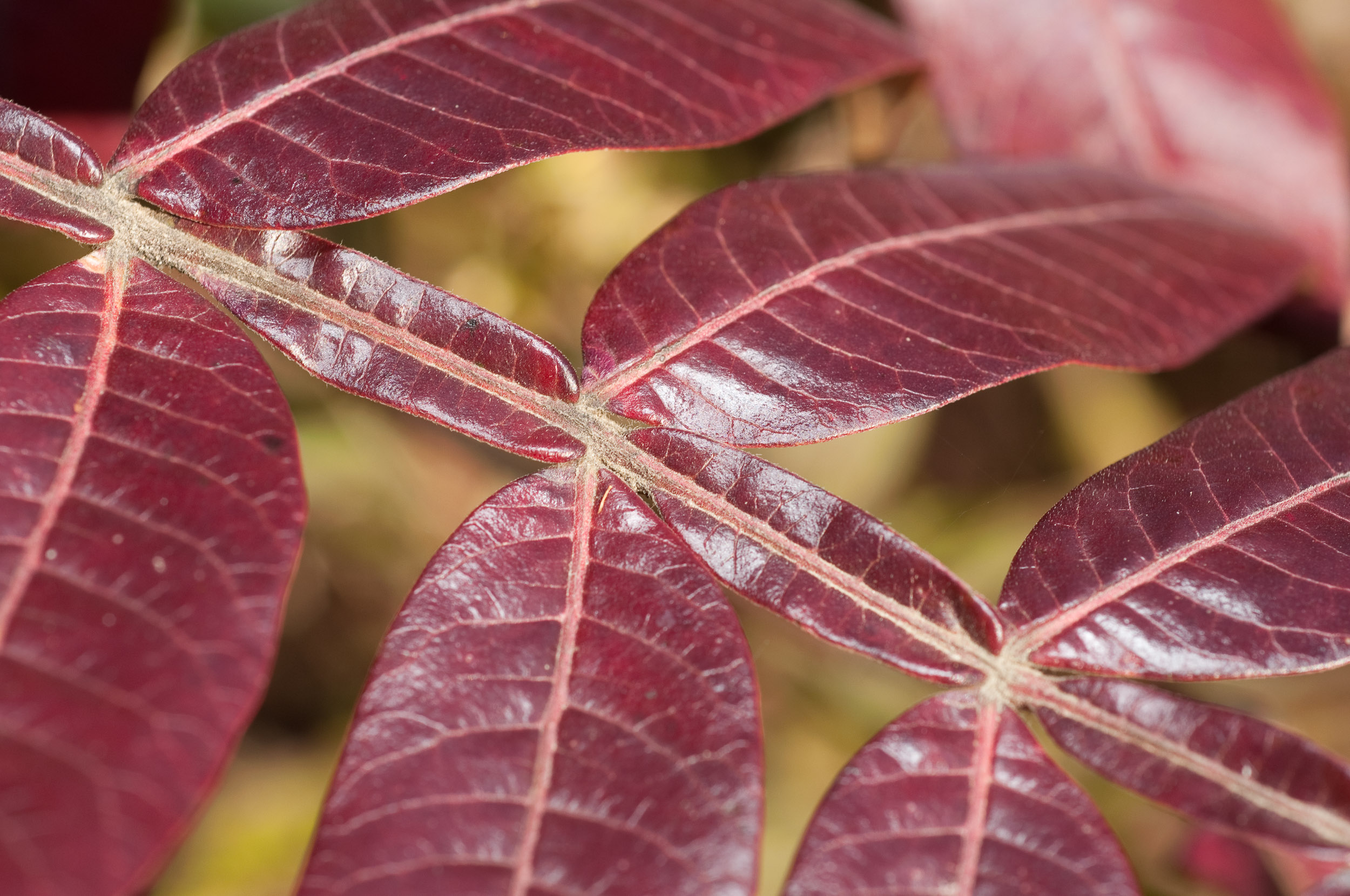
10/22/2009 · Tom and Susan’s, Pepperell, Massachusetts · ≈ 4½ × 3″ (11 × 7.9 cm) 

4/14/2015 · Pinelands, Everglades National Park, Florida · ≈ 8 × 6″ (19 × 14 cm) 
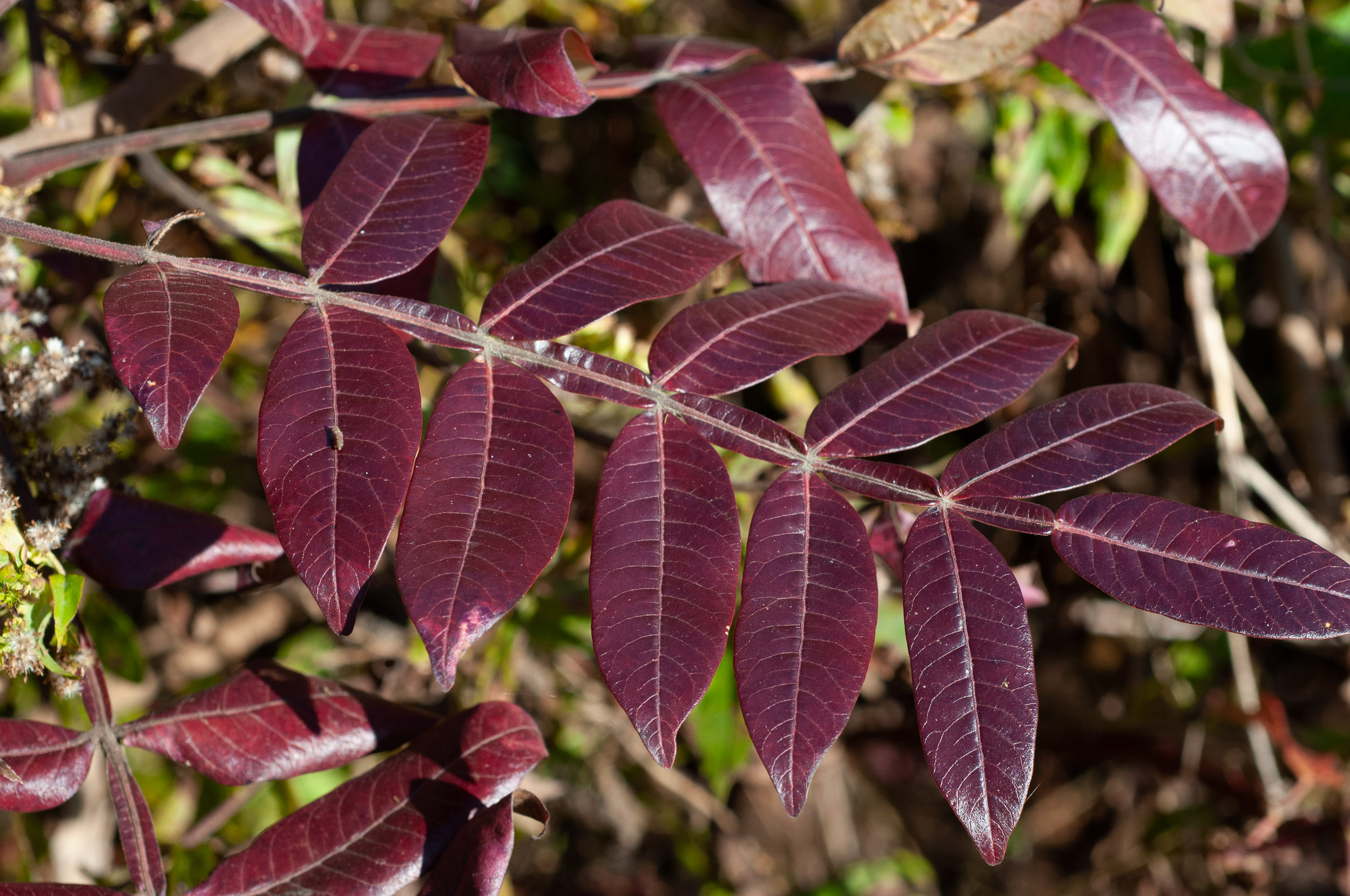
10/22/2009 · Tom and Susan’s, Pepperell, Massachusetts · ≈ 11 × 7″ (27 × 18 cm) 
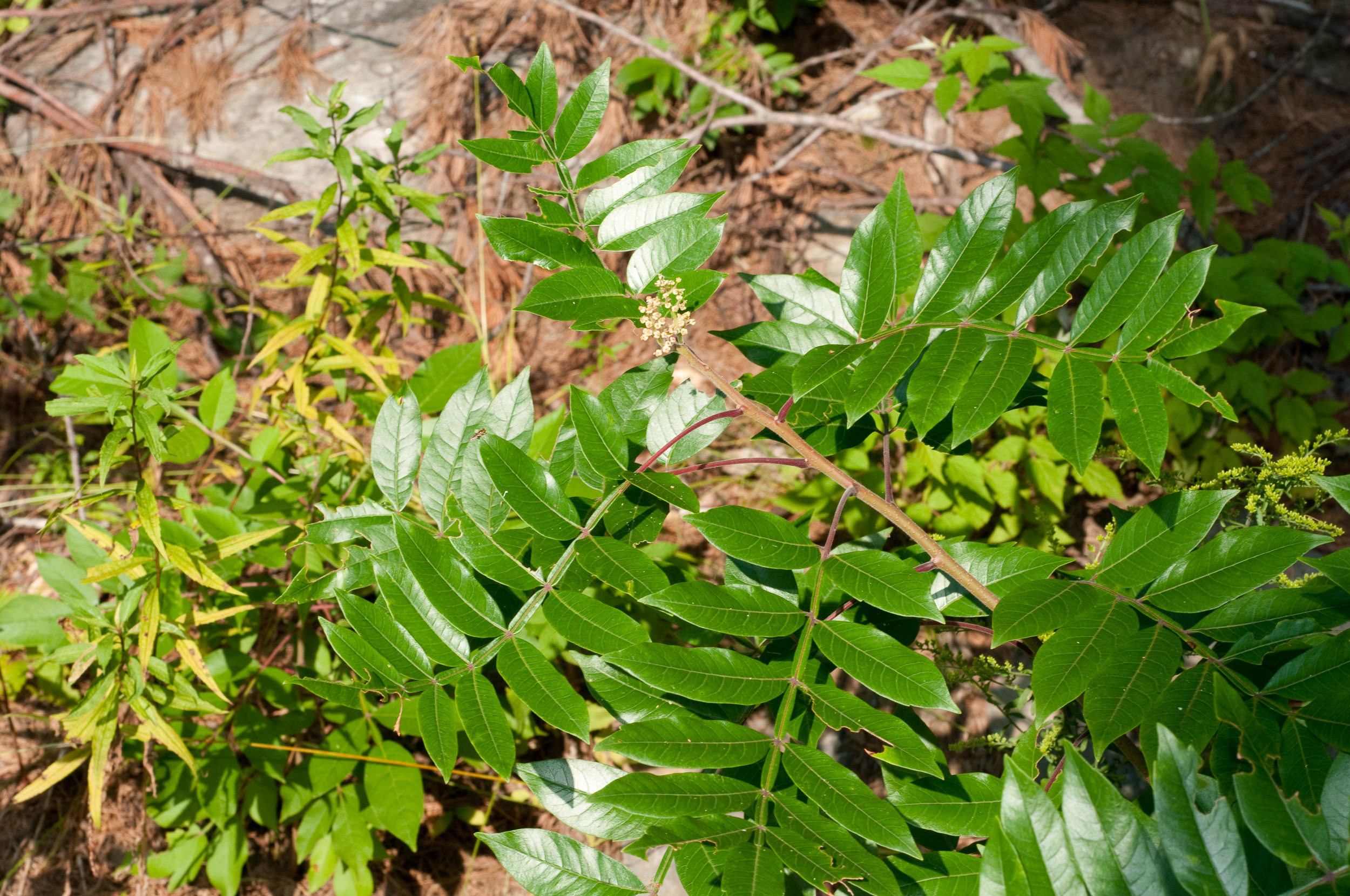
8/7/2009 · Tom and Susan’s, Pepperell, Massachusetts · ≈ 2 × 1′ (62 × 41 cm) 
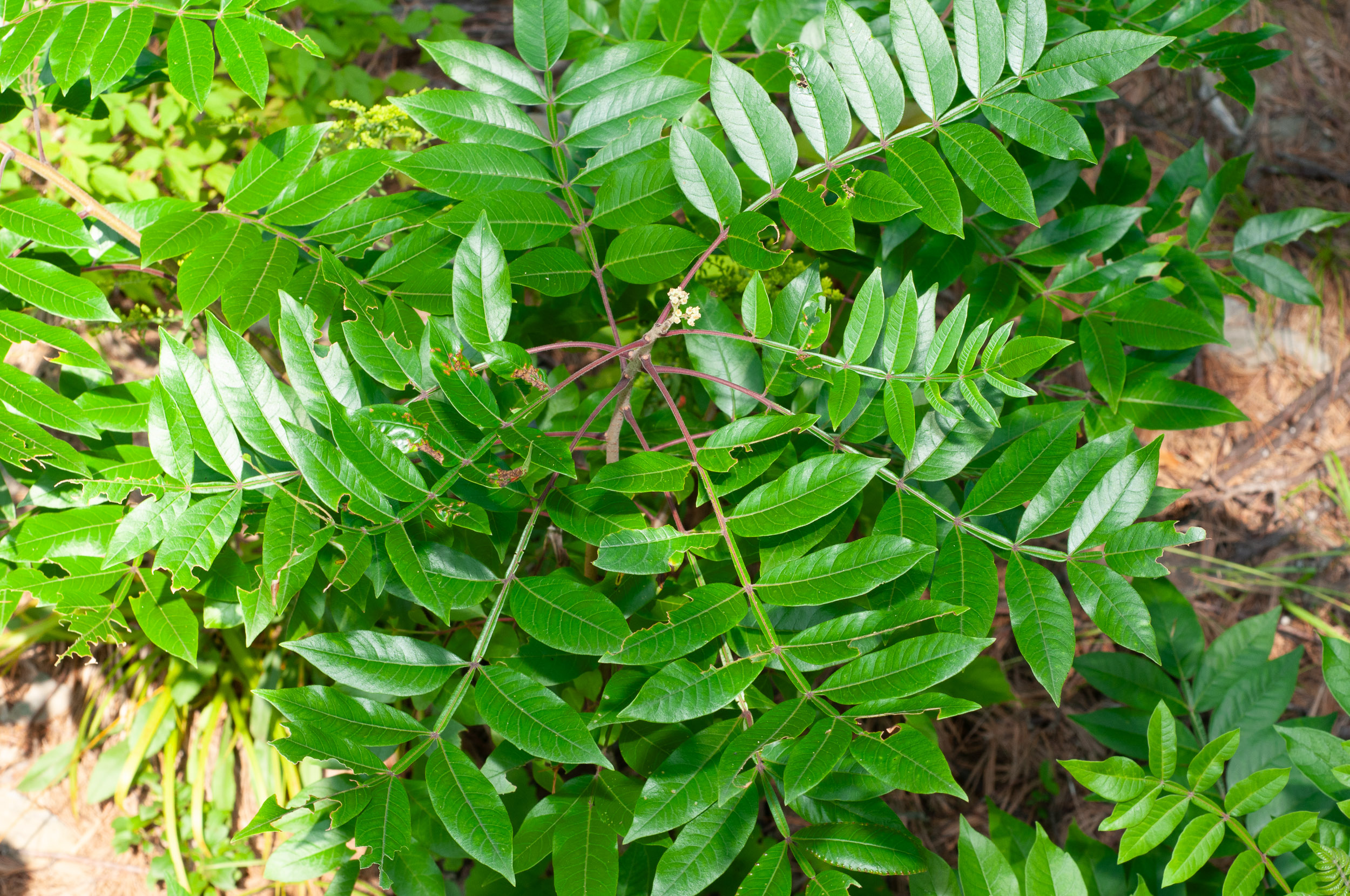
8/7/2009 · Tom and Susan’s, Pepperell, Massachusetts · ≈ 2 × 1′ (62 × 41 cm) 
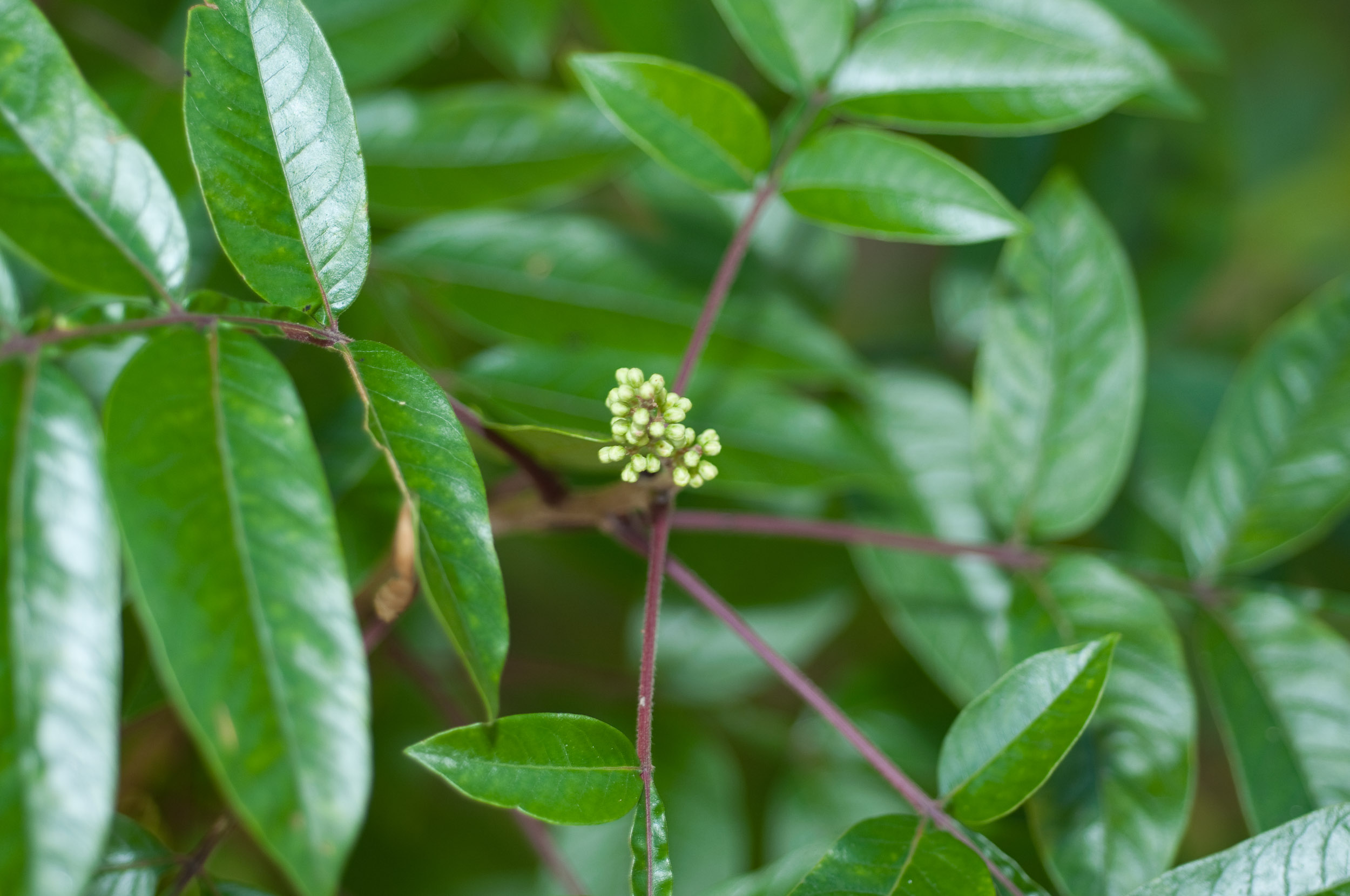
8/7/2009 · Tom and Susan’s, Pepperell, Massachusetts · ≈ 9 × 6″ (22 × 14 cm) 
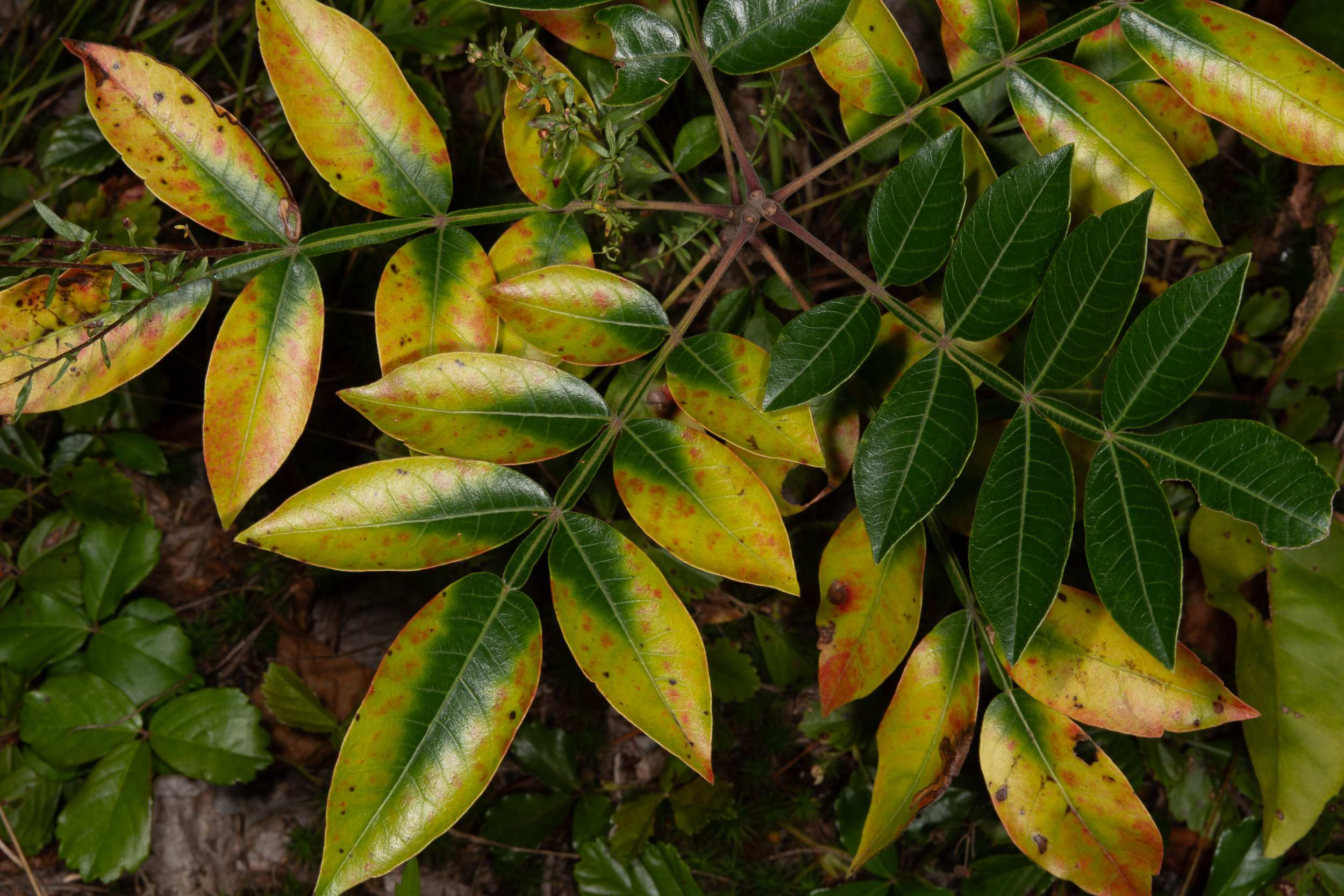
8/19/2018 · Townsend Wildlife Management Area, Townsend, Massachusetts · ≈ 10 × 6″ (24 × 16 cm) 
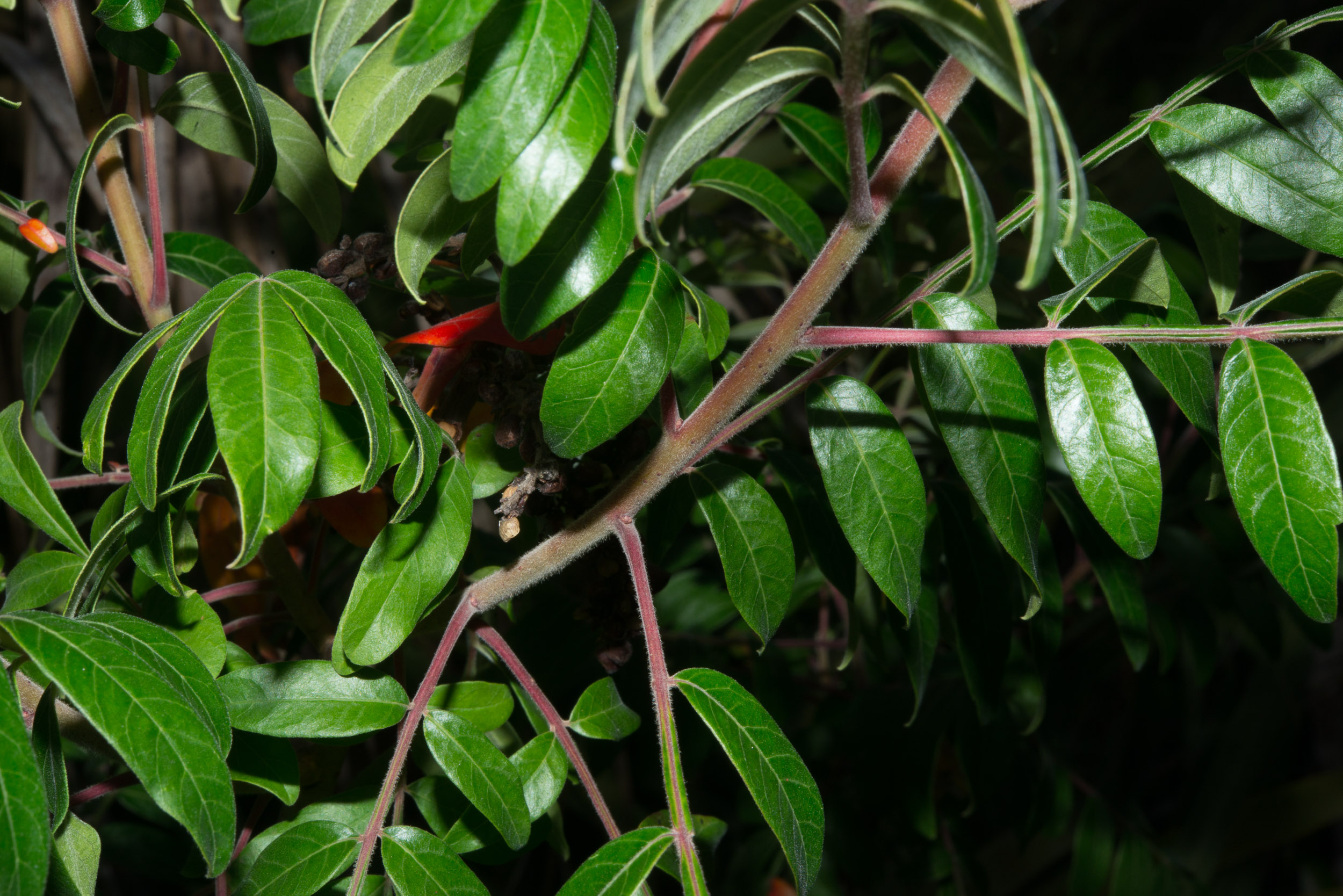
4/14/2015 · Pinelands, Everglades National Park, Florida · ≈ 8 × 6″ (20 × 14 cm) 
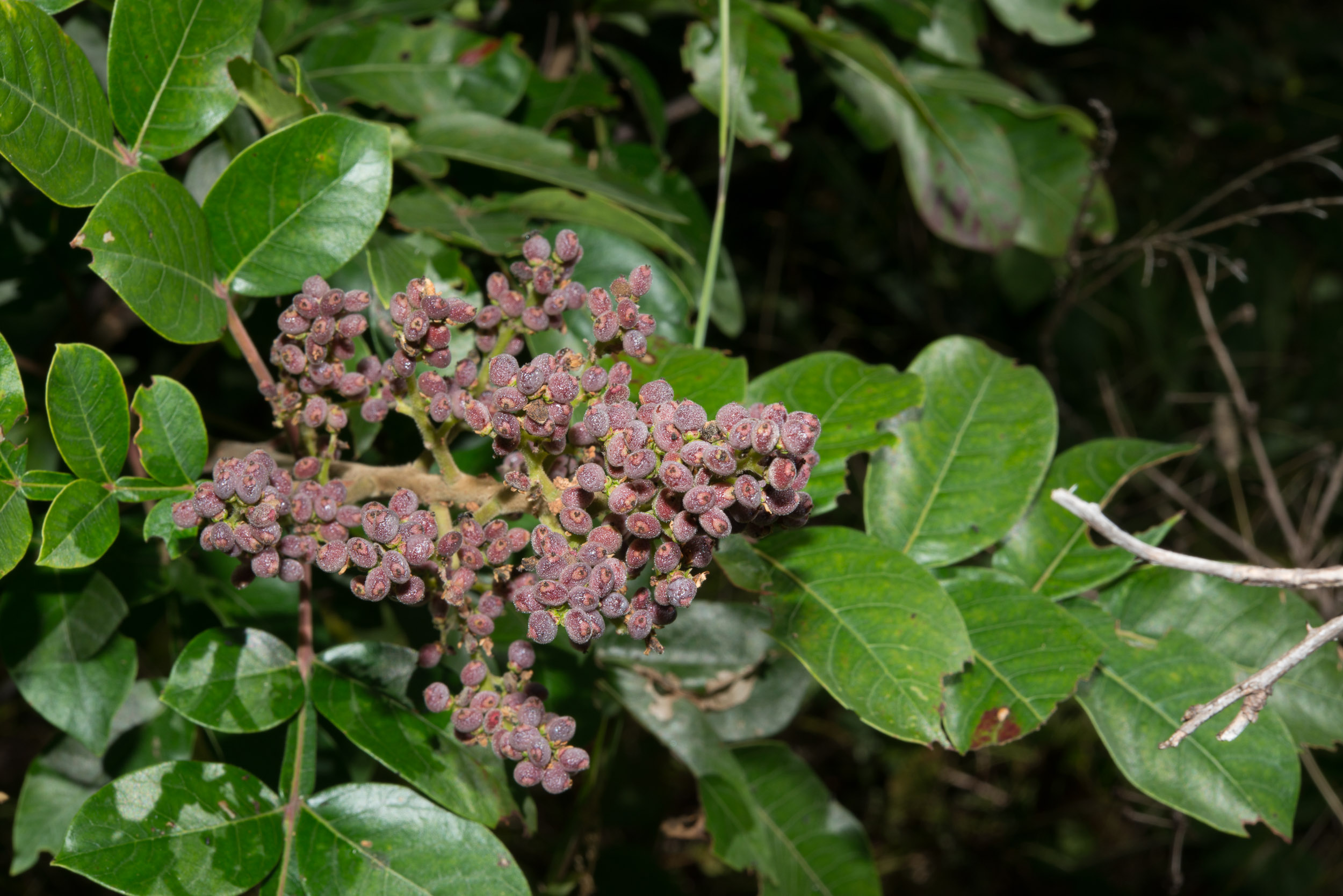
8/23/2013 · Andres Institute of Art, Big Bear Mountain, Brookline, New Hampshire · ≈ 9 × 6″ (23 × 16 cm) 
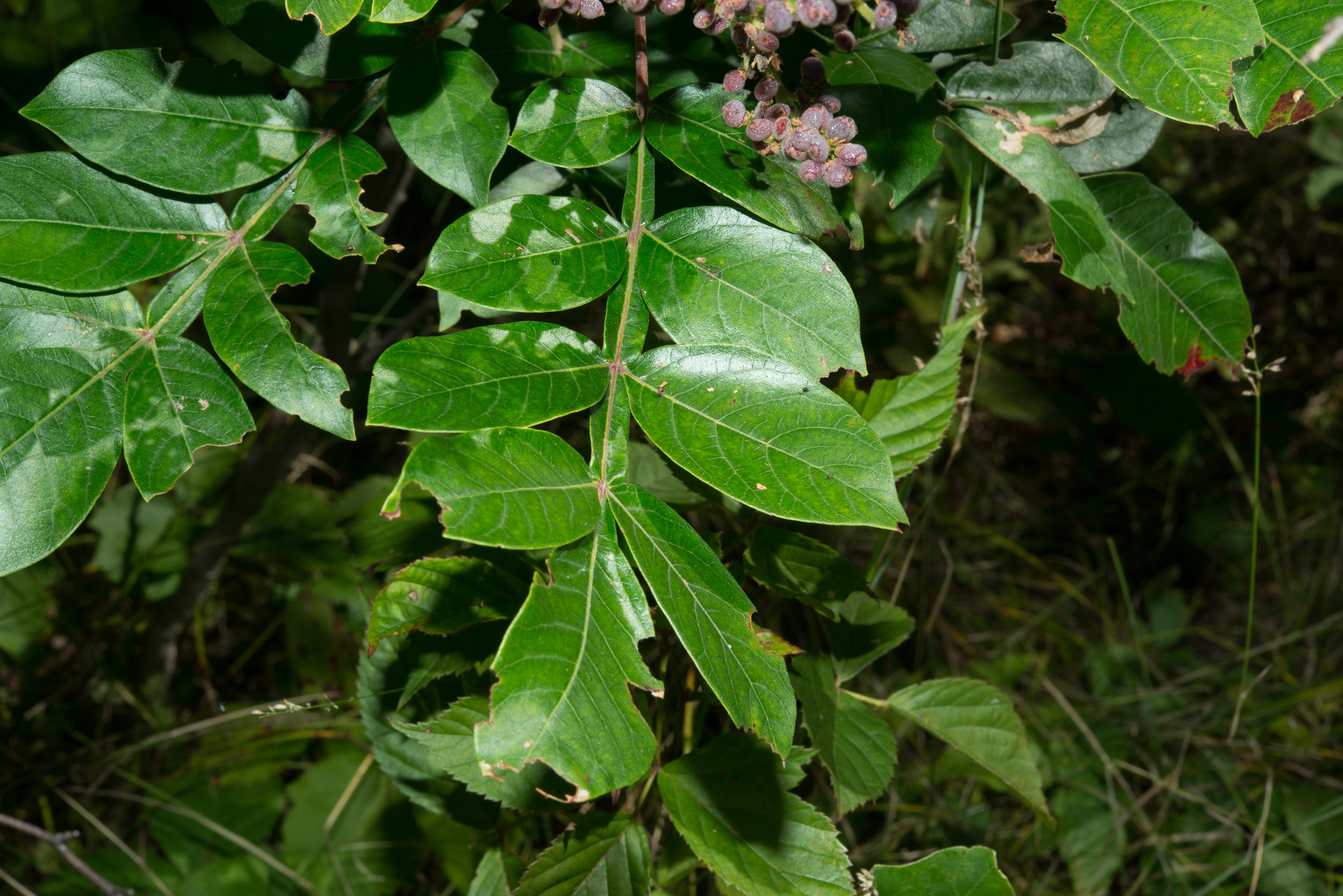
8/23/2013 · Andres Institute of Art, Big Bear Mountain, Brookline, New Hampshire · ≈ 11 × 7″ (28 × 18 cm) 
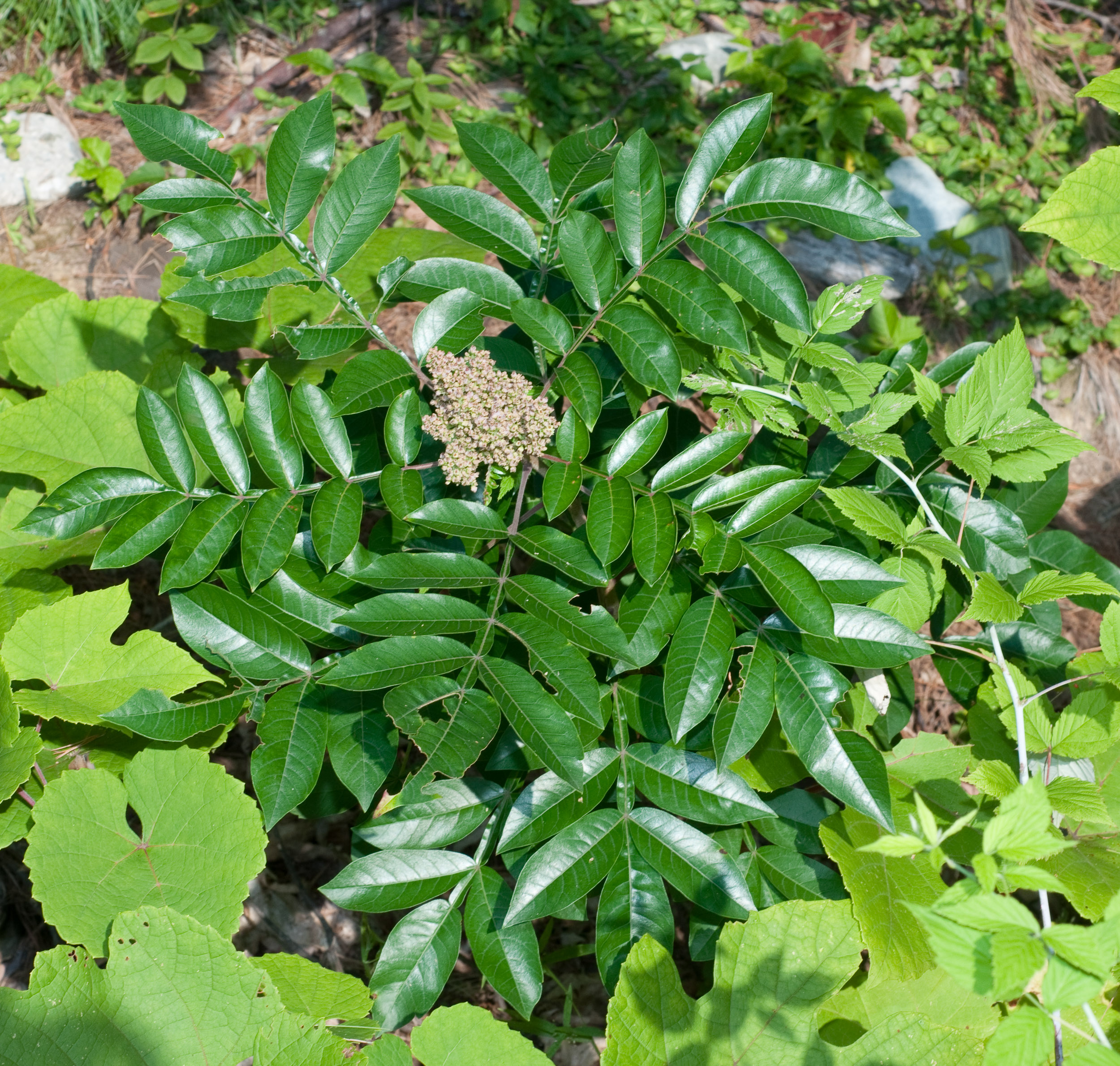
8/7/2009 · Tom and Susan’s, Pepperell, Massachusetts 
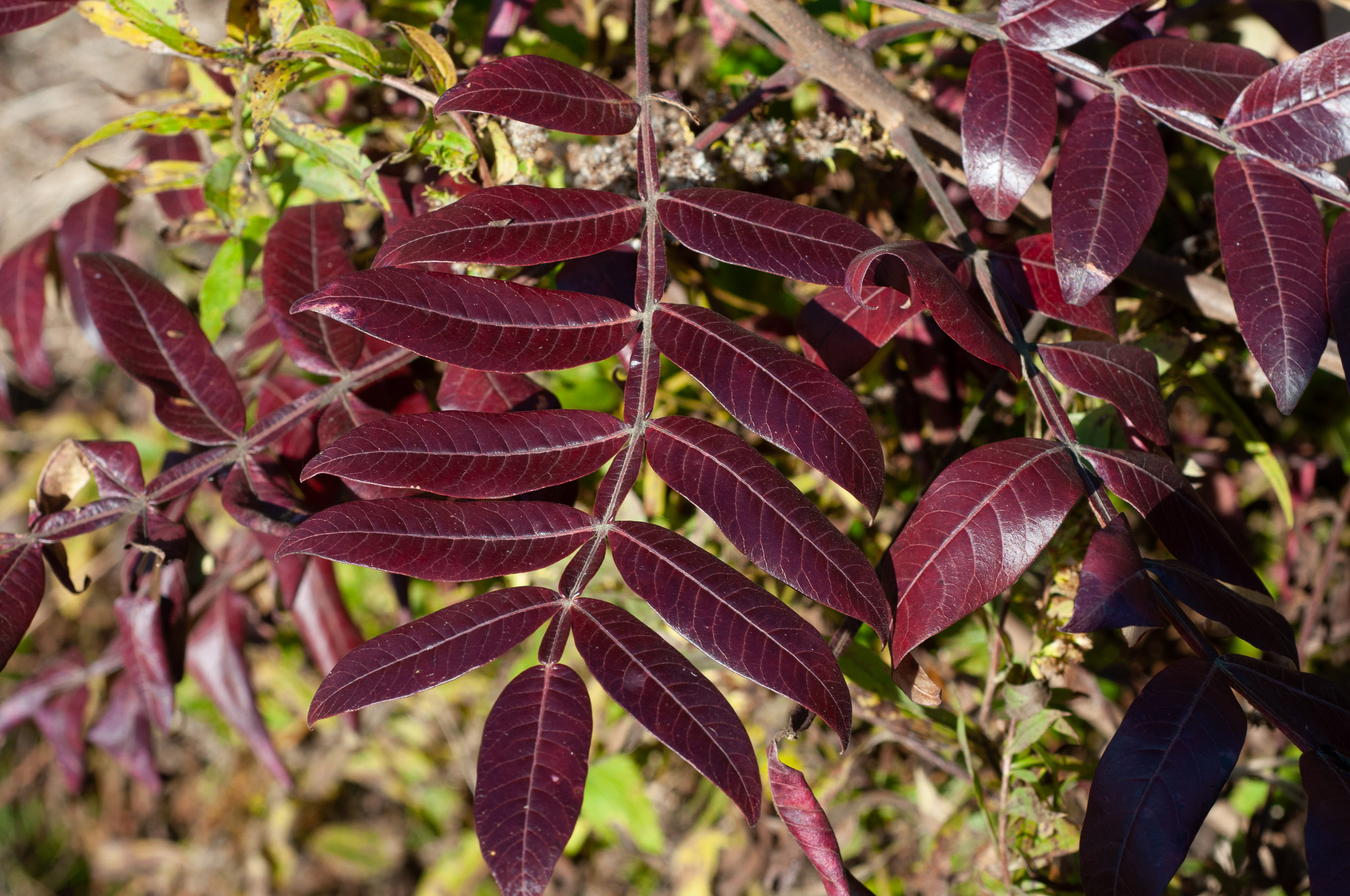
10/22/2009 · Tom and Susan’s, Pepperell, Massachusetts · ≈ 12 × 8″ (31 × 20 cm) 
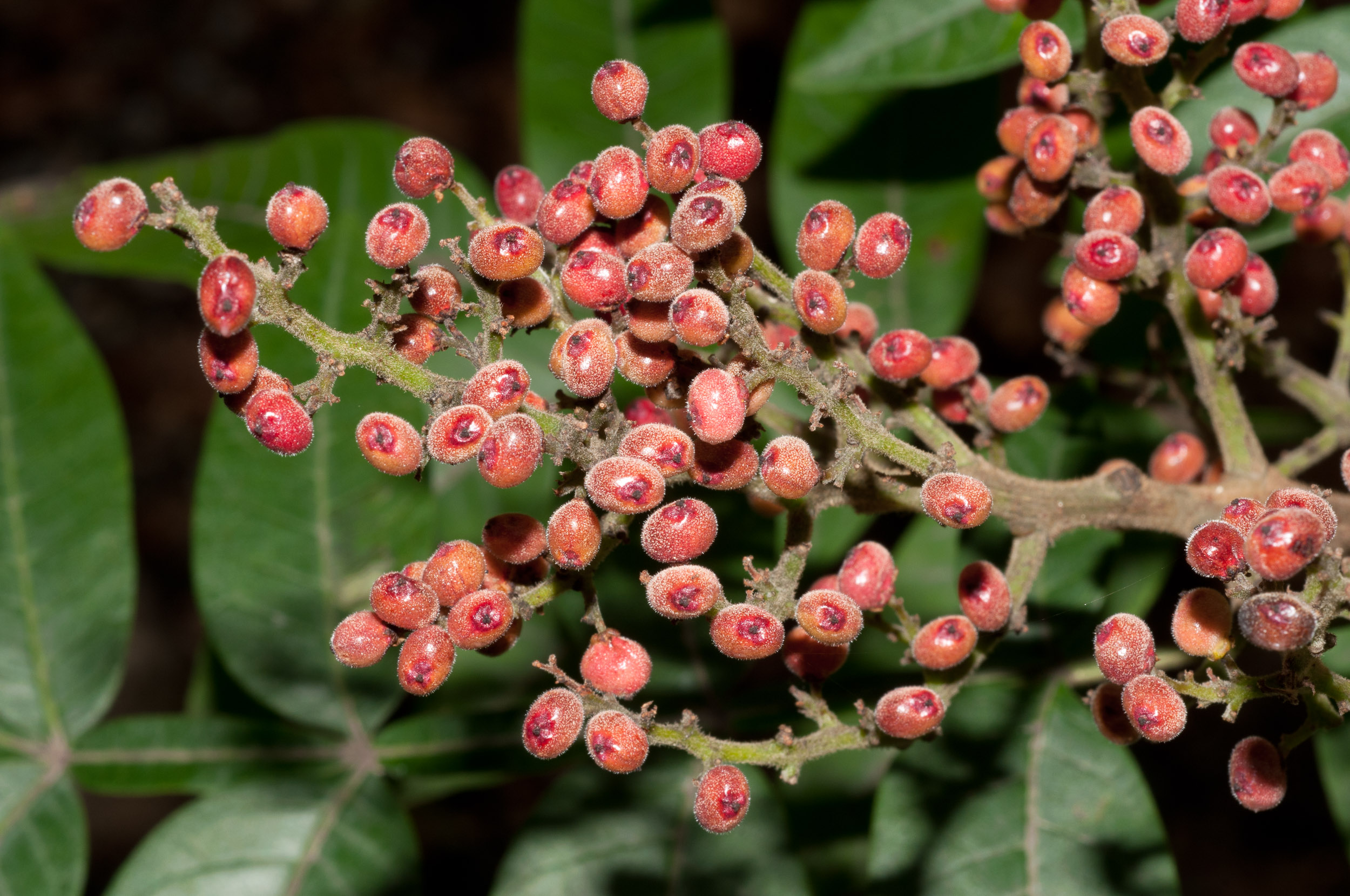
9/14/2010 · Garden in the Woods, Framingham, Massachusetts · ≈ 5 × 3½″ (13 × 9.2 cm) 
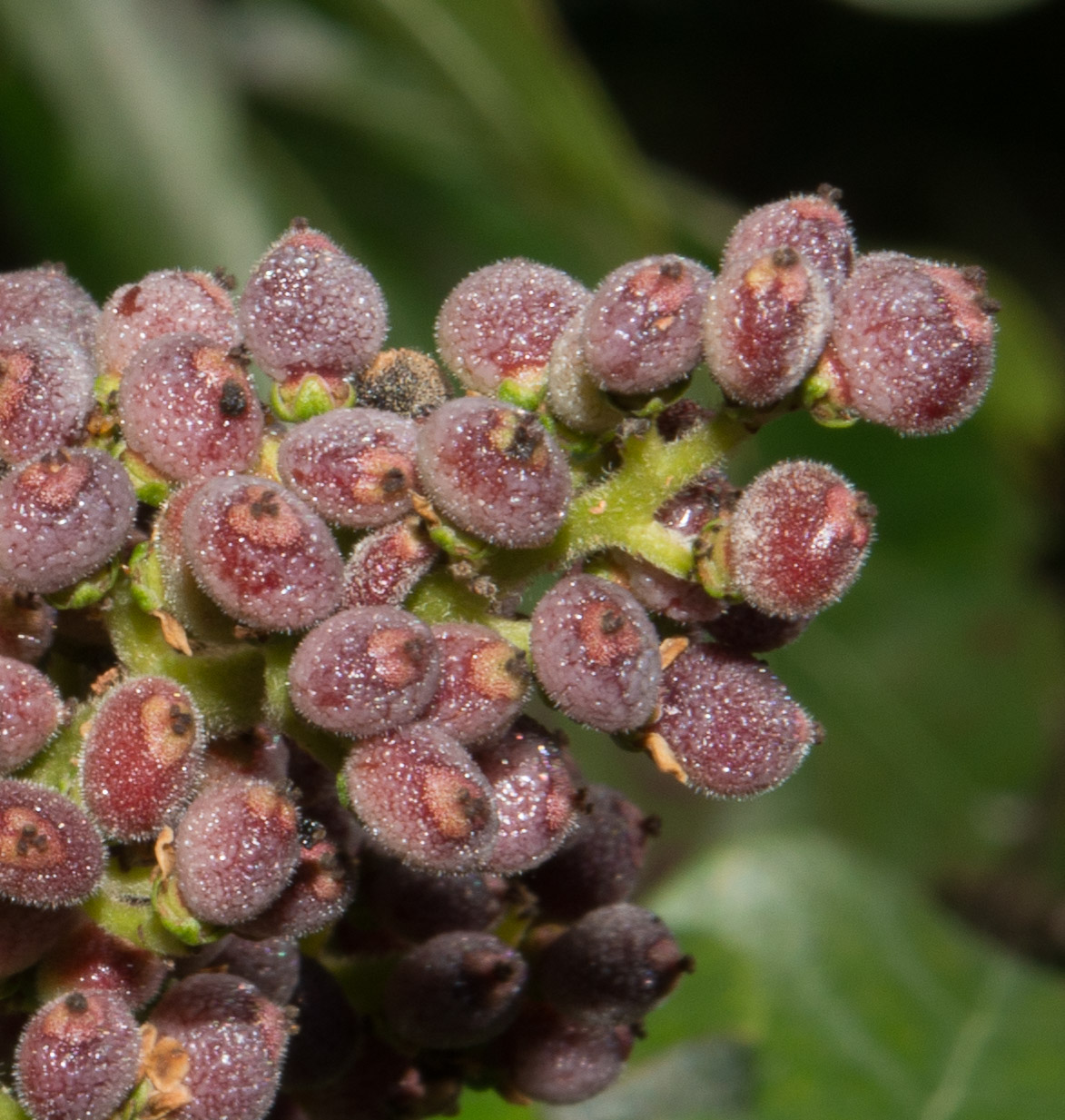
8/23/2013 · Andres Institute of Art, Big Bear Mountain, Brookline, New Hampshire · ≈ 1½ × 1½″ (3.8 × 4 cm) 
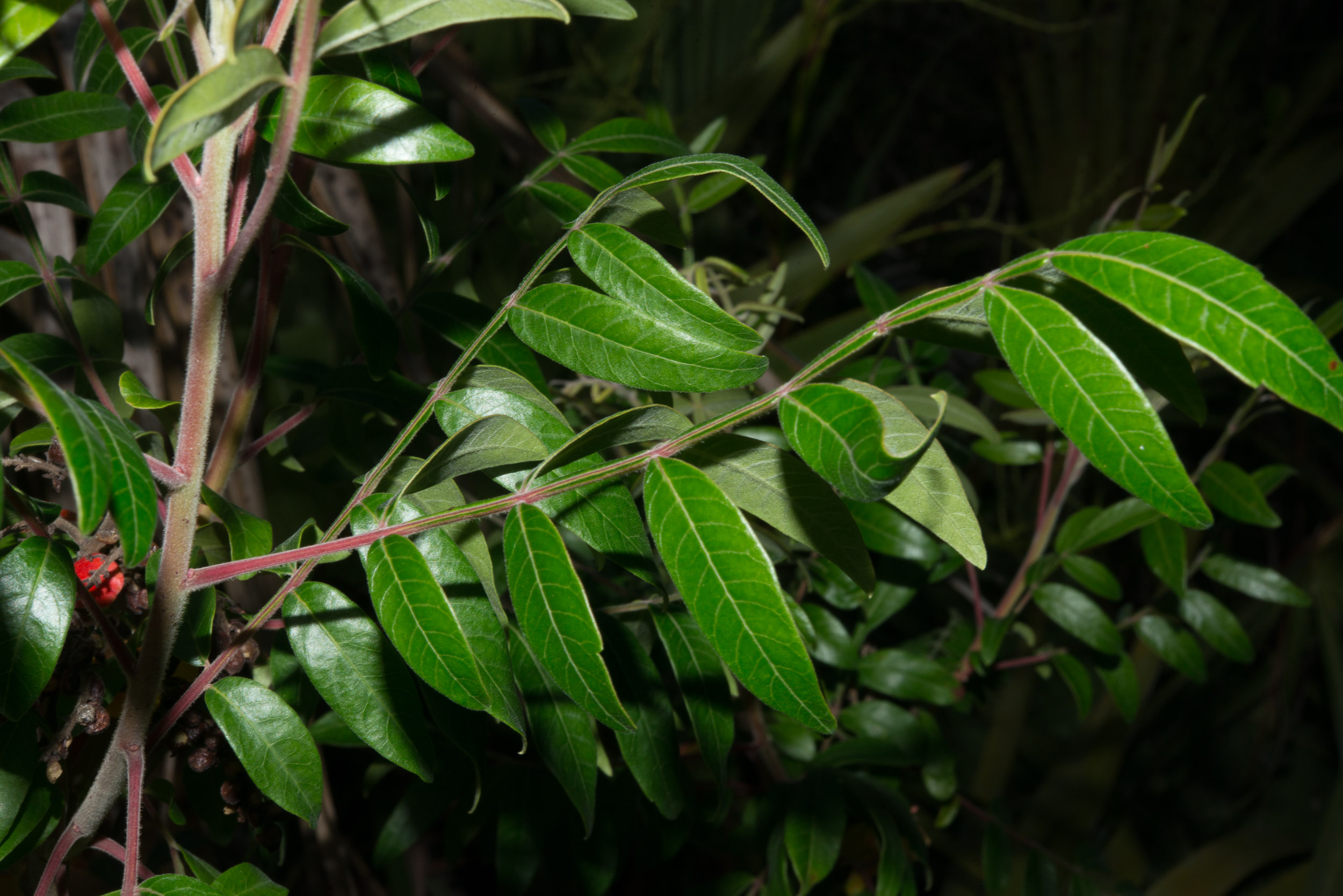
4/14/2015 · Pinelands, Everglades National Park, Florida · ≈ 9 × 6″ (23 × 16 cm) 
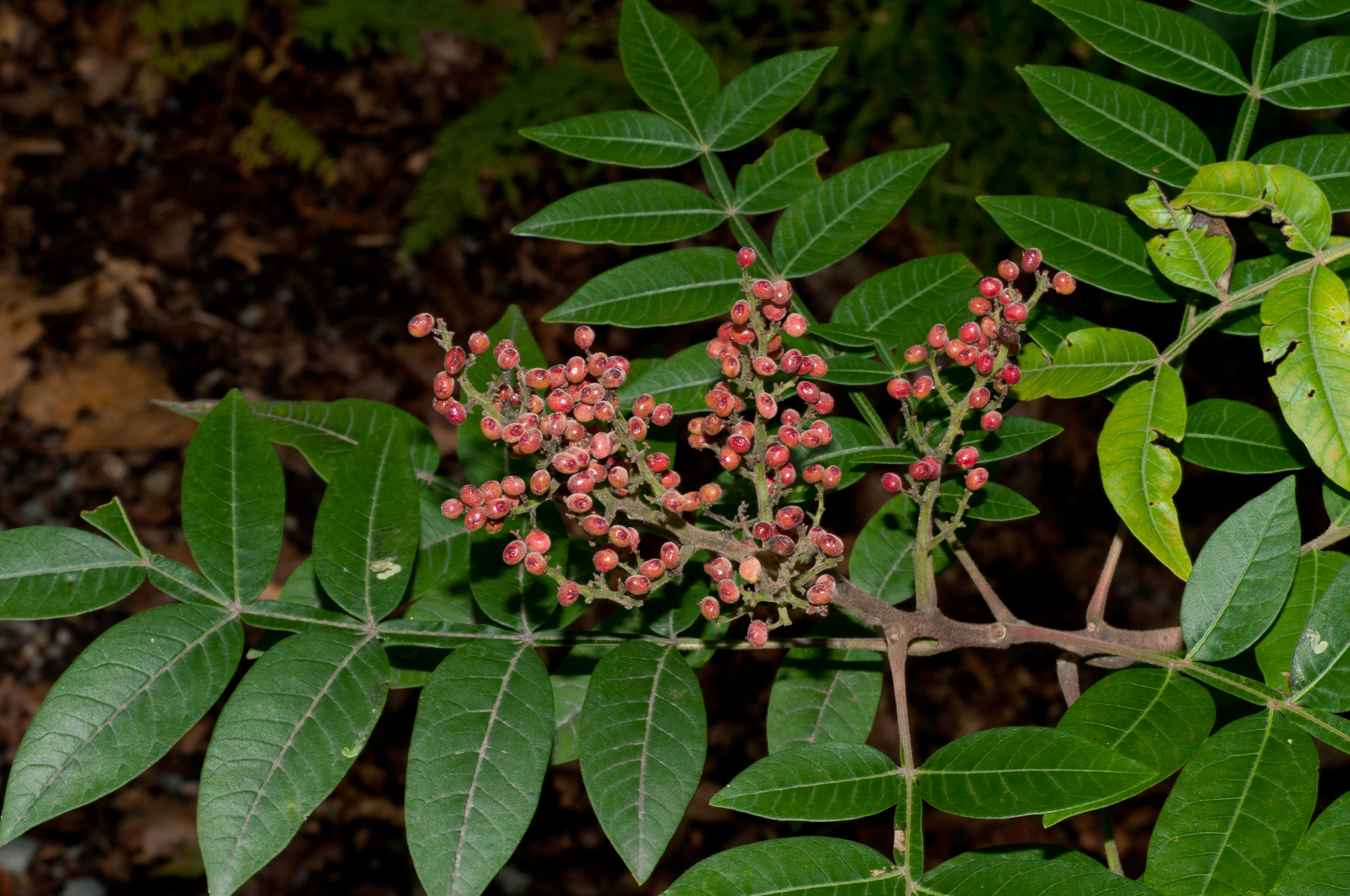
9/14/2010 · Garden in the Woods, Framingham, Massachusetts · ≈ 12 × 8″ (31 × 20 cm) 
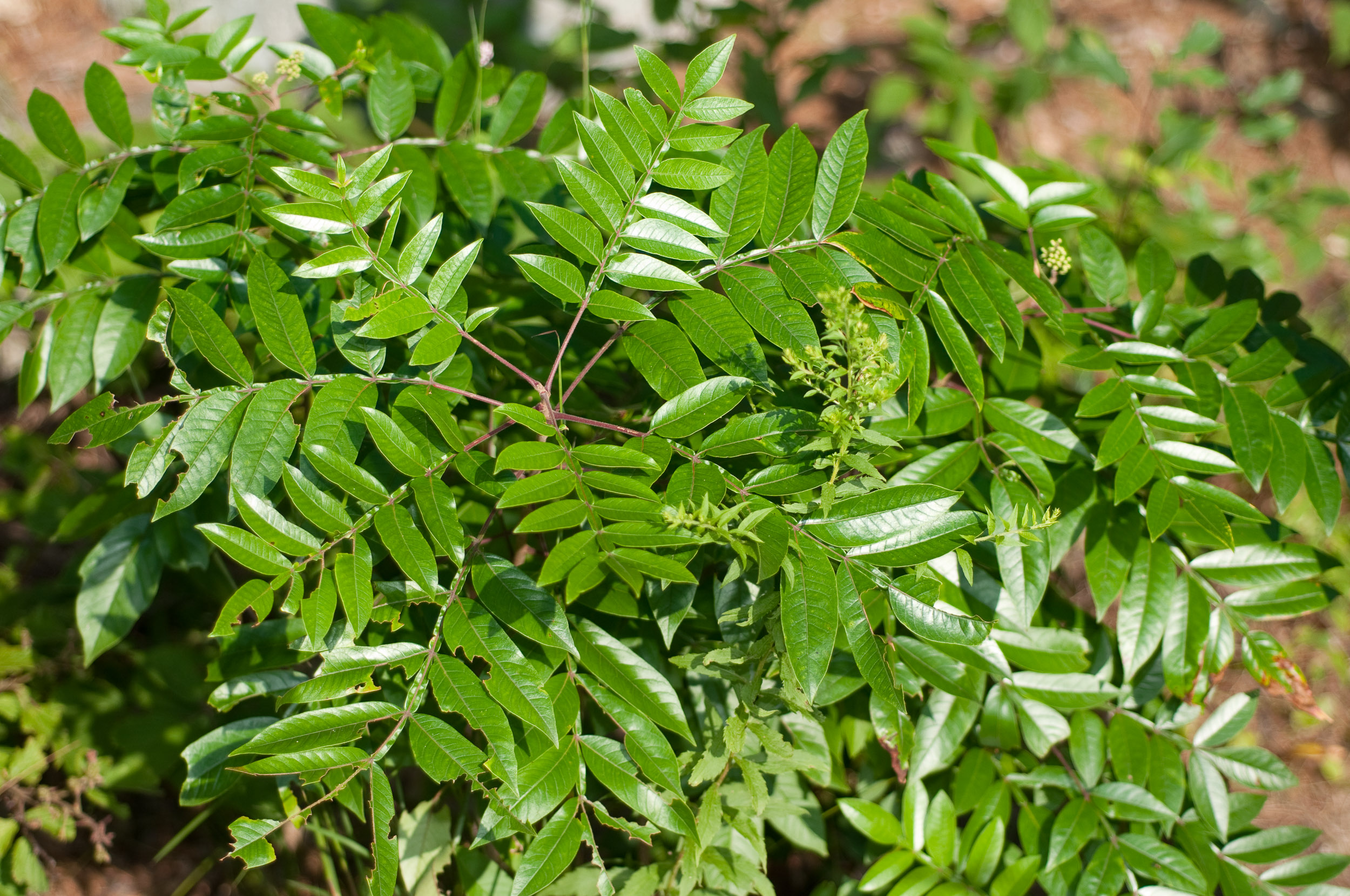
8/7/2009 · Tom and Susan’s, Pepperell, Massachusetts · ≈ 2 × 1′ (62 × 41 cm) 
| Kingdom | Plantae | Plants, but not fungi, lichens, or algae (from Stearn's Botanical Latin) |
| Subkingdom | Tracheobionta | Vascular plants—plants with a “circulatory system” for delivering water and nutrients |
| Division | Magnoliophyta | Flowering plants, also known as angiosperms |
| Class | Magnoliopsida | Dicotyledons—plants with two initial seed leaves |
| Subclass | Rosidae | Roses, legumes, proteas, dogwoods, hydrangeas, mistletoes, euphorbias, grapes, many more |
| Order | Sapindales | Includes citrus; maples, horse-chestnuts, lychees and rambutans; mangos and cashews; frankincense and myrrh; mahogany and neem |
| Family | Anacardiaceae | Cashew or sumac family |
| Genus | Rhus | From Greek rhous, ancient name for sumac |
| Species | copallinum | Gummy or resinous |
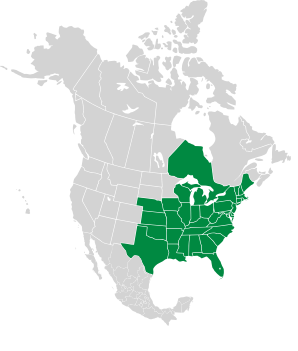
Rhus copallinum description by Thomas H. Kent, not updated.

© FloraFinder.org. All rights reserved.