Raphanus raphanistrum L.
Wild radish, jointed charlock
Wild radish originates in Europe and Asia, but is now found worldwide. It is usually considered a weed.
Plants: Fast-growing, gangling, disheveled-looking plants, 12–39″ (30–100 cm) high, extensively and unevenly branched.
Leaves: A basal rosette consists of large, oblong-ellliptic to spatulate deeply lobed leaves, enlarged at the tips. Upper leaves are narrower, with few or no lobes. Leaves are alternate, and rough-textured.
Flowers: Long, termiinal racemes. Each flower has four spatula-shaped petals. They are typically pale yellow, rarely white, pinkish or purplish; with purple veins and six stamens. They are ⅜–¾″ (1–2 cm) across, on stalks (pedicels) ⅜–¾″ (1–2 cm) long.
Fruits: Fleshy, spongy pods ⅝–6 ⨉ ⅛–⅜″ (1.6–14 cm ⨉ 5–10 mm). Each pod is roughly cylindrical, with a pointed beak ⅜–¾″ (1–2 cm) long, containing 2-10 seeds. Seeds are reddish to orange brown, roughly oval, and 1/16–⅛″ (2–4 mm) in size.
Edibility: Not edible.
Habitats: Disturbed soils, meadows, fields, and ocean beaches.
Online References:

9/6/2023 · Beach near Cook’s Lobster and Ale House, Bailey Island, Maine 
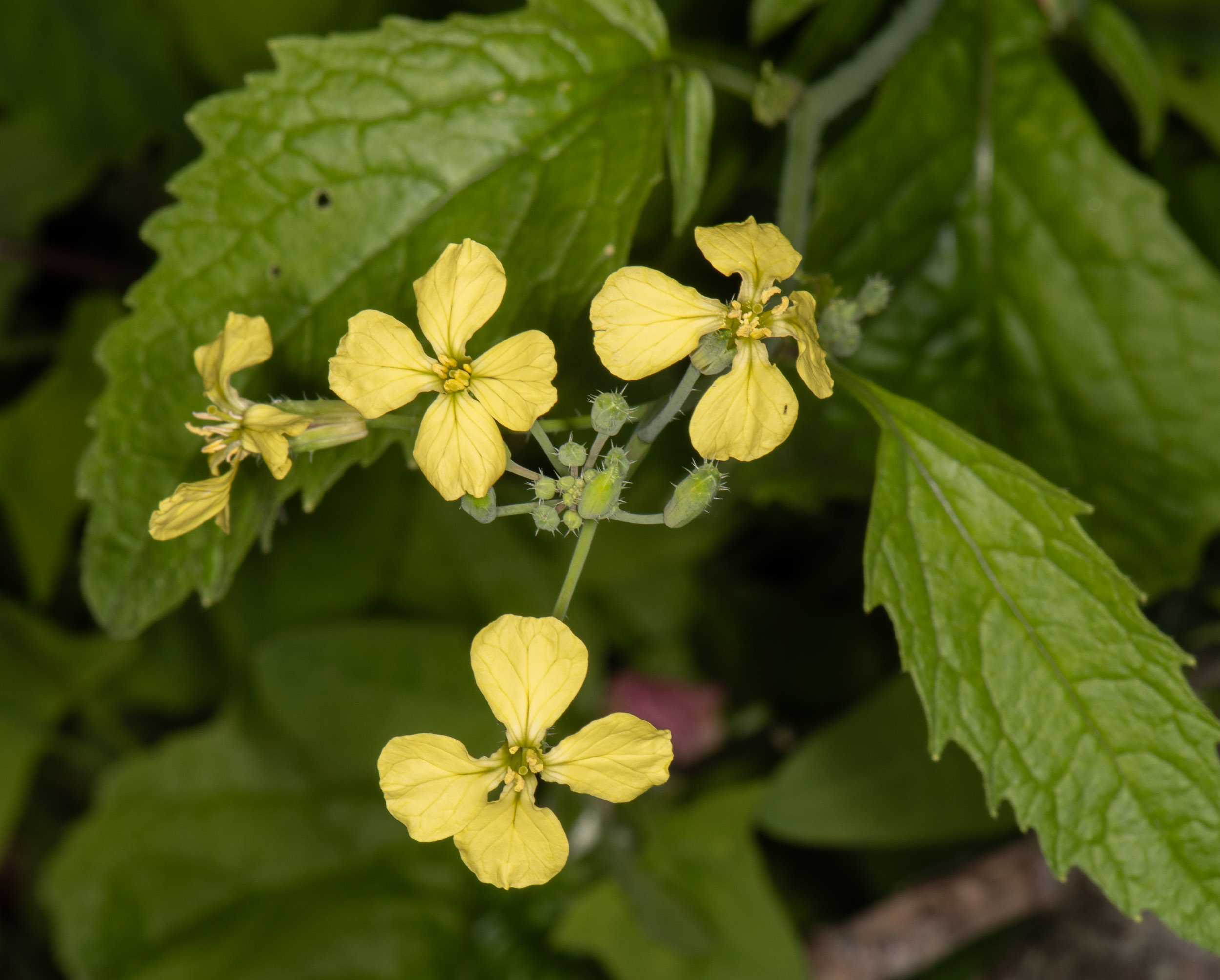
7/5/2021 · Curtis Farm Preserve, Harpswell, Maine · ≈ 5 × 4″ (13 × 10 cm) 

7/20/2023 · Curtis Farm Preserve, Harpswell, Maine 

9/3/2020 · Mitchell Field, Harpswell, Maine · ≈ 8 × 5″ (20 × 13 cm) 

6/19/2024 · Red Rose Preserve, Bowdoinham, Maine · ≈ 6 × 4″ (16 × 11 cm) 

9/18/2016 · Deer Isle Beach Vegetation Recla 

9/21/2021 · Pott’s Point Preserve, Harpswell, Maine 

7/5/2021 · Curtis Farm Preserve, Harpswell, Maine · ≈ 3½ × 5″ (9 × 13 cm) 

9/18/2016 · Deer Isle Beach Vegetation Recla 

7/5/2021 · Curtis Farm Preserve, Harpswell, Maine · ≈ 5 × 3½″ (13 × 9 cm) 
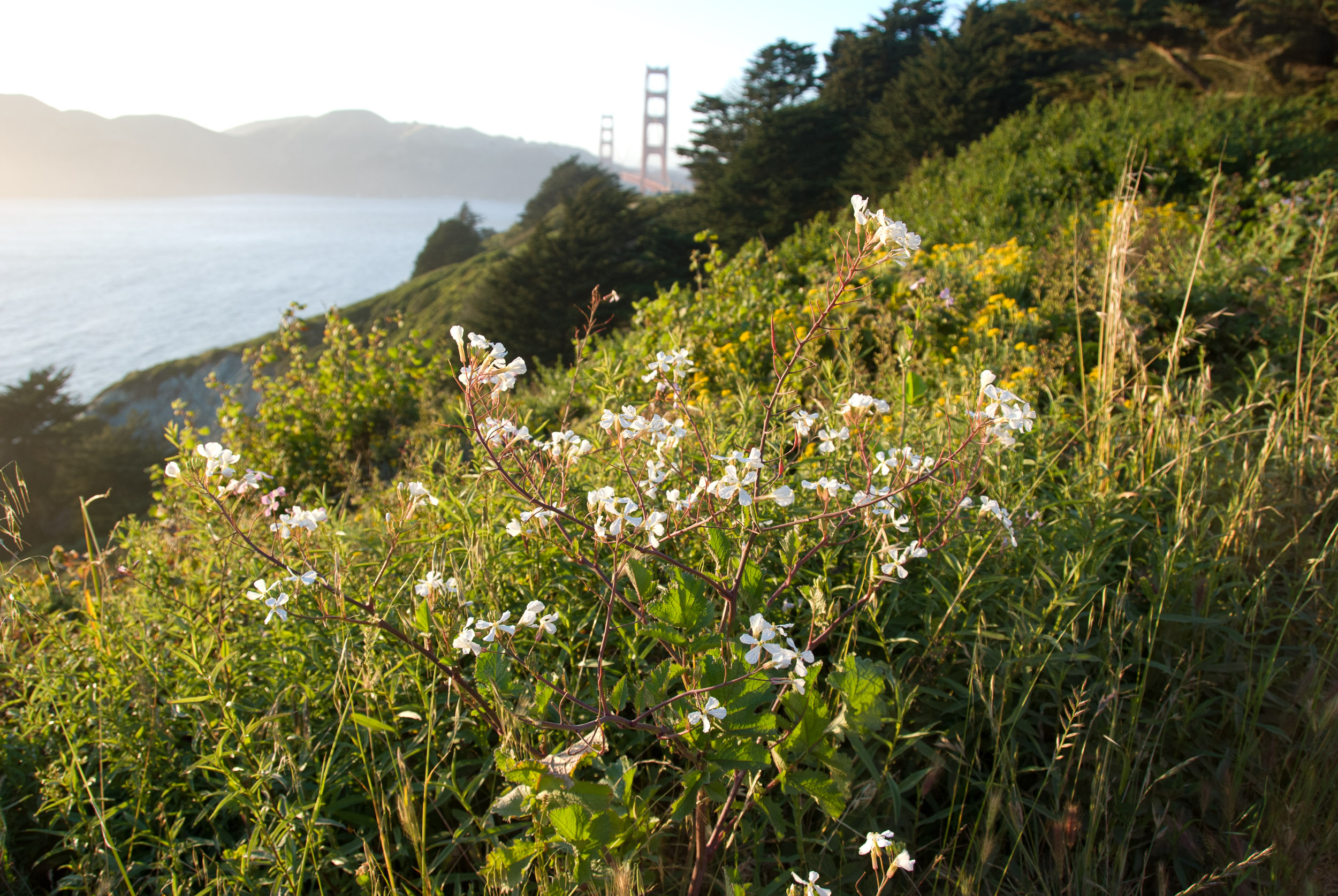
6/11/2007 · Golden Gate Bridge, San Francisco, California  ID is uncertain
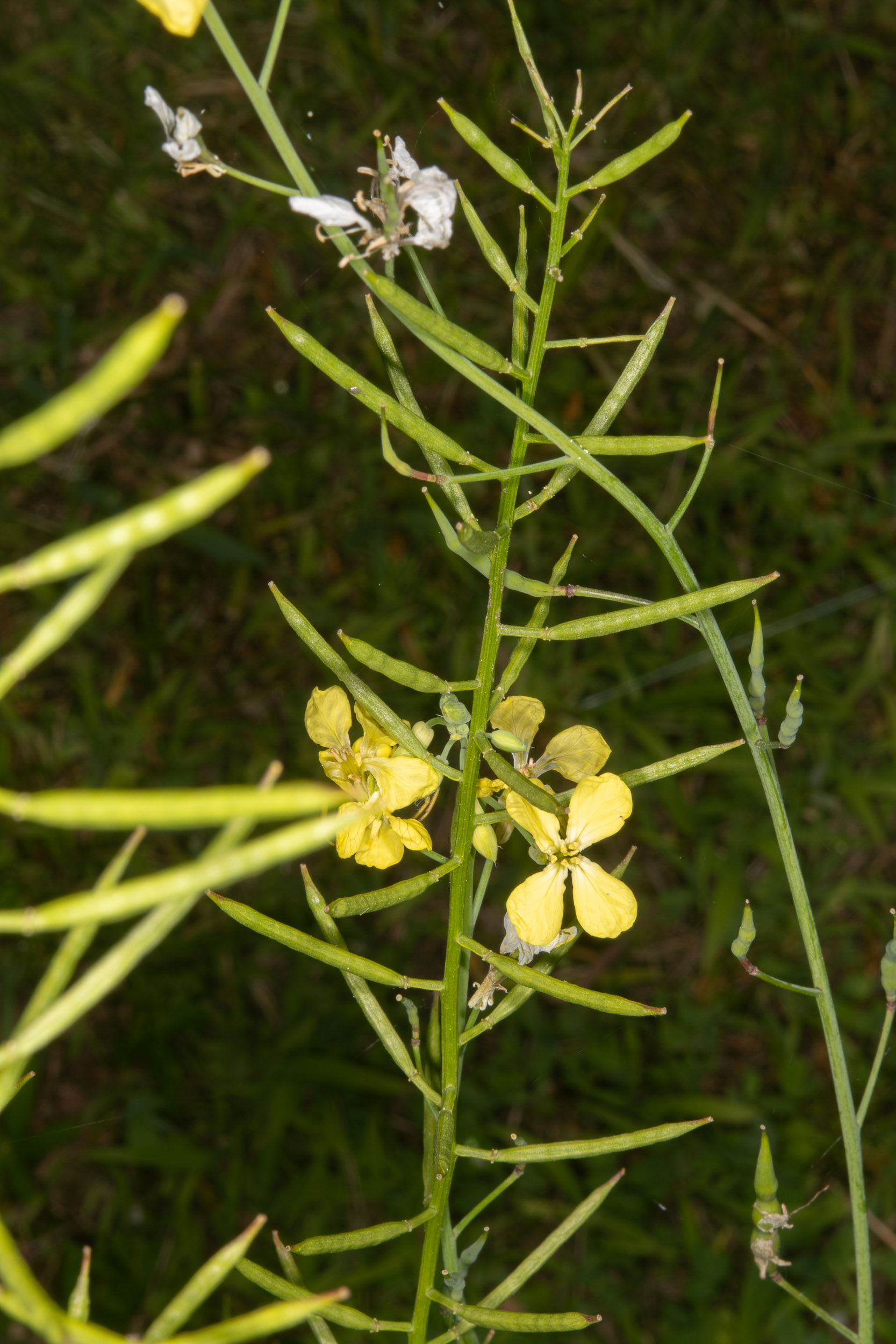
6/19/2024 · Red Rose Preserve, Bowdoinham, Maine · ≈ 4 × 6″ (11 × 16 cm) 
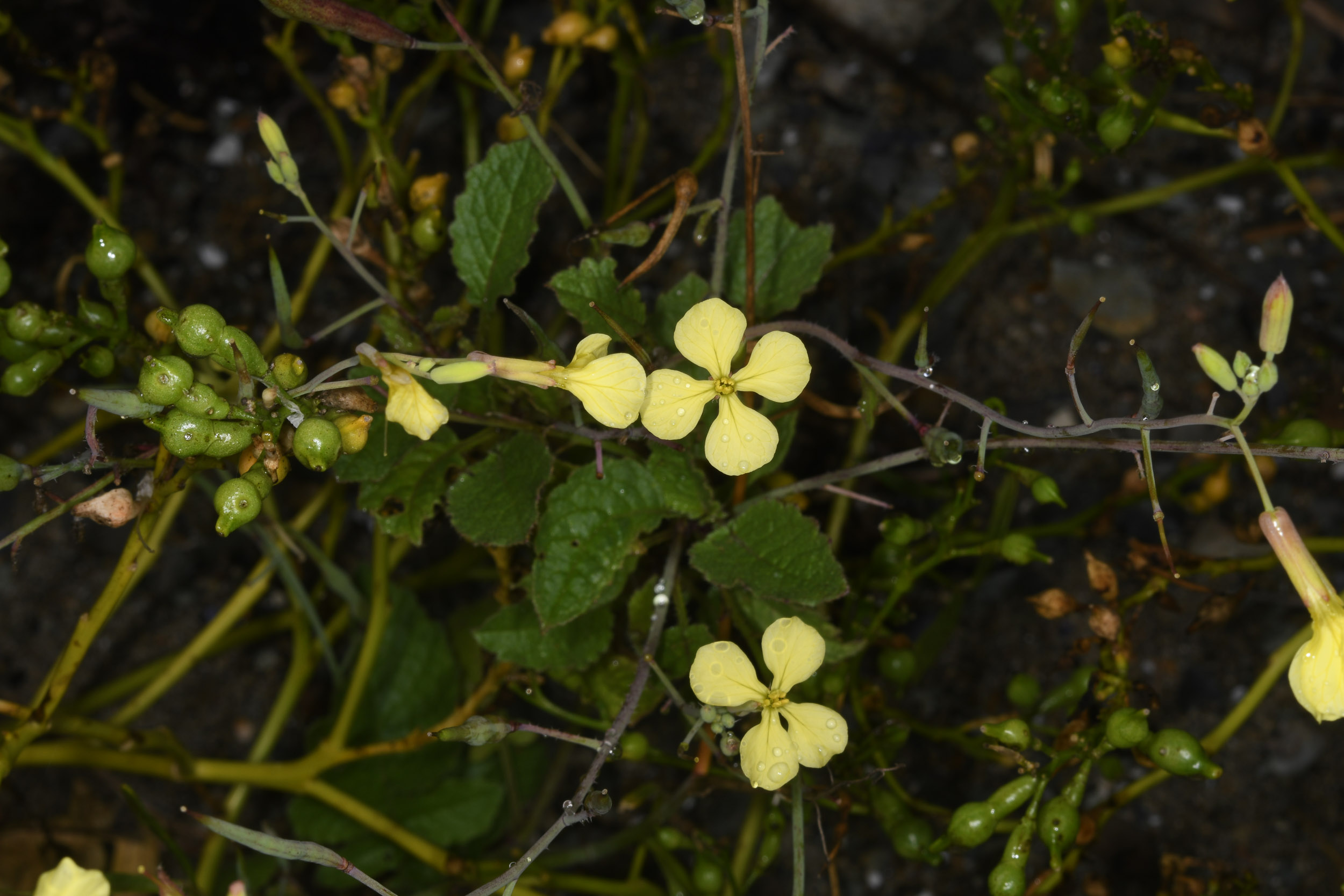
9/18/2016 · Deer Isle Beach Vegetation Recla 
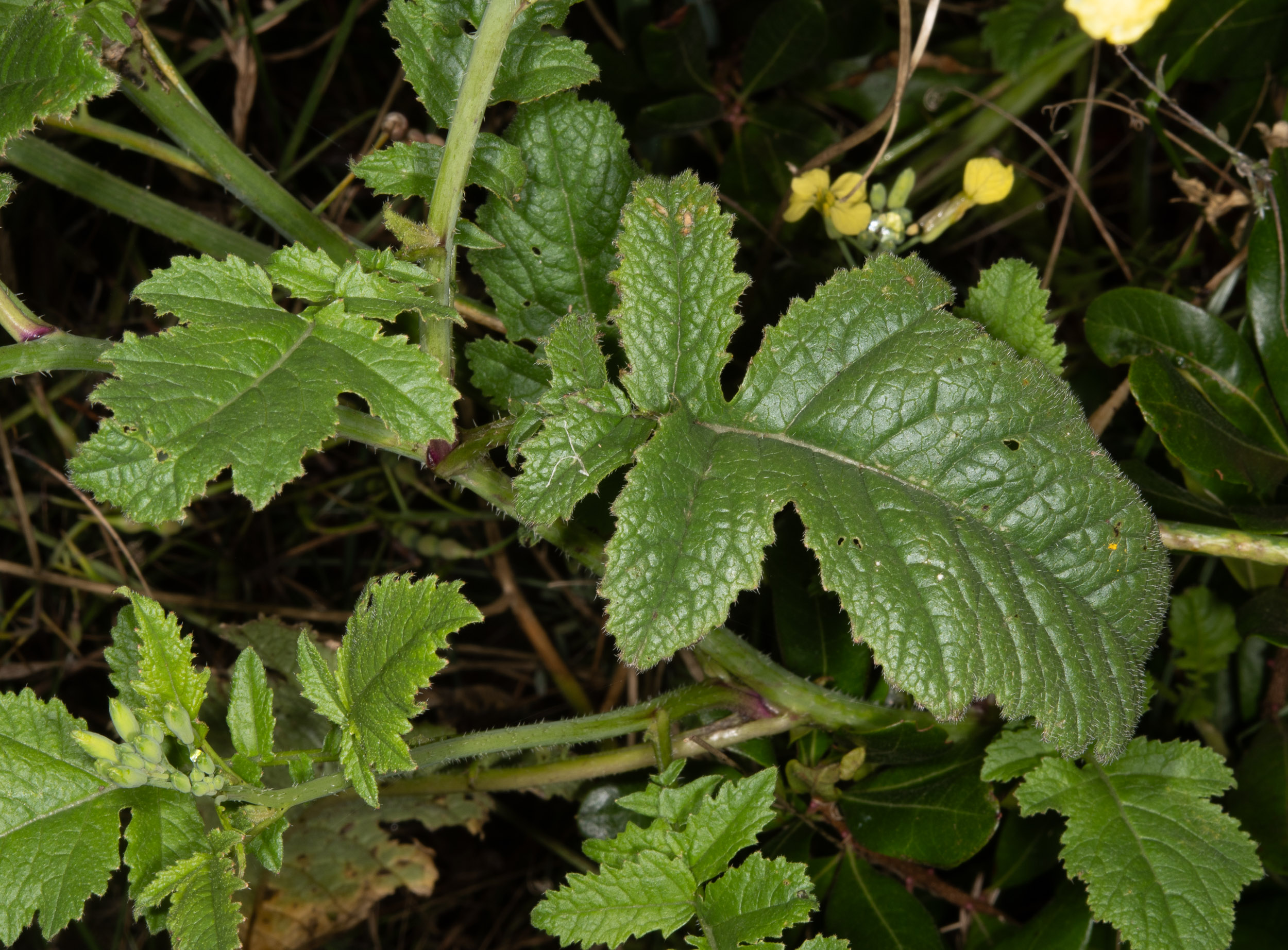
9/3/2020 · Mitchell Field, Harpswell, Maine · ≈ 7 × 5″ (18 × 13 cm) 

10/20/2023 · Schiller Coastal Studies Center, Orr’s Island, Maine 

6/26/2024 · Seawall Beach, Morse Mountain, Phippsburg, Maine 
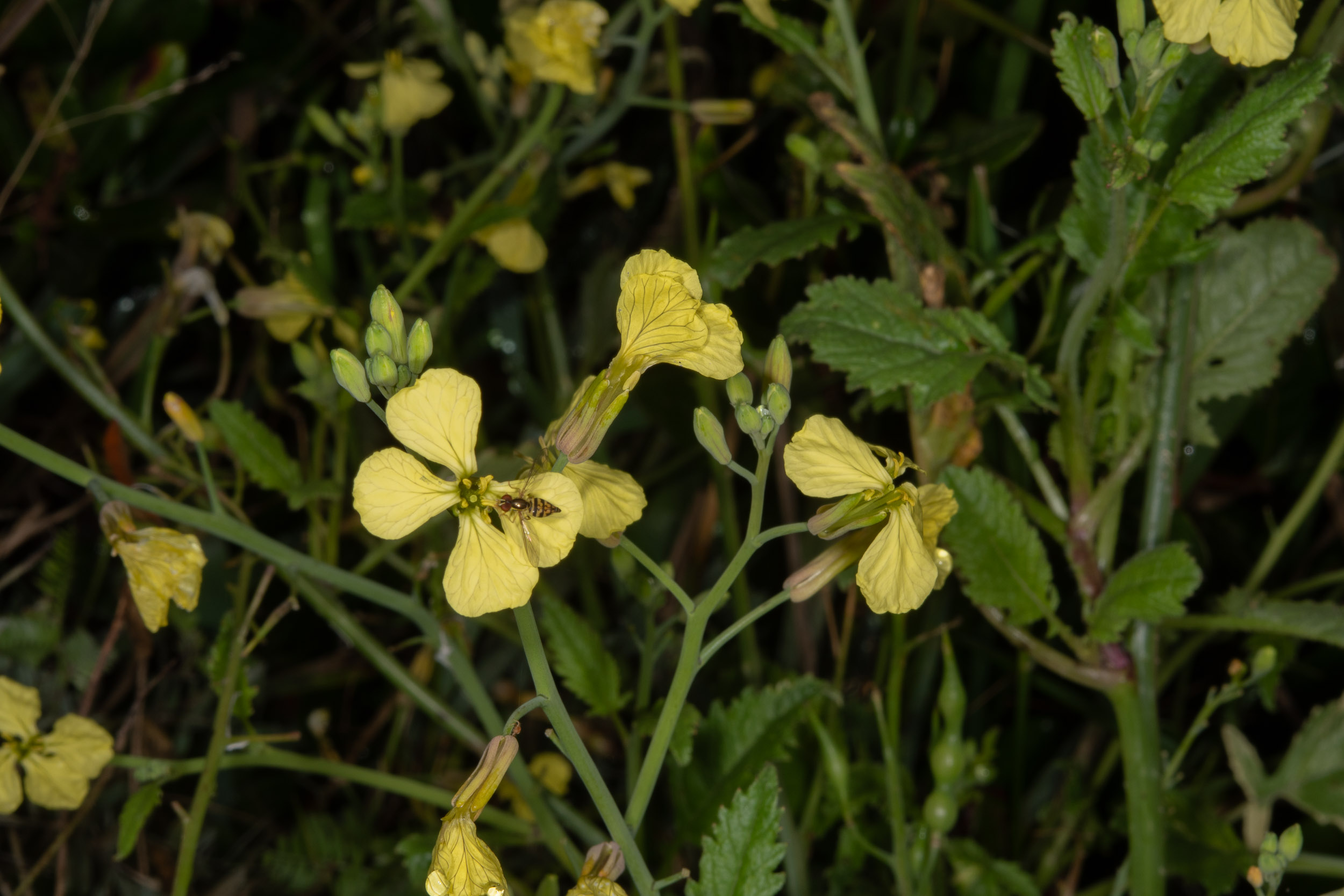
9/3/2020 · Mitchell Field, Harpswell, Maine · ≈ 6 × 4″ (16 × 11 cm) 

9/3/2020 · Mitchell Field, Harpswell, Maine · ≈ 5 × 4″ (13 × 10 cm) 

9/6/2023 · Beach near Cook’s Lobster and Ale House, Bailey Island, Maine 
| Kingdom | Plantae | Plants, but not fungi, lichens, or algae (from Stearn's Botanical Latin) |
| Subkingdom | Tracheobionta | Vascular plants—plants with a “circulatory system” for delivering water and nutrients |
| Division | Magnoliophyta | Flowering plants, also known as angiosperms |
| Class | Magnoliopsida | Dicotyledons—plants with two initial seed leaves |
| Subclass | Rosidae | Roses, legumes, proteas, dogwoods, hydrangeas, mistletoes, euphorbias, grapes, many more |
| Order | Brassicales | Mustard, cabbage, caper, papaya, nasturtiums, many others; most produce mustard oil |
| Family | Brassicaceae | Mustards, cabbages |
| Genus | Raphanus | From Greek raphanos, “quick-appearing,” because the seeds germinate quickly |
| Species | raphanistrum | Latin for “radish” |

Raphanus raphanistrum description by Thomas H. Kent, not updated.

© FloraFinder.org. All rights reserved.