Ranunculus acris L.
Buttercup, tall buttercup, meadow buttercup, common buttercup
Buttercups are natives of Europe and temperate portions of Eurasia, and probably Greenland and Alaska. It has been introduced to North America and Australia, where it is naturalized and widespread, even invasive in some regions.
Ever wondered why buttercups have such bright, shiny flowers? You might be surprised to know that people have speculated about this for over a century, and that researchers recently discovered a possibly unique mechanism for the strong yellow reflection. The article, published in the Royal Society journal Interface, is summarized by Science Daily.
Plants: Buttercups are 1–3′ (30–91 cm) high, with leaves on stalks near the base, and smaller, less lobed upper leaves on the stems that bear flowers. Stems are usually hairy, hollow, and with few leaves.
Leaves: Compound, with finely divided hairy leaflets. The terminal leaflet is sessile (as opposed to R. repens, where it is stalked.)
Flowers: bright yellow, sometimes with an orange tint, and often shiny, with five petals and a yellow center, about ⅞″ (2.5 cm) across. They appear from May to September.
Fruits: Seeds are disc-shaped, reddish-brown, and about 1/16–⅛″ (2–3 mm) long, with a sharply pointed, curved beak about 1/32″ (0.5 mm) long
Habitats: Anthorpogenic habitats, moist meadows and fields, shores of rivers and lakes.

Basal leaves are deeply divided. 
Edibility: Poisonous  All members of the buttercup
family are poisonous, due to ranunculin, a glycoside. Extremely bitter. Causes salivation, skin irritation, blisters, abdominal
distress, inflammation, and diarrhea.
All members of the buttercup
family are poisonous, due to ranunculin, a glycoside. Extremely bitter. Causes salivation, skin irritation, blisters, abdominal
distress, inflammation, and diarrhea.
Online References:

6/10/2021 · Otter Brrok Preserve, Harpswell Heritage Land Trust, Harpswell, Maine · ≈ 10 × 7″ (25 × 16 cm) 

6/10/2021 · Otter Brrok Preserve, Harpswell Heritage Land Trust, Harpswell, Maine · ≈ 7 × 4½″ (17 × 11 cm) 
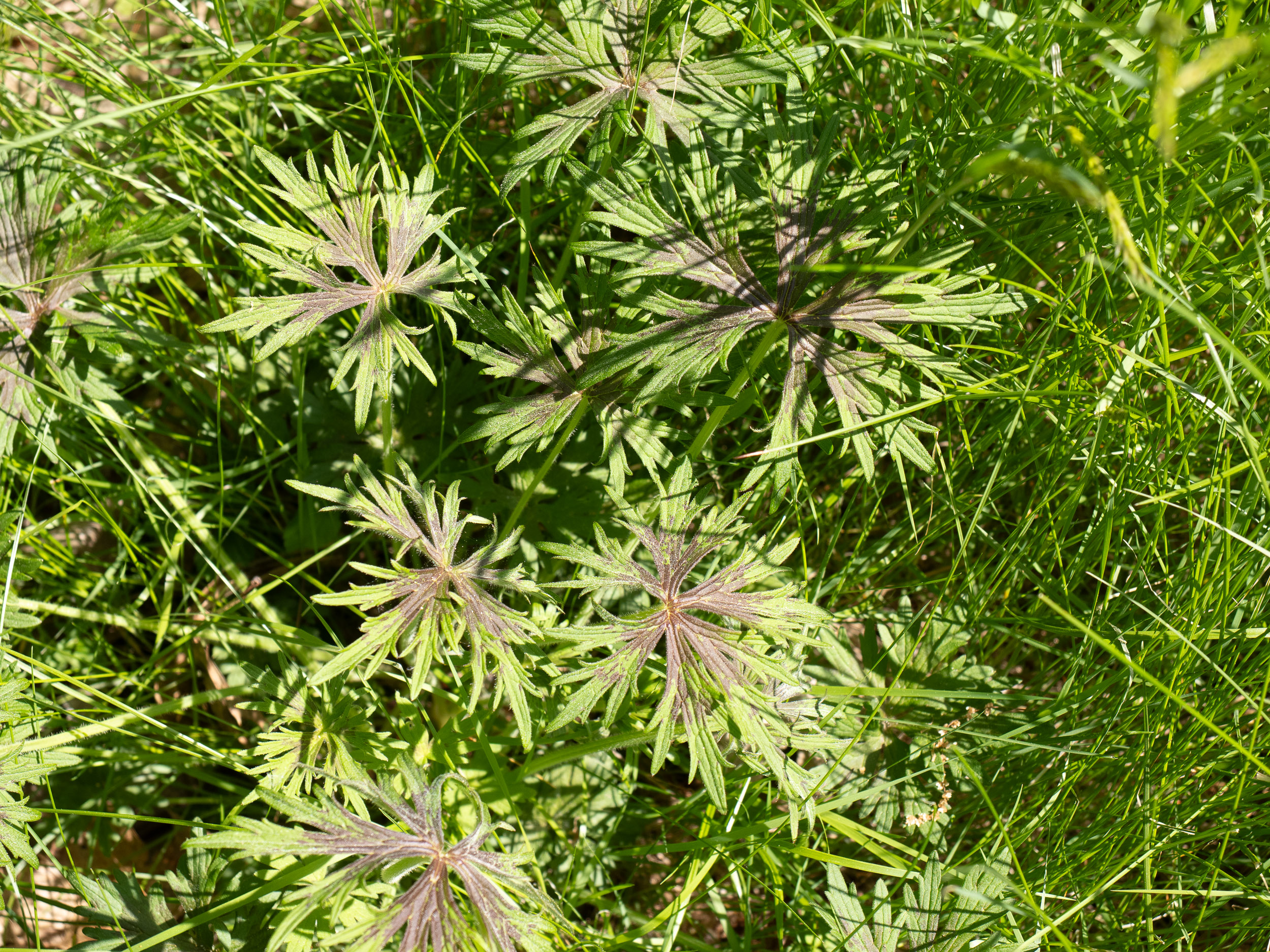
5/26/2023 · Pownalborough Courthouse Trail, Dresden, Maine 
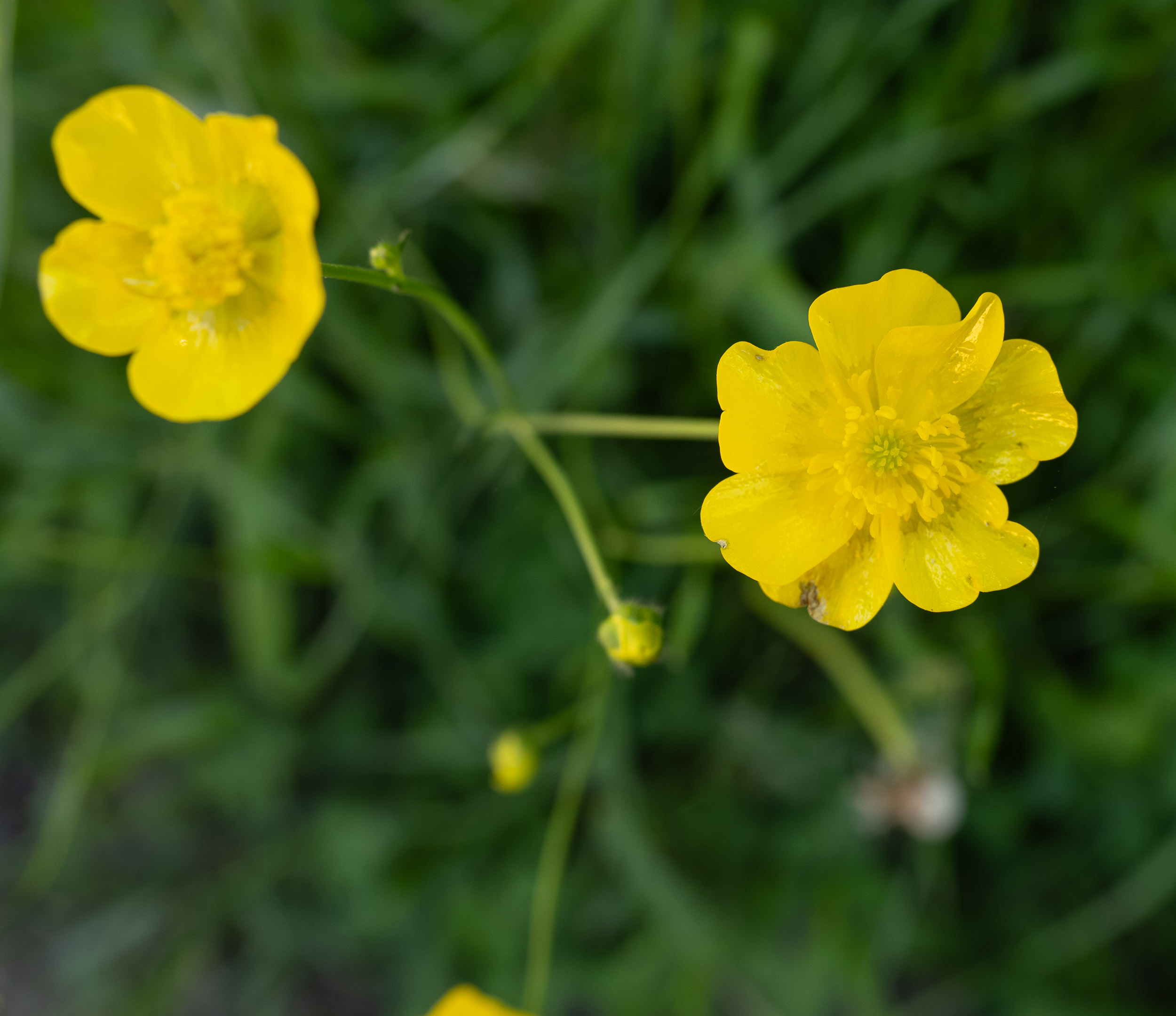
6/22/2023 · Florida Lake Park, Freeport, Maine 
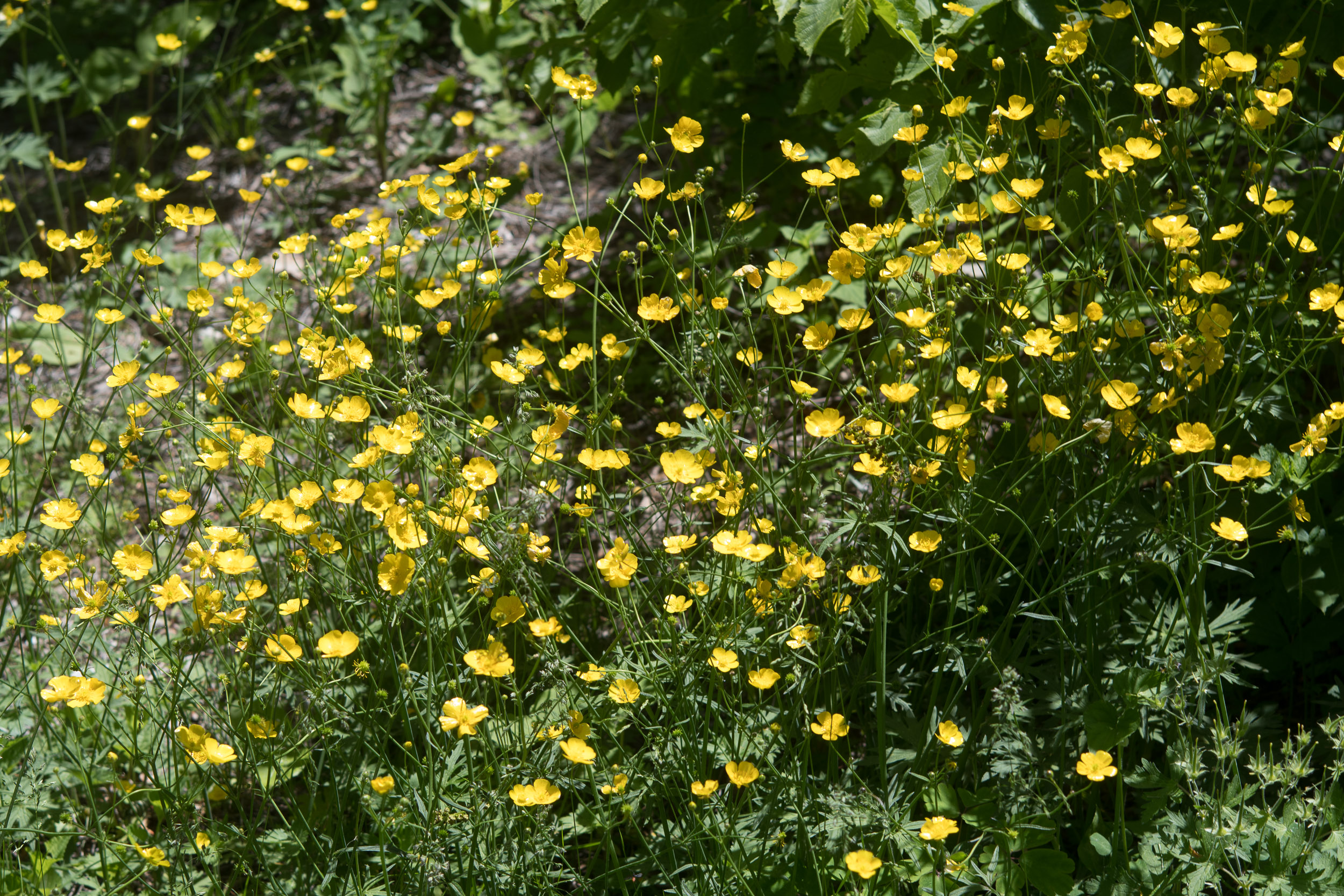
6/9/2017 · Acton Arboretum, Acton, Massachusetts 

5/26/2023 · Pownalborough Courthouse Trail, Dresden, Maine 
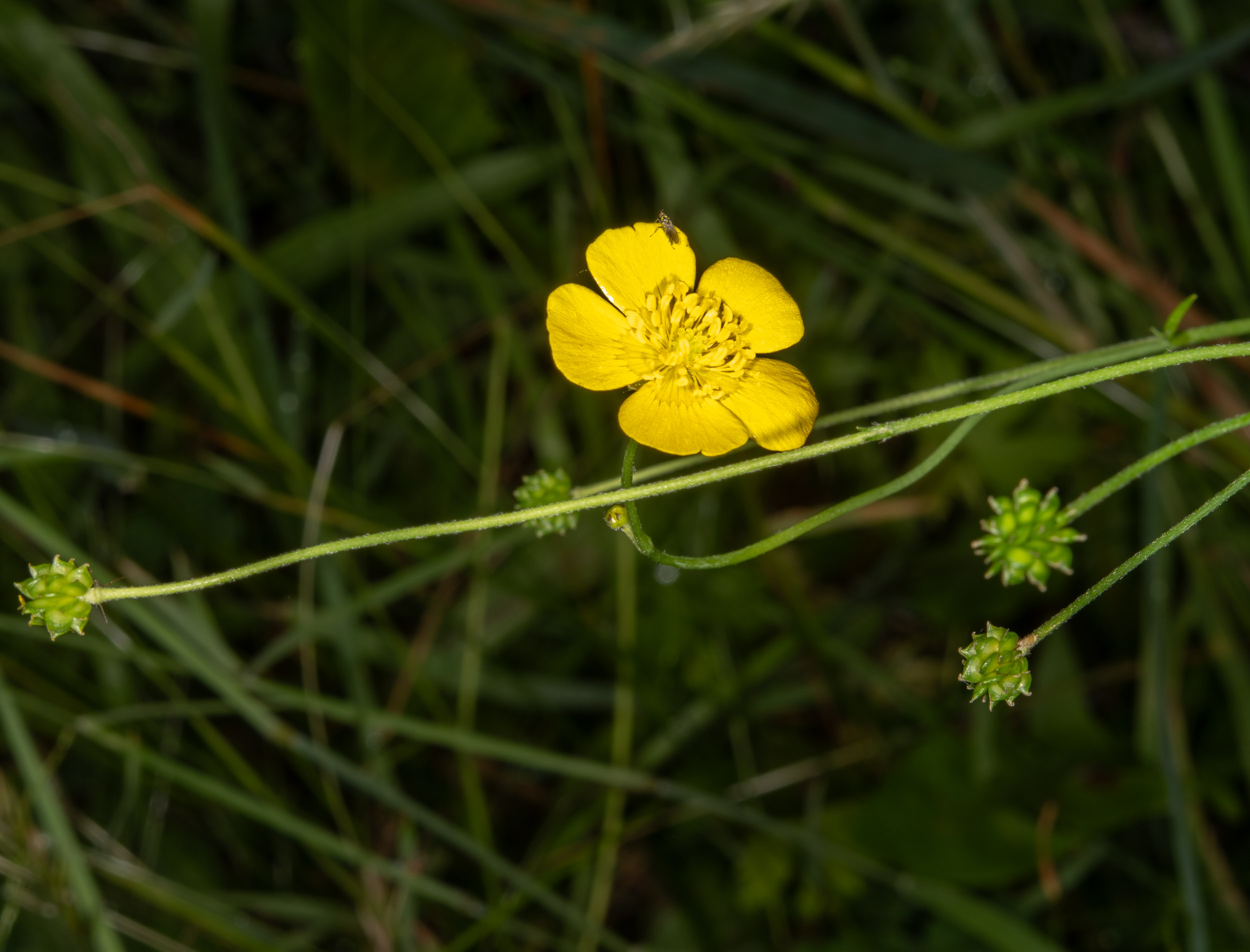
6/24/2024 · Otter Brrok Preserve, Harpswell Heritage Land Trust, Harpswell, Maine · ≈ 5 × 4″ (13 × 10 cm) 
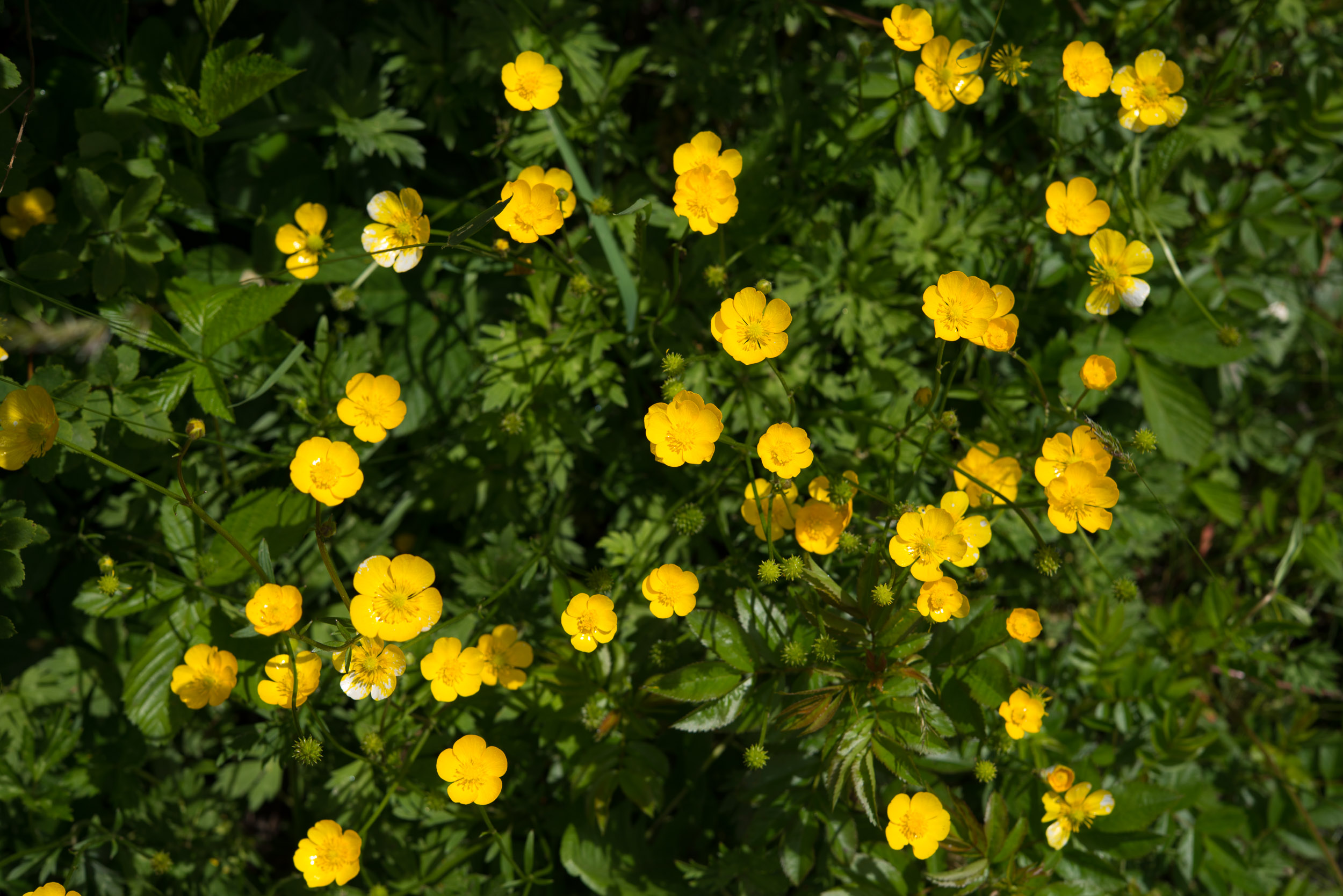
6/16/2013 · Sonny and Donna’s, Tenant’s Harbor, Maine · ≈ 1½ × 1′ (47 × 31 cm)  ID is uncertain

6/5/2013 · Nashua River Rail Trail, Groton Center, Groton, Massachusetts · ≈ 9 × 6″ (23 × 16 cm) ID is uncertain 
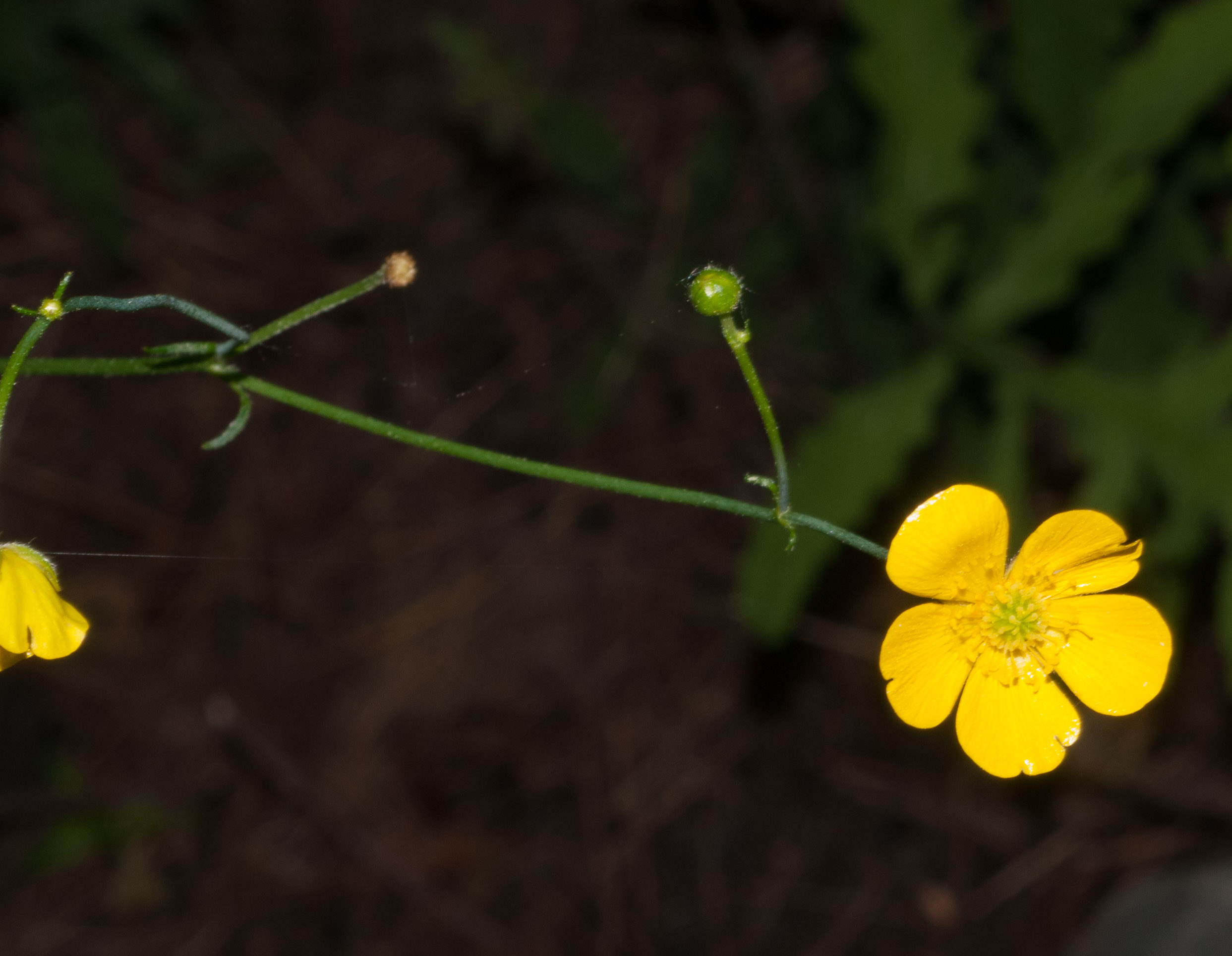
6/16/2012 · Brown St., Falmouth, Maine · ≈ 4½ × 3½″ (11 × 8.9 cm) 
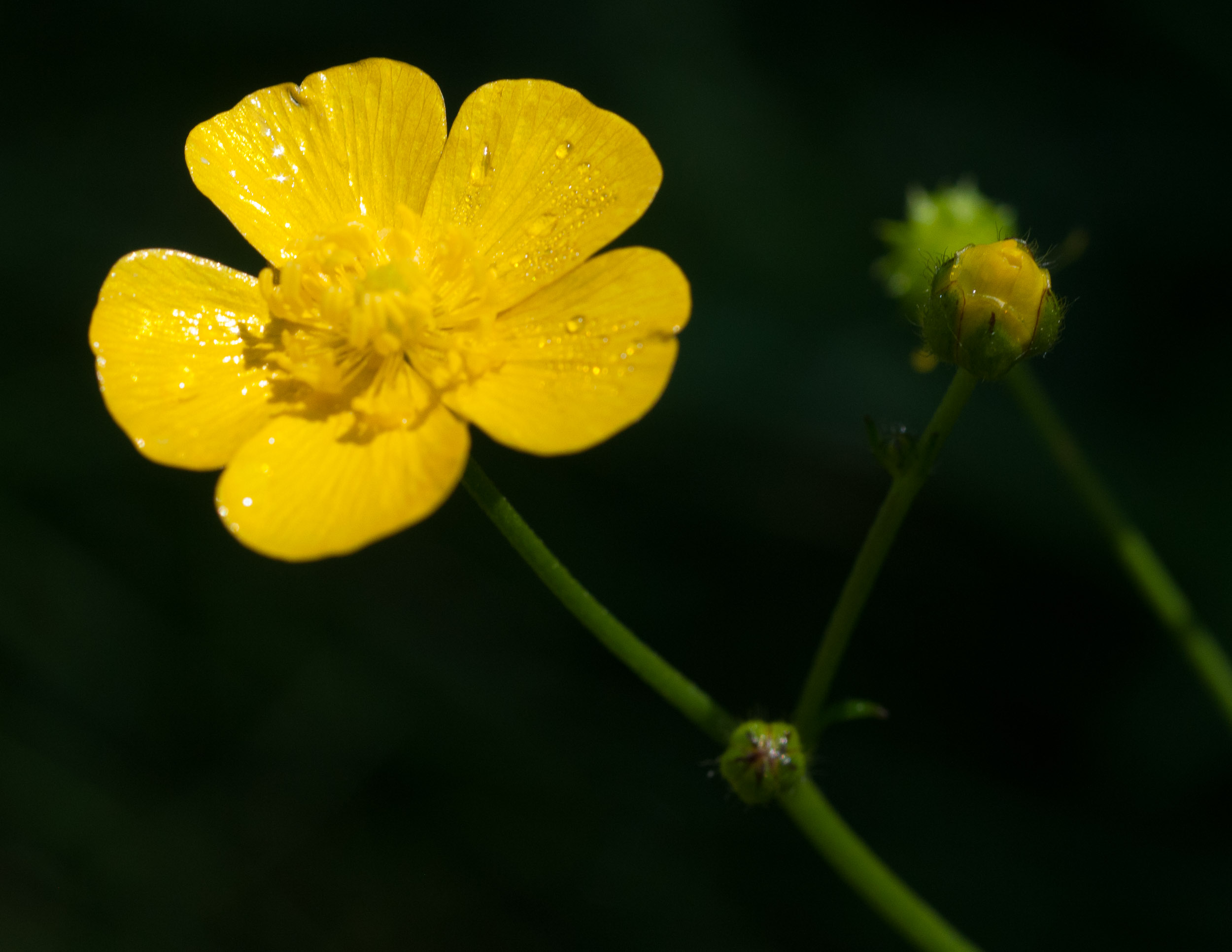
6/8/2012 · Townsend Wildlife Management Area, Townsend, Massachusetts · ≈ 3 × 2½″ (8.4 × 6.5 cm) 
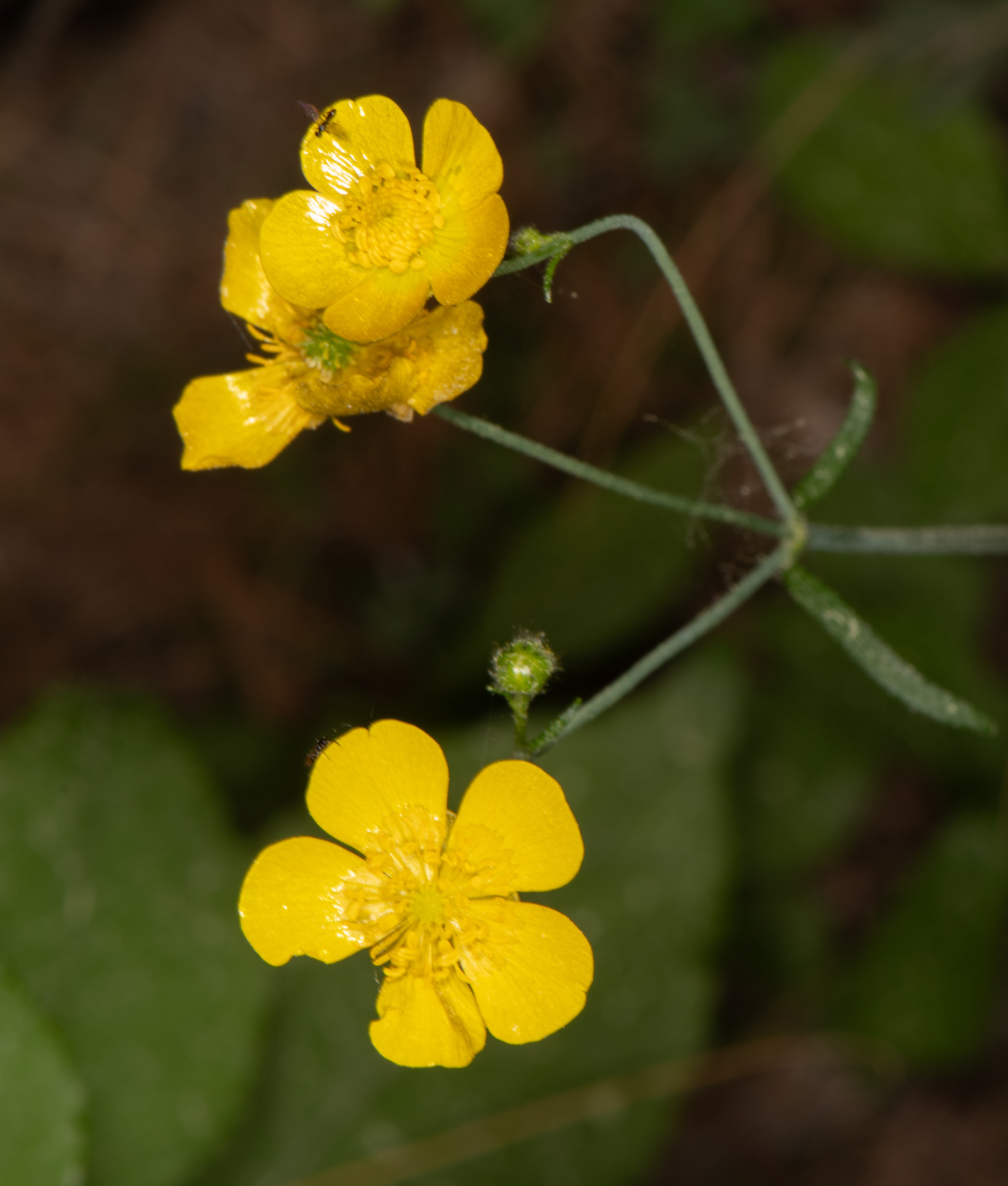
6/10/2021 · Otter Brrok Preserve, Harpswell Heritage Land Trust, Harpswell, Maine · ≈ 3½ × 4″ (8.8 × 10 cm) 
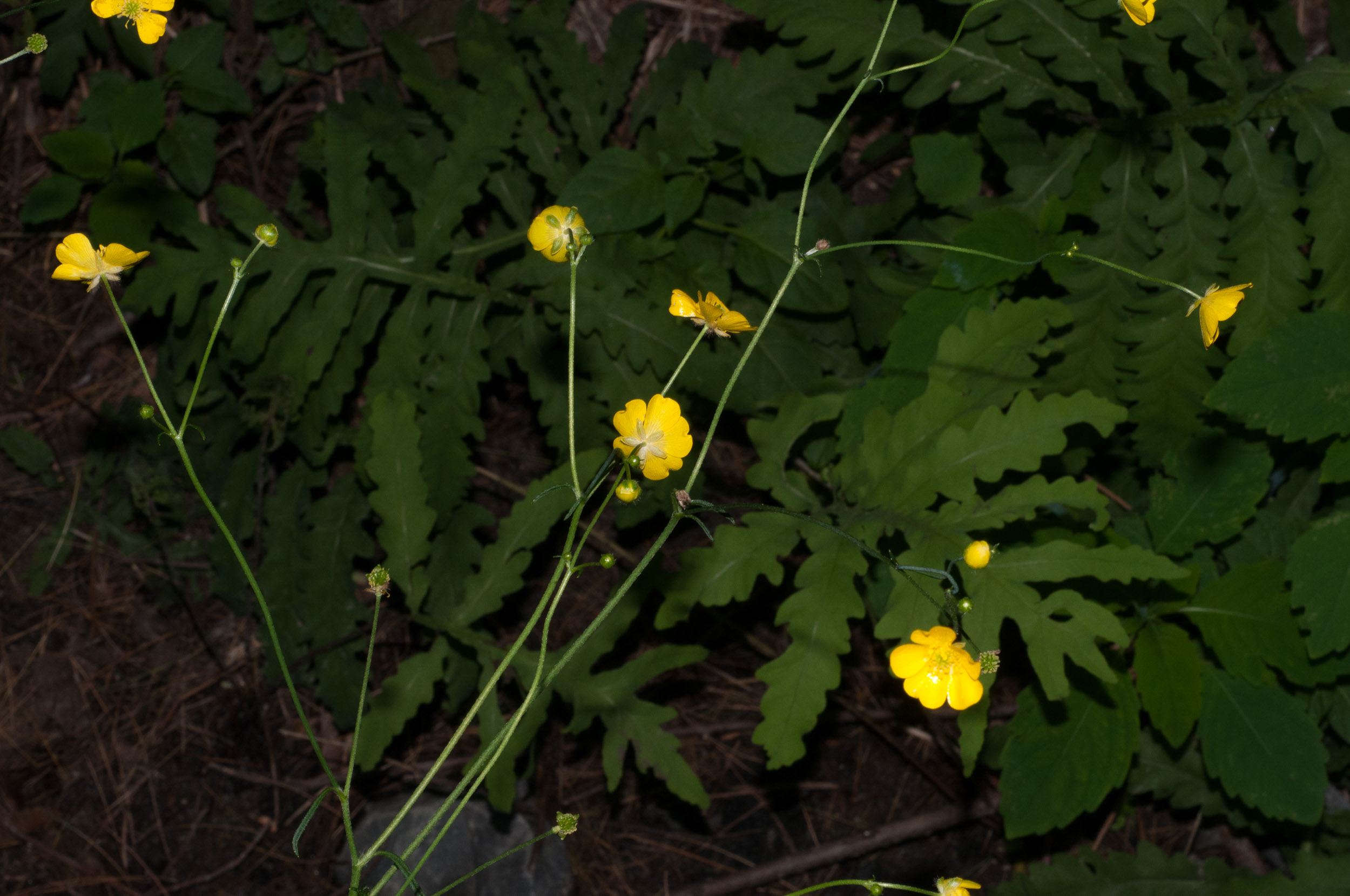
6/16/2012 · Brown St., Falmouth, Maine · ≈ 15 × 10″ (39 × 26 cm) 
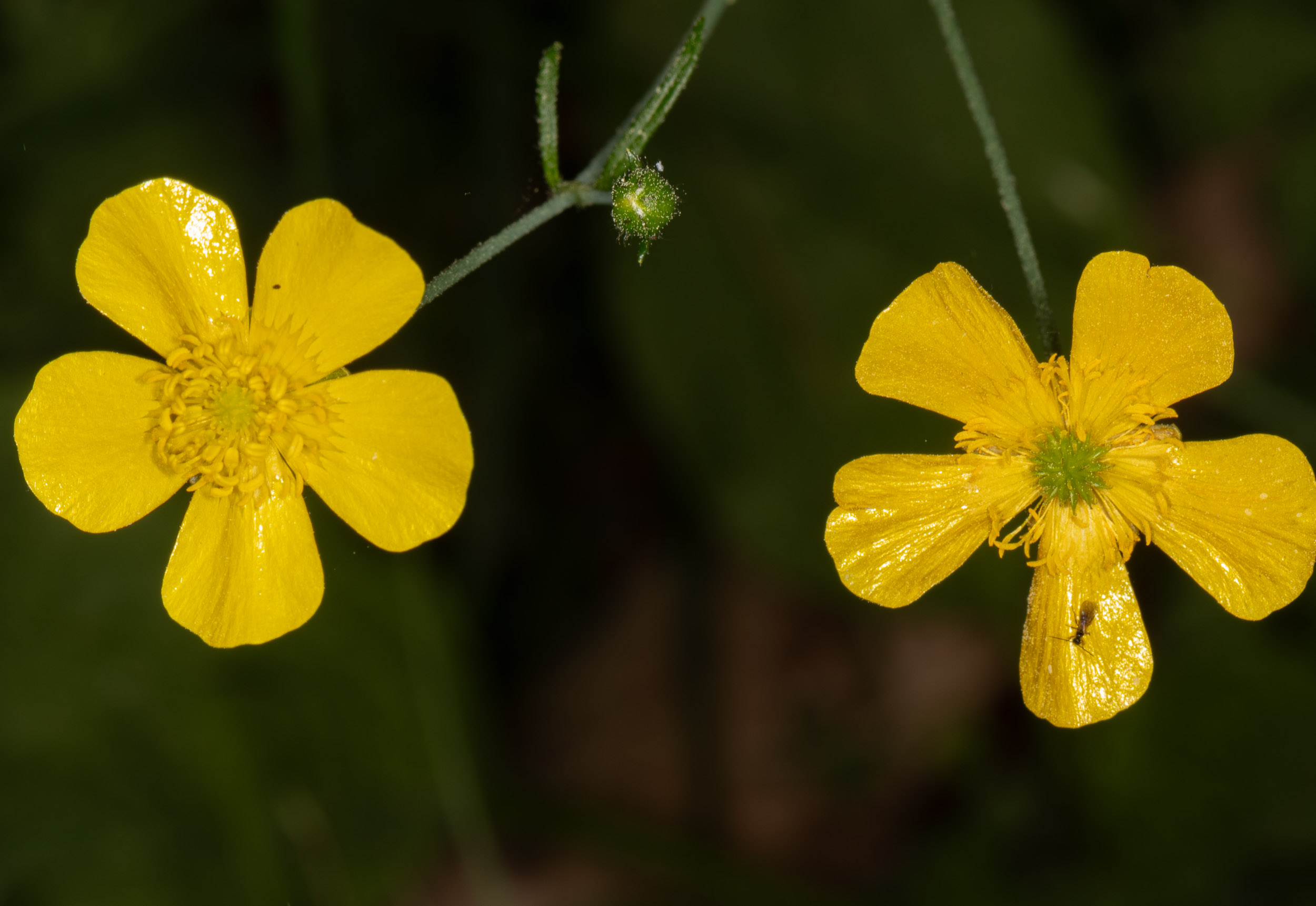
6/10/2021 · Otter Brrok Preserve, Harpswell Heritage Land Trust, Harpswell, Maine · ≈ 4½ × 3″ (11 × 8.1 cm) 
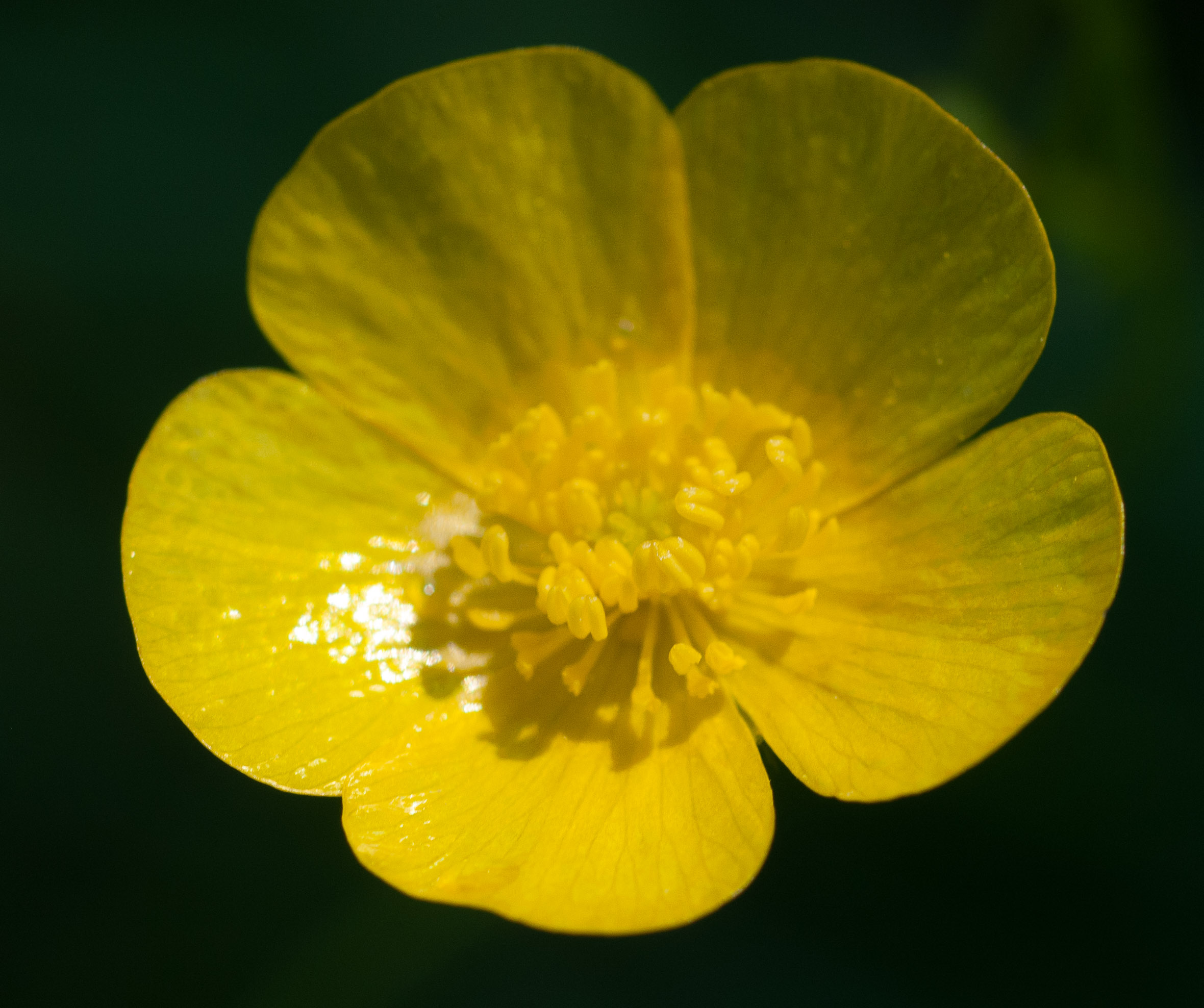
6/8/2012 · Townsend Wildlife Management Area, Townsend, Massachusetts · ≈ 2 × 1¾″ (5.4 × 4.5 cm) 
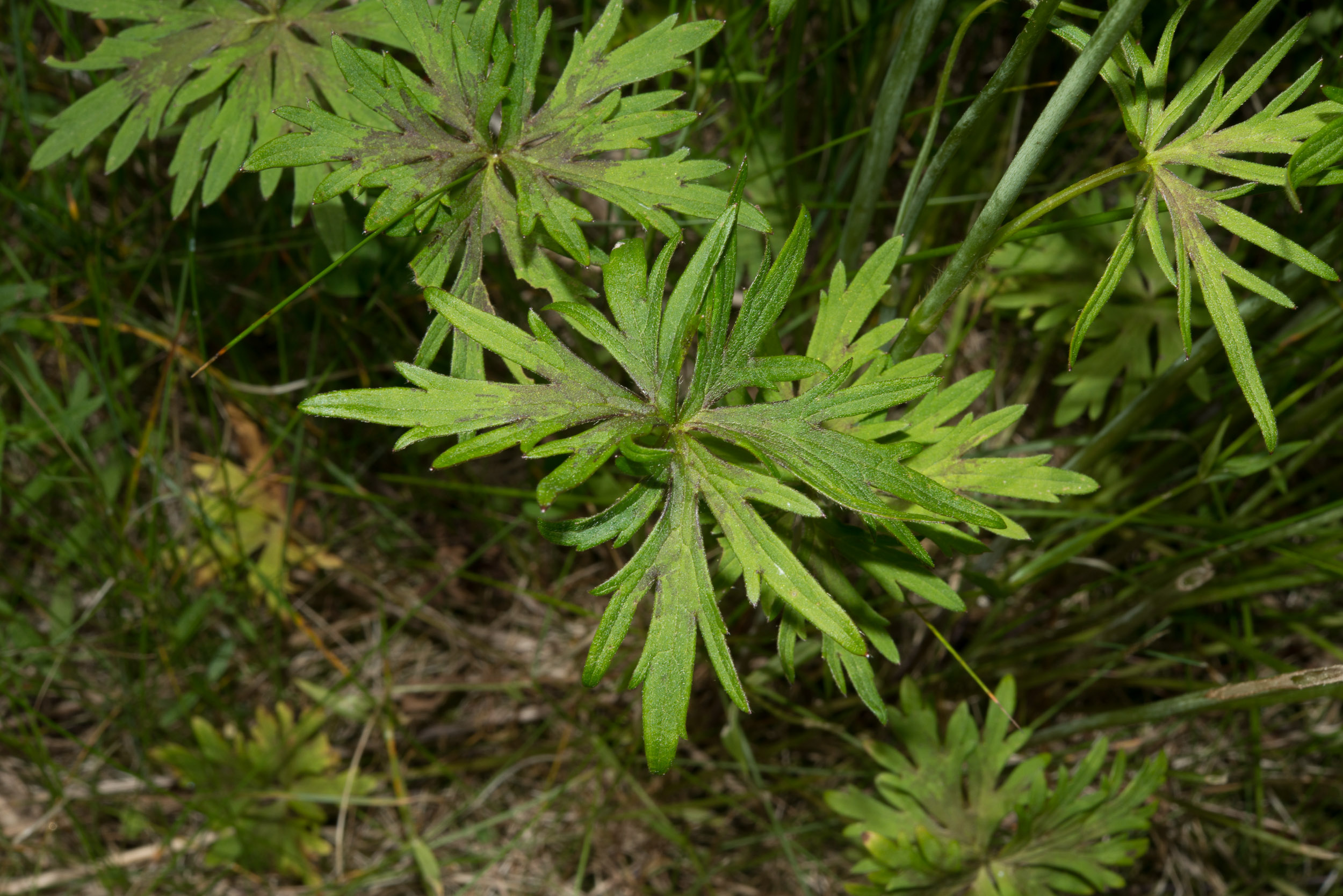
6/16/2013 · Sonny and Donna’s, Tenant’s Harbor, Maine · ≈ 9 × 6″ (23 × 16 cm) 
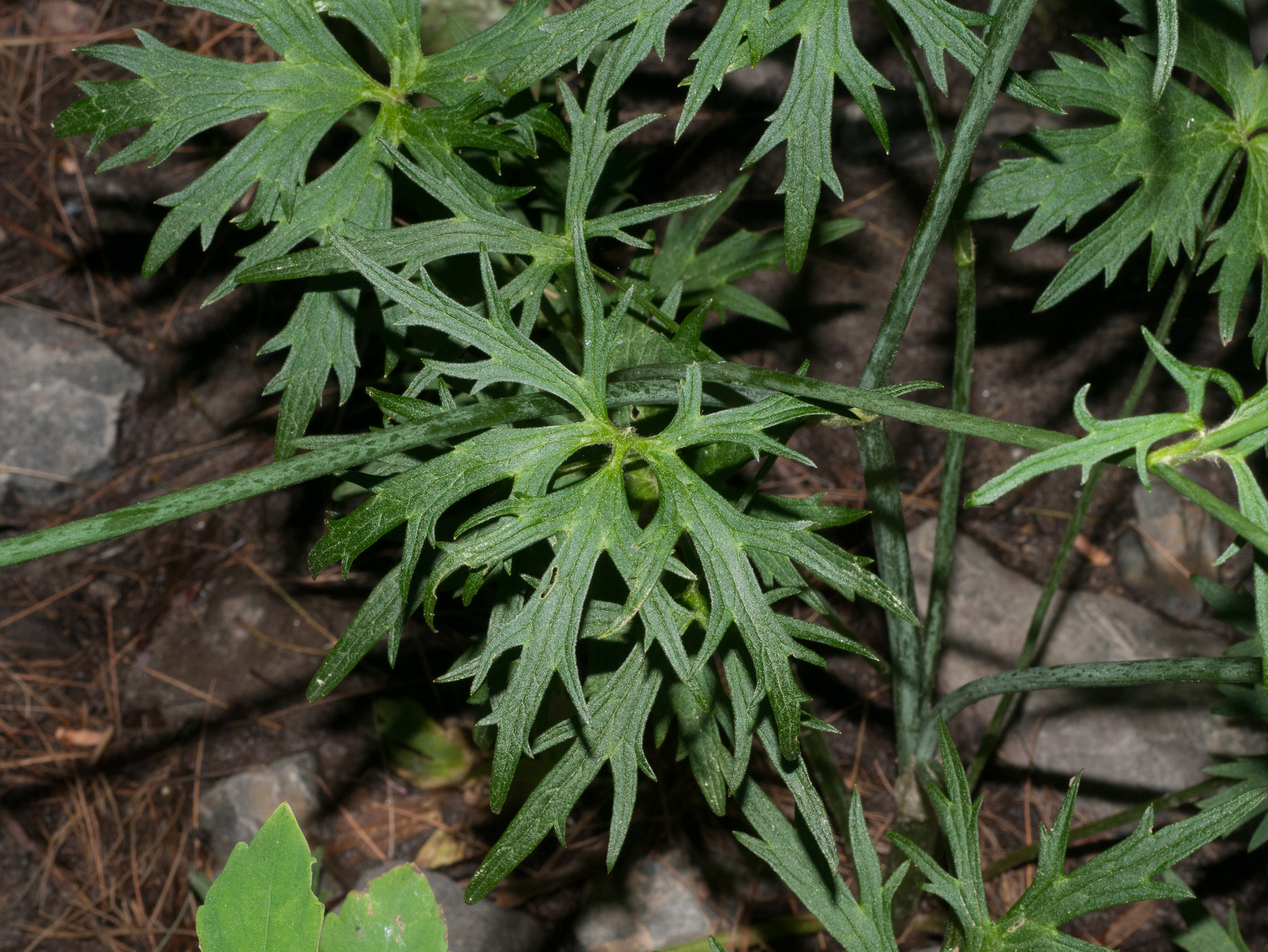
6/16/2012 · Brown St., Falmouth, Maine · ≈ 11 × 8″ (27 × 20 cm) 
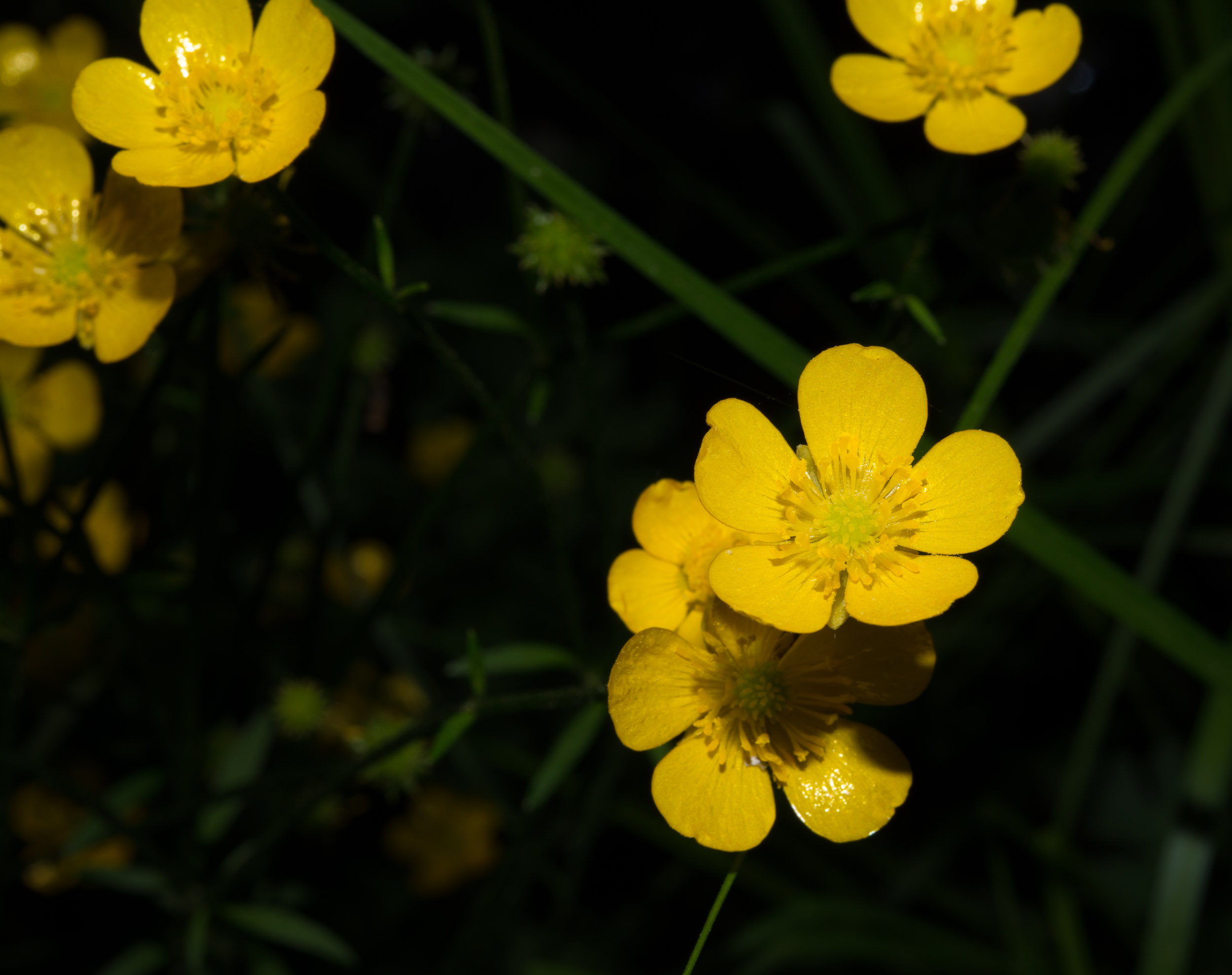
6/5/2013 · Nashua River Rail Trail, Groton Center, Groton, Massachusetts · ≈ 5 × 4″ (12 × 10 cm) ID is uncertain 
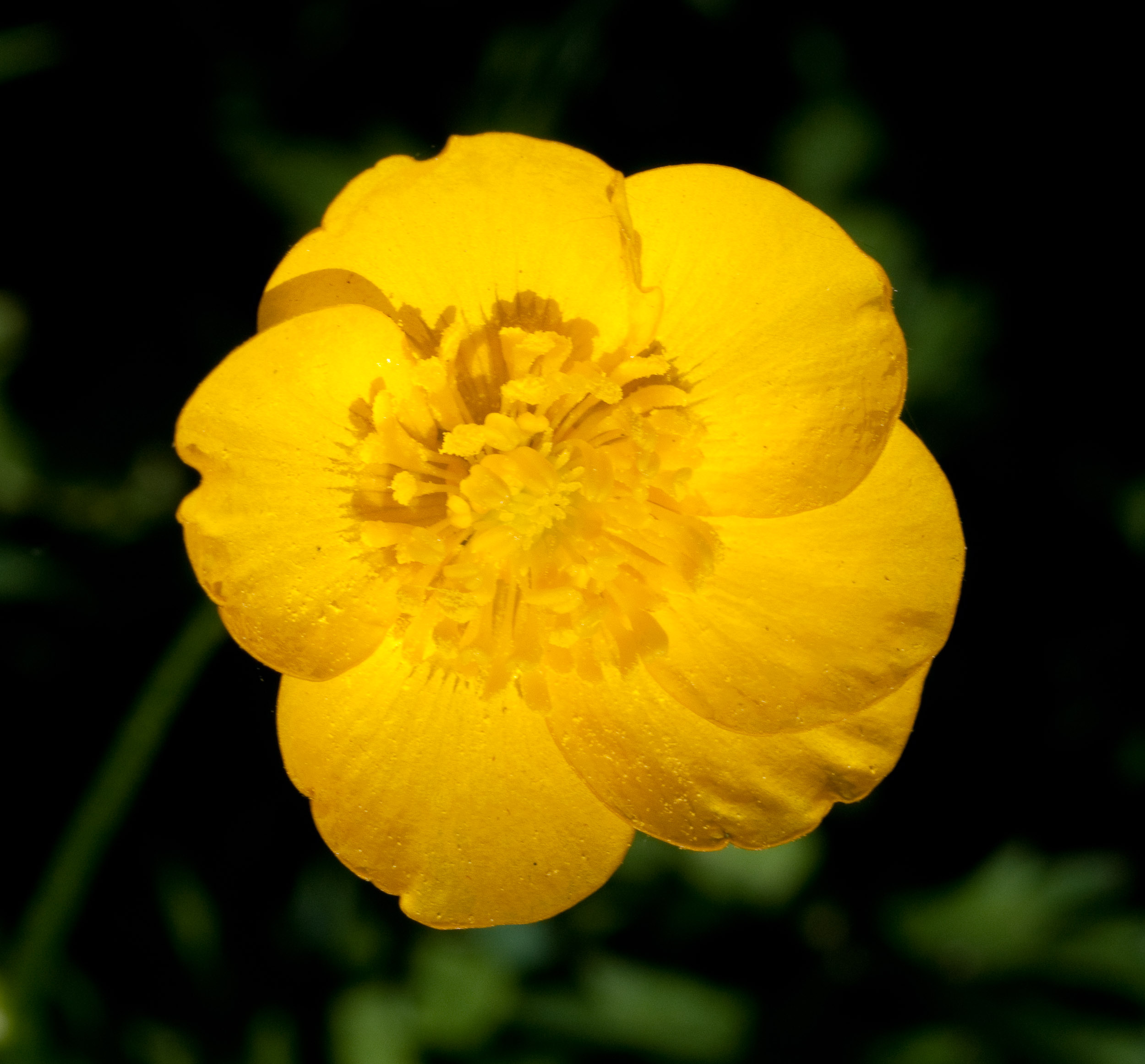
5/7/2010 · Nashua River Rail Trail, Groton Center, Groton, Massachusetts · ≈ 2½ × 2½″ (7.3 × 6.8 cm) 
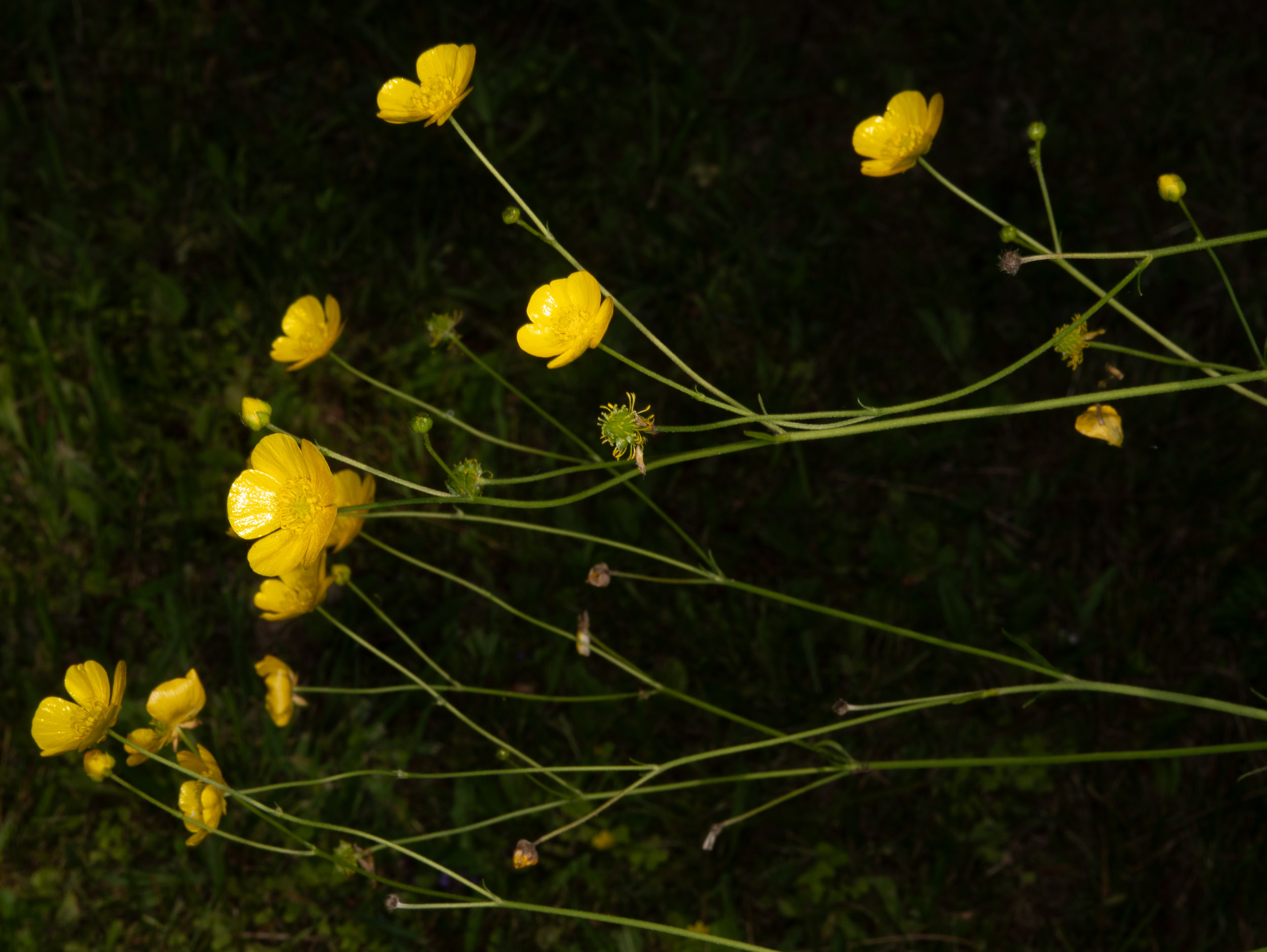
6/19/2024 · Red Rose Preserve, Bowdoinham, Maine · ≈ 11 × 8″ (27 × 20 cm) 

6/9/2017 · Acton Arboretum, Acton, Massachusetts · ≈ 4½ × 7″ (12 × 18 cm) 

6/9/2017 · Acton Arboretum, Acton, Massachusetts · ≈ 4 × 6″ (11 × 16 cm) 
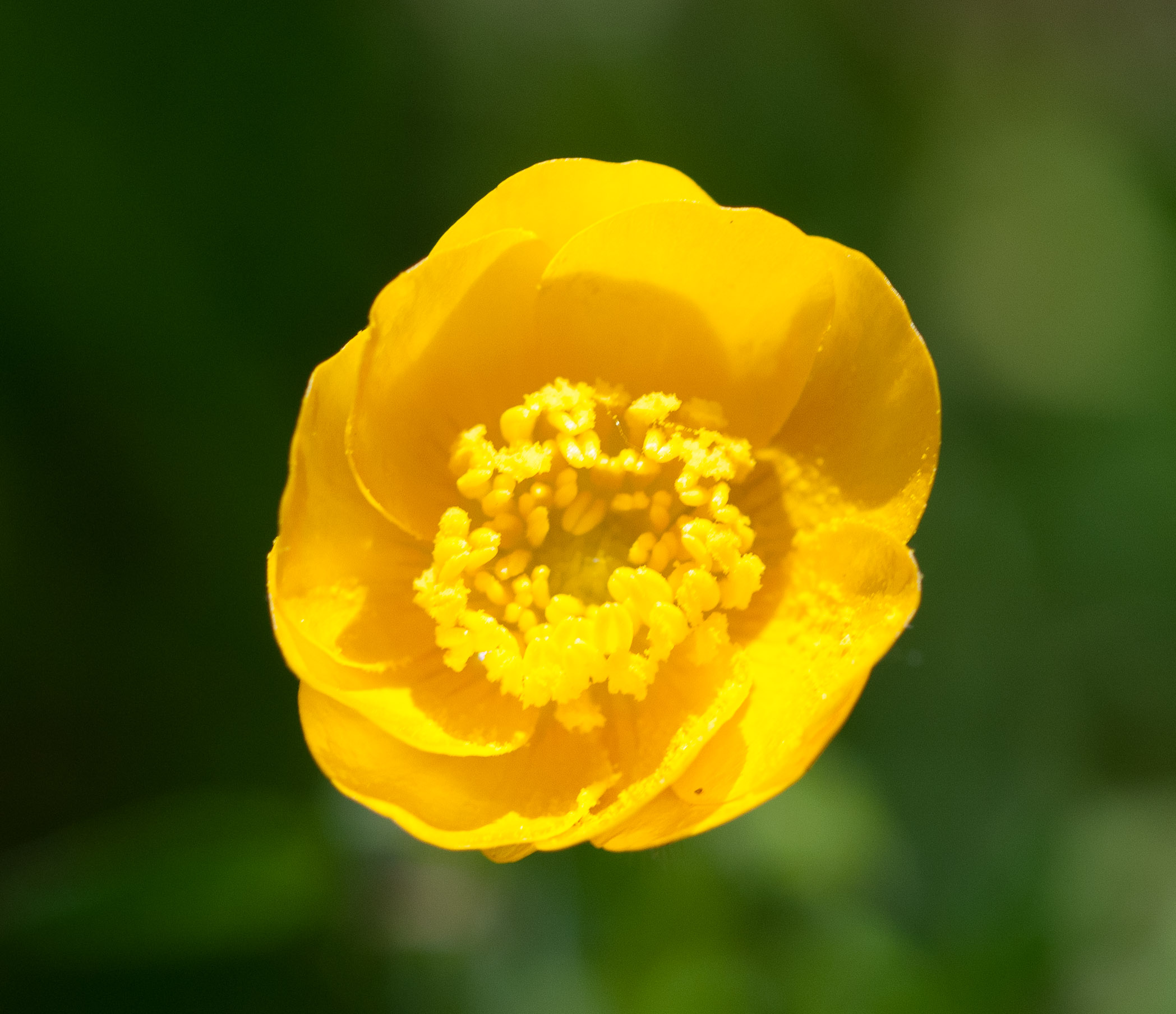
5/13/2010 · Nashua River Rail Trail, Groton Center, Groton, Massachusetts · ≈ 2 × 1¾″ (5.8 × 5 cm) 
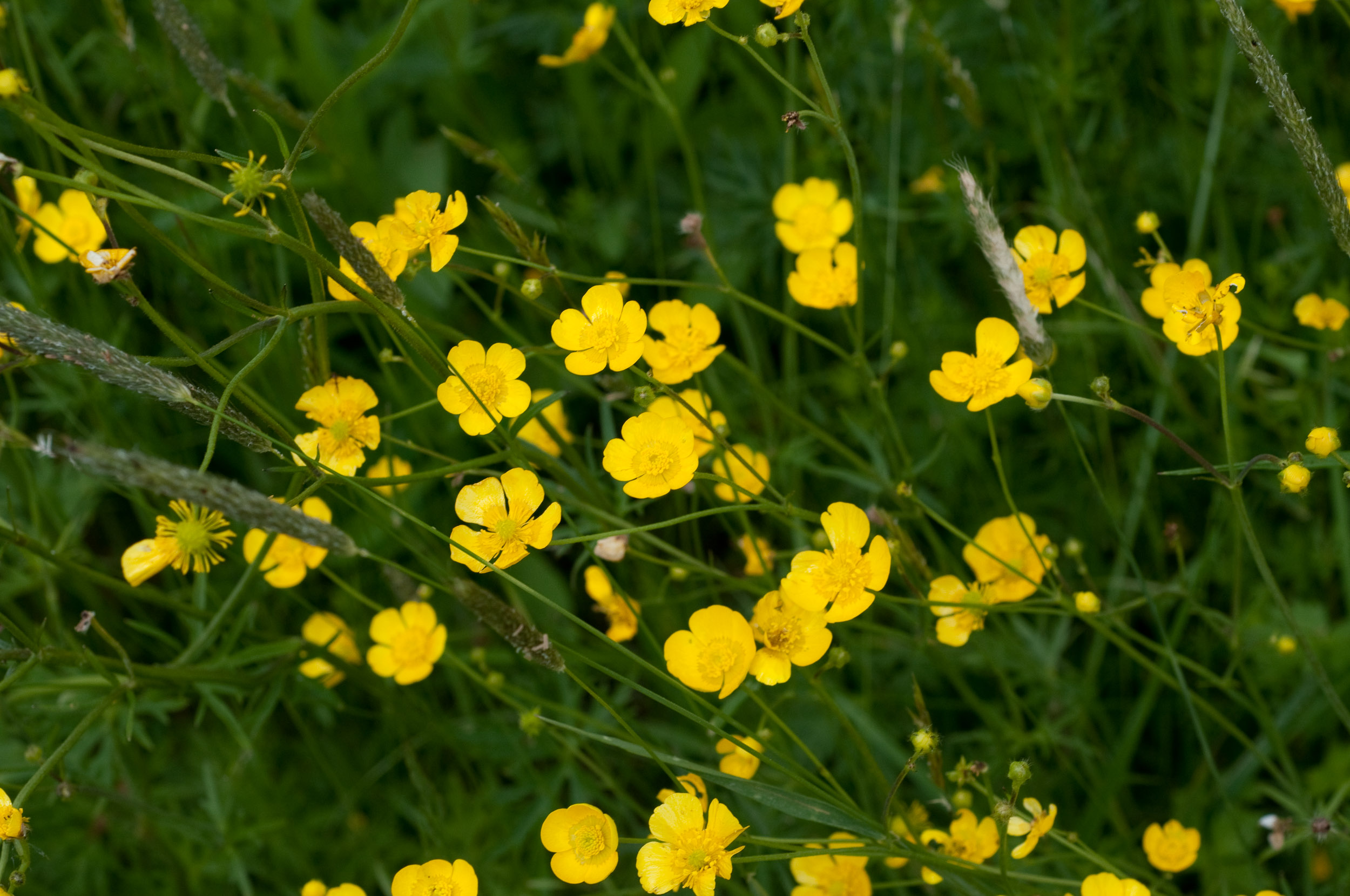
5/29/2010 · Maine Audubon Gilsland Farm Audubon Center, Falmouth, Maine · ≈ 12 × 8″ (31 × 20 cm) 

5/26/2023 · Pownalborough Courthouse Trail, Dresden, Maine 

6/9/2017 · Acton Arboretum, Acton, Massachusetts · ≈ 1½ × 1′ (52 × 34 cm) 
| Kingdom | Plantae | Plants, but not fungi, lichens, or algae (from Stearn's Botanical Latin) |
| Subkingdom | Tracheobionta | Vascular plants—plants with a “circulatory system” for delivering water and nutrients |
| Division | Magnoliophyta | Flowering plants, also known as angiosperms |
| Class | Magnoliopsida | Dicotyledons—plants with two initial seed leaves |
| Subclass | Magnoliidae | Includes magnolias, nutmeg, bay laurel, cinnamon, avocado, black pepper, and many others |
| Order | Ranunculales | Basal (evolved earlier) eudicots, also called “true dicots” |
| Family | Ranunculaceae | Buttercup family |
| Genus | Ranunculus | From Latin rana, “little frog,” because many species grow in moist places |
| Species | acris | “Sharp-tasting, biting, acrid” |
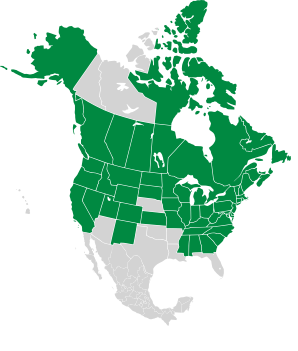
Ranunculus acris description by Thomas H. Kent, not updated.

© FloraFinder.org. All rights reserved.