Quercus agrifolia Née
Coast live oak, California live oak
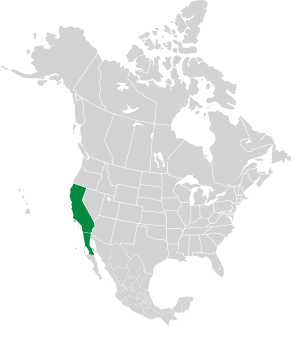
Coast live oak is native to the west coast of North America.
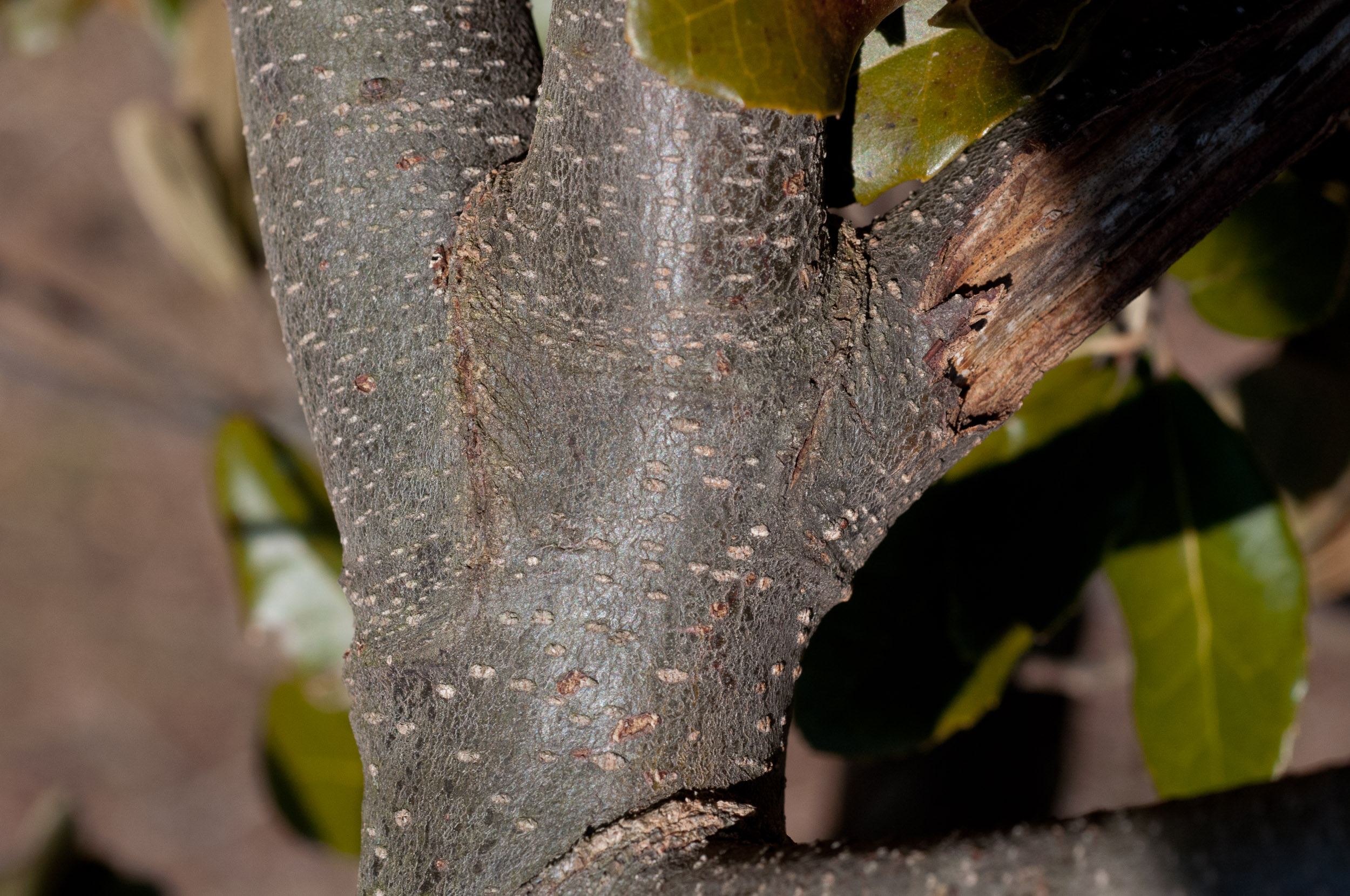
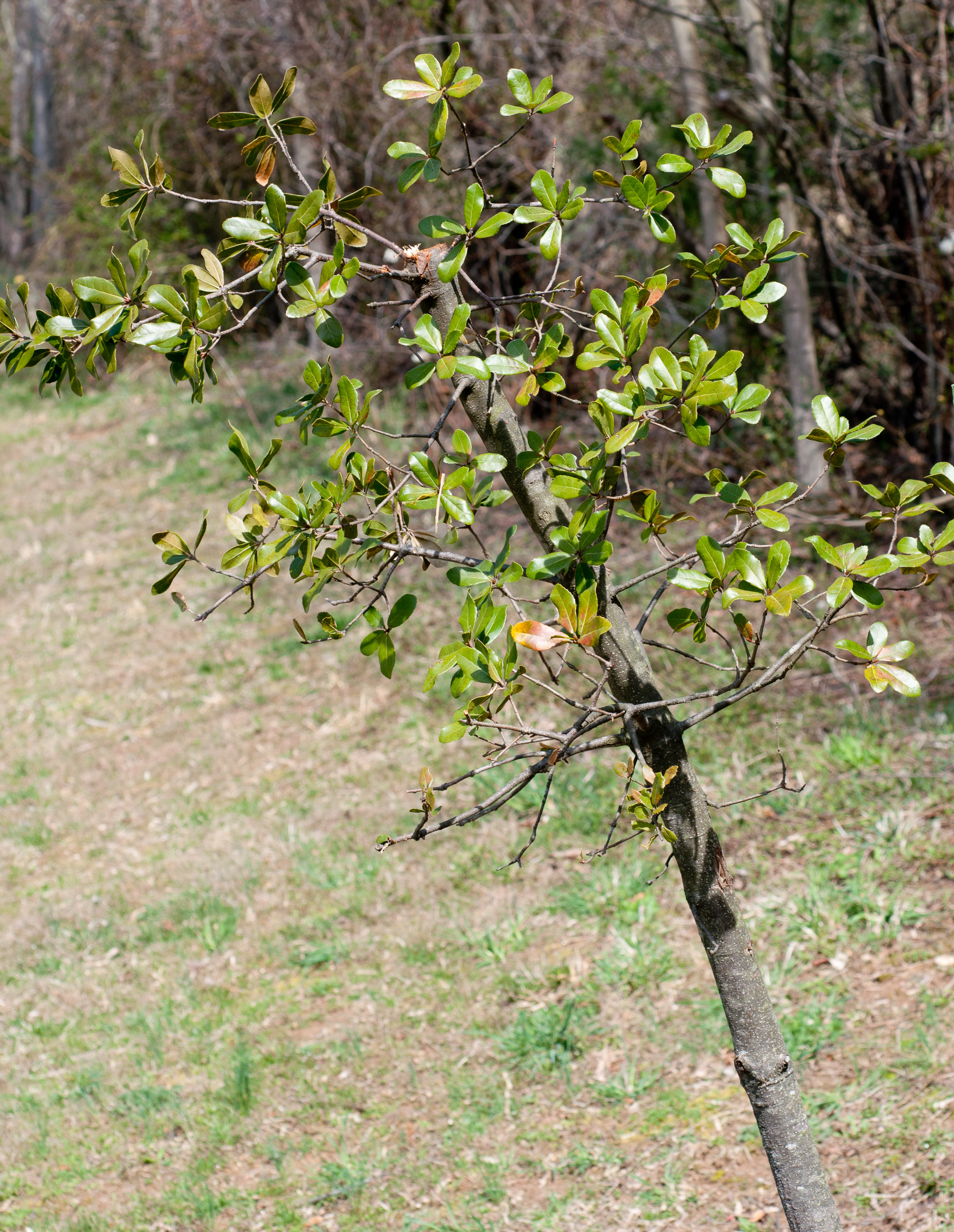
Plants: These evergreens reach 20–82′ (6–25 m), with trunks up to 4′ (1.2 m) around, and may live up to 250 years. Trunks are short and the crowns are wide. Bark is smooth and gray-brown when the tree is young, becoming darker and somewhat furrowed later.
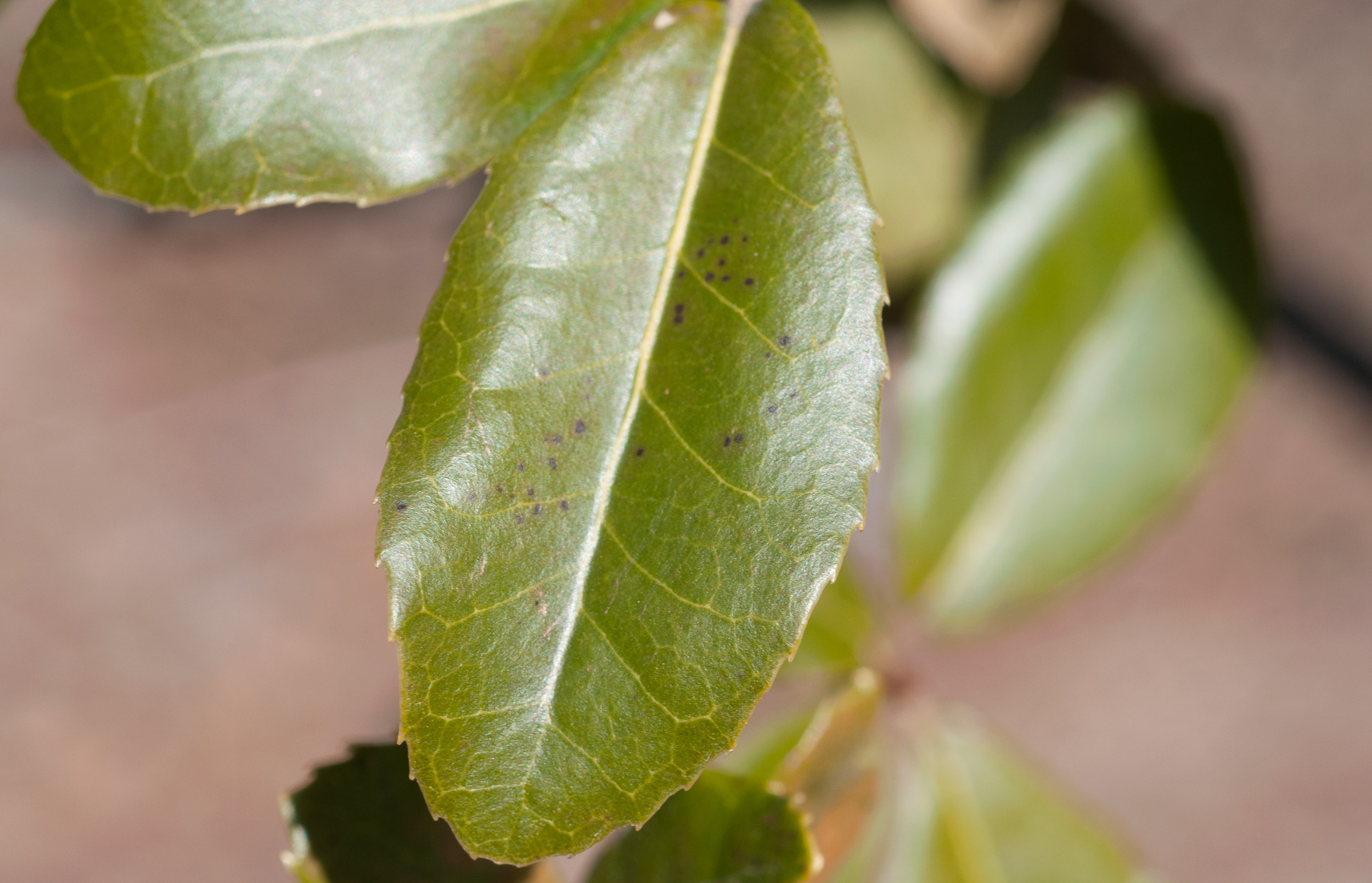
Leaves: Dark green, thick, glossy, oval in shape, alternate, edged with sharp fibers. They remind me a little of holly leaves. They are ¾–2½ ⨉ ⅜–1½″ (2–7 ⨉ 1–4 cm).
Flowers: Male flowers are catkins 1¾–4″ (5–10 cm) long. Female flowers are ⅛″ (5 mm) long, in clusters of one to three, barely noticeable.
Fruits: Acorns are 1–1½″ (2.5–3.8 cm) long and ⅜–½″ (1–1.5 cm) wide, conical in shape. Acorn production is not consistent.
Habitats: Mixed evergreen forests, foothill woodlands, southern oak woodlands.
See the Quercus comparison table.Online References:
References:

4/11/2011 · Susan and Raimond’s, Phoenix, Maryland 

3/2/2011 · Susan and Raimond’s, Phoenix, Arizona · ≈ 6 × 4½″ (15 × 11 cm) 
3/2/2011 · Susan and Raimond’s, Phoenix, Arizona · ≈ 4½ × 2½″ (11 × 7.2 cm) 
3/2/2011 · Susan and Raimond’s, Phoenix, Arizona · ≈ 6 × 4″ (15 × 10 cm) 
4/11/2011 · Susan and Raimond’s, Phoenix, Maryland 
| Kingdom | Plantae | Plants, but not fungi, lichens, or algae (from Stearn's Botanical Latin) |
| Subkingdom | Tracheobionta | Vascular plants—plants with a “circulatory system” for delivering water and nutrients |
| Division | Magnoliophyta | Flowering plants, also known as angiosperms |
| Class | Magnoliopsida | Dicotyledons—plants with two initial seed leaves |
| Subclass | Rosidae | Roses, legumes, proteas, dogwoods, hydrangeas, mistletoes, euphorbias, grapes, many more |
| Order | Fagales | Birch, she-oak, beech, walnut, bayberry, others |
| Family | Fagaceae | Beech familhy |
| Genus | Quercus | Latin for “oak” |
| Species | agrifolia | “With rough or scabby leaves” |
Quercus agrifolia description by Thomas H. Kent, not updated.

© FloraFinder.org. All rights reserved.