Pyrus calleryana Decne.
Ornamental pear, Bradford pear, Callery pear
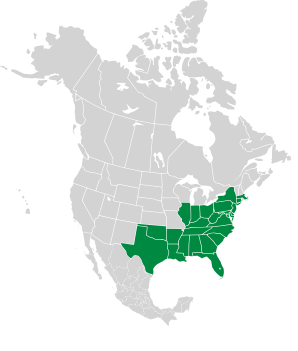
The Callery pear is native to East Asia, but its cultivar, the Bradford pear, is widely grown in the United States, where it is valued as an ornamental for its fast growth. It is one of those species that seemed like a good idea at the time, achieving a great deal of popularity, but later became more of a scourge. In the southeastern United States, it (and its many other cultivars) is increasingly considered to be an invasive species.
Plants: Trees are 16–26′ (5–8 m) tall, typically with rounded or conical crowns. Branches are relatively weak, and thorny.
Leaves: Alternate, shiny, cordate to ovate, 1½–3 ⨉ 1¼–2″ (4–8 ⨉ 3.5–6 cm) in size, simple.
Flowers: Showy white rancid-smelling flowers appear in cymes about 3″ (7.5 cm) in size. Each flower is ½–¾″ (1.3–1.9 cm) around. They appear from April to May.
Fruits: Fruits are inedible, and rarely produced. Each is ⅜–½″ (1–1.5 cm) around, greenish-yellow, and brown-dotted. Fruits contain numerous hard, woody seeds.
Habitats: Originally planted as landscaping, they spread to old fields, roadsides, and human-disturbed habitats, tolerating a wide range of soil conditions.
Edibility:  Seeds are poisonous, containing cyanide,
and the fruit is not edible.
Seeds are poisonous, containing cyanide,
and the fruit is not edible.
Online References:
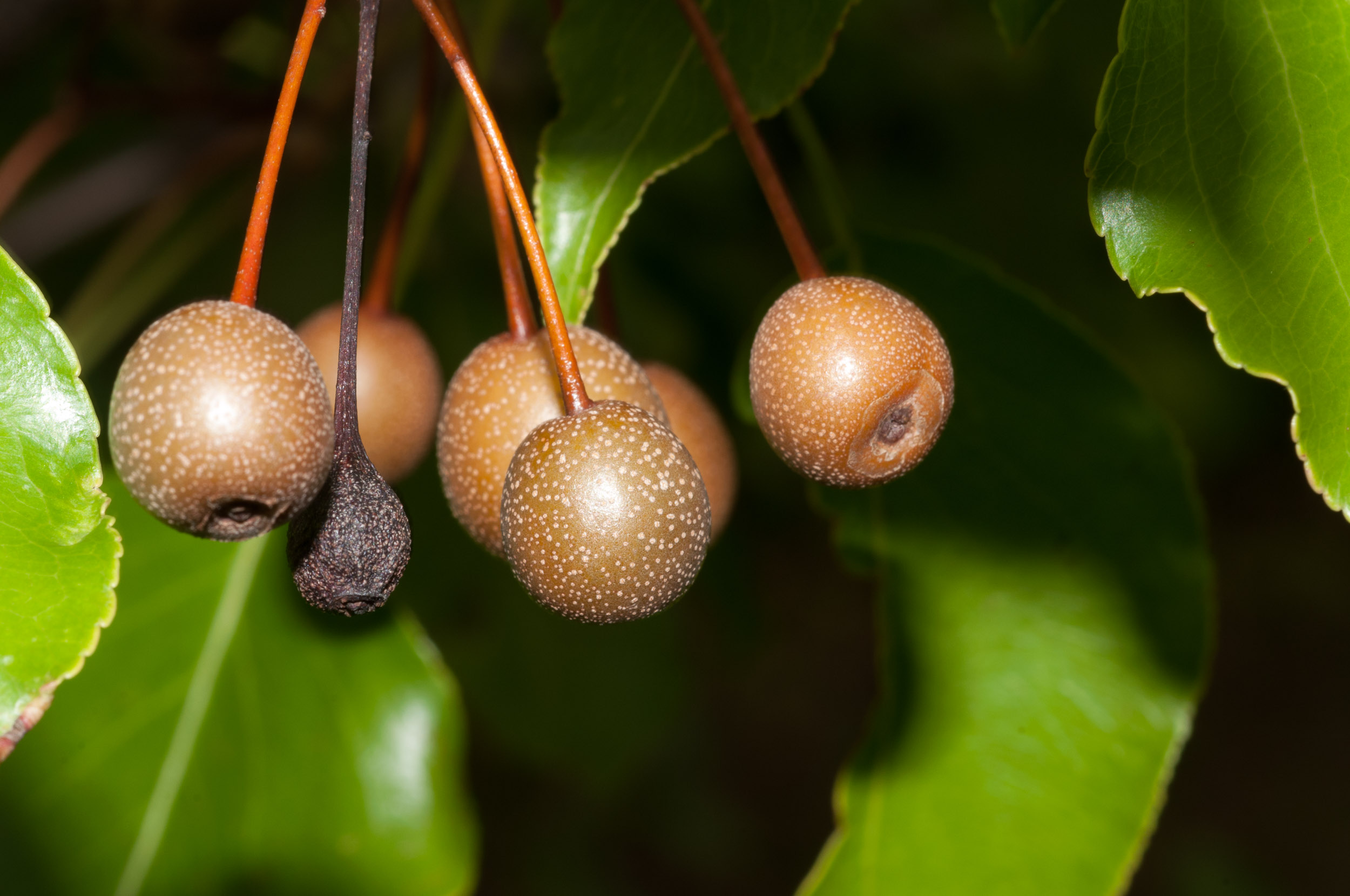
9/18/2010 · Nashua River Rail Trail, Groton Center, Groton, Massachusetts · ≈ 4½ × 3″ (11 × 7.9 cm) 

9/18/2010 · Nashua River Rail Trail, Groton Center, Groton, Massachusetts · ≈ 5 × 8″ (13 × 19 cm) 
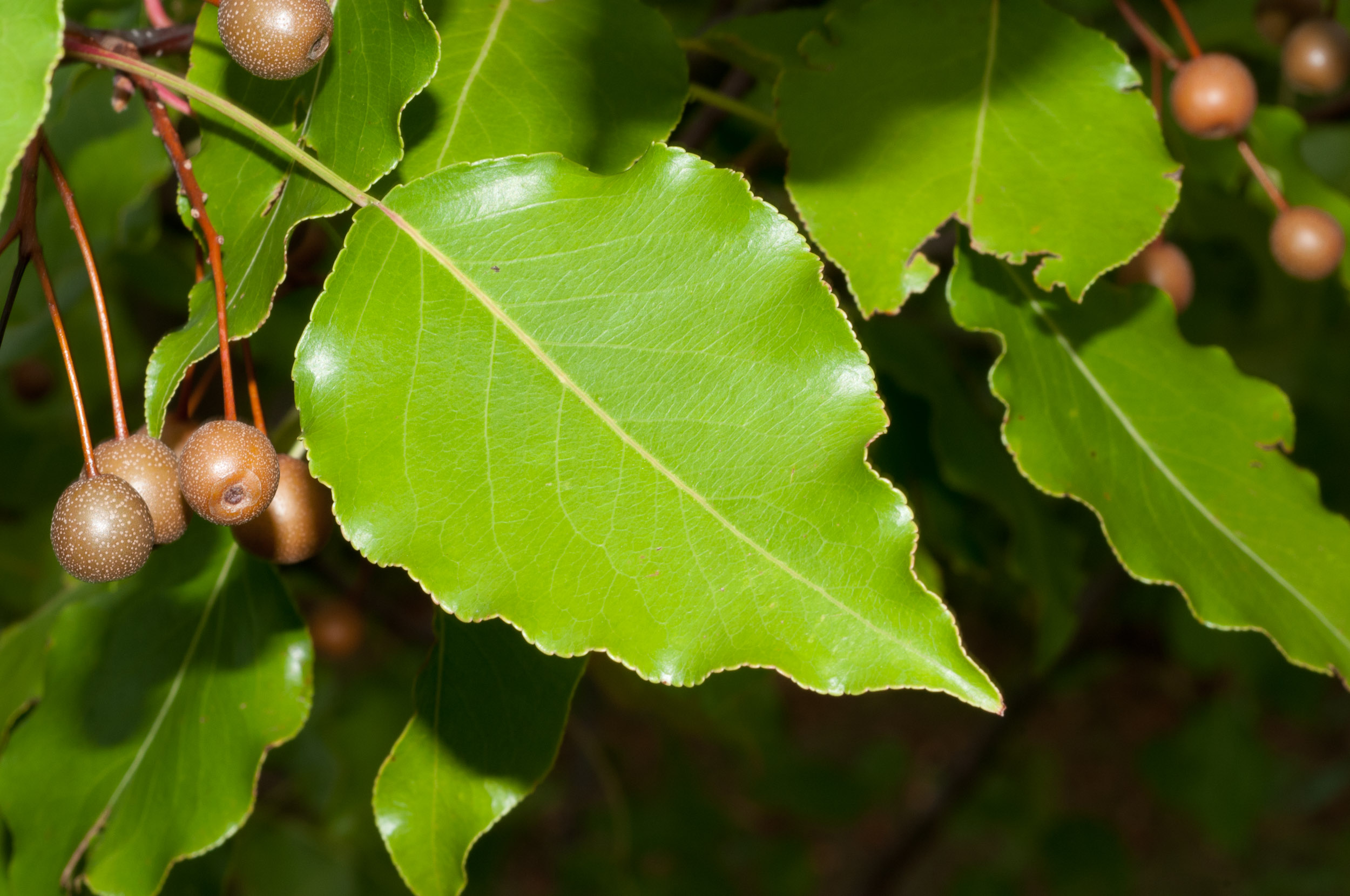
9/18/2010 · Nashua River Rail Trail, Groton Center, Groton, Massachusetts · ≈ 7 × 4½″ (17 × 11 cm) 

4/9/2011 · Sandy Point State Park, Annapolis, Maryland · ≈ 7 × 4½″ (17 × 11 cm) 

4/9/2011 · Sandy Point State Park, Annapolis, Maryland · ≈ 14 × 9″ (35 × 23 cm) 

10/29/2010 · Nashua River Rail Trail, Groton Center, Groton, Massachusetts · ≈ 15 × 10″ (39 × 26 cm) 

10/29/2010 · Nashua River Rail Trail, Groton Center, Groton, Massachusetts · ≈ 7 × 4½″ (17 × 11 cm) 

4/9/2011 · Sandy Point State Park, Annapolis, Maryland · ≈ 5 × 3½″ (13 × 9.2 cm) 
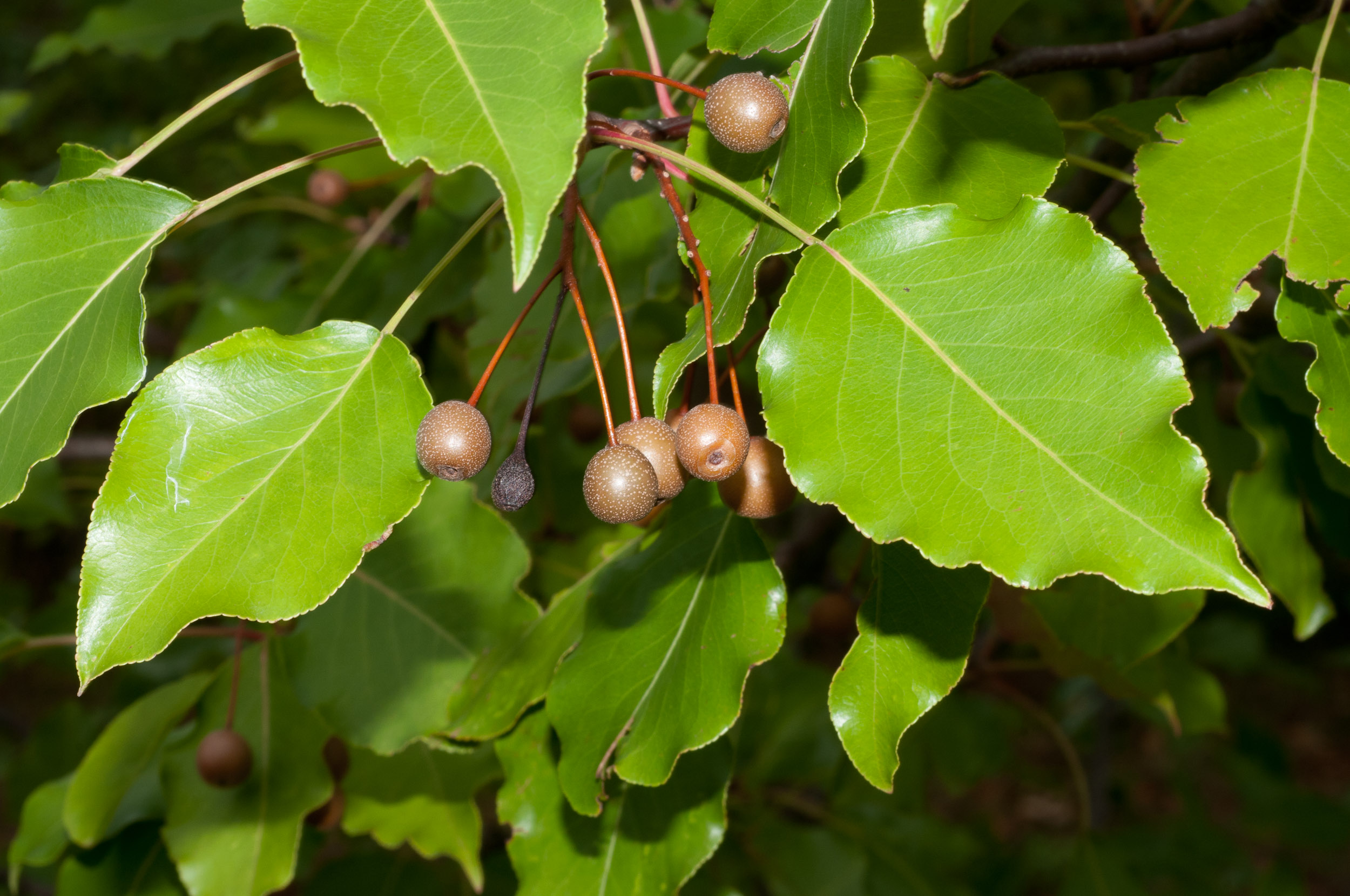
9/18/2010 · Nashua River Rail Trail, Groton Center, Groton, Massachusetts · ≈ 9 × 6″ (22 × 14 cm) 

4/9/2011 · Sandy Point State Park, Annapolis, Maryland · ≈ 12 × 8″ (31 × 20 cm) 
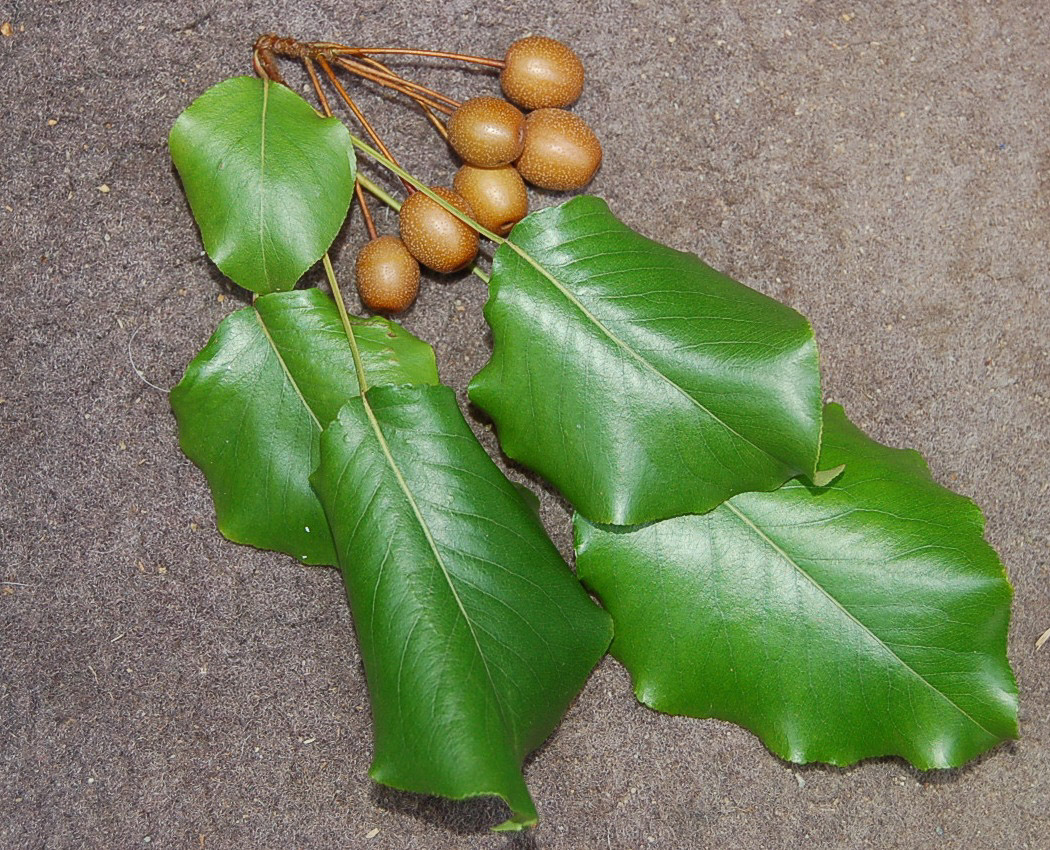
11/6/2012 · By Jacquelyn Boyt 

4/9/2011 · Sandy Point State Park, Annapolis, Maryland · ≈ 12 × 8″ (31 × 20 cm) 

4/9/2011 · Sandy Point State Park, Annapolis, Maryland · ≈ 11 × 7″ (27 × 18 cm) 
| Kingdom | Plantae | Plants, but not fungi, lichens, or algae (from Stearn's Botanical Latin) |
| Subkingdom | Tracheobionta | Vascular plants—plants with a “circulatory system” for delivering water and nutrients |
| Division | Magnoliophyta | Flowering plants, also known as angiosperms |
| Class | Magnoliopsida | Dicotyledons—plants with two initial seed leaves |
| Subclass | Rosidae | Roses, legumes, proteas, dogwoods, hydrangeas, mistletoes, euphorbias, grapes, many more |
| Order | Rosales | Rose family and eight others |
| Family | Rosaceae | Includes apples, apricots, plums, cherries, peaches, pears, raspberries, strawberries, almonds, roses, meadowsweets, photinias, firethorns, rowans, and hawthorns; many others |
| Genus | Pyrus | Classical name of the pear |
| Species | calleryana | For Joseph M. M. Callery (1810-1862), a French-Italian sinologist, missionary and botanical collector |
Pyrus calleryana description by Thomas H. Kent, not updated.

© FloraFinder.org. All rights reserved.