Steironema pumilum Greene
Lysimachia ciliata L.
Fringed yellow loosestrife, fringed loosestrife
Fringed yellow loosestrife is a North American native found in damp or seasonally wet habitats in most of the United States.
Plants: 1–4′ (30–121 cm) tall, often unbranched. The main stem is hairless and angular. However, leaf stalks and axils are hairy.
Leaves: Opposite, up to 6 ⨉ 2½″ (15 ⨉ 6.3 cm), lanceolate to ovate, rounded at the base, hairless, and with smooth edges. Leaf stalks (petioles) are ⅛–2″ (5–60 mm) long. Sometimes leaf edges are wavy.
Flowers: ½–1″ (1.3–2.5 cm) around, yellow, often nodding, with five petals and rough ciliate edges. Petals are obovate in shape, and usually red near the center of the flower. They appear on stalks (pedicels) ½–2½″ (1.5–7 cm) long. Each flower has five creamy yellow stamens and a single style.
Fruits: Capsules are ⅛–¼″ (5–7 mm) long.
Habitats: Disturbed habitats, floodplains, forests, meadows, and freshwater shores.
Online References:
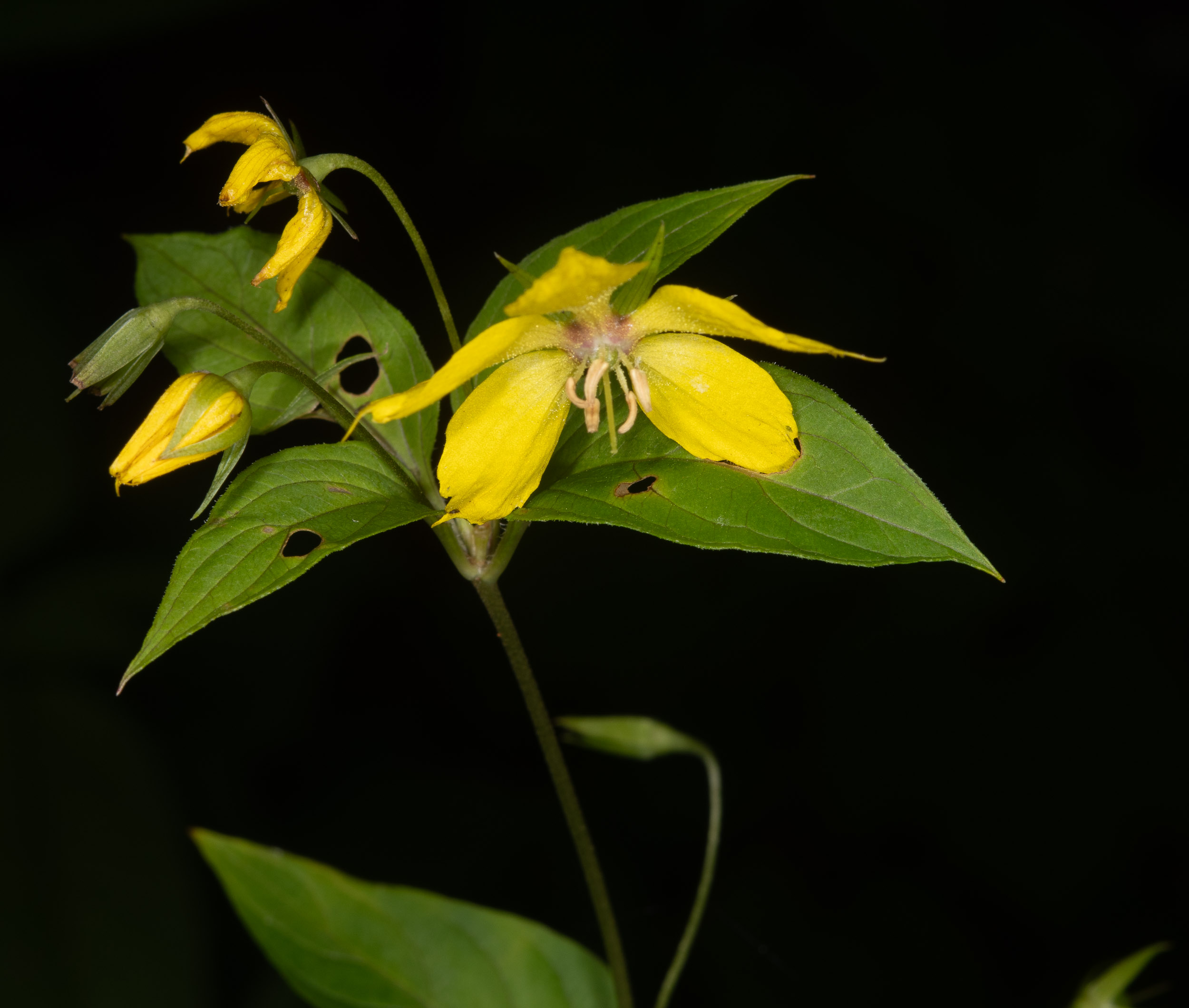
8/12/2017 · Bates Land and Blackman Land, Groton Conservation Trust, Groton, Massachusetts · ≈ 3½ × 3″ (9.2 × 7.8 cm) 

7/25/2025 · River Point Conservation Area, Falmouth, Maine · ≈ 4½ × 3″ (11 × 7.7 cm) 

7/25/2025 · River Point Conservation Area, Falmouth, Maine · ≈ 5 × 3″ (12 × 8.5 cm) 

7/25/2025 · River Point Conservation Area, Falmouth, Maine · ≈ 4 × 6″ (10 × 16 cm) 
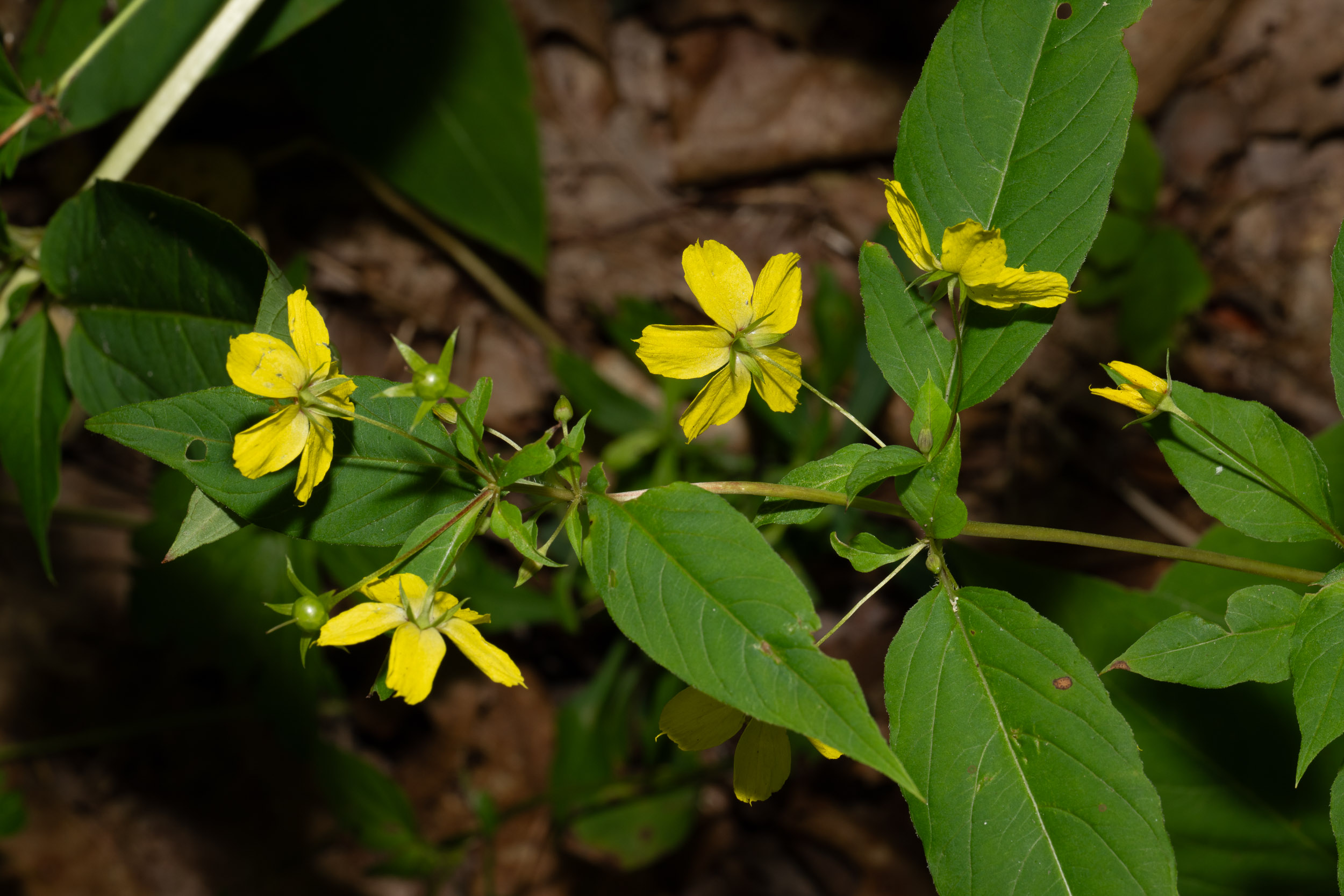
7/25/2025 · River Point Conservation Area, Falmouth, Maine · ≈ 8 × 5″ (20 × 13 cm) 
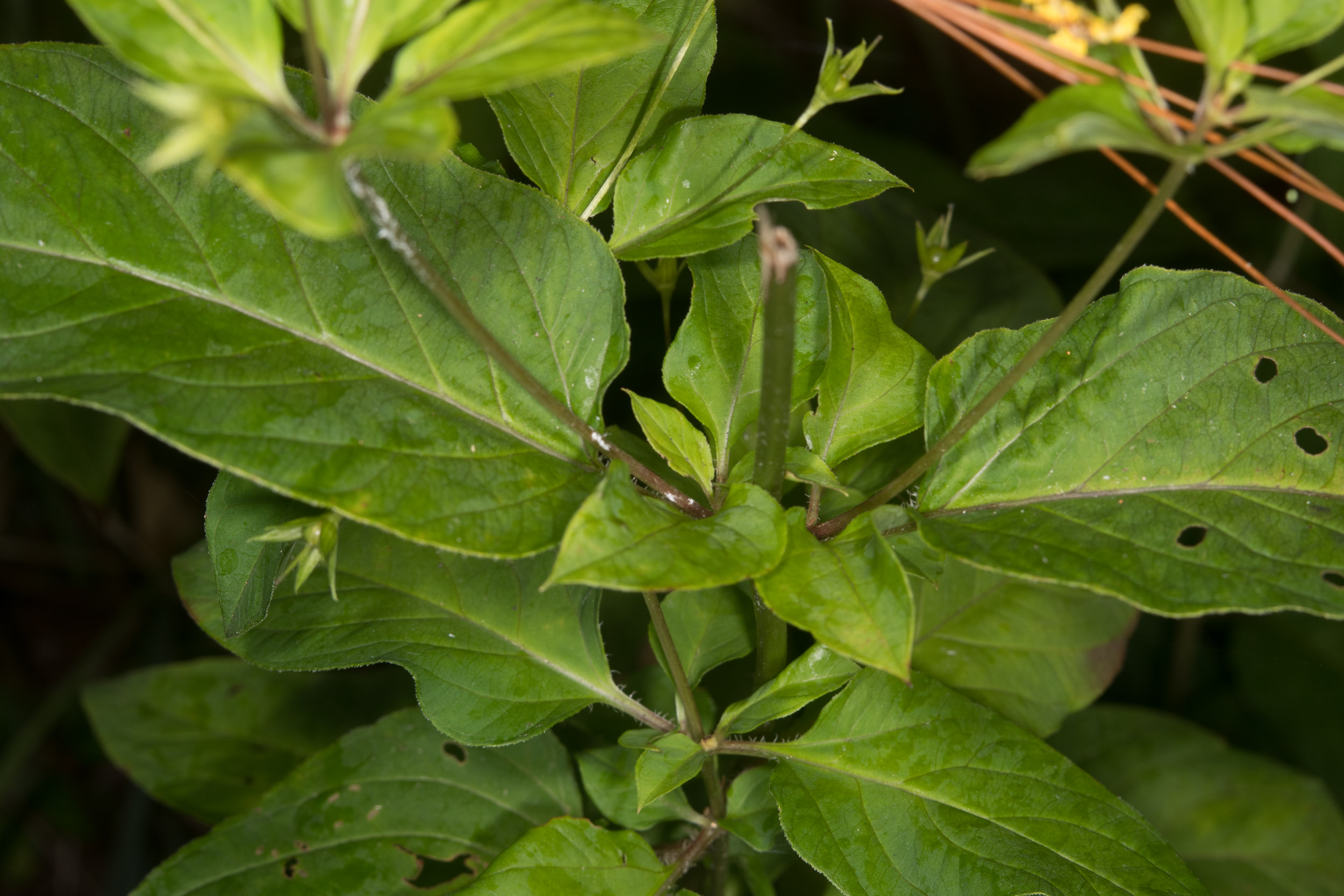
8/12/2017 · Bates Land and Blackman Land, Groton Conservation Trust, Groton, Massachusetts · ≈ 6 × 4″ (16 × 11 cm) 

7/25/2025 · River Point Conservation Area, Falmouth, Maine · ≈ 4½ × 3″ (11 × 8.5 cm) 

7/26/2025 · River Point Conservation Area, Falmouth, Maine · ≈ 3½ × 3″ (8.9 × 8.2 cm) 
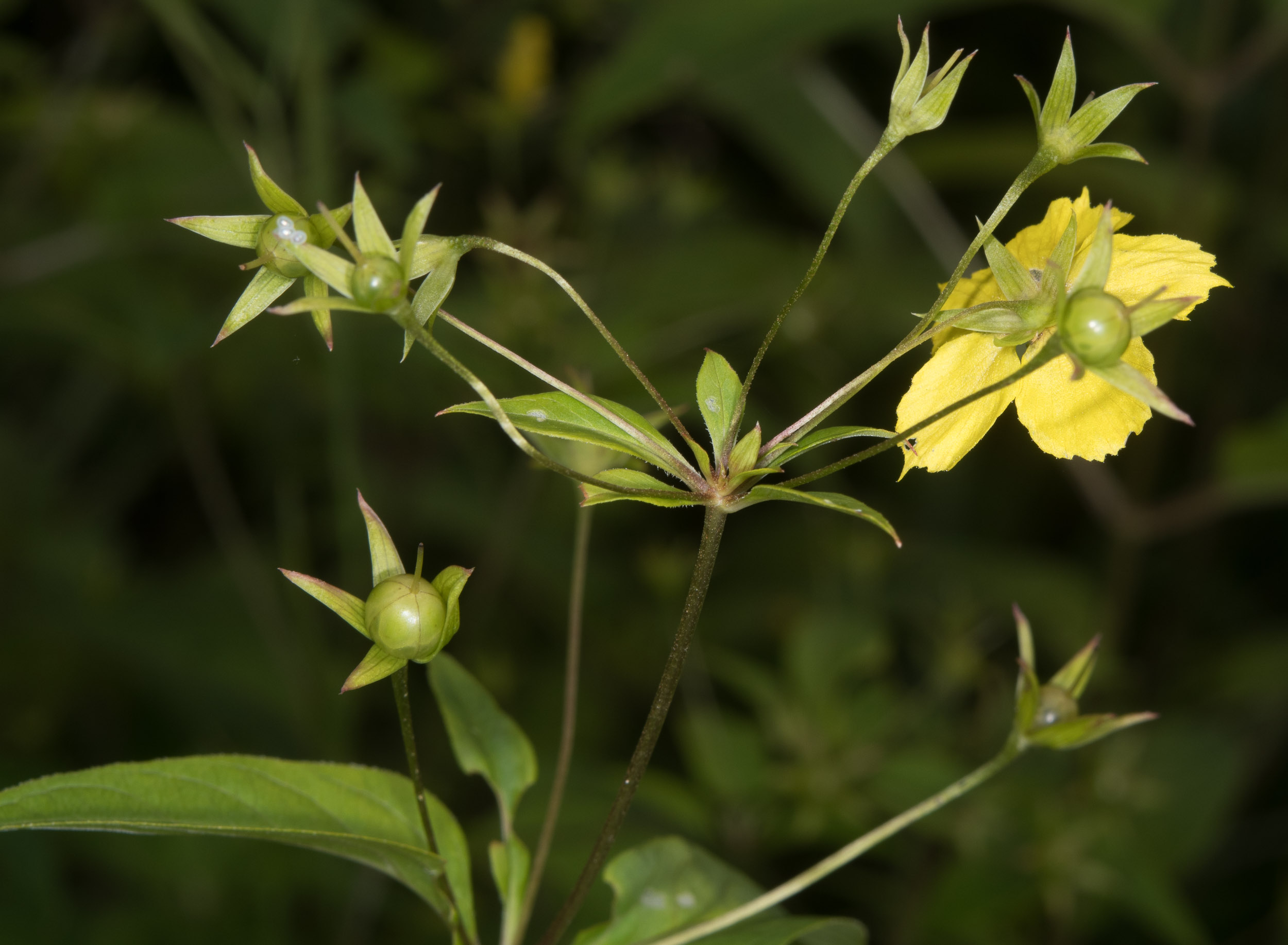
8/12/2017 · Bates Land and Blackman Land, Groton Conservation Trust, Groton, Massachusetts · ≈ 4 × 3″ (10 × 7.5 cm) 
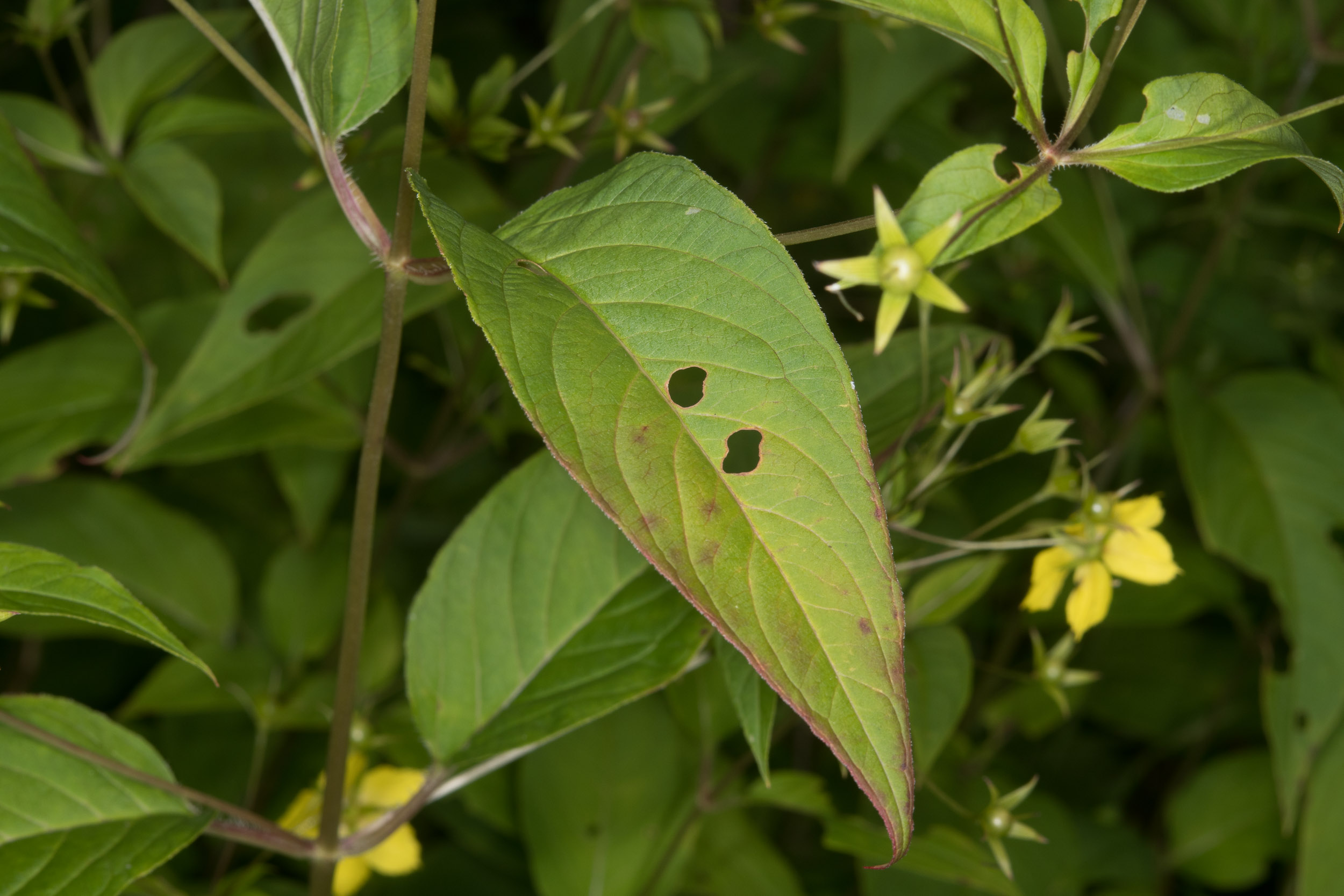
8/12/2017 · Bates Land and Blackman Land, Groton Conservation Trust, Groton, Massachusetts · ≈ 6 × 4″ (16 × 11 cm) 
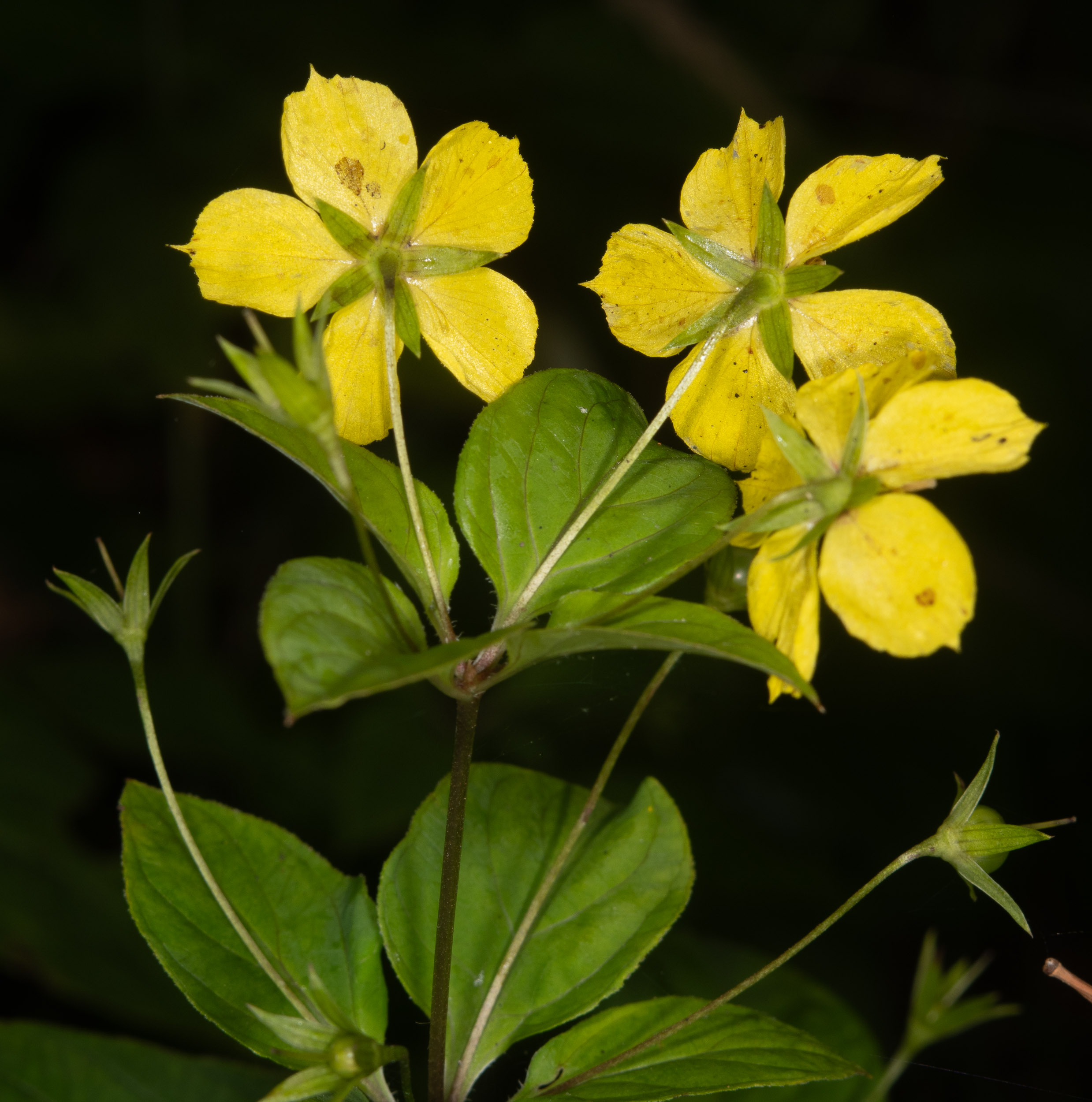
8/12/2017 · Bates Land and Blackman Land, Groton Conservation Trust, Groton, Massachusetts · ≈ 3½ × 3½″ (8.9 × 9 cm) 
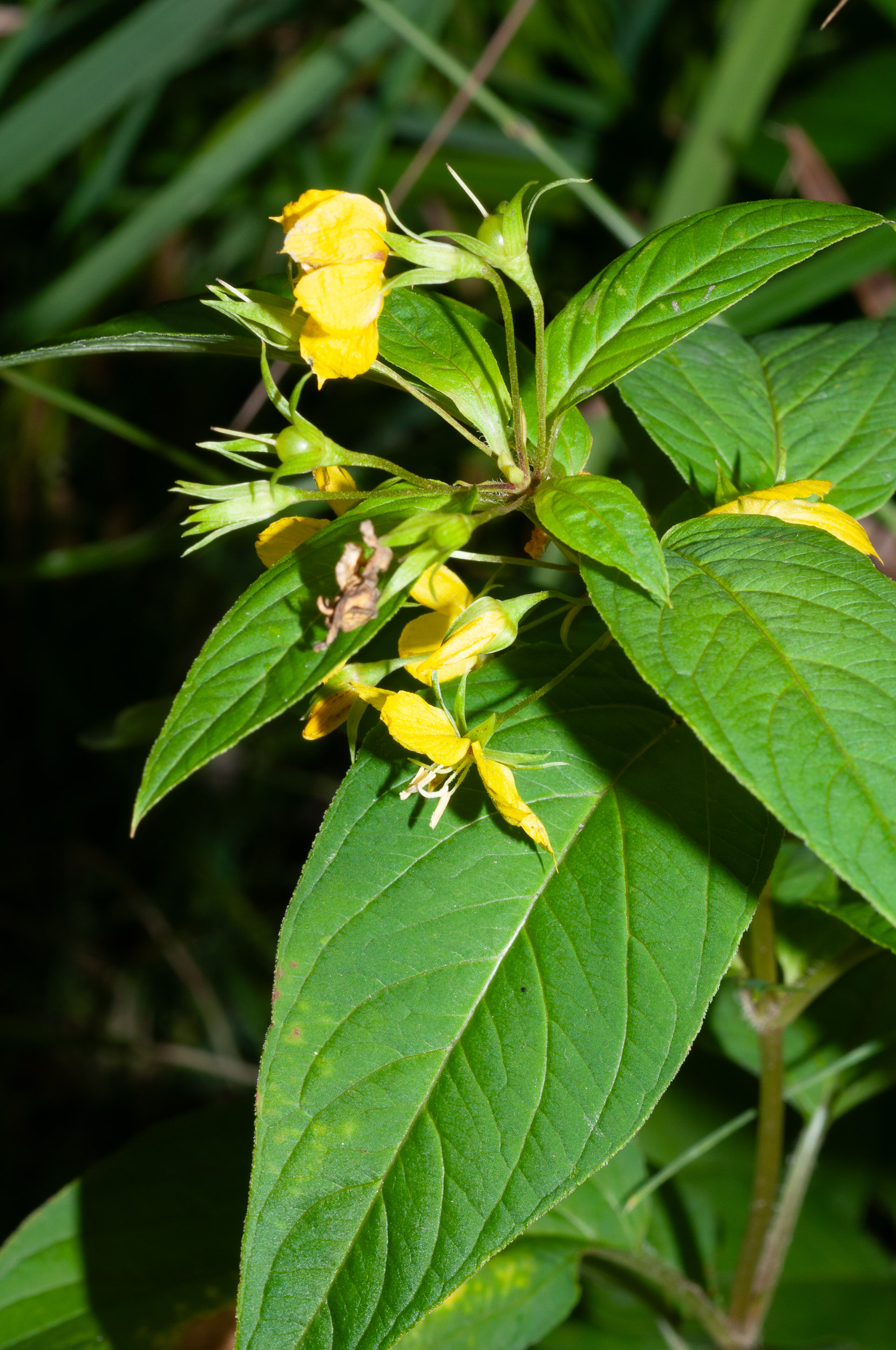
7/23/2010 · Nashua River Boat Ramp on Rte 119, Groton, Massachusetts · ≈ 4 × 6″ (10 × 15 cm) 
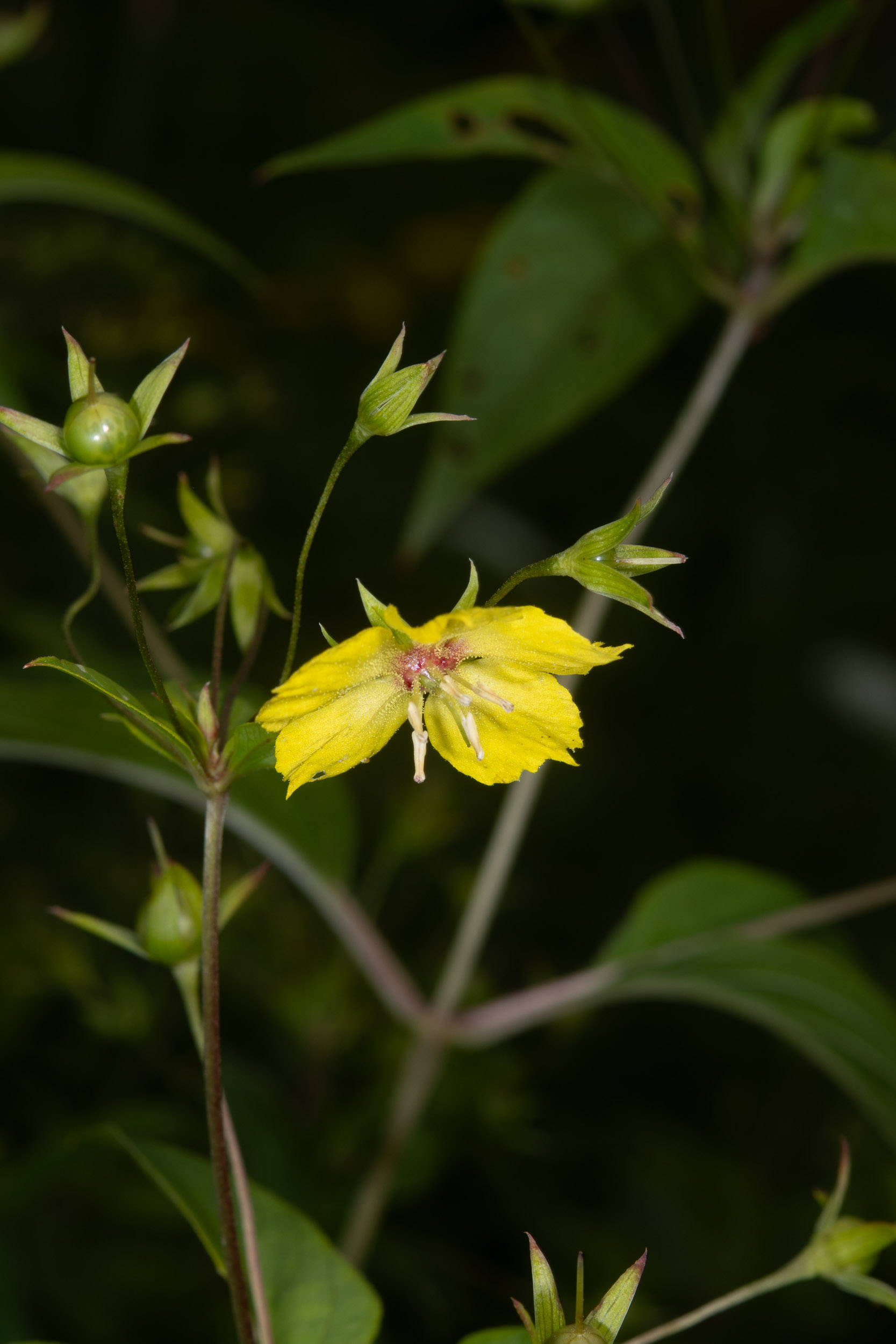
8/12/2017 · Bates Land and Blackman Land, Groton Conservation Trust, Groton, Massachusetts · ≈ 3 × 4½″ (7.9 × 11 cm) 

7/23/2010 · Nashua River Boat Ramp on Rte 119, Groton, Massachusetts · ≈ 5 × 4″ (13 × 10 cm) 

7/25/2025 · River Point Conservation Area, Falmouth, Maine · ≈ 4 × 2½″ (10 × 6.6 cm) 

7/23/2010 · Nashua River Boat Ramp on Rte 119, Groton, Massachusetts · ≈ 4 × 3″ (10 × 7.9 cm) 

7/25/2025 · River Point Conservation Area, Falmouth, Maine · ≈ 6 × 4″ (16 × 10 cm) 

7/25/2025 · River Point Conservation Area, Falmouth, Maine · ≈ 5 × 8″ (13 × 20 cm) 
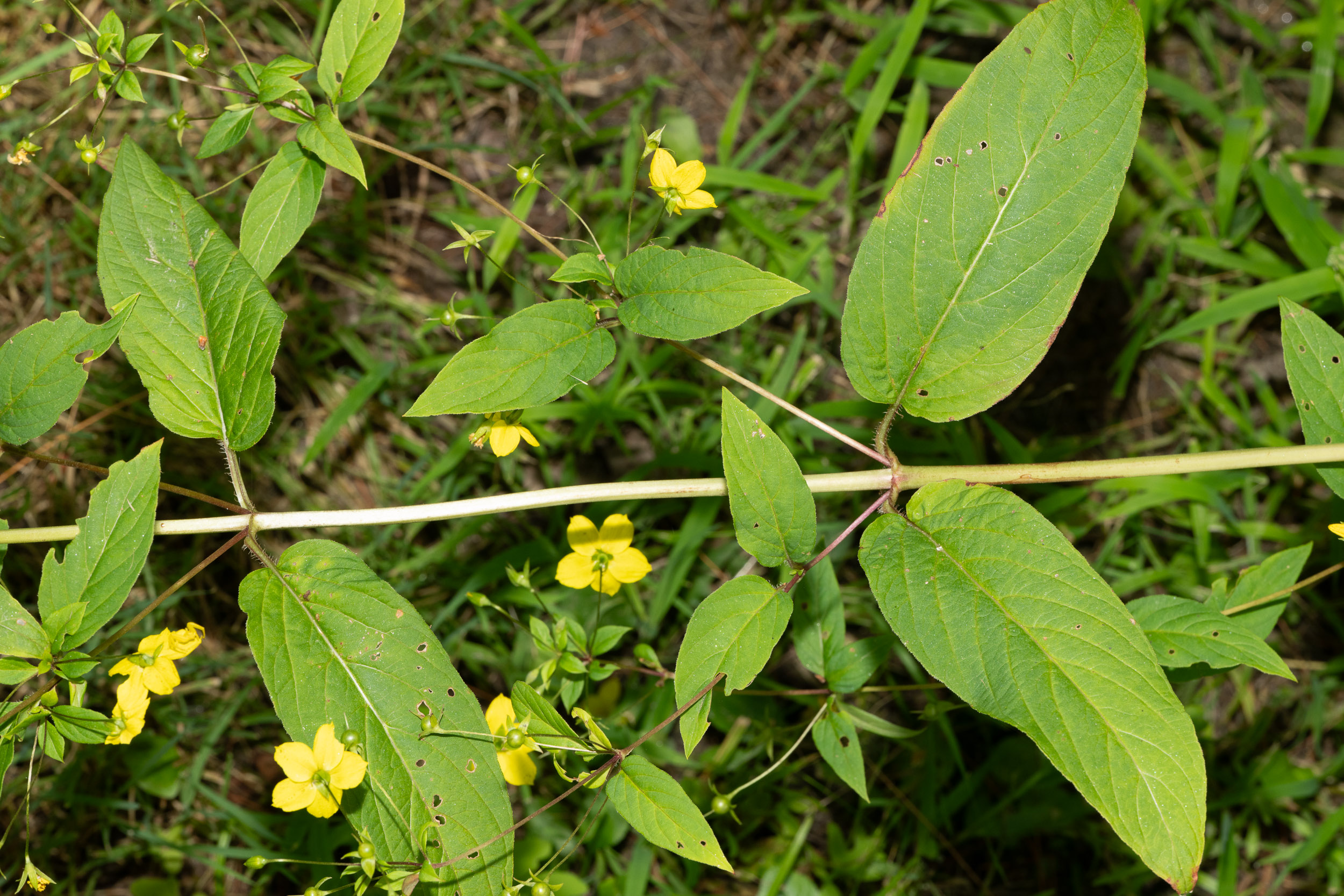
8/13/2025 · Big Falls Preserve, New Gloucester, Maine · ≈ 13 × 9″ (34 × 22 cm) 

7/26/2025 · River Point Conservation Area, Falmouth, Maine · ≈ 6 × 4″ (16 × 10 cm) 
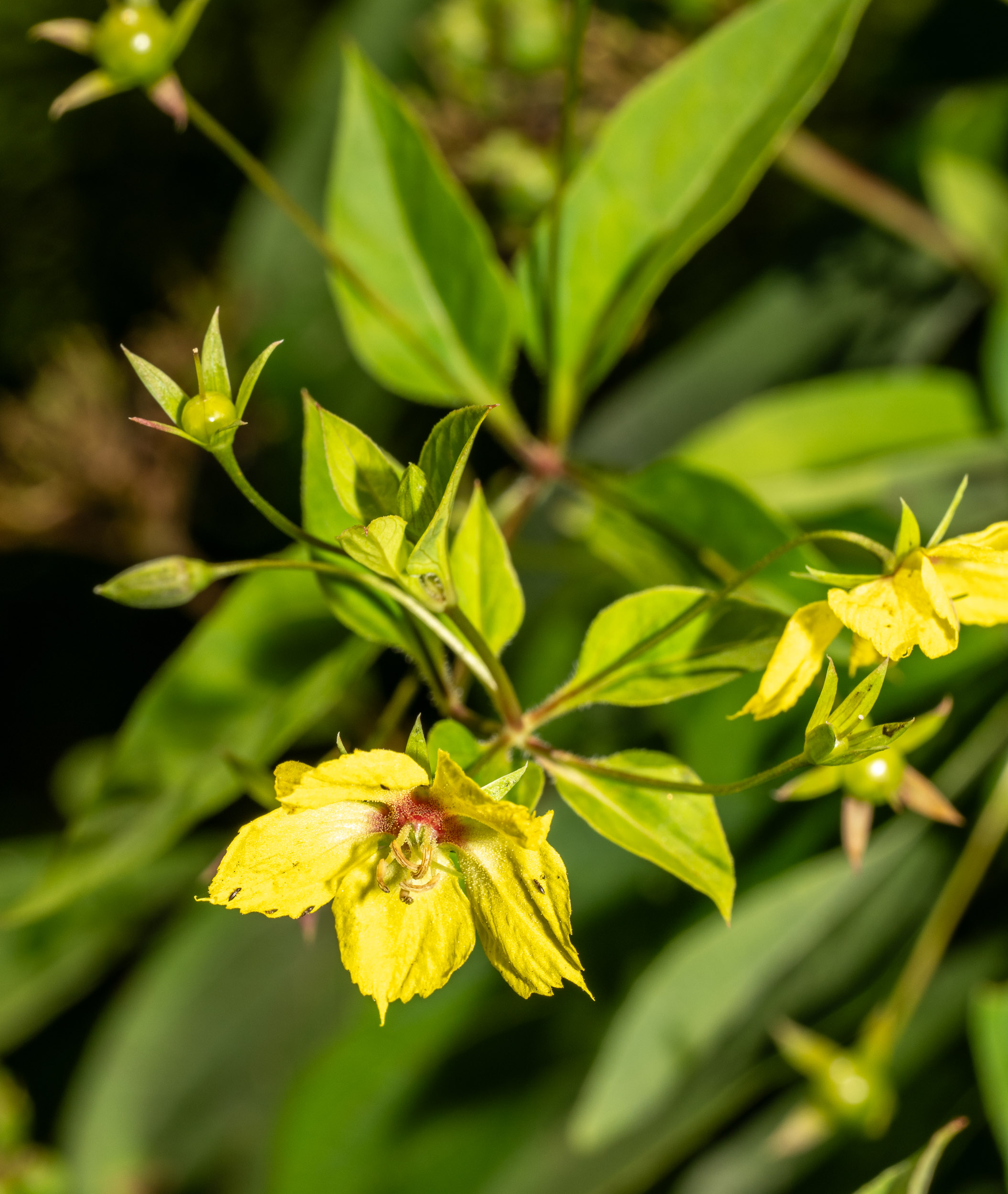
7/26/2025 · River Point Conservation Area, Falmouth, Maine · ≈ 3½ × 4″ (8.7 × 10 cm) 
| Kingdom | Plantae | Plants, but not fungi, lichens, or algae (from Stearn's Botanical Latin) |
| Subkingdom | Tracheobionta | Vascular plants—plants with a “circulatory system” for delivering water and nutrients |
| Division | Magnoliophyta | Flowering plants, also known as angiosperms |
| Class | Magnoliopsida | Dicotyledons—plants with two initial seed leaves |
| Subclass | Asteridae | A large class that encompasses asters |
| Order | Ericales | Tea, persimmon, blueberry, Brazil nut, azalea, many others |
| Family | Primulaceae | Primrose family |
| Genus | Lysimachia | Named for Lysimachus, a king of ancient Sicily, who “calmed a mad ox” with a member of this species |
| Species | ciliata | Name given to indicate a slight fringing like an eyelash that might occur on petals, leaves, petioles or other plant parts |
Lysimachia ciliata description by Thomas H. Kent, not updated.

© FloraFinder.org. All rights reserved.
