Juglans nigra L.
Eastern black walnut, black walnut
Eastern black walnut is a North American native, the only walnut family tree that is a native. It is a member of the hickory family. The genus Juglans means roughly “a nut fit for a god.” This variety of walnut is prized by furniture makers, but increasingly scarce. Historically, walnut shells were used to make ink. The brown color comes from juglone (5-hydroxy-alpha-napthaquinone), and also from tannins that turn black on contact with iron. You can make your own ink, but be forewarned that the black ink is very difficult to remove from the skin.
Plants: Trees reach 98–131′ (30–40 m). In the forest, the trunk is tall and mostly free of branches; in the open, the trunk is short and the crown is larger. Furrowed bark is gray-black.
Leaves: 12–24″ (30–60 cm) long, composed of 15-23 leaflets, each 2½–4 ⨉ ¾–1″ (7–10 ⨉ 2–3 cm).
Flowers: Male flowers are hanging catkins (long, drooping flowers) 3–4″ (8–10 cm) long. Female flowers form on branch tips in groups of 2-5, becoming green fruits almost the size of tennis balls.
Fruits: The green fruits have a somewhat bumpy surface, like the surface of a basketball. They dry to dark brown lightweight balls. The shipping industry could learn a lot from these seed pods. The outer quarter inch dries to a nice protective form-fitted styrofoam layer with a hard shell, and the pod steadfastly refused all careful attempts to open it, yielding only to the force of several hammer blows. The shells are so hard, they are used commercially for abrasive cleaners.
Habitats: Rich bottom lands, in moist, fertile coves, and on lower slopes.
Online References:
References:
Wallia nigra (L.) Alef.
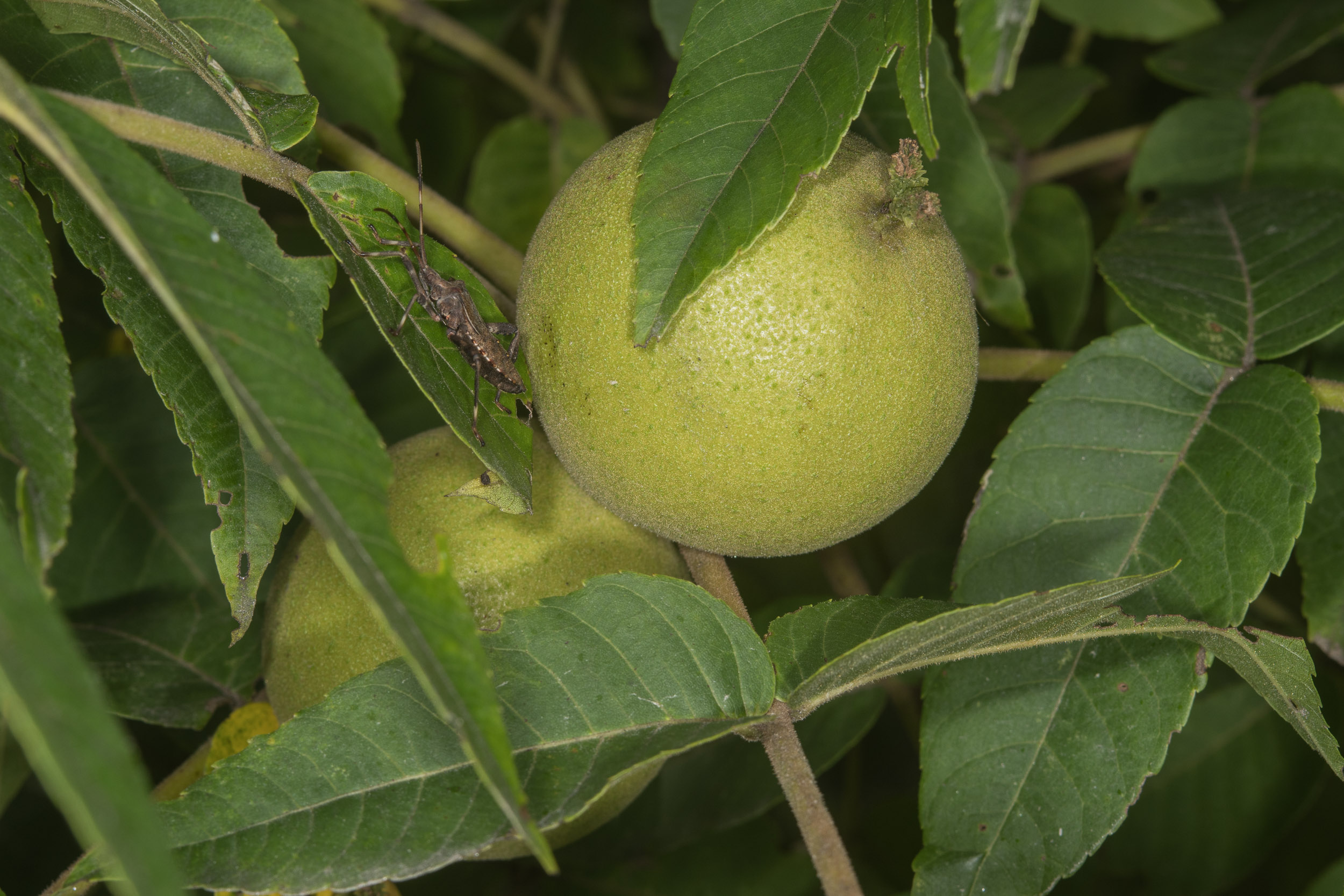
8/14/2017 · Beaver Brook Conservation Area, Old Long Loop, Hollis, New Hampshire · ≈ 6 × 4″ (16 × 11 cm) 

6/9/2017 · Acton Arboretum, Acton, Massachusetts · ≈ 7 × 4½″ (18 × 12 cm) 
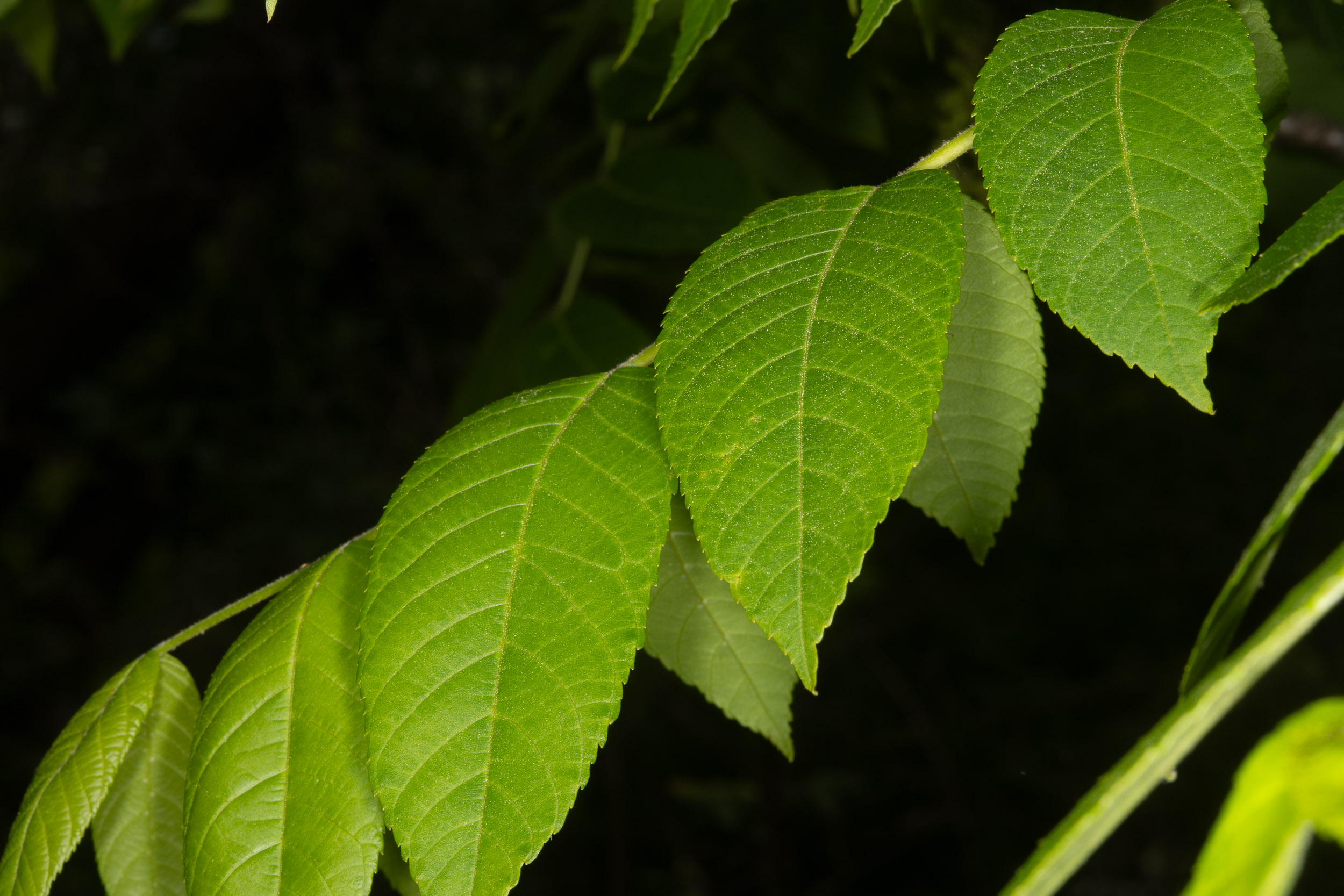
6/9/2017 · Acton Arboretum, Acton, Massachusetts · ≈ 7 × 4½″ (18 × 12 cm) 

10/2/2013 · Chestnut Farm, Beaver Brook Conservation Area, Hollis, New Hampshire · ≈ 10 × 7″ (25 × 16 cm) 
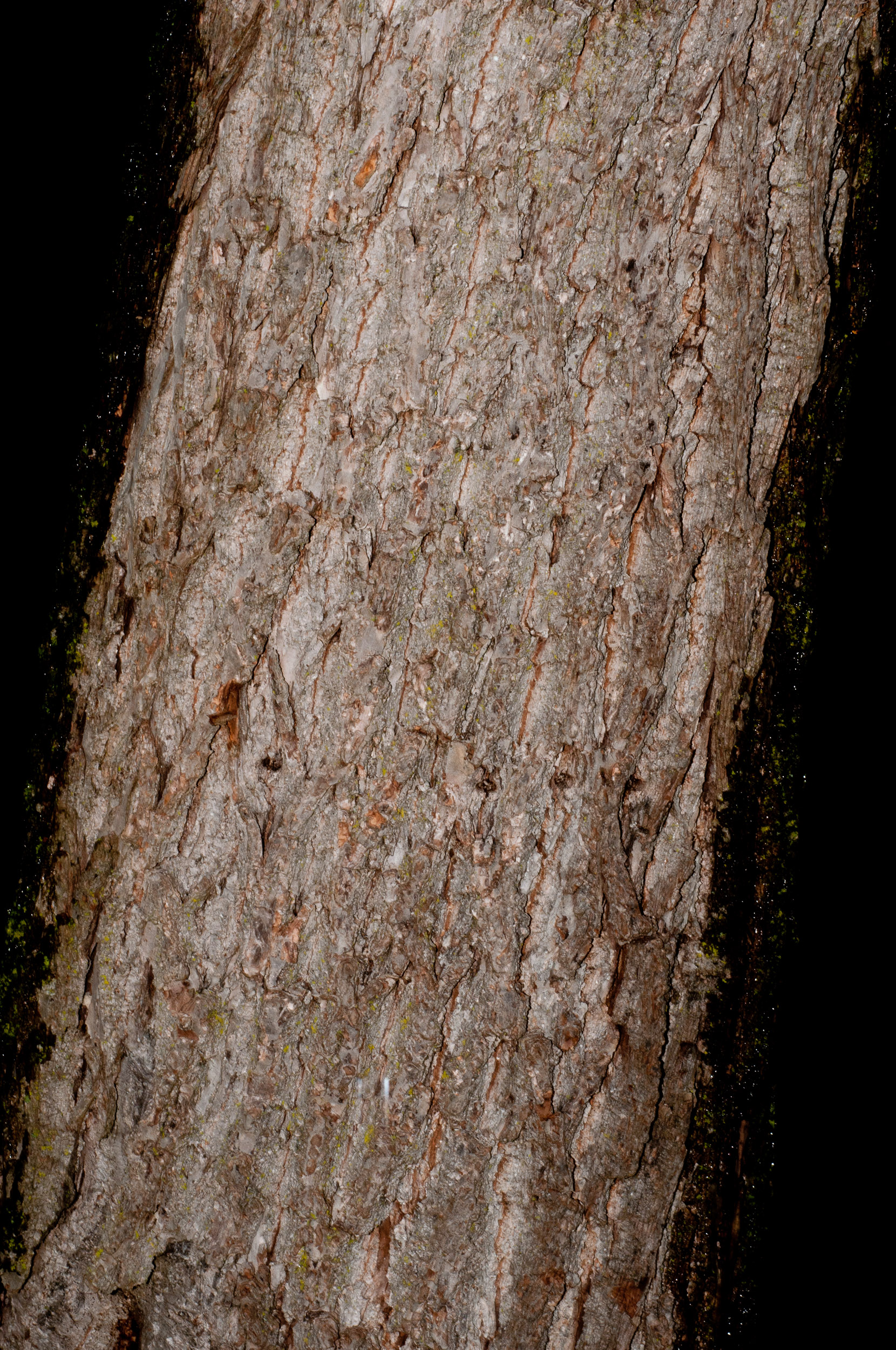
10/4/2010 · Susan and Raimond’s, Phoenix, Maryland · ≈ 1 × 1½′ (34 × 52 cm) 
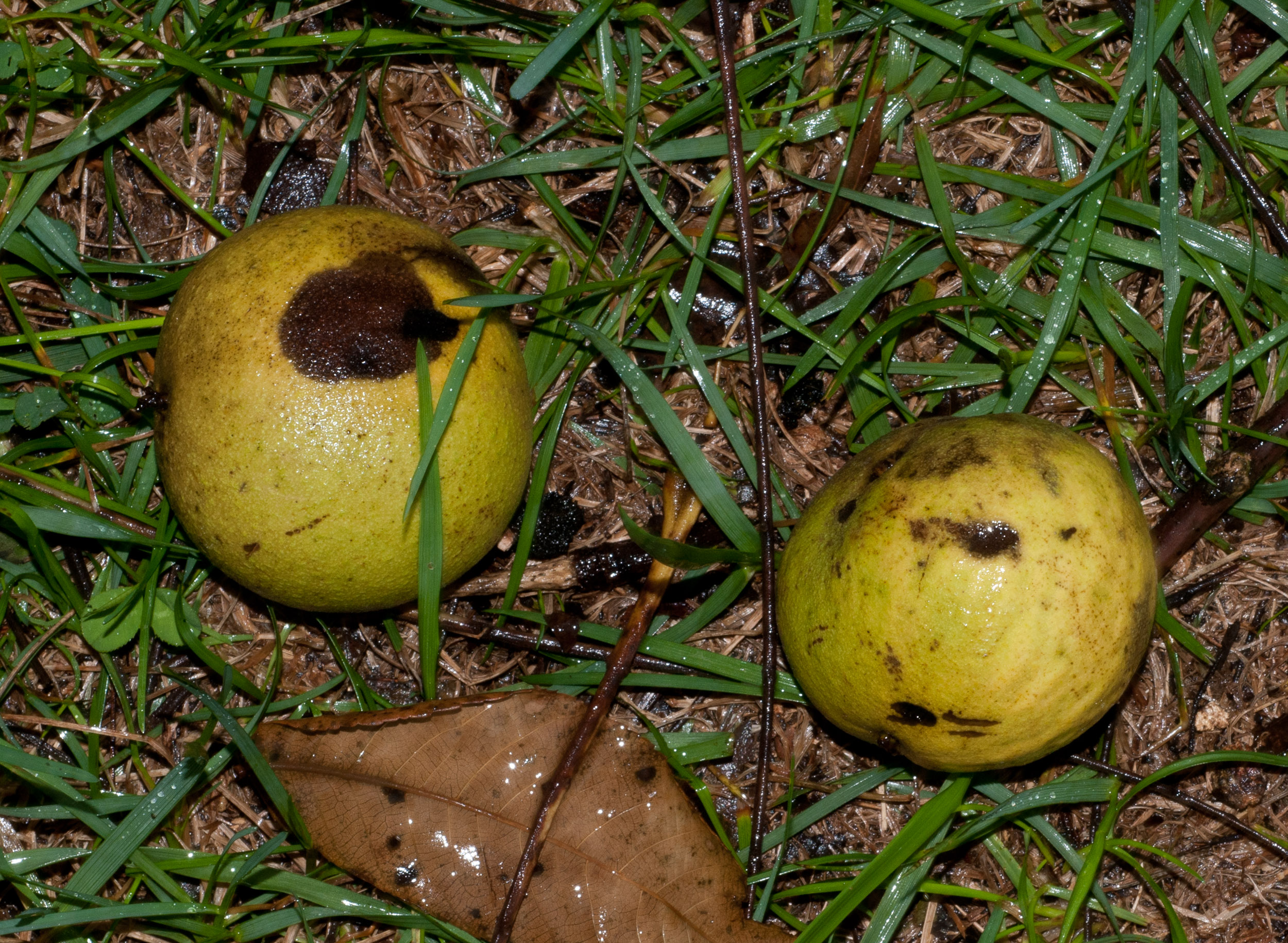
10/4/2010 · Susan and Raimond’s, Phoenix, Maryland · ≈ 8 × 6″ (21 × 15 cm) 

10/2/2013 · Chestnut Farm, Beaver Brook Conservation Area, Hollis, New Hampshire · ≈ 12 × 8″ (31 × 21 cm) 

7/3/2012 · By Jacquelyn Boyt 
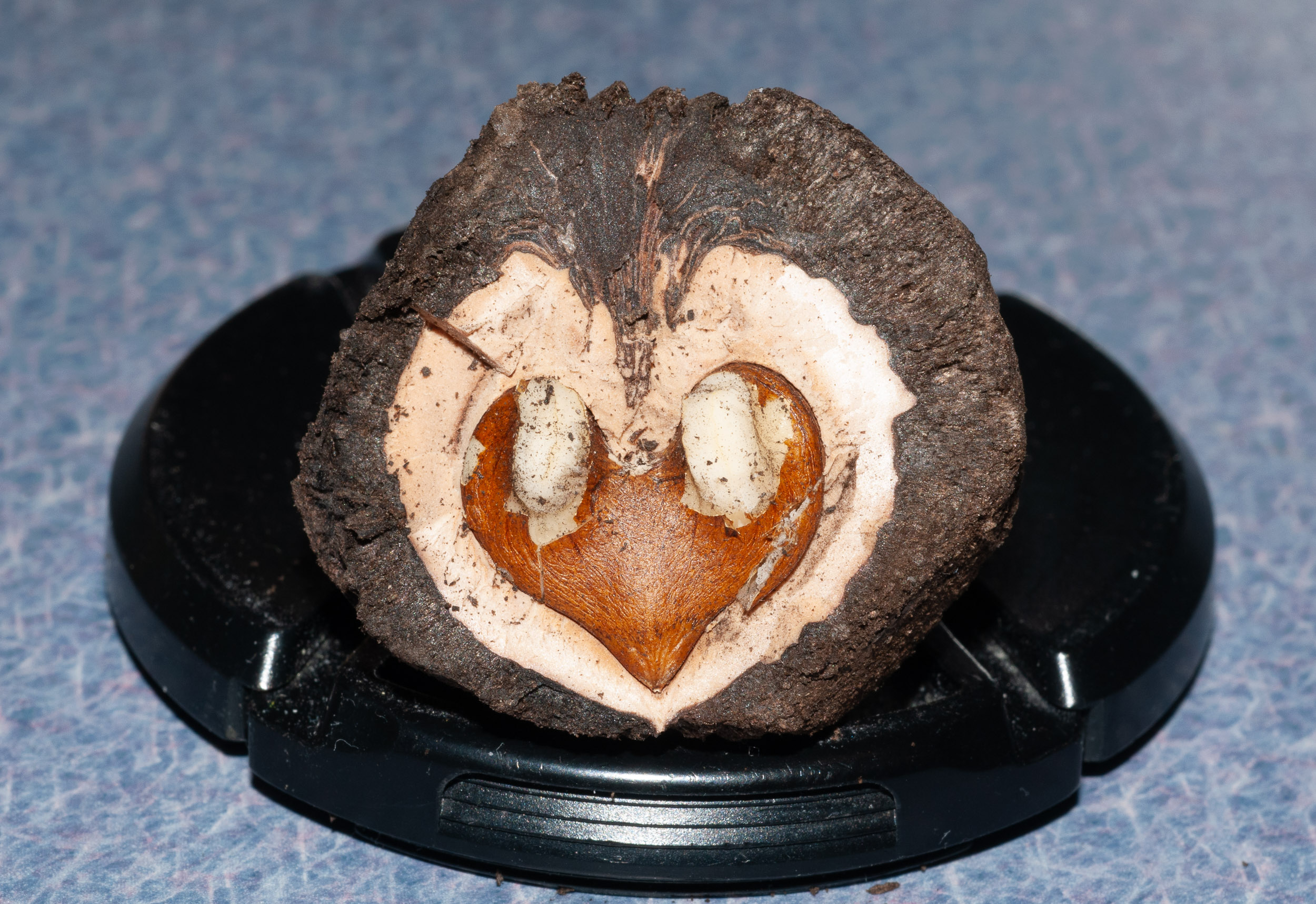
12/4/2010 · ≈ 4 × 3″ (10 × 7.4 cm) 

12/4/2010 · ≈ 4 × 3½″ (11 × 8.7 cm) 

7/3/2012 · By Jacquelyn Boyt 
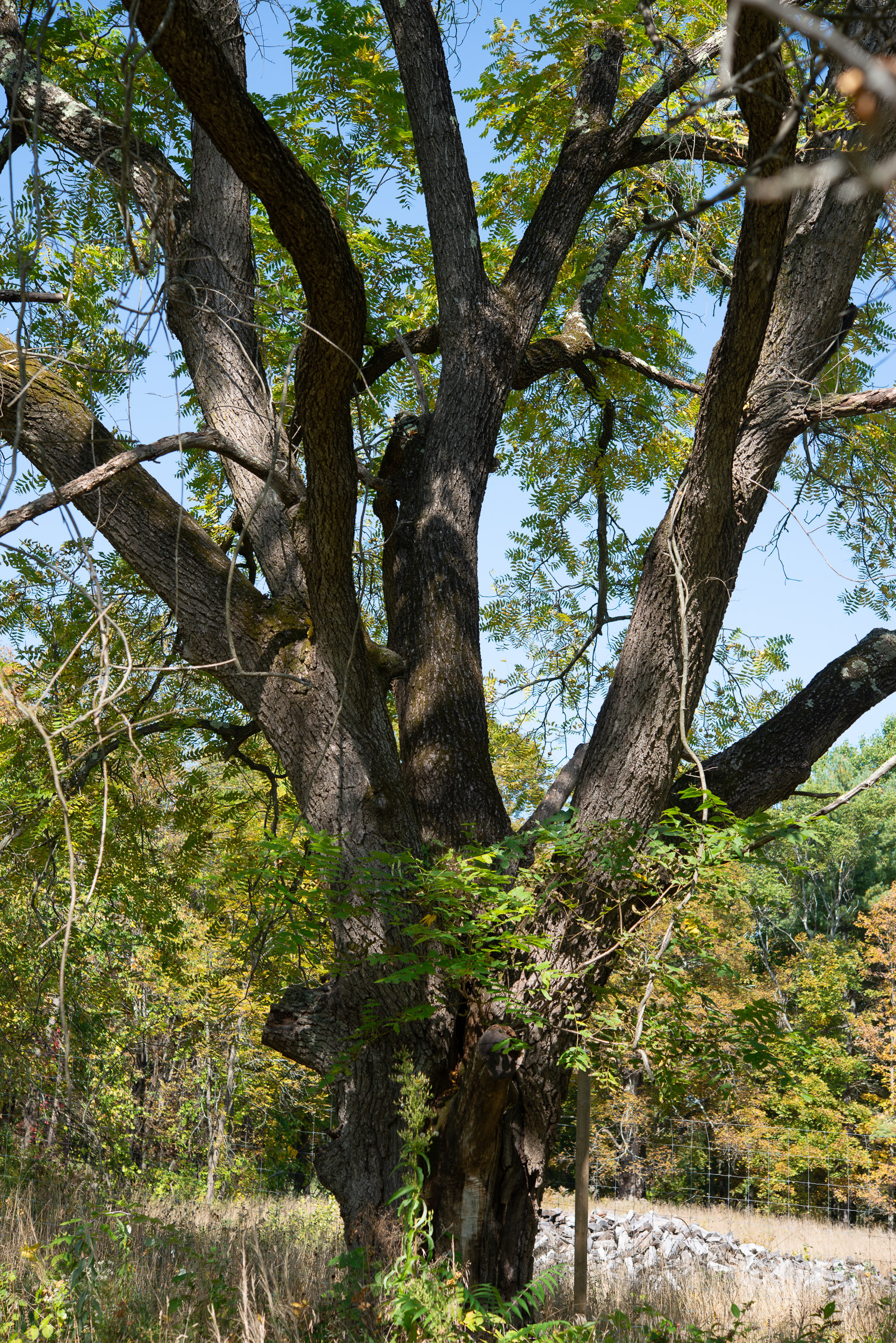
10/2/2013 · Chestnut Farm, Beaver Brook Conservation Area, Hollis, New Hampshire 
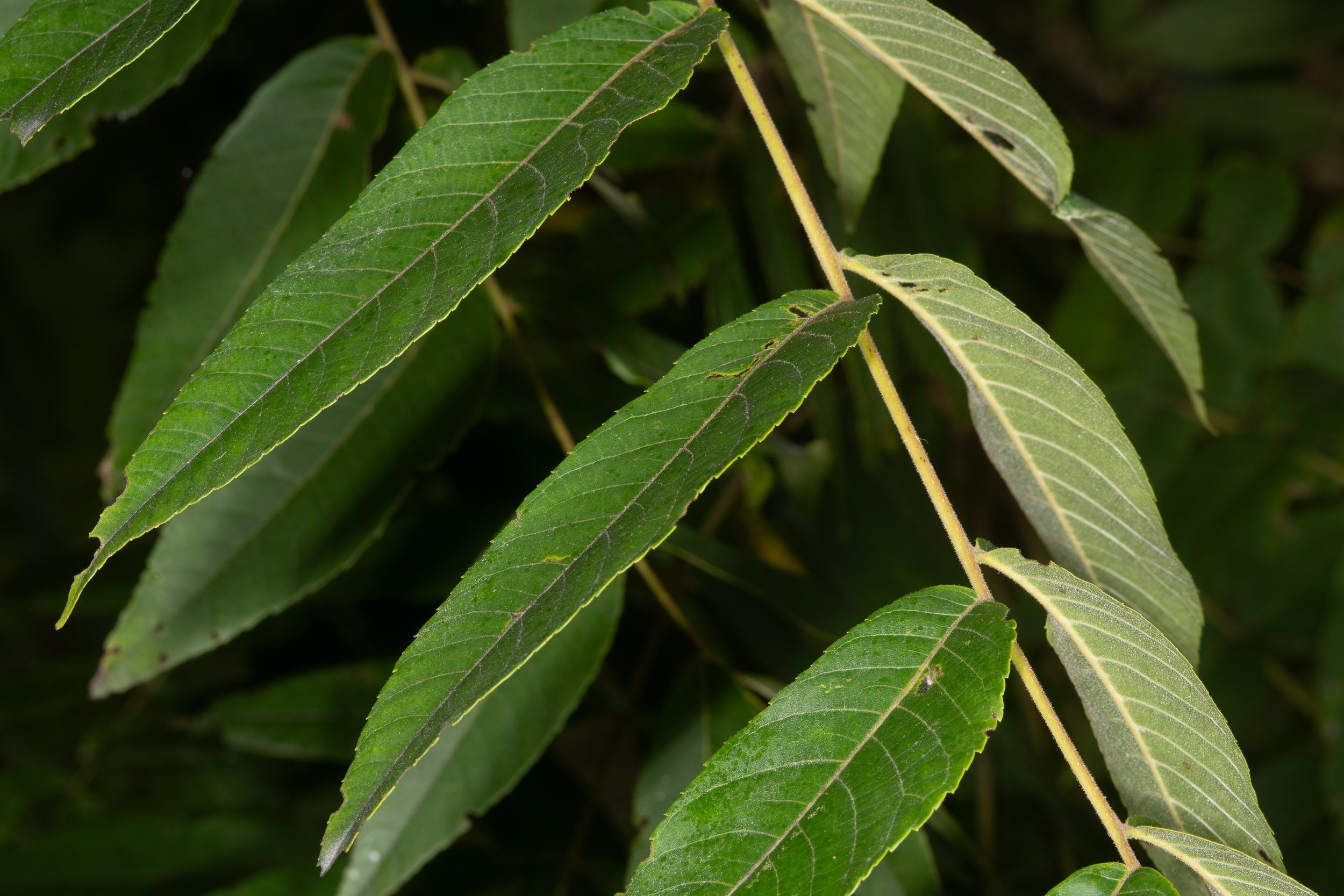
8/14/2017 · Beaver Brook Conservation Area, Old Long Loop, Hollis, New Hampshire · ≈ 8 × 5″ (20 × 13 cm) 
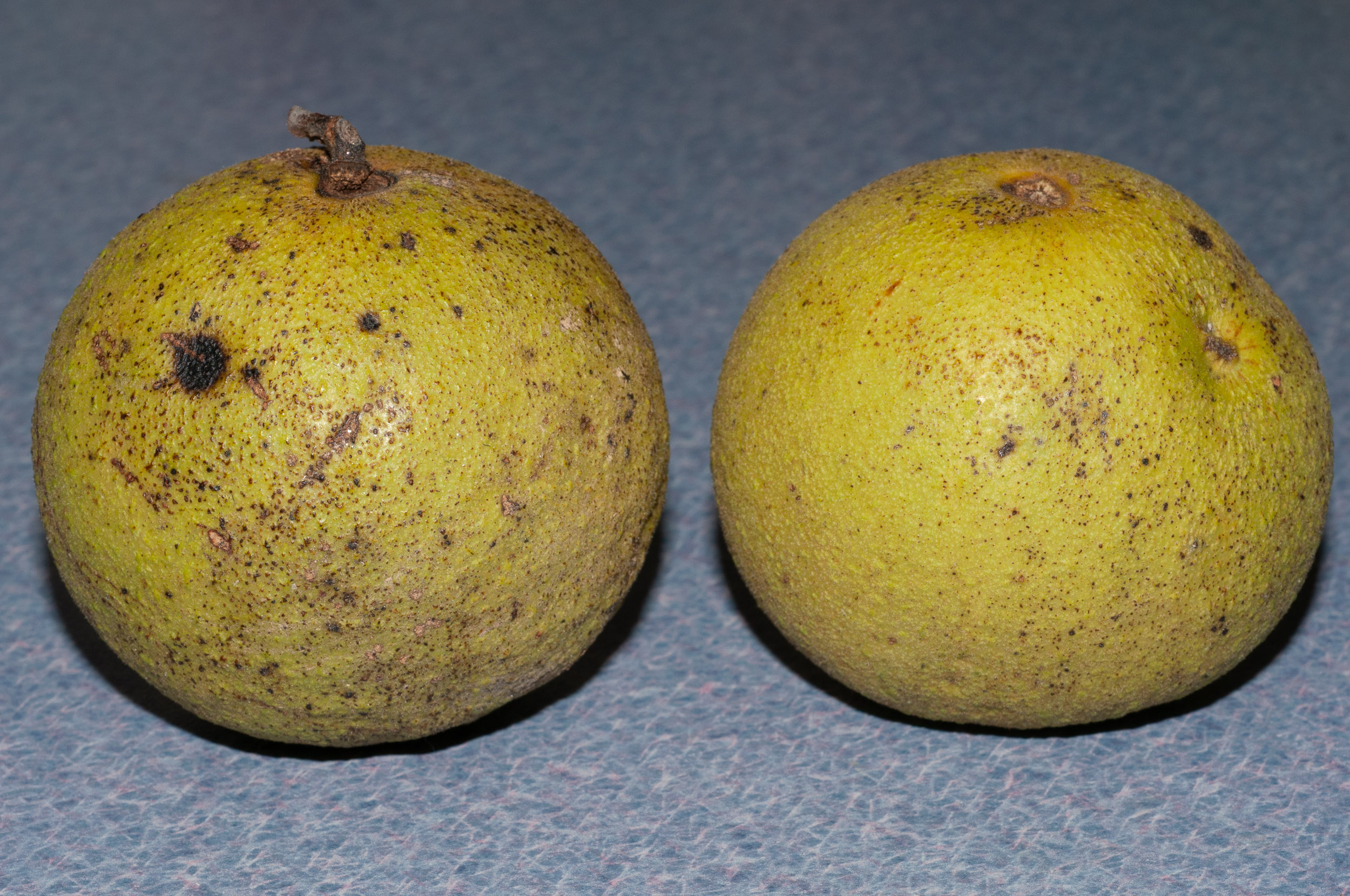
10/9/2010 · ≈ 7 × 4½″ (17 × 11 cm) 
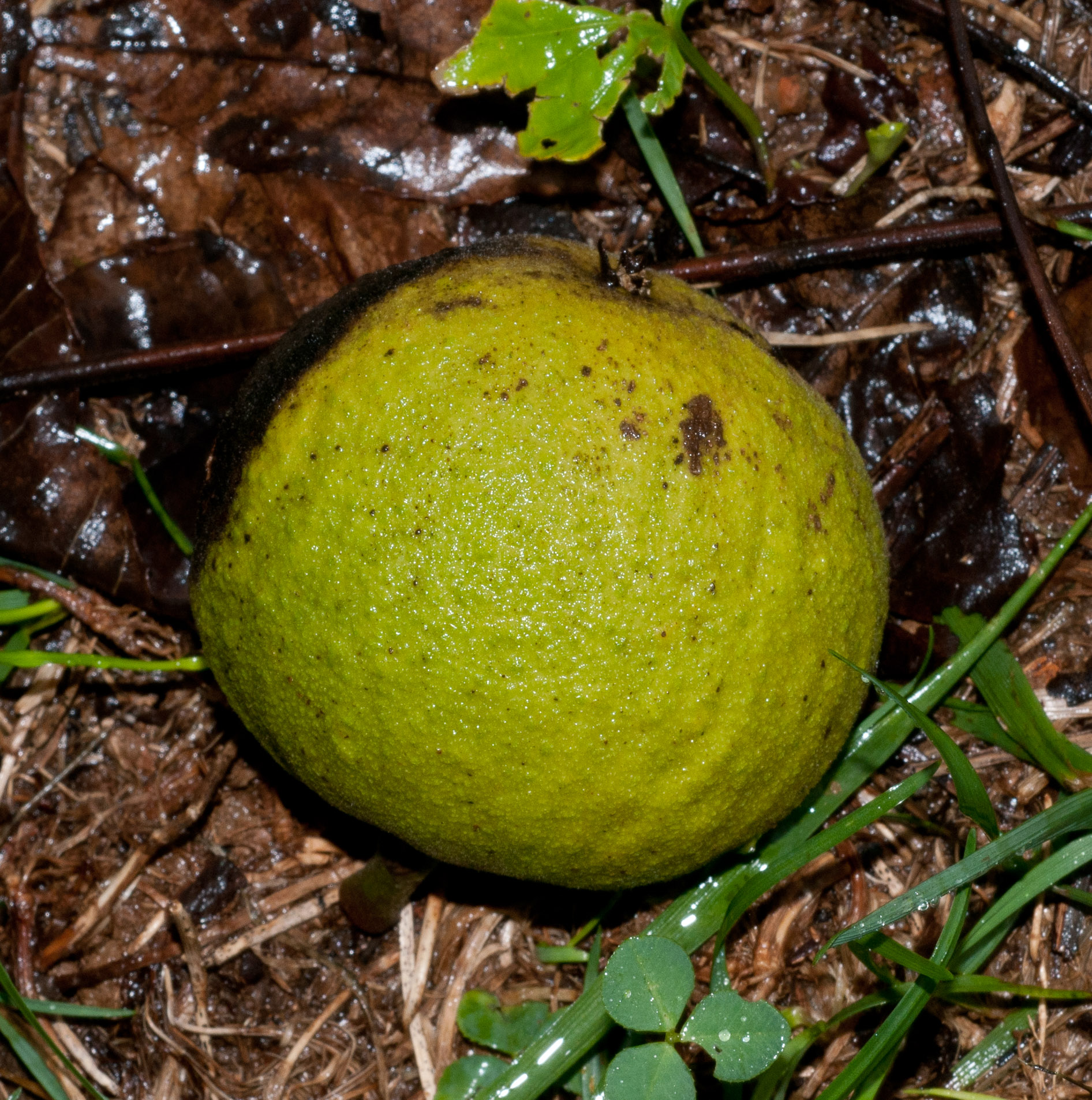
10/4/2010 · Susan and Raimond’s, Phoenix, Maryland · ≈ 4 × 4″ (10 × 10 cm) 
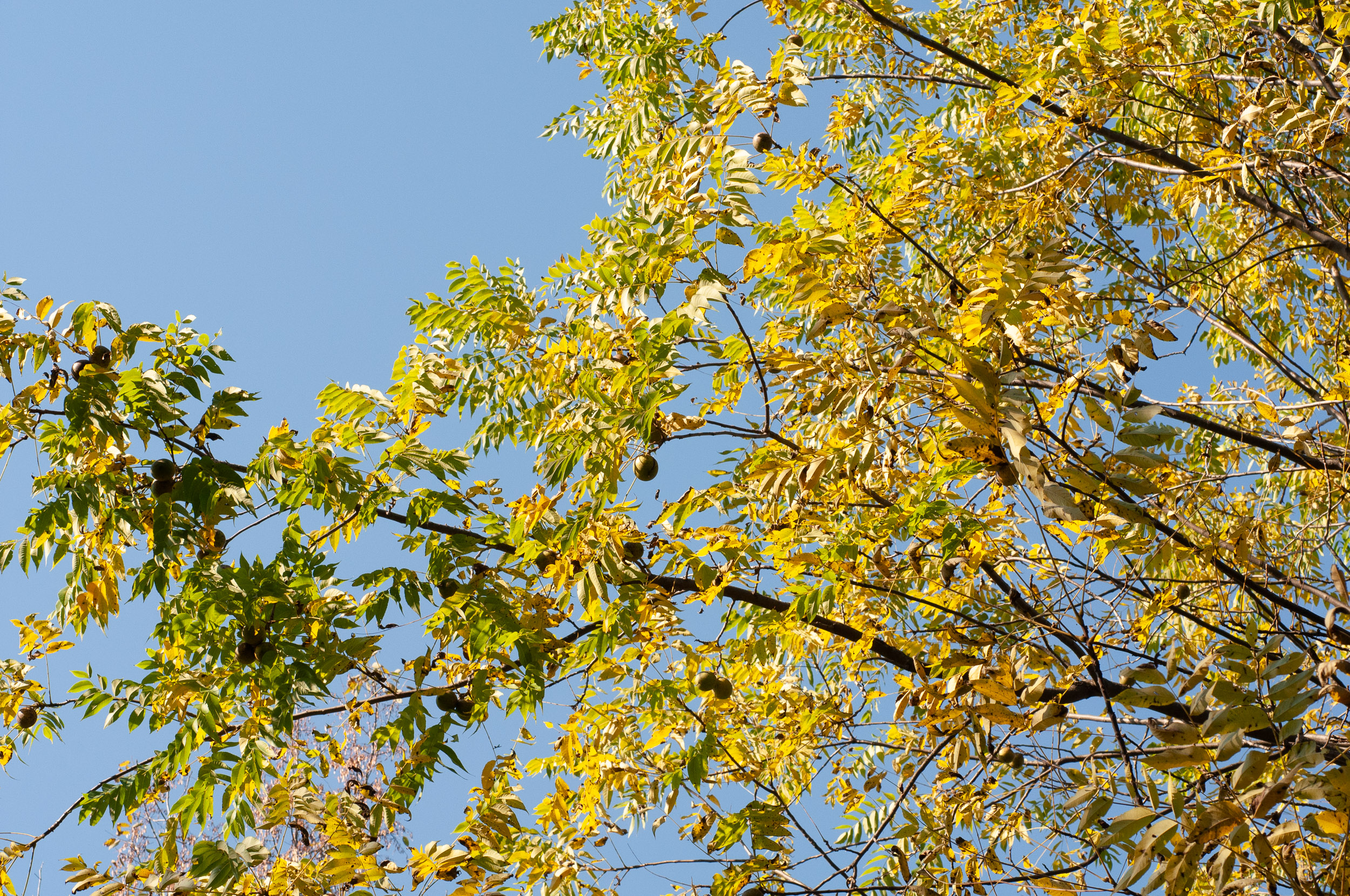
10/10/2011 · Near Nashua River, Groton, Massachusetts 

6/9/2017 · Acton Arboretum, Acton, Massachusetts · ≈ 12 × 8″ (31 × 20 cm) 

6/9/2017 · Acton Arboretum, Acton, Massachusetts · ≈ 8 × 5″ (20 × 13 cm) 

10/2/2013 · Chestnut Farm, Beaver Brook Conservation Area, Hollis, New Hampshire · ≈ 12 × 8″ (31 × 21 cm) 
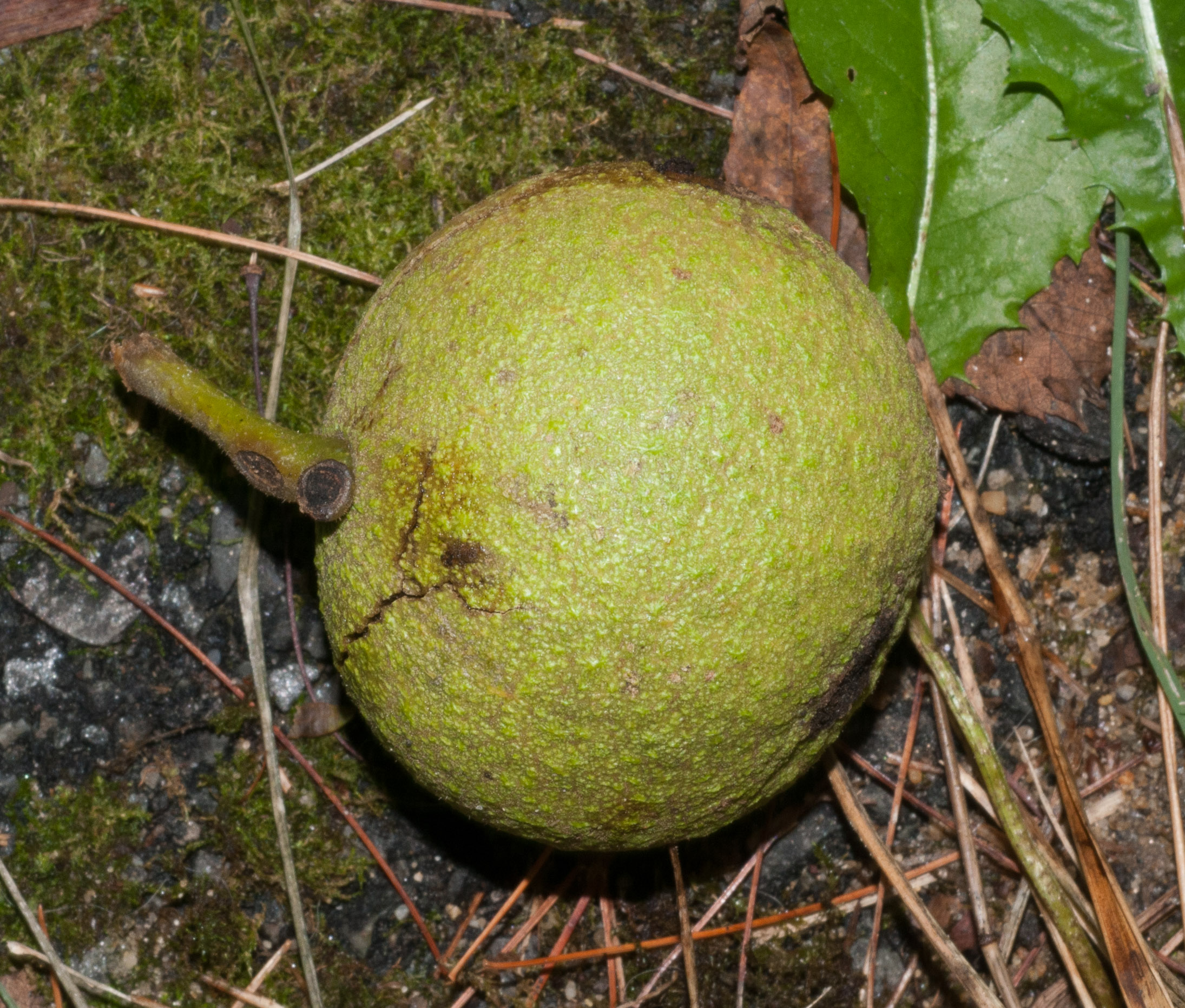
8/18/2012 · Nashua River Rail Trail, Groton Center, Groton, Massachusetts · ≈ 4½ × 3½″ (11 × 9.6 cm) 
| Kingdom | Plantae | Plants, but not fungi, lichens, or algae (from Stearn's Botanical Latin) |
| Subkingdom | Tracheobionta | Vascular plants—plants with a “circulatory system” for delivering water and nutrients |
| Division | Magnoliophyta | Flowering plants, also known as angiosperms |
| Class | Magnoliopsida | Dicotyledons—plants with two initial seed leaves |
| Subclass | Rosidae | Roses, legumes, proteas, dogwoods, hydrangeas, mistletoes, euphorbias, grapes, many more |
| Order | Fagales | Birch, she-oak, beech, walnut, bayberry, others |
| Family | Juglandaceae | Walnut family |
| Genus | Juglans | Classical Latin name for walnut, possibly from Jovis, “of Jupiter or Jove,” and glans, an acorn or nut |
| Species | nigra | Latin for “black” |
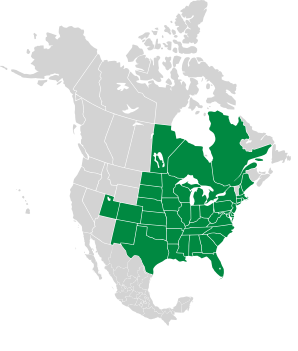
Juglans nigra description by Thomas H. Kent, not updated.

© FloraFinder.org. All rights reserved.