Holcus lanatus L.
Velvet grass, sweet velvet grass, Yorkshire fog, common velvetgrass
Velvet grass is native to Europe, western Asia, and the Canary Islands, introduced to North America and now widespread or invasive in some areas.
Plants: Stems are erect, hollow, 1–3′ (30–99 cm) tall. Stems may be somewhat flat at the base, generating new roots.
Leaves: Leaf blades are 2–8″ (5–20 cm) long and ⅛–⅜″ (4–12 mm) wide.
Flowers: The panicles (flowerheads) are compact, up to 6″ (15 cm) long. Each spikelet typically has two flowers.
Fruits: This species reproduces by spreading and putting down new roots, or by producing prolific seeds. Seeds are 1/32–1/16″ (1.5–2 mm) long.
Habitats: Pastures, grasslands, wet to moist meadows, open forests and woodlands.
Online References:
Nothoholcus lanatus (L.) Nash

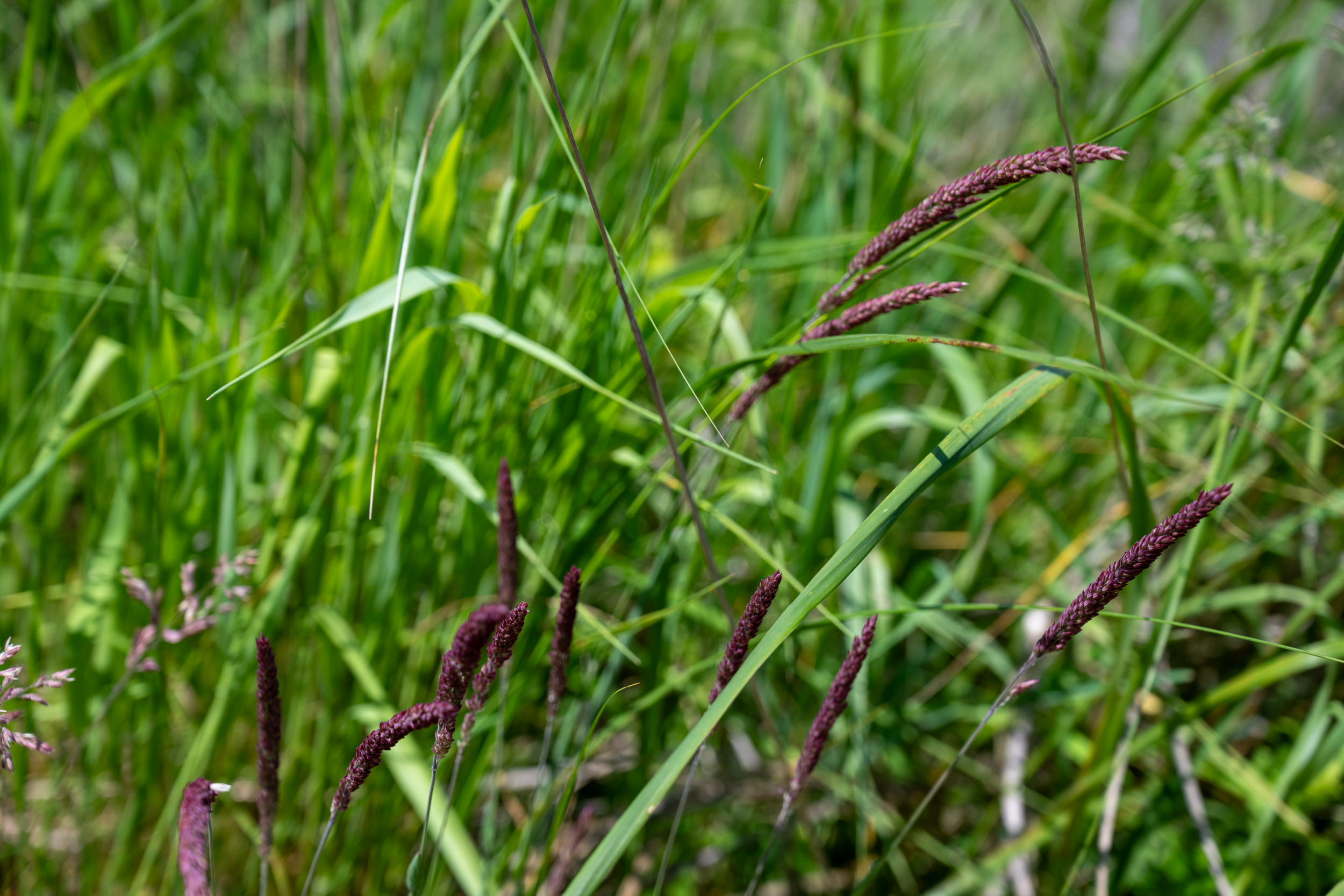
6/15/2025 · Morse Mountain Preserve, Phippsburg, Maine · ≈ 6 × 8″ (14 × 21 cm) 
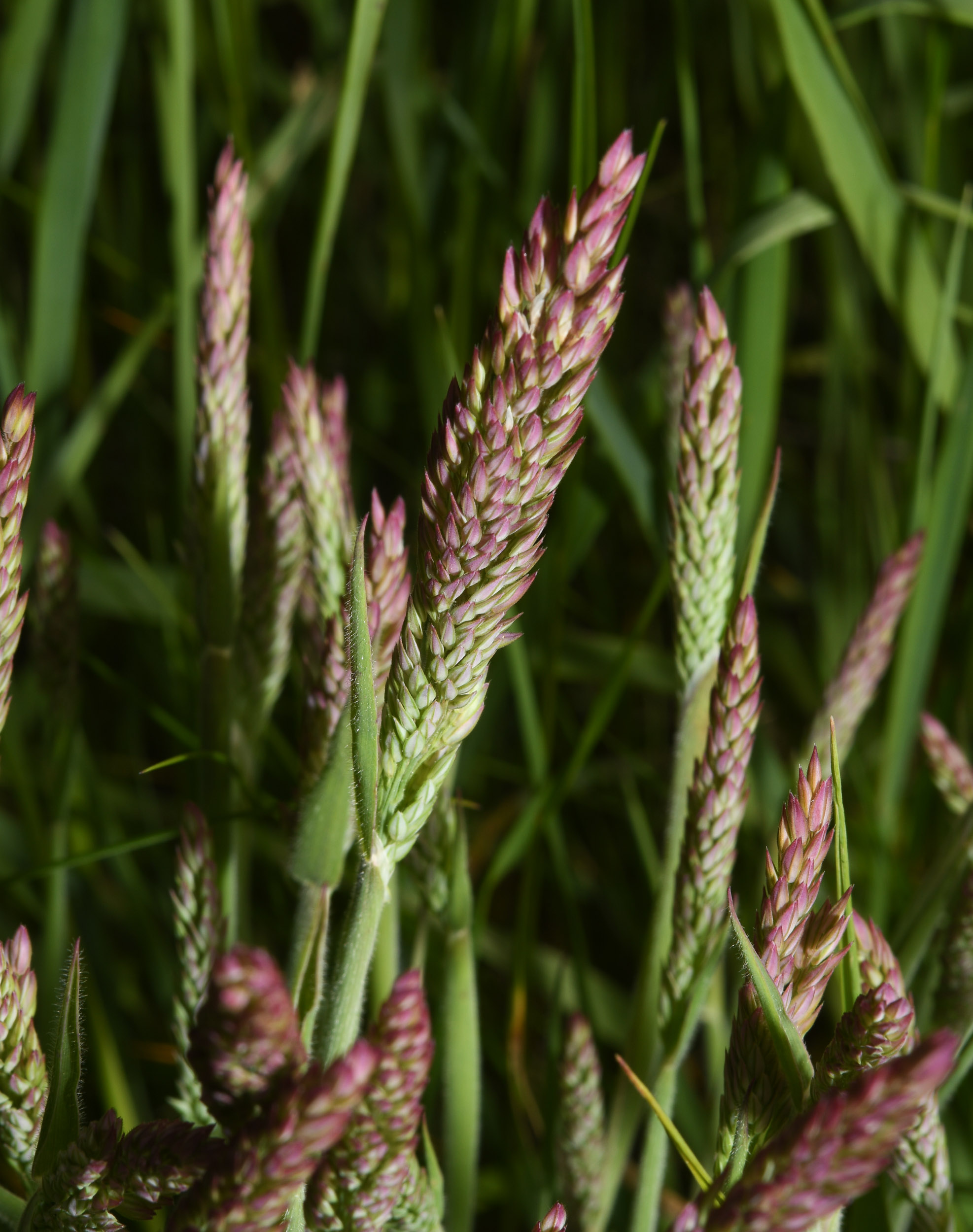
6/15/2025 · Morse Mountain Preserve, Phippsburg, Maine · ≈ 15 × 10″ (38 × 25 cm) 
6/10/2016 · Monhegan Island, Maine 

6/10/2016 · Monhegan Island, Maine 
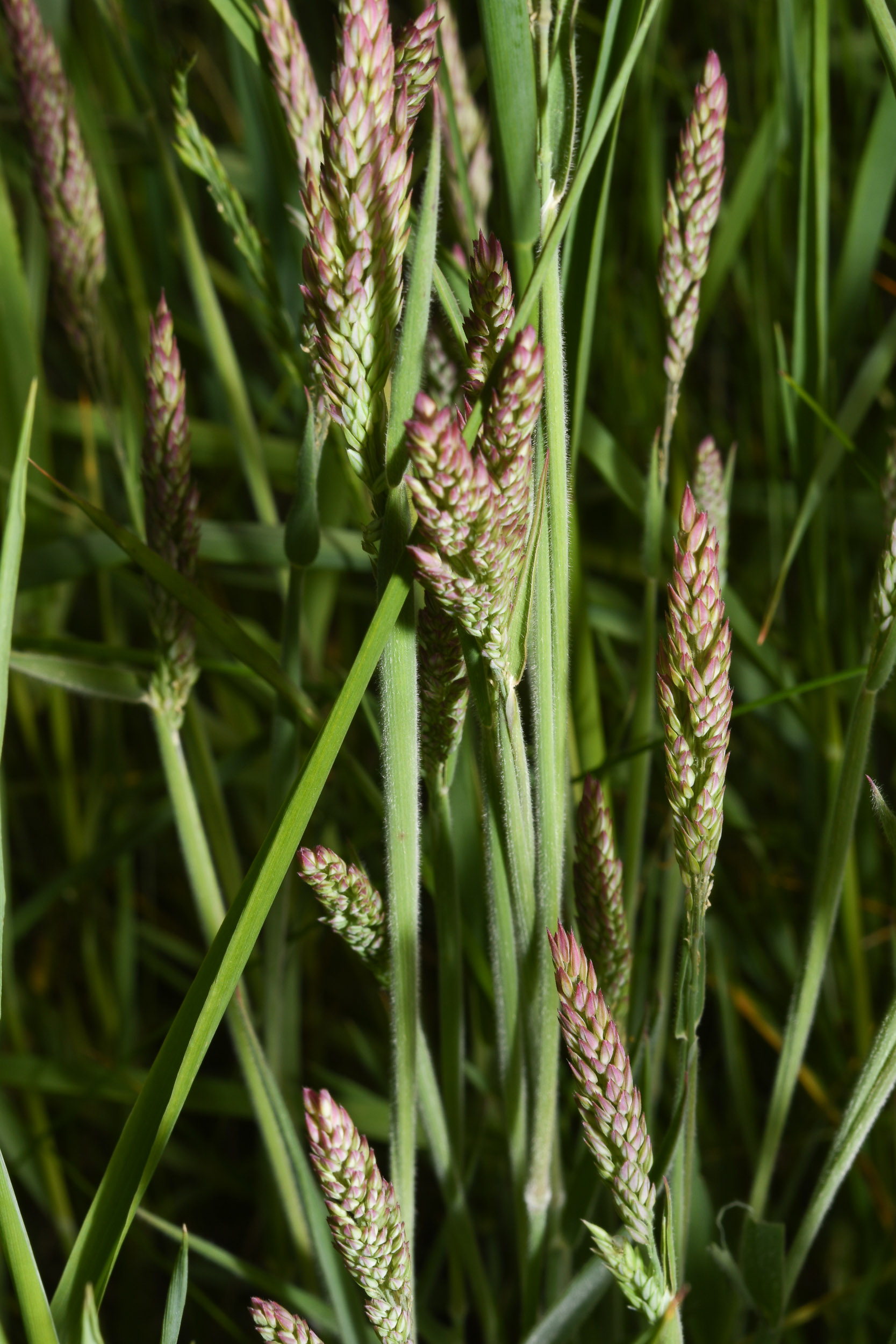
6/10/2016 · Monhegan Island, Maine 
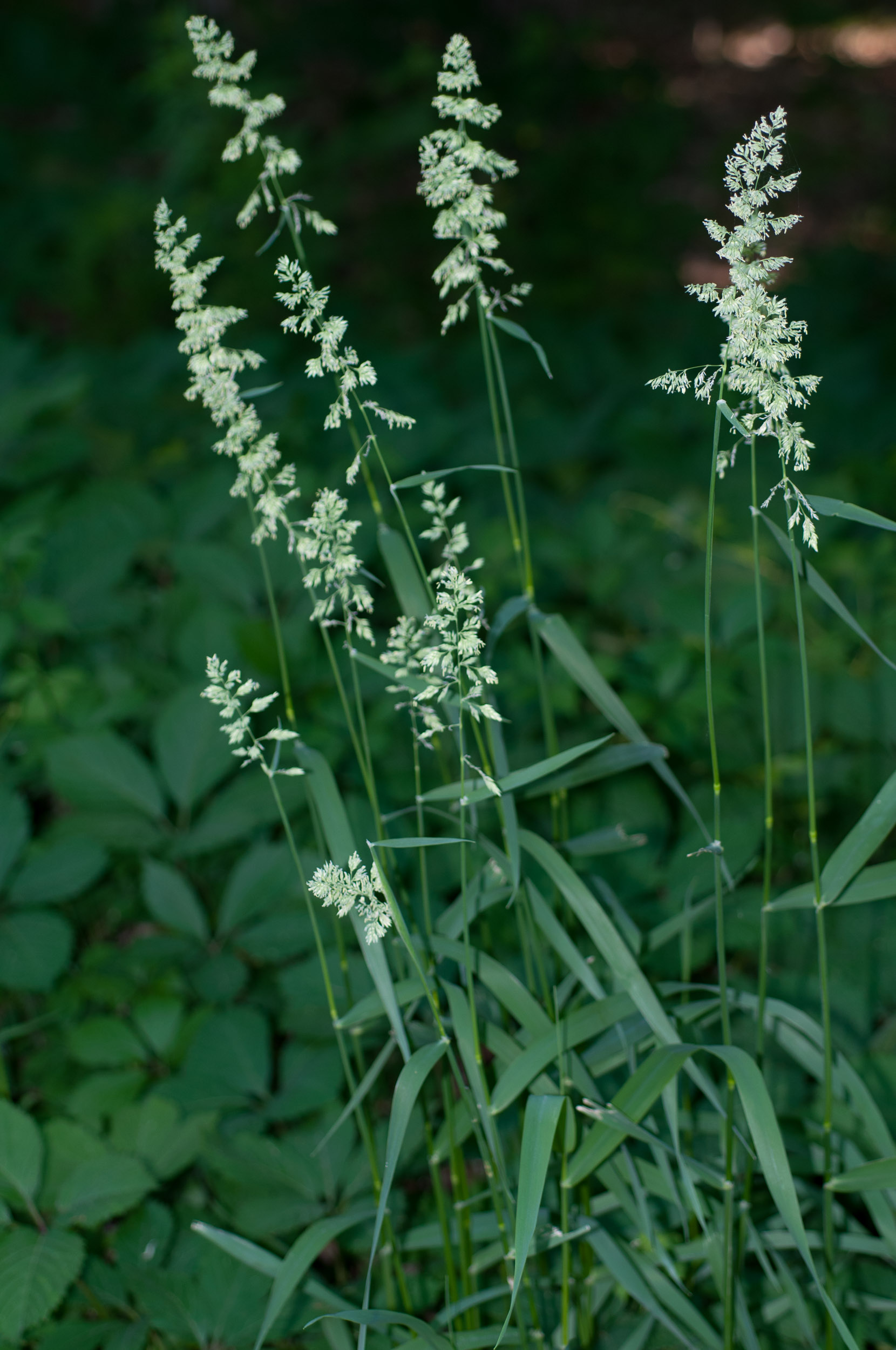
5/31/2010 · Mt. Lebanon St., Pepperell, Massachusetts · ≈ 1 × 2′ (41 × 62 cm)  ID is uncertain
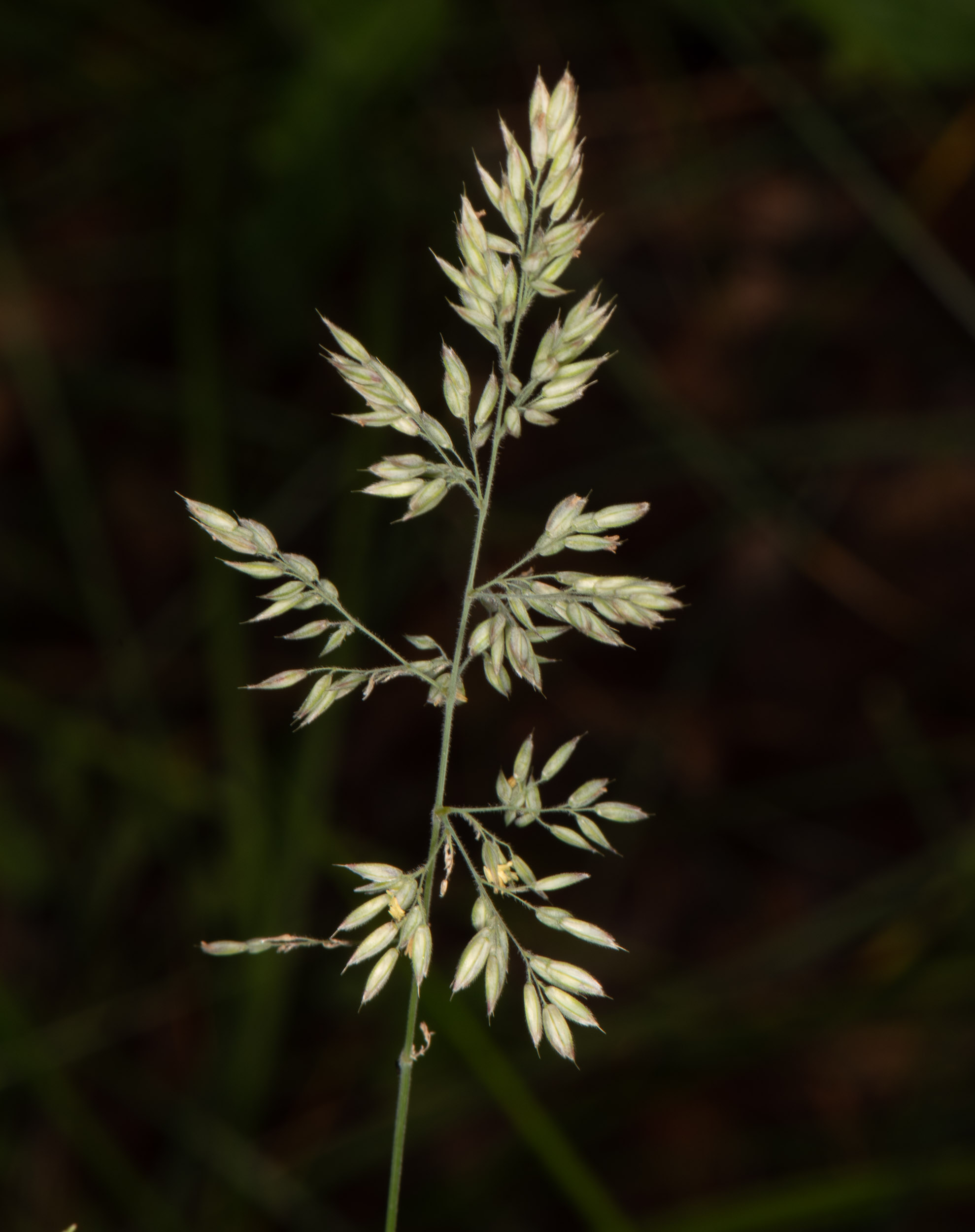
7/5/2021 · Curtis Farm Preserve, Harpswell, Maine · ≈ 3½ × 4½″ (9 × 11 cm) 

6/13/2011 · Great Falls State Park, Washington, DC · ≈ 6 × 9″ (15 × 23 cm) 
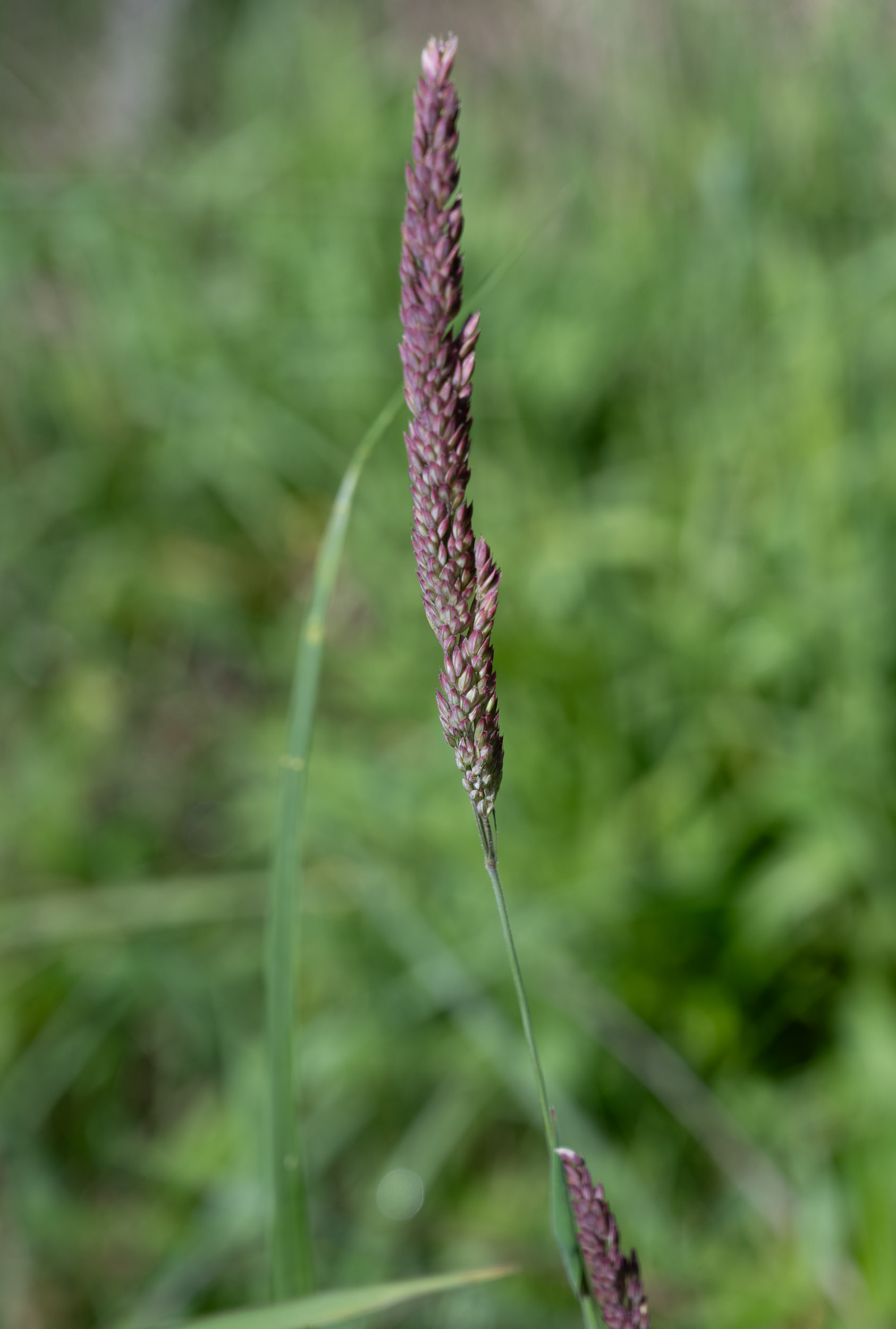
6/15/2025 · Morse Mountain Preserve, Phippsburg, Maine · ≈ 6 × 9″ (14 × 21 cm) 

6/13/2011 · Great Falls State Park, Washington, DC · ≈ 5 × 8″ (13 × 19 cm) 

6/10/2016 · Monhegan Island, Maine 
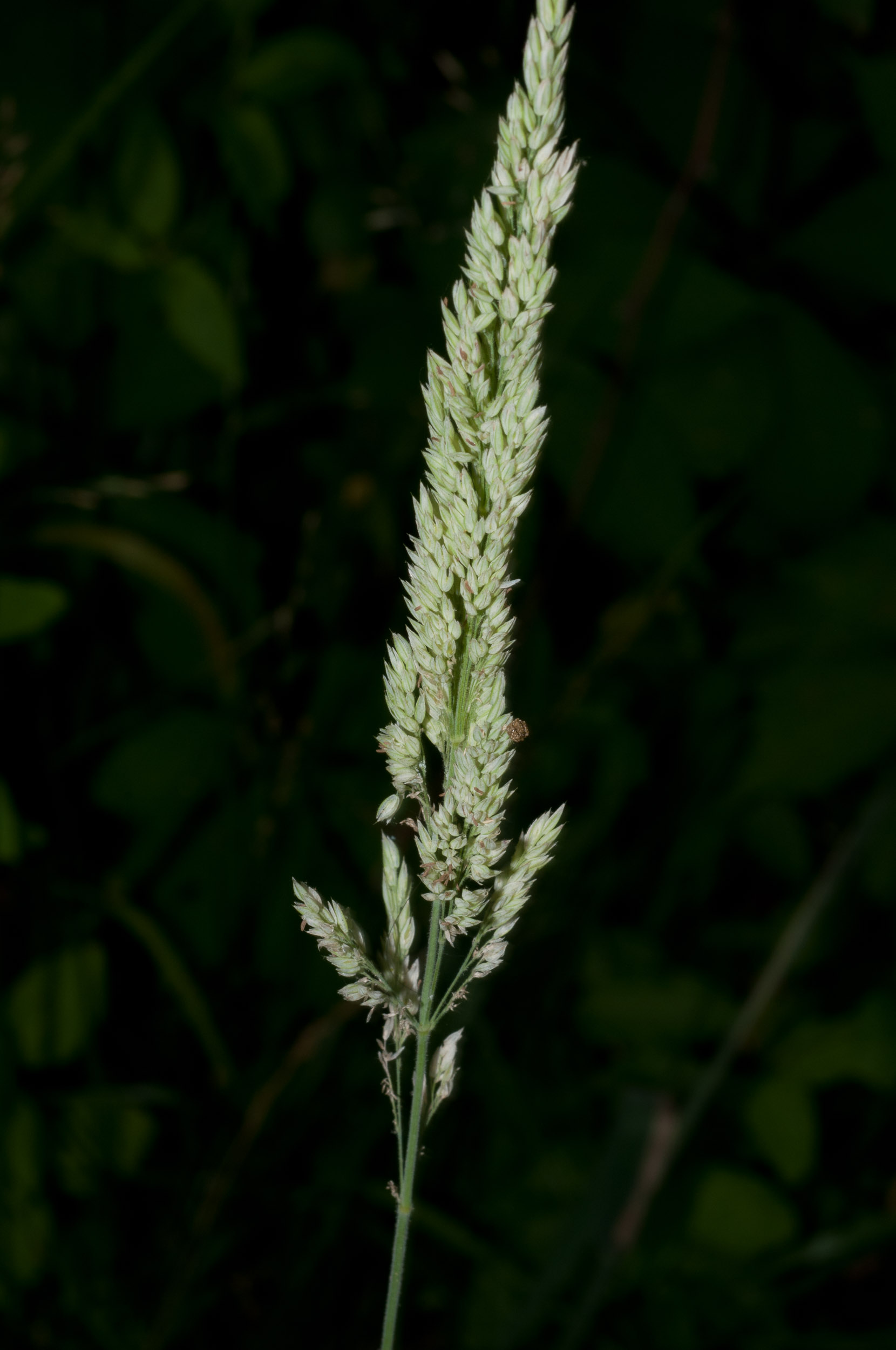
6/13/2011 · Great Falls State Park, Washington, DC · ≈ 4½ × 7″ (11 × 17 cm) 

6/13/2011 · Great Falls State Park, Washington, DC · ≈ 3½ × 5″ (9.2 × 13 cm) 
| Kingdom | Plantae | Plants, but not fungi, lichens, or algae (from Stearn's Botanical Latin) |
| Subkingdom | Tracheobionta | Vascular plants—plants with a “circulatory system” for delivering water and nutrients |
| Division | Magnoliophyta | Flowering plants, also known as angiosperms |
| Class | Liliopsida | Monocots (plants with a single seed leaf); includes the lily family |
| Subclass | Commelinidae | Dayflowers and spiderworts, and several others |
| Order | Cyperales | Flowering plants including grasses |
| Family | Poaceae | Grasses (but not sedges or rushes) |
| Genus | Holcus | From the Greek holkos, an ancient name for some kind of grain or possibly grass |
| Species | lanatus | Covered with long, woolly hair |
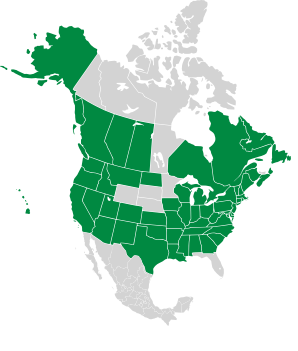
Holcus lanatus description by Thomas H. Kent, not updated.

© FloraFinder.org. All rights reserved.