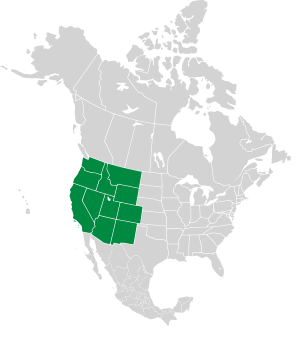
Atriplex spinosa (Hook.) Collotzi
Grayia spinosa (Hook.) Moq.
Hop sage, spiny hop sage
[An article has not been written yet.]
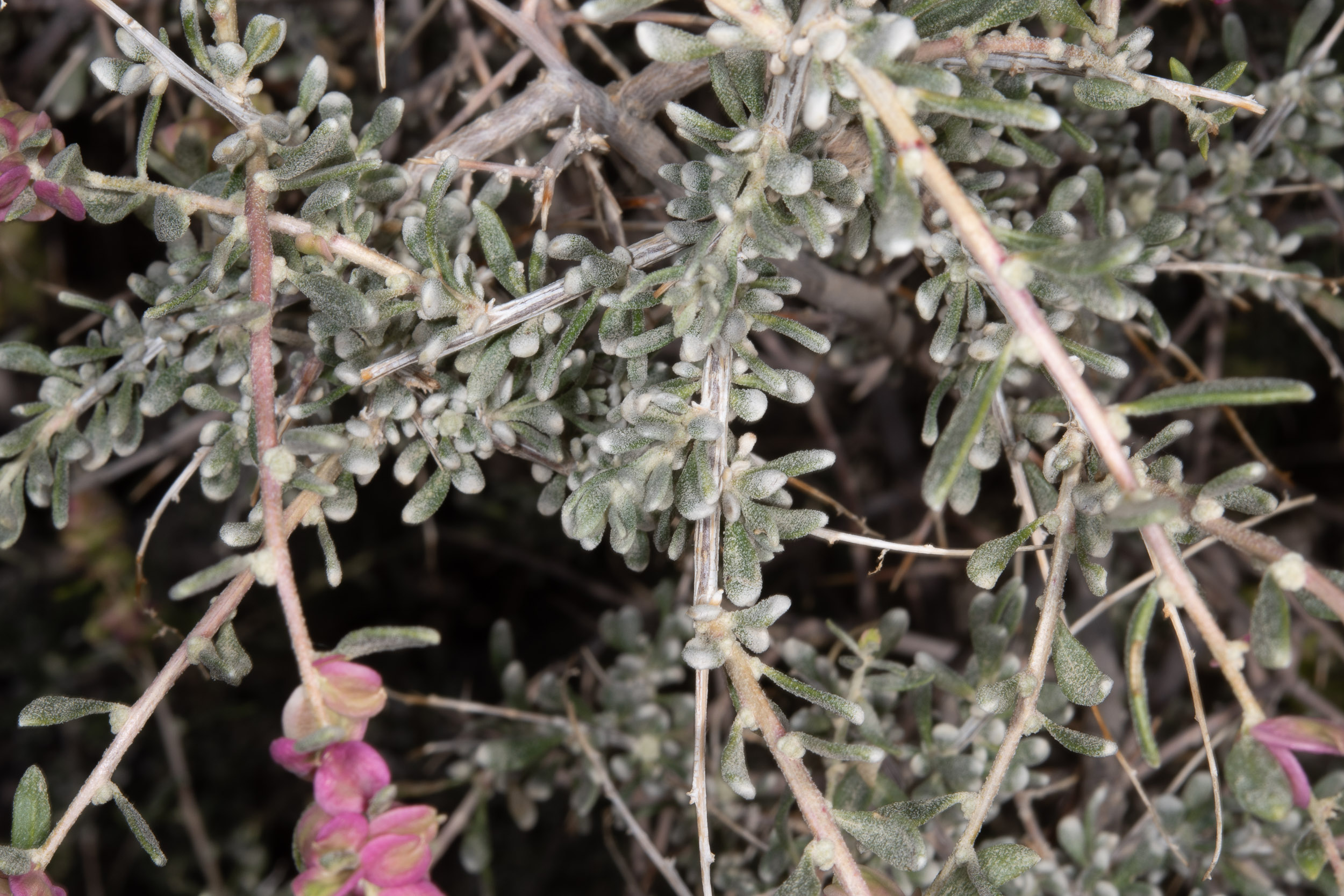
5/3/2018 · Barker Dam, Joshua Tree National Park, California · ≈ 5 × 3½″ (13 × 9.2 cm) 
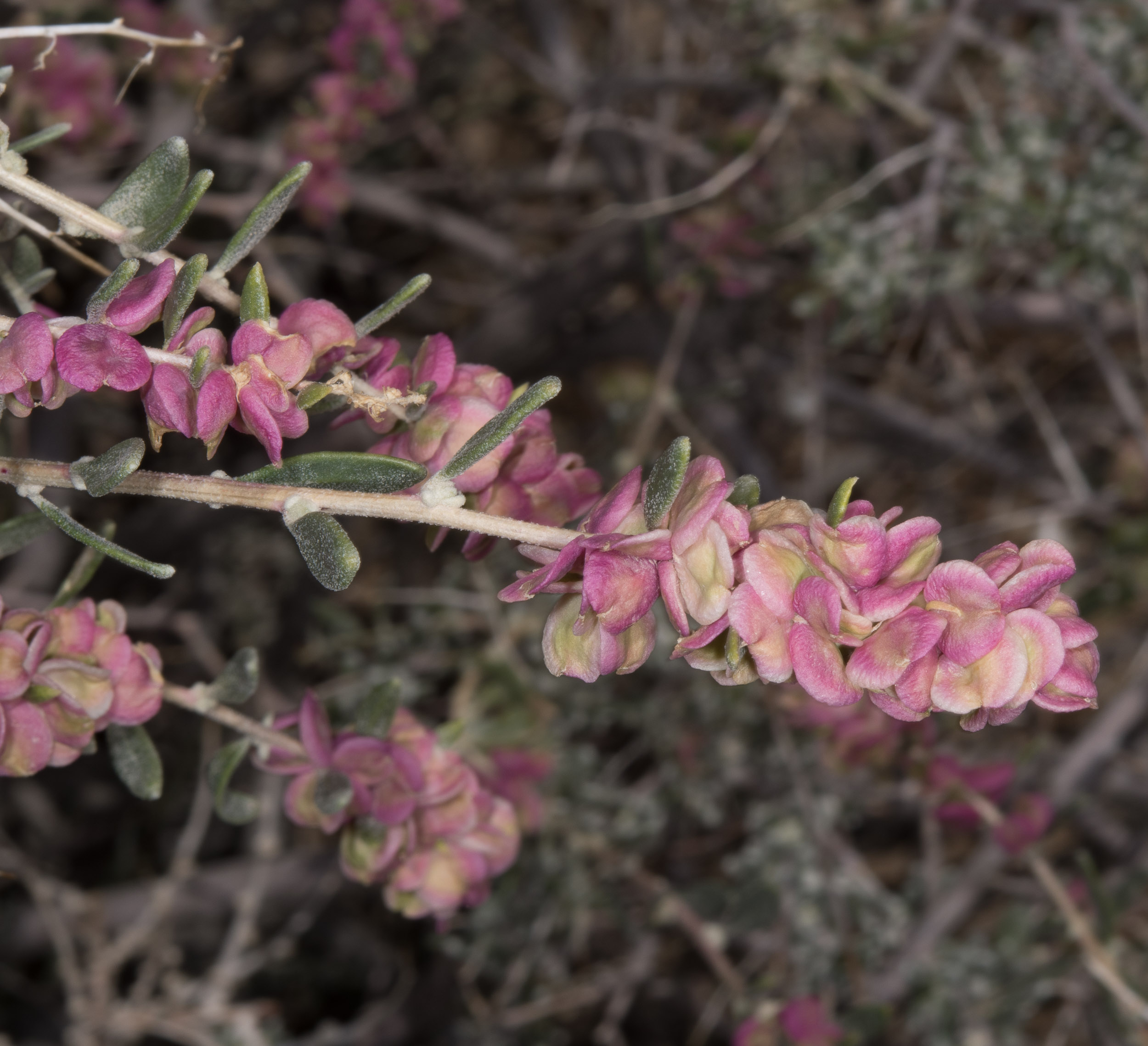
5/3/2018 · Barker Dam, Joshua Tree National Park, California · ≈ 4 × 3½″ (10 × 9.2 cm) 
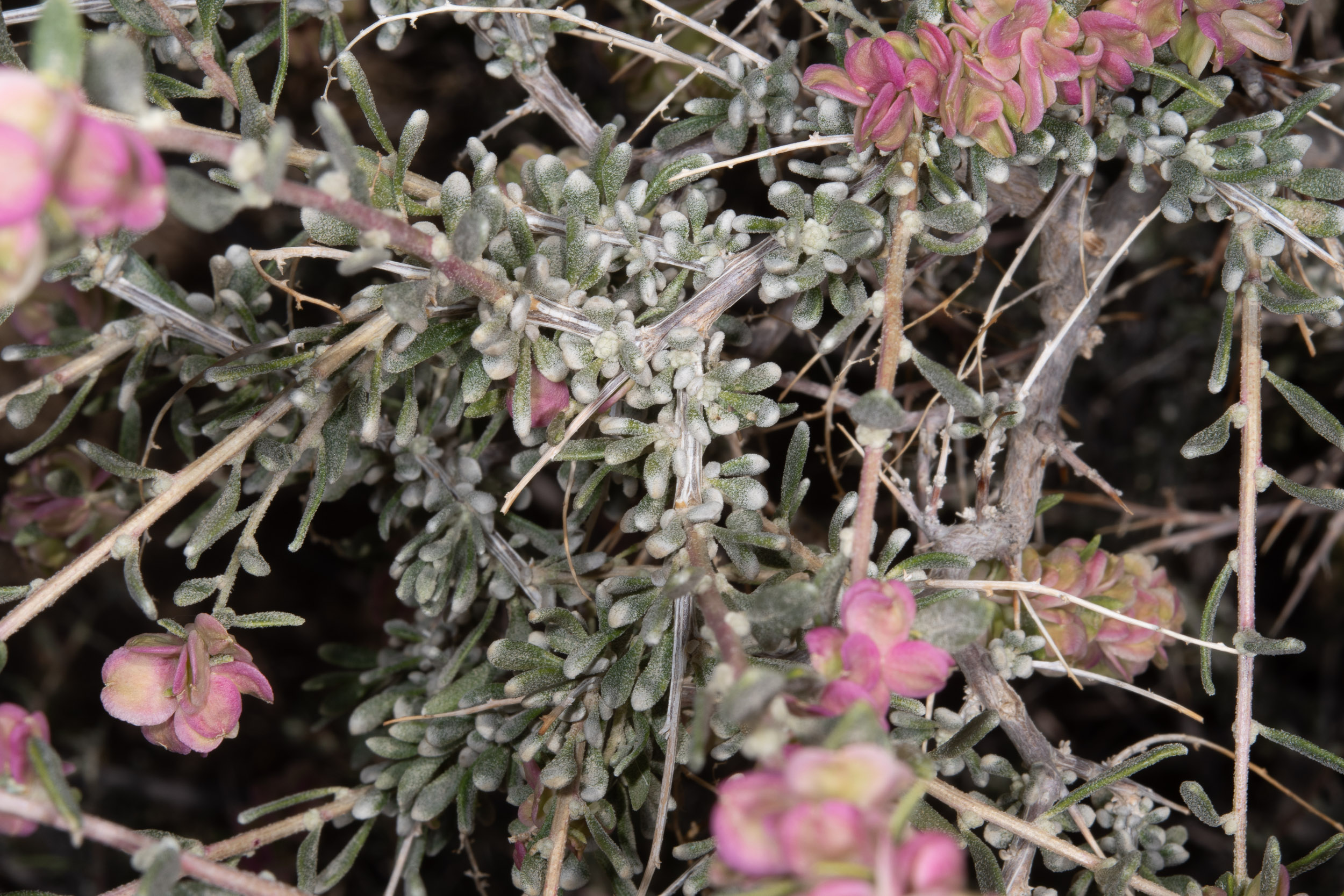
5/3/2018 · Barker Dam, Joshua Tree National Park, California · ≈ 6 × 4″ (14 × 10 cm) 

5/3/2018 · Barker Dam, Joshua Tree National Park, California · ≈ 4½ × 4″ (12 × 11 cm) 
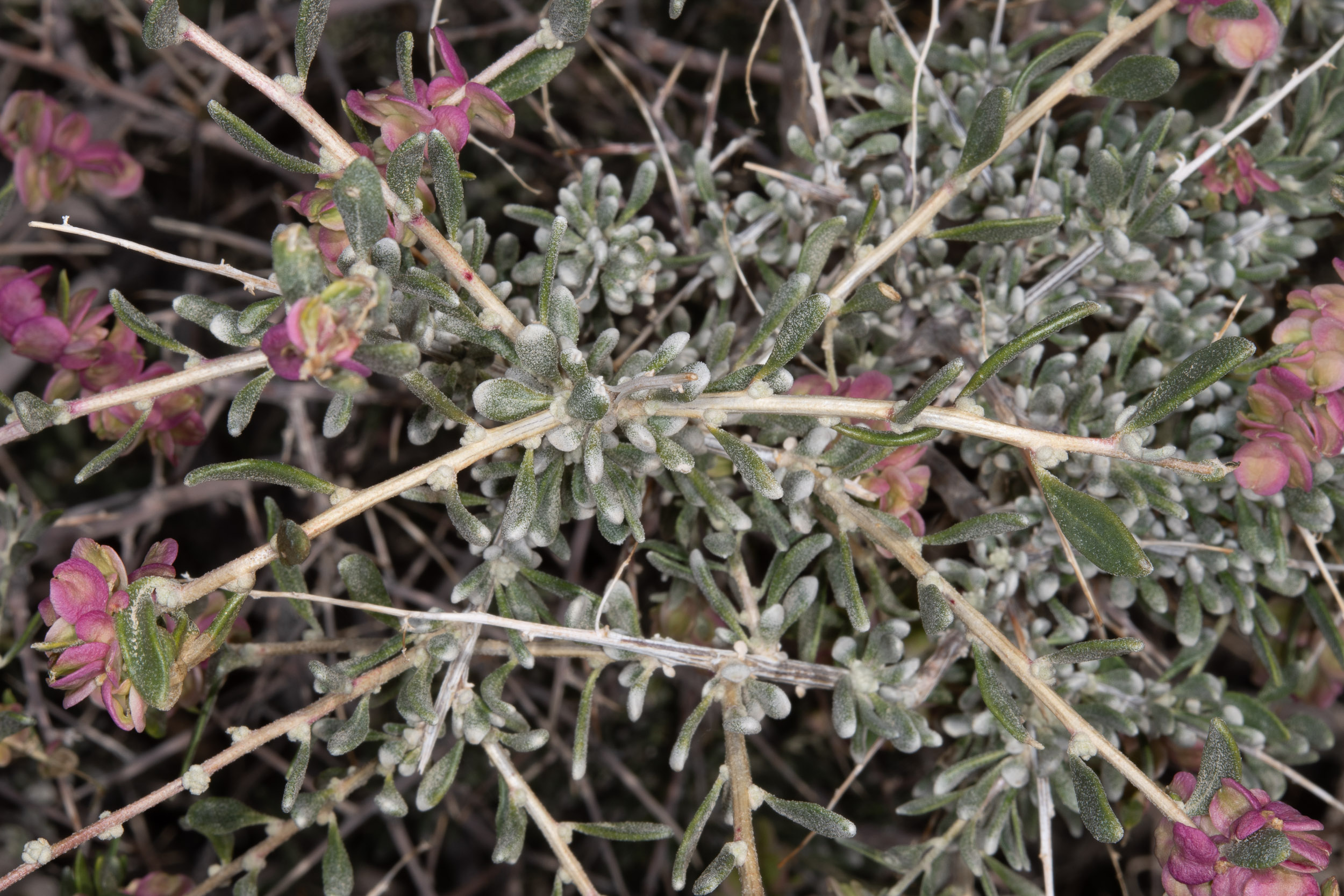
5/3/2018 · Barker Dam, Joshua Tree National Park, California · ≈ 6 × 4″ (15 × 10 cm) 
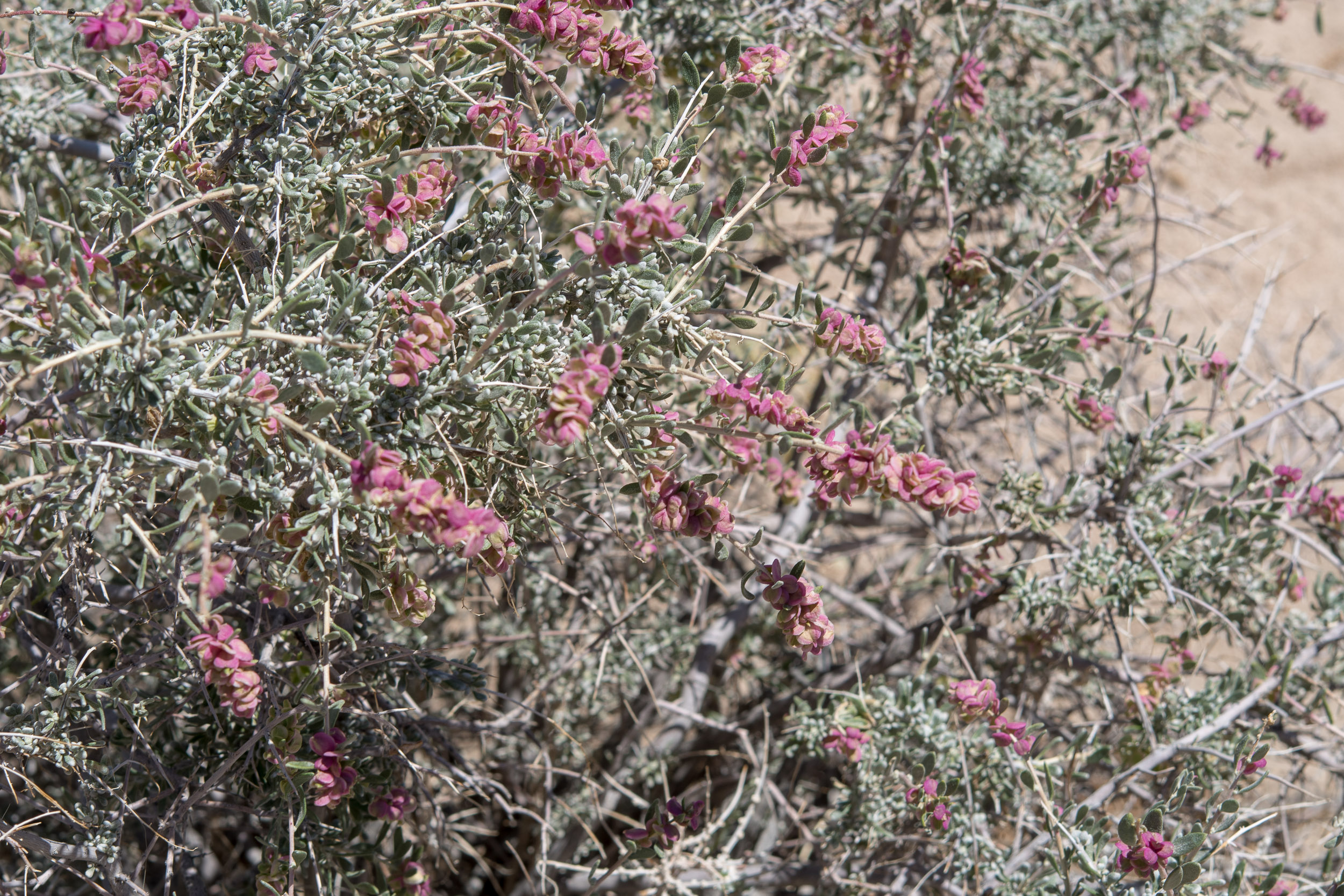
5/3/2018 · Barker Dam, Joshua Tree National Park, California · ≈ 15 × 10″ (39 × 26 cm) 
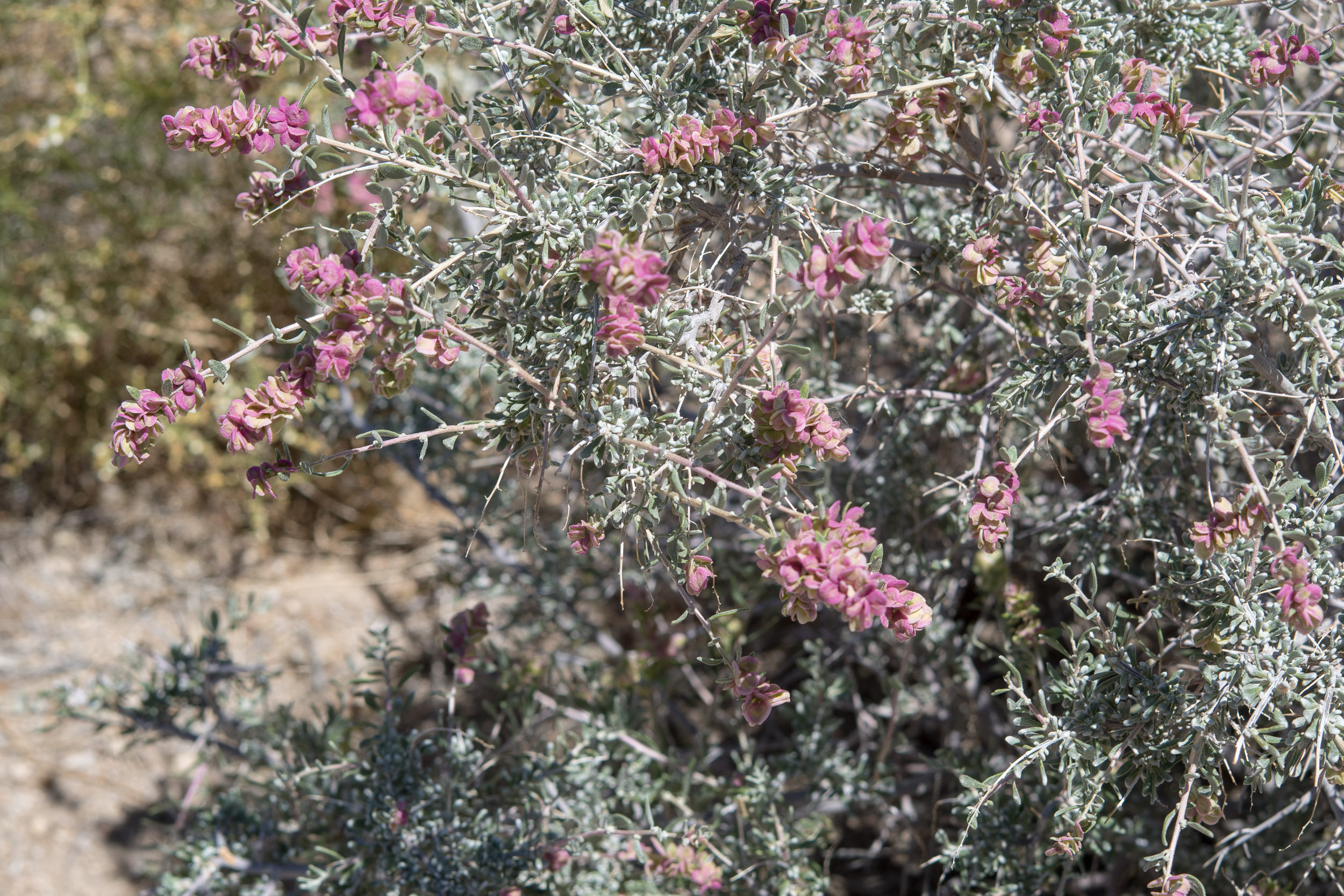
5/3/2018 · Barker Dam, Joshua Tree National Park, California · ≈ 15 × 10″ (39 × 26 cm) 
| Kingdom | Plantae | Plants, but not fungi, lichens, or algae (from Stearn's Botanical Latin) |
| Subkingdom | Tracheobionta | Vascular plants—plants with a “circulatory system” for delivering water and nutrients |
| Division | Magnoliophyta | Flowering plants, also known as angiosperms |
| Class | Magnoliopsida | Dicotyledons—plants with two initial seed leaves |
| Subclass | Caryophyllidae | Cacti, many other succulents, carnivorous plants, and leadworts |
| Order | Caryophyllales | Includes cacti, carnations, amaranths, ice plants, and many carnivorous plants |
| Family | Amaranthaceae | Amaranth family |
| Genus | Grayia | After Asa Gray (1810-1888), one of the most eminent American botanists and professor at Harvard, who played an important part in the identification of many Sierra wildflowers, and whose guides in Yosemite were John Muir and Galen Clark. More than 10,000 letters to Gray have been preserved from hundreds of correspondents including John Torrey, George Engelmann, Charles Darwin and Muir. His life’s goal was to describe all known plants of the United States, a task that no one man could ever achieve, but he dominated American botany like no other, and was honored by the naming of the genus Grayia by Sir William Hooker in Glasgow (ref. genus Grayia) |
| Species | spinosa | From Latin for “thorny” |
Grayia spinosa description by Thomas H. Kent, not updated.

© FloraFinder.org. All rights reserved.