Fuligo septica (L.) F.H.Wigg
Slime mold
This slime mold has some pretty unsavory names, like dog vomit, but it is commonplace in damp weather, on rotting leaves, wood and in bark mulch. It munches on fungal spores, bacteria, and other microbes. Slime mold is pretty amazing stuff. It is a “eukaryotic microbe”—a giant, single-celled organism, one of more than 30,000 species.
Identification: The bright yellow, jellylike slime, which seems to appear out of nowhere after wet weather, is conspicuous and hard to confuse. Photo 27 shows it in a hard, crusty phase, with a white powdery top. In photo 15, it is in its dormant, dried out phase. This looks a bit like soil, but it is a fine powder which explodes like a smoke bomb if you step on it.
Habitats:
I took a time lapse movie of this slime mold, atop some decaying bark mulch. It appeared to be dormant for most of the several hours, but in this segment, covering about 15-20 minutes, it seems to come alive like a creature from the Twilight Zone:
(Or see it larger here .)
Online References:

1 · 7/26/2021 · Acton, Massachusetts · By Rhonda Tatiana Schorer 
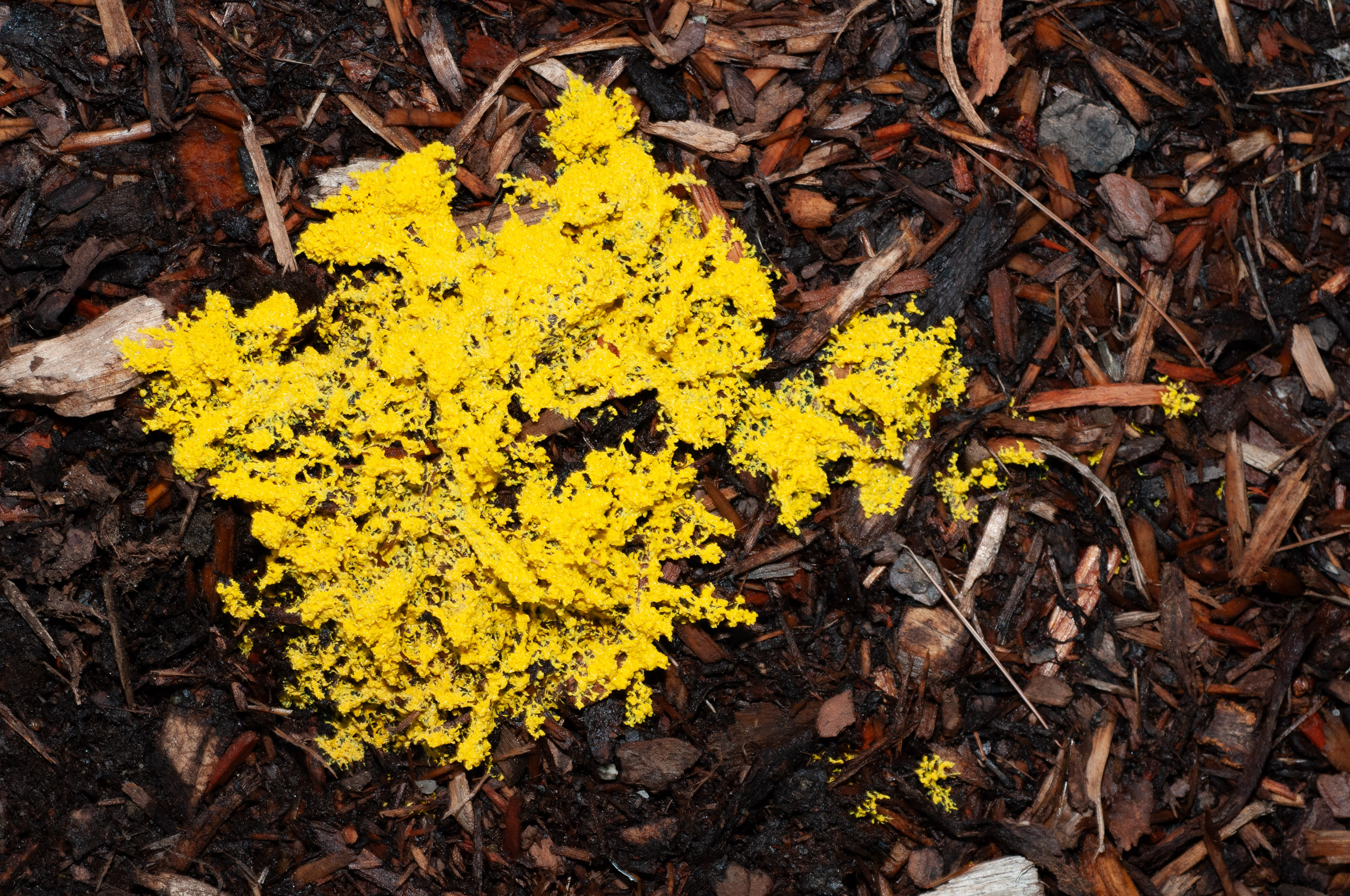
2 · 8/22/2009 · Tom and Susan’s, Pepperell, Massachusetts · ≈ 11 × 7″ (27 × 18 cm) 

3 · 6/16/2012 · Groton Place and Sabine Woods, Groton, Massachusetts · ≈ 4½ × 4½″ (12 × 12 cm) 
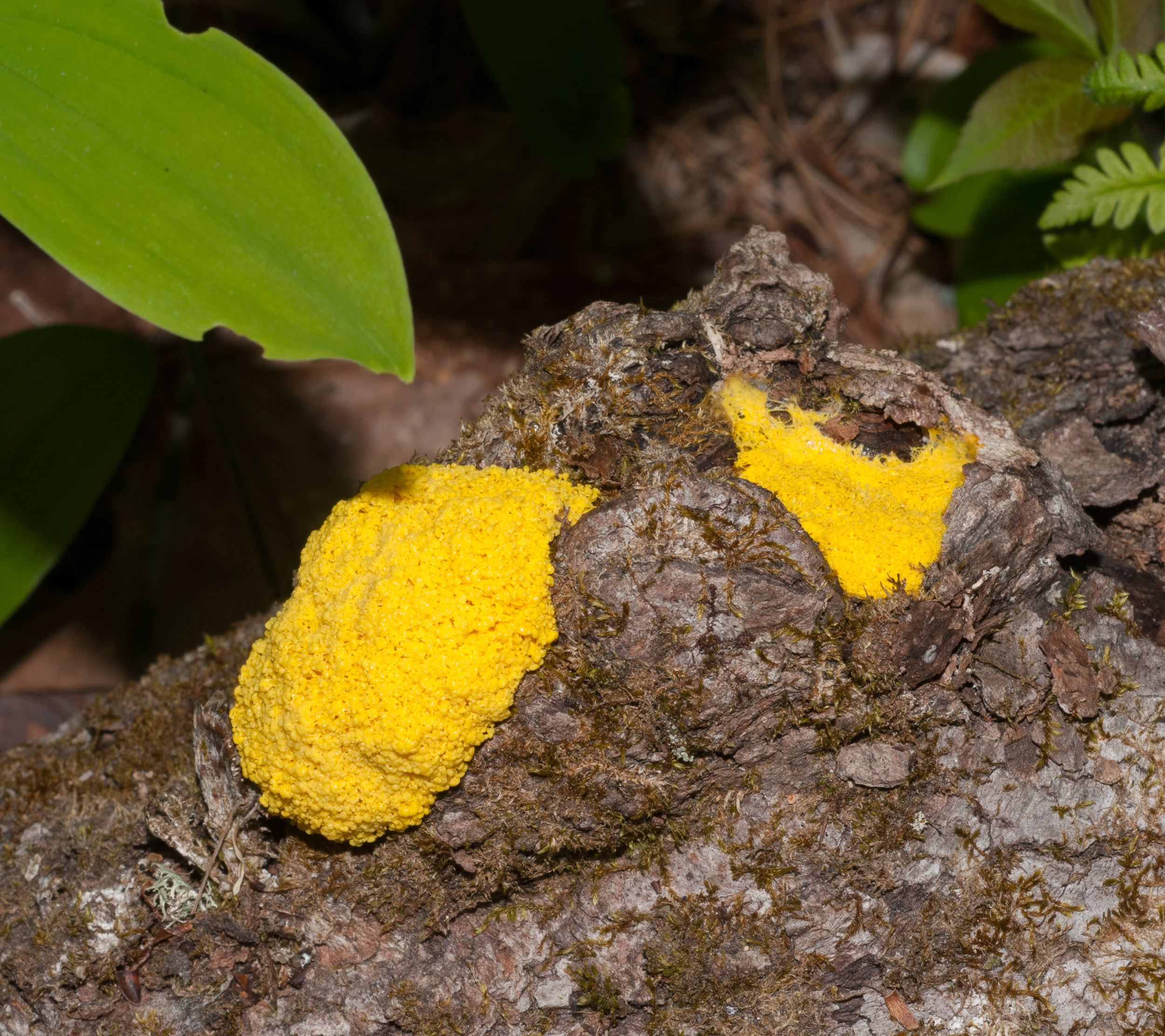
4 · 5/17/2010 · Wildlife Pond Loop Trail, Beaver Brook Conservation Area, Hollis, New Hampshire · ≈ 5 × 4½″ (13 × 12 cm)  ID is uncertain
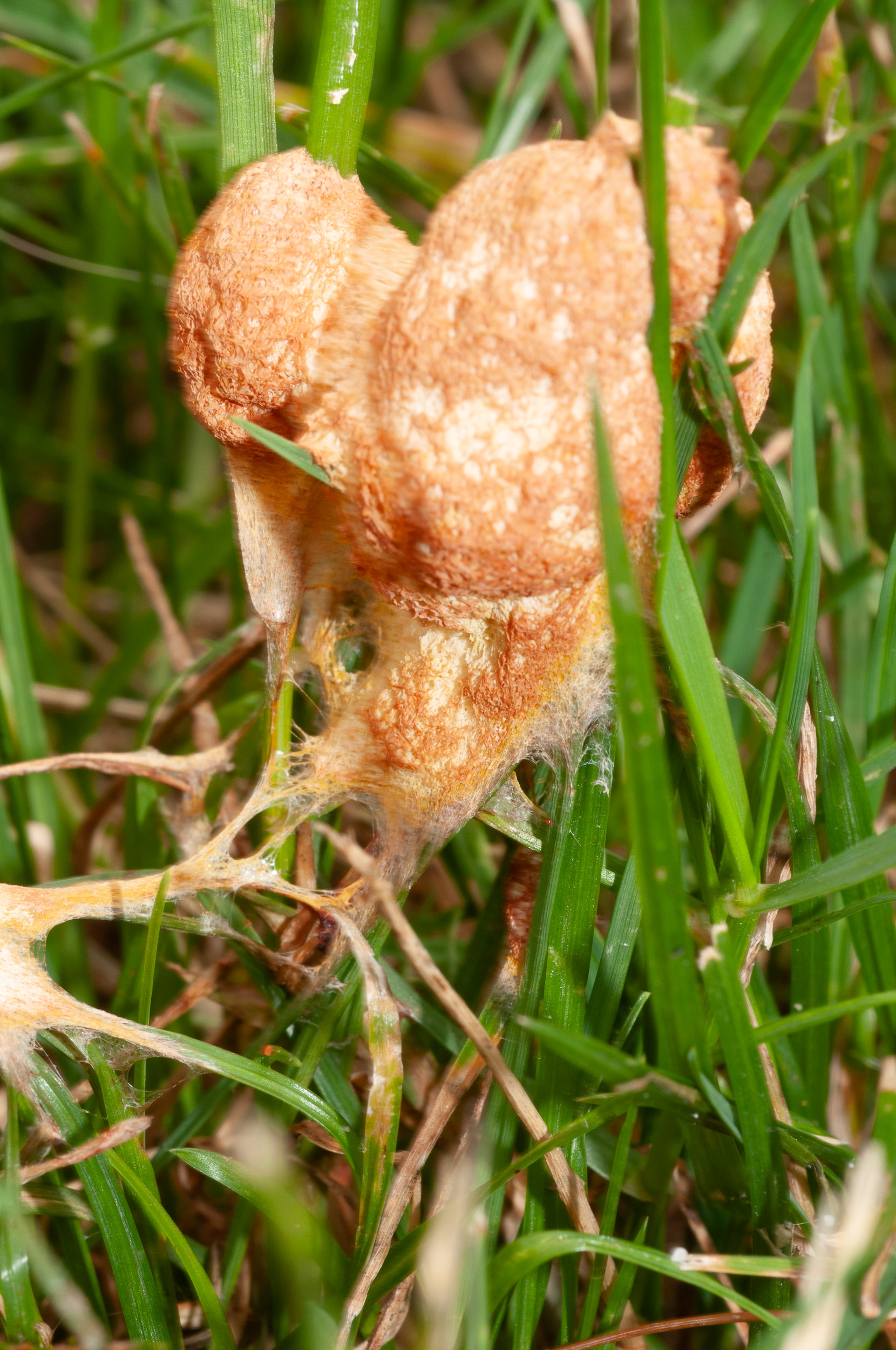
5 · After it starts to dry out. · 6/18/2011 · Sue and Rai’s, Phoenix, Maryland ID is uncertain 

6 · 9/21/2023 · Borestone Mountain, Elliotsville, Maine · ≈ 4 × 5″ (9.9 × 12 cm) 

7 · 9/5/2009 · Tom and Susan’s, Pepperell, Massachusetts · ≈ 7 × 4½″ (17 × 11 cm) 

8 · The slime mold is surrounding licens on a stump. · 6/24/2024 · Otter Brrok Preserve, Harpswell Heritage Land Trust, Harpswell, Maine · ≈ 6 × 4½″ (16 × 12 cm) 
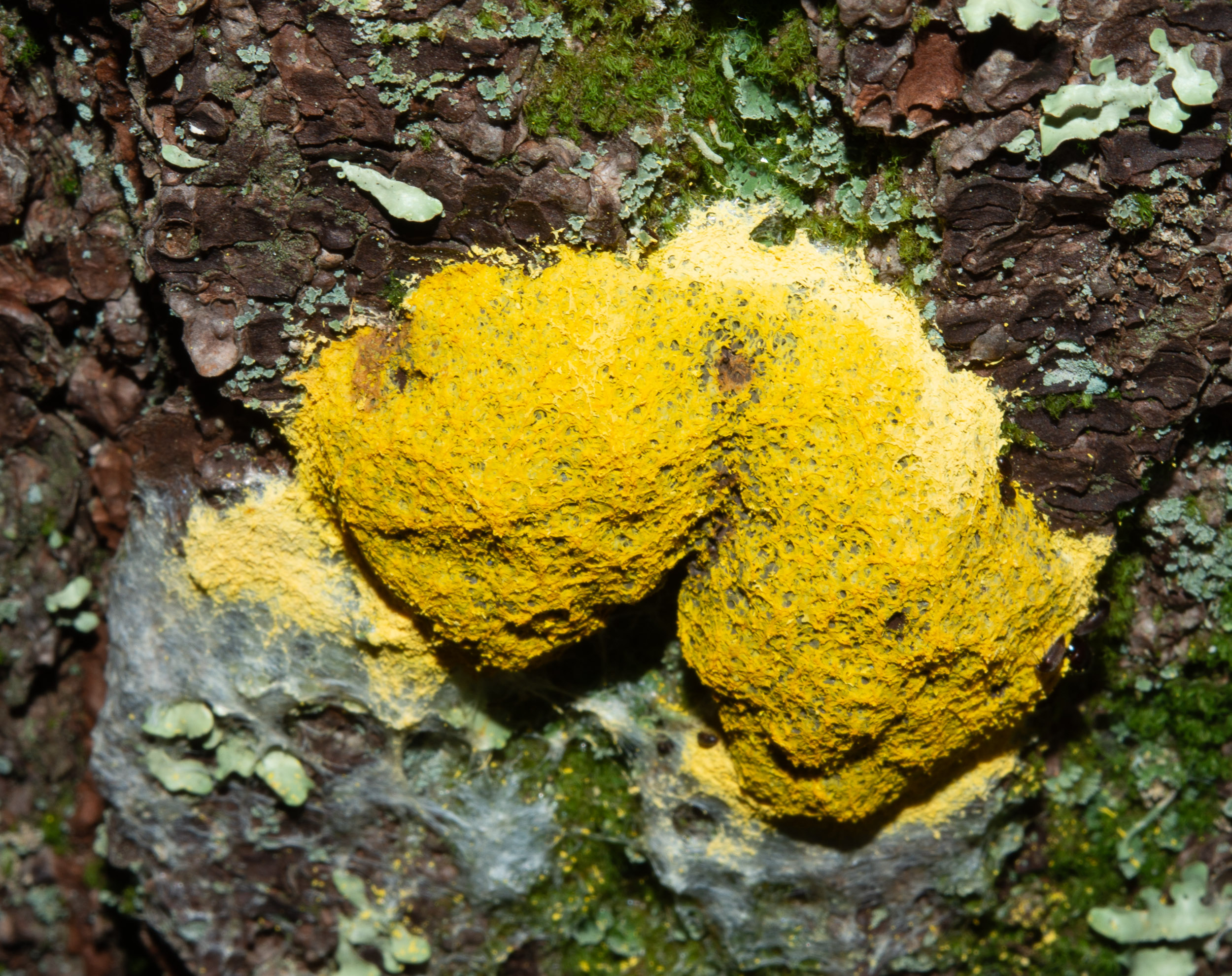
9 · 7/3/2015 · Squannacook River Wildlife Area, Townsend, Massachusetts · ≈ 3½ × 2½″ (8.9 × 7.1 cm) 
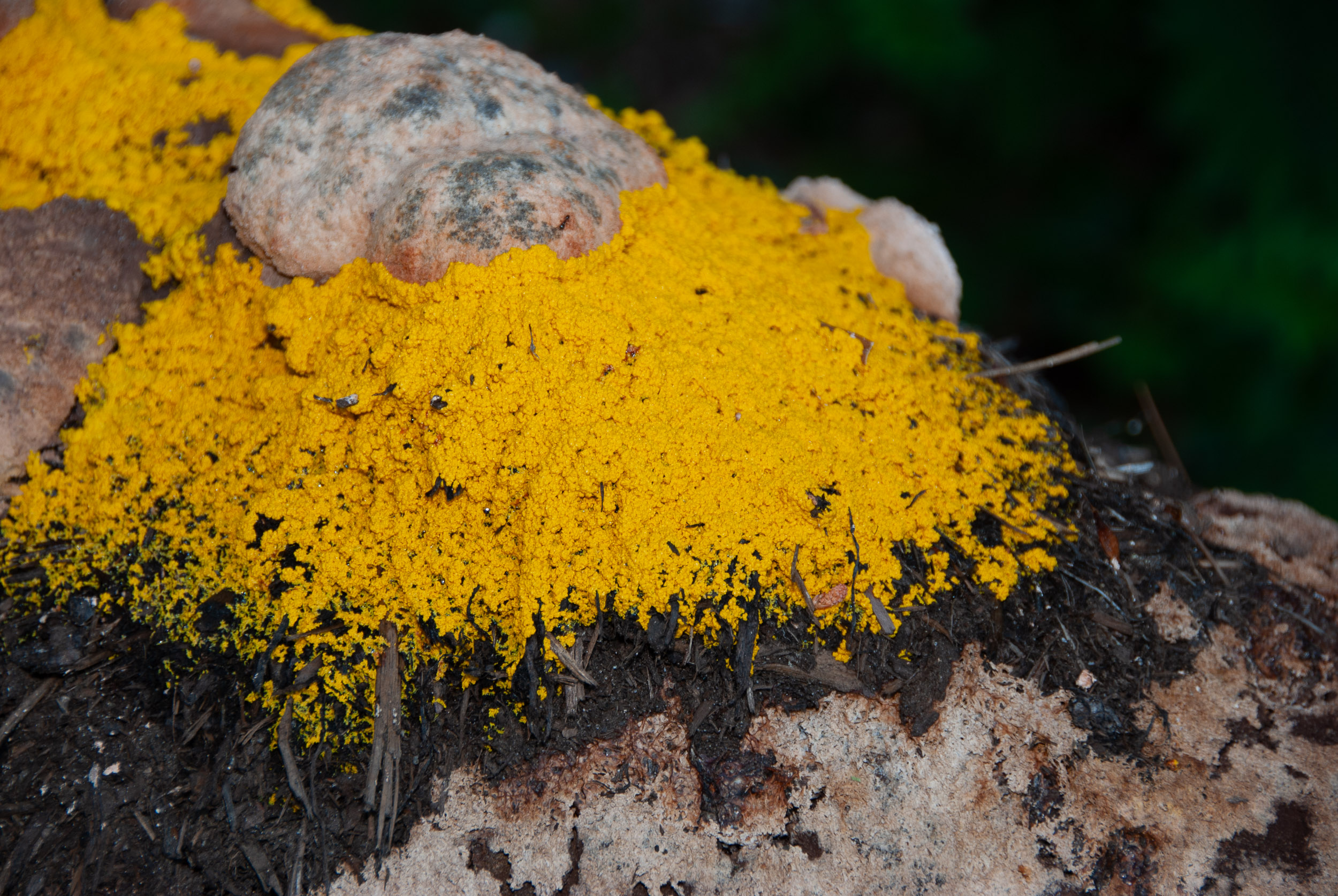
10 · 6/20/2007 · Pepperell, Massachusetts 
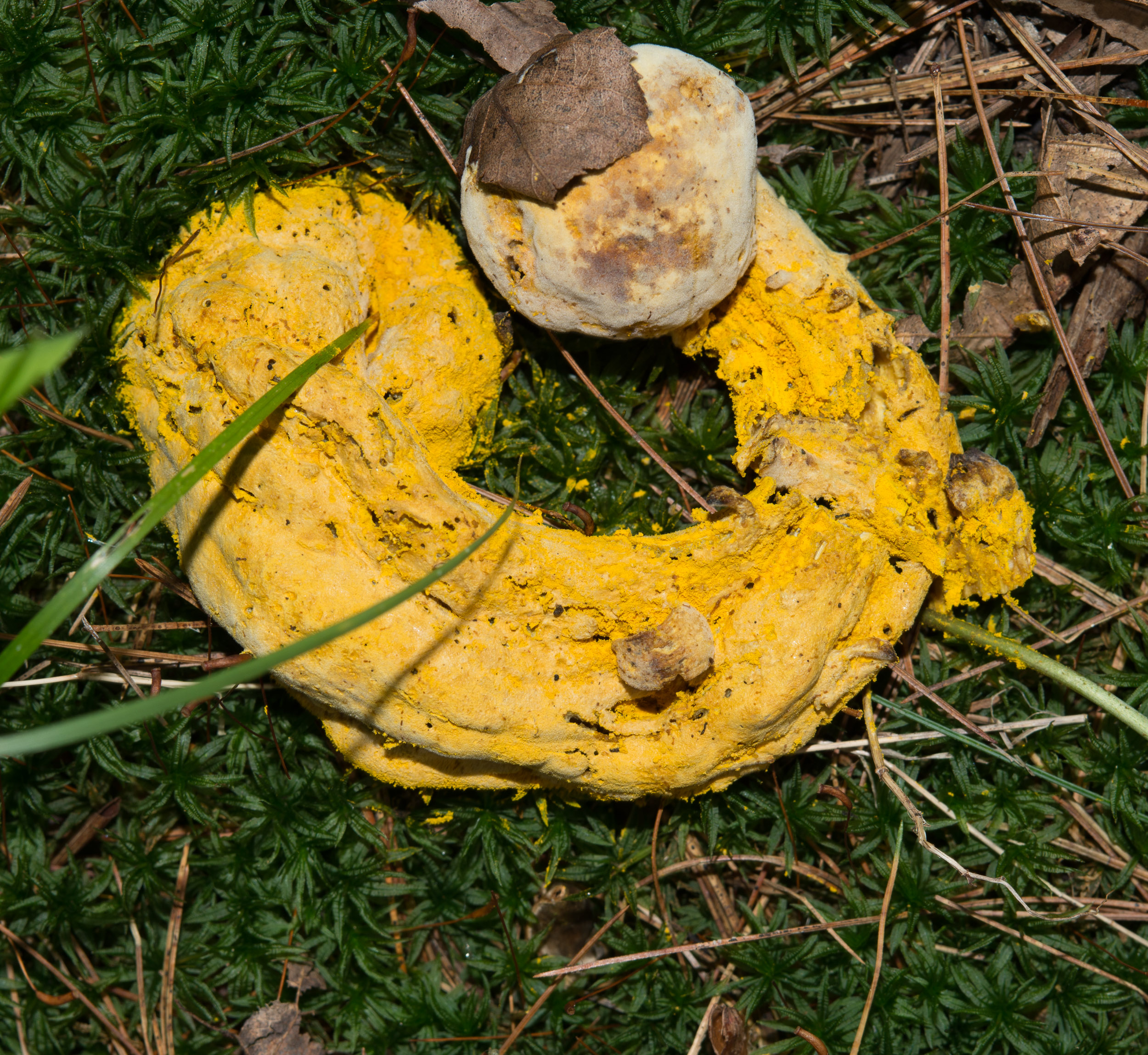
11 · It looks like the slime mold altered the development of the mushroom. · 7/12/2013 · Wooden Bridge, East Pepperell, Massachusetts · ≈ 6 × 5″ (14 × 13 cm) 
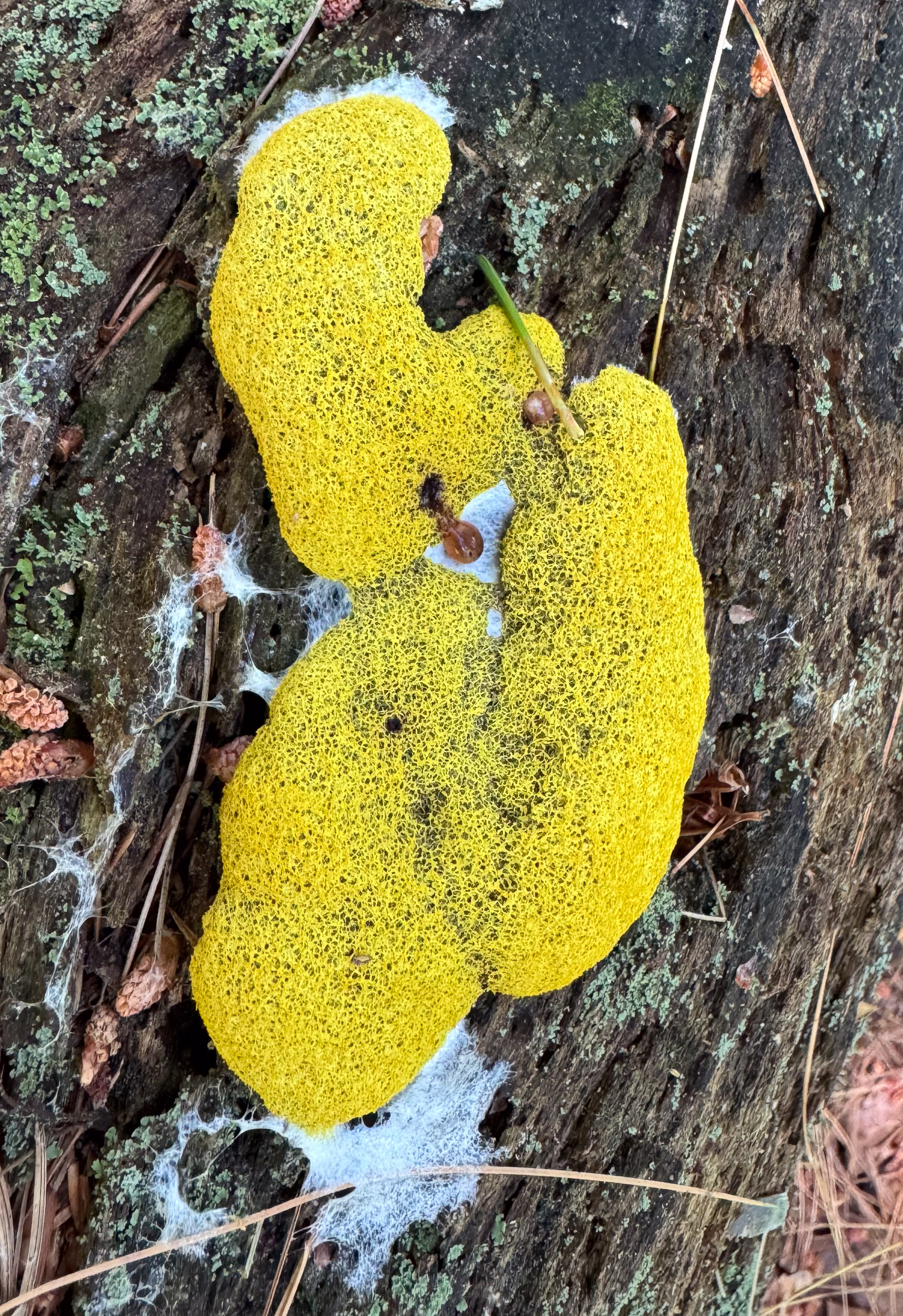
12 · 6/20/2026 · South Easton, Massachusetts · By Heather A. Kent 

13 · 6/20/2007 · Pepperell, Massachusetts 

14 · After it starts to dry out. · 6/18/2011 · Sue and Rai’s, Phoenix, Maryland ID is uncertain 
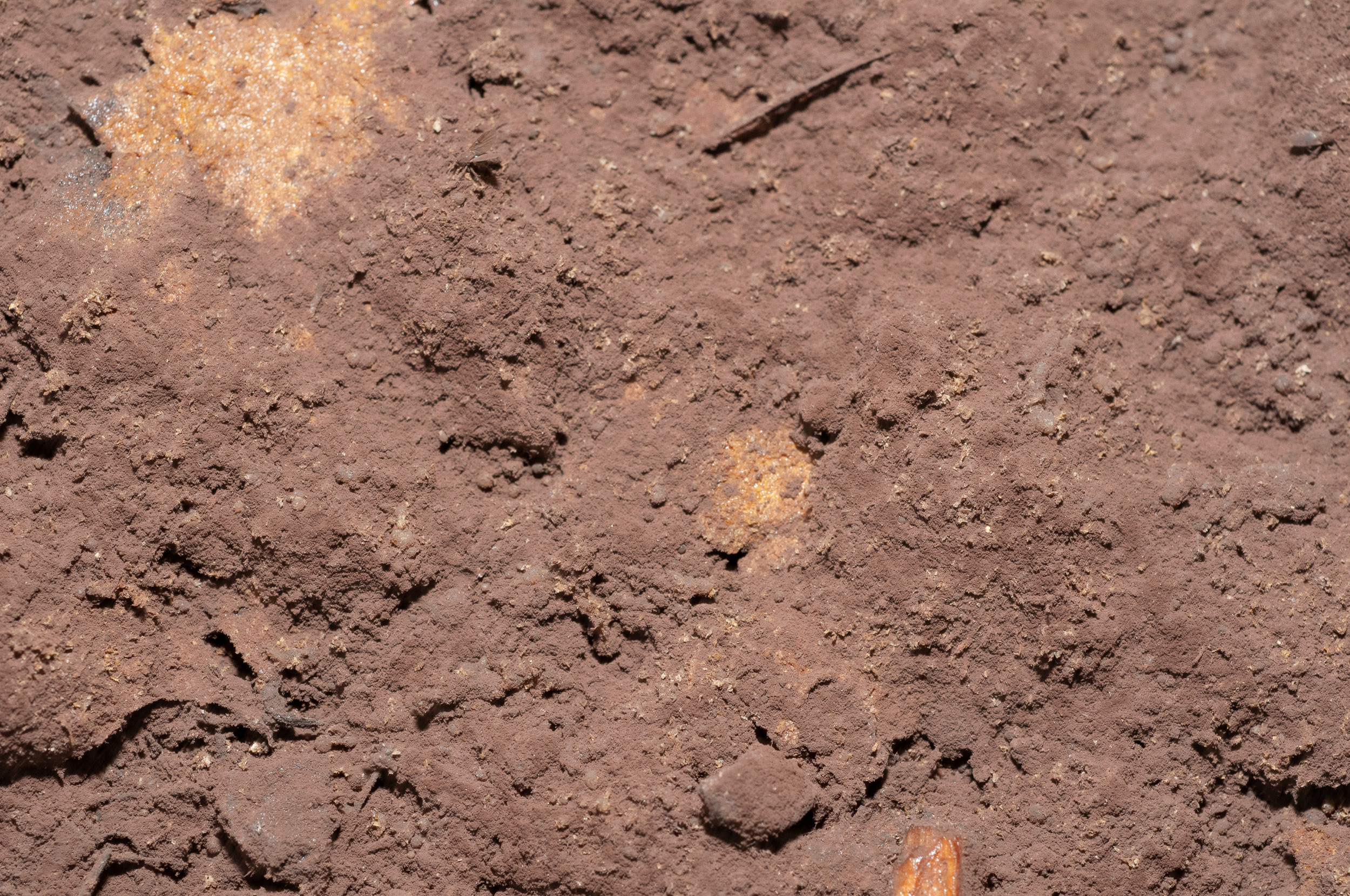
15 · 8/22/2009 · Tom and Susan’s, Pepperell, Massachusetts · ≈ 5 × 3½″ (13 × 9.2 cm) 
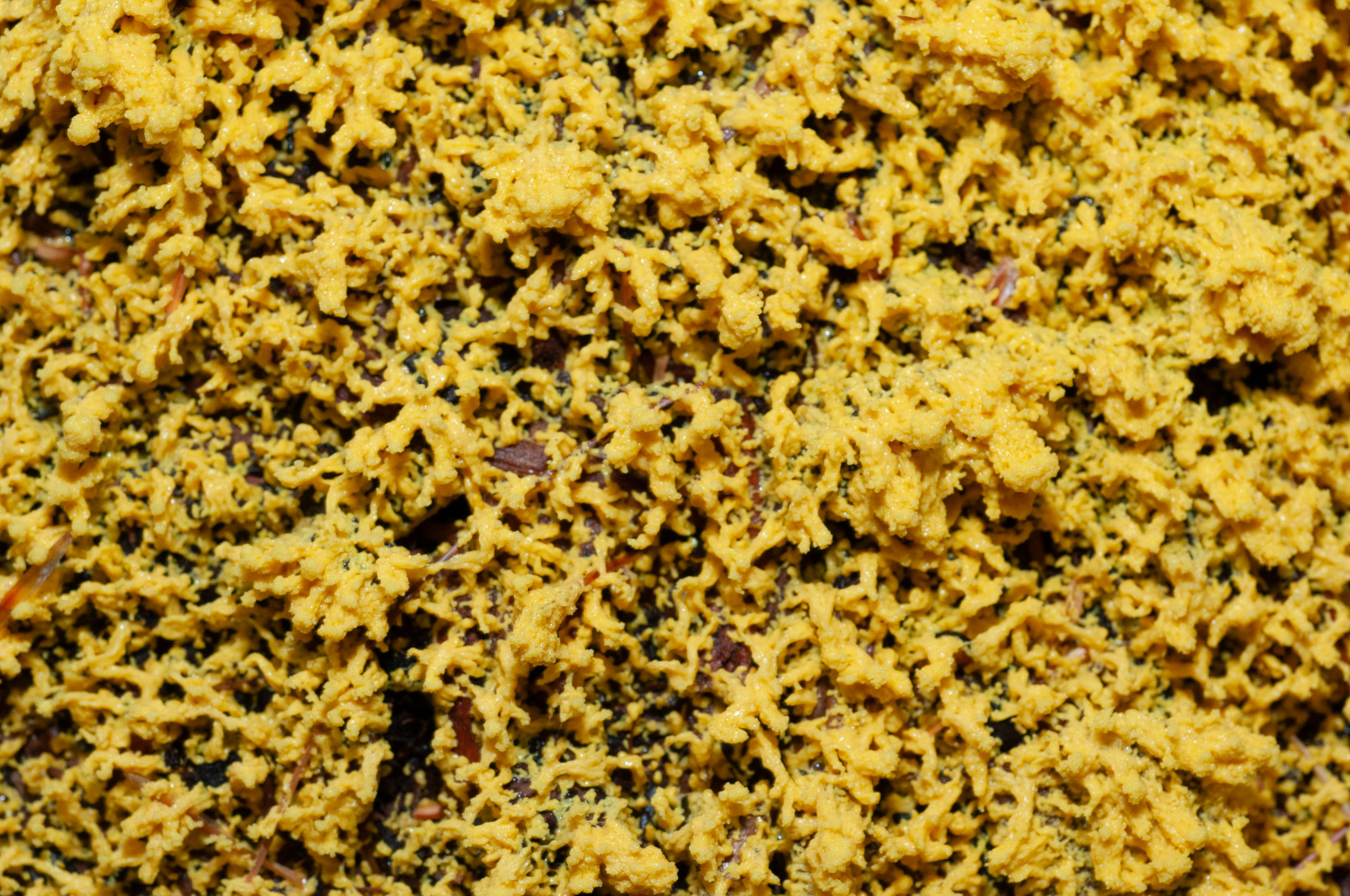
16 · 8/26/2009 · Tom and Susan’s, Pepperell, Massachusetts · ≈ 5 × 3½″ (13 × 9.2 cm) 
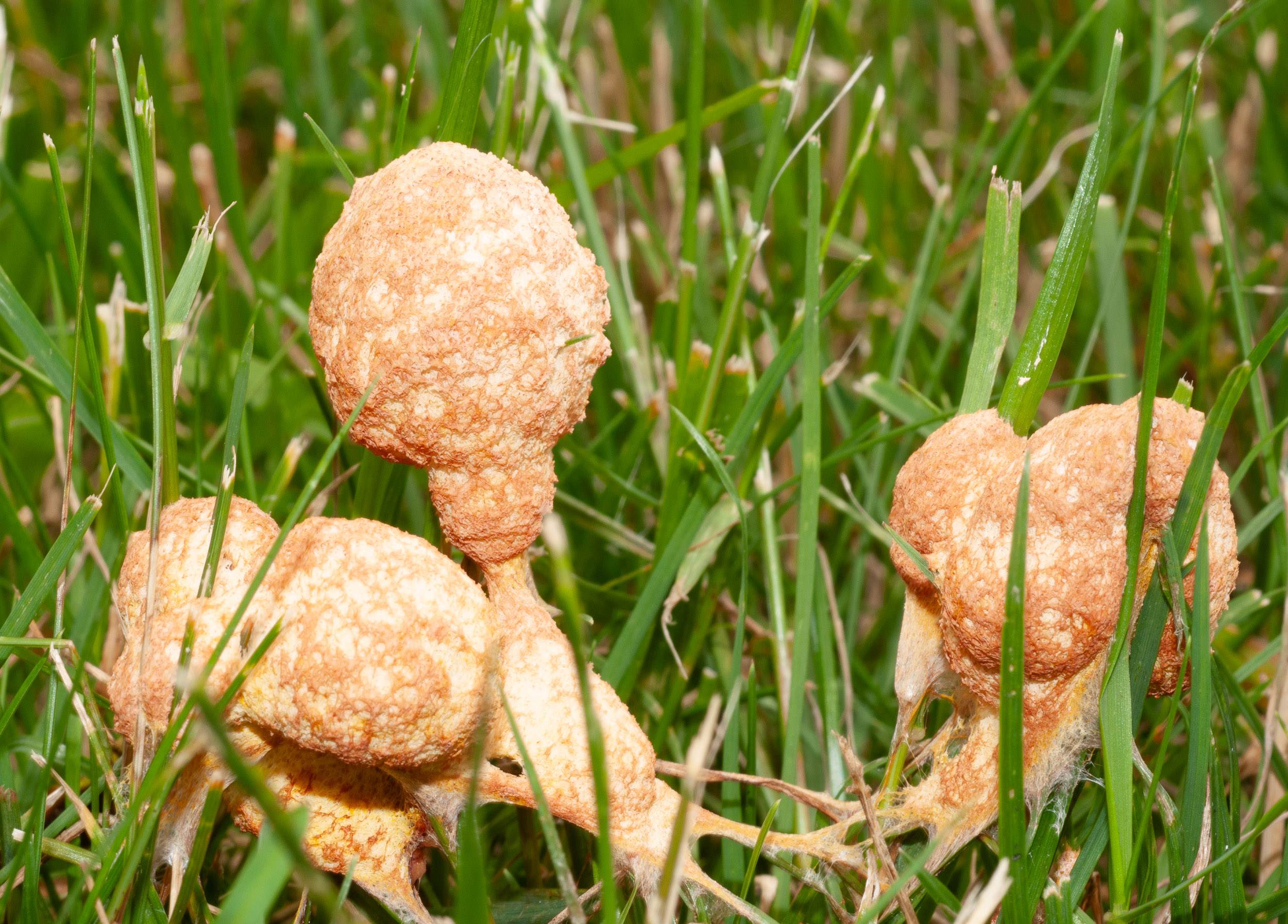
17 · After it starts to dry out. · 6/18/2011 · Sue and Rai’s, Phoenix, Maryland ID is uncertain 

18 · 9/5/2009 · Tom and Susan’s, Pepperell, Massachusetts · ≈ 5 × 4″ (12 × 9.9 cm) 

19 · 7/21/2020 · Cathance River Nature Preserve, Topsham, Maine · ≈ 5 × 4½″ (12 × 11 cm) 
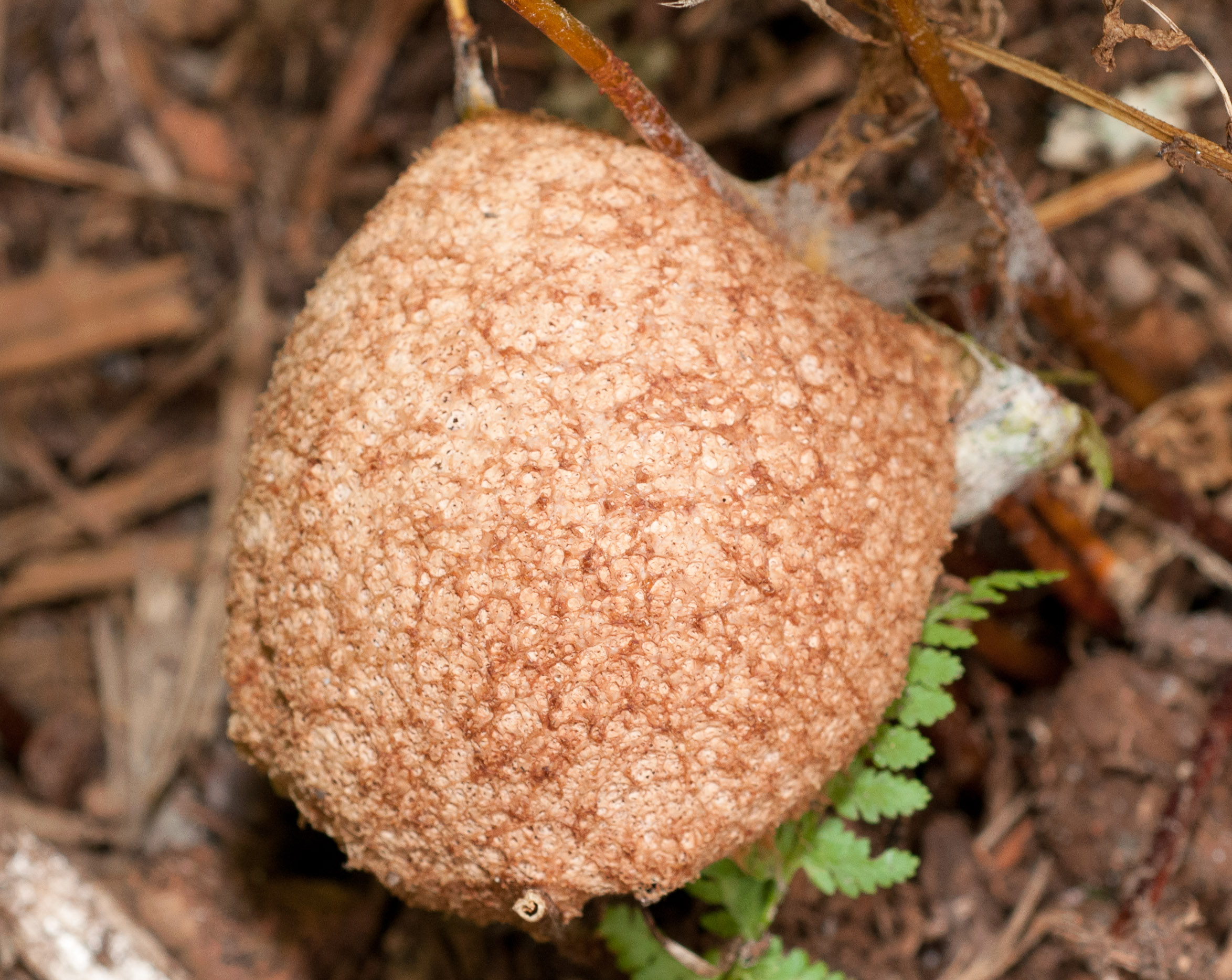
20 · After it starts to dry out. · 8/28/2009 · Tom and Susan’s, Pepperell, Massachusetts · ≈ 4 × 3½″ (10 × 8.6 cm) ID is uncertain 
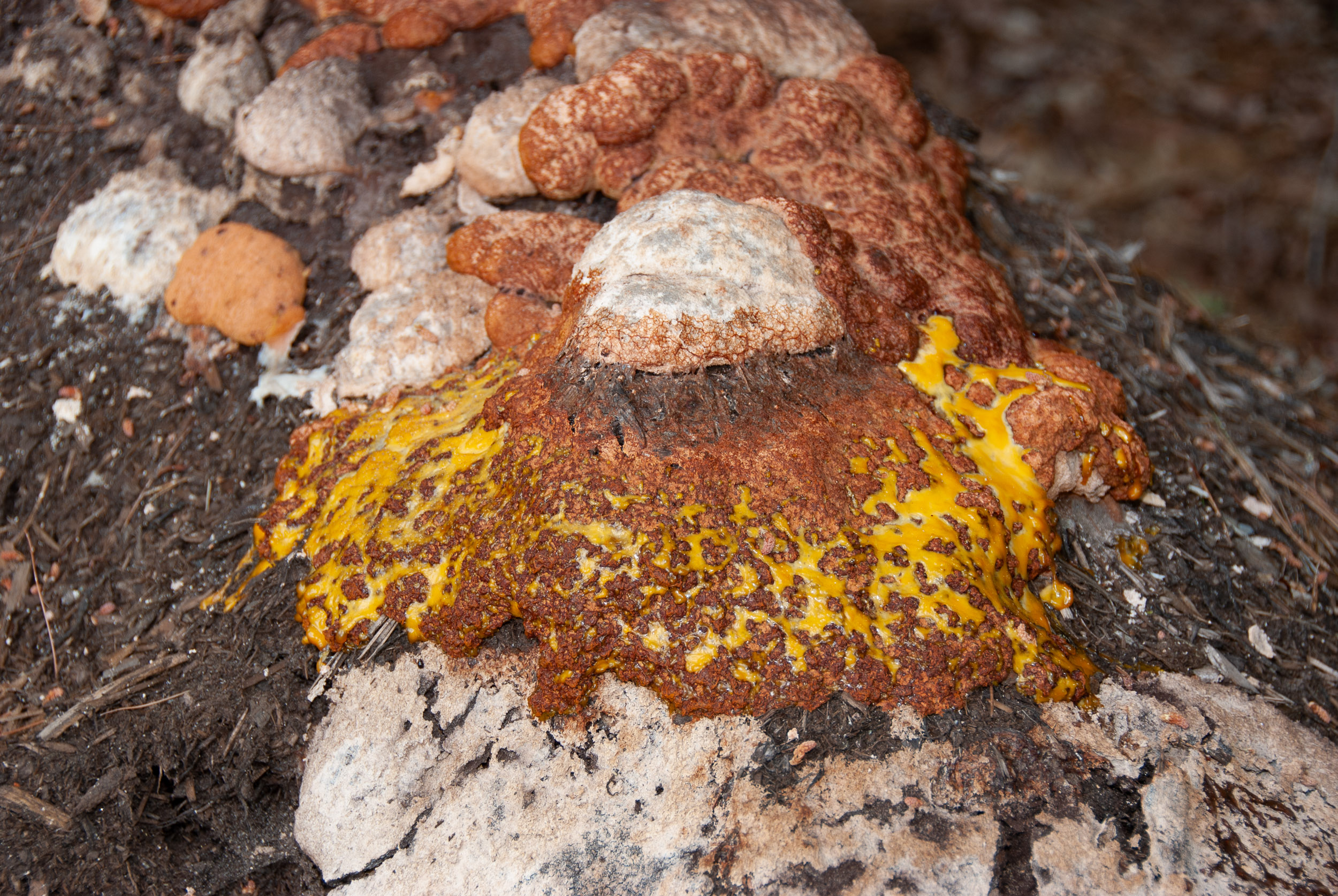
21 · 6/21/2007 · Pepperell, Massachusetts 
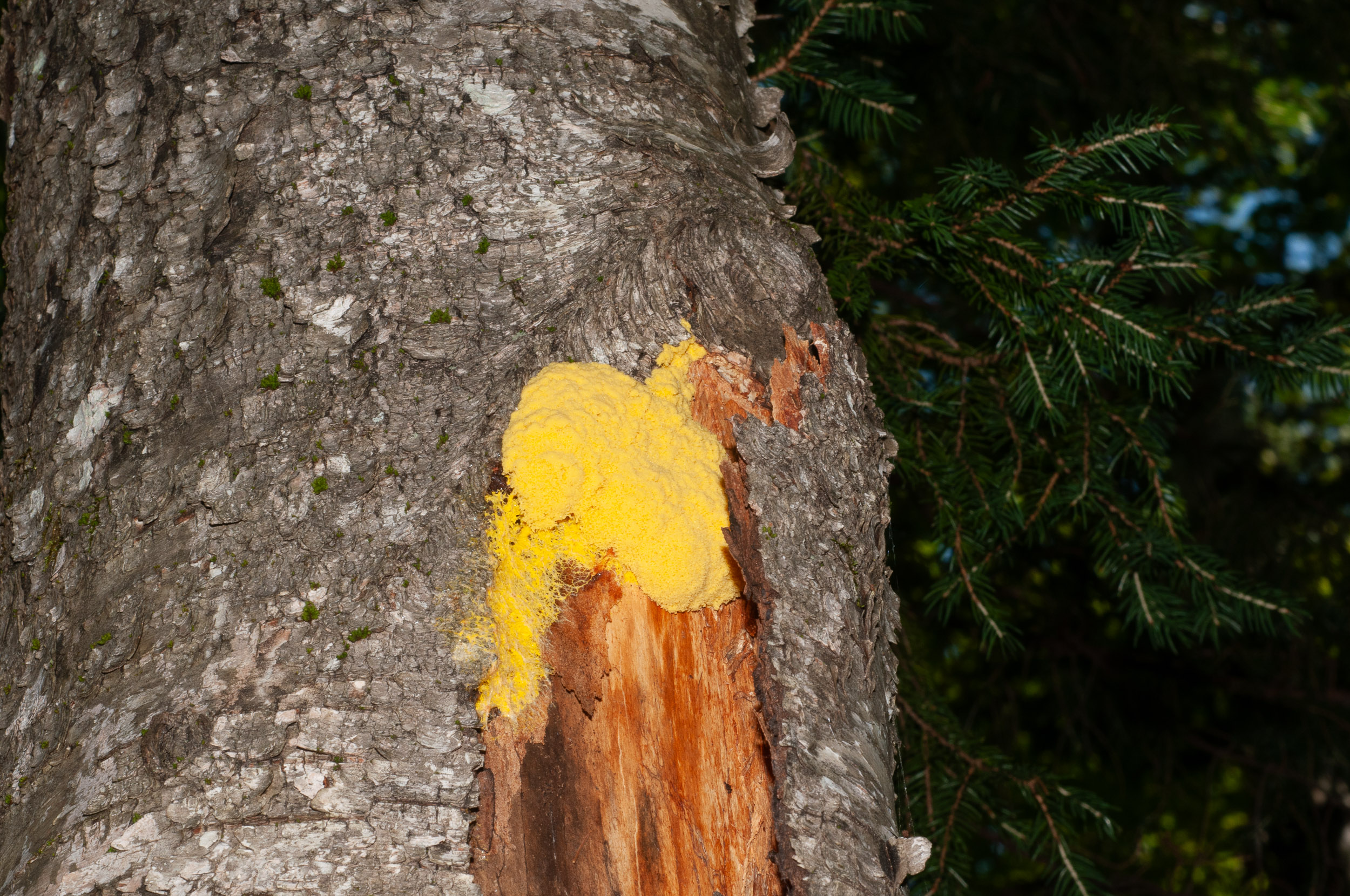
22 · 7/22/2012 · Wapack Trail, Pack Monadnock, Peterborough, New Hampshire · ≈ 14 × 9″ (35 × 23 cm) 
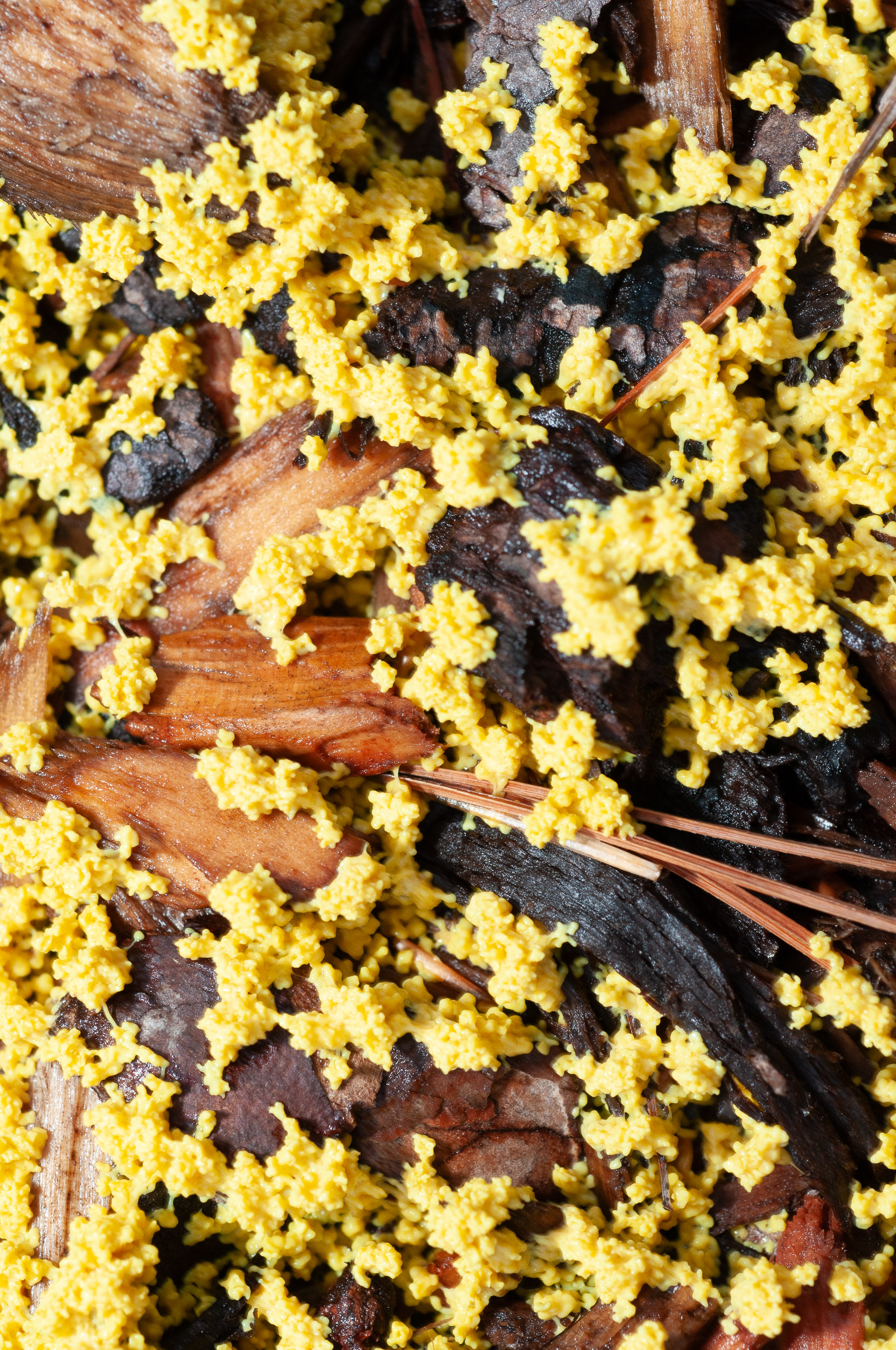
23 · 8/22/2009 · Tom and Susan’s, Pepperell, Massachusetts · ≈ 3 × 4½″ (7.9 × 11 cm) 
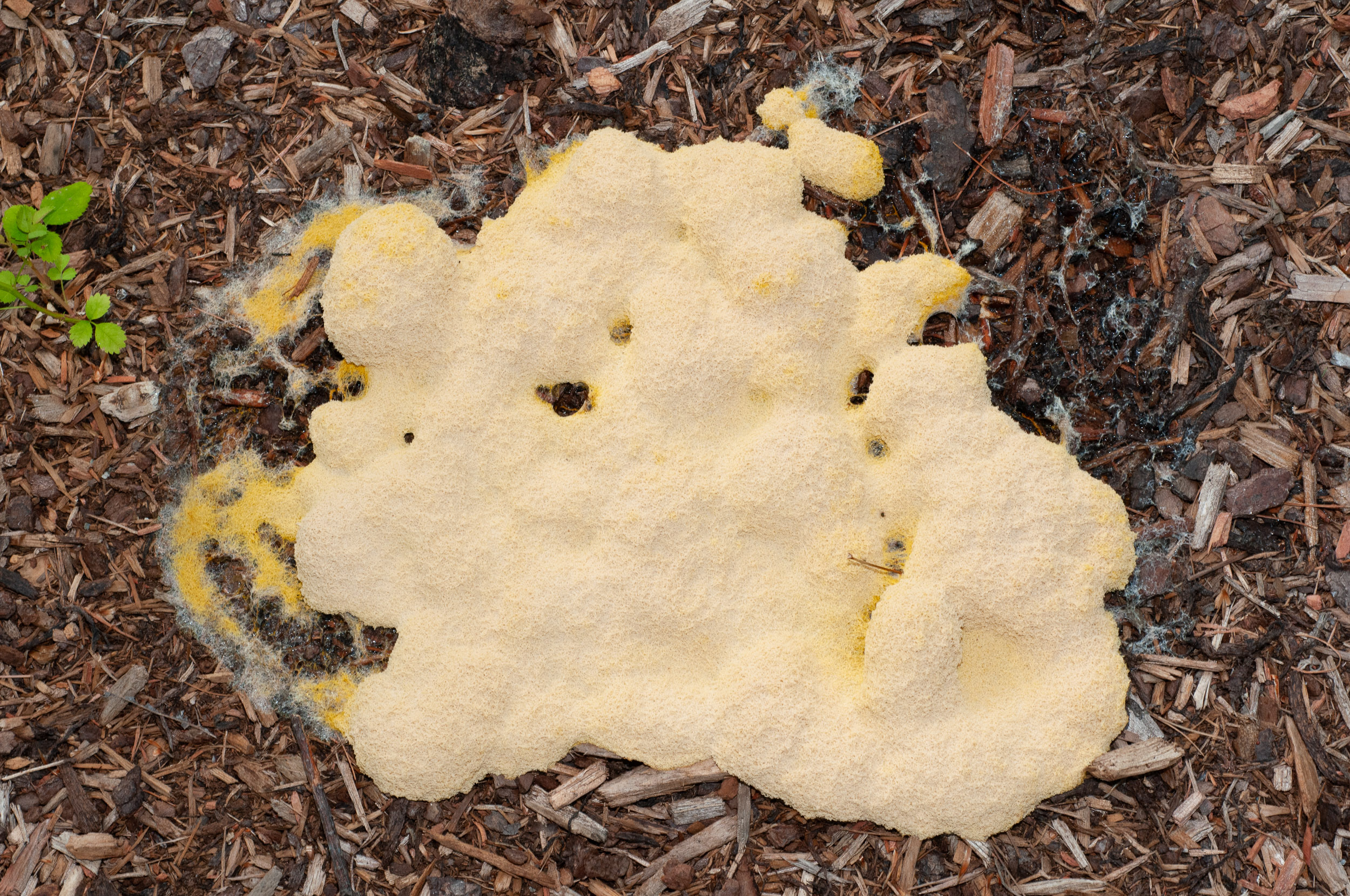
24 · 8/20/2009 · Tom & Susan’s, Pepperell, Massachusetts · ≈ 17 × 12″ (44 × 29 cm) 

25 · 9/5/2009 · Tom and Susan’s, Pepperell, Massachusetts · ≈ 5 × 4½″ (13 × 11 cm) 

26 · 6/25/2016 · Old Long Loop, Beaver Brook Conservation Area, Hollis, New Hampshire 
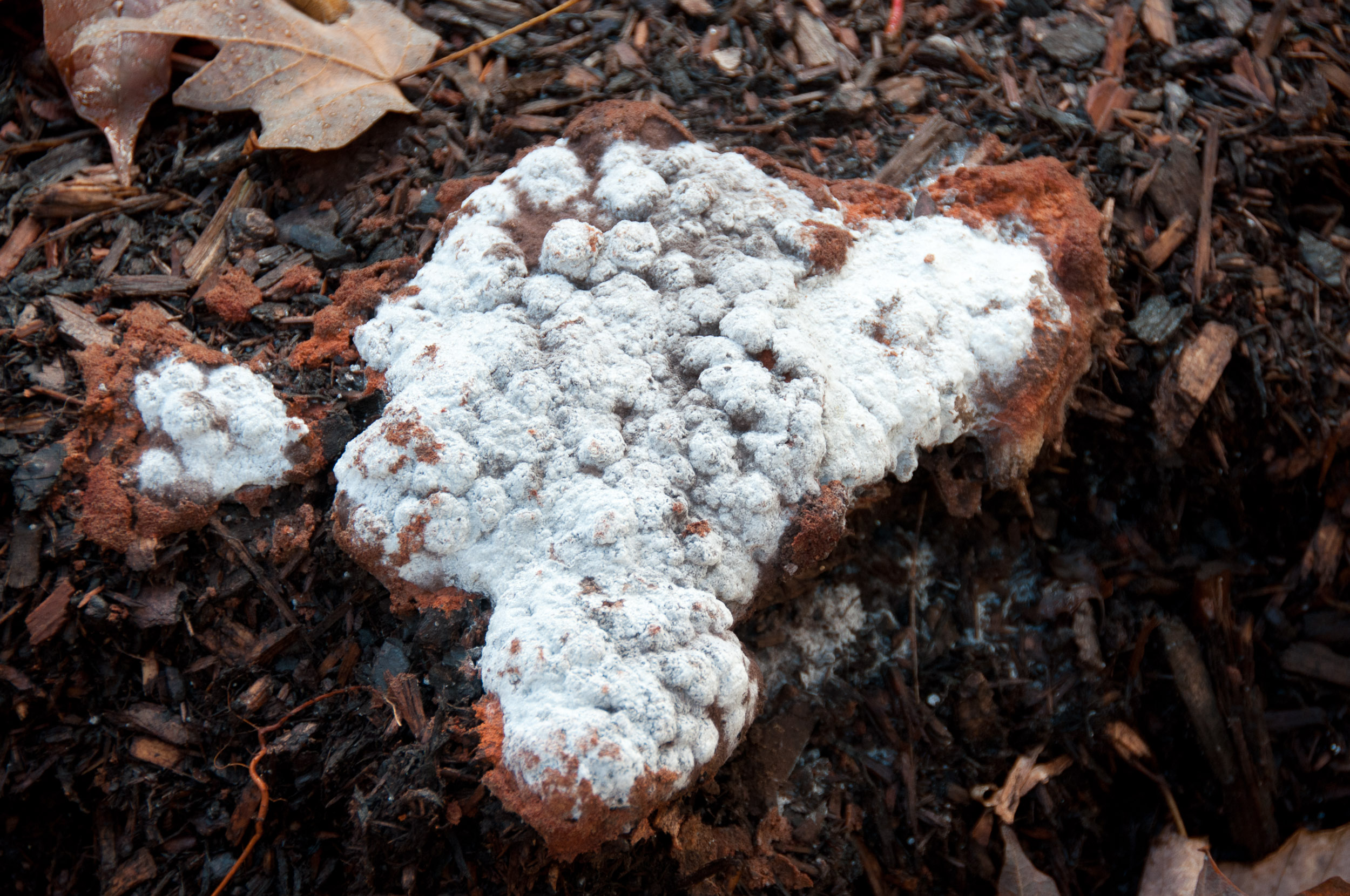
27 · 10/5/2009 · Tom and Susan’s, Pepperell, Massachusetts · ≈ 9 × 6″ (22 × 15 cm) 
| Roughly 75 people in North America are poisoned each year by mushrooms, often from eating a poisonous species that resembles an edible species. Though deaths are rare, there is no cure short of a liver transplant for severe poisoning. Don’t eat any mushroom unless you are absolutely certain of its identity! Please don’t trust the identifications on this site. We aren’t mushroom experts and we haven’t focused on safely identifying edible species. |
Fuligo septica description by Thomas H. Kent, not updated.

© FloraFinder.org. All rights reserved.