Fragaria virginiana Duchesne
Common strawberry, Virginia strawberry, wild strawberry, strawberry
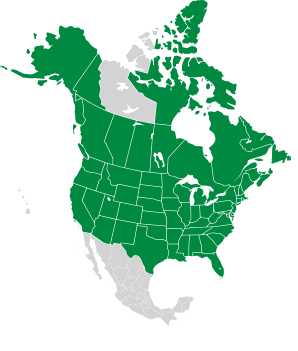
This strawberry is native to North America. Often called the wild strawberry, its preferred common name is Virginia strawberry, since there is another common wild strawberry called the woodland strawberry.
Plants: Virginia strawberries remain close to the ground, spreading via their root systems.
Leaves: Leaf stalks up to 6″ (15 cm) long bear groups of three leaves. Each leaf is oval in shape, with a serrated edge, about ¾–1½″ (1.9–3.8 cm) long.
Flowers: Flowers are in hanging clusters of 4-6, white with a yellow center, about ½″ (1.3 cm) in diameter, with five petals.
Fruits: Strawberries are about ½″ (1.3 cm) in diameter.
Habitats: Fields, prairies, roadsides, limestone glades, and woodland edges.
Common strawberries are similar to wild strawberries, and look a little like distantly related mock strawberries and barren strawberries. If the flowers are light pink or hot pink, you probably have a cultivated variety.
 |
Some similar species. |
Edibility: Every strawberry has exactly the same amount of “strawberry essence,” whether it is a quarter inch around like these wild berries, or it is one of those bulbous giant cultivated berries. So if you want to experience true strawberry perfection, try these little wild berries. They’re unbelievable!
Online References:
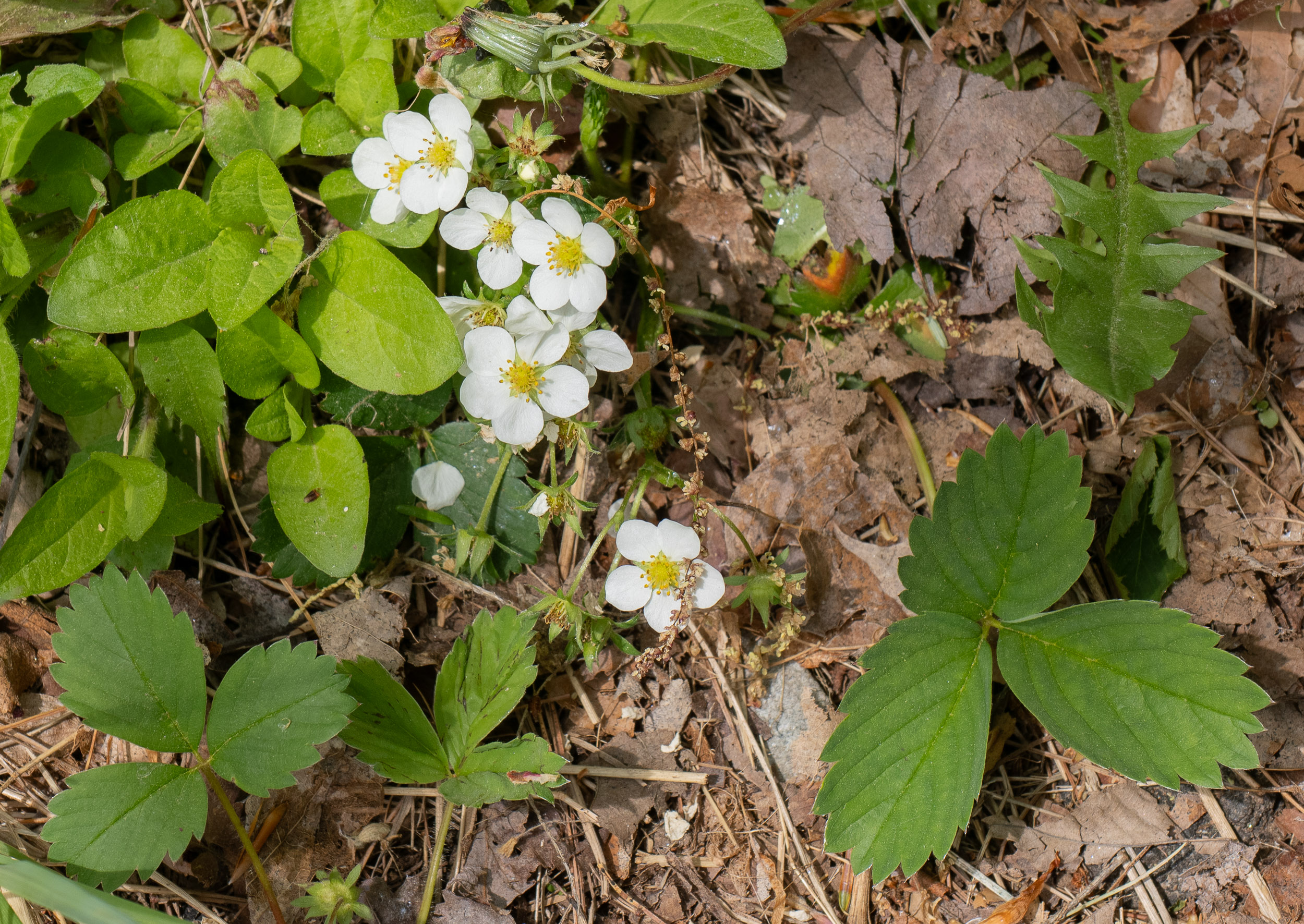
5/20/2023 · Knight’s Pond Preserve, Cumberland, Maine 

6/9/2026 · Pinkham Notch, Pinkham’s Grant, New Hampshire · ≈ 3½ × 6″ (9.6 × 14 cm) 
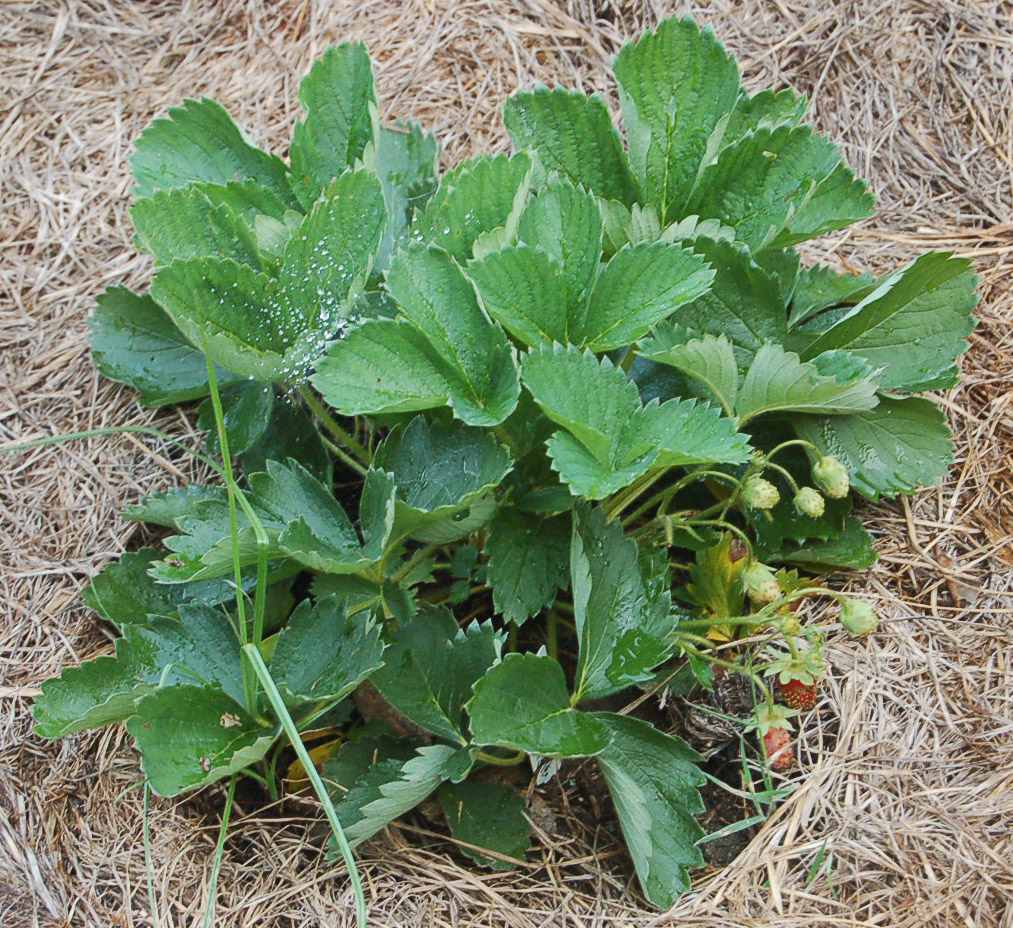
6/26/2012 · By Jacquelyn Boyt 
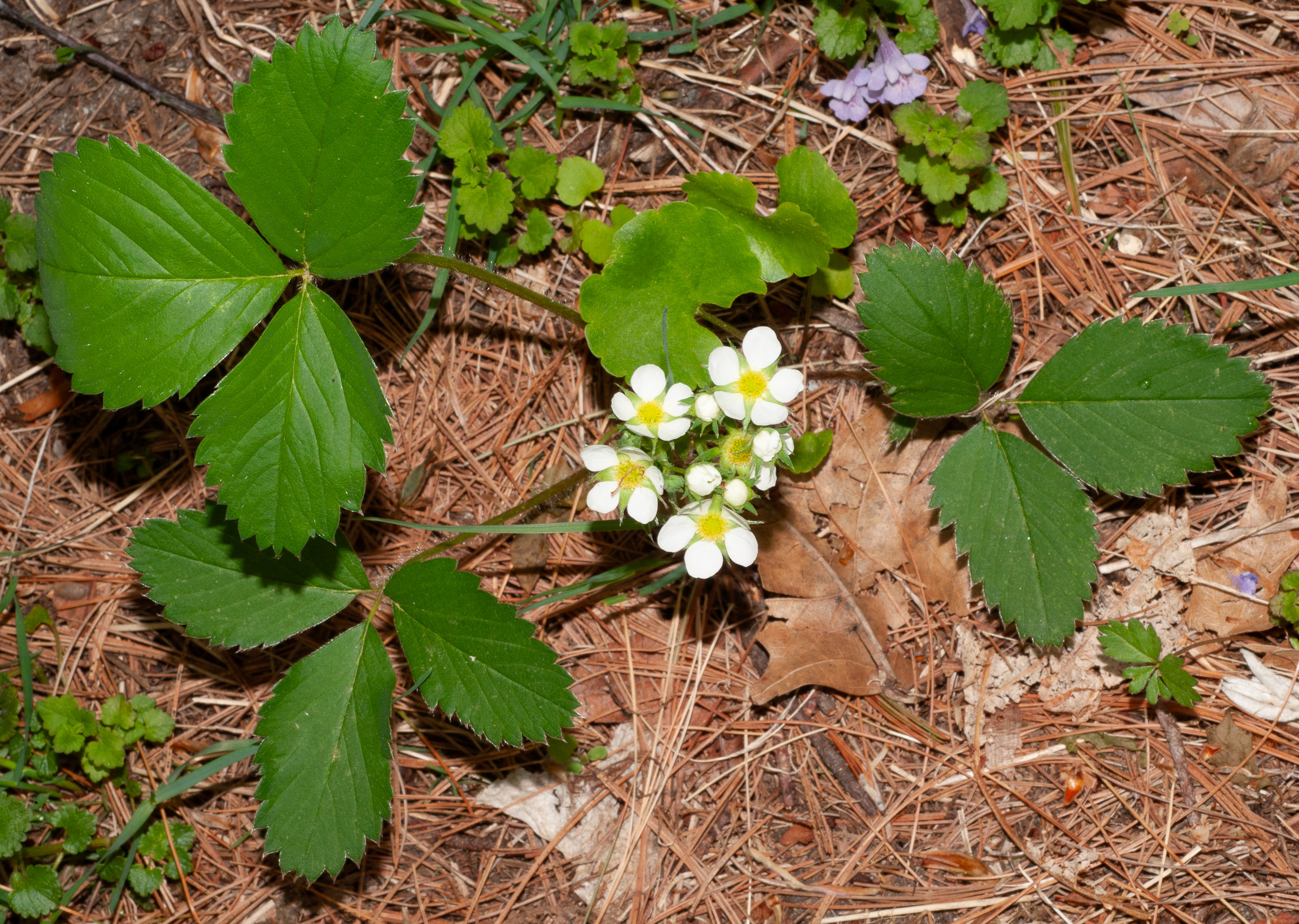
5/4/2010 · Nashua River Rail Trail, East Pepperell, Massachusetts · ≈ 10 × 7″ (24 × 17 cm) 

5/19/2016 · Bemis Road Trails, Pepperell, Massachusetts 
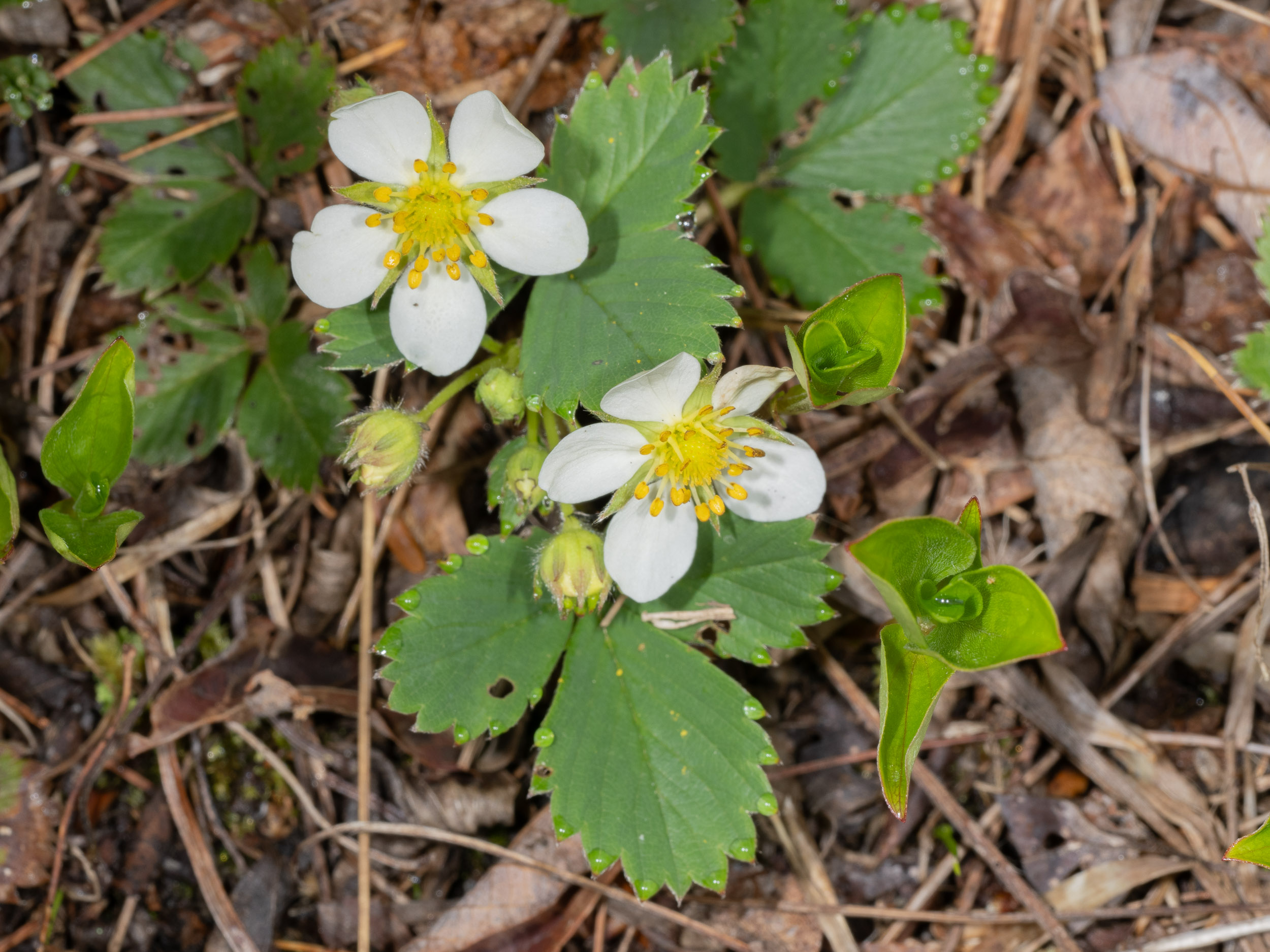
5/7/2023 · Otter Brrok Preserve, Harpswell Heritage Land Trust, Harpswell, Maine 
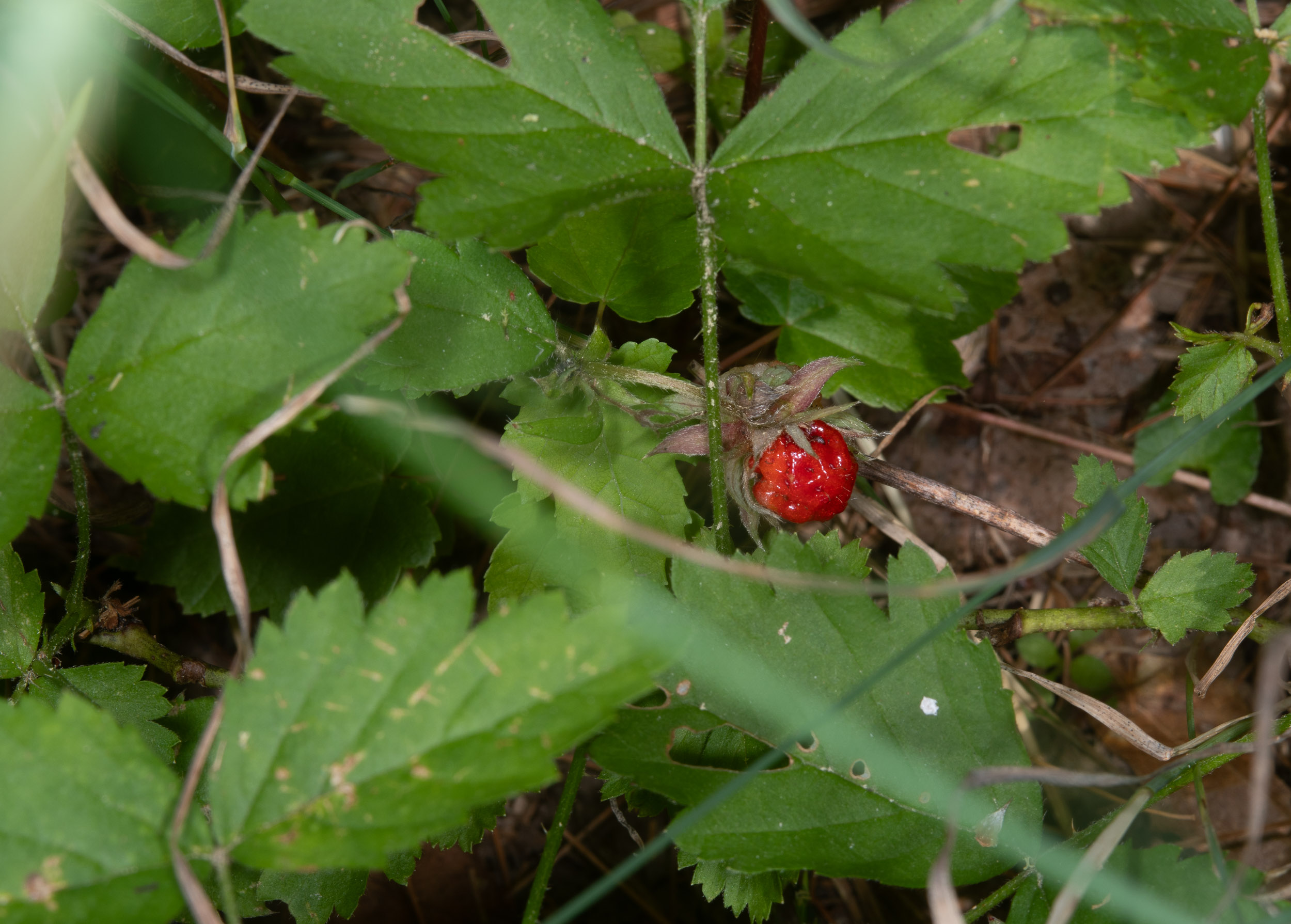
6/23/2017 · Nashua River Rail Trail, Groton, Massachusetts · ≈ 6 × 4″ (14 × 10 cm) 

5/18/2025 · Center Point Preserve, Bowdoinham, Maine · ≈ 8 × 6″ (21 × 14 cm) 

5/26/2023 · Pownalborough Courthouse Trail, Dresden, Maine 

5/9/2021 · Mitchell Field, Harpswell, Maine · ≈ 3½ × 3″ (9.3 × 7.8 cm) 

5/12/2025 · Coastal Maine Botanical Gardens, Boothbay, Maine · ≈ 7 × 5″ (17 × 12 cm) 

6/23/2017 · Nashua River Rail Trail, Groton, Massachusetts · ≈ 4½ × 5″ (12 × 12 cm) 
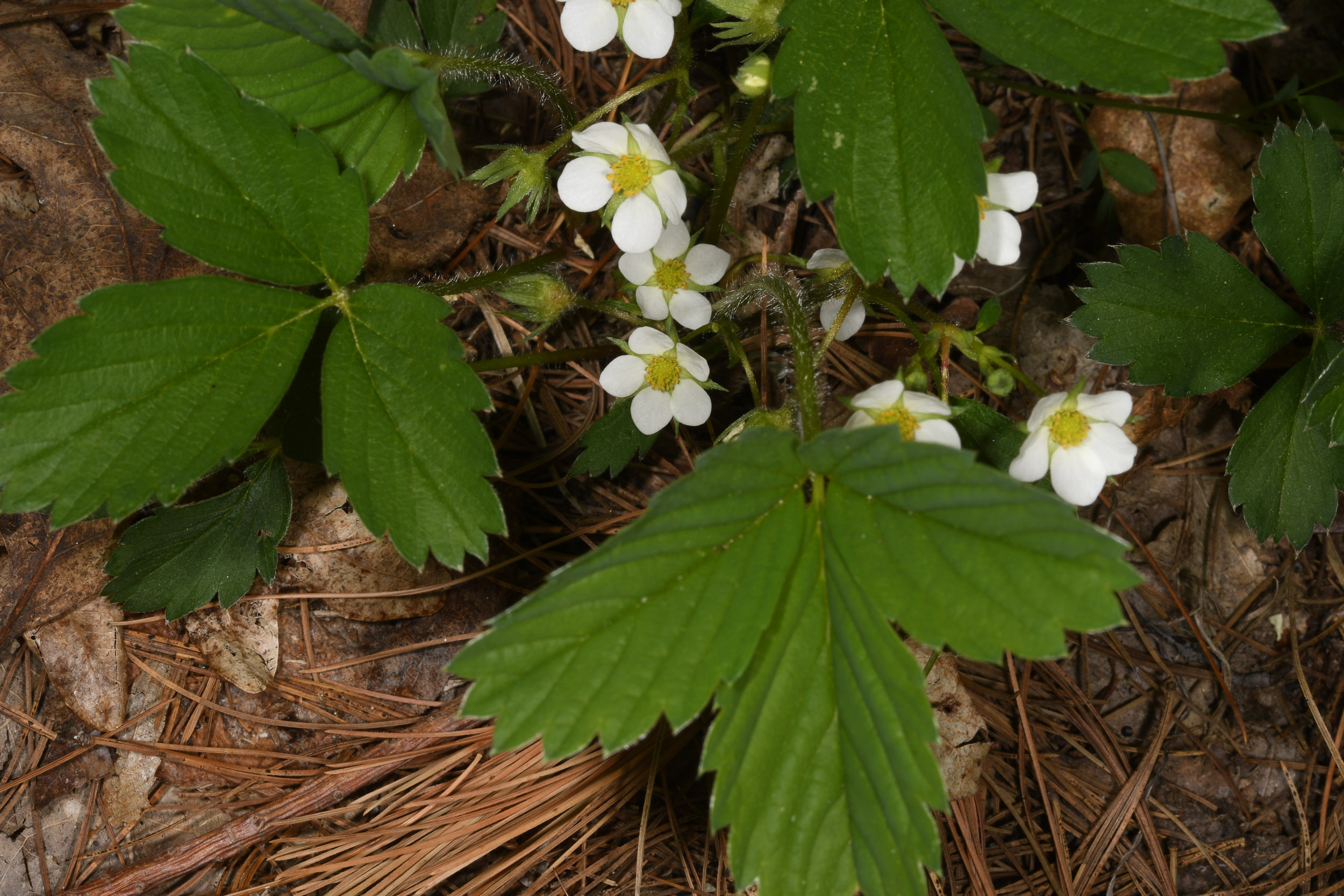
5/19/2016 · Bemis Road Trails, Pepperell, Massachusetts 
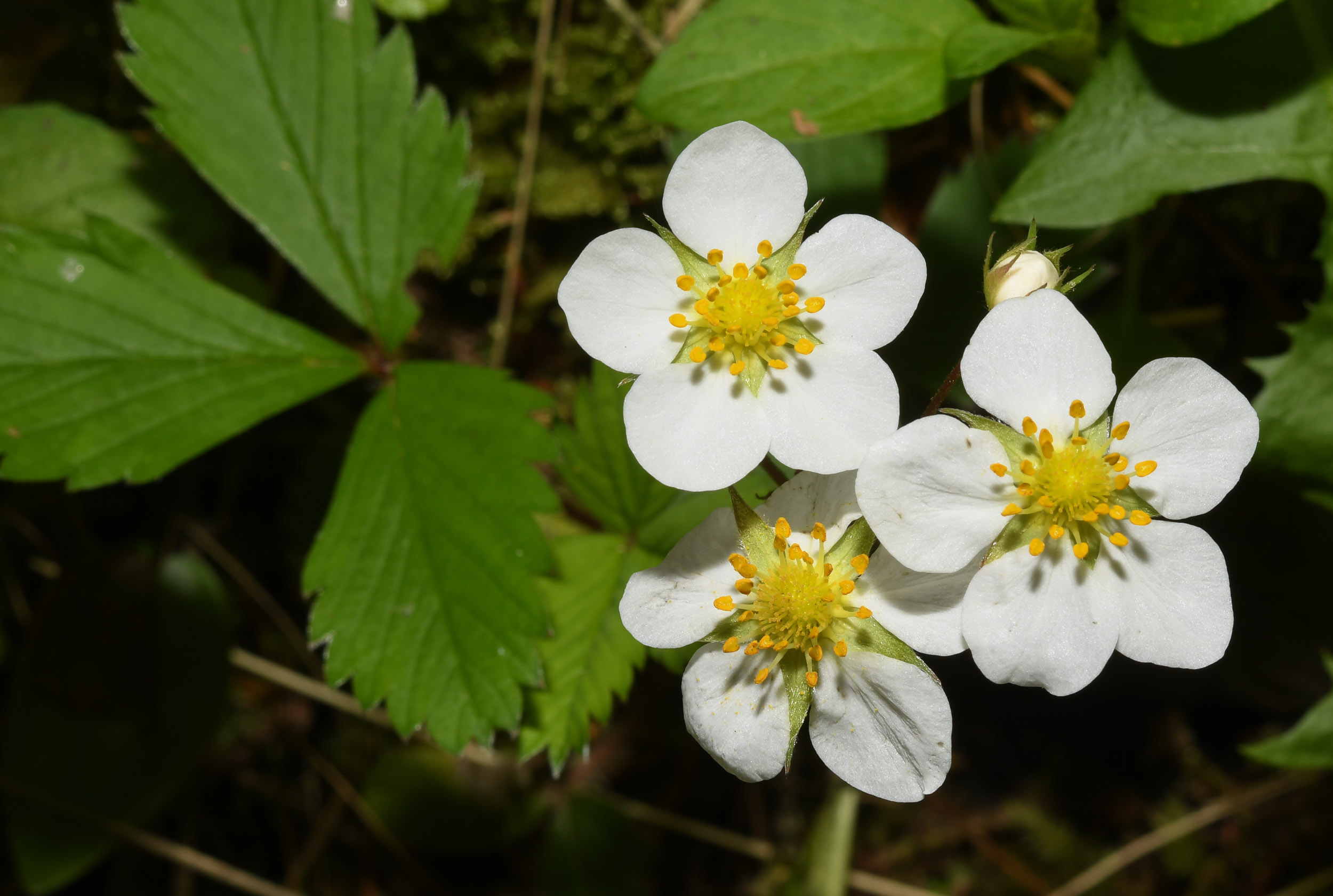
6/9/2016 · Monhegan Island, Maine 
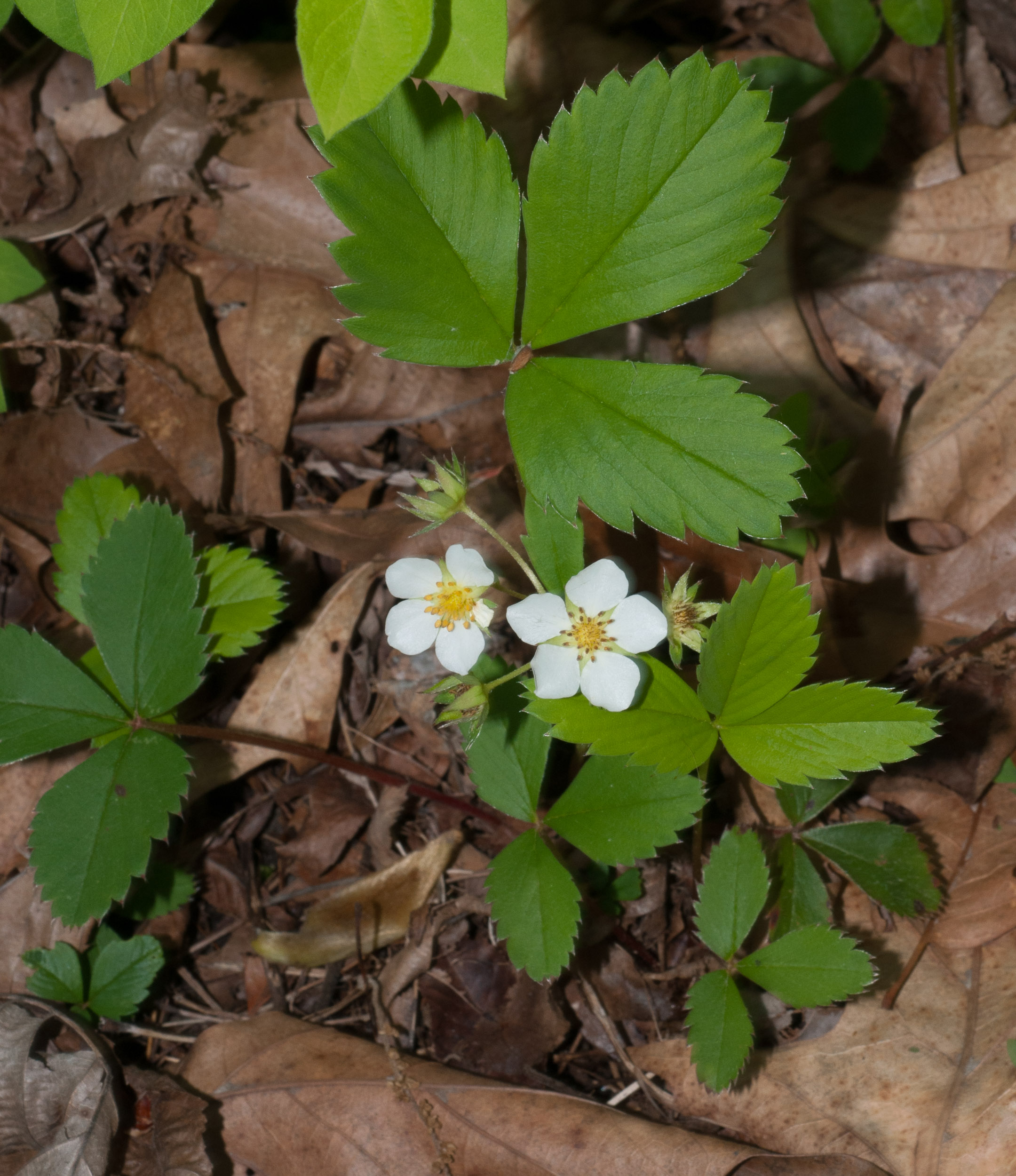
5/11/2010 · Nashua River Rail Trail, Pepperell, Massachusetts · ≈ 7 × 8″ (16 × 19 cm) 
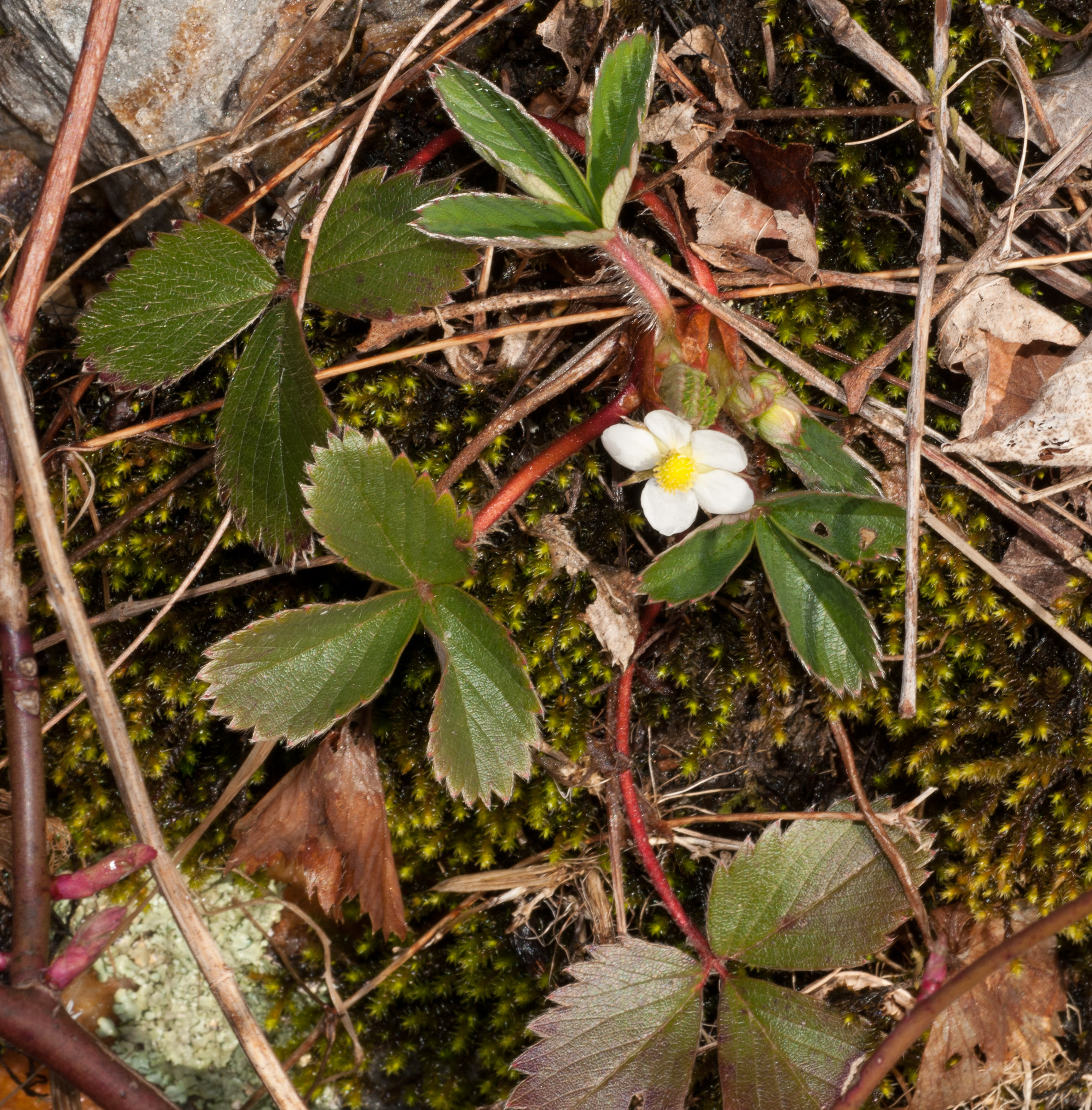
4/24/2011 · Kevin and Becky’s, Rockland, Maine · ≈ 5 × 5″ (13 × 13 cm)  ID is uncertain
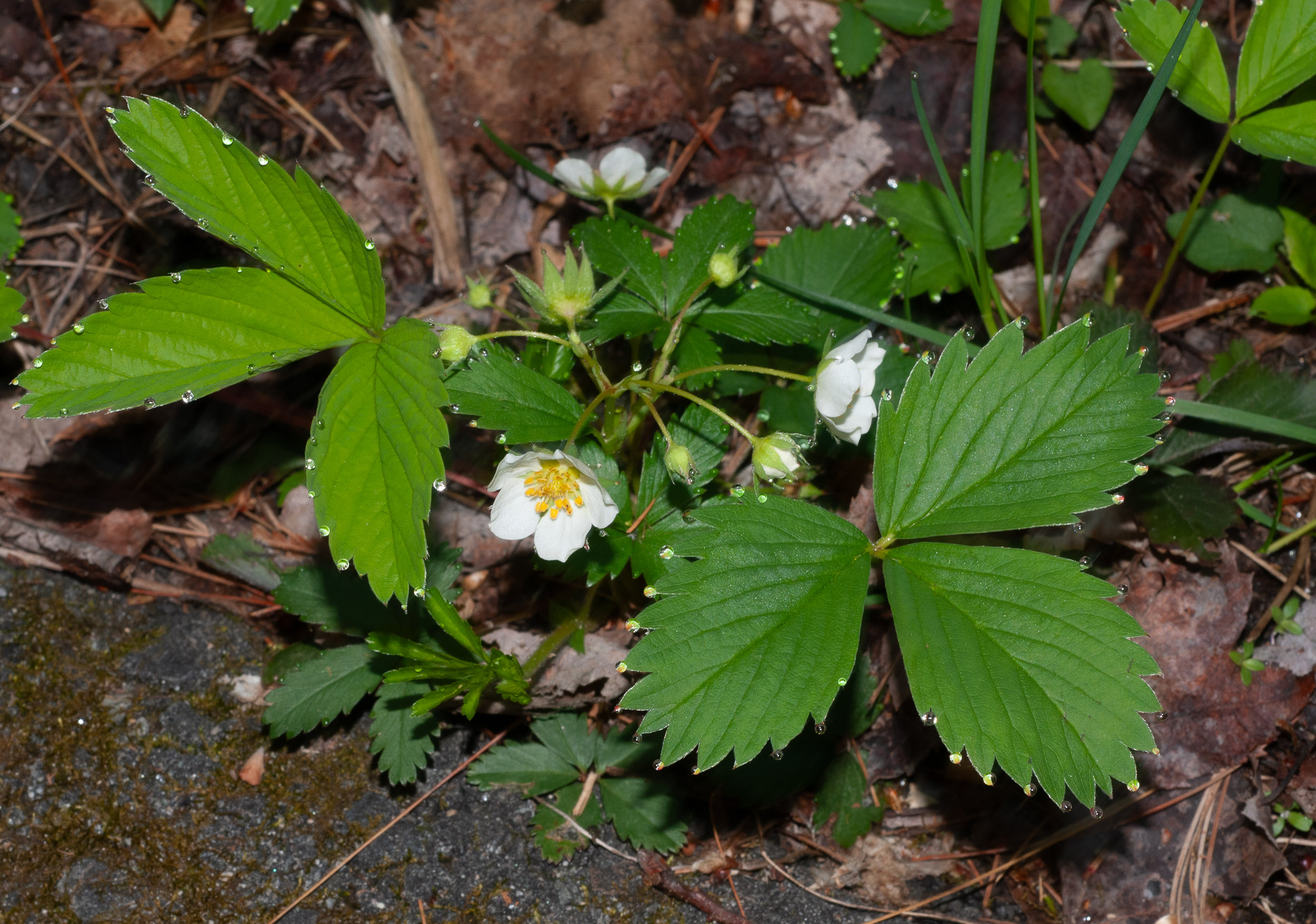
4/25/2012 · Nashua River Rail Trail, Groton, Groton, Massachusetts · ≈ 8 × 6″ (20 × 14 cm) 
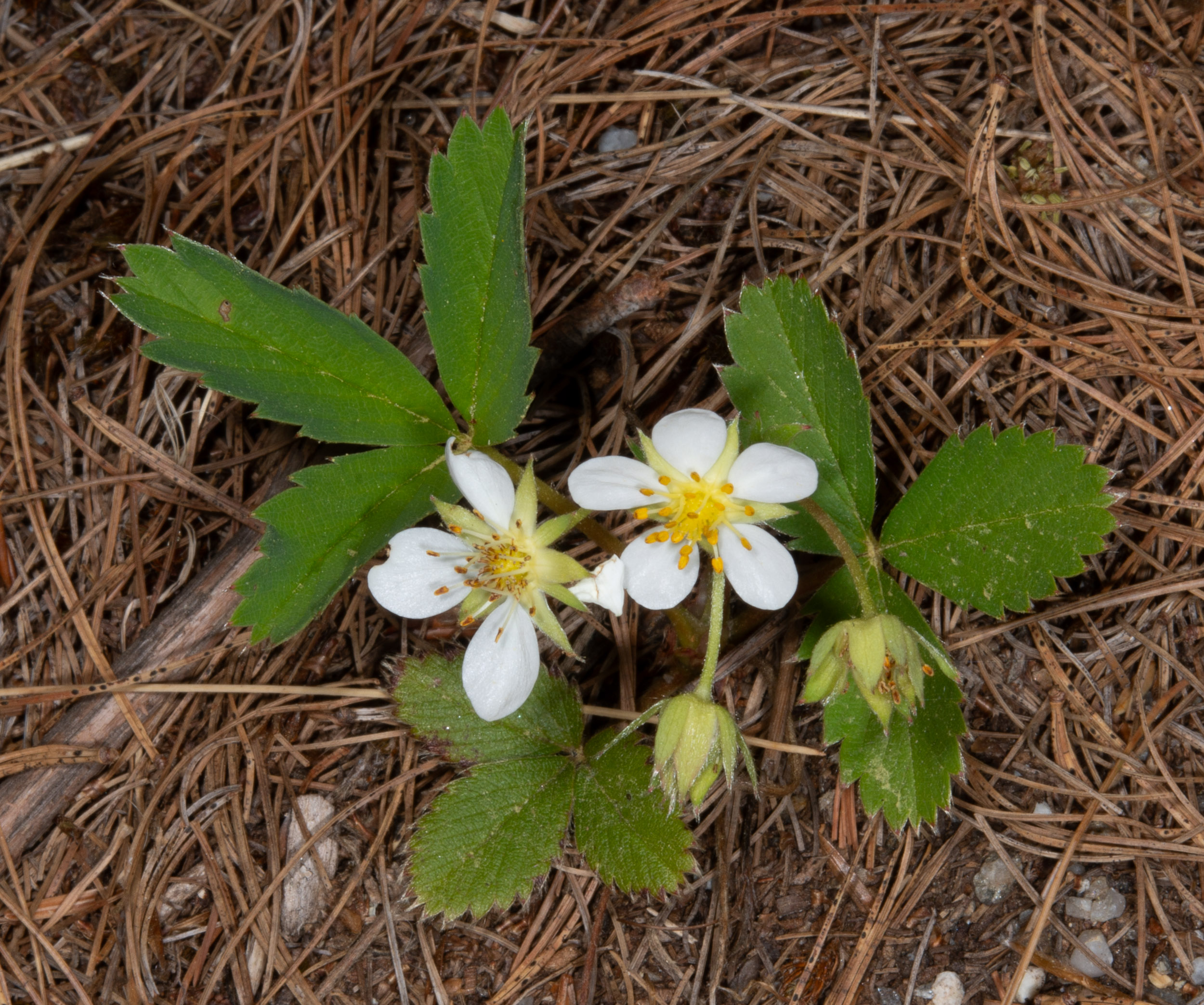
5/15/2015 · Willard Brook State Park, Ashby, Massachusetts · ≈ 4 × 3½″ (10 × 8.9 cm) 

5/13/2021 · Otter Brrok Preserve, Harpswell Heritage Land Trust, Harpswell, Maine · ≈ 5 × 6″ (13 × 16 cm) 

5/24/2024 · Monhegan Island, Maine 
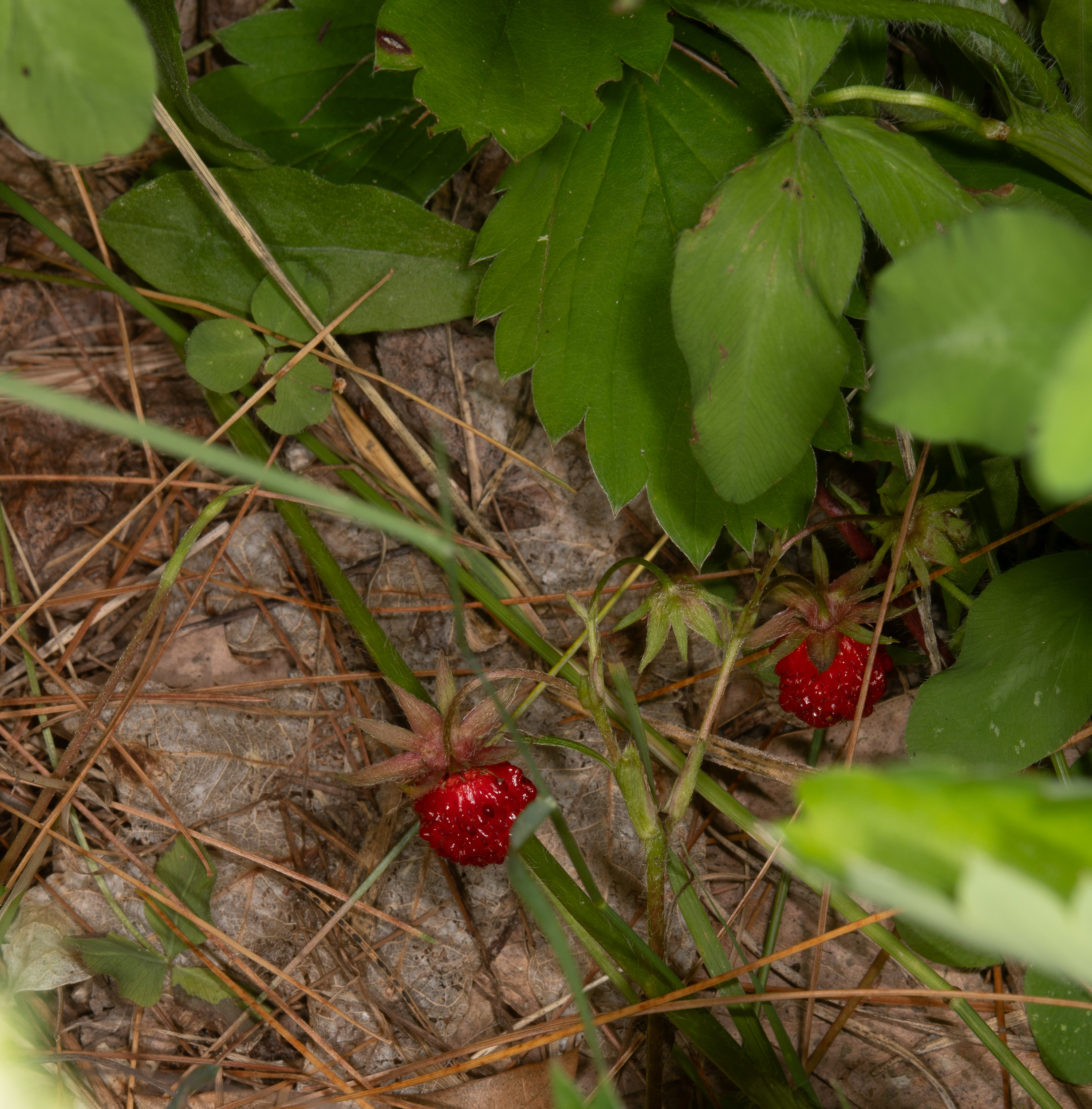
6/23/2017 · Nashua River Rail Trail, Groton, Massachusetts · ≈ 4½ × 5″ (12 × 12 cm) 

6/14/2010 · Nashua River Rail Trail, Groton Center, Groton, Massachusetts · ≈ 5 × 4″ (12 × 11 cm) 
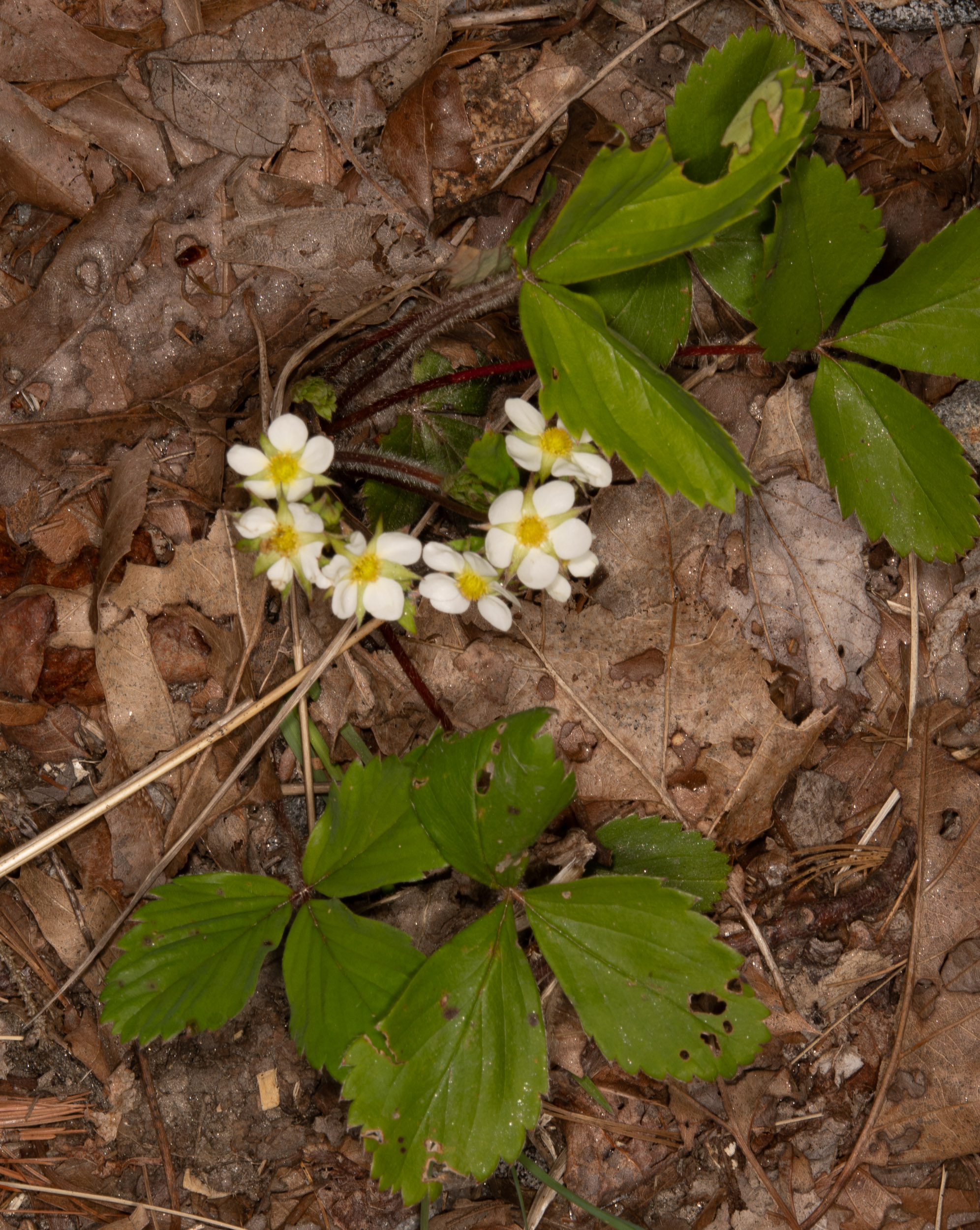
5/11/2021 · Hackett and Minot Trails, Harpswell, Maine · ≈ 8 × 10″ (20 × 26 cm) 
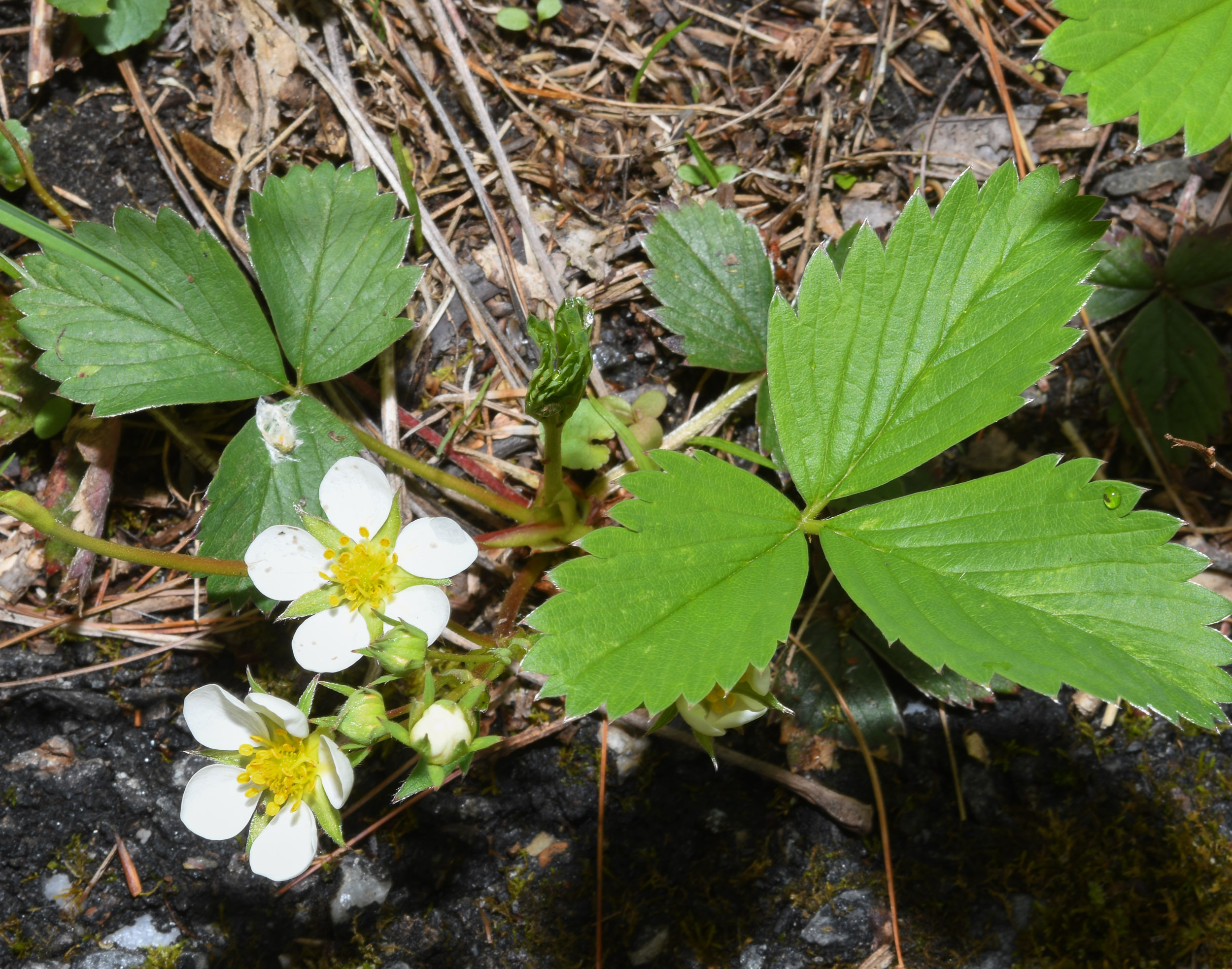
5/6/2016 · Nashua River Rail Trail, Groton, Groton, Massachusetts 
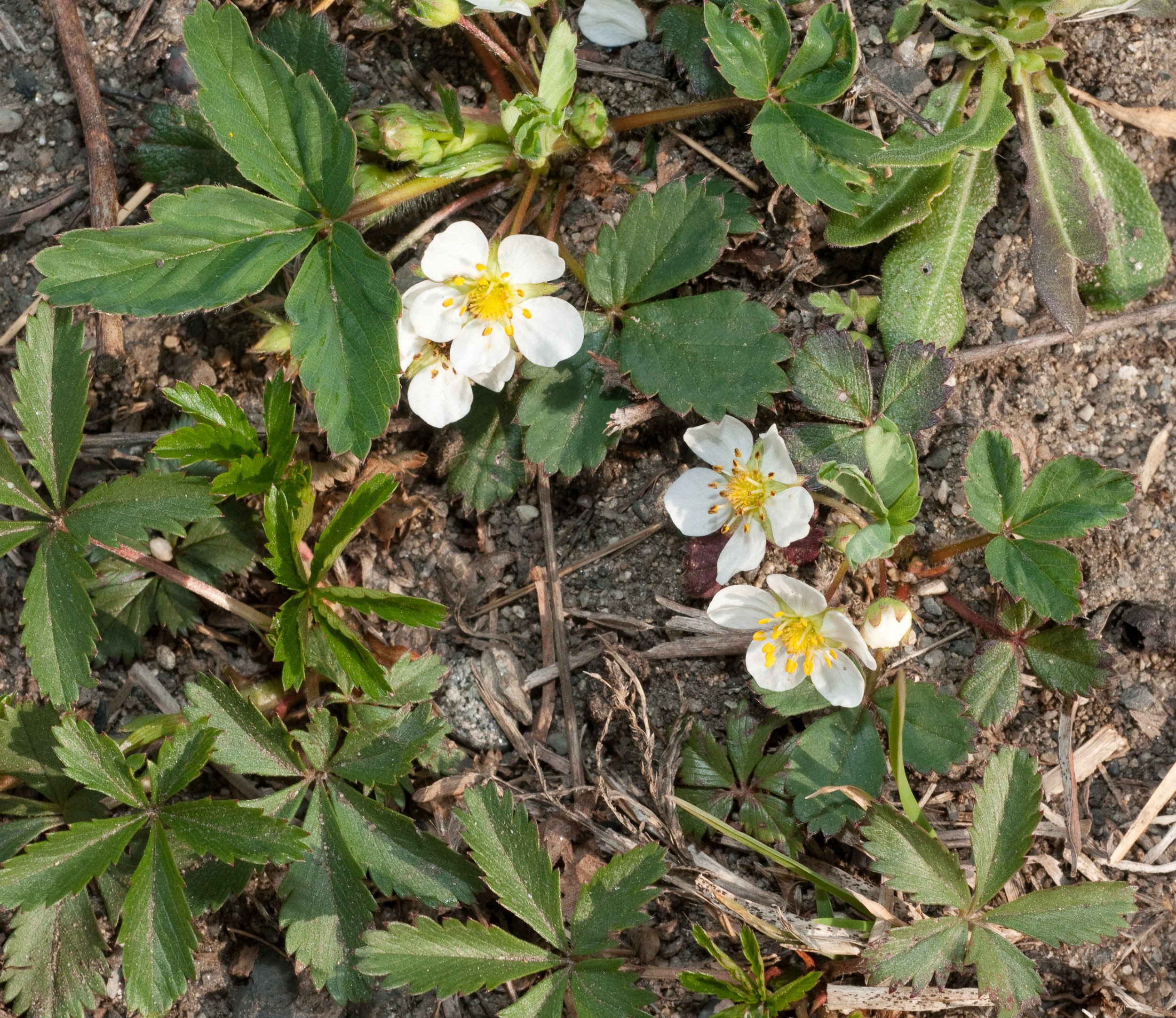
4/23/2010 · Nashua Rail Trail, Ayer, Massachusetts · ≈ 6 × 5″ (15 × 13 cm) 

5/15/1979 · Virginia · By Tim Chandler 

5/18/2025 · Center Point Preserve, Bowdoinham, Maine · ≈ 8 × 6″ (21 × 15 cm) 

9/16/2016 · Sieur de Monts Botanical Gardens, Bar Harbor, Maine 
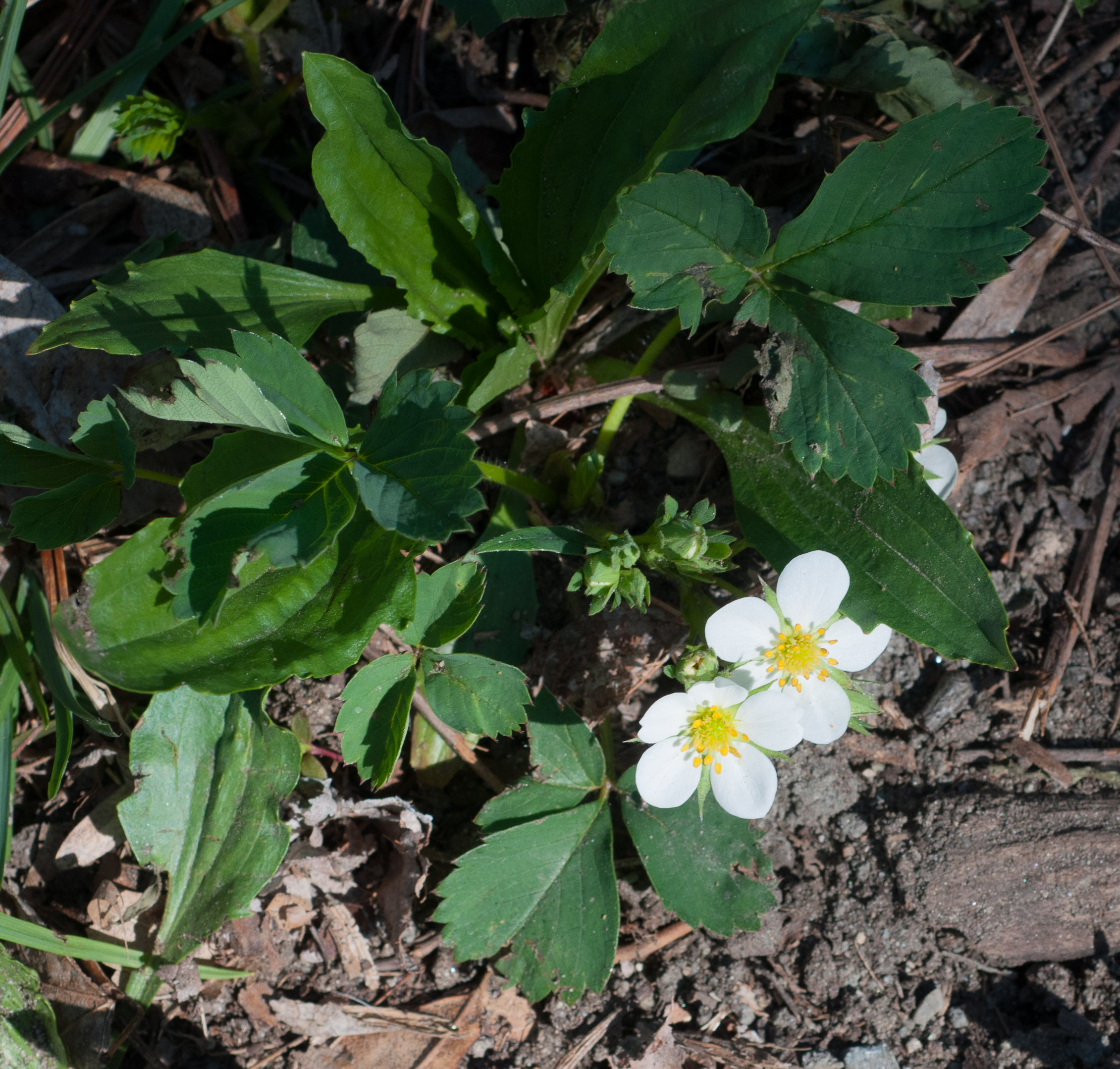
4/17/2012 · Nashua River Rail Trail, Groton, Massachusetts · ≈ 6 × 6″ (14 × 14 cm) 

6/9/2026 · Glen Ellis Falls, Pinkham Notch, New Hampshire · ≈ 5 × 4½″ (12 × 11 cm) 

5/9/2024 · Field Estuary, Freeport, Maine 
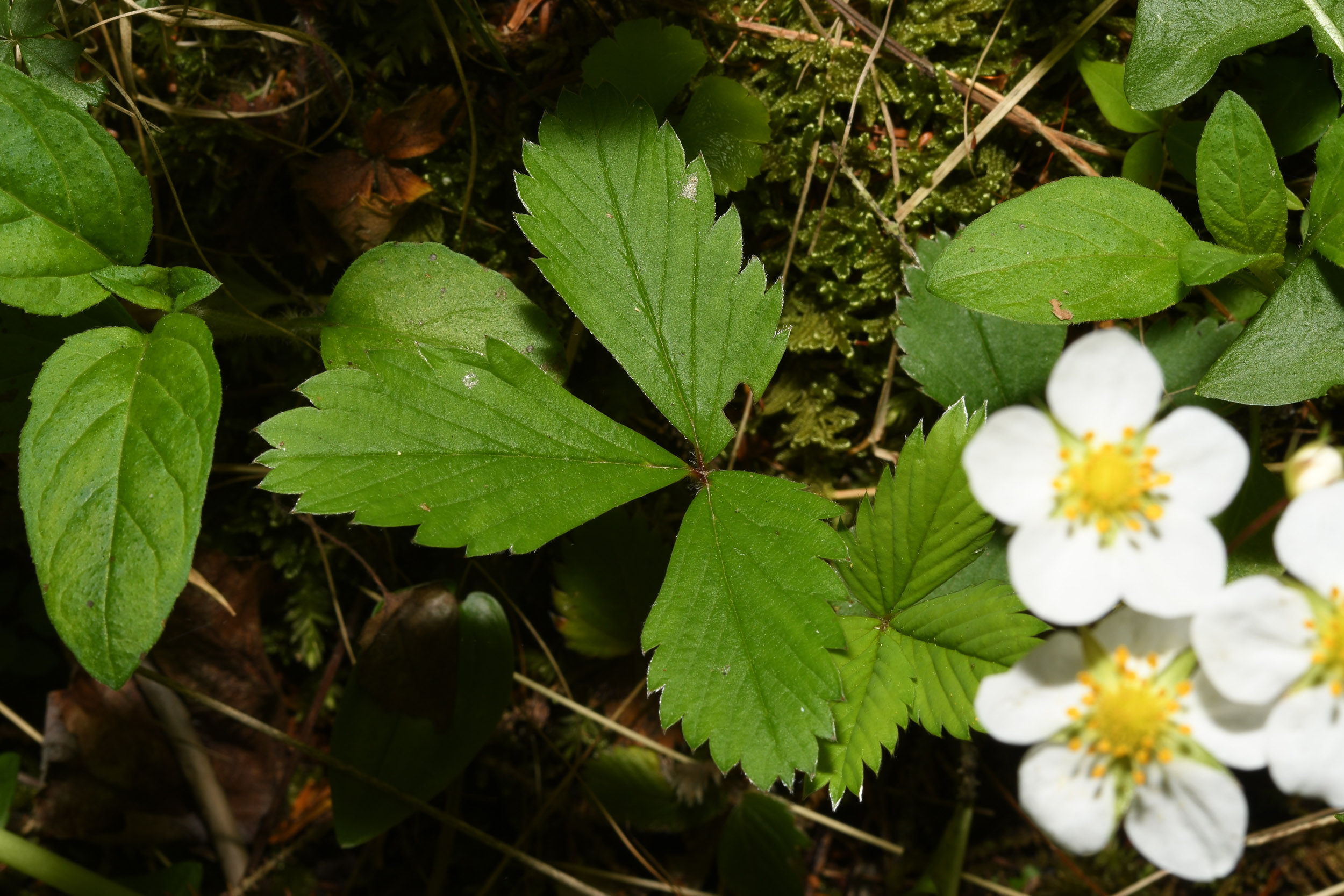
6/9/2016 · Monhegan Island, Maine 
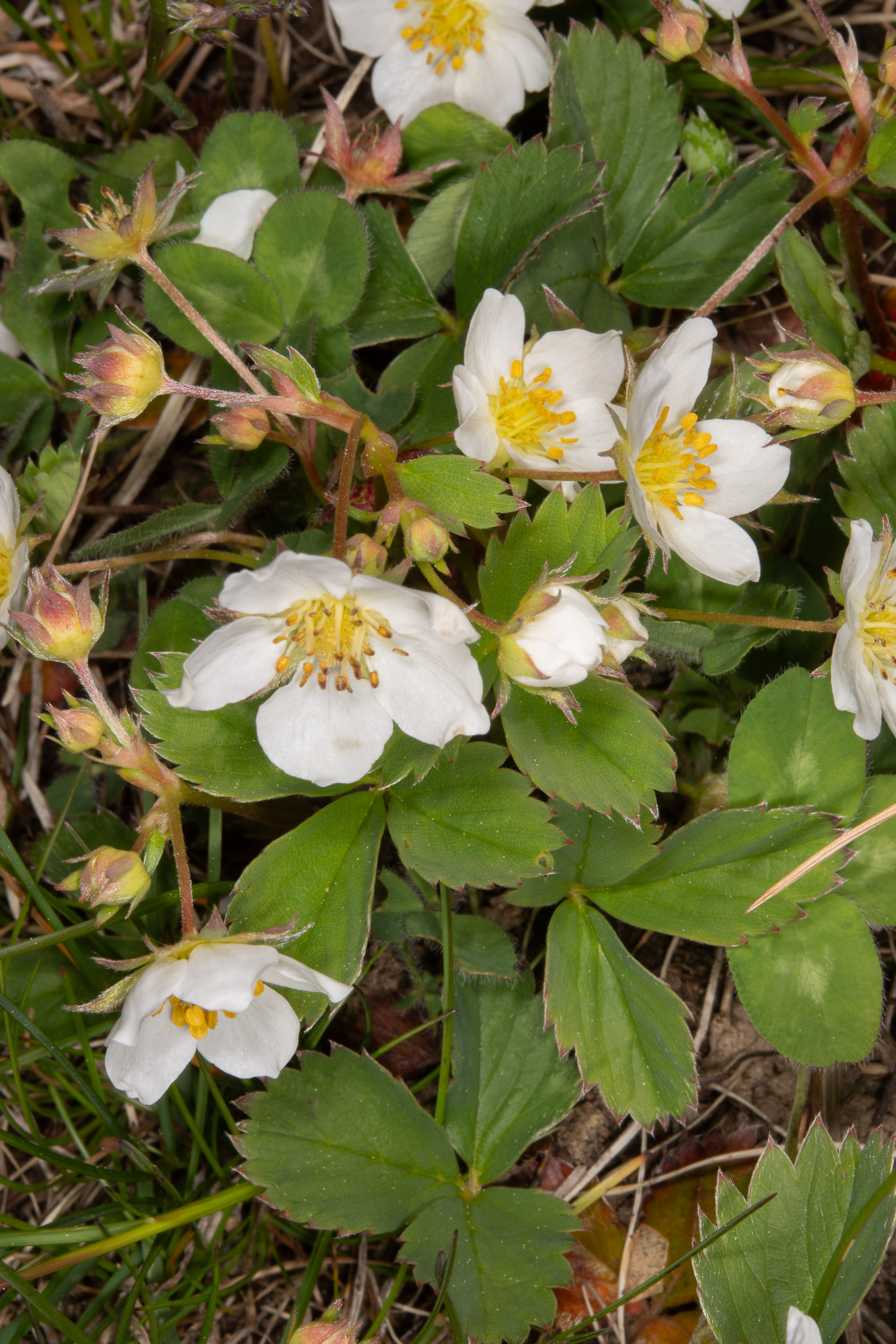
5/9/2021 · Mitchell Field, Harpswell, Maine · ≈ 3½ × 5″ (8.7 × 13 cm) 
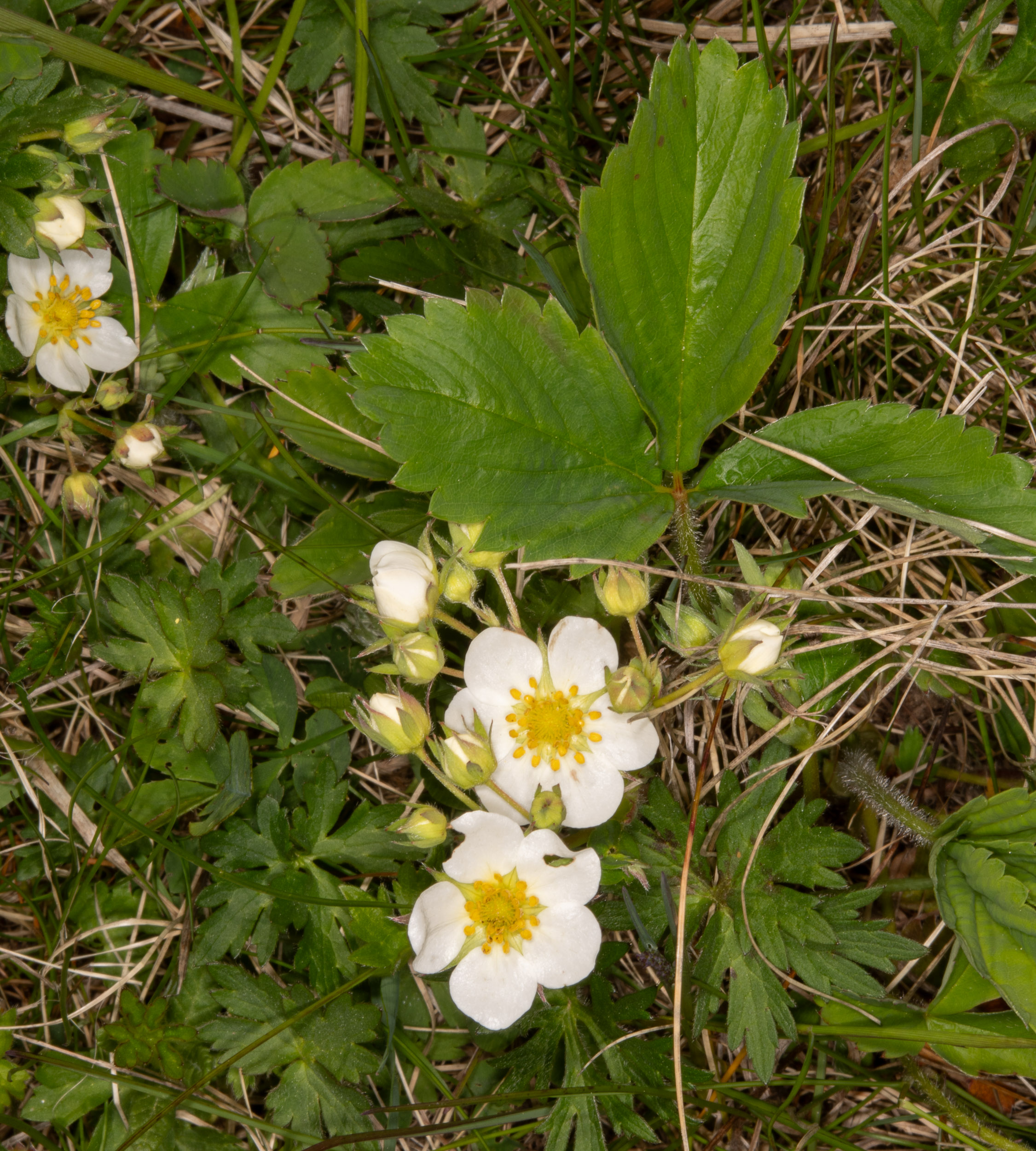
5/9/2021 · Mitchell Field, Harpswell, Maine · ≈ 5 × 6″ (13 × 15 cm) 

5/24/2024 · Monhegan Island, Maine 
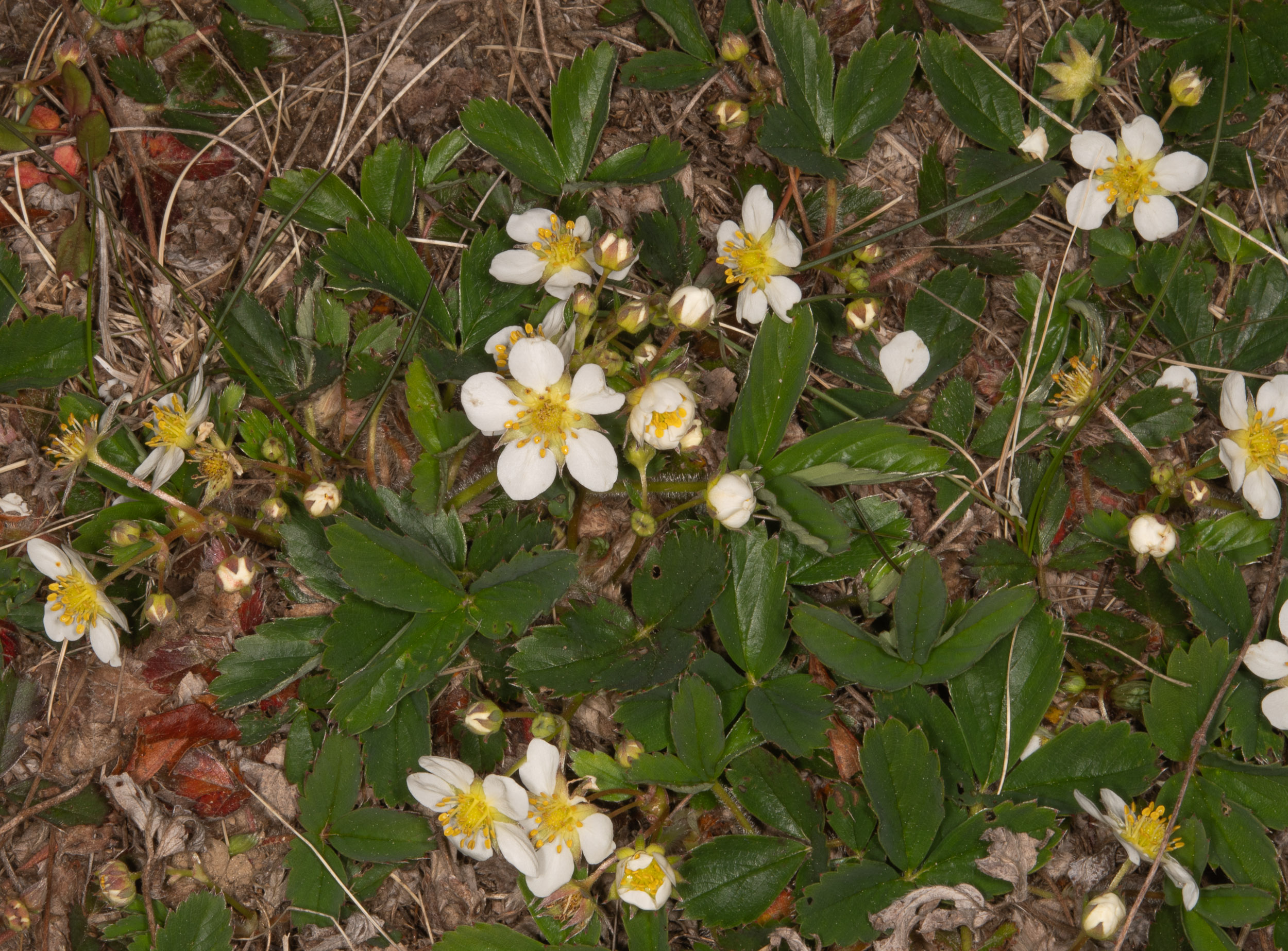
5/9/2021 · Mitchell Field, Harpswell, Maine · ≈ 8 × 6″ (20 × 15 cm) 
| Kingdom | Plantae | Plants, but not fungi, lichens, or algae (from Stearn's Botanical Latin) |
| Subkingdom | Tracheobionta | Vascular plants—plants with a “circulatory system” for delivering water and nutrients |
| Division | Magnoliophyta | Flowering plants, also known as angiosperms |
| Class | Magnoliopsida | Dicotyledons—plants with two initial seed leaves |
| Subclass | Rosidae | Roses, legumes, proteas, dogwoods, hydrangeas, mistletoes, euphorbias, grapes, many more |
| Order | Rosales | Rose family and eight others |
| Family | Rosaceae | Includes apples, apricots, plums, cherries, peaches, pears, raspberries, strawberries, almonds, roses, meadowsweets, photinias, firethorns, rowans, and hawthorns; many others |
| Genus | Fragaria | From the Latin fraga, “strawberry,” which derives from fragum, “fragrant,” from the fragrance of the fruit |
| Species | virginiana | From or referring to Virginia |
Fragaria virginiana description by Thomas H. Kent, not updated.

© FloraFinder.org. All rights reserved.