Fagus ferruginea Aiton
Fagus grandifolia Ehrh. var. caroliniana (Loudon) Fernald & Rehder
Fagus grandifolia Ehrh. ssp. heterophylla Camp
Fagus grandifolia Ehrh.
American beech
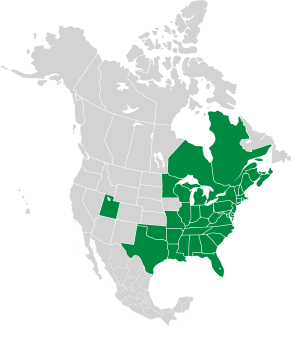
American beech is native to eastern North America. These slow-growing trees once covered most of North America, and can reach 400 years in age.
Plants: These trees are 66–115′ (20–35 m) in height, with very smooth bark that is silver-gray in color. Most tree bark roughens with age, but beech tree bark remains smooth unless attacked by disease. Trees can reproduce by “root suckering,” wherein spreading roots produce new trees, so it isn’t unusual for a mature tree to be surrounded by younger trees.
Leaves: 3″ (7.6 cm) long, alternate, roughly oval with pointed ends, shiny and waxy, dark green and smooth, with toothed edges. They have strong parallel veins. In the fall, they turn yellow, then a pale straw color in winter—often some of the leaves remain during the winter.
Flowers: Flowers of both sexes appear on the same tree (making beeches monoecious); both flowers are greenish and rounded, on stalks up to 1″ (2.5 cm).
Fruits: Fruits, called beechnuts, are small three-winged nuts produced within a bur-like outer covering.
Habitats: Rich woods of ravines, slopes and valleys.
Online References:
References:
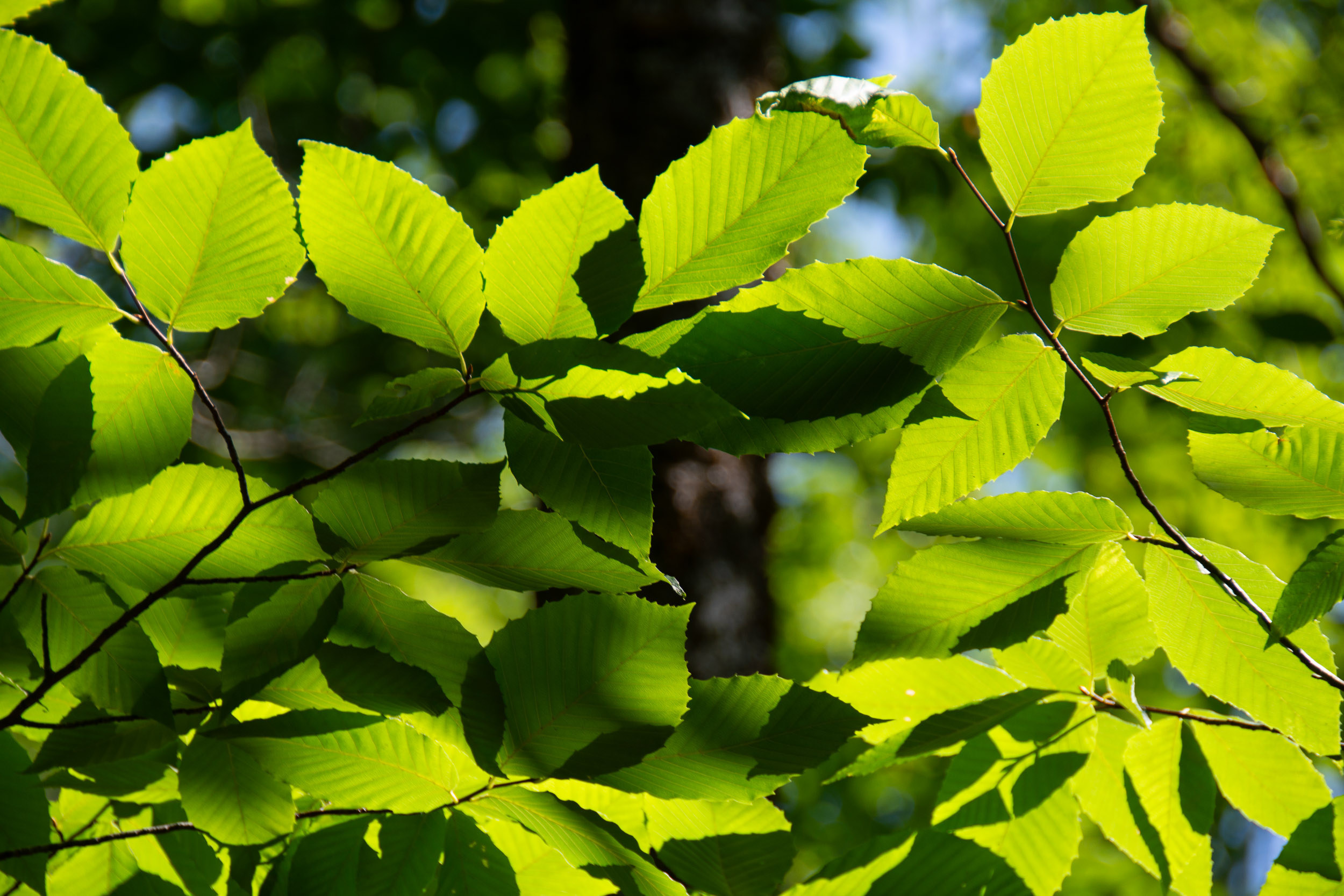
7/23/2021 · Bradbury Mountain State Park, Pownal, Maine 
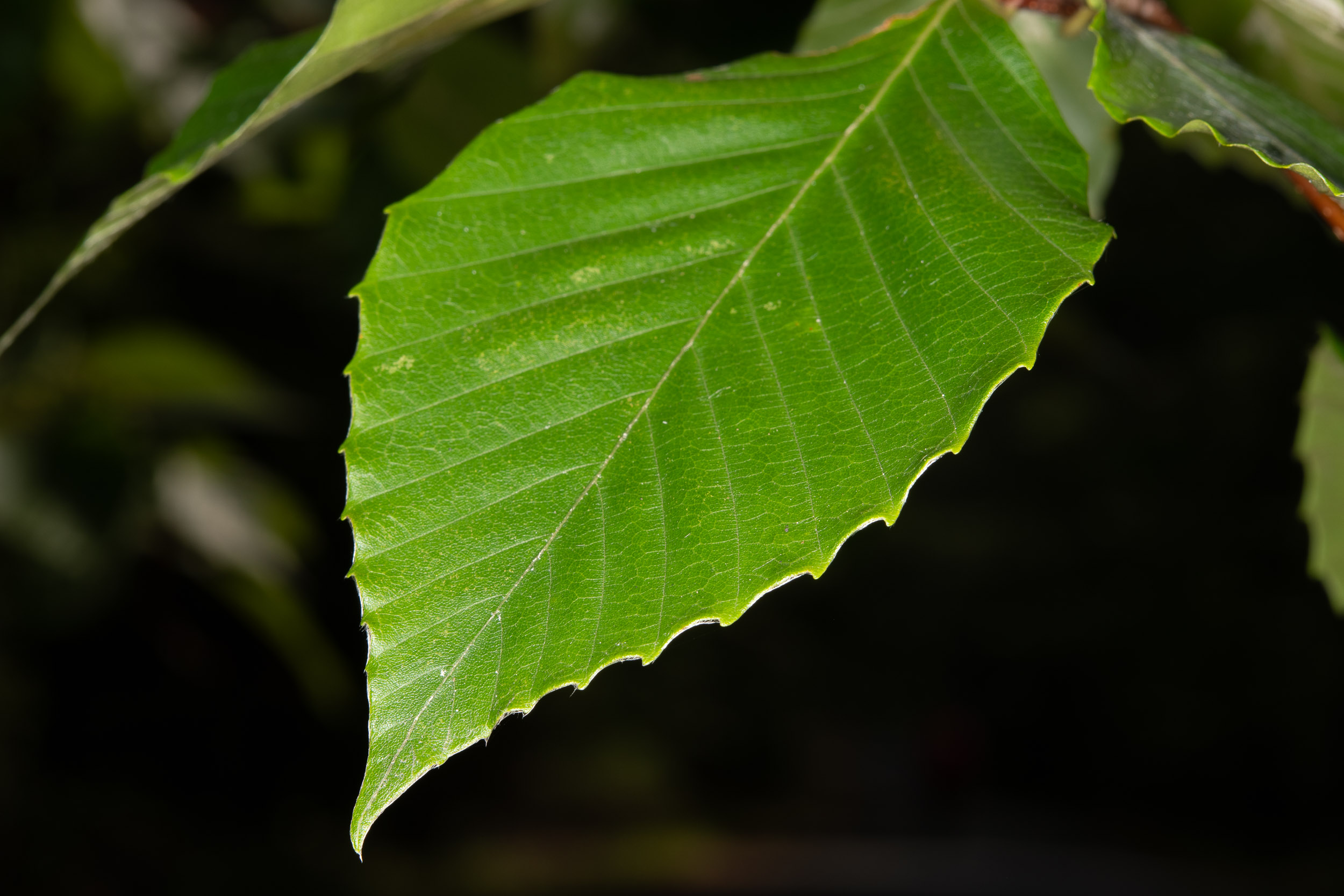
8/21/2017 · Pearl Hill State Park, Townsend, Massachusetts · ≈ 5 × 3½″ (13 × 9.2 cm) 

10/6/2011 · Shieling Forest, Peterborough, New Hampshire · ≈ 12 × 8″ (31 × 20 cm) 
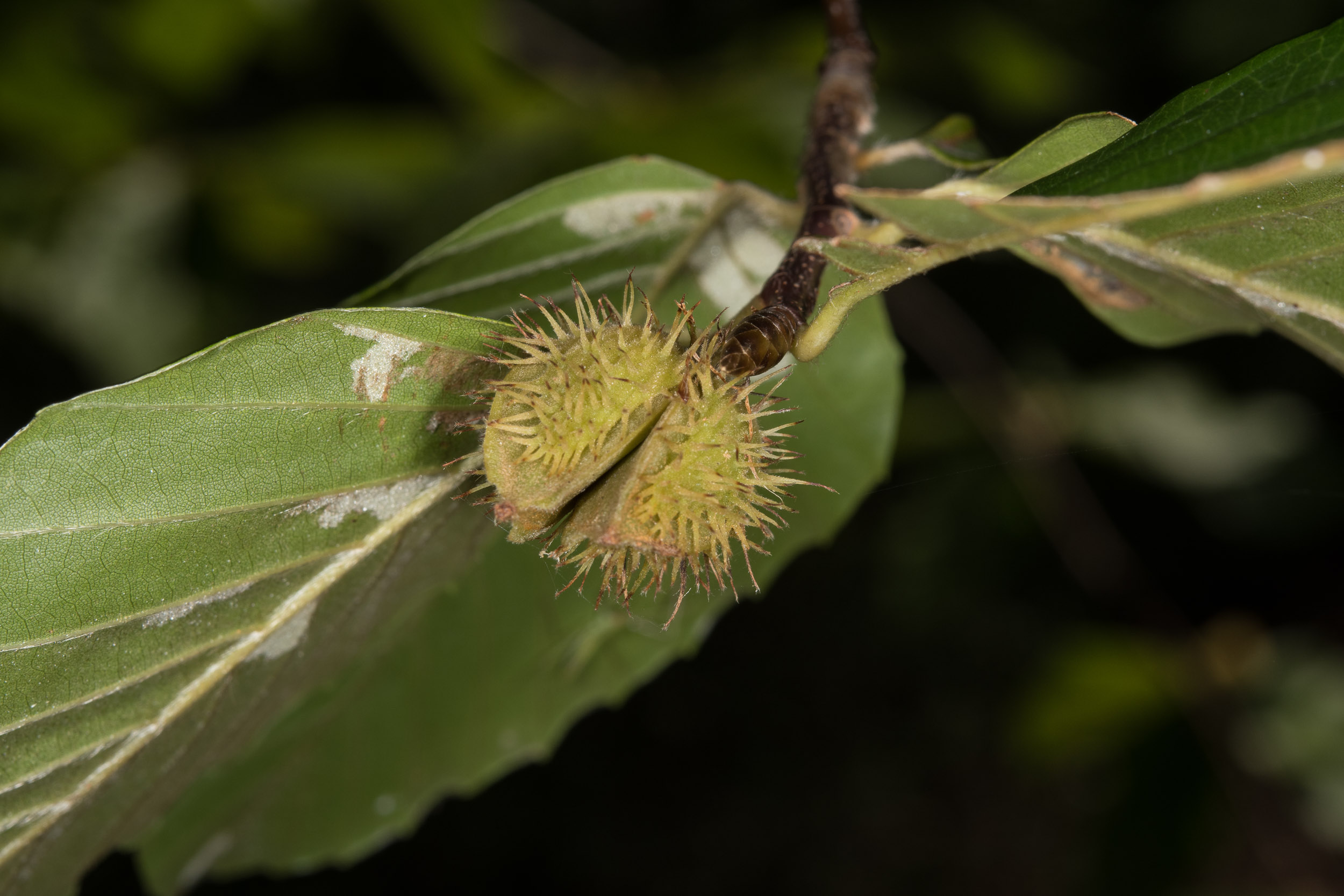
8/21/2017 · Pearl Hill State Park, Townsend, Massachusetts · ≈ 4½ × 3″ (11 × 7.9 cm) 
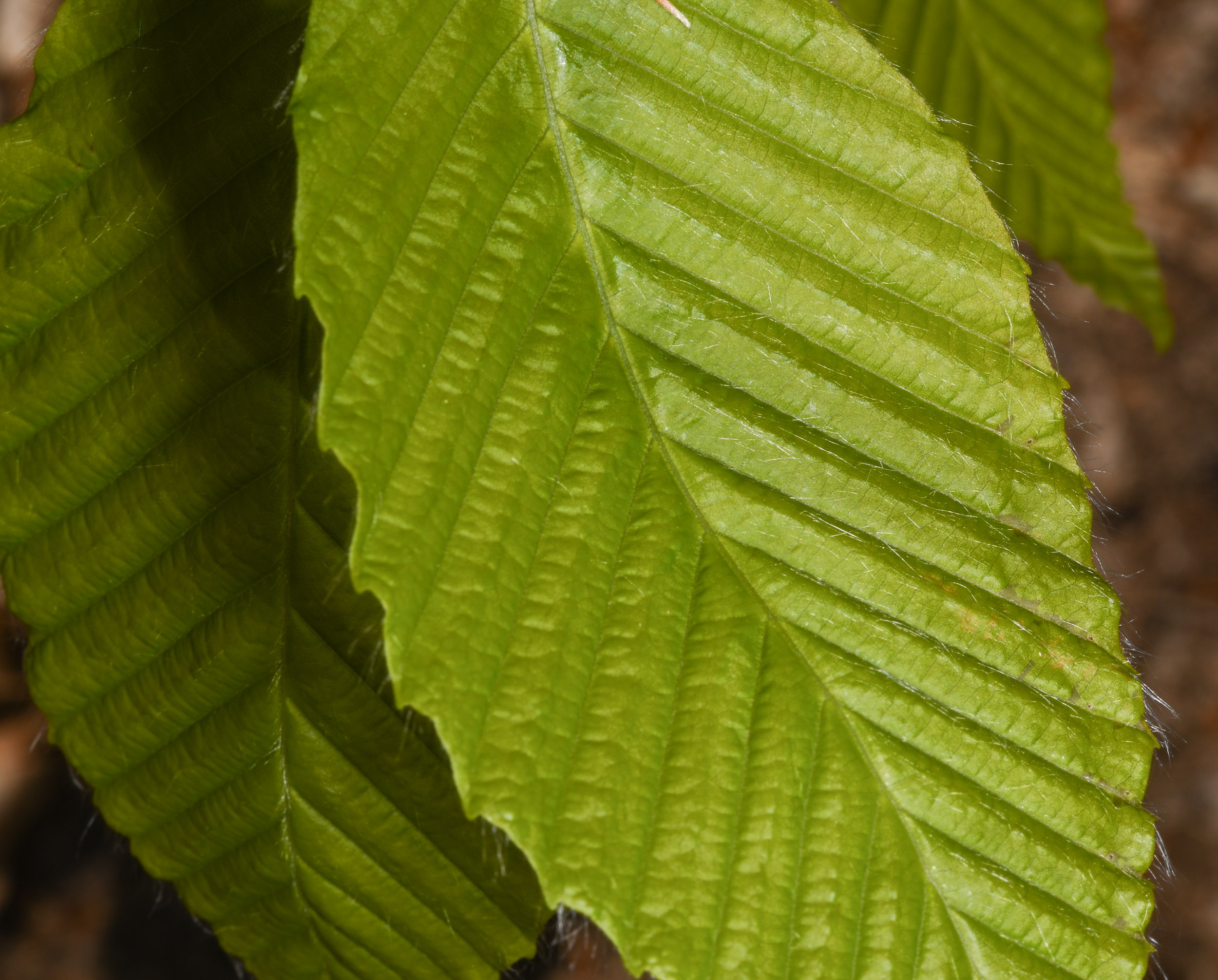
Young leaves. · 5/11/2016 · Pearl Hill State Park, Ashby, Massachusetts 
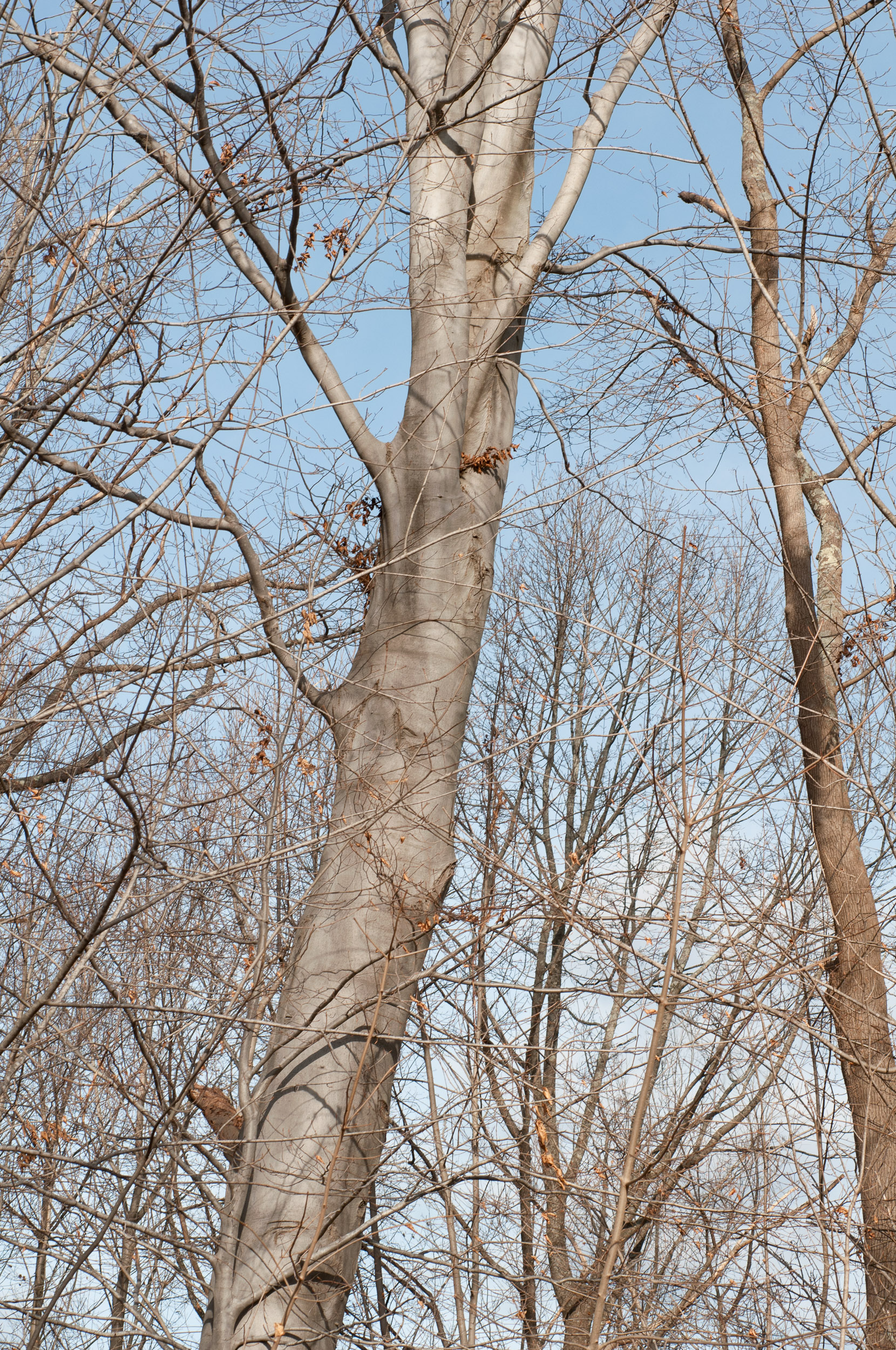
12/22/2011 · Rte. 225, West Groton, Massachusetts  ID is uncertain
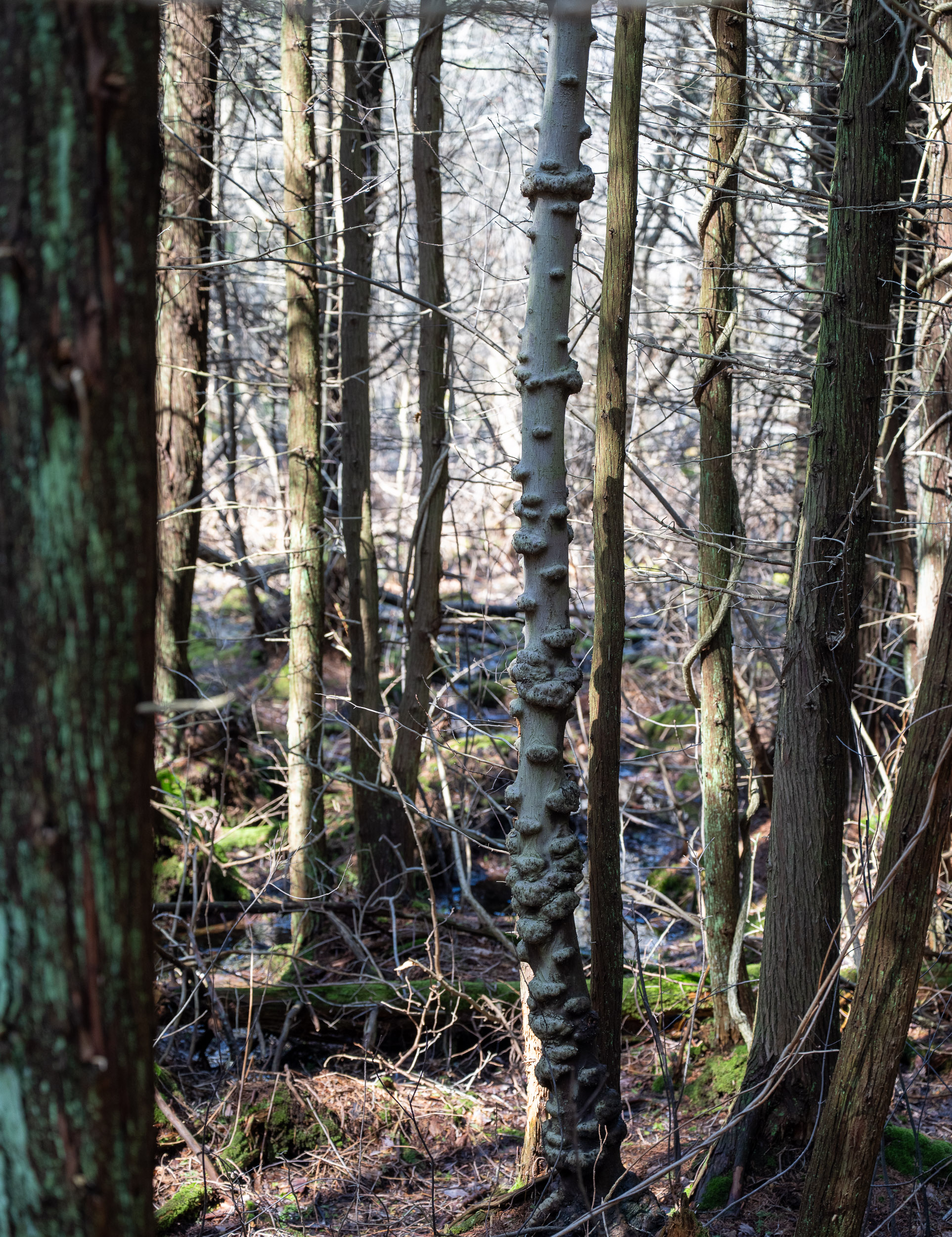
Beech bark disease (BBD) is a disease-insect complex that involves both non-native (Cryptococcus fagisuga) and native (Xylococculus betulae) scale insects and two species of the fungal pathogen Neonectria (N. ditissima and N. faginata). · 4/3/2026 · Cedar Swamp, Powers Farm Community Park, Randolph, Massachusetts 
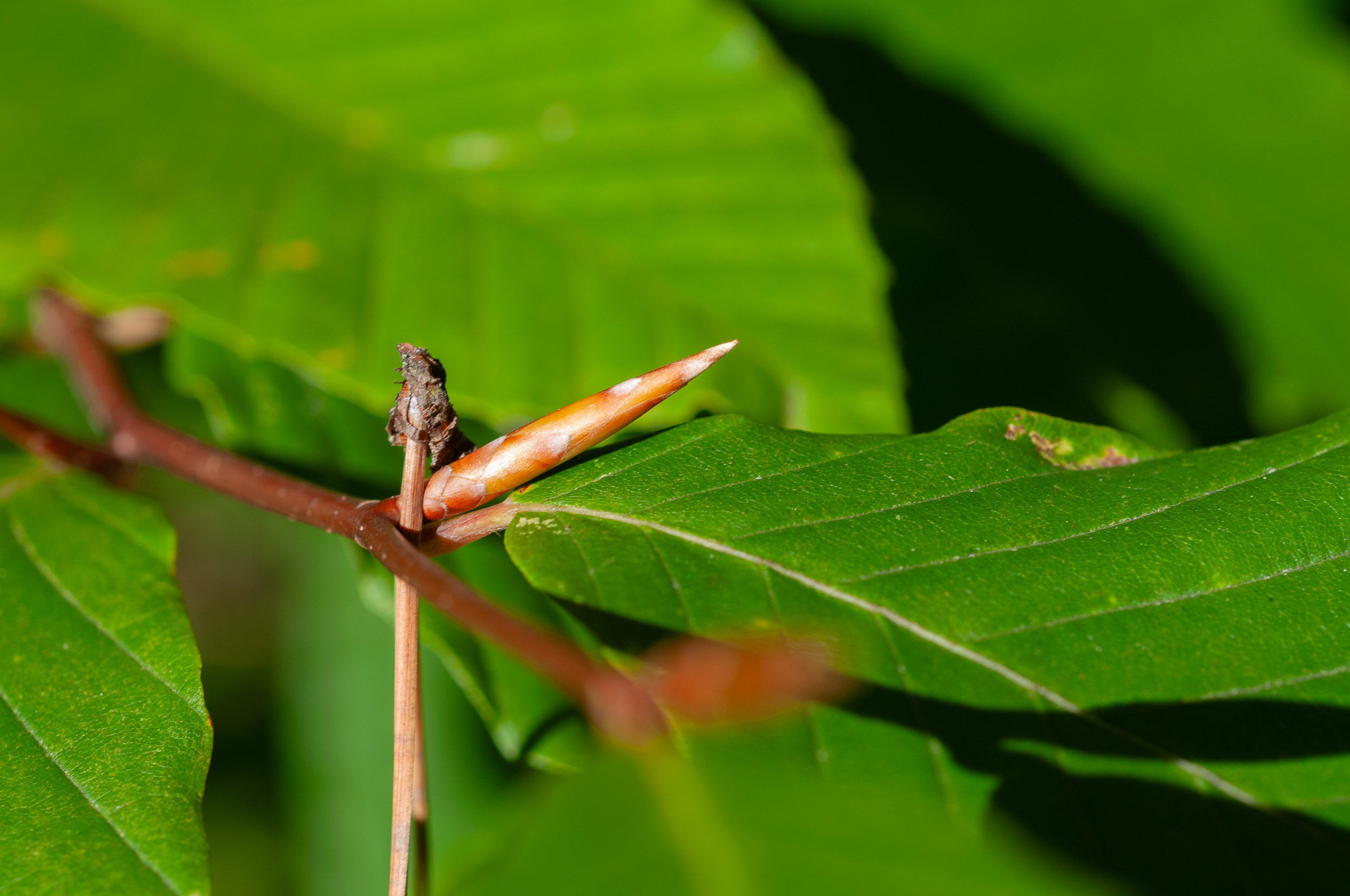
10/6/2011 · Shieling Forest, Peterborough, New Hampshire · ≈ 4½ × 3″ (11 × 7.9 cm) 
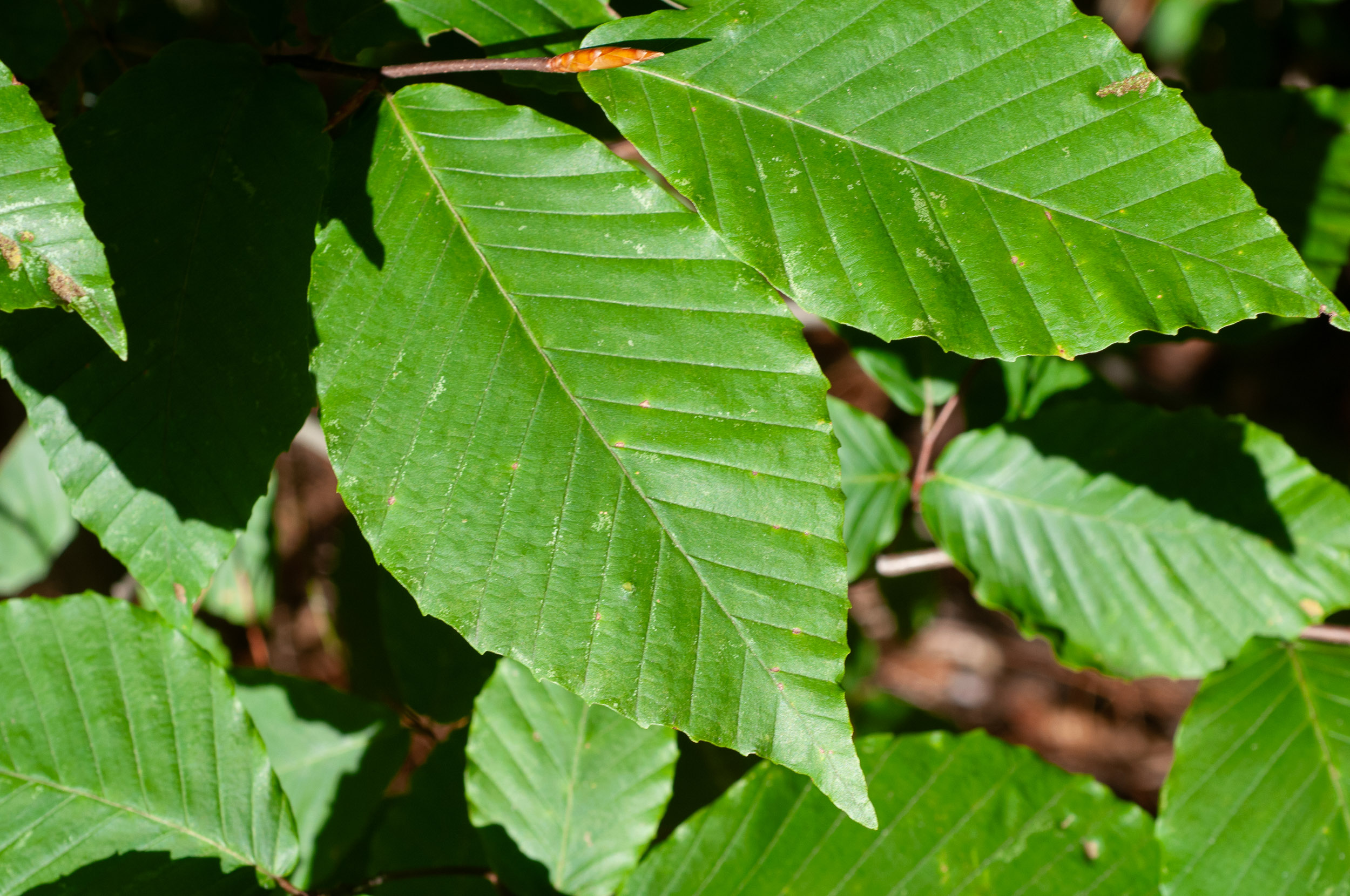
10/6/2011 · Shieling Forest, Peterborough, New Hampshire · ≈ 11 × 7″ (27 × 18 cm) 
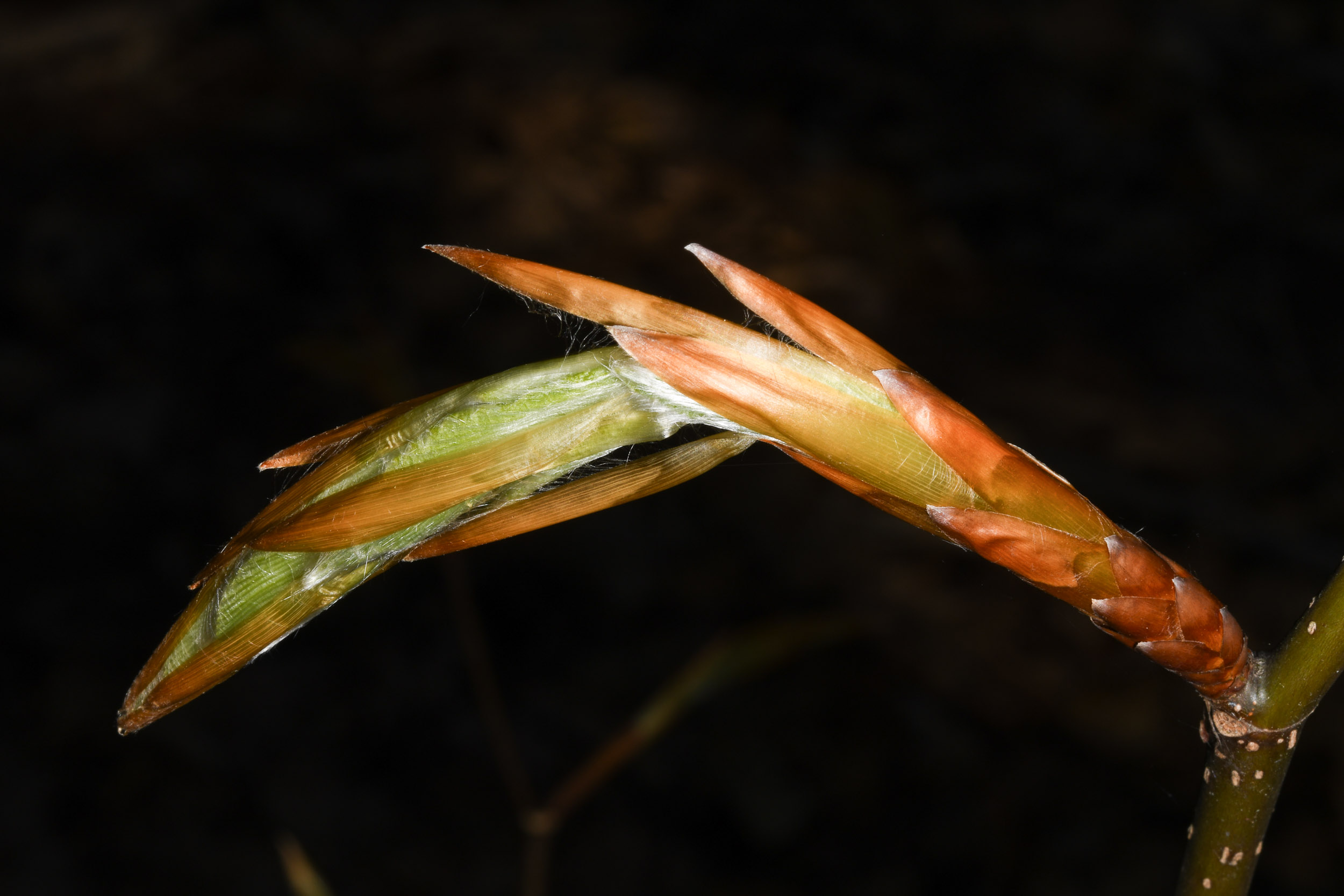
5/11/2016 · Pearl Hill State Park, Ashby, Massachusetts 

4/24/2016 · Blue Trail, Willard Brook State Park, Ashby, New Hampshire 

1/1/2012 · Big Tree Trail • Tudor Richards Natural History and Forest Trail, Hollis, New Hampshire · ≈ 1 × 2′ (41 × 62 cm) 
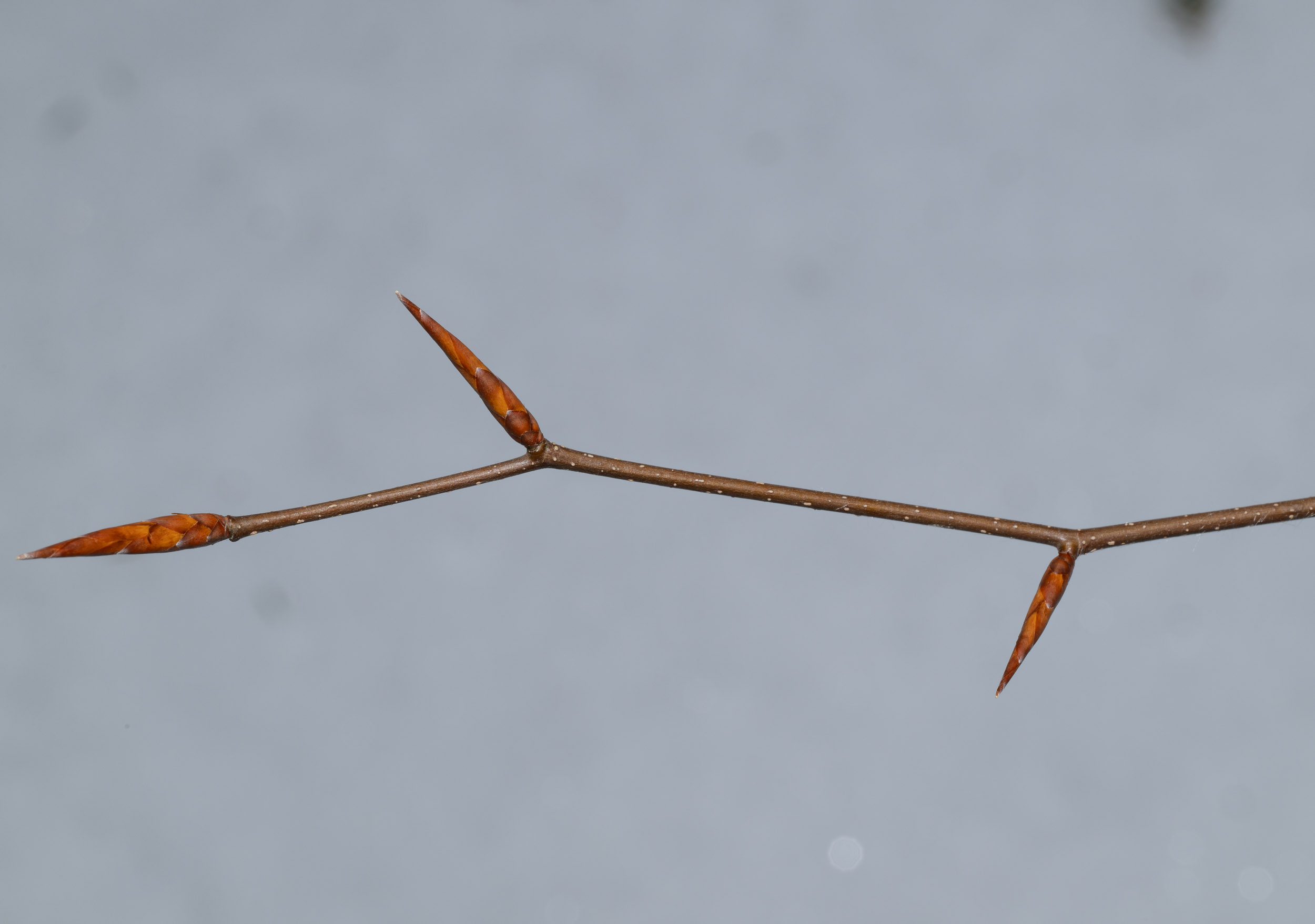
3/4/2025 · Skolfield Shores Preserve, Harpswell, Maine · ≈ 7 × 4½″ (17 × 12 cm) 

9/28/2011 · Groton Place and Sabine Woods, Groton, Massachusetts · ≈ 5 × 3½″ (13 × 9.2 cm) ID is uncertain 
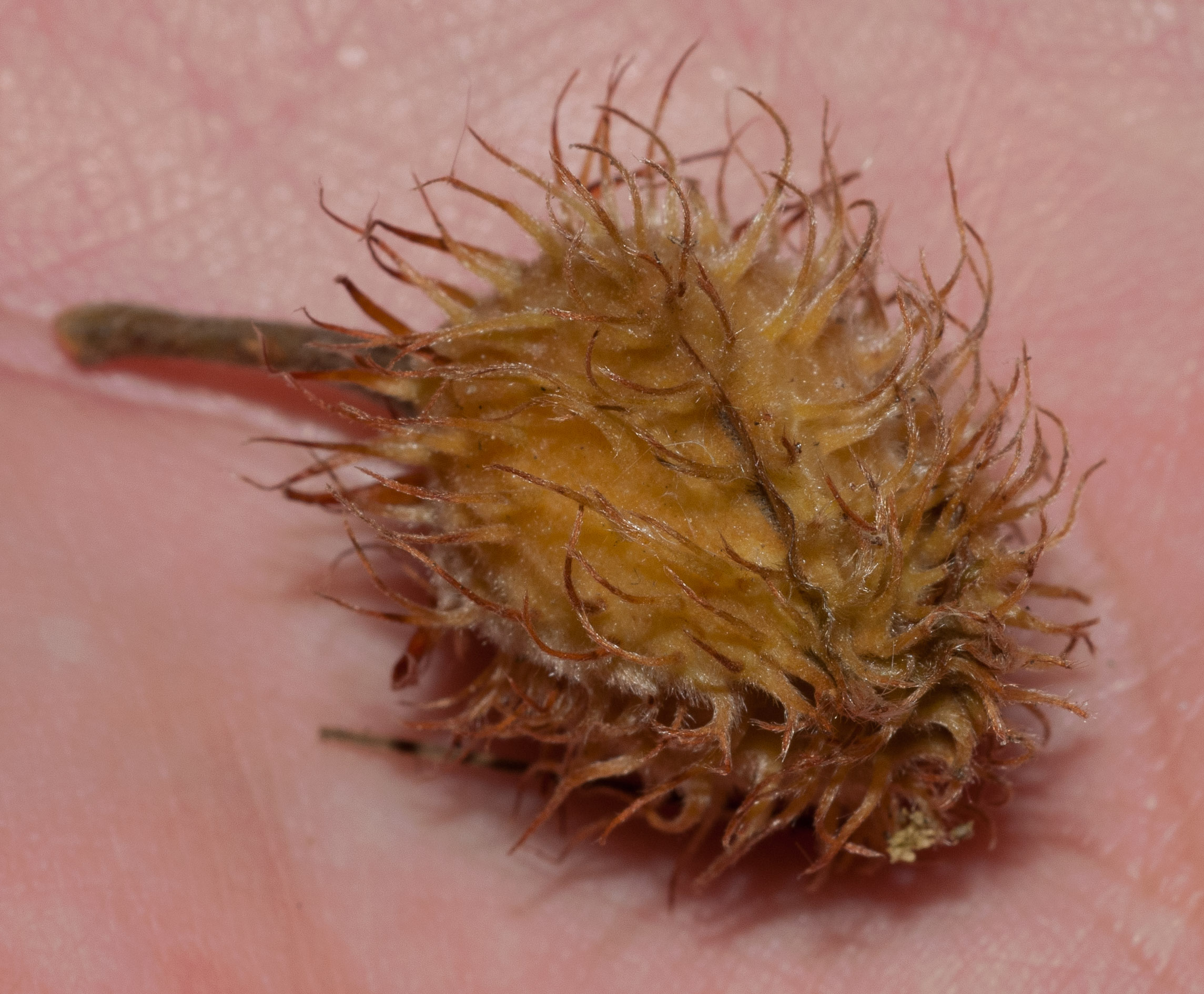
9/28/2011 · Groton Place and Sabine Woods, Groton, Massachusetts · ≈ 2½ × 2″ (6.3 × 5.2 cm) ID is uncertain 
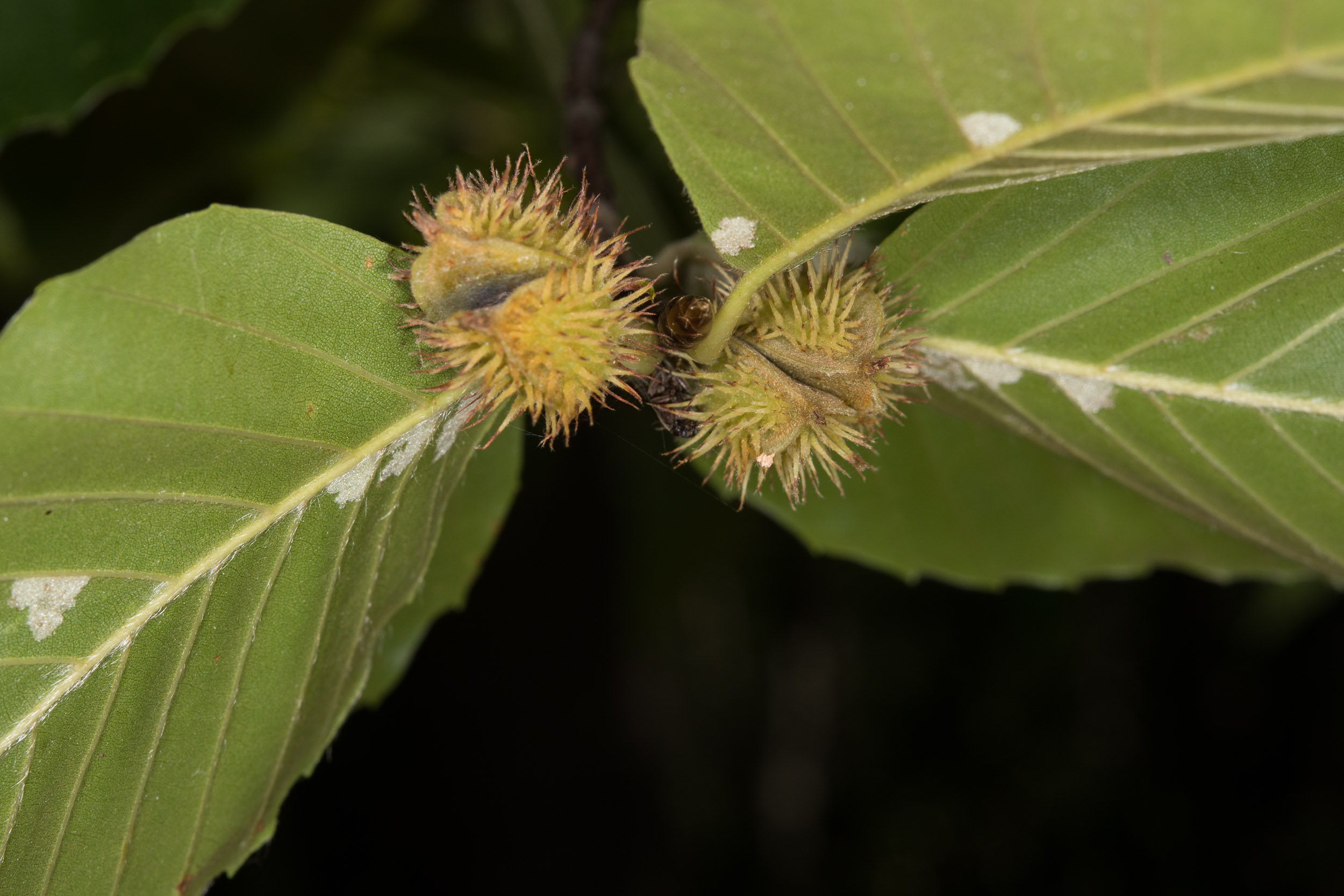
8/21/2017 · Pearl Hill State Park, Townsend, Massachusetts · ≈ 5 × 3½″ (13 × 8.7 cm) 
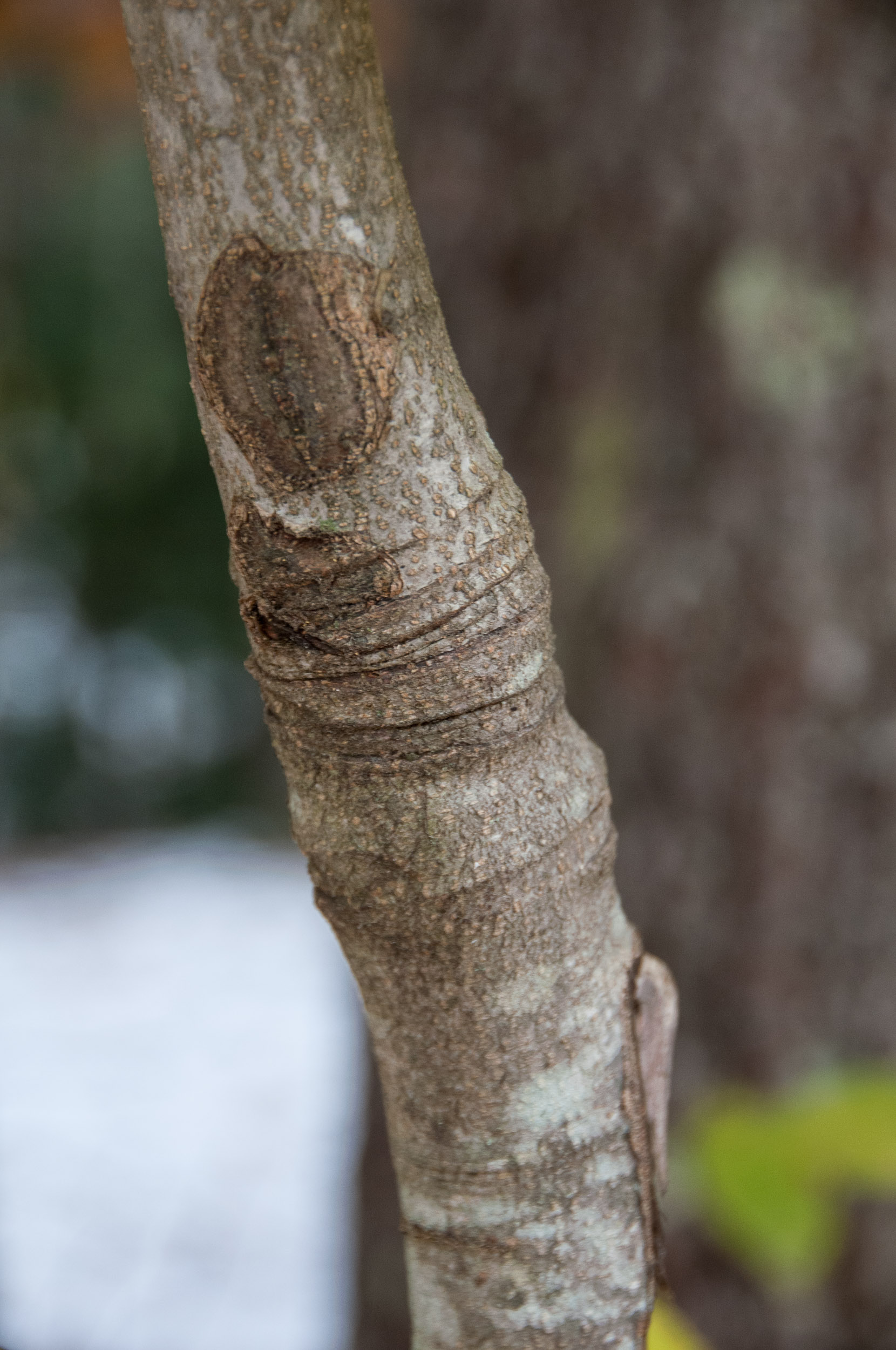
11/3/2011 · Pearl Hill State Park, Townsend, Massachusetts · ≈ 3 × 5″ (8.3 × 12 cm) 

5/6/2021 · Tarbox Preserve, Topsham, Maine · ≈ 6 × 4½″ (16 × 12 cm) 

11/8/2009 · Yellow Trail from Pearl Hill State Park to Willard Brook State Park, Ashby, Massachusetts 
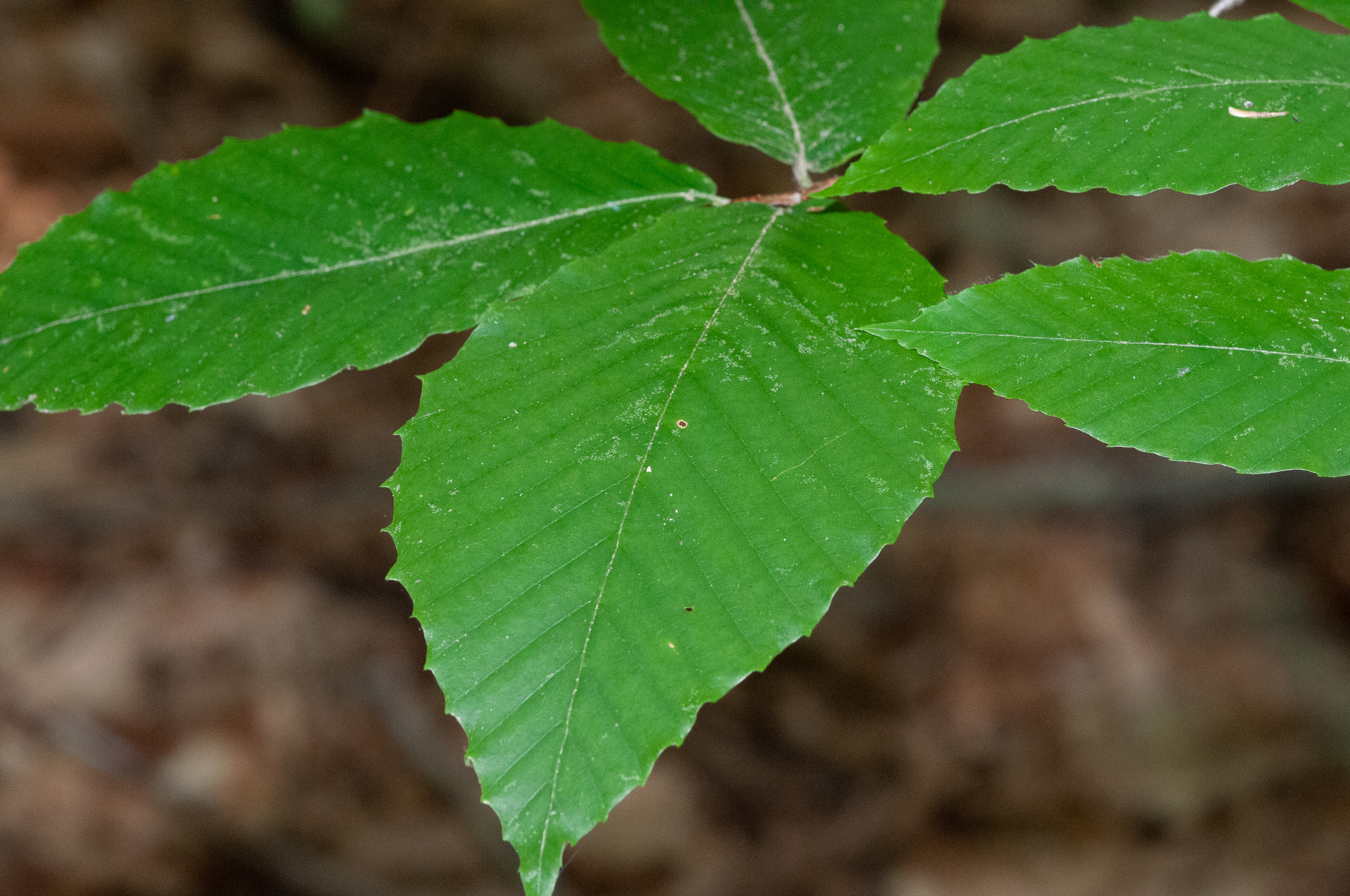
8/9/2010 · Keyes Farm, Nashoba Conservation Trust, Elm St., Pepperell, Massachusetts · ≈ 10 × 7″ (25 × 16 cm) 
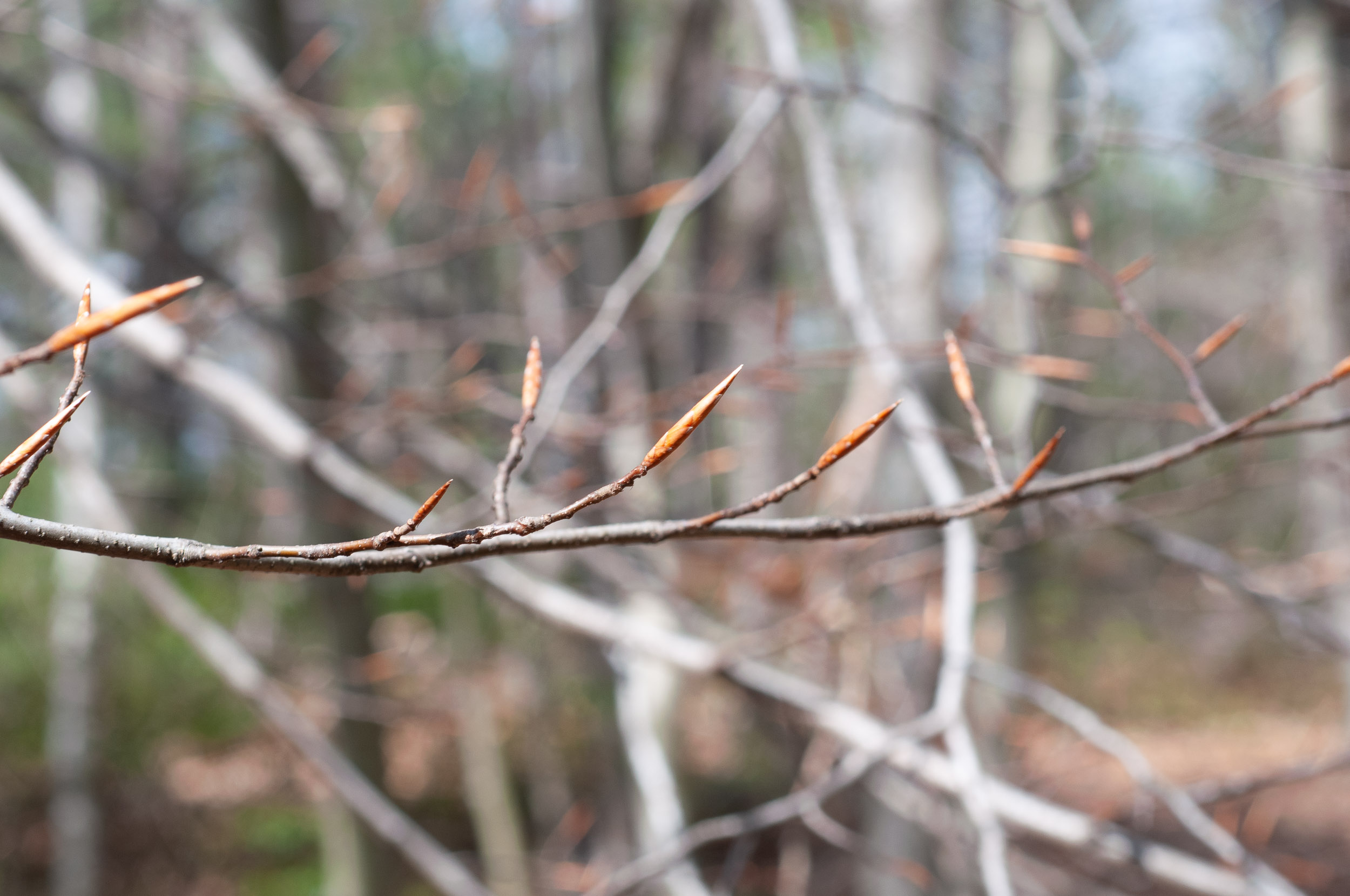
4/1/2012 · Pearl Hill State Park, Yellow Trail, Townsend, Massachusetts · ≈ 11 × 7″ (27 × 18 cm) 

Beech bark disease (BBD) is a disease-insect complex that involves both non-native (Cryptococcus fagisuga) and native (Xylococculus betulae) scale insects and two species of the fungal pathogen Neonectria (N. ditissima and N. faginata). · 4/2/2026 · Long Reach Preserve, Harpswell, Maine · ≈ 11 × 17″ (28 × 43 cm) 

12/22/2011 · Rte. 225, West Groton, Massachusetts ID is uncertain 
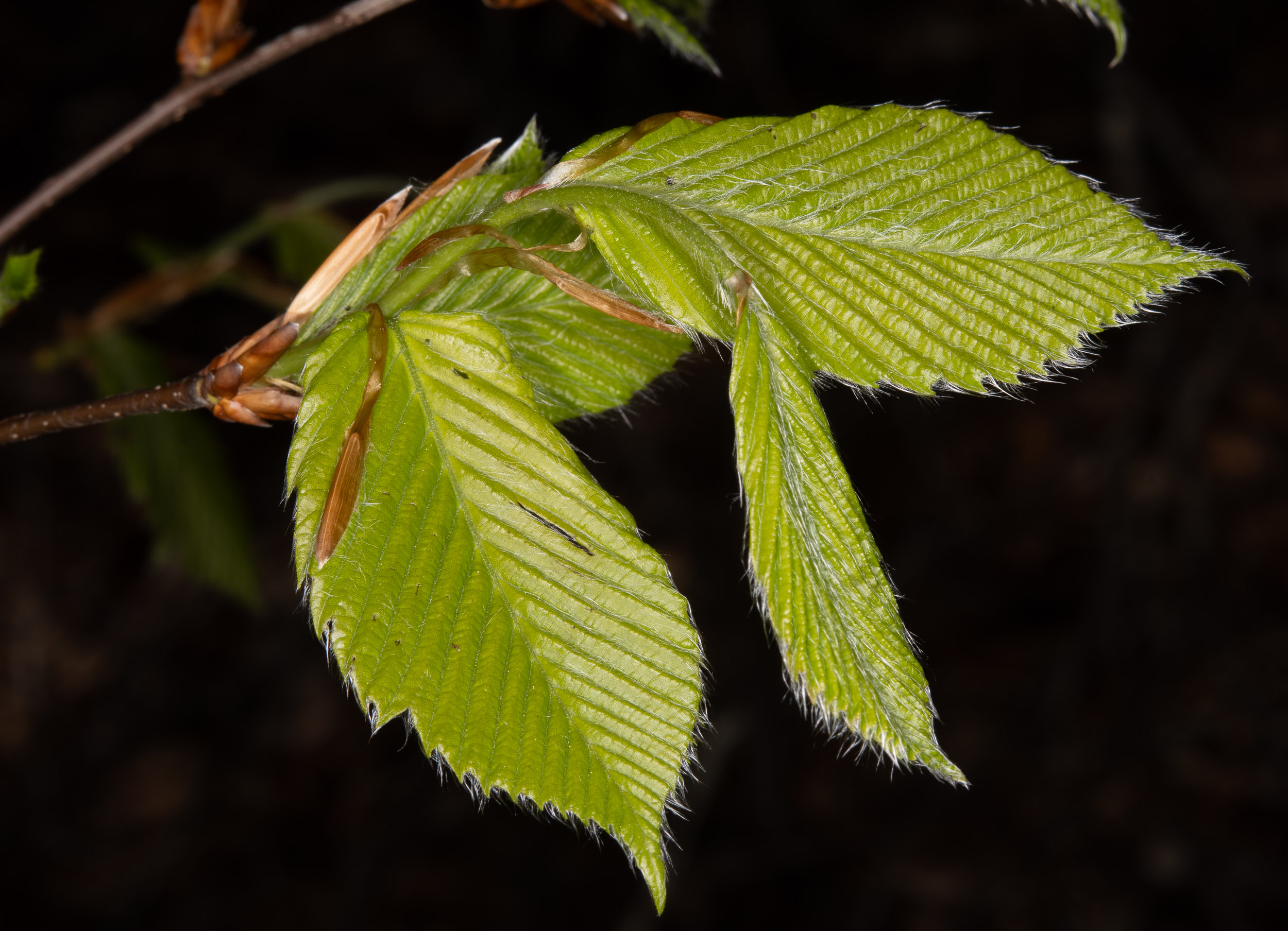
5/7/2021 · Long Reach Preserve, Harpswell, Maine · ≈ 5 × 3½″ (13 × 9.6 cm) 
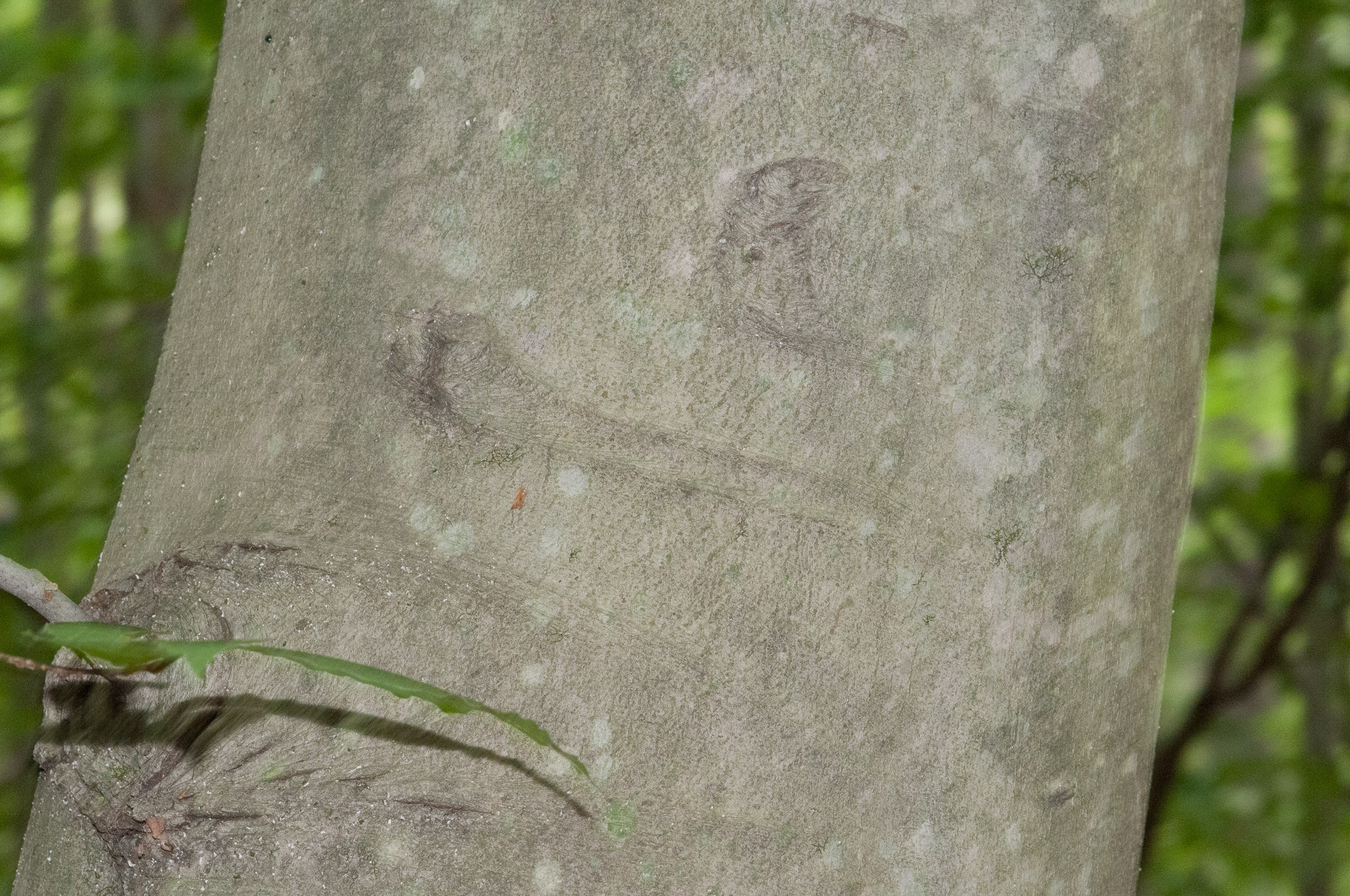
8/9/2010 · Keyes Farm, Nashoba Conservation Trust, Elm St., Pepperell, Massachusetts 
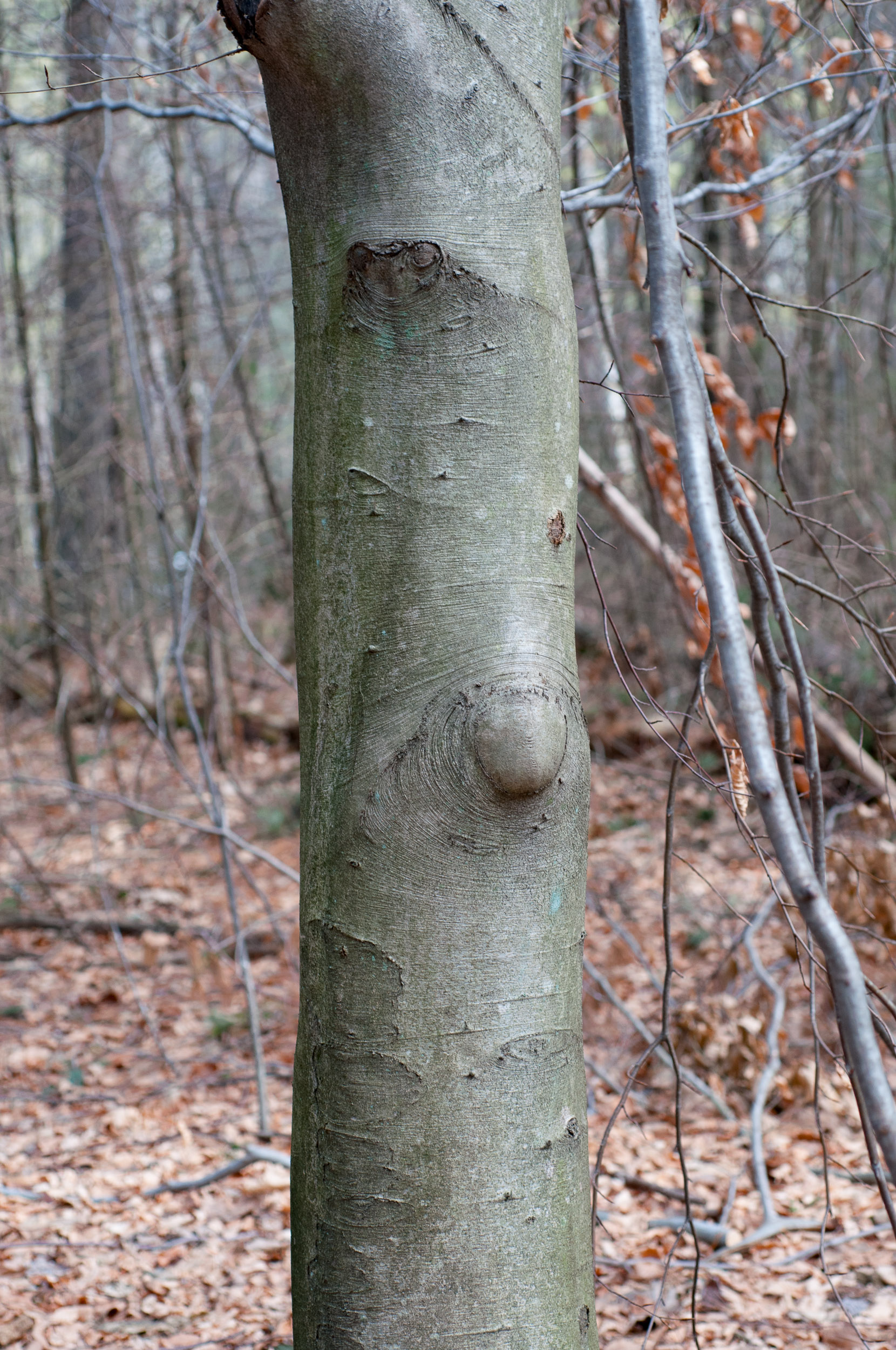
3/9/2012 · Groton Place and Sabine Woods, Groton, Massachusetts 

5/6/2021 · Tarbox Preserve, Topsham, Maine · ≈ 3½ × 5″ (9.4 × 13 cm) 

5/10/2024 · Sayles Field Preserve, Freeport, Maine 
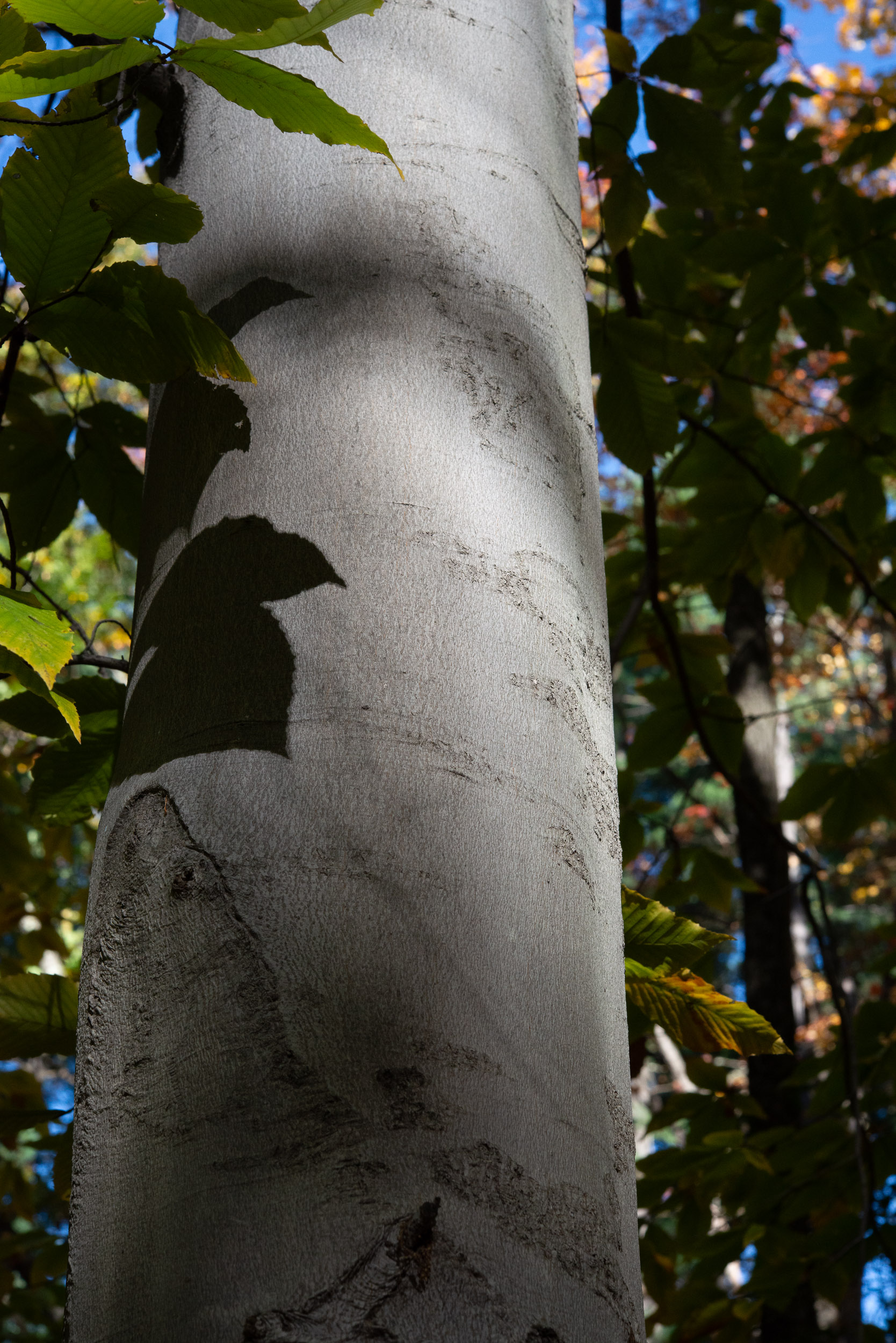
10/20/2013 · Barrett Park, Leominster, Massachusetts · ≈ 1½ × 2½′ (53 × 79 cm) 
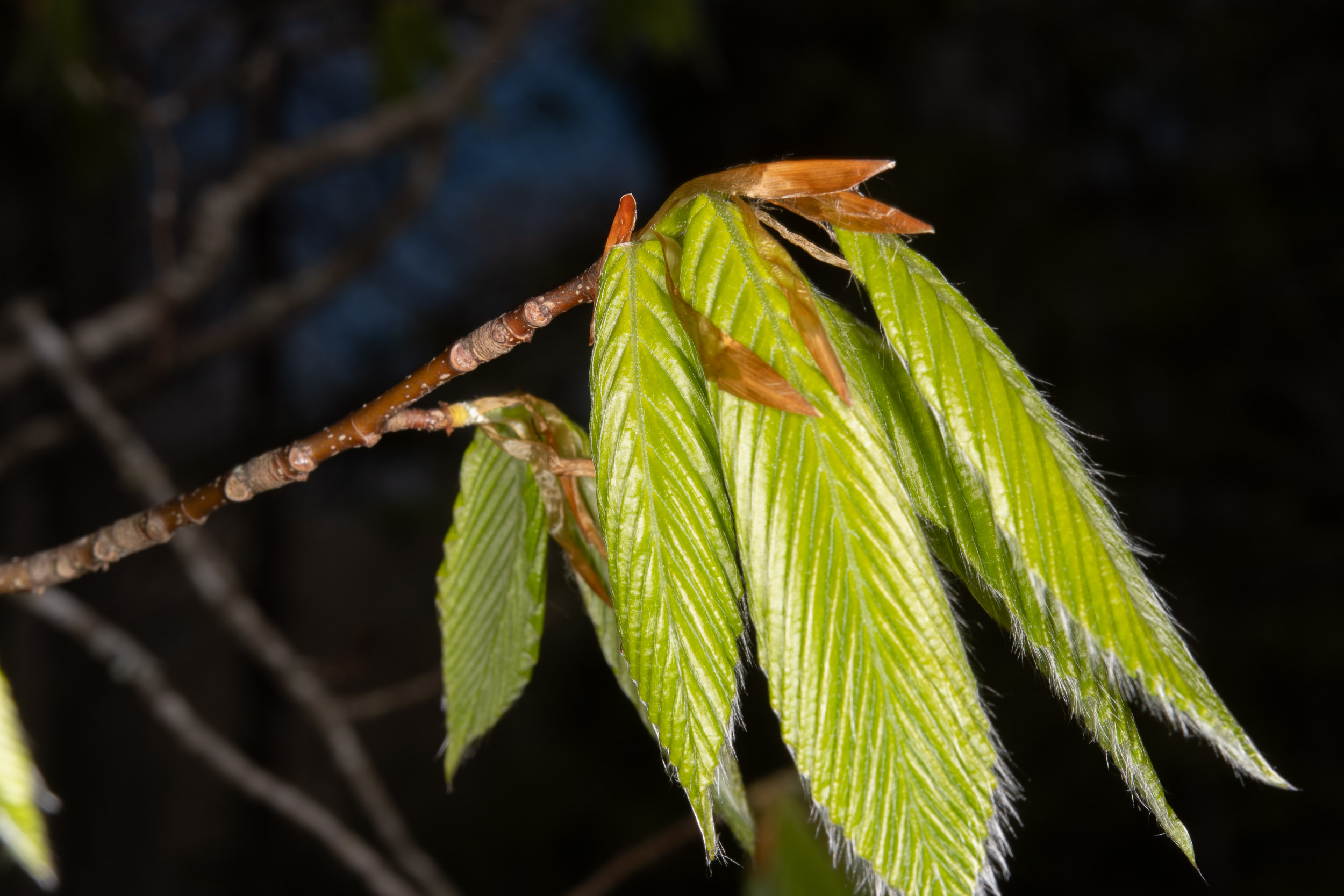
5/6/2021 · Tarbox Preserve, Topsham, Maine · ≈ 5 × 3½″ (13 × 8.7 cm) 
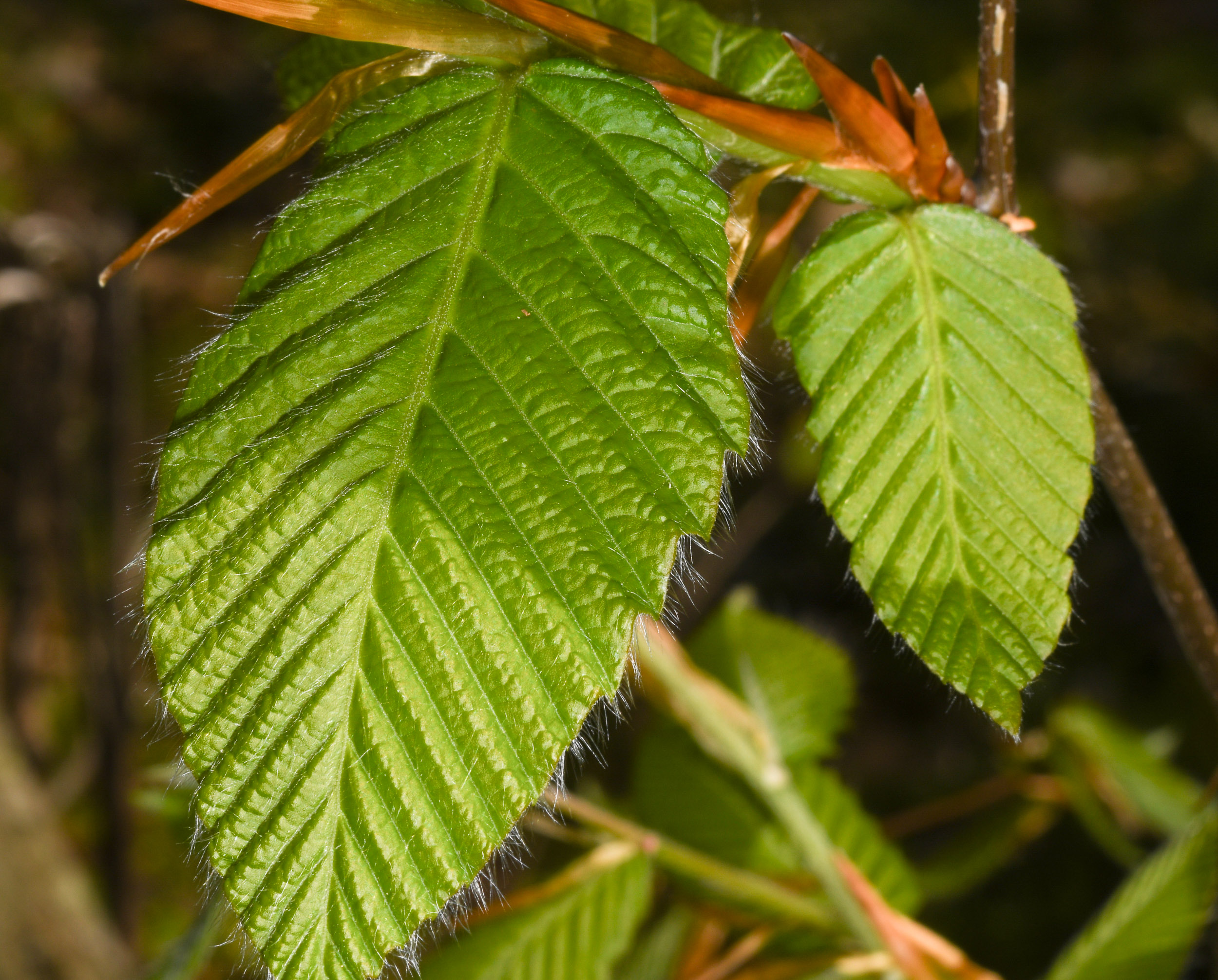
Young leaves. · 5/11/2016 · Pearl Hill State Park, Ashby, Massachusetts 
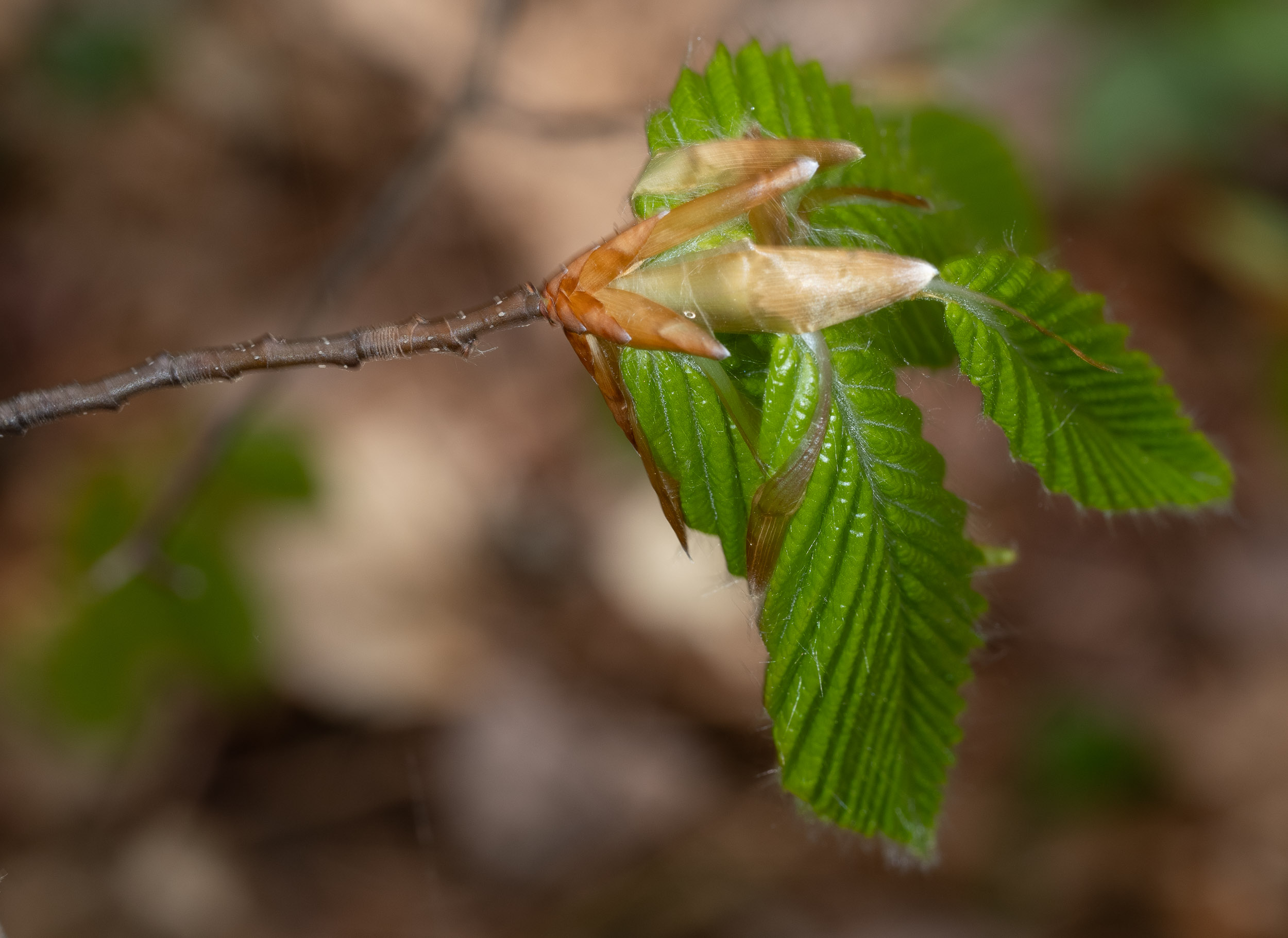
5/12/2023 · Long Reach Preserve, Harpswell, Maine 
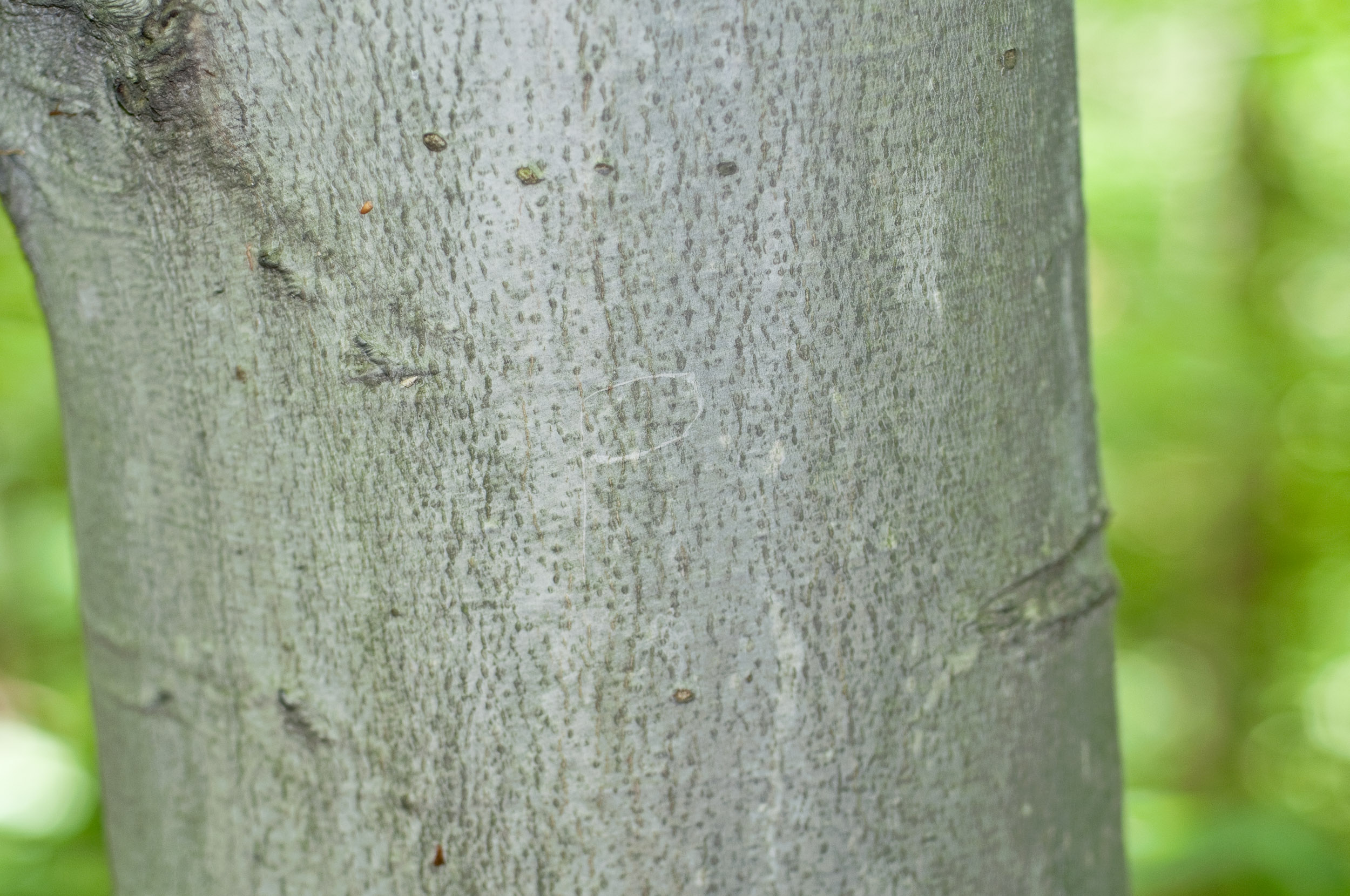
5/22/2010 · Garden in the Woods, Framingham, Massachusetts · ≈ 11 × 7″ (27 × 18 cm) 

5/16/2024 · Ridge Trail, Freeport, Maine · ≈ 6 × 4″ (16 × 11 cm) 

8/9/2010 · Keyes Farm, Nashoba Conservation Trust, Elm St., Pepperell, Massachusetts · ≈ 6 × 4″ (16 × 10 cm) 
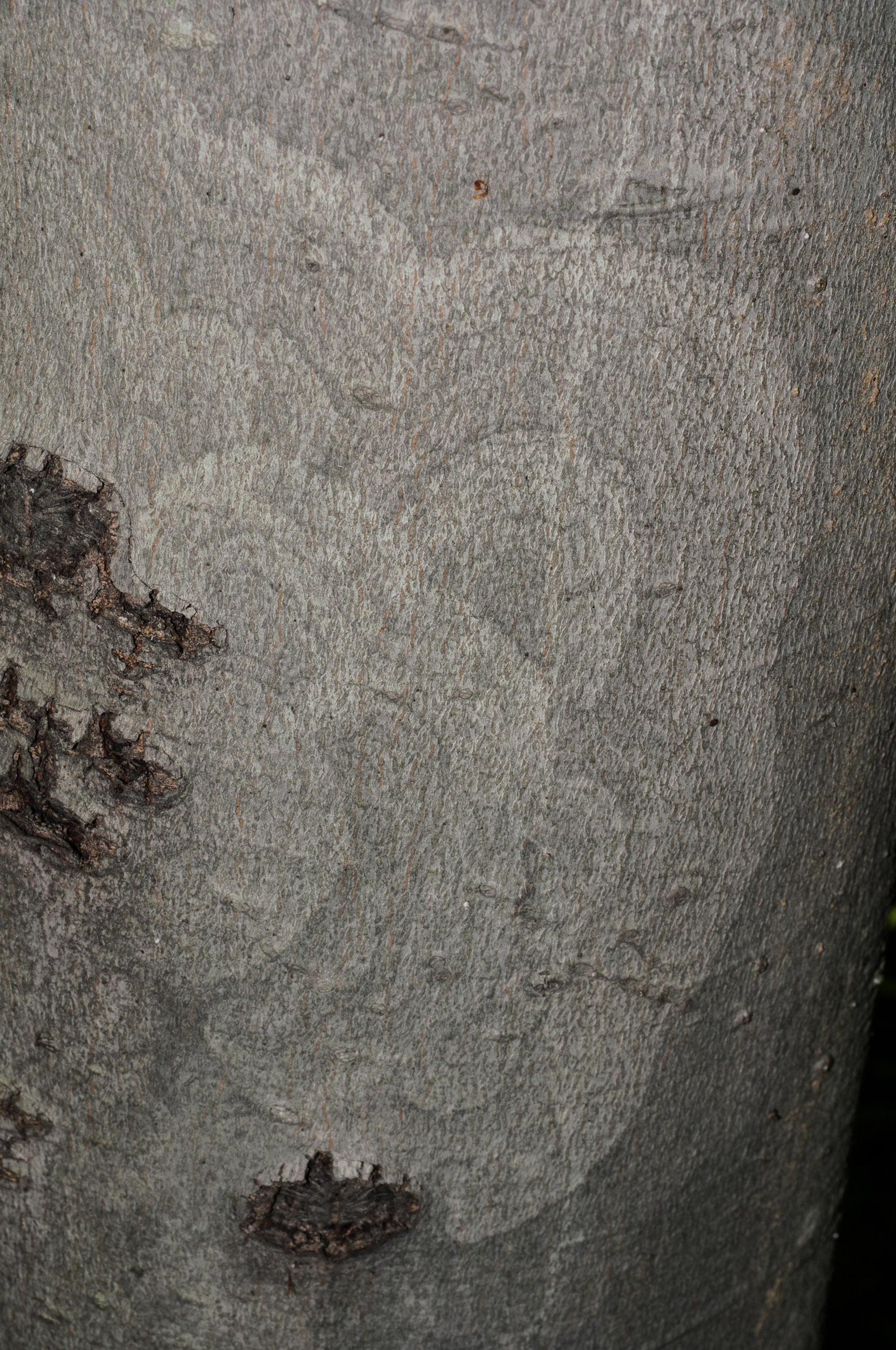
Does anyone know what causes the patterns on the bark? Young lichens? · 7/3/2012 · Yellow Trail from Pearl Hill State Park to Willard Brook State Park, Ashby, Massachusetts · ≈ 6 × 9″ (14 × 22 cm) 
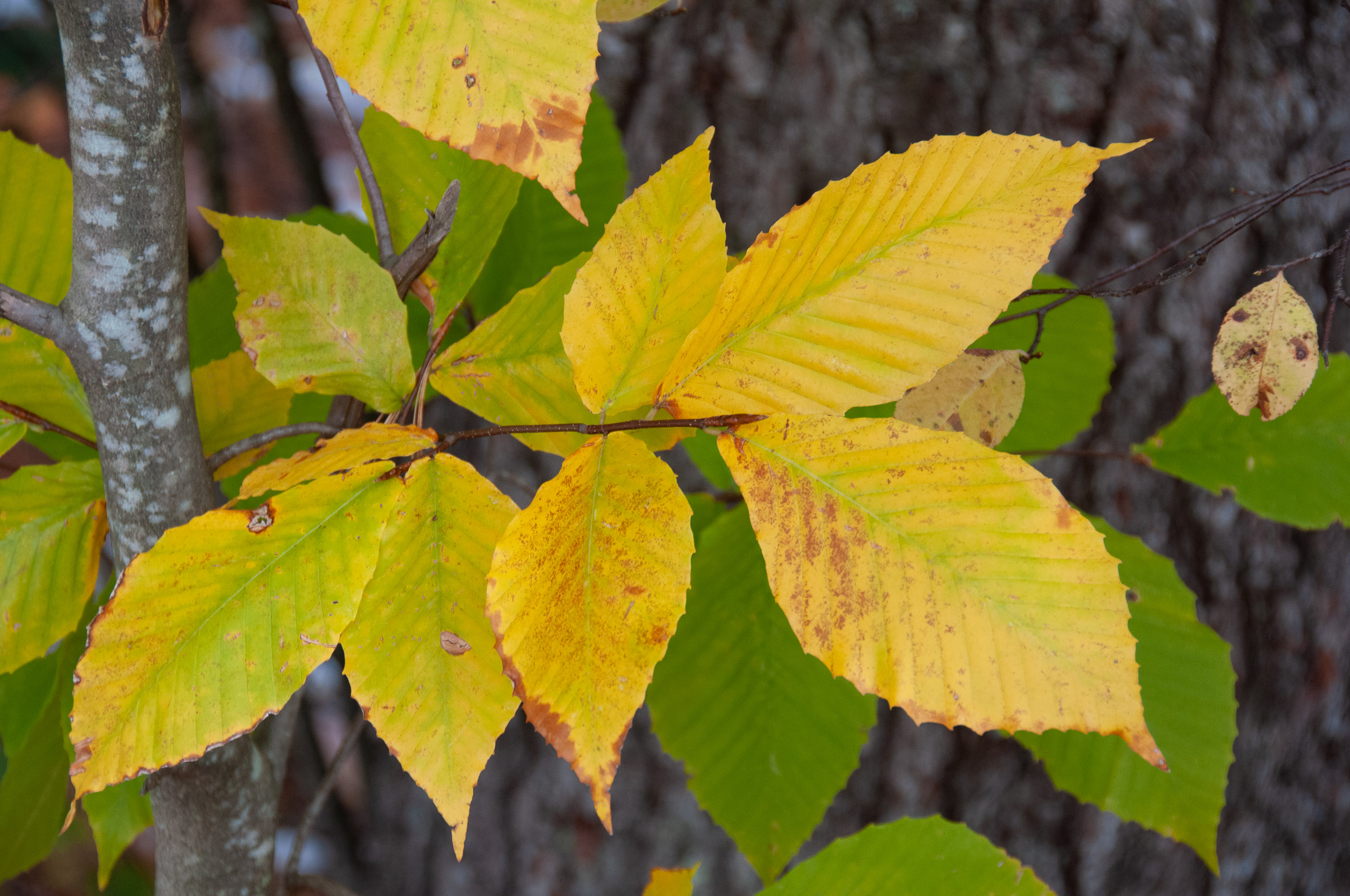
11/3/2011 · Pearl Hill State Park, Townsend, Massachusetts · ≈ 13 × 9″ (33 × 22 cm) 
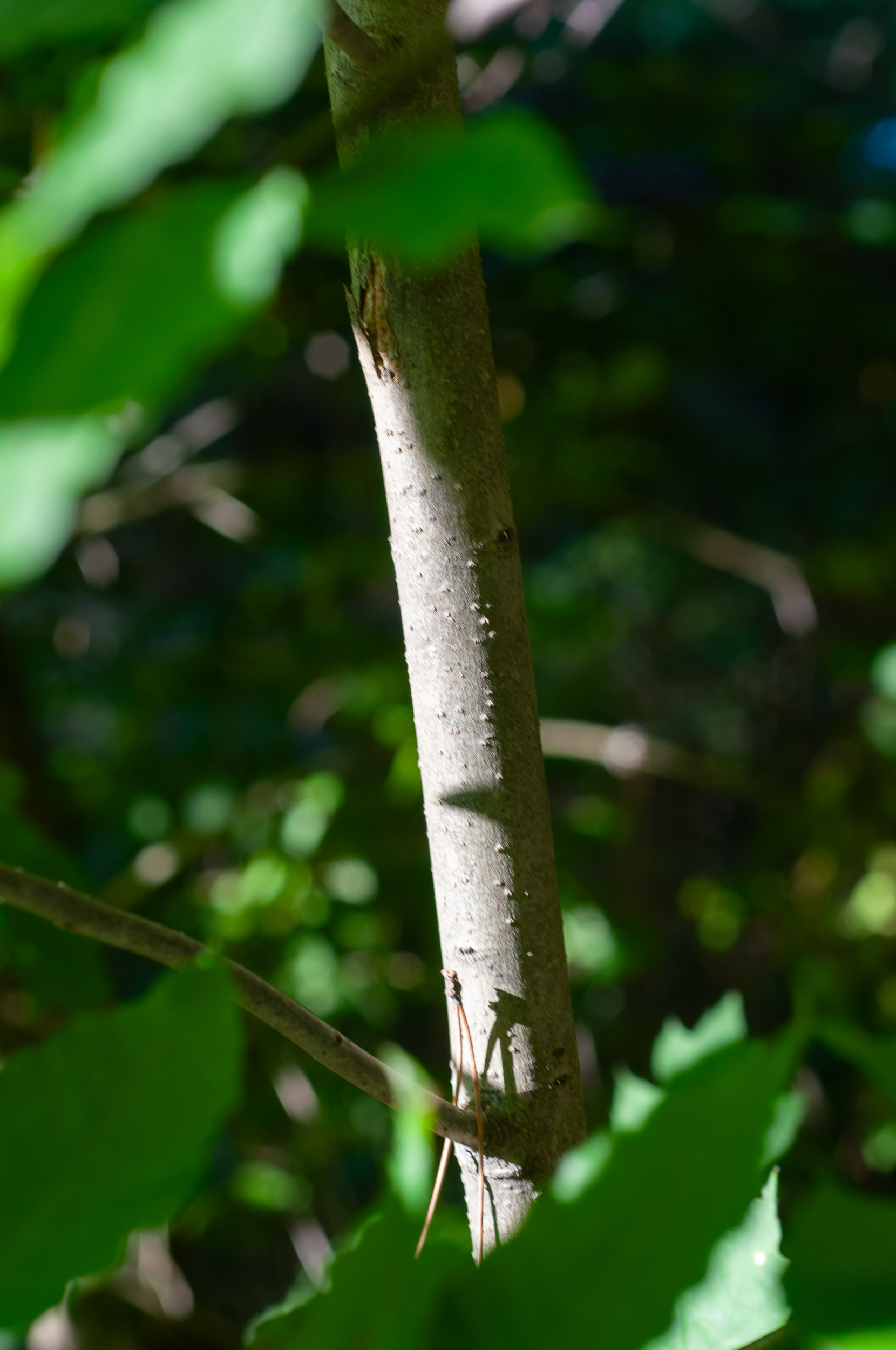
10/6/2011 · Shieling Forest, Peterborough, New Hampshire · ≈ 9 × 14″ (23 × 35 cm) 
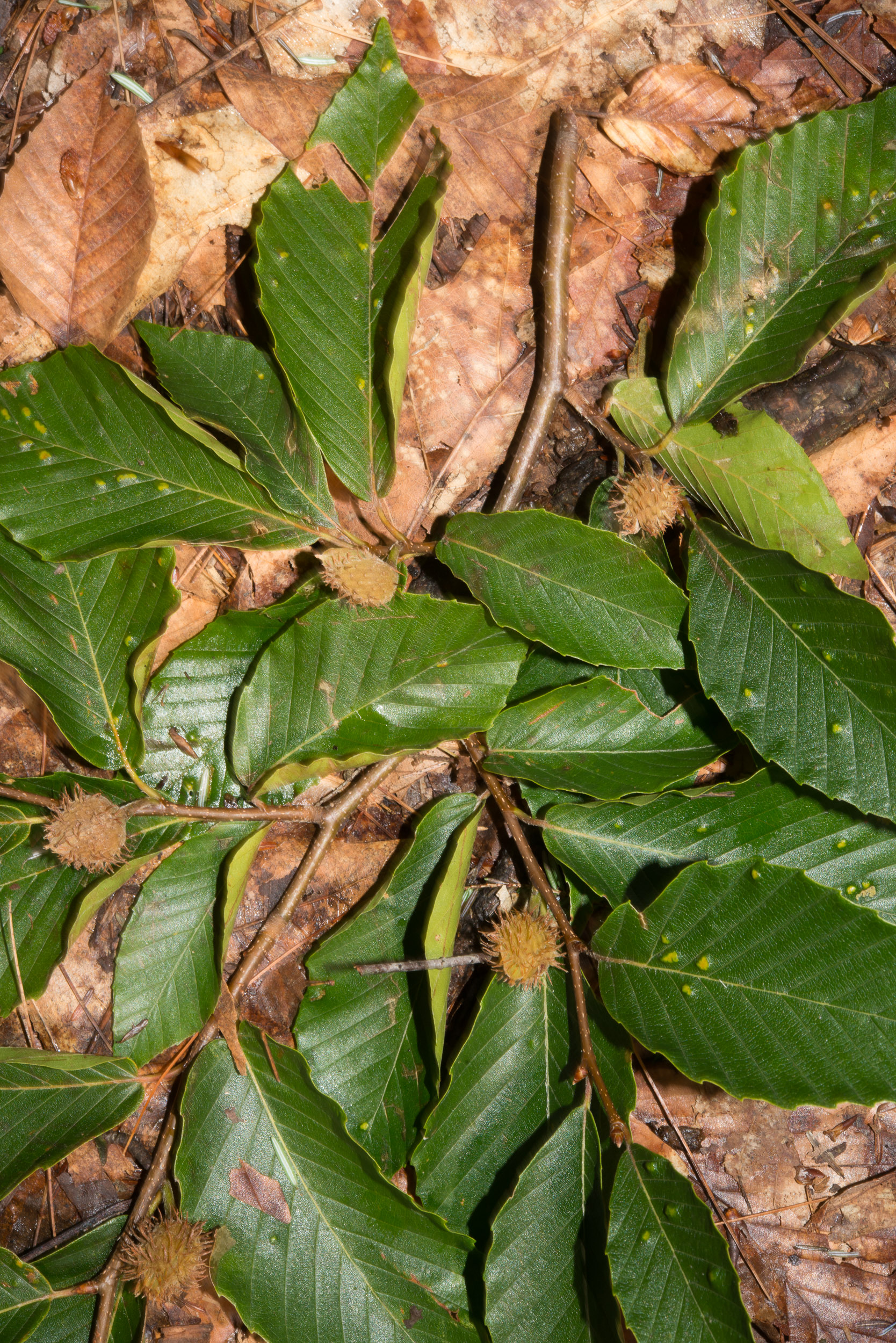
7/5/2015 · Jeff Smith Trail, Beaver Brook Conservation Area, Hollis, New Hampshire · ≈ 8 × 12″ (21 × 31 cm) 
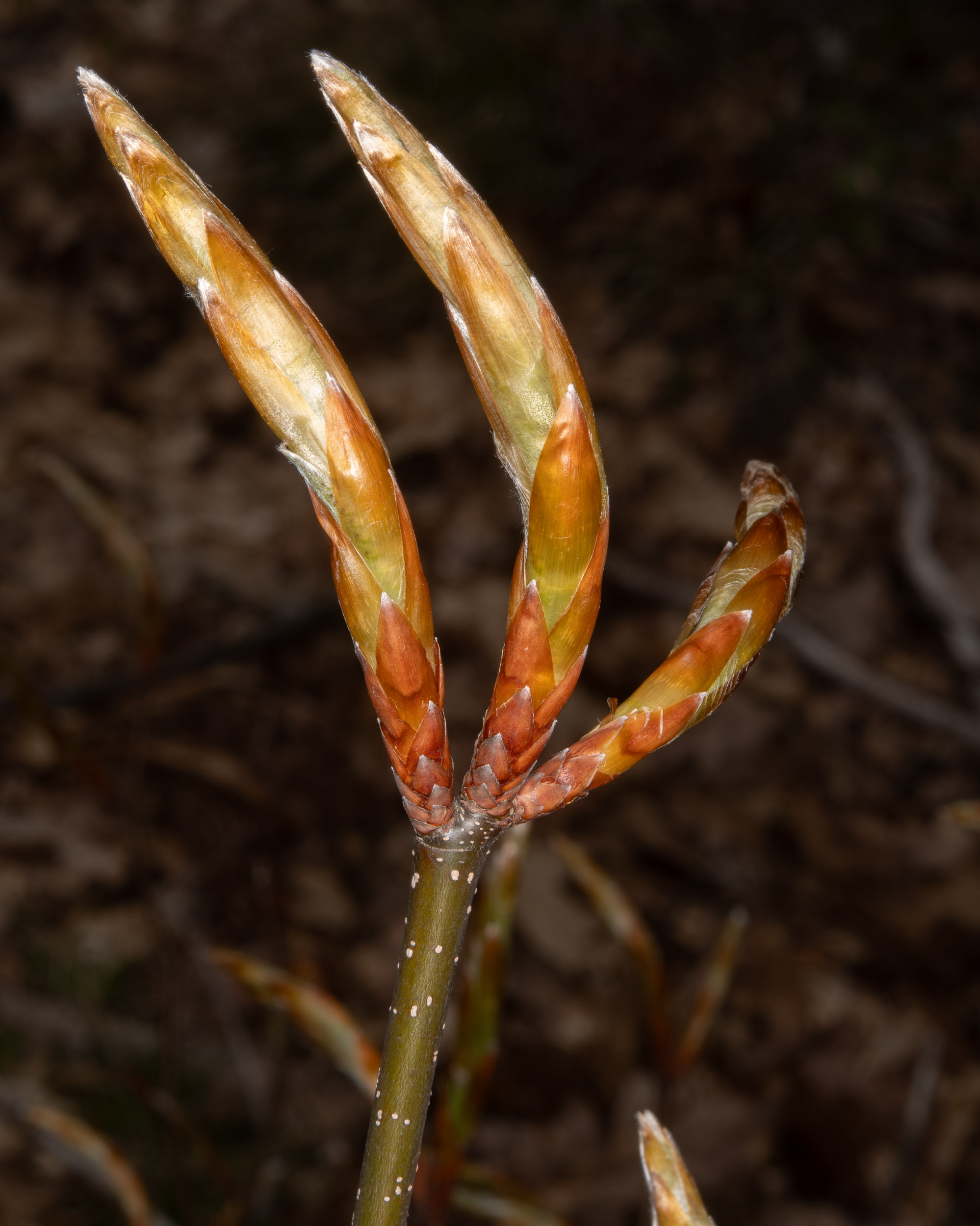
5/6/2021 · Tarbox Preserve, Topsham, Maine · ≈ 4 × 5″ (11 × 13 cm) 

12/22/2011 · Rte. 225, West Groton, Massachusetts ID is uncertain 
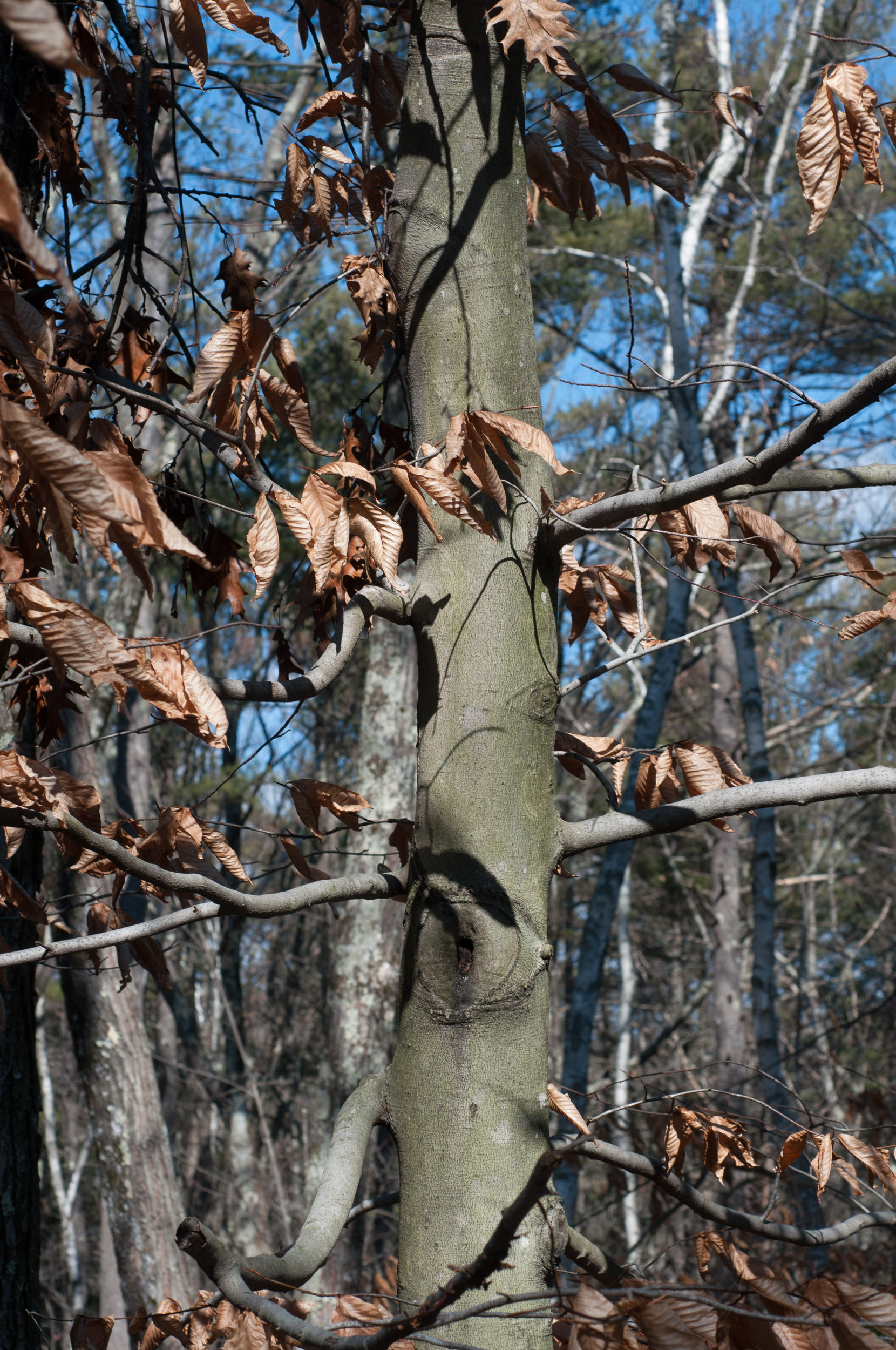
2/18/2012 · Pearl Hill State Park, Townsend, Massachusetts 
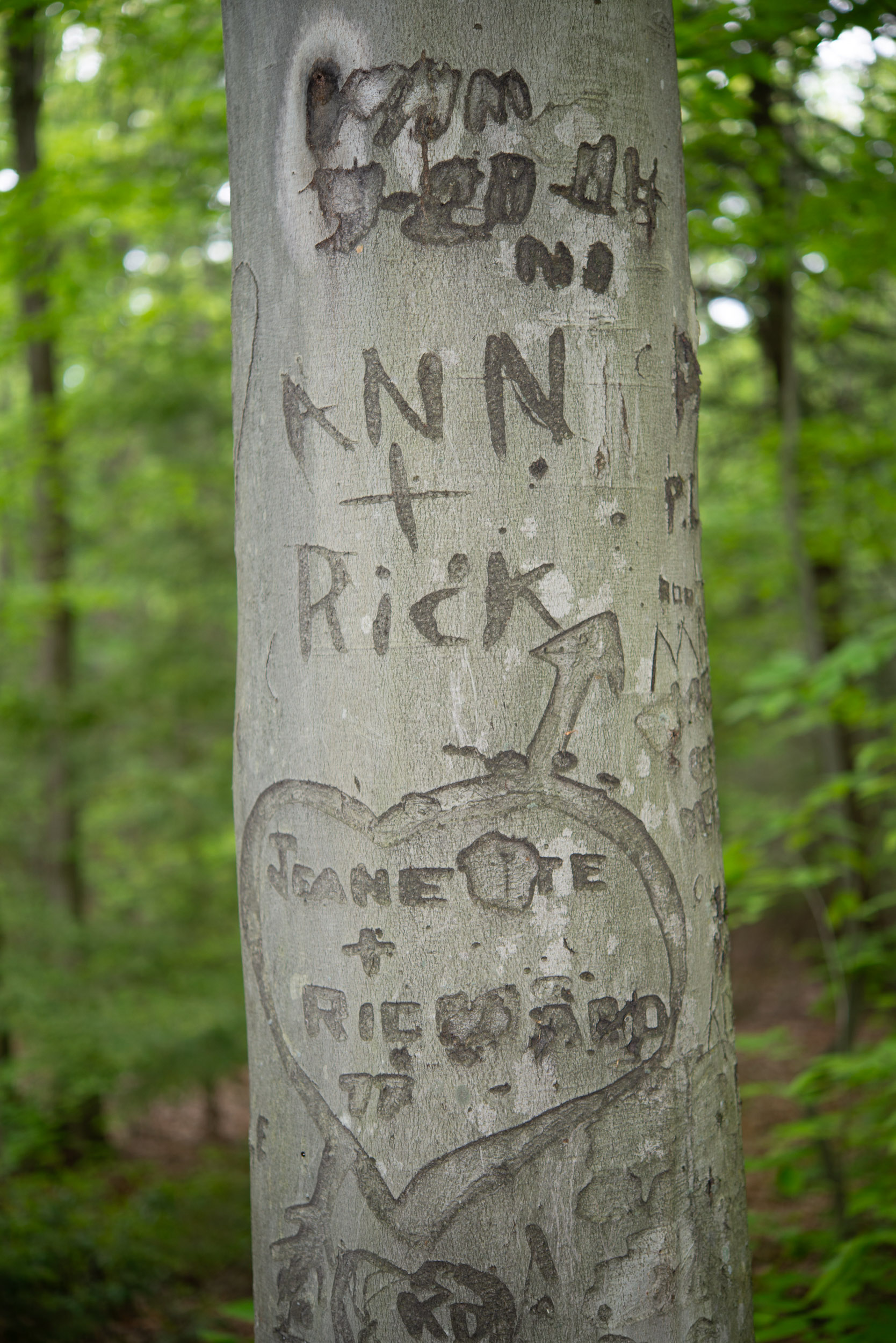
5/18/2013 · Oak Hill, Littleton Conservation Land, Littleton, Massachusetts 
| Kingdom | Plantae | Plants, but not fungi, lichens, or algae (from Stearn's Botanical Latin) |
| Subkingdom | Tracheobionta | Vascular plants—plants with a “circulatory system” for delivering water and nutrients |
| Division | Magnoliophyta | Flowering plants, also known as angiosperms |
| Class | Magnoliopsida | Dicotyledons—plants with two initial seed leaves |
| Subclass | Rosidae | Roses, legumes, proteas, dogwoods, hydrangeas, mistletoes, euphorbias, grapes, many more |
| Order | Fagales | Birch, she-oak, beech, walnut, bayberry, others |
| Family | Fagaceae | Beech familhy |
| Genus | Fagus | Latin for “beech” |
| Species | grandifolia | “With large leaves” |
Fagus grandifolia description by Thomas H. Kent, not updated.

© FloraFinder.org. All rights reserved.