Euphorbia lactea Haw.
Candelabra plant, mottled spurge, dragon bones, frilled fan, elkhorn, candelabra cactus, milkstripe euphorbia, mottled candlestick
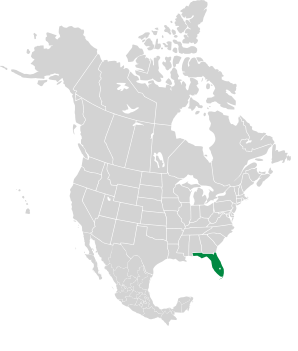
This large, cactus-like Euphorbia is native to Asia, especially India. Sometimes the upward-reaching branch groups closely resemble a candelabra, accounting for some of the many interesting common names.
Plants: Large shrubs or small trees, to 16′ (5 m) tall. Succulent, ribbed, upward-curving branches resembling those of cacti are 1–1¾″ (3–5 cm) in diameter. Branches have whitish marbled interior coloring, three or four angles, and small spine-like protrusions that are really nearly invisible leaves. This plant also occurs in crested forms and monstrose forms.
Leaves: Minute, and rarely present.
Flowers: Cyathia (false flowers) appear along stem ridges. They have four to five yellow-green glandes on their edges. Flowering is rare.
Habitats: Dry tropical and subtropical habitats.
Edibility: Poisonous  Like other Euphorbias,
these contain a poisonous milky latex. They can cause nausea and vomiting if eaten, severe
eye irritation and temporary blindness, and dermatitis.
Online References:
Top Tropicals (Euphorbia lactea f. cristata (crested form))

4/6/2011 · Howard Peters Rawlings Conservatory & Botanic Gardens, Druid Hill Park, Baltimore, Maryland 

4/6/2011 · Howard Peters Rawlings Conservatory & Botanic Gardens, Druid Hill Park, Baltimore, Maryland 
| Kingdom | Plantae | Plants, but not fungi, lichens, or algae (from Stearn's Botanical Latin) |
| Subkingdom | Tracheobionta | Vascular plants—plants with a “circulatory system” for delivering water and nutrients |
| Division | Magnoliophyta | Flowering plants, also known as angiosperms |
| Class | Magnoliopsida | Dicotyledons—plants with two initial seed leaves |
| Subclass | Rosidae | Roses, legumes, proteas, dogwoods, hydrangeas, mistletoes, euphorbias, grapes, many more |
| Order | Malpighiales | A broad group encompassing 16,000 species |
| Family | Euphorbiaceae | Euphorbia or spurge family |
| Genus | Euphorbia | An extremely diverse-looking genus of mostly tropical and subtropical succulent plants. For Euphorbus, corpulent Greek physician of Juba II, King of Mauretania. Literally, “euphorbia” means “well-fed” |
| Species | lactea | Milky or milk-white |
Euphorbia lactea description by Thomas H. Kent, not updated.

© FloraFinder.org. All rights reserved.