Ericameria nauseosa (Pall. ex Pursh) G.L. Nesom & Baird
Rubber rabbitbrush, common rabbitbrush
Rubber rabbitbush is a perennial shrub native to western North America.
Plants: Shrubs 6½–26′ (2–8 m) in size. Stems are whitish to green or gray and flexible. Some subspecies contain a sap that is a high quality source of rubber. It is a highly variable species, with several subspecies.
Leaves: Lanceolate or spatulate, ¾–3″ (2–7.5 cm) long and 1/32–⅛″ (0.5–3 mm) wide. Leaves are grayish, due to a soft feltlike covering of fine hairs. Crushed leaves or flowers produce an unpleasant odor.
Flowers: Flowerheads are ⅛–½″ (6–13 mm), umbrella-shaped umbels comprised of five small yellow tubular disc flowers. Each flower is ¼–⅜″ (6.3–10 mm) long. Flowers appear from July to October.
Fruits: Small seeds with “parachutes” (pappi) are scattered by winds.
Habitats: Disturbed soils and arid climates, in plains, valley bottoms, foothills, and mountains.
Edibility: Not edible, unless you are a a mule deer, pronghorn, or jackrabbit; even then, the plant provides little nutrition.
 |
Similar species. |
Online References:
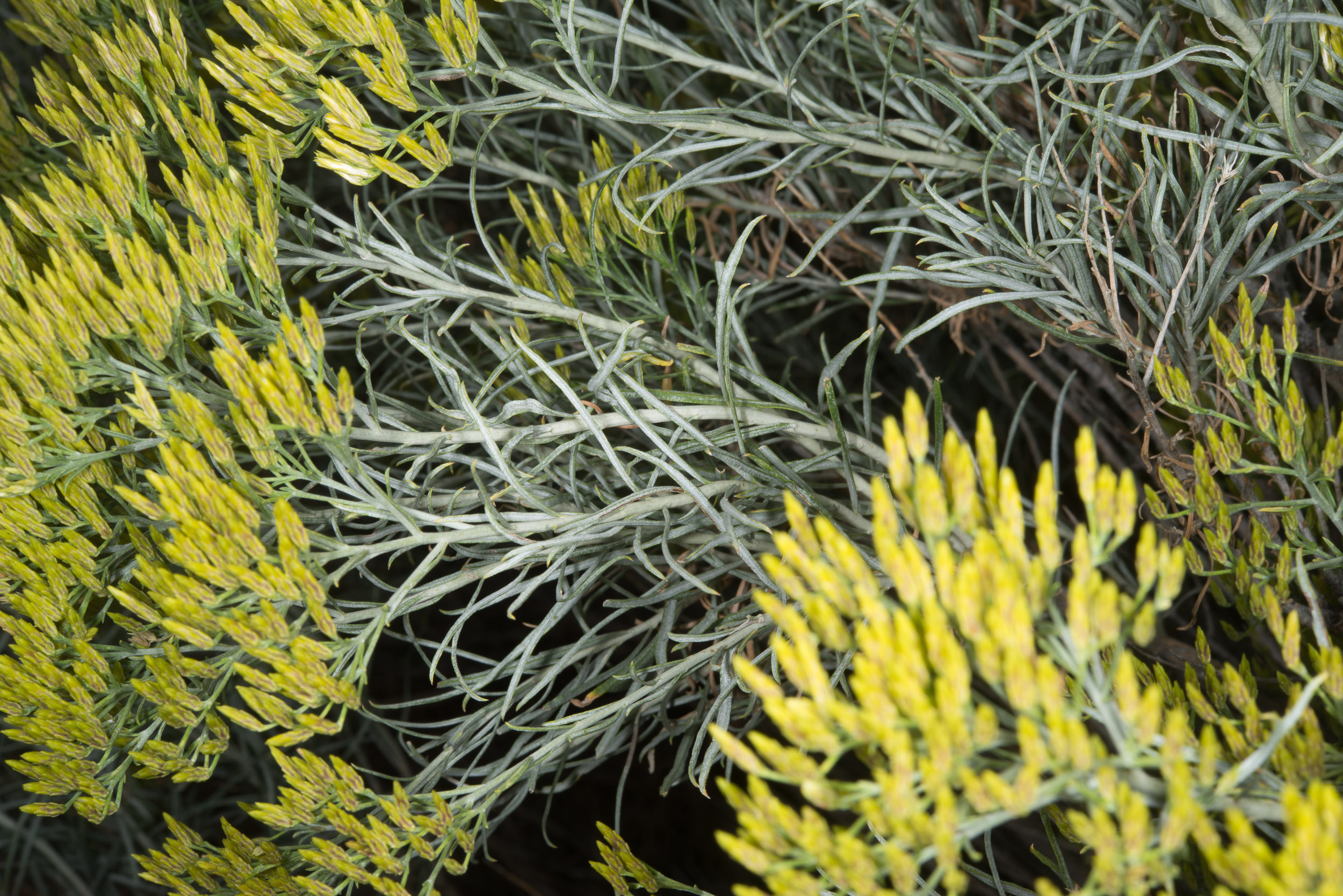
8/26/2014 · Northwest New Mexico Visitor Center, Grants, New Mexico · ≈ 11 × 7″ (28 × 18 cm) 
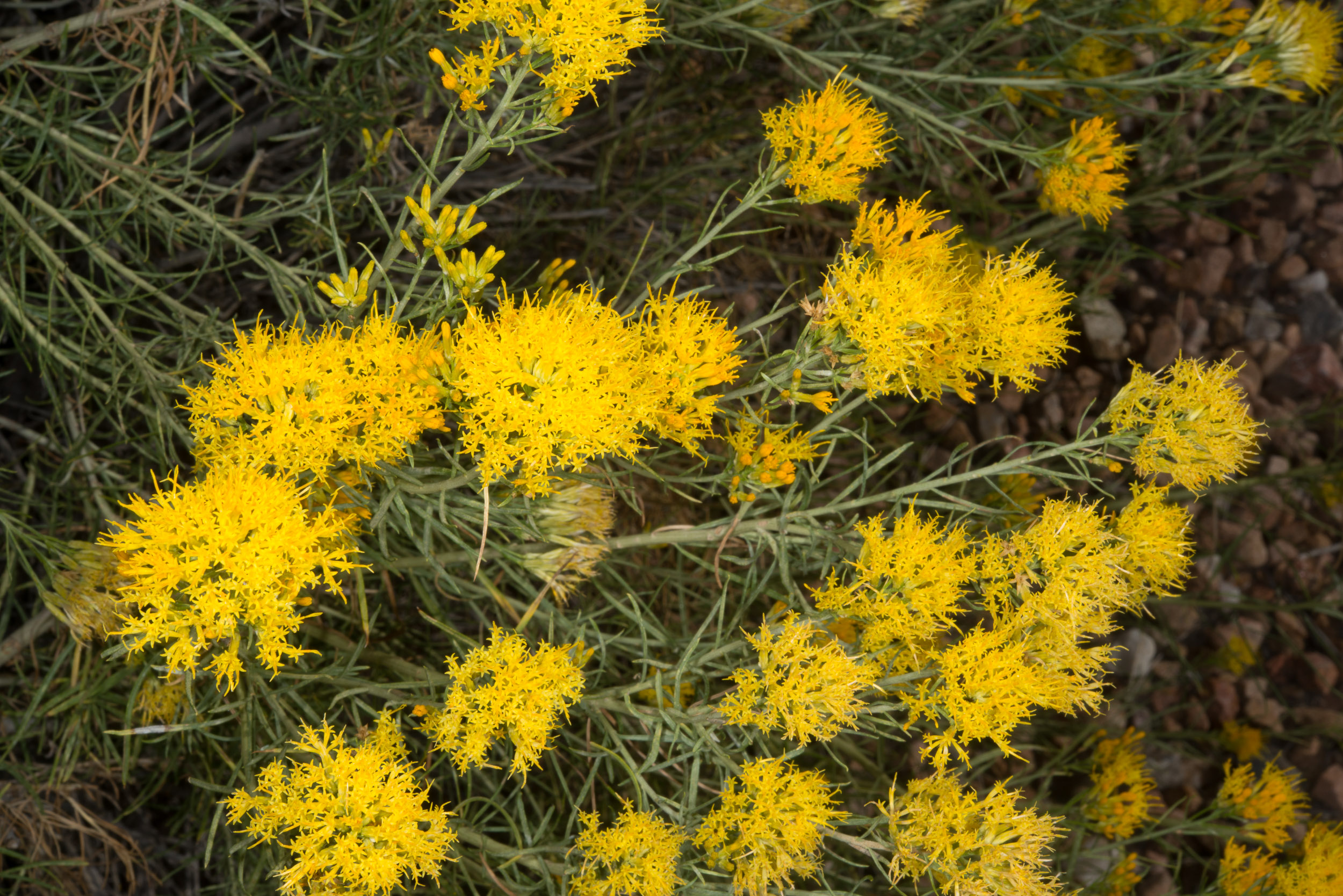
8/31/2014 · New Mexico · ≈ 11 × 7″ (28 × 18 cm) 
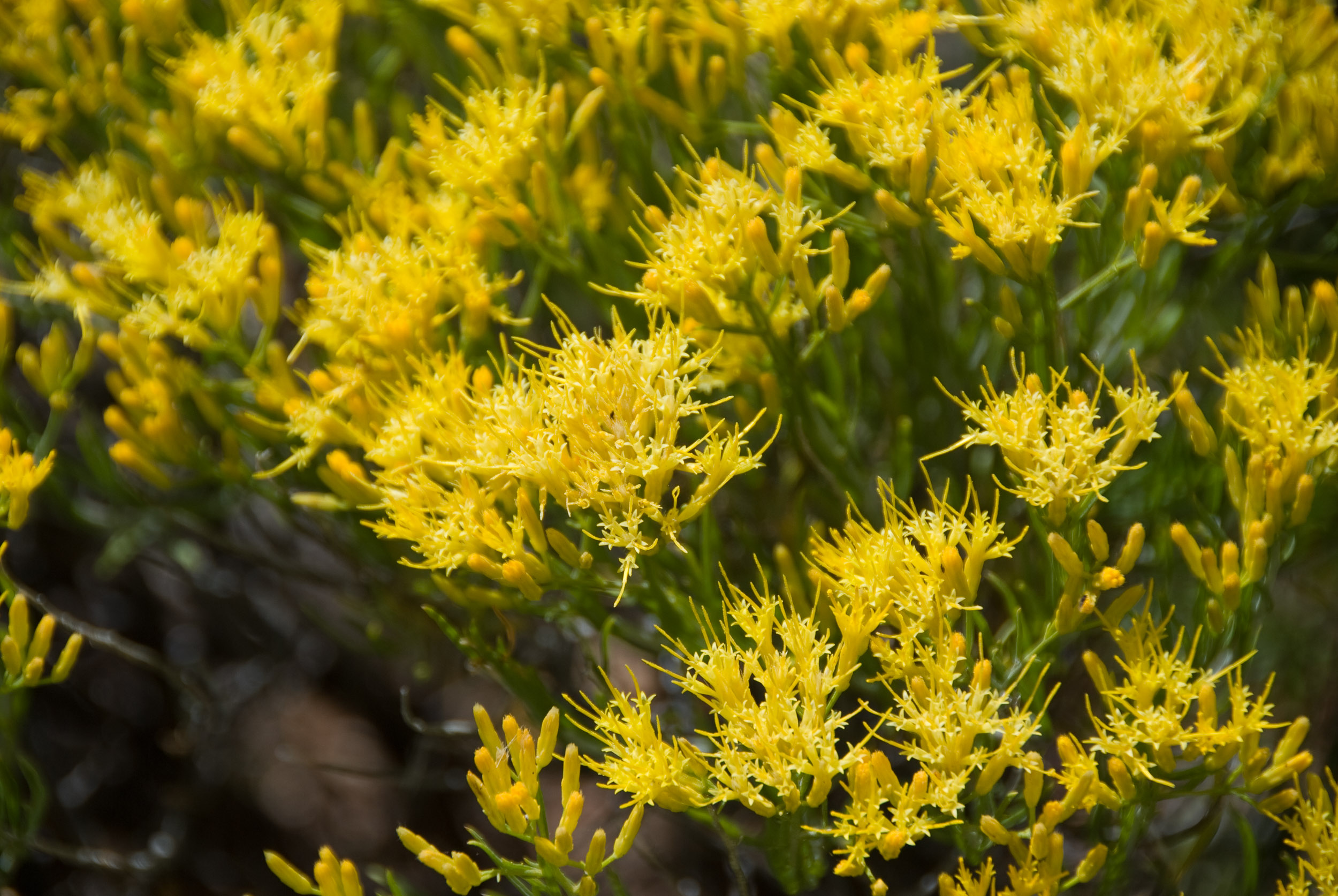
8/29/2007 · Mt. Mazama Crater Lake Rim Road, Oregon  ID is uncertain
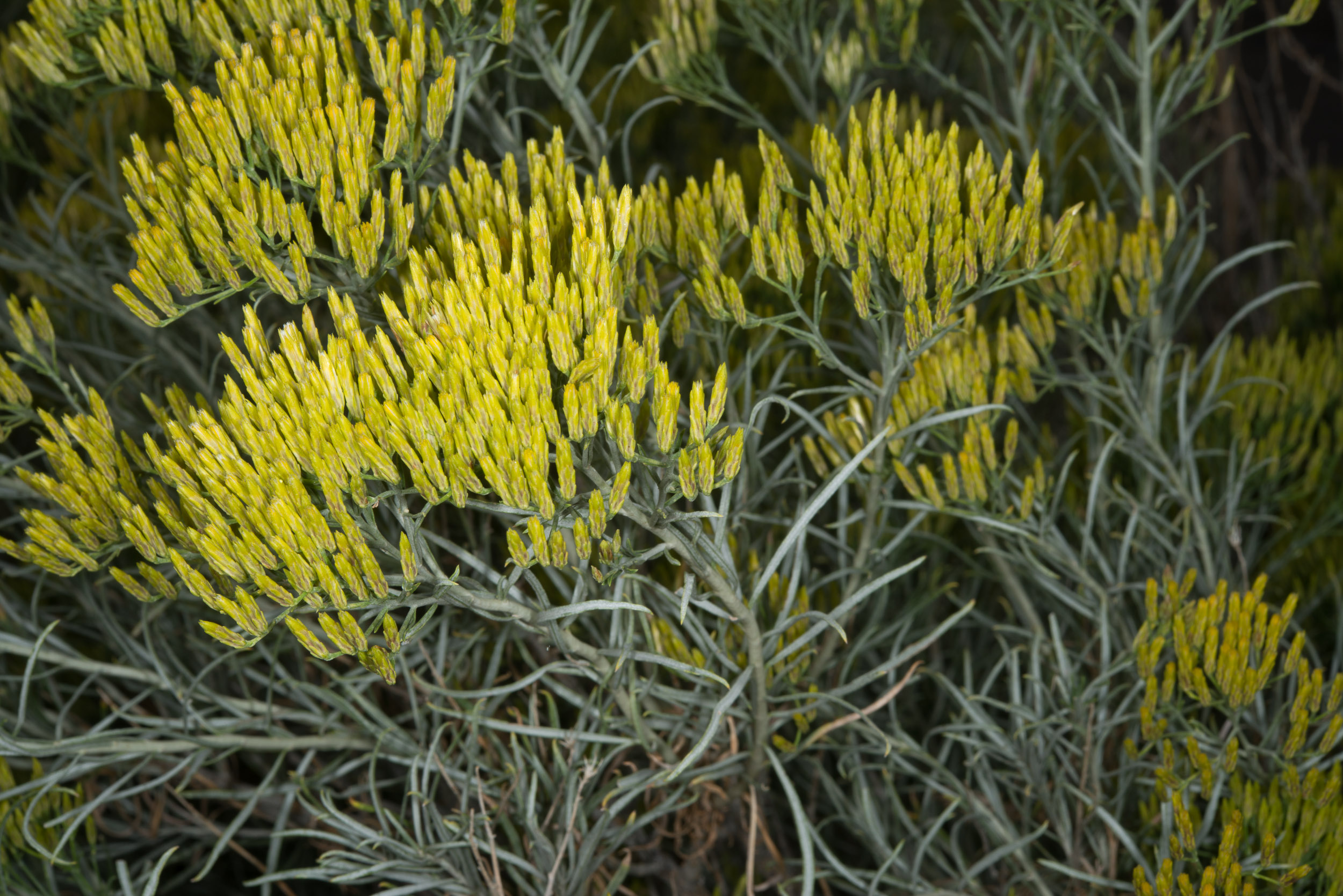
8/26/2014 · Northwest New Mexico Visitor Center, Grants, New Mexico · ≈ 10 × 7″ (25 × 16 cm) 
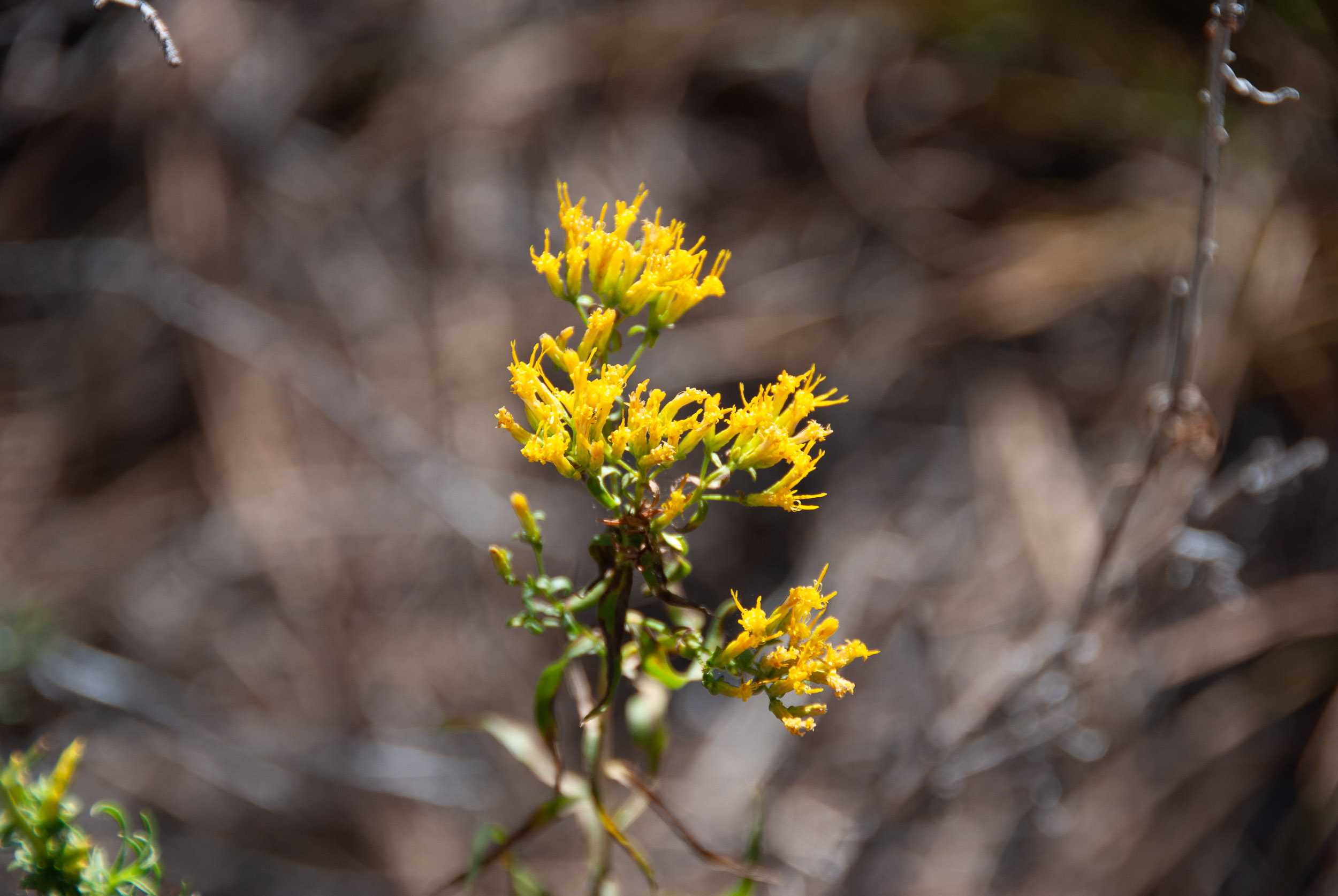
8/29/2007 · Klamath Marsh/Wocus Bay, Oregon ID is uncertain 
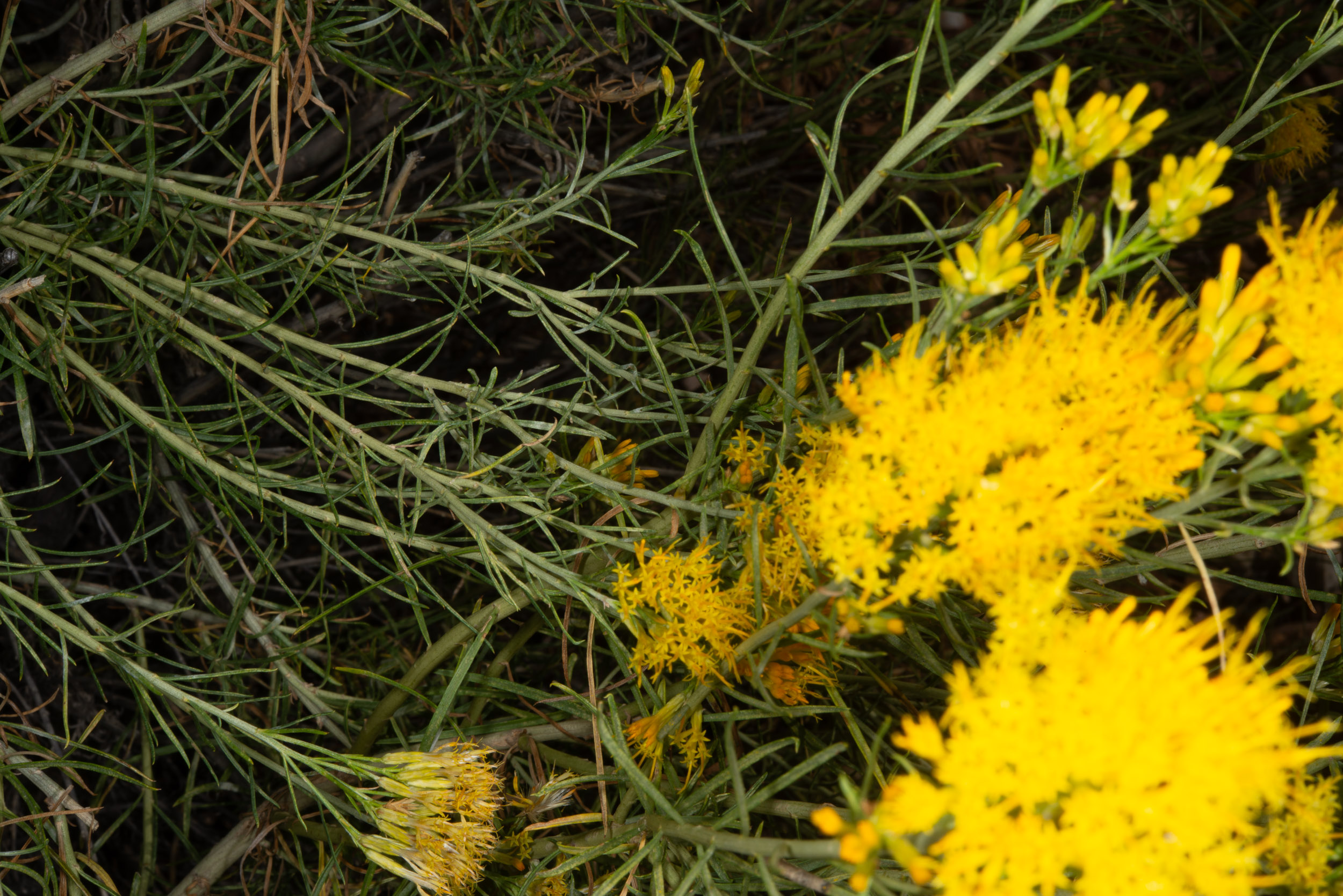
8/31/2014 · New Mexico · ≈ 11 × 7″ (28 × 18 cm) 
| Kingdom | Plantae | Plants, but not fungi, lichens, or algae (from Stearn's Botanical Latin) |
| Subkingdom | Tracheobionta | Vascular plants—plants with a “circulatory system” for delivering water and nutrients |
| Division | Magnoliophyta | Flowering plants, also known as angiosperms |
| Class | Magnoliopsida | Dicotyledons—plants with two initial seed leaves |
| Subclass | Asteridae | A large class that encompasses asters |
| Order | Asterales | Flowering plants with a central disk flower and surrounding petals, like daisies |
| Family | Asteraceae | The aster family, which also includes daisies and sunflowers; from the Greek ἀστήρ, “star,” for the star-shaped flowers |
| Genus | Ericameria | From the Greek Erica (Ereika), “heath,” and meris or meros for “division or part,” referring to the heath-like leaves |
| Species | nauseosa | Nauseating, supposedly from the odor |
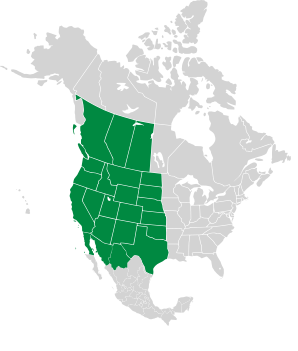
Ericameria nauseosa description by Thomas H. Kent, not updated.

© FloraFinder.org. All rights reserved.