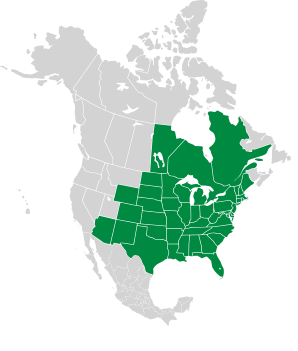
Poa spectabilis Pursh
Eragrostis spectabilis (Pursh) Steud.
Purple love grass
Purple lovegrass has some pretty strange common names. Sure, the purple part makes sense: when this grass flowers, it creates zillions of tiny purple flowers that resemble a purple mist floating a few inches above the grass. (Is this where “purple haze” comes from?) And “tumblegrass” makes sense too, since the whole cluster of flowers eventually turns to seeds and detaches, and, nearly weightless, blows around like tumbleweeds. But lovegrass? What’s that about? Turns out that most sources assume the genus name derives from the Greek words for “love” and “grass.” But the Greek era means “earth,” so it may well be that this genus name actually means “earth grass.”
Plants: Appears in low tufts 8–18″ (20–45 cm) tall. Stems, called culms, are cylindrical and unbranched, with 3-4 leaves that mostly cover the stem. It is a type of bunch grass.
Leaves: Leaves are up to 10″ (25 cm) long and ⅛–¼″ (3–8 mm) in width, bluish or grayish green. Typically they are hairless except near the base. Higher up, fine branchlets extend multiply from the main branch, supporting the diminutive flowers.
Flowers: Flowers form a red-purple cloud up to about 1 ⨉ 1½′ (38 ⨉ 45 cm). If you look carefully, the cloud resolves into tiny spikelets on tinier pedicels. Each spikelet is ⅛–¼″ (4–7 mm) long, flat, and about 1/32″ (1 mm) wide. Although most flowers are red-purple, some are olive green. Flowers appear from July to August.
Fruits: “Tumbleweeds” of tiny seeds.
Habitats: Purple lovegrass prefers roadsides, railroad beds, sandy fields, and waste places.
Online References:
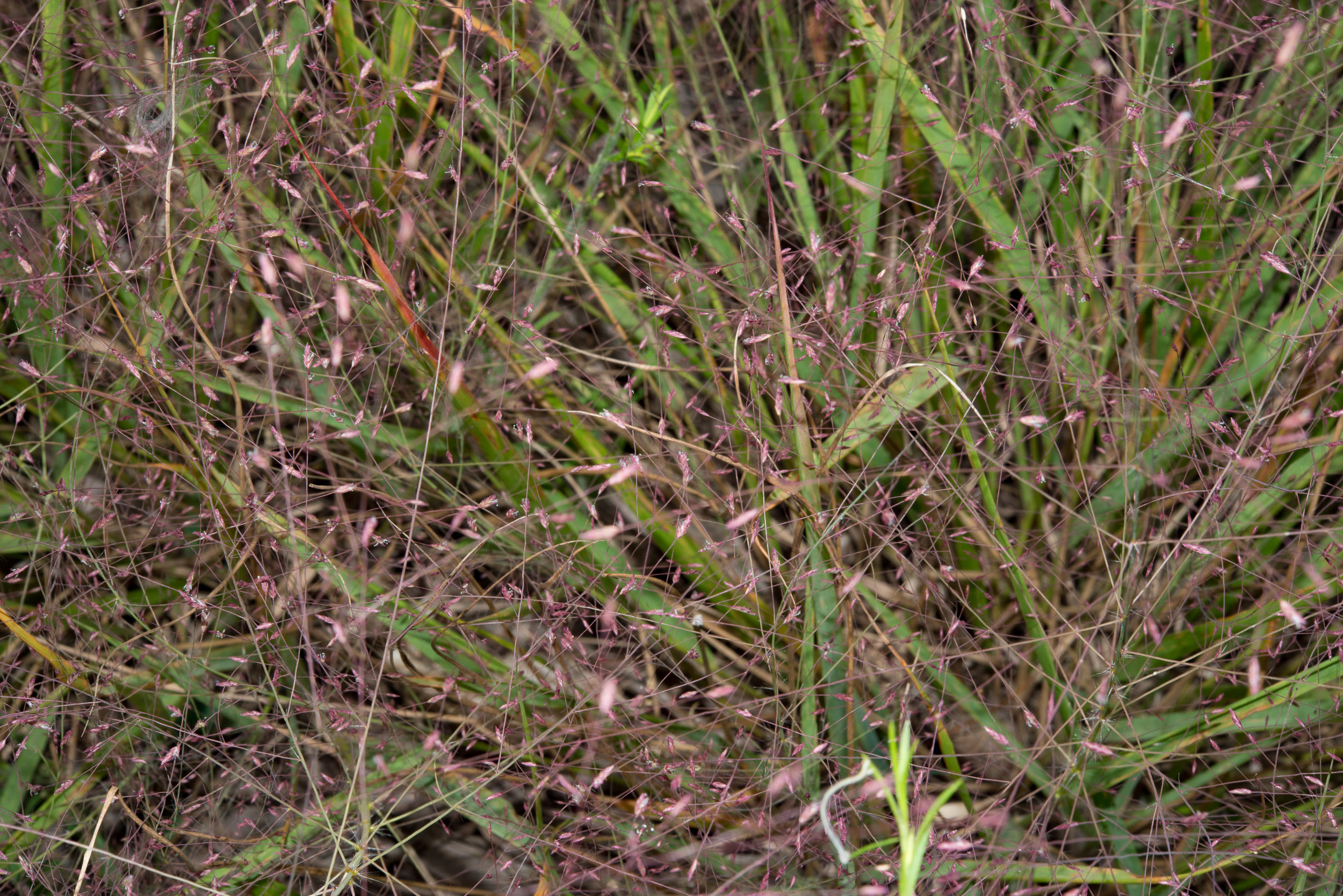
8/7/2013 · Amos Kendall Conservation Land, Dunstable, Massachusetts · ≈ 11 × 7″ (28 × 18 cm) 
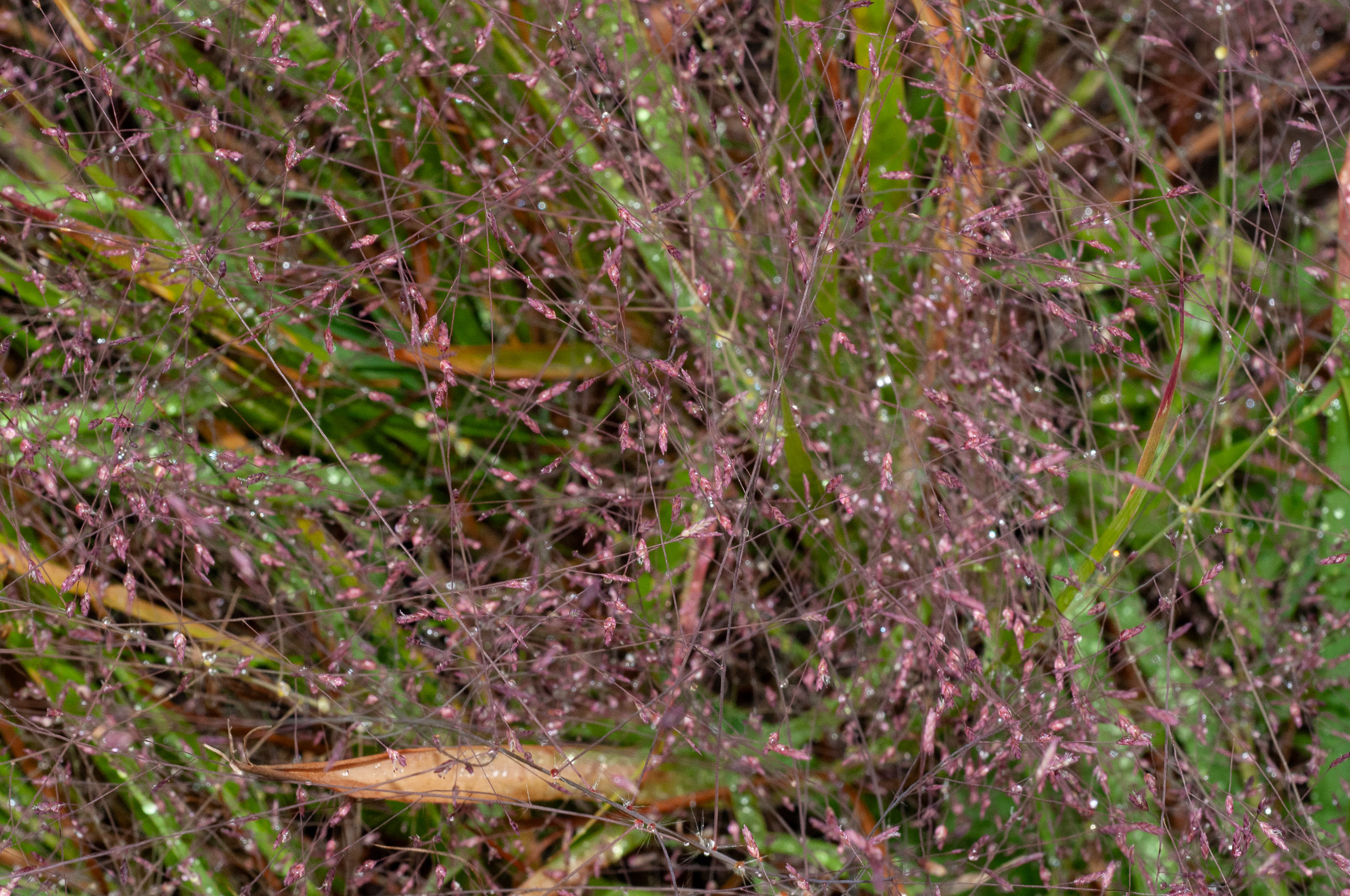
8/16/2010 · Nashua River Rail Trail, Groton Center, Groton, Massachusetts · ≈ 9 × 6″ (22 × 14 cm)  ID is uncertain
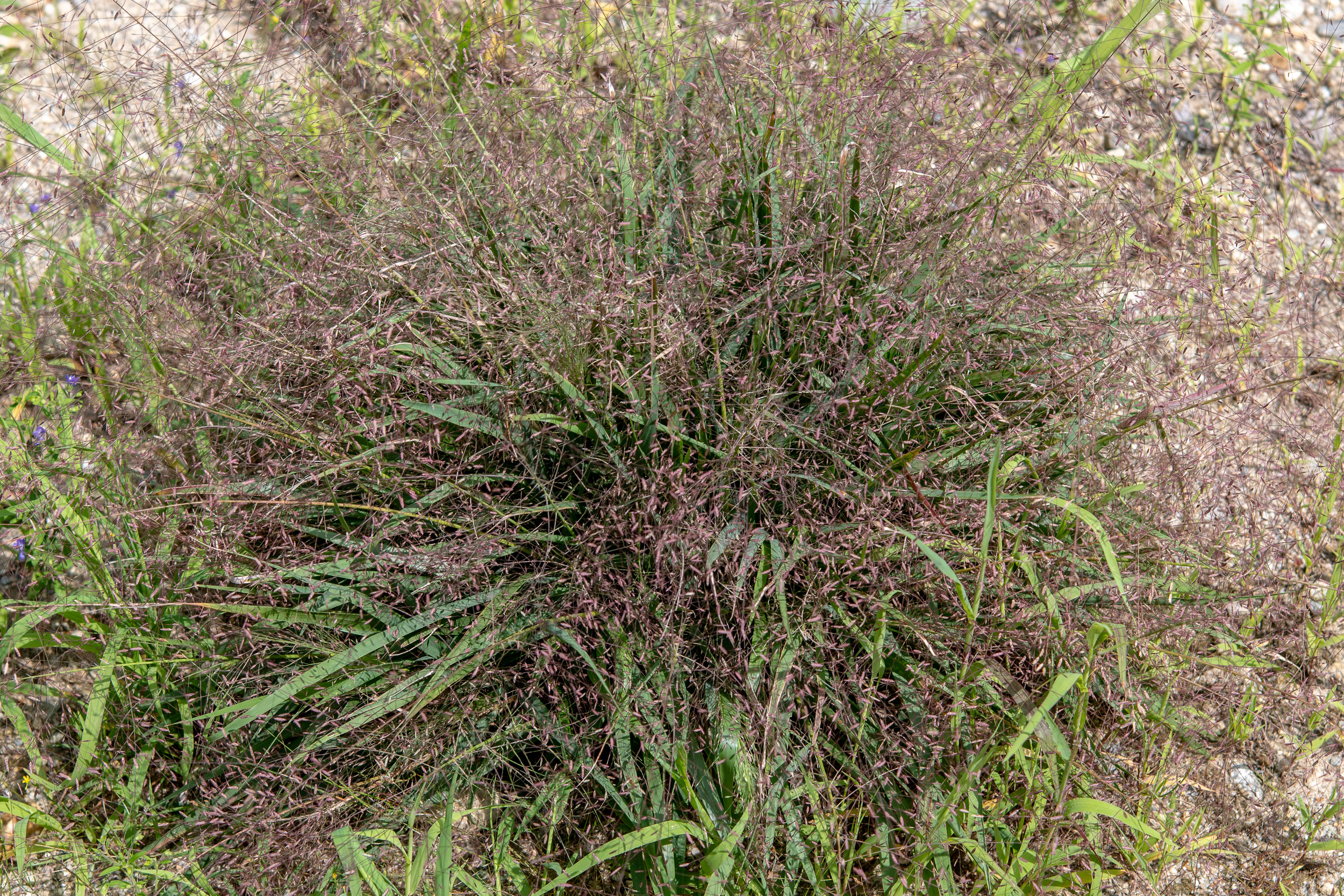
8/19/2018 · Townsend Wildlife Management Area, Townsend, Massachusetts 
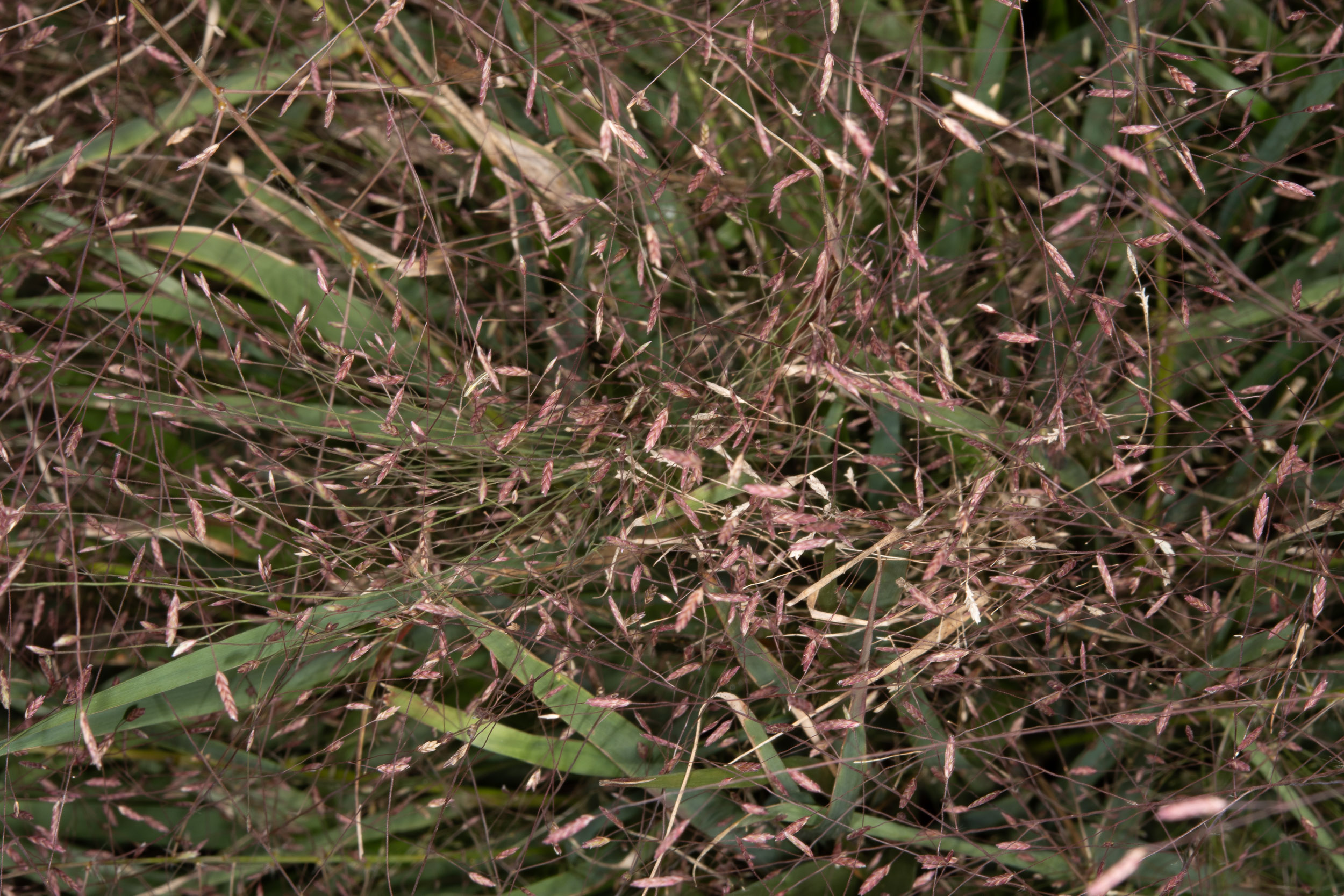
8/19/2018 · Townsend Wildlife Management Area, Townsend, Massachusetts · ≈ 8 × 5″ (20 × 13 cm) 

8/16/2010 · Nashua River Rail Trail, Groton Center, Groton, Massachusetts · ≈ 9 × 6″ (23 × 15 cm) ID is uncertain 
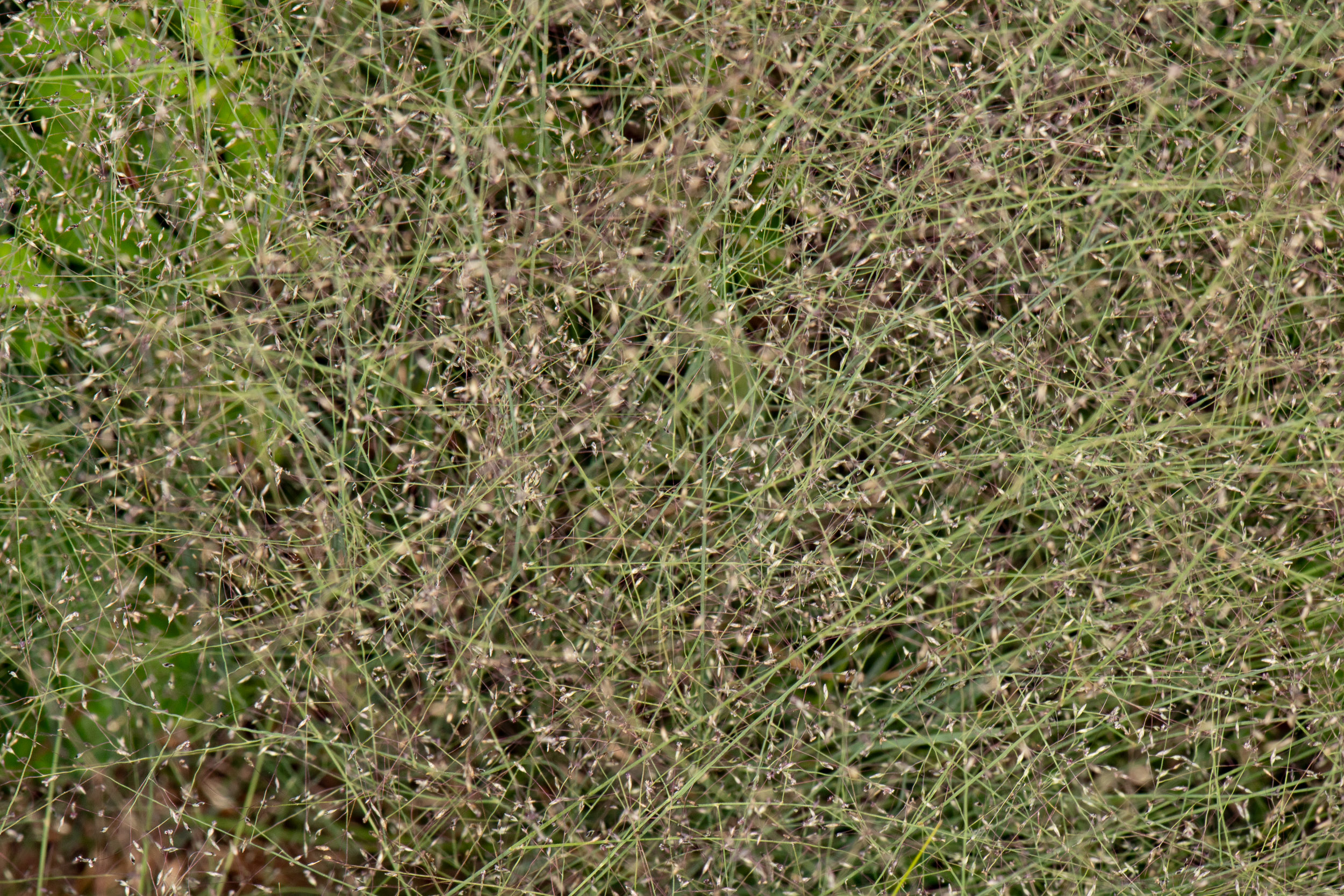
8/28/2021 · Otter Brrok Preserve, Harpswell Heritage Land Trust, Harpswell, Maine · ≈ 7 × 4½″ (17 × 11 cm) ID is uncertain 
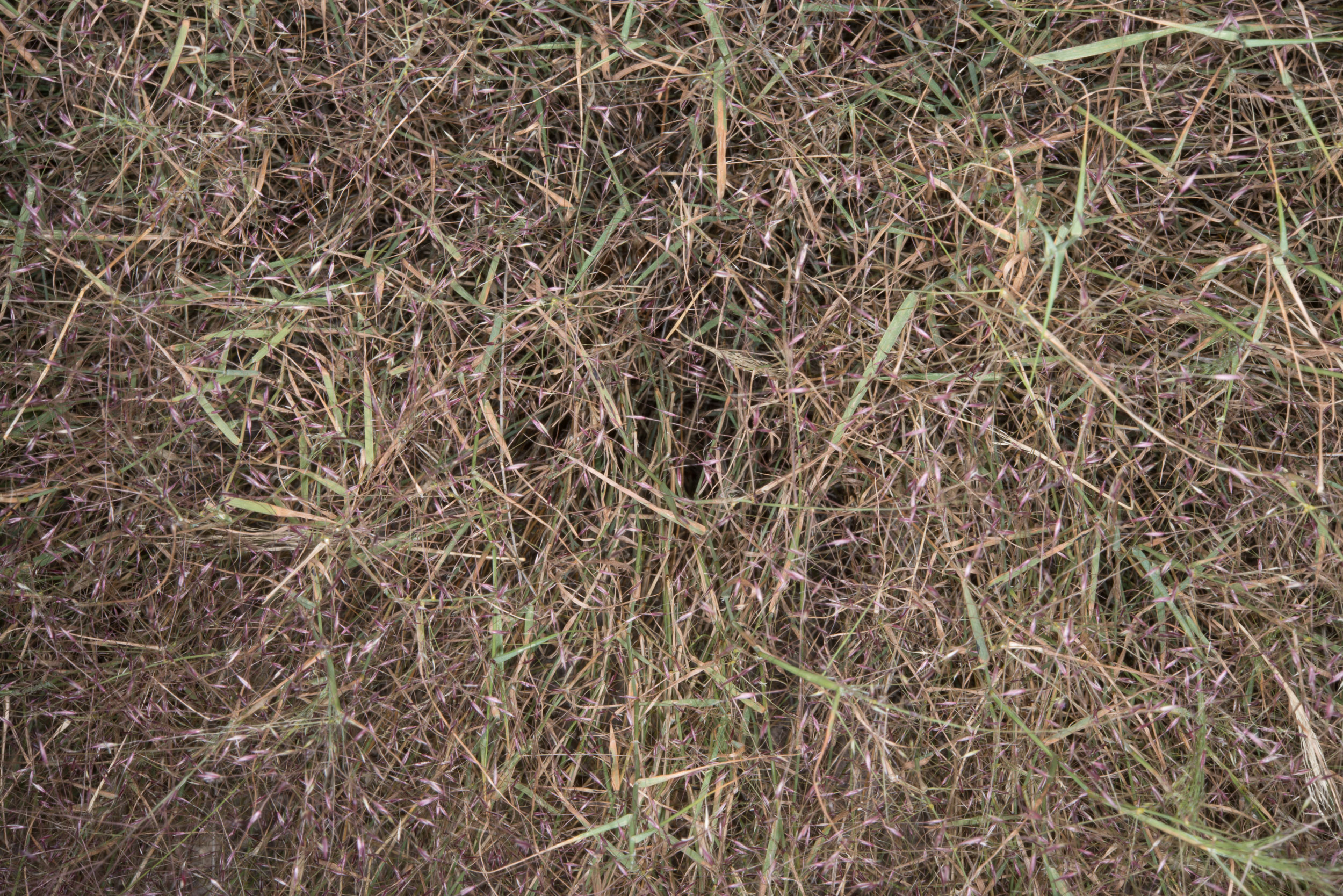
9/1/2014 · Bandelier National Monument, New Mexico · ≈ 15 × 10″ (37 × 25 cm) 

8/16/2010 · Nashua River Rail Trail, Groton Center, Groton, Massachusetts · ≈ 12 × 8″ (31 × 20 cm) ID is uncertain 
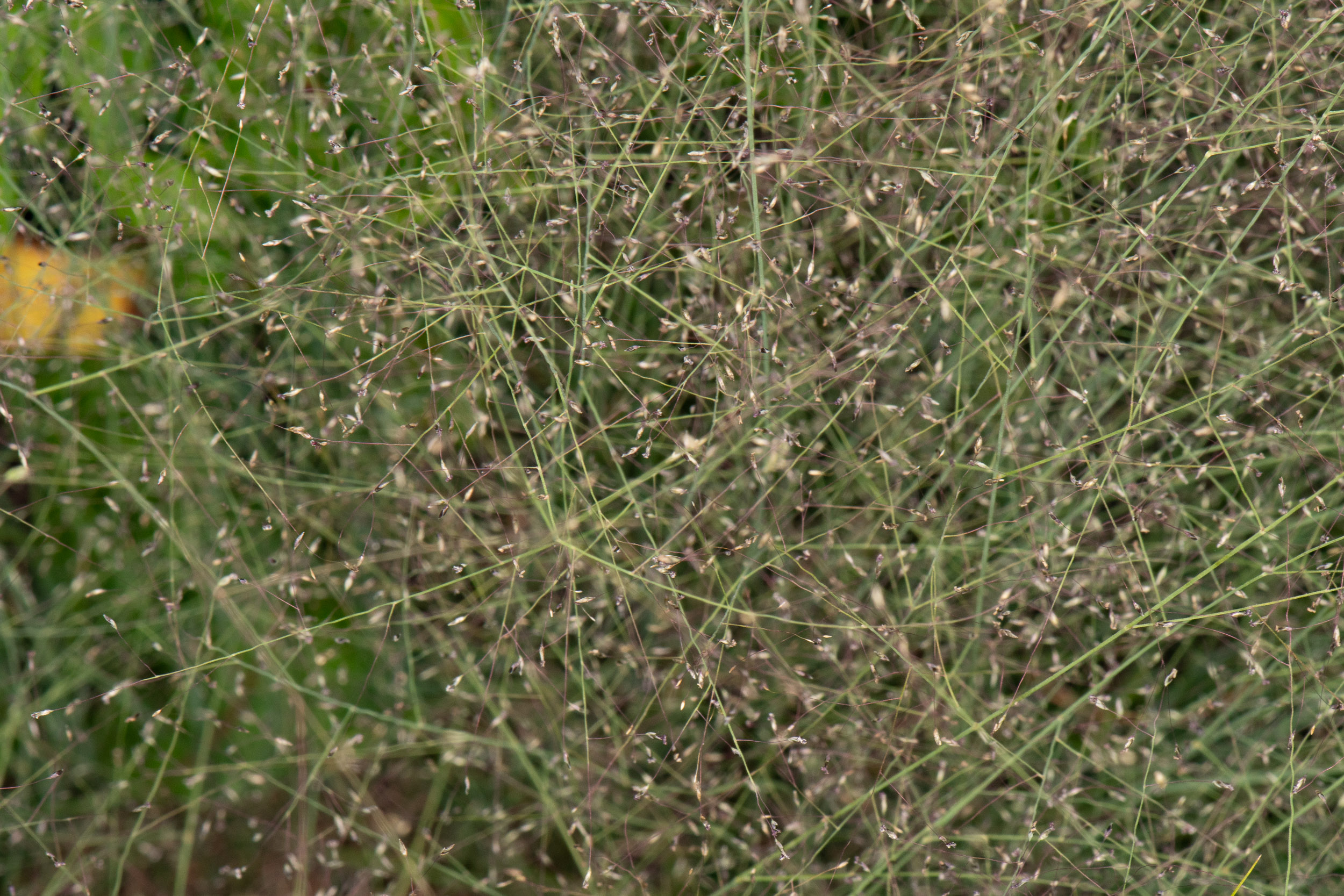
8/28/2021 · Otter Brrok Preserve, Harpswell Heritage Land Trust, Harpswell, Maine · ≈ 6 × 4″ (15 × 10 cm) ID is uncertain 
| Kingdom | Plantae | Plants, but not fungi, lichens, or algae (from Stearn's Botanical Latin) |
| Subkingdom | Tracheobionta | Vascular plants—plants with a “circulatory system” for delivering water and nutrients |
| Division | Magnoliophyta | Flowering plants, also known as angiosperms |
| Class | Liliopsida | Monocots (plants with a single seed leaf); includes the lily family |
| Subclass | Commelinidae | Dayflowers and spiderworts, and several others |
| Order | Cyperales | Flowering plants including grasses |
| Family | Poaceae | Grasses (but not sedges or rushes) |
| Genus | Eragrostis | The common explanation of this name is that it derives from the Greek eros, “love,” and agrostis, “grass,” of unknown application but giving the genus its common name of “lovegrass.” However, according to Umberto Quattrocchi, others have suggested that it actually derives from the Greek era, “earth.” |
| Species | spectabilis | Spectacular |
Eragrostis spectabilis description by Thomas H. Kent, not updated.

© FloraFinder.org. All rights reserved.