Epifagus virginiana (L.) W.P.C. Barton
Beech-drops
I was wondering what killed all the little plants that we were passing as we hiked up Beech Hill in New Hampshire. All the plants were about a foot high, dark red-brown, and stripped of their leaves, perhaps by deer. No sense photographing them, I figured, since they would be impossible to identify without any leaves or flowers.
Shortly before we finished our hike I changed my mind. Can’t hurt to try. So I took a few photos. It wasn’t until I got home that I realized that these were perfectly healthy. They lacked leaves because they didn’t need them, and they weren’t green because they aren’t photosynthetic. As for flowers, they were right there in front of my nose, but small and inconspicuous, a deep shade of red-purple similar to that of the stem. Beech drops are parasites, deriving their energy from the roots of the beech trees that were all around us, natives like the trees upon which they prey.
Plants: 6–20″ (15–50 cm) high, reddish brown in color, but herbaceous, not woody. Stems are light brown with purple stripes, darkening with age.
Leaves: Leaves are vestigial and nearly invisible, often described as scales.
Flowers: About ½″ (1.3 cm) long, shaped like a tube, sometimes square-edged, appearing alternately along the stems, a mixture of deep red/purple and white or yellow. From a distance their color is brownish, blending with that of the stems, so the flowers are easily overlooked. They bloom from August to October.
Fruits: Small ovoid seed capsules are about ⅛″ (6 mm) long. They contain numerous tiny seeds that are distributed by wind.
Habitats: Temperate forests, wherever beech trees are found.
Online References:
References:
Clemants, Steven; Gracie, Carol, Wildflowers in the Field and Forest, Oxford University Press, 2006, p. 262
Leptamnium virginianum (L.) Raf.
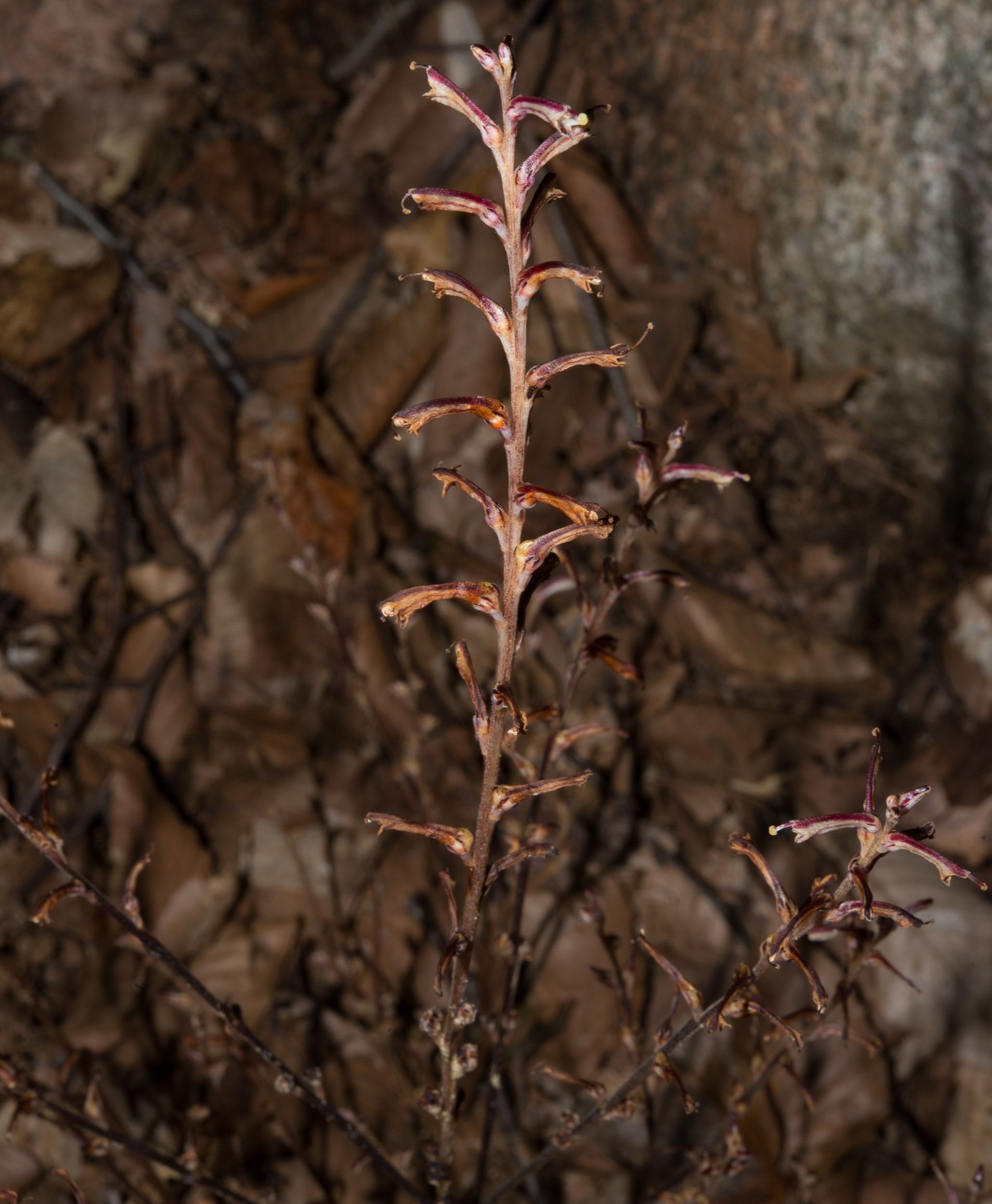
9/29/2013 · South Bubble Hike, Acadia National Park, Bar Harbor, Maine · ≈ 6 × 7″ (15 × 18 cm) 
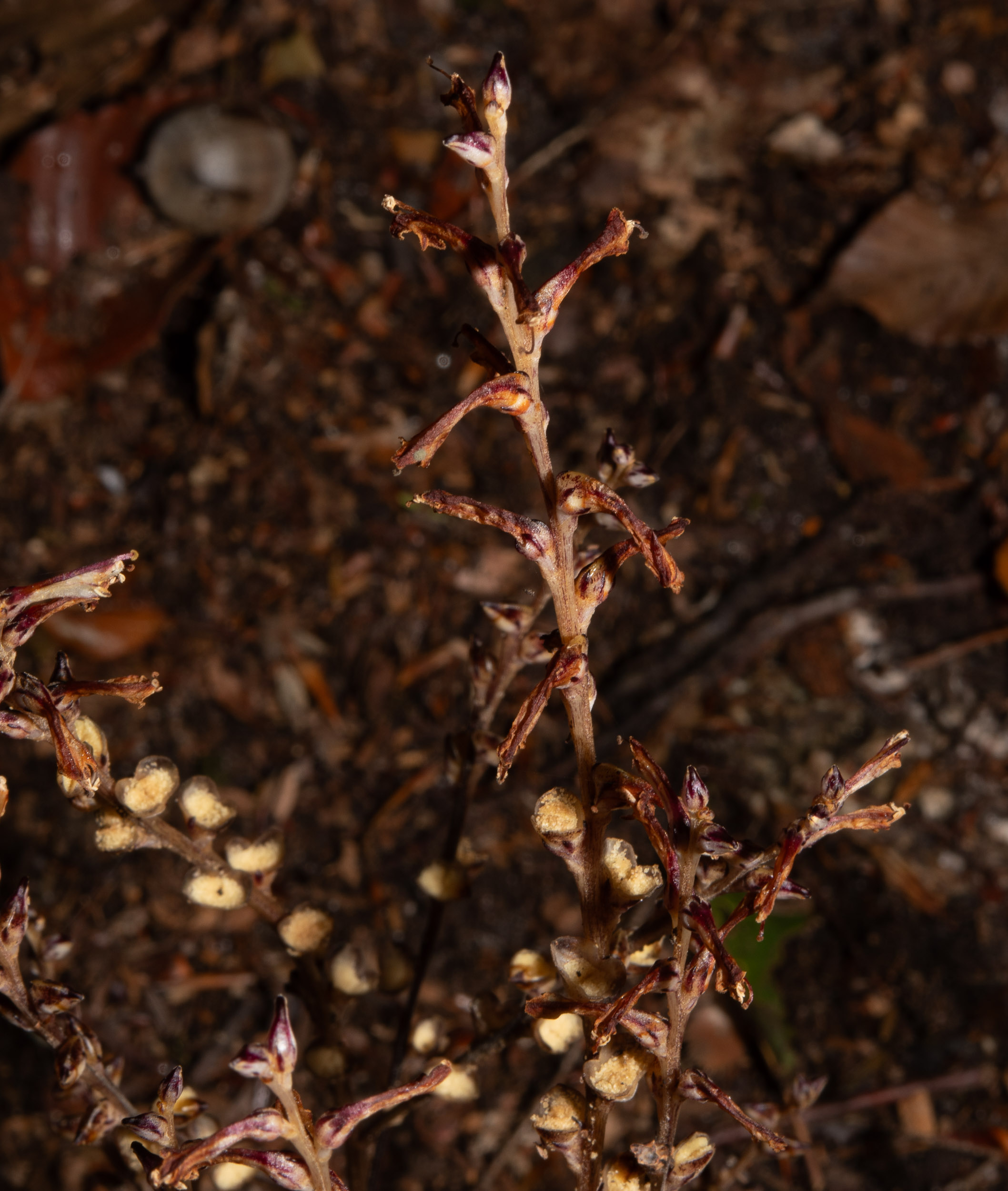
9/18/2017 · Purgatory Falls, Mont Vernon, New Hampshire · ≈ 3½ × 4½″ (9.8 × 11 cm) 

10/9/2018 · Blue Trail, Willard Brook State Park, Ashby, Massachusetts, United States 
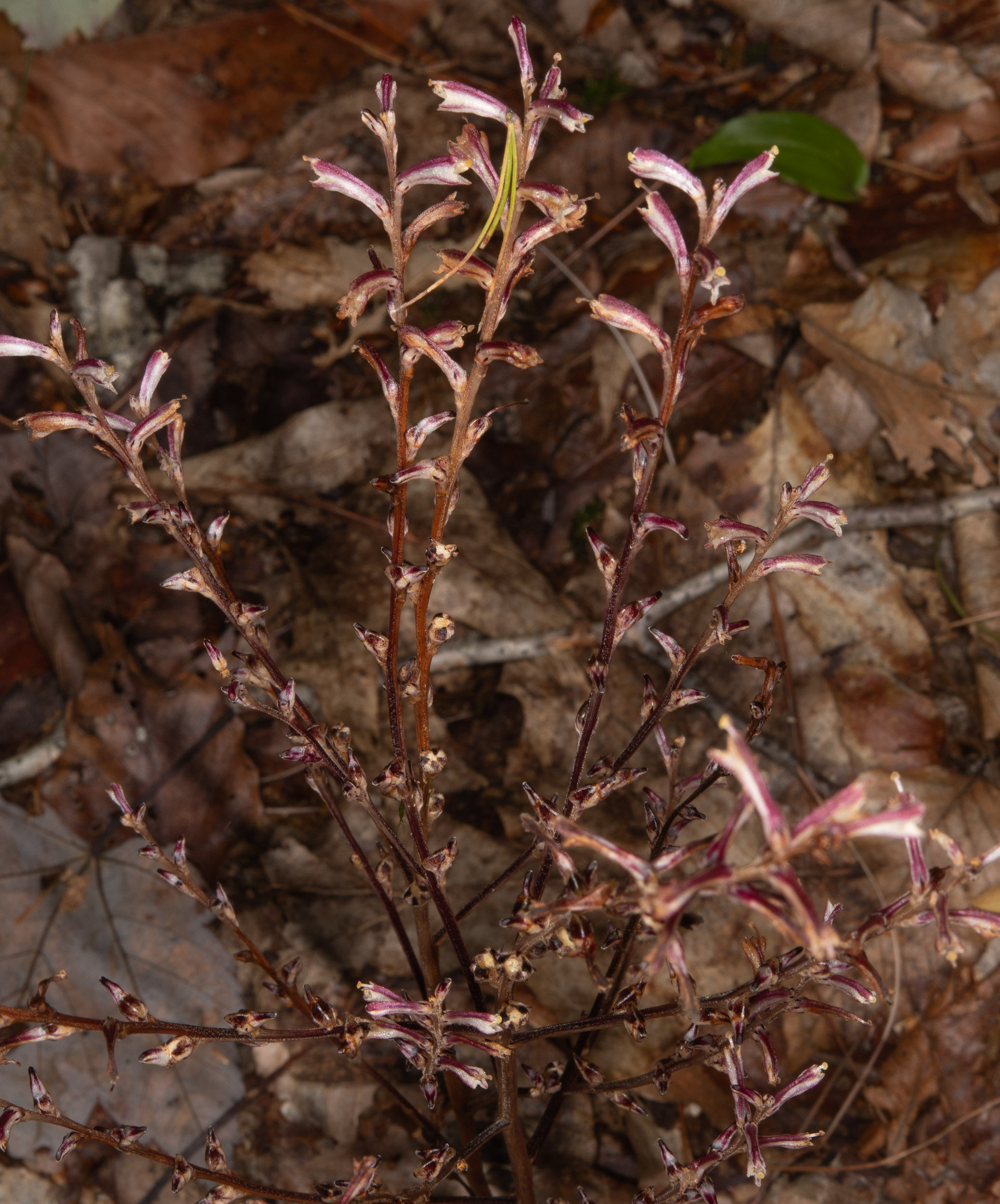
9/14/2023 · Nature Conservancy Access Trail, Sprague Pond, Phippsburg, Maine · ≈ 5 × 7″ (13 × 16 cm) 
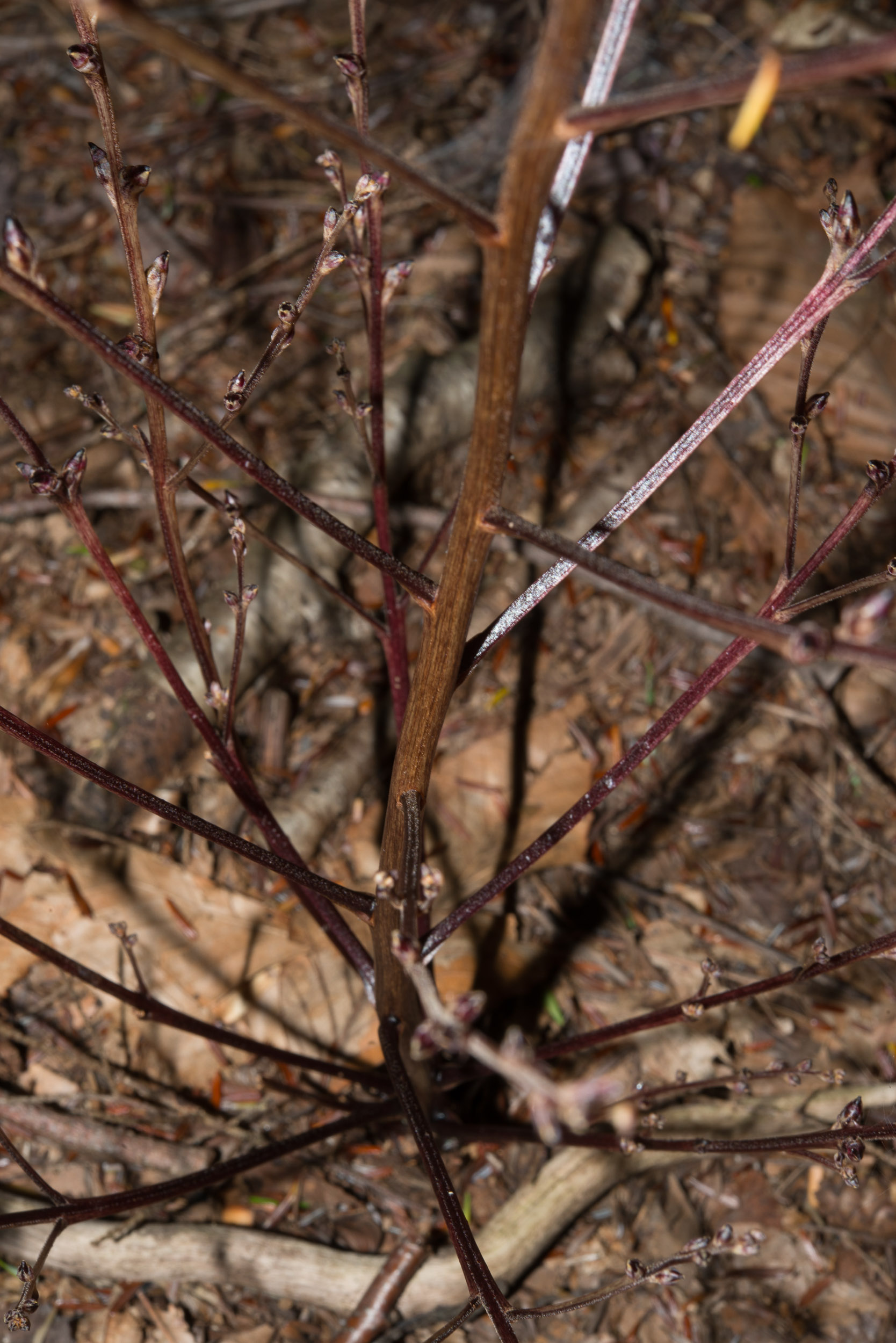
9/7/2013 · Beech Hill, Dublin, New Hampshire · ≈ 6 × 8″ (14 × 20 cm) 
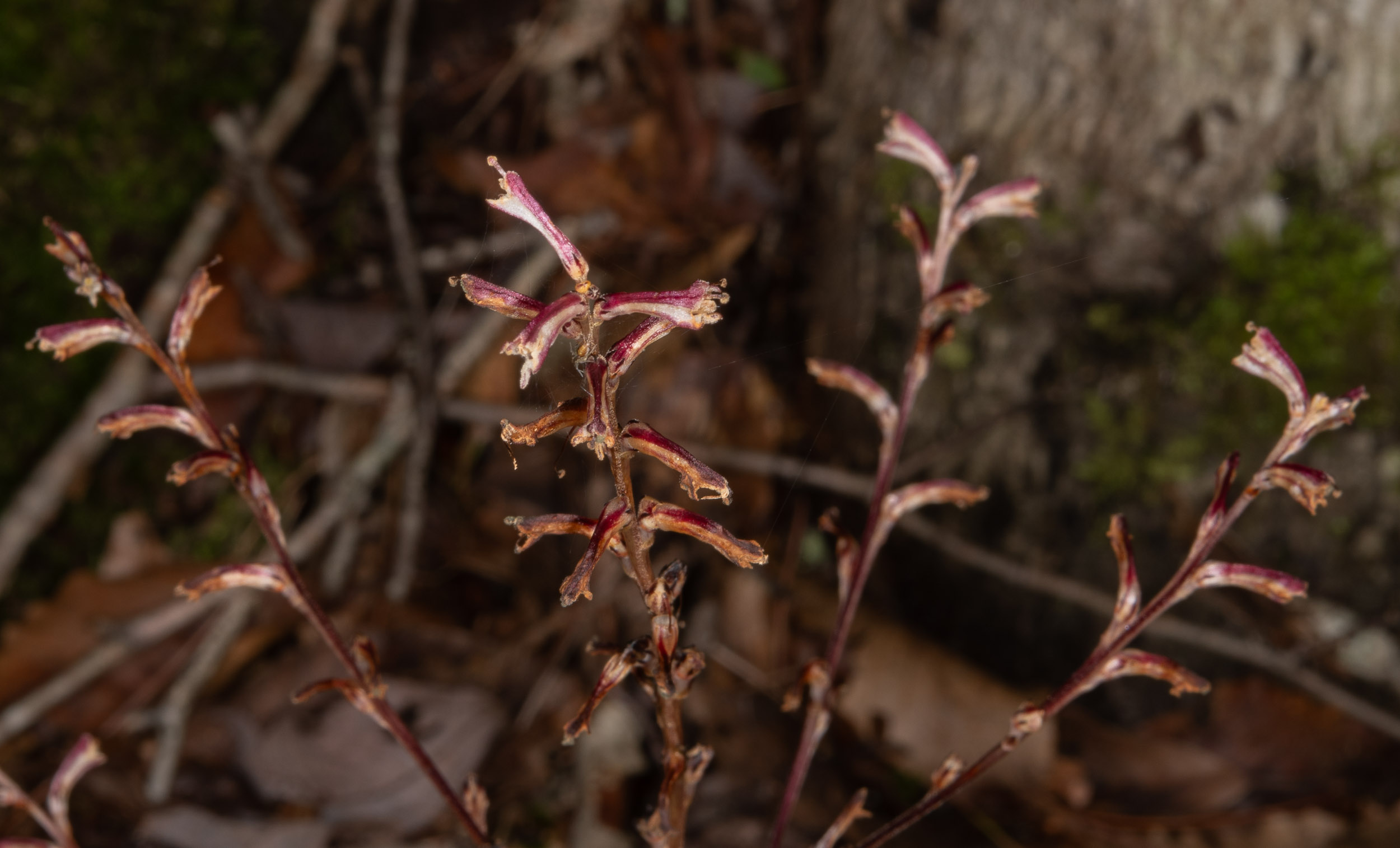
9/14/2023 · Nature Conservancy Access Trail, Sprague Pond, Phippsburg, Maine · ≈ 5 × 3″ (13 × 8 cm) 
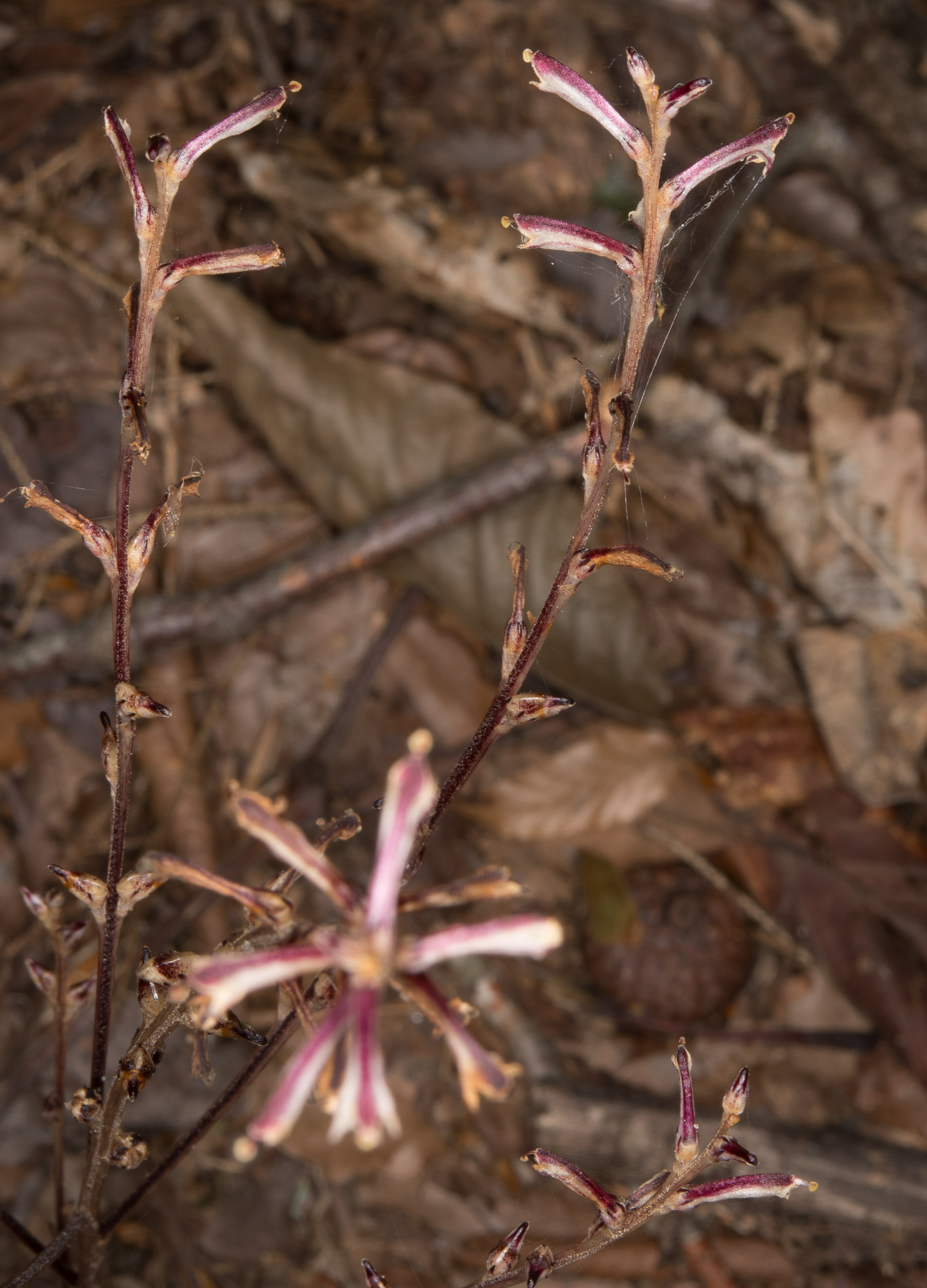
9/5/2020 · Hedgehog Mountain, Freeport, Maine · ≈ 3½ × 5″ (9.4 × 13 cm) 
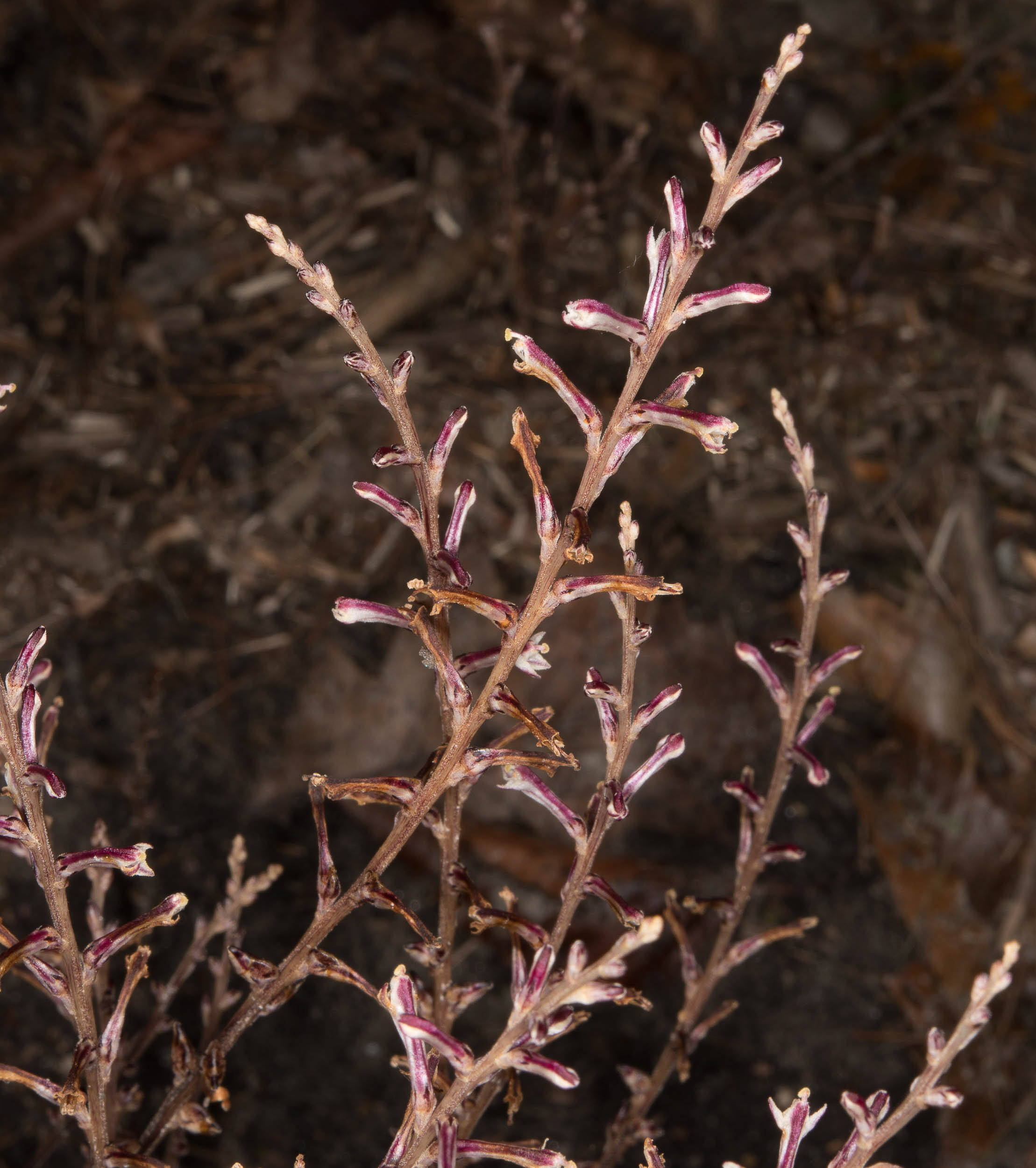
9/9/2018 

9/18/2017 · Purgatory Falls, Mont Vernon, New Hampshire · ≈ 4 × 6″ (11 × 16 cm) 
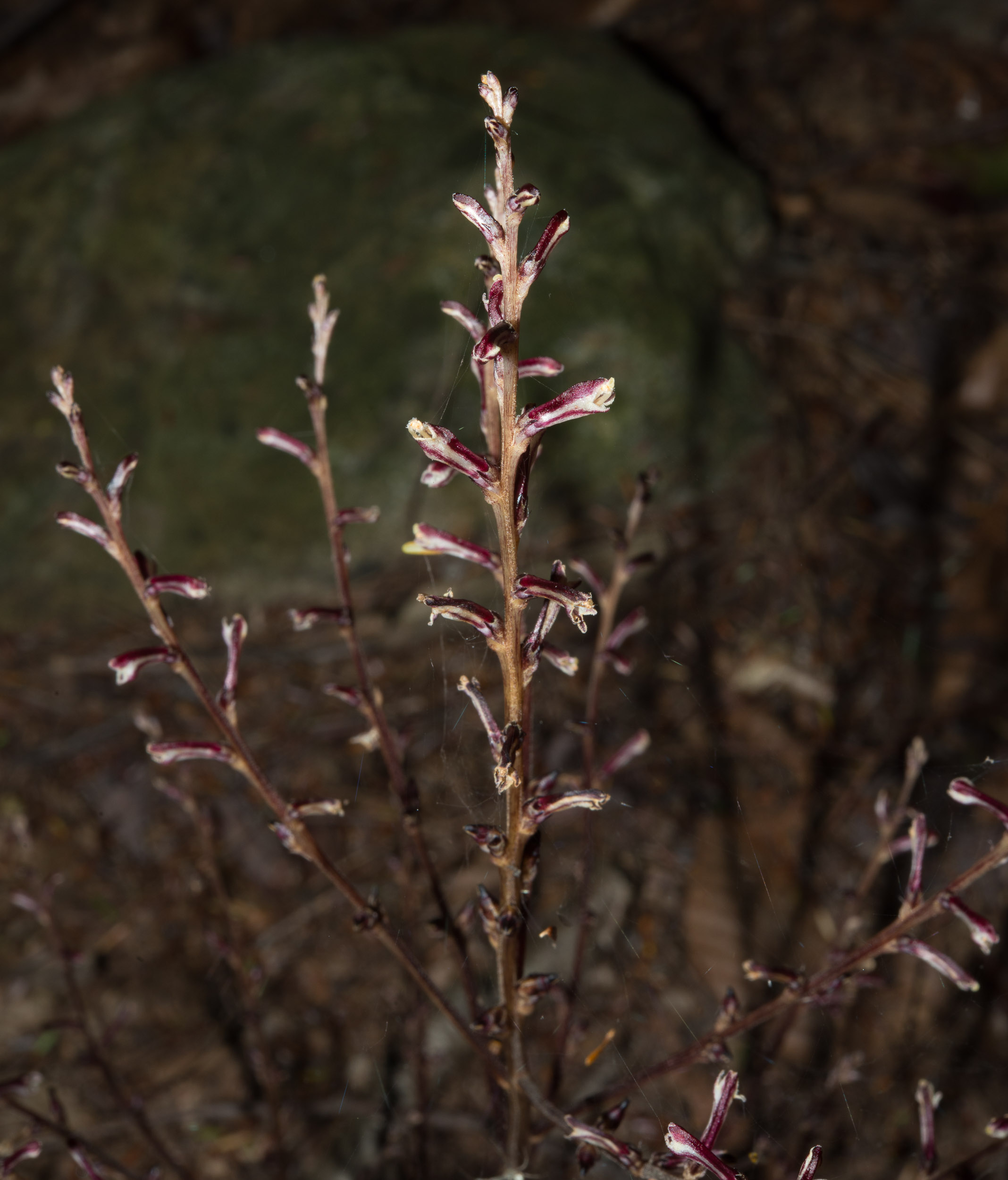
9/7/2013 · Beech Hill, Dublin, New Hampshire · ≈ 6 × 6″ (14 × 16 cm) 
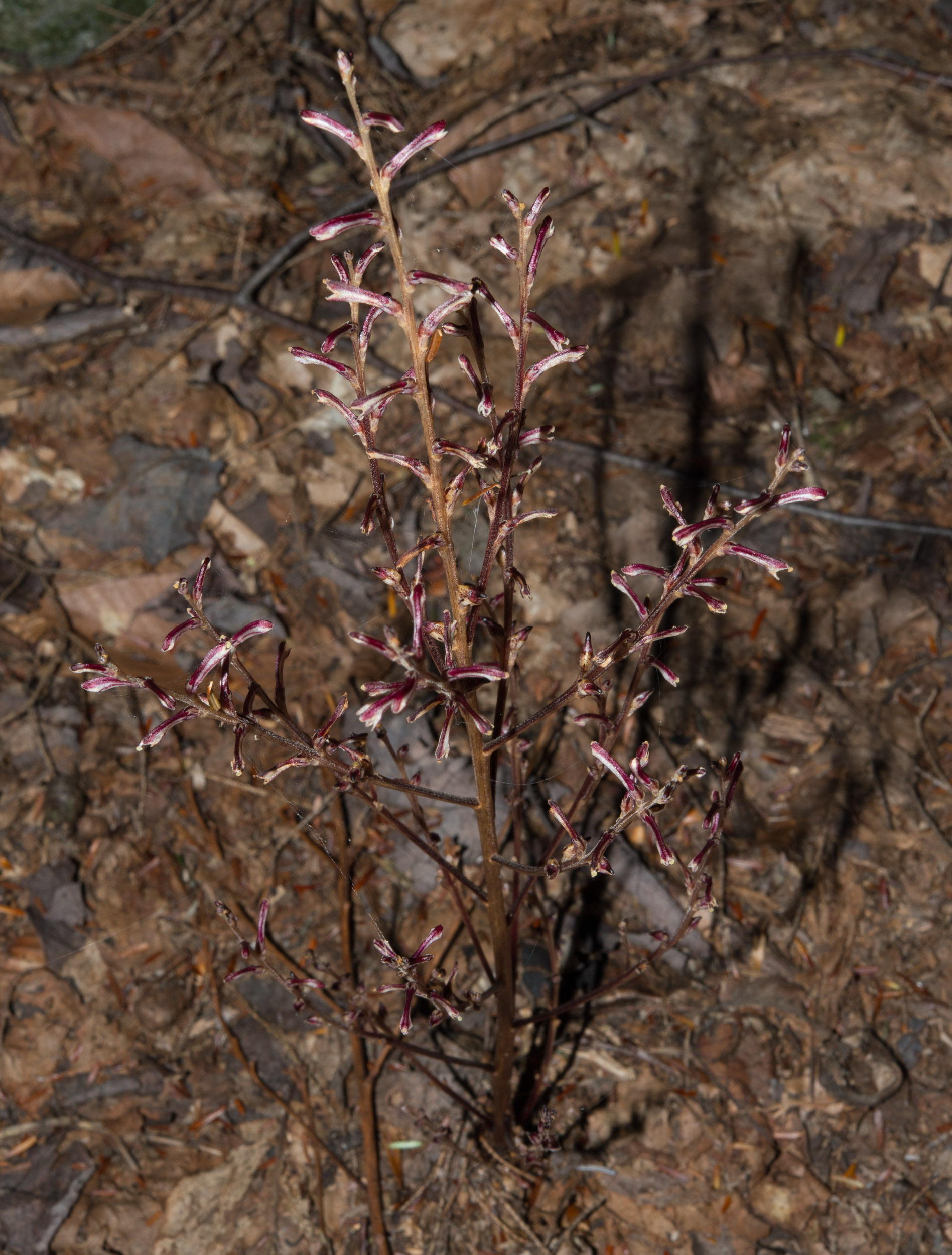
9/7/2013 · Beech Hill, Dublin, New Hampshire · ≈ 7 × 10″ (18 × 24 cm) 
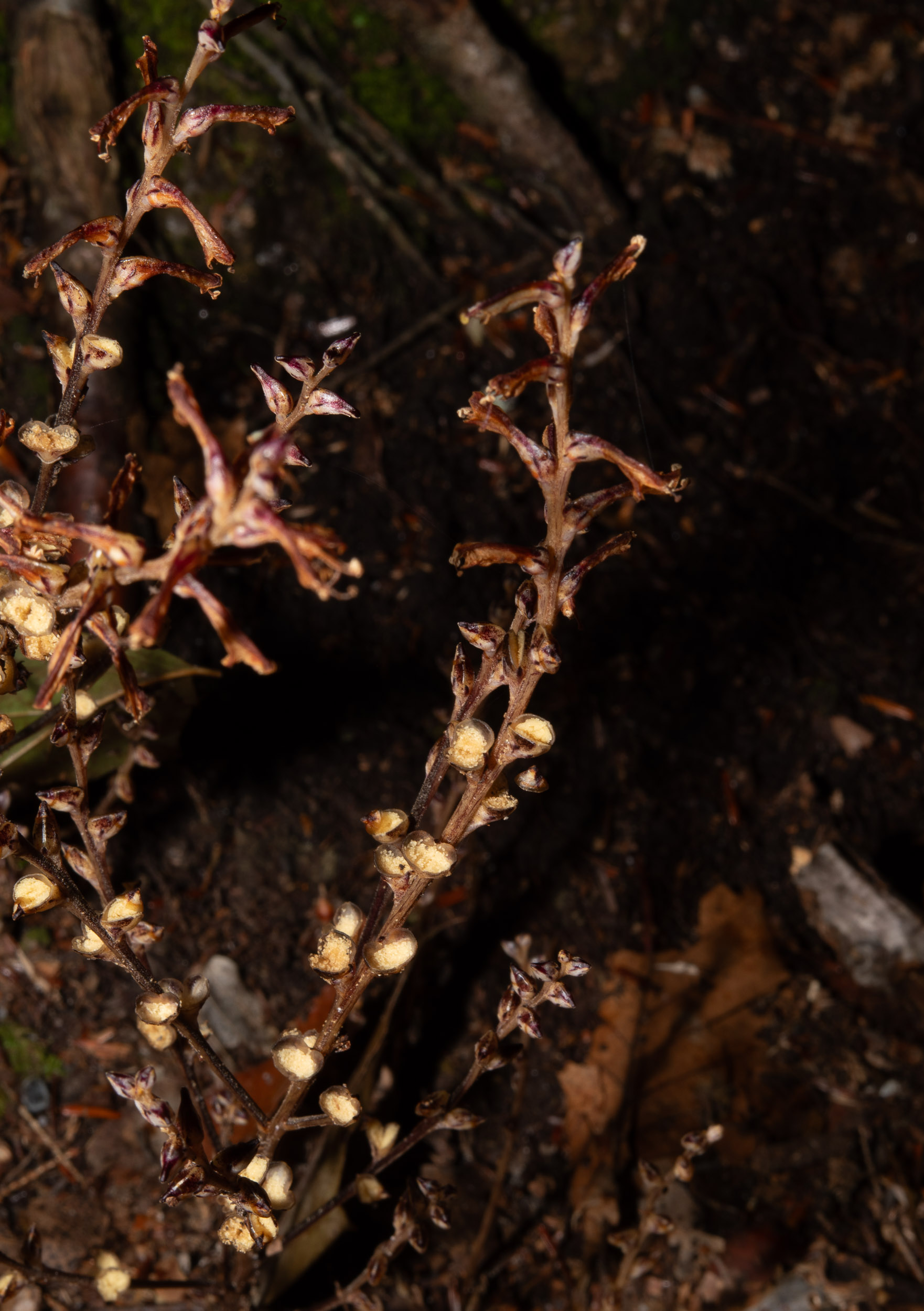
The upward-facing cuplike structures are the fruits. · 9/18/2017 · Purgatory Falls, Mont Vernon, New Hampshire · ≈ 4½ × 7″ (12 × 17 cm) 
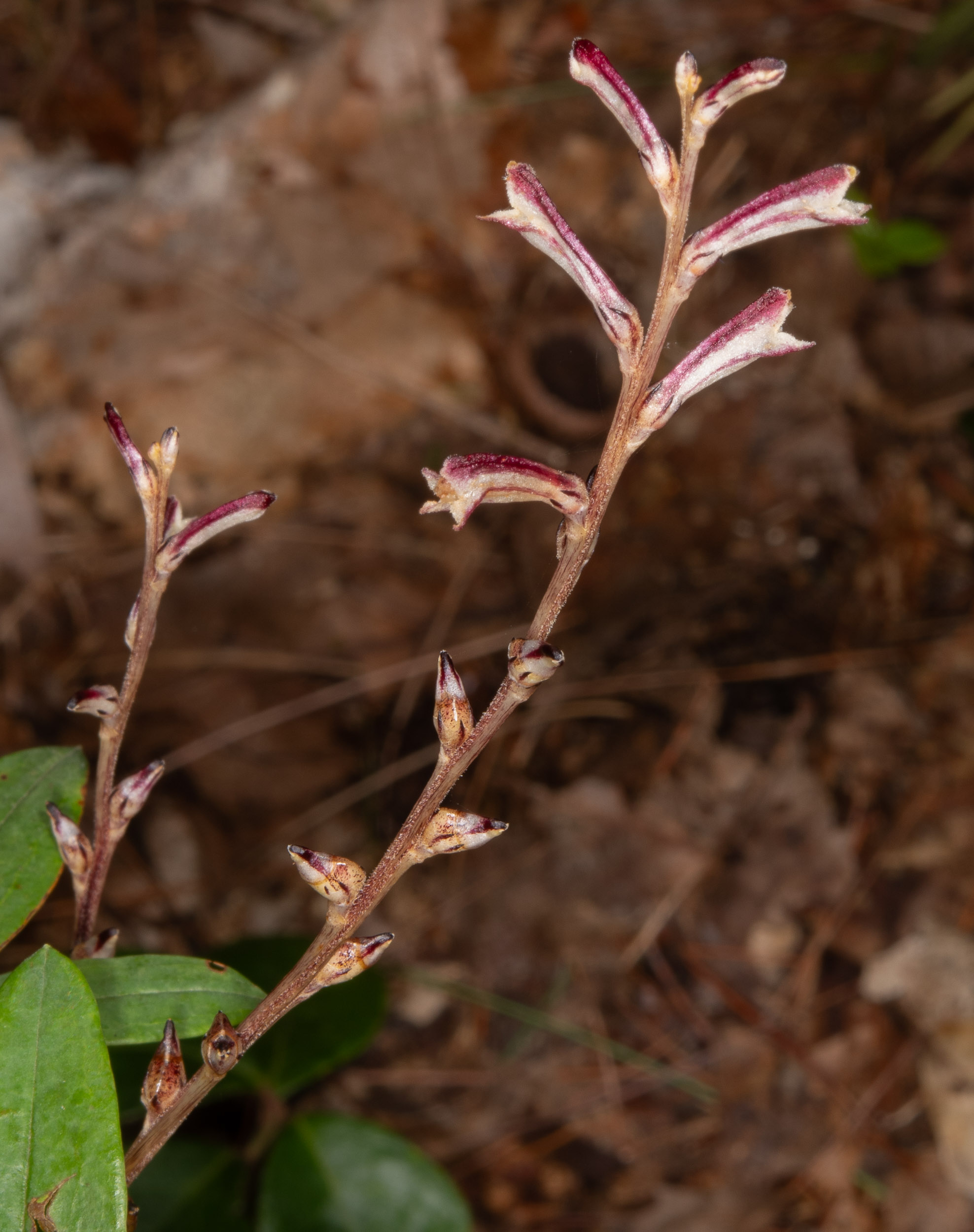
9/14/2023 · Nature Conservancy Access Trail, Sprague Pond, Phippsburg, Maine · ≈ 3 × 3½″ (7.5 × 9.5 cm) 
| Kingdom | Plantae | Plants, but not fungi, lichens, or algae (from Stearn's Botanical Latin) |
| Subkingdom | Tracheobionta | Vascular plants—plants with a “circulatory system” for delivering water and nutrients |
| Division | Magnoliophyta | Flowering plants, also known as angiosperms |
| Class | Magnoliopsida | Dicotyledons—plants with two initial seed leaves |
| Subclass | Asteridae | A large class that encompasses asters |
| Order | Lamiales | Aromatic herbs and shrubs, including lavender, lilac, olive, jasmine, ash, teak, snapdragon, sesame, psyllium, garden sage, mint, basil, and rosemary |
| Family | Orobanchaceae | Broomrape family of parasitic plants |
| Genus | Epifagus | “Upon the beech,” since these plants are beech tree root parasites |
| Species | virginiana | “From Virginia” |
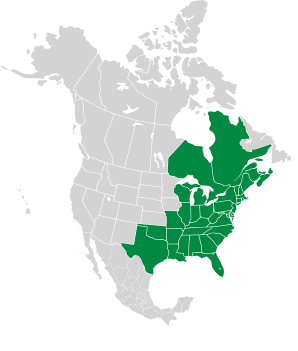
Epifagus virginiana description by Thomas H. Kent, not updated.

© FloraFinder.org. All rights reserved.