Empetrum nigrum L.
Black crowberry
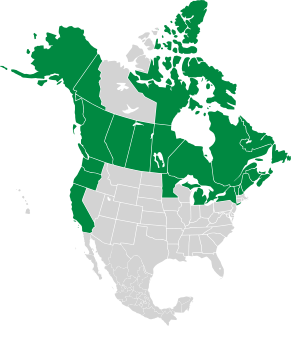
Black crowberry is a small evergreen perennial native to northern portions of the northern hemisphere, and to the Falkland Islands. Its population is scattered, and often associated with pitch pine (Pinus rigida). Grouse, ptarmigan and red-backed voles favor the high energy berries, along with reindeer, caribou, and bears.
Plants: Ground-hugging, dense, somewhat mosslike plant rarely more than 6″ (15 cm) in height.
Leaves: Needlelike alternate green leaves, each ⅛–¼″ (3–8 mm) long, appear on long shoots. In cross section, needles are deeply grooved, with their edges rolled under. Compared to broom crowberry, leaves are more densely spaced.
Flowers: Inconspicuous, purplish brown, with one or both sexes appearing on a given plant.
Fruits: Juicy rounded black berries (sometimes red) ⅛–3/16″ (4–6 mm) around, each containing 6-9 white seeds.
Habitats: Acid peat bogs, cold forests, in northern and polar regions.
 |
These unrelated species, both commonly called crowberries, are closely similar, and sometimes appear together—one might say that crowberries of a feather flock together. |
Edibility: Although technically edible to humans, black crowberries are not very digestible, watery, and lacking in taste. They are sometimes used, in conjunction with other berries, in pies and jellies.
Online References:

5/3/2025 · Merritt Mountain, Phippsburg, Maine · ≈ 4½ × 3″ (12 × 8.1 cm) 

5/6/2023 · Higgins Mountain, Georgetown, Maine 
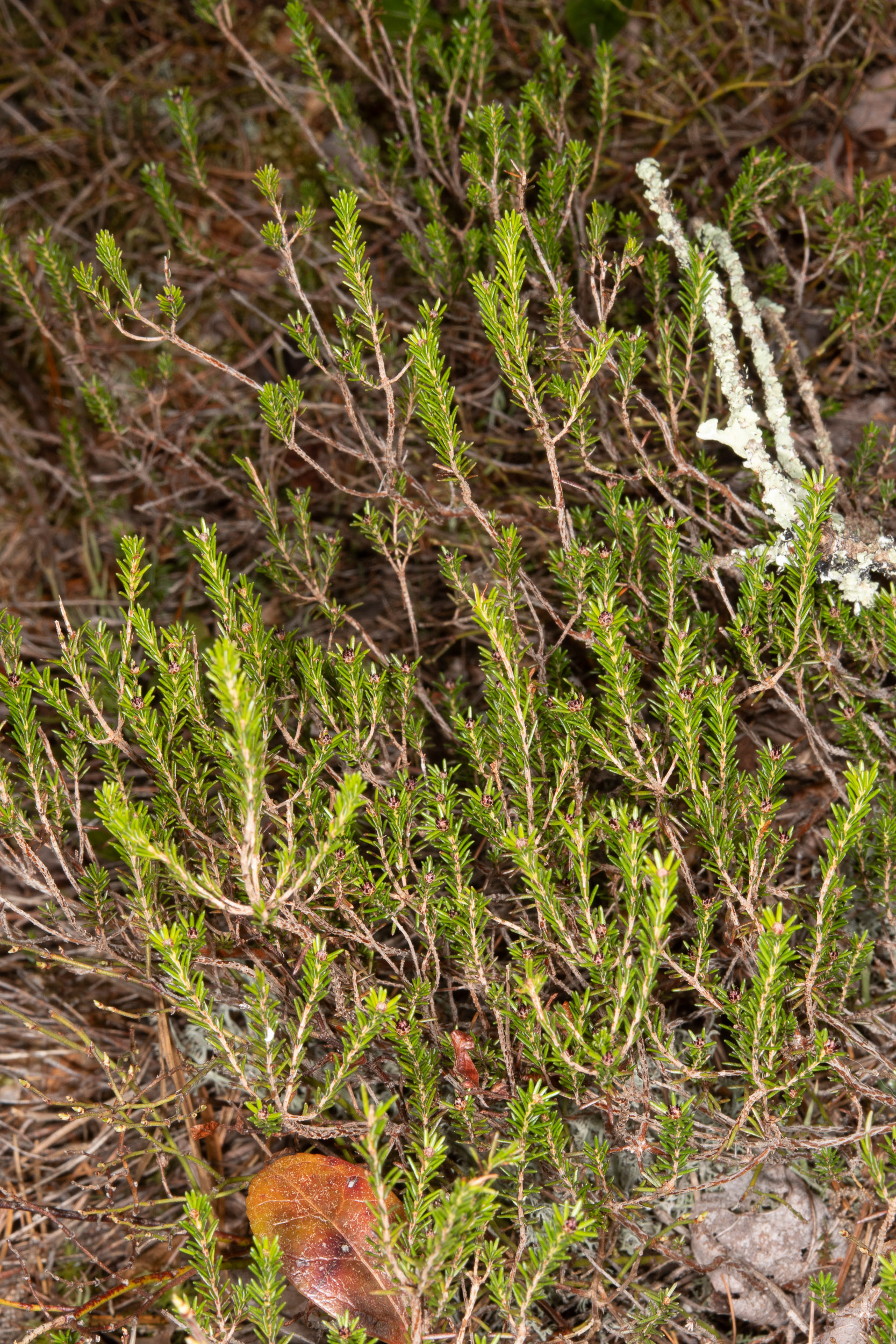
4/8/2021 · Long Reach Preserve, Harpswell, Maine · ≈ 6 × 10″ (16 × 24 cm) 

9/25/2004 · Acadia National Park, Bar Harbor, Maine 
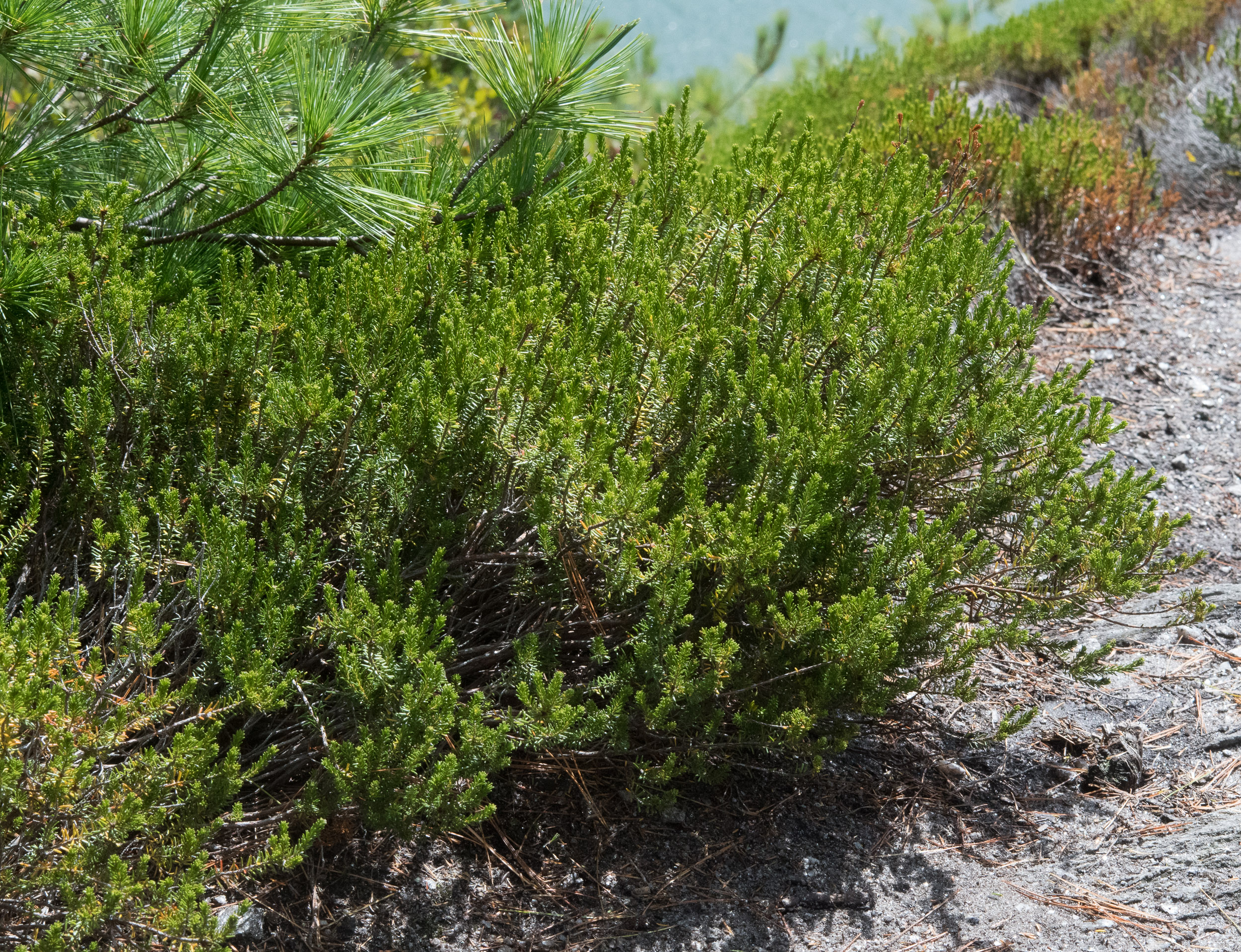
8/30/2020 · Cliff Trail, Harpswell, Maine 
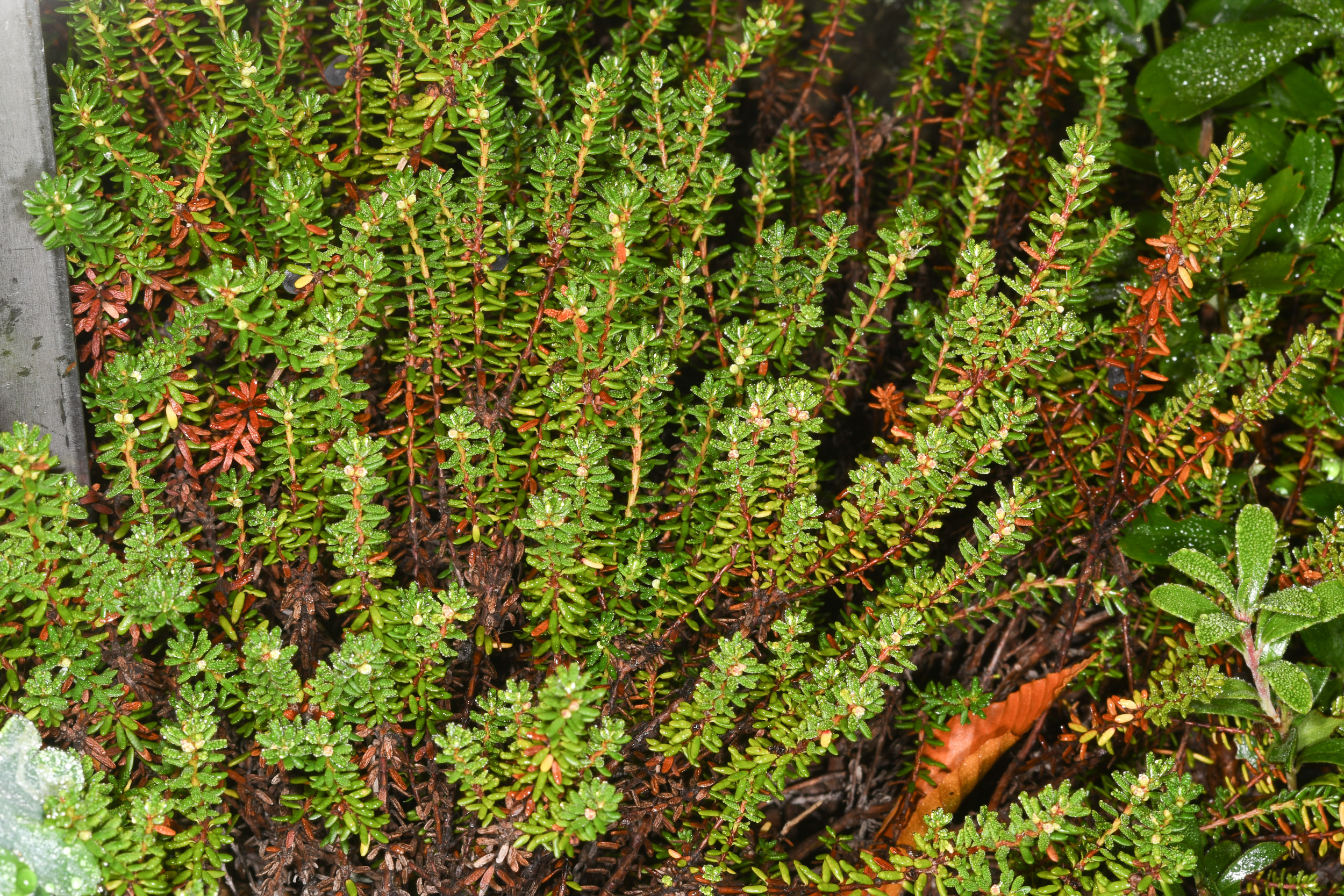
9/16/2016 · Sieur de Monts Botanical Gardens, Bar Harbor, Maine 

This cultivar is Empetrum nigrum ‘Compass Harbor’ · 6/11/2025 · Coastal Maine Botanical Gardens, Boothbay, Maine · ≈ 10 × 6″ (24 × 16 cm) 

5/12/2023 · Long Reach Preserve, Harpswell, Maine 
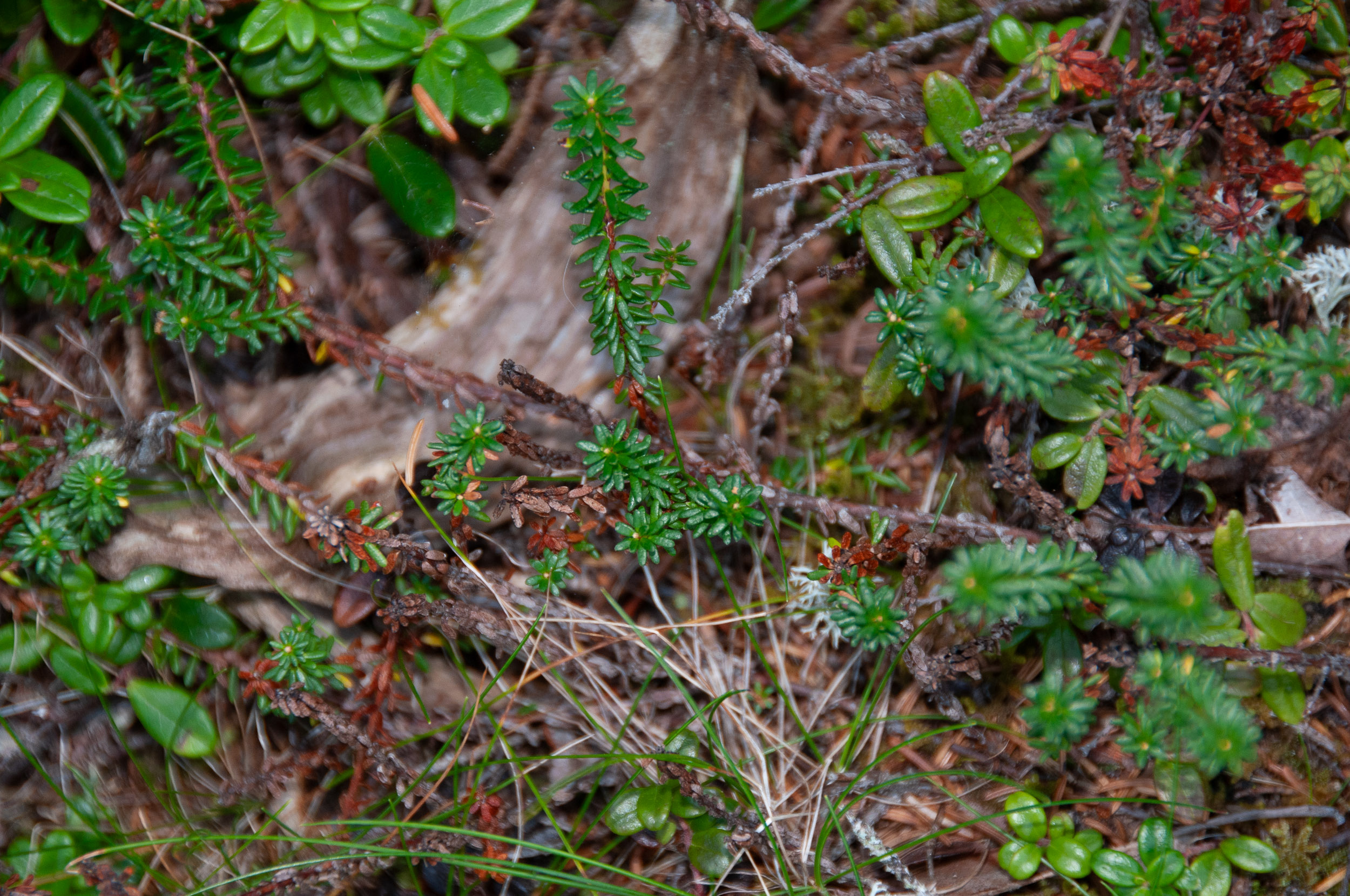
9/18/2009 · Acadia National Park, Bar Harbor, Maine · ≈ 3½ × 2½″ (9.3 × 6.2 cm) 
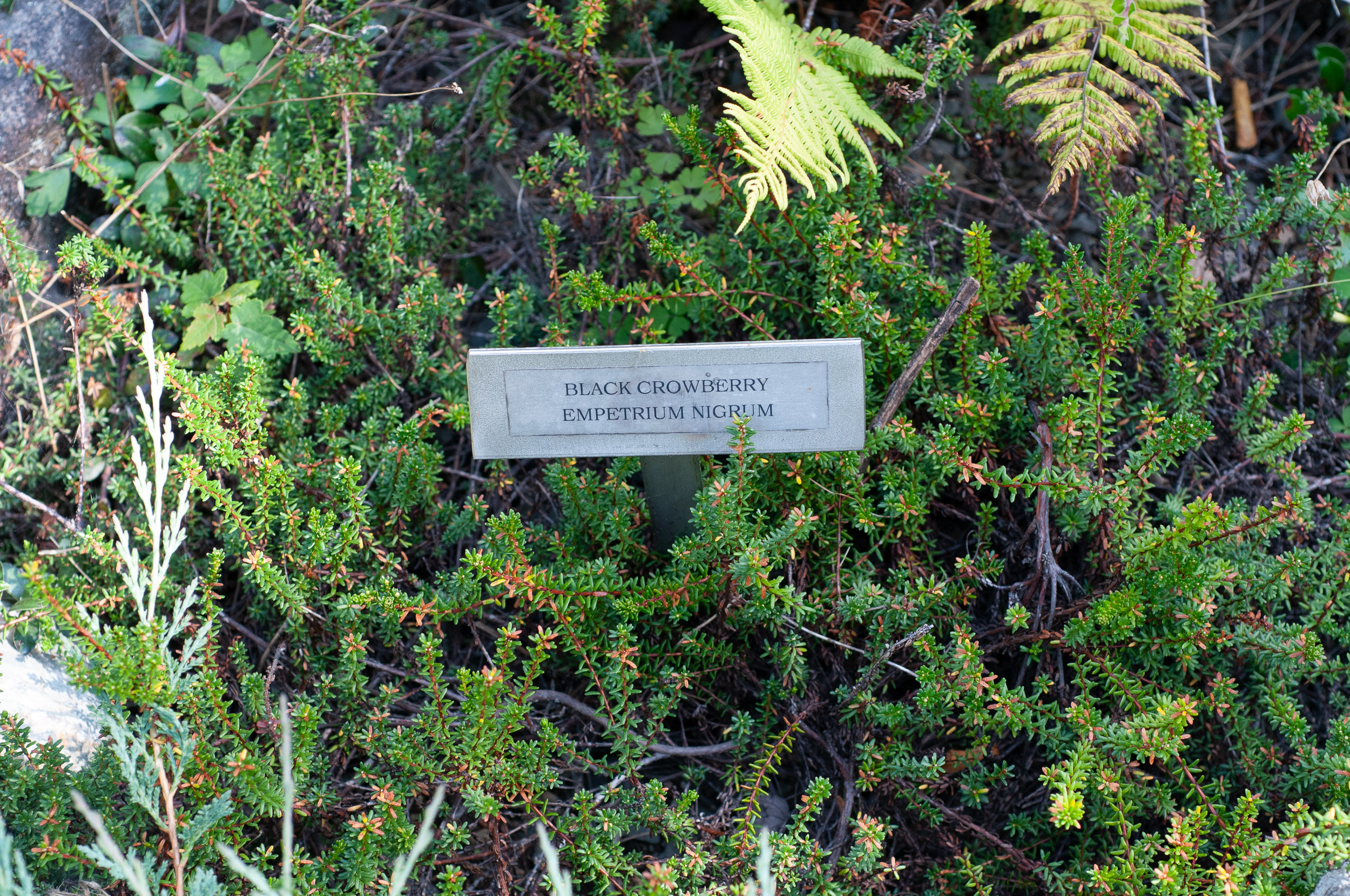
9/20/2009 · Wild Gardens of Acadia, Acadia National Park, Bar Harbor, Maine · ≈ 17 × 12″ (44 × 29 cm) 

7/13/2015 · Mt. Mansfield, Stowe/Cambridge, Vermont · ≈ 9 × 6″ (22 × 15 cm) 
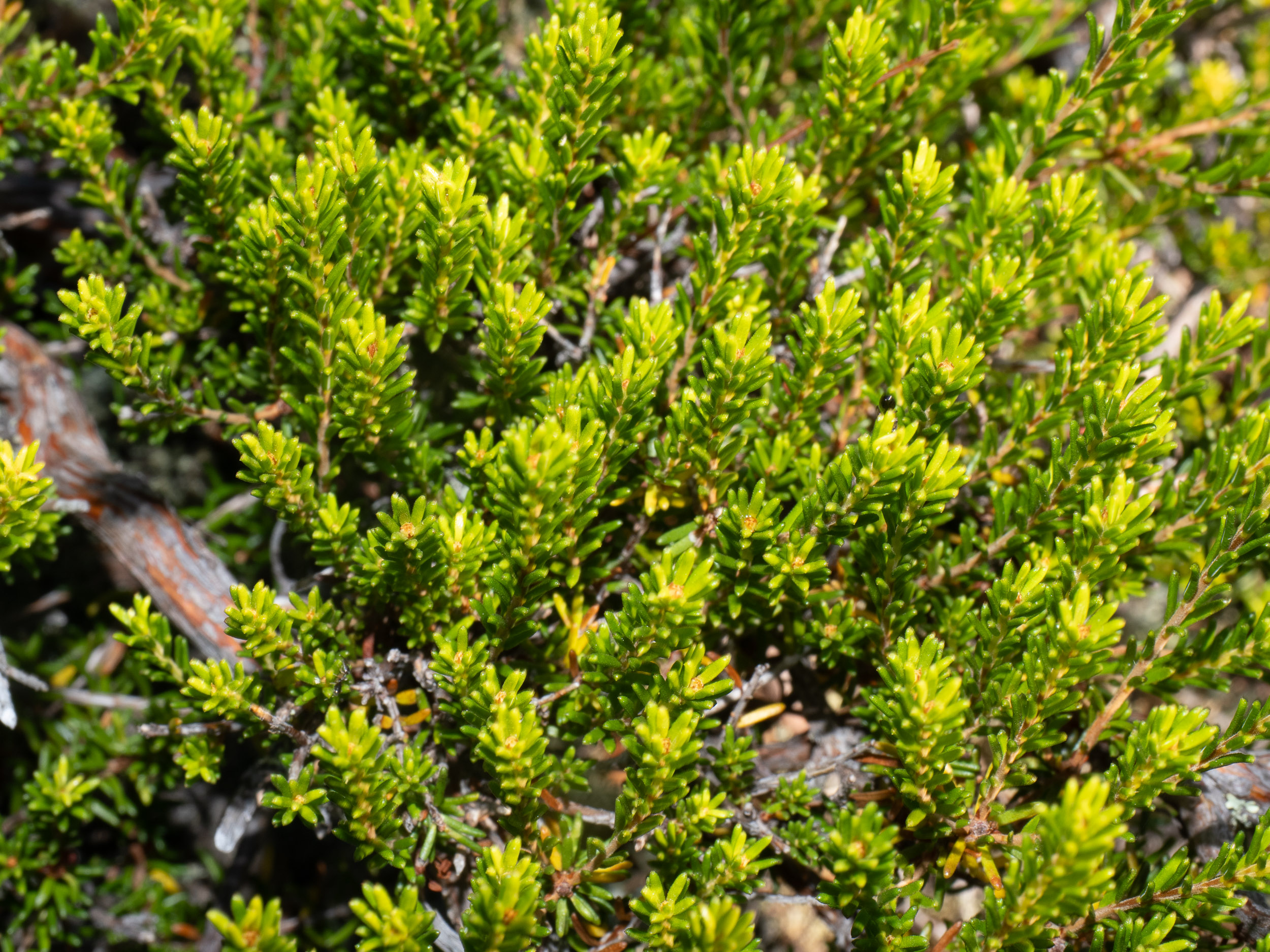
8/2/2023 · Higgins Mountain, Georgetown, Maine 
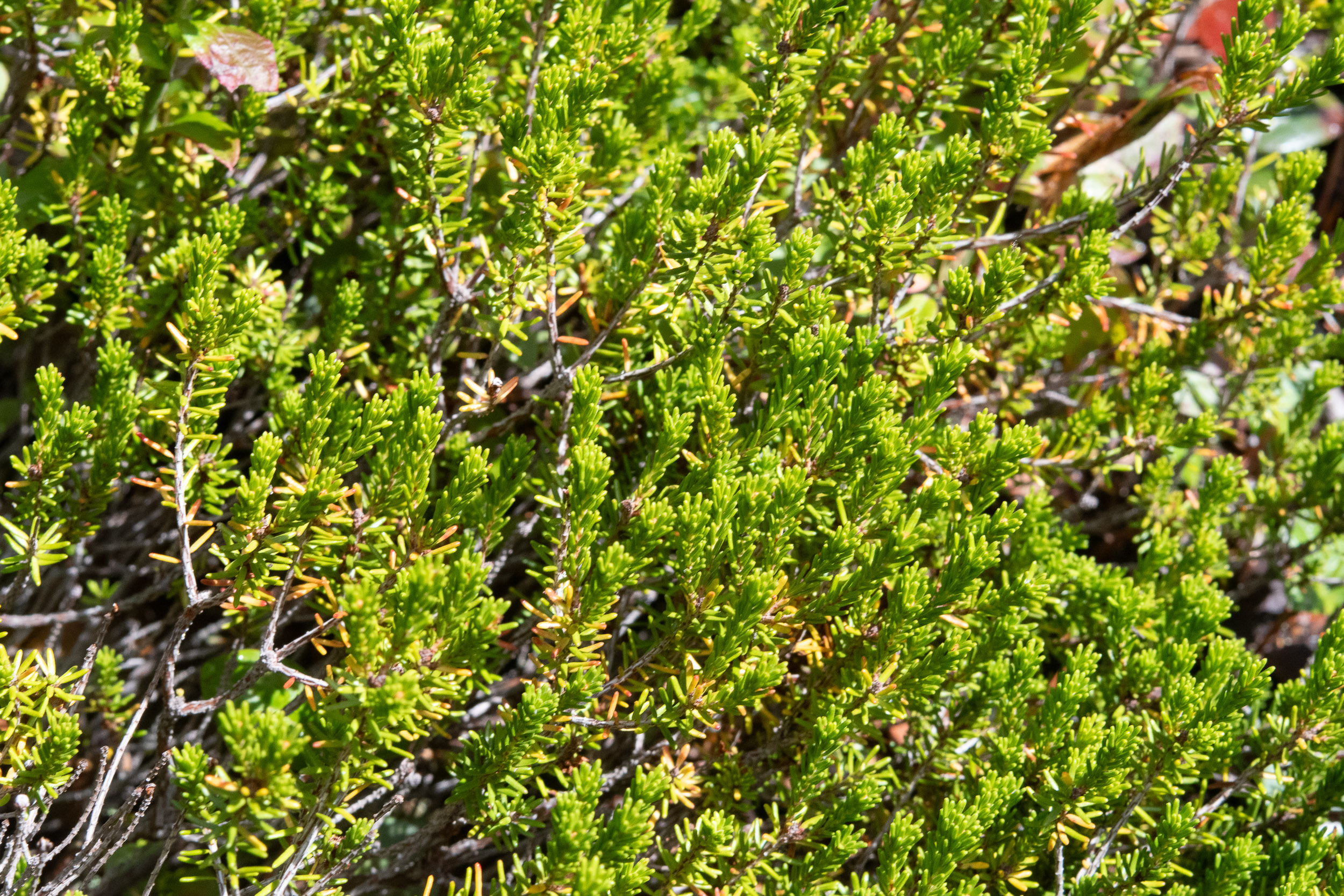
8/30/2020 · Cliff Trail, Harpswell, Maine · ≈ 7 × 4½″ (18 × 12 cm) 

5/3/2025 · Merritt Mountain, Phippsburg, Maine · ≈ 4 × 6″ (10 × 16 cm) 

5/6/2023 · Higgins Mountain, Georgetown, Maine 
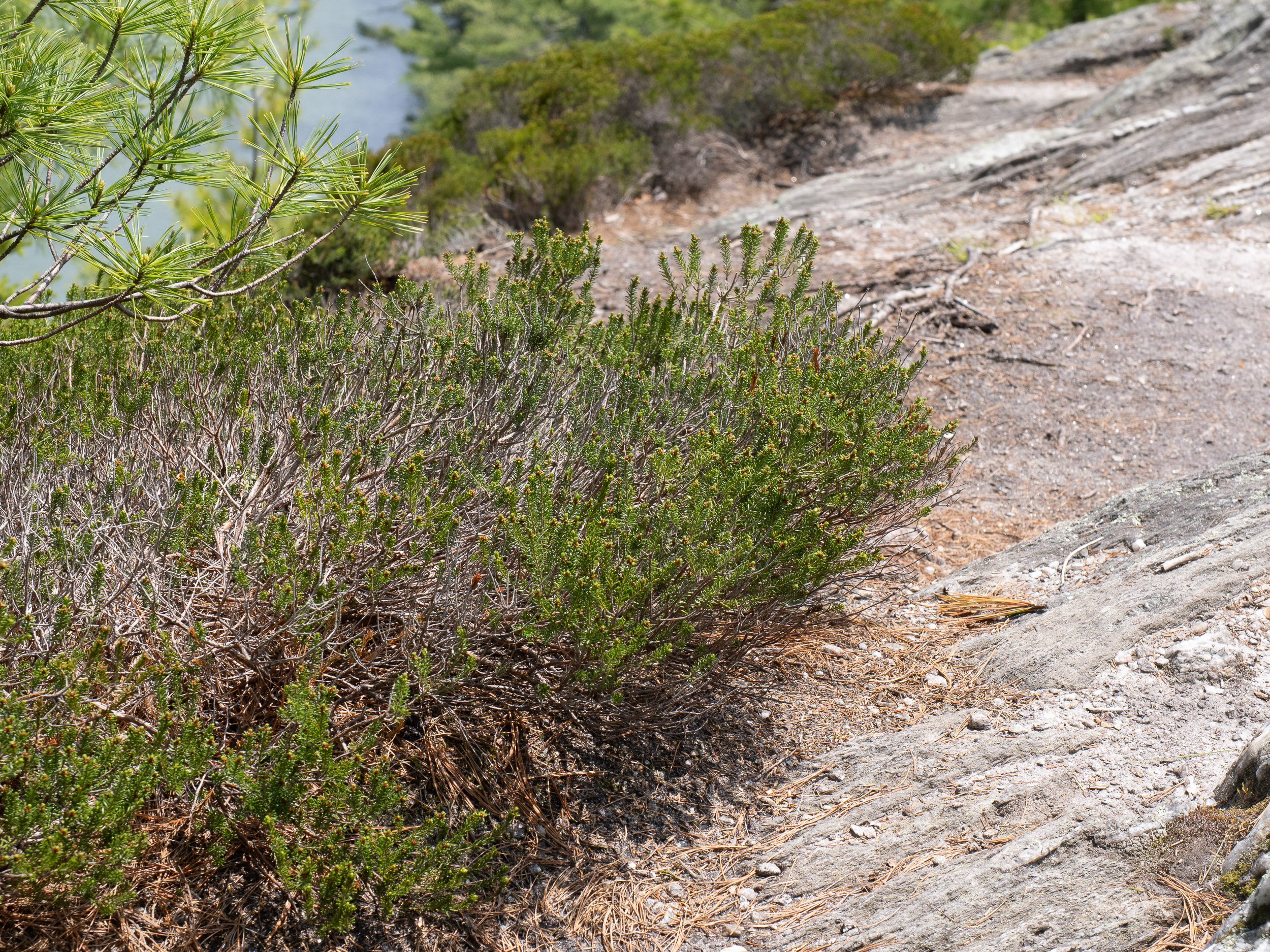
5/18/2026 · Cliff Trail, Harpswell, Maine 
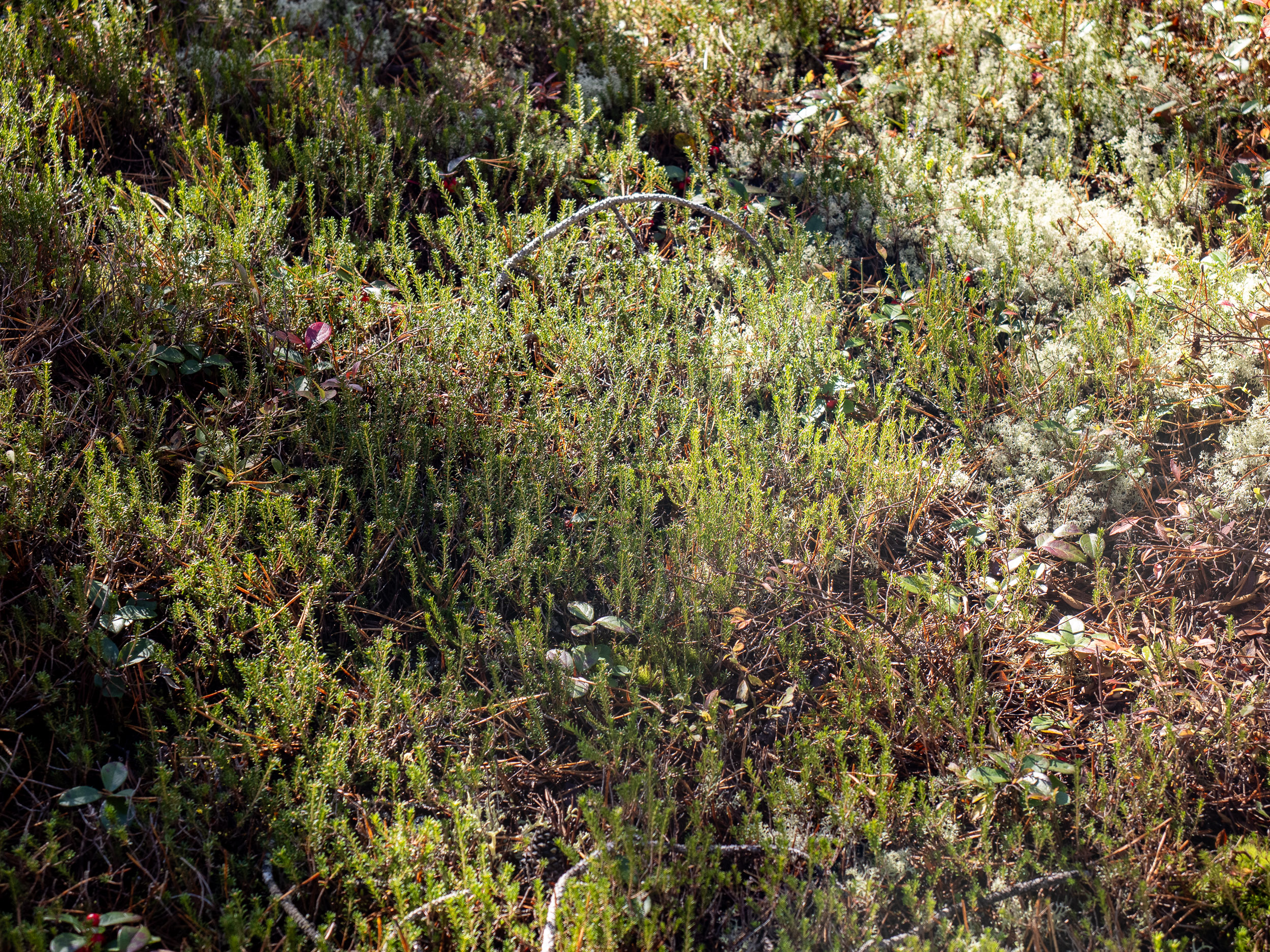
10/31/2023 · Ridgewell Preserve, Phippsburg, Maine 
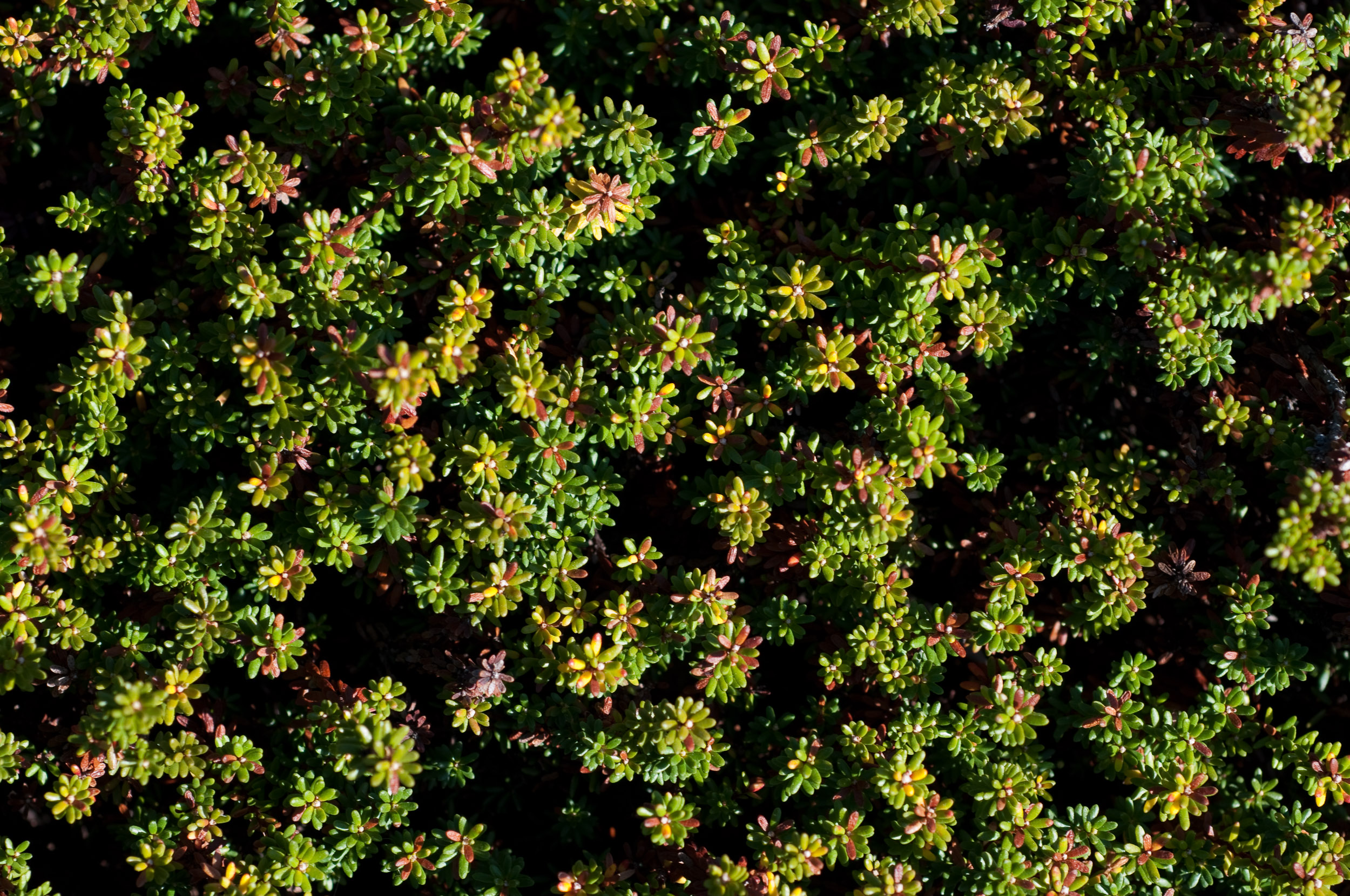
9/19/2009 · Acadia National Park, Bar Harbor, Maine · ≈ 9 × 6″ (22 × 14 cm) 
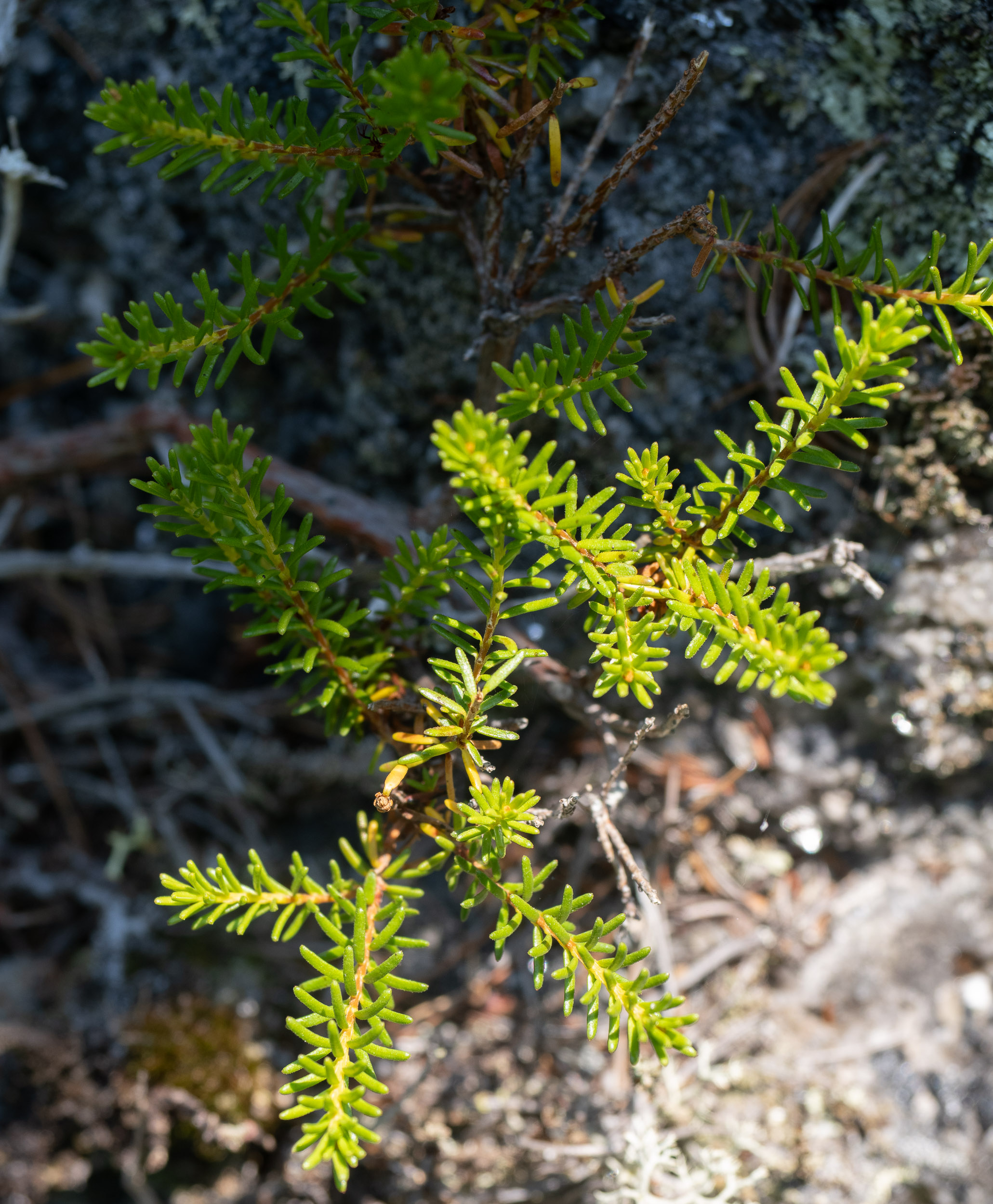
8/2/2023 · Higgins Mountain, Georgetown, Maine 
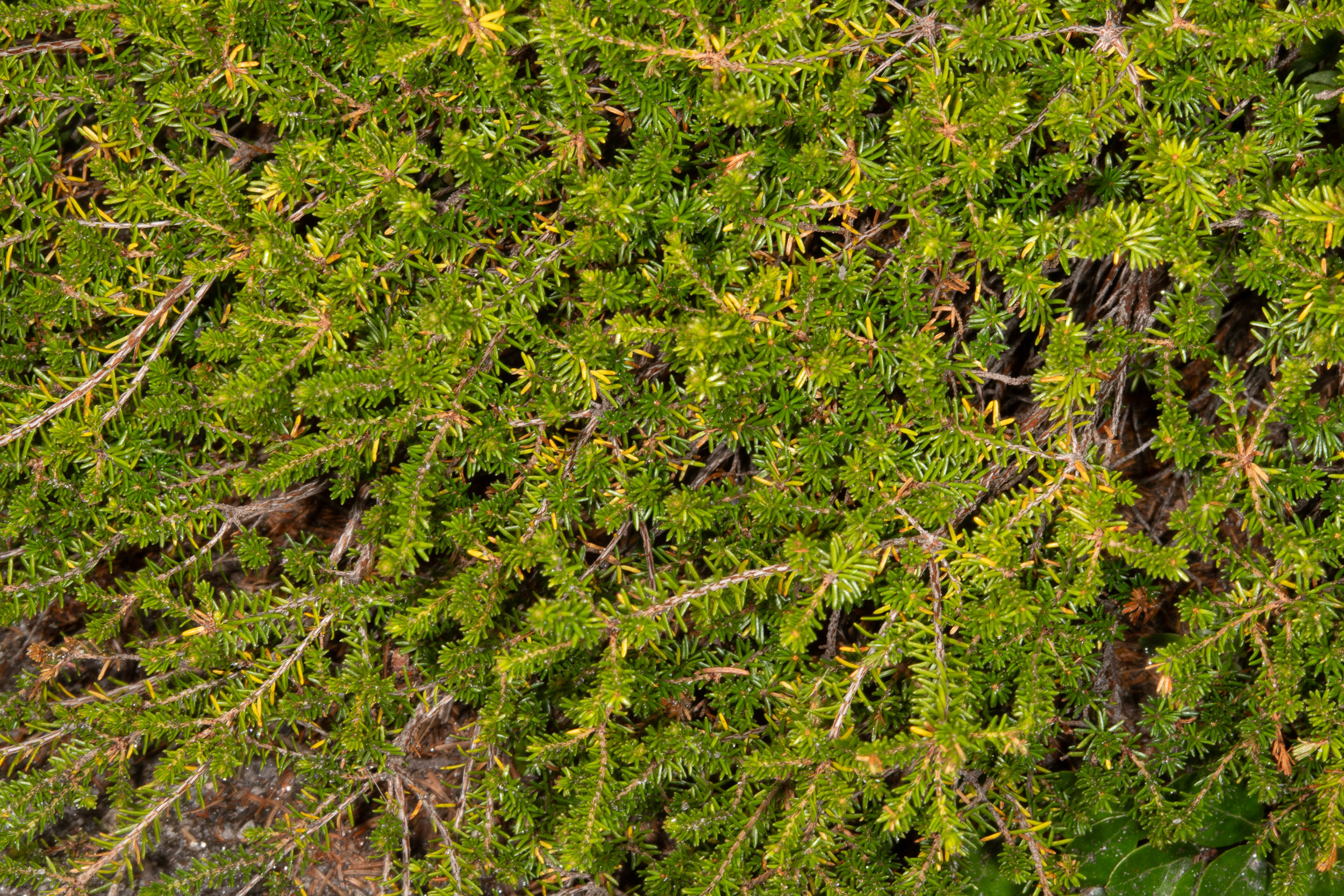
8/11/2020 · Cliff Trail, Harpswell, Maine · ≈ 10 × 6″ (24 × 16 cm) 
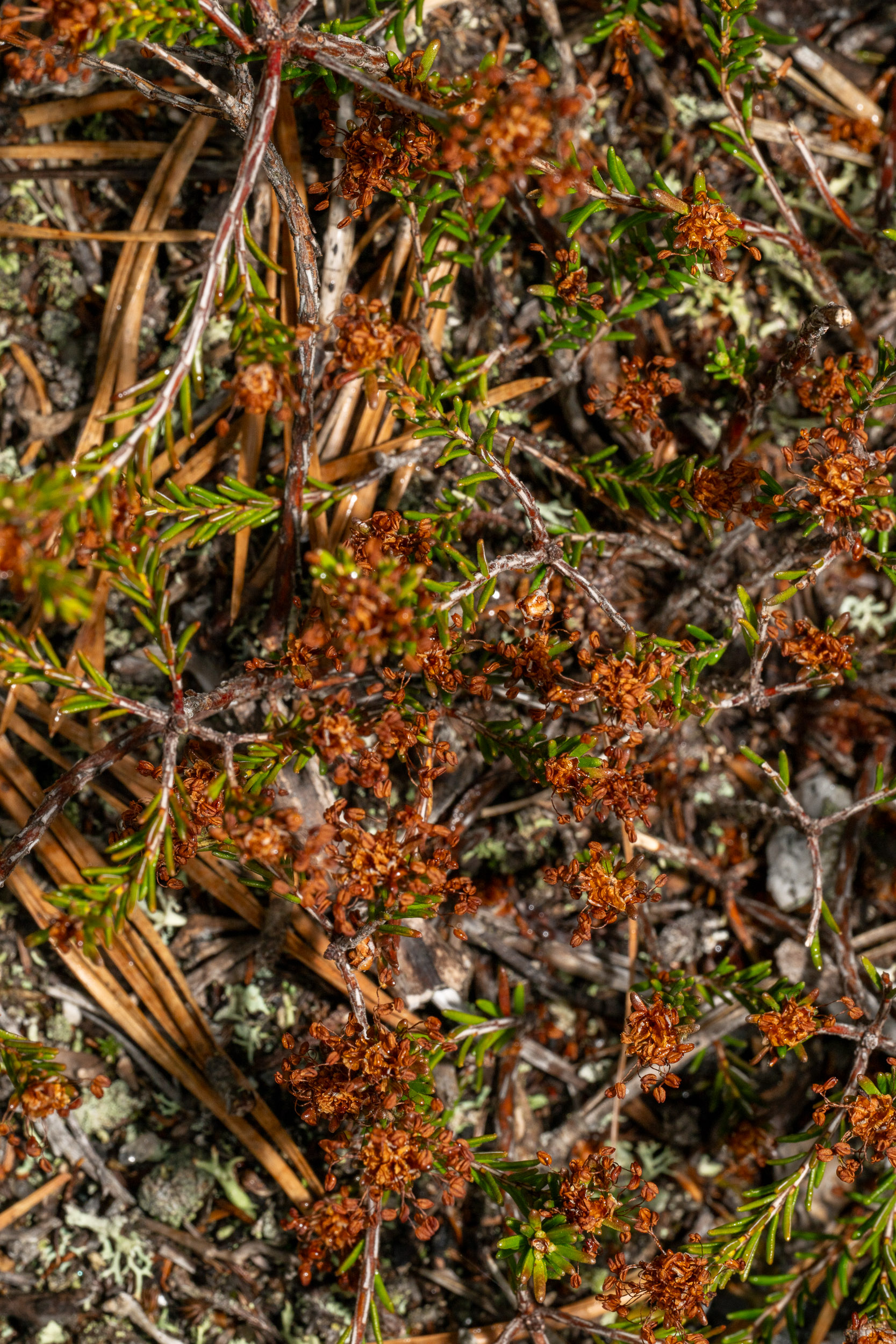
5/3/2025 · Merritt Mountain, Phippsburg, Maine · ≈ 4 × 6″ (10 × 16 cm) 
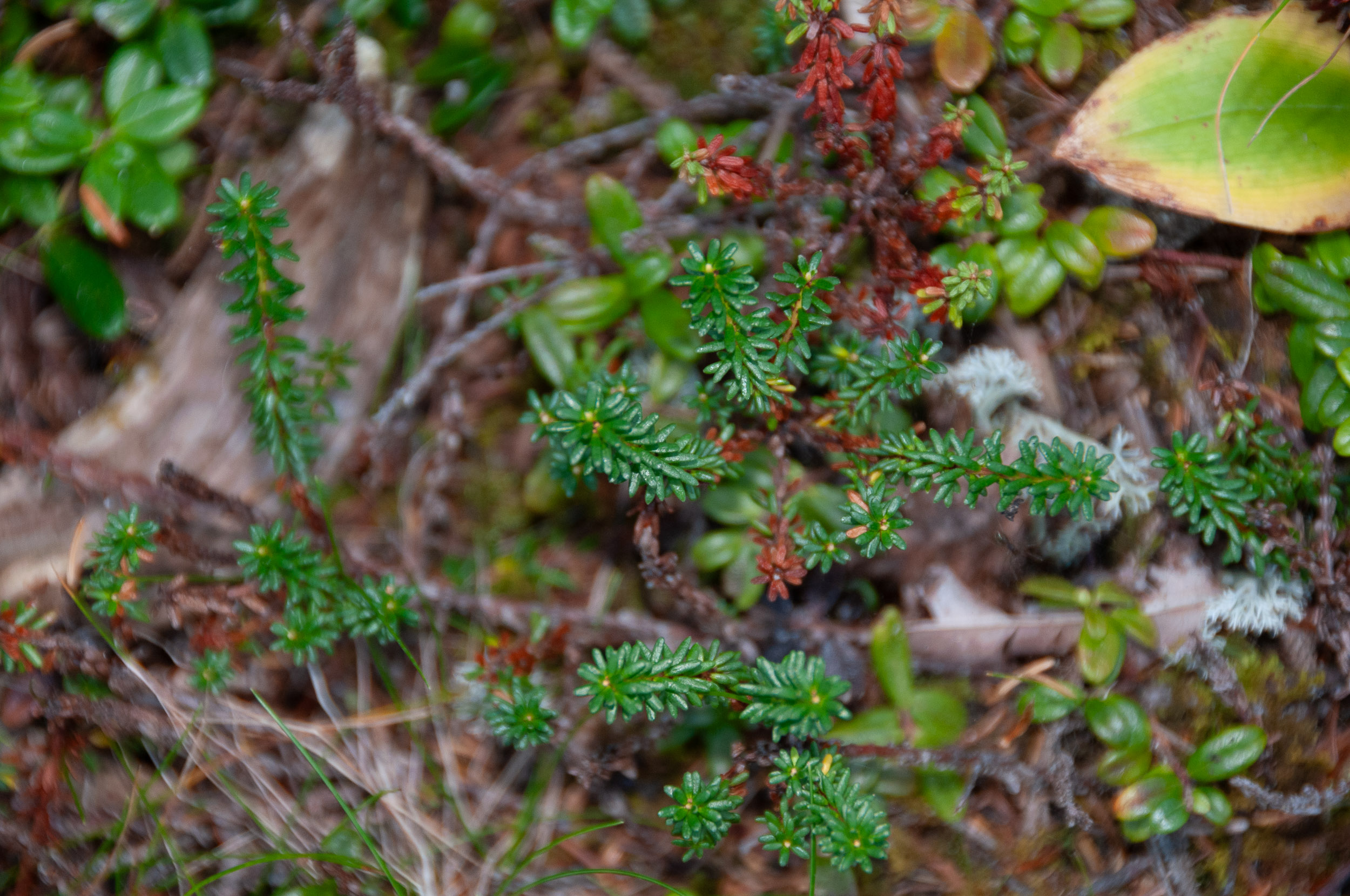
9/18/2009 · Acadia National Park, Bar Harbor, Maine · ≈ 3½ × 2½″ (9.3 × 6.2 cm) 
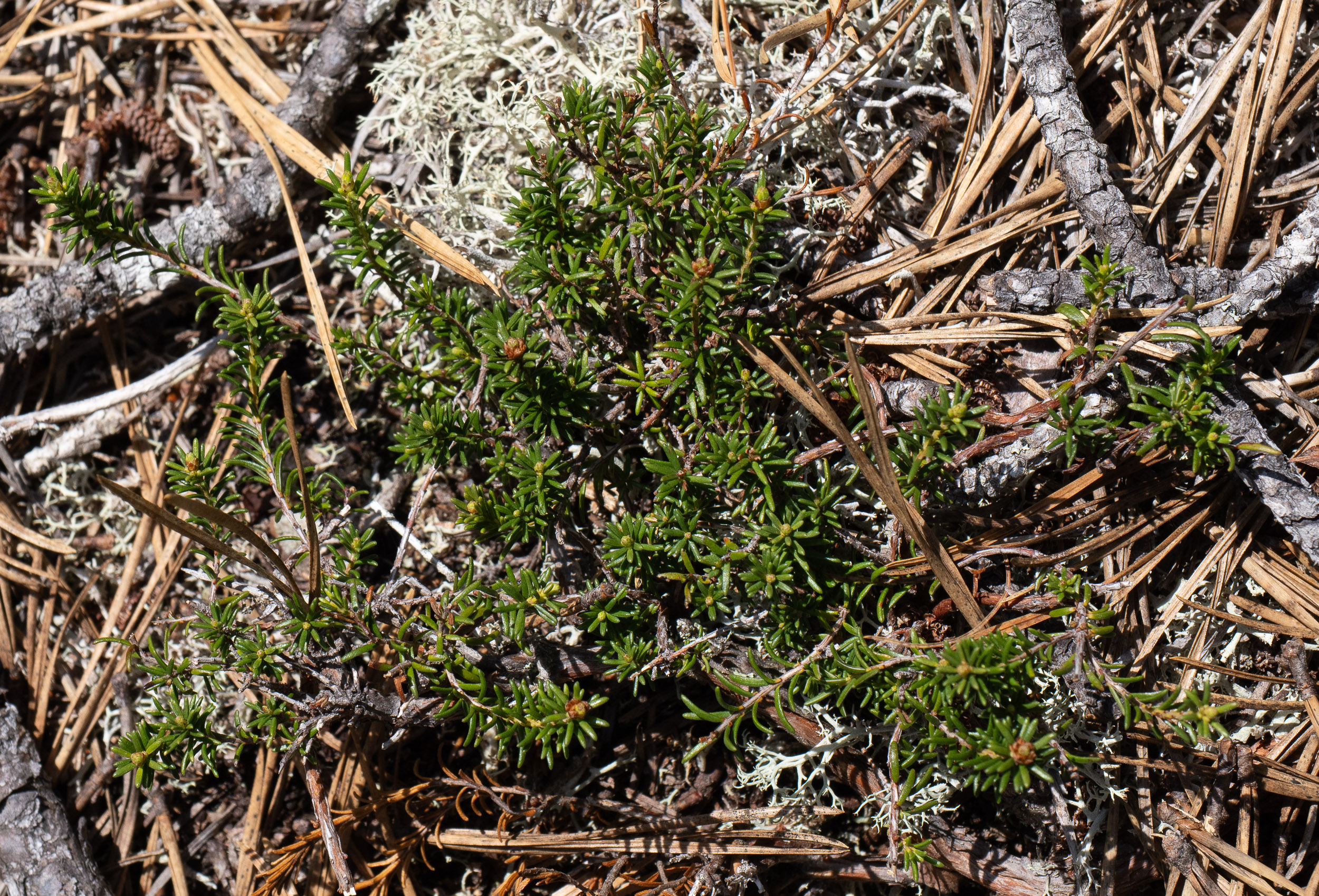
5/6/2023 · Higgins Mountain, Georgetown, Maine 
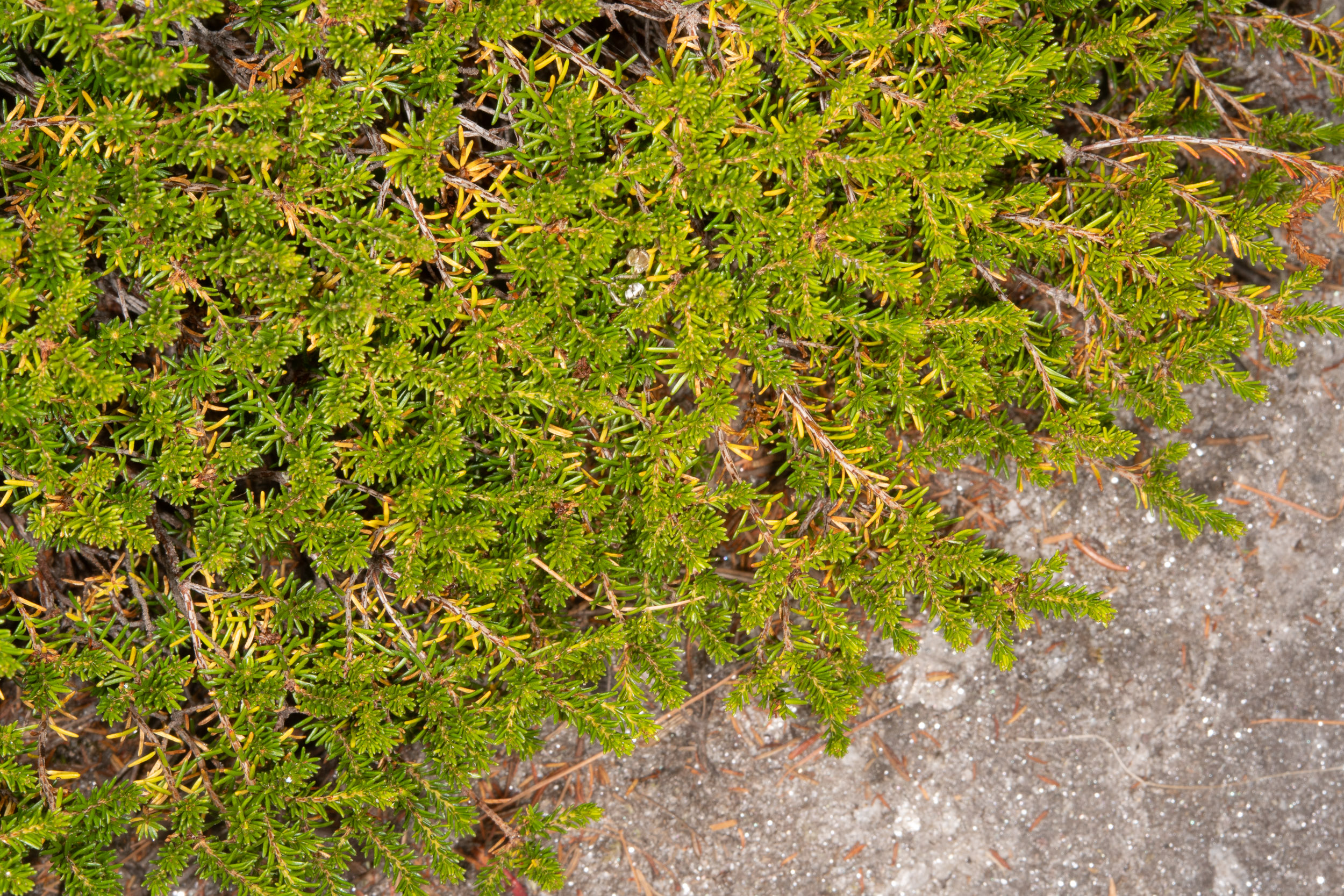
8/11/2020 · Cliff Trail, Harpswell, Maine · ≈ 10 × 6″ (24 × 16 cm) 

5/6/2023 · Higgins Mountain, Georgetown, Maine 

9/17/2023 · Sprague Pond Preserve, Basin Preserve, Phippsburg, Maine · ≈ 6 × 9″ (16 × 23 cm) 
| Kingdom | Plantae | Plants, but not fungi, lichens, or algae (from Stearn's Botanical Latin) |
| Subkingdom | Tracheobionta | Vascular plants—plants with a “circulatory system” for delivering water and nutrients |
| Division | Magnoliophyta | Flowering plants, also known as angiosperms |
| Class | Magnoliopsida | Dicotyledons—plants with two initial seed leaves |
| Subclass | Asteridae | A large class that encompasses asters |
| Order | Ericales | Tea, persimmon, blueberry, Brazil nut, azalea, many others |
| Family | Empetraceae | Heath or heather family, also includes cranberry, blueberry, huckleberry, azalea, rhododendron |
| Genus | Empetrum | Greek en, “in,” and petros, “rock,” for its rocky habitat |
| Species | nigrum | Latin niger, “black,” for the color of the berries |
Empetrum nigrum description by Thomas H. Kent, not updated.

© FloraFinder.org. All rights reserved.