Elymus hystrix L.
Eastern bottlebrush grass
Eastern bottlebrush grass is native to eastern North America.
Some terms:
- A spike is the roughly cylindrical inflorescence of a grass.
- A spikelet is the structure, resembling a tiny ear of corn, that encloses the flower. Spikelets are often paired.
- A glume is the outer part of the “corn husk,” a pair of bracts that protect the flower.
- A lemma is the inner part of the “corn husk,” looking very much similar to the glume.
- An awn is a hairlike protuberance that extends from both glumes and and the lemmas.
- The floret is a tiny flower, usually appearing for a fairly brief period, hidden inside the “husk.”
Plants: Tuft-forming perennial grass, typically 2–4′ (60–120 cm) in height. Stems have a circular cross-section.
Leaves: Four to eight per stem, each ¼–½″ (8–15 mm). Leaves are shiny to grayish to bluish green, with a slightly rough or hairy texture on leaf surfaces, and often drooping.
Flowers: An erect, cylindrical spike, resembling a bottle brush. It is 3–6″ tall ⨉ 1½–2½″ (8–15 ⨉ 4–7 cm), the width including the long narrow awns. Spikelets are ⅜–½″ (1–1.5 cm) long, exluding the awns. When mature, they extend at nearly right angles to the stem. Usually there are 2-4 florets per spikelet. Glumes are small and insignificant. Lemmas are ¼–⅜″ (9–11 mm) long, with awns that extend another ¾–1½″ (2–4 cm). There are 2-4 fertile lemmas per spikelet.
Fruits: Seeds are within the glumes.
Habitats: Rich, mesic, rocky forests, floodplains, and riparian habitats, in partial shade. It is often found in the same habitats with, and hybridizes with, E. virginicus and E. macgregorii.
 |
Similar species. |
Online References:
References:
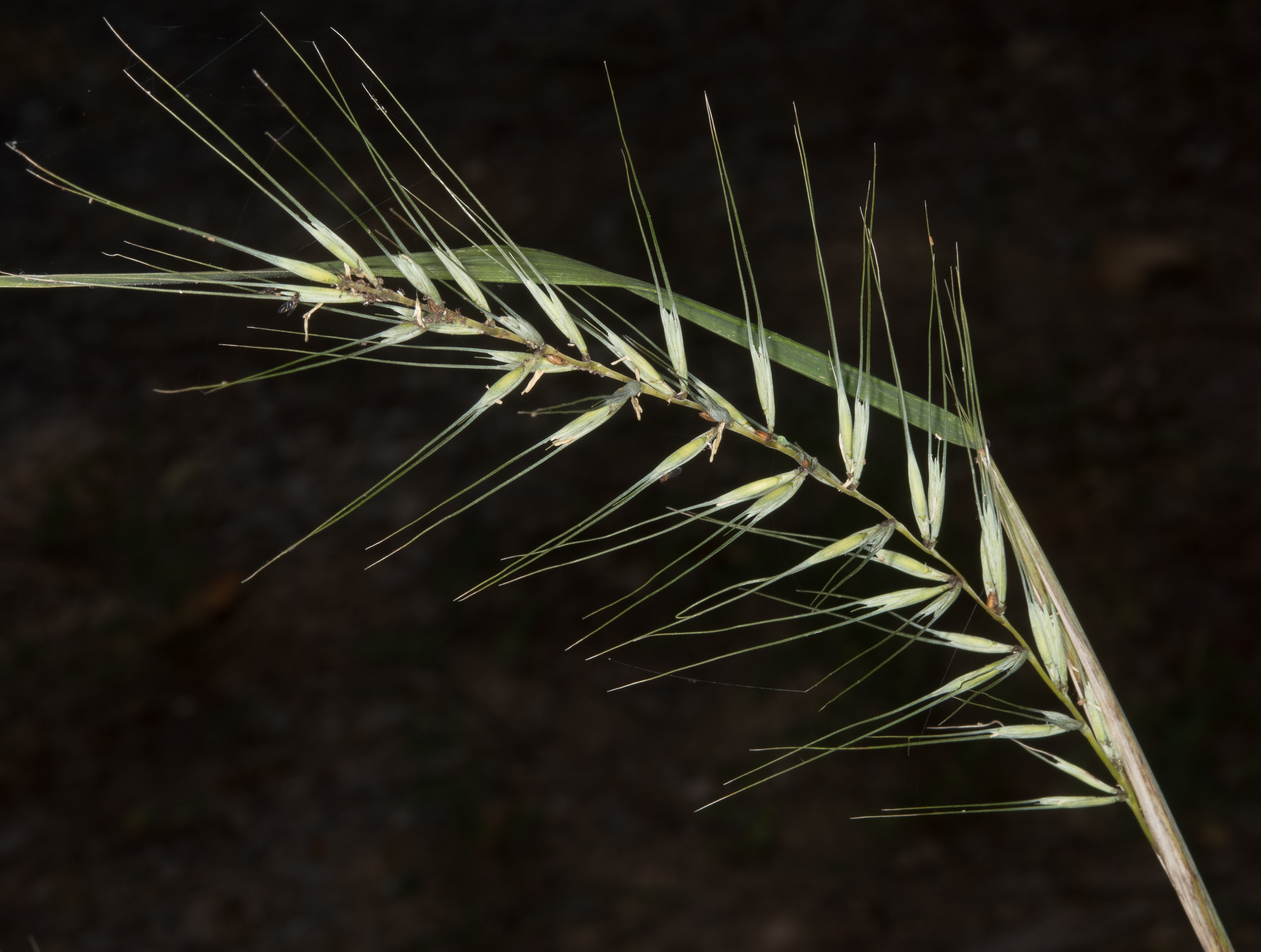
7/20/2017 · Douthat State Park, Millboro, Virginia · ≈ 7 × 5″ (18 × 13 cm) 
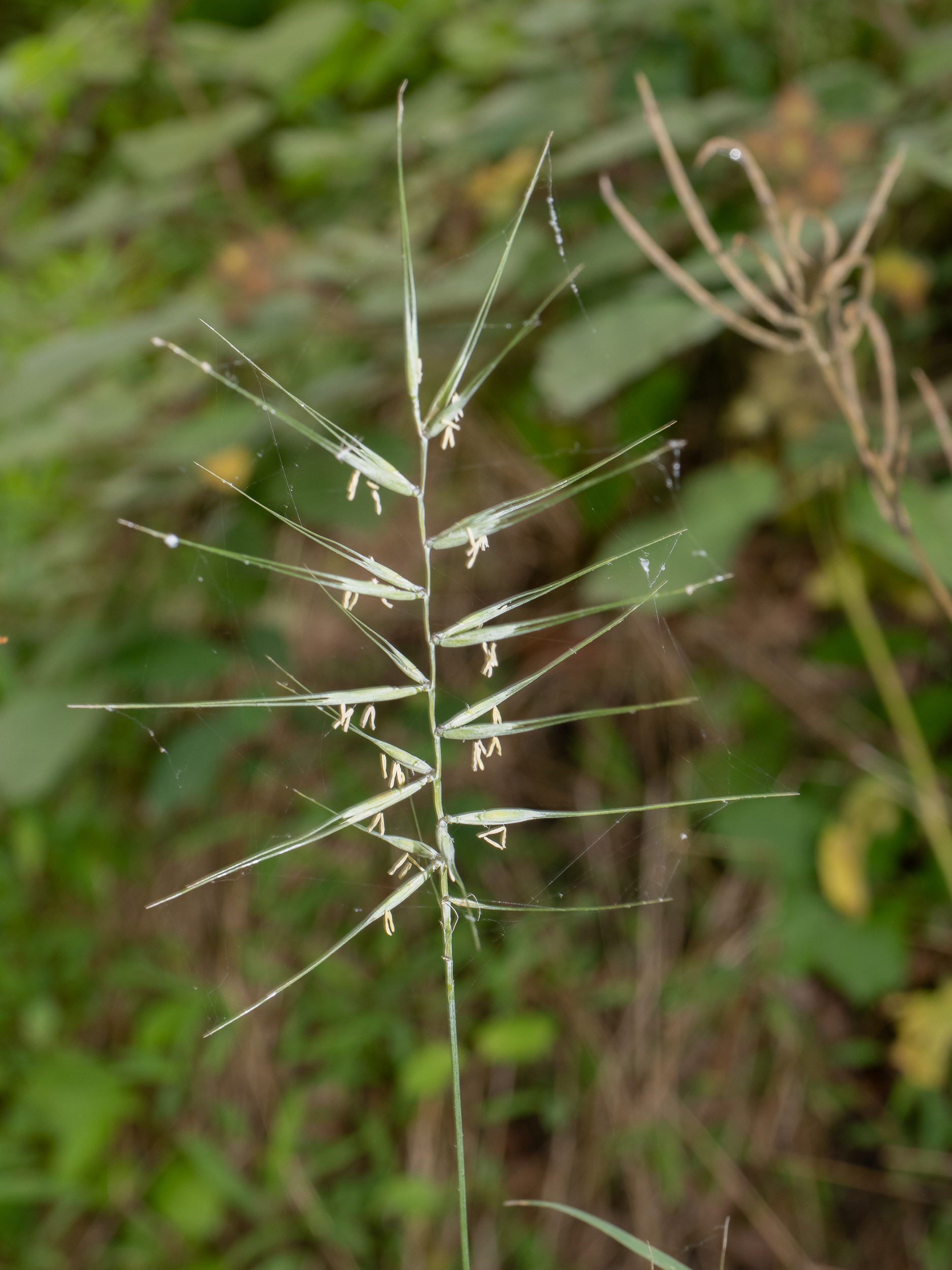
6/29/2023 · Harpers Ferry National Historical Park, Harpers Ferry, West Virginia 
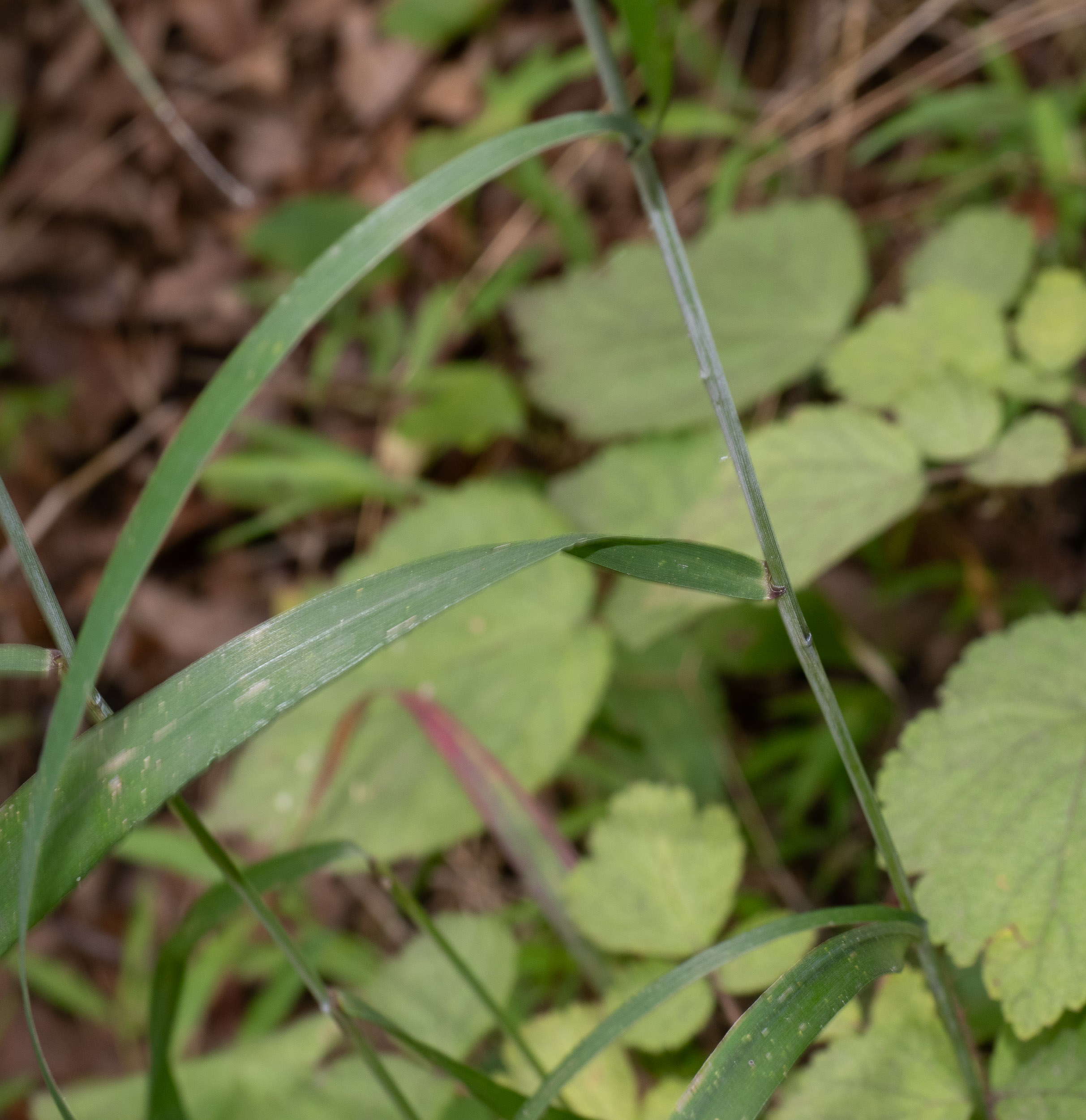
6/29/2023 · Harpers Ferry National Historical Park, Harpers Ferry, West Virginia 
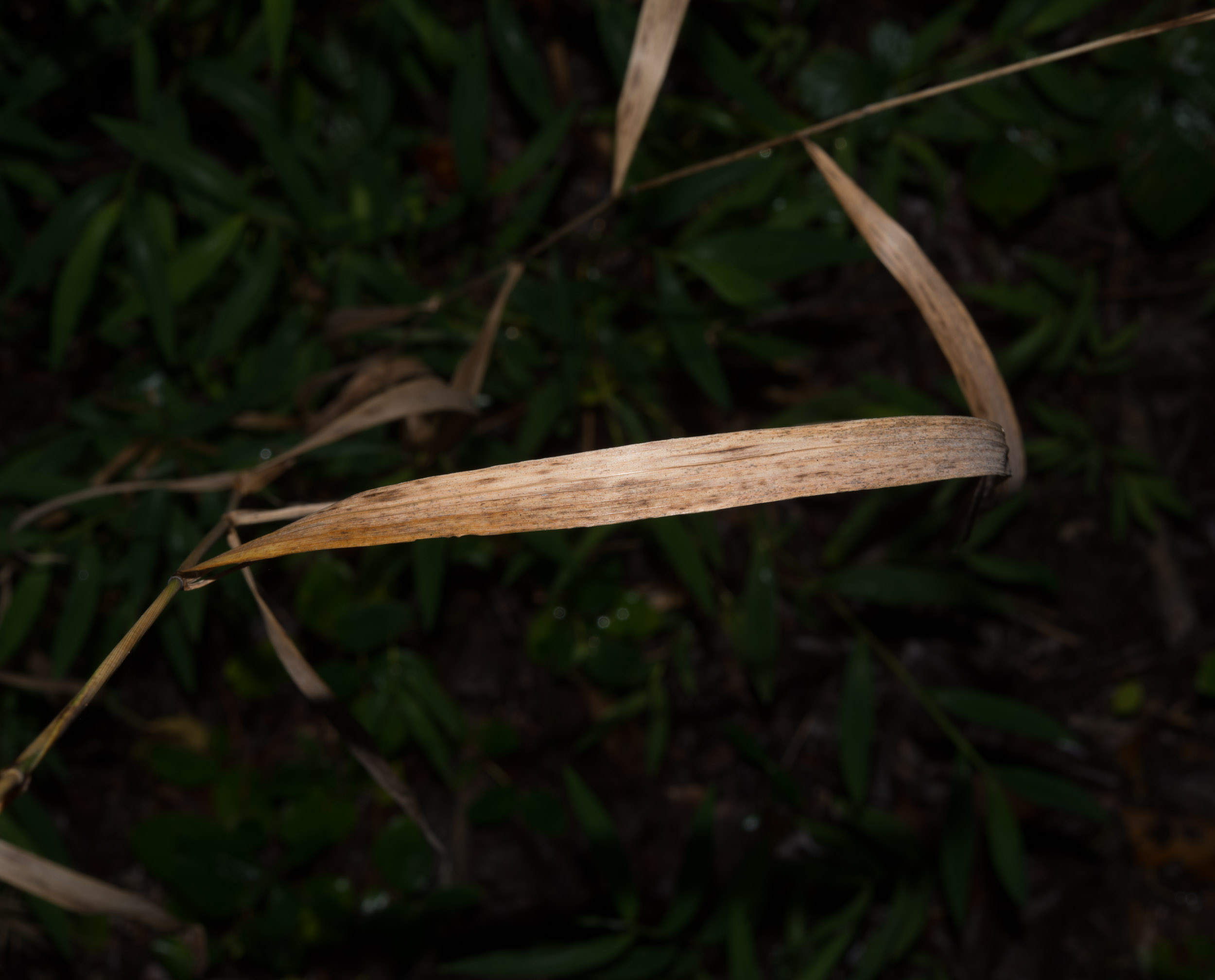
9/1/2013 · Trail Near James River, Midlothian, Virginia · ≈ 8 × 7″ (20 × 16 cm)  ID is uncertain
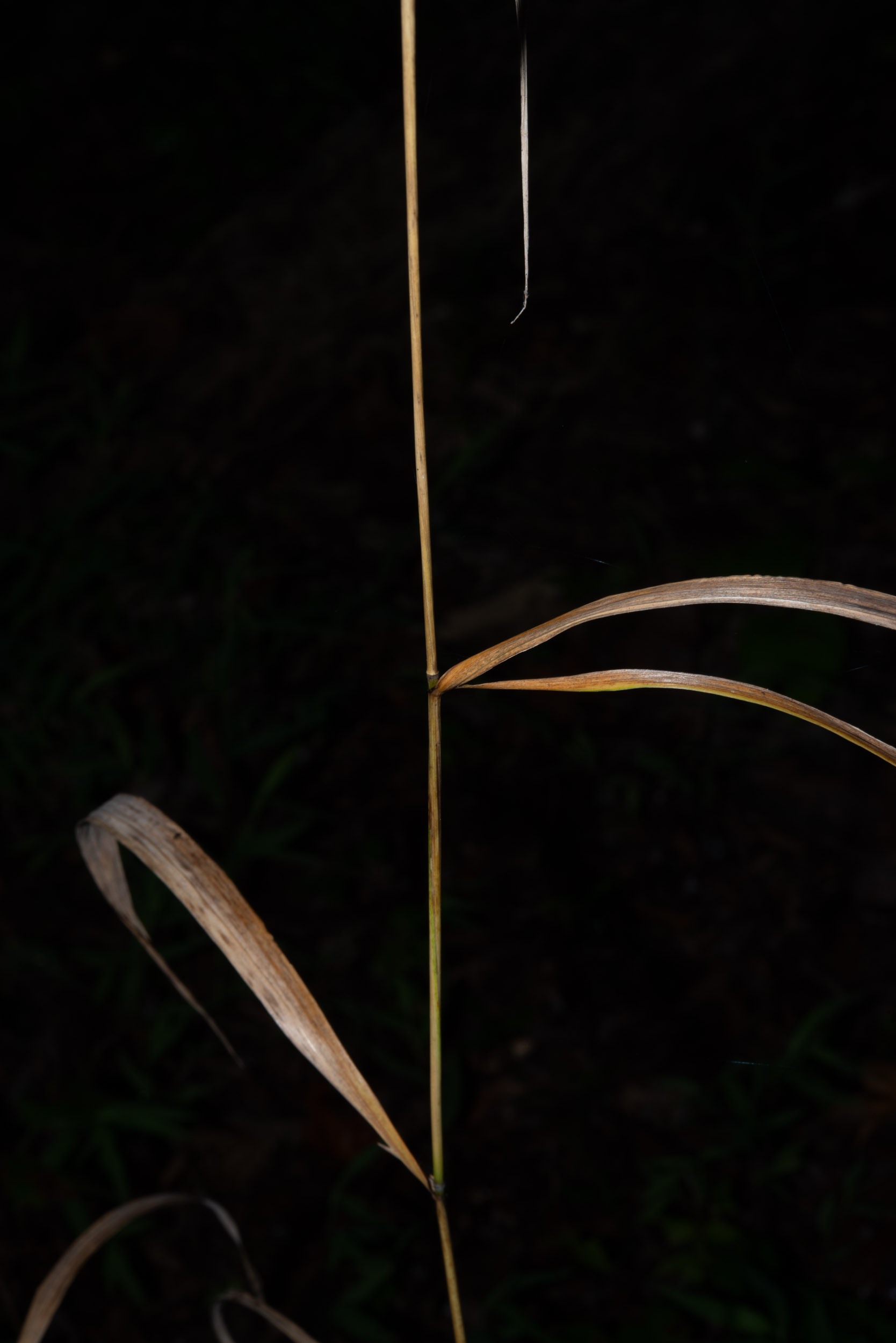
9/1/2013 · Trail Near James River, Midlothian, Virginia · ≈ 7 × 10″ (16 × 25 cm) ID is uncertain 

6/10/2018 · Virginia · ≈ 9 × 6″ (23 × 16 cm) 
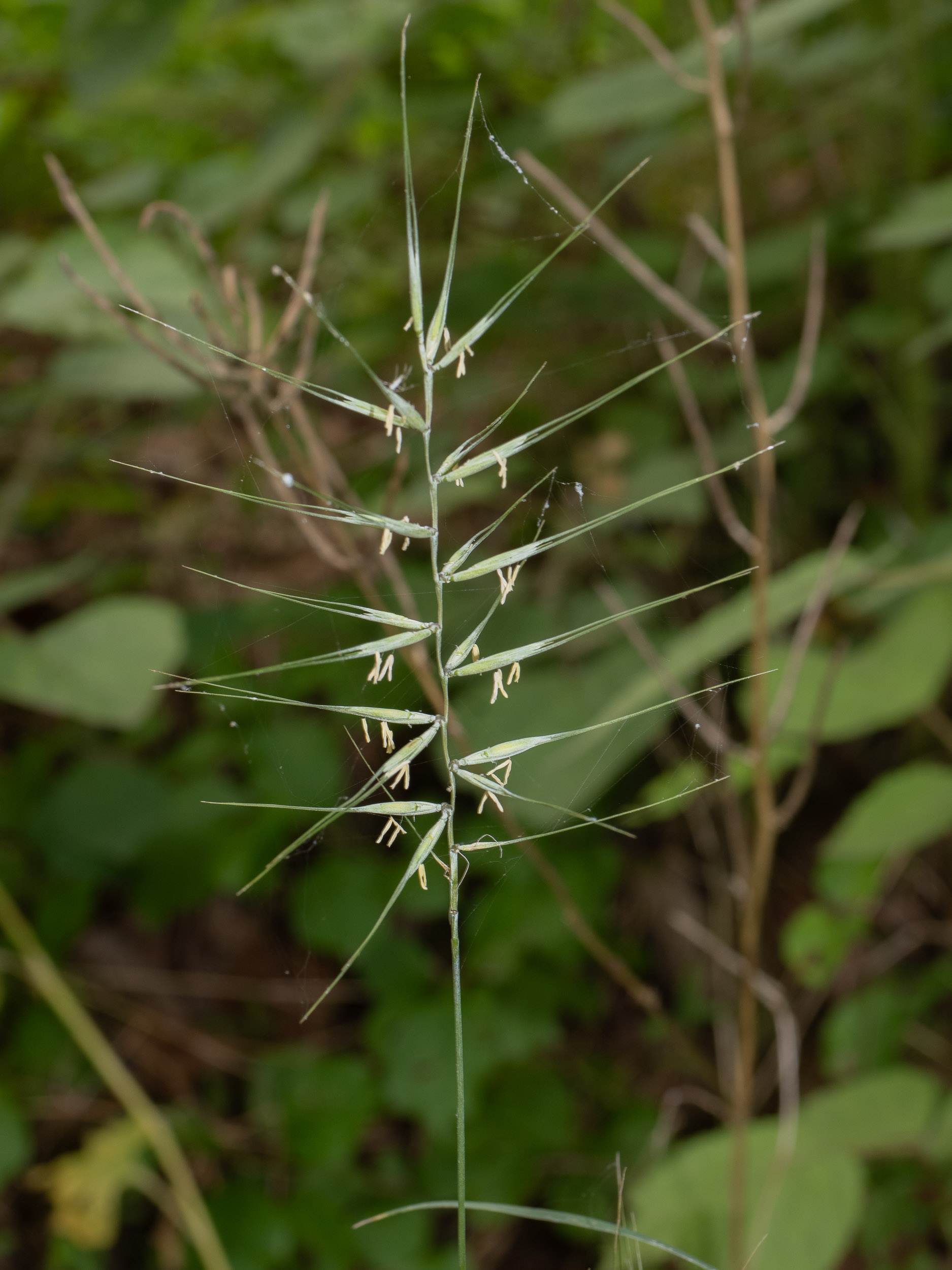
6/29/2023 · Harpers Ferry National Historical Park, Harpers Ferry, West Virginia 

9/1/2013 · Trail Near James River, Midlothian, Virginia · ≈ 7 × 10″ (16 × 25 cm) ID is uncertain 
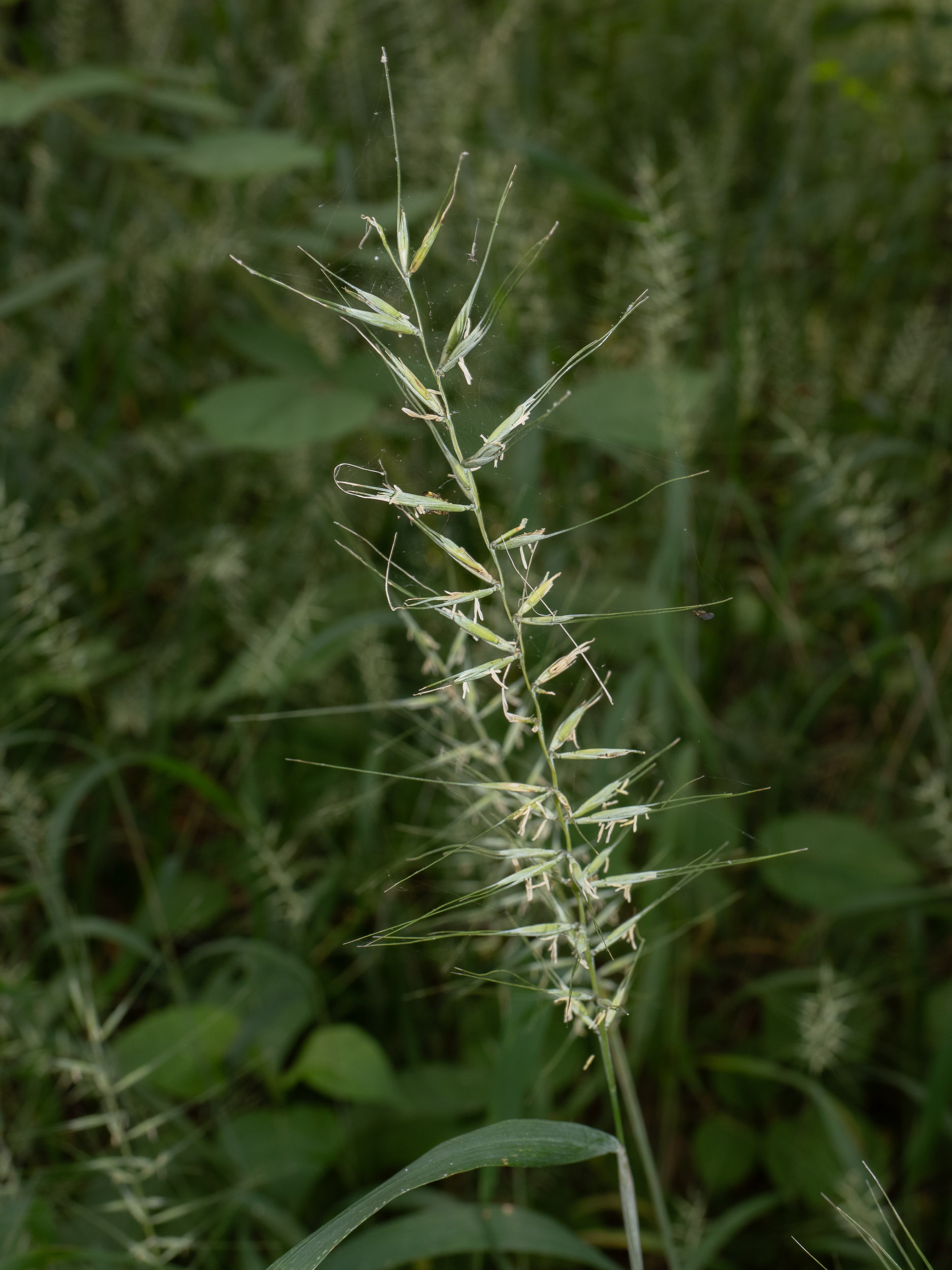
6/29/2023 · Harpers Ferry National Historical Park, Harpers Ferry, West Virginia 
| Kingdom | Plantae | Plants, but not fungi, lichens, or algae (from Stearn's Botanical Latin) |
| Subkingdom | Tracheobionta | Vascular plants—plants with a “circulatory system” for delivering water and nutrients |
| Division | Magnoliophyta | Flowering plants, also known as angiosperms |
| Class | Liliopsida | Monocots (plants with a single seed leaf); includes the lily family |
| Subclass | Commelinidae | Dayflowers and spiderworts, and several others |
| Order | Cyperales | Flowering plants including grasses |
| Family | Poaceae | Grasses (but not sedges or rushes) |
| Genus | Elymus | From the Greek name elymos for “millet,” in turn from elyo, “to cover” |
| Species | hystrix | For hedgehog (porcupine), in reference to the supposed resemblance of the seed head bristles to the hedgehog quills |
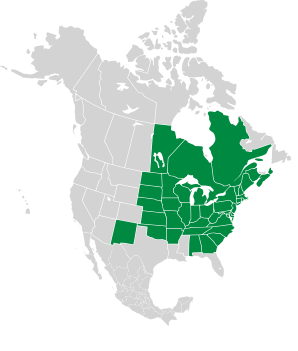
Elymus hystrix description by Thomas H. Kent, not updated.

© FloraFinder.org. All rights reserved.