Chimaphila maculata (L.) Pursh
Spotted wintergreen, striped wintergreen, spotted pipsissewa, striped prince’s pine
Pipsissewa comes from the Cree Indian name pipsisikweu, meaning “it breaks into small pieces,” from the mistaken belief that the leaves of this plant released a substance that would dissolve kidney stones. They prefer forest floors with medium shade and medium to dry moisture levels. These plants are North American natives. These plants are endangered, so please don’t disturb them.
Plants: Pipsissewa is about 3–5″ (7.6–12 cm) tall. It inhabits forest floors.
Leaves: Thick, low-lying, leathery, waxy-looking leaves are dark blue-green when mature, much lighter when young. They have a prominent central white vein that branches out on larger leaves. The leaves are about 1–3″ (2.5–7.6 cm) long and ¼–1″ (6.3–25 mm) wide. In the winter, the evergreen leaves turn purple. Leaf margins are dentate, with shallow, widely spaced teeth.
Flowers: Nodding white flowers about ½–¾″ (1.3–1.9 cm) across appear on red-brown stalks extended several inches above the leaves. Each stalk is tipped by 2-5 curving stems, each holding a flower hanging somewhere between 45° and straight down. Each flower has 5 white petals, 5 light green sepals, ten stamens arranged in perfect symmetry around the pistil, and a green pistil. Flowers appear from late spring to early summer.
Fruits: Flowers become seed capsules that eventually dry and split, releasing tiny seeds.
Habitats: Forest floors with medium shade and medium to dry moisture levels. These plants are North American natives. These plants are endangered, so please don’t disturb them.
 |
Similar species. |
Online References:
Chimaphila maculata (L.) Pursh var. dasystemma (Torr.) Kearney & Peebles
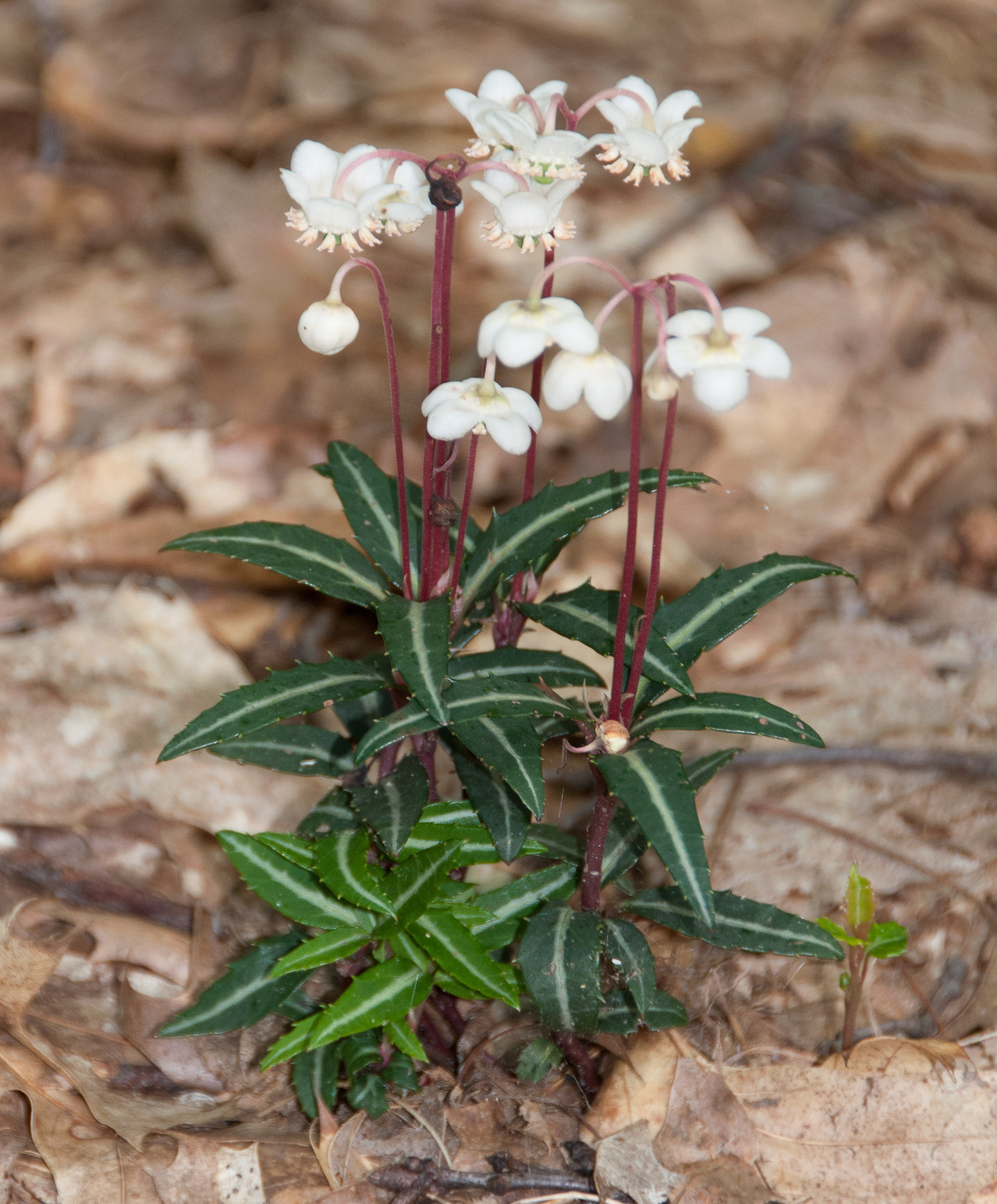
7/17/2009 · Mt. Lebanon St, Trail, Pepperell, Massachusetts · ≈ 4½ × 6″ (12 × 14 cm) 

7/15/2019 · Beaver Brook Conservation Area, New Long Loop, Hollis, New Hampshire · ≈ 2 × 3″ (5.9 × 8.2 cm) 

7/4/2011 · Mike and Ellen’s, Milford, Pennsylvania · ≈ 6 × 7″ (14 × 17 cm) 

10/5/2018 · Oak Hill, Littleton, Massachusetts 

7/12/2013 · Wooden Bridge, East Pepperell, Massachusetts · ≈ 3 × 3″ (8 × 8.4 cm) 

7/15/2019 · Beaver Brook Conservation Area, New Long Loop, Hollis, New Hampshire · ≈ 4½ × 5″ (11 × 13 cm) 

8/13/2010 · ≈ 6 × 8″ (14 × 19 cm) 

9/23/2007 
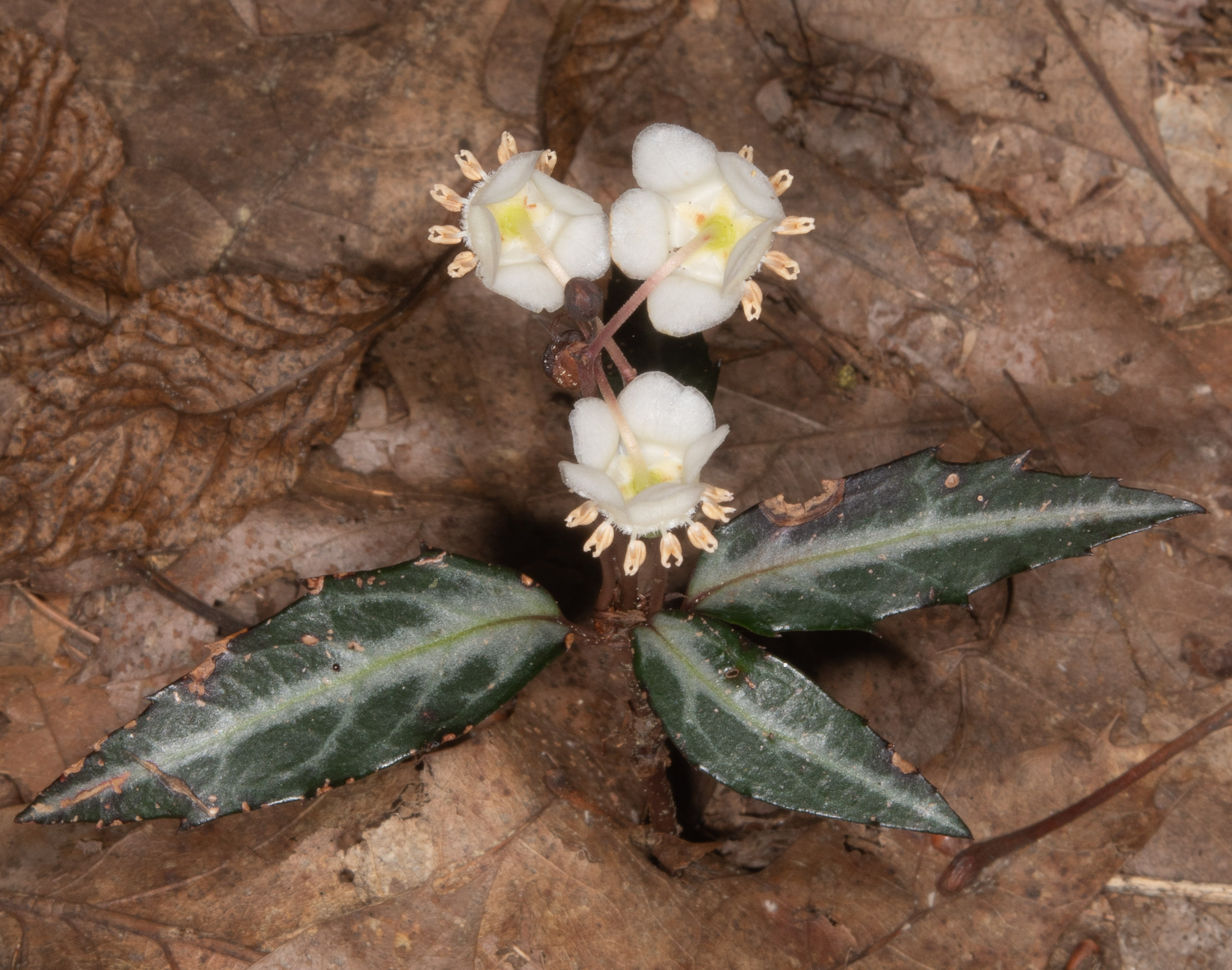
7/15/2019 · Beaver Brook Conservation Area, New Long Loop, Hollis, New Hampshire · ≈ 5 × 3½″ (12 × 9.8 cm) 
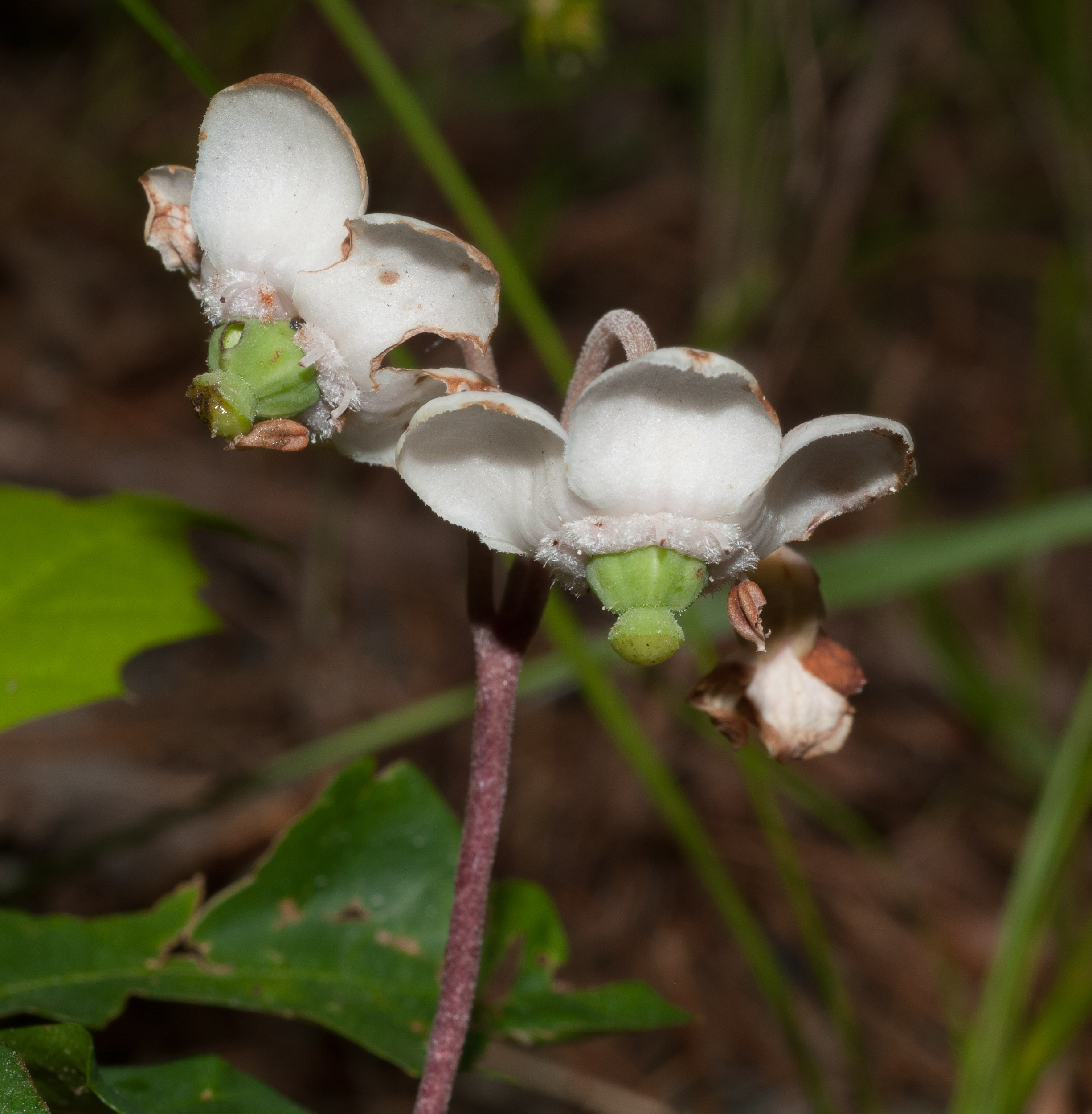
7/7/2012 · Gibbet Hill, Groton, Massachusetts · ≈ 3 × 3″ (7.7 × 7.9 cm) 

10/23/2016 · Georgetown, Massachusetts · ≈ 4½ × 5″ (11 × 13 cm) 
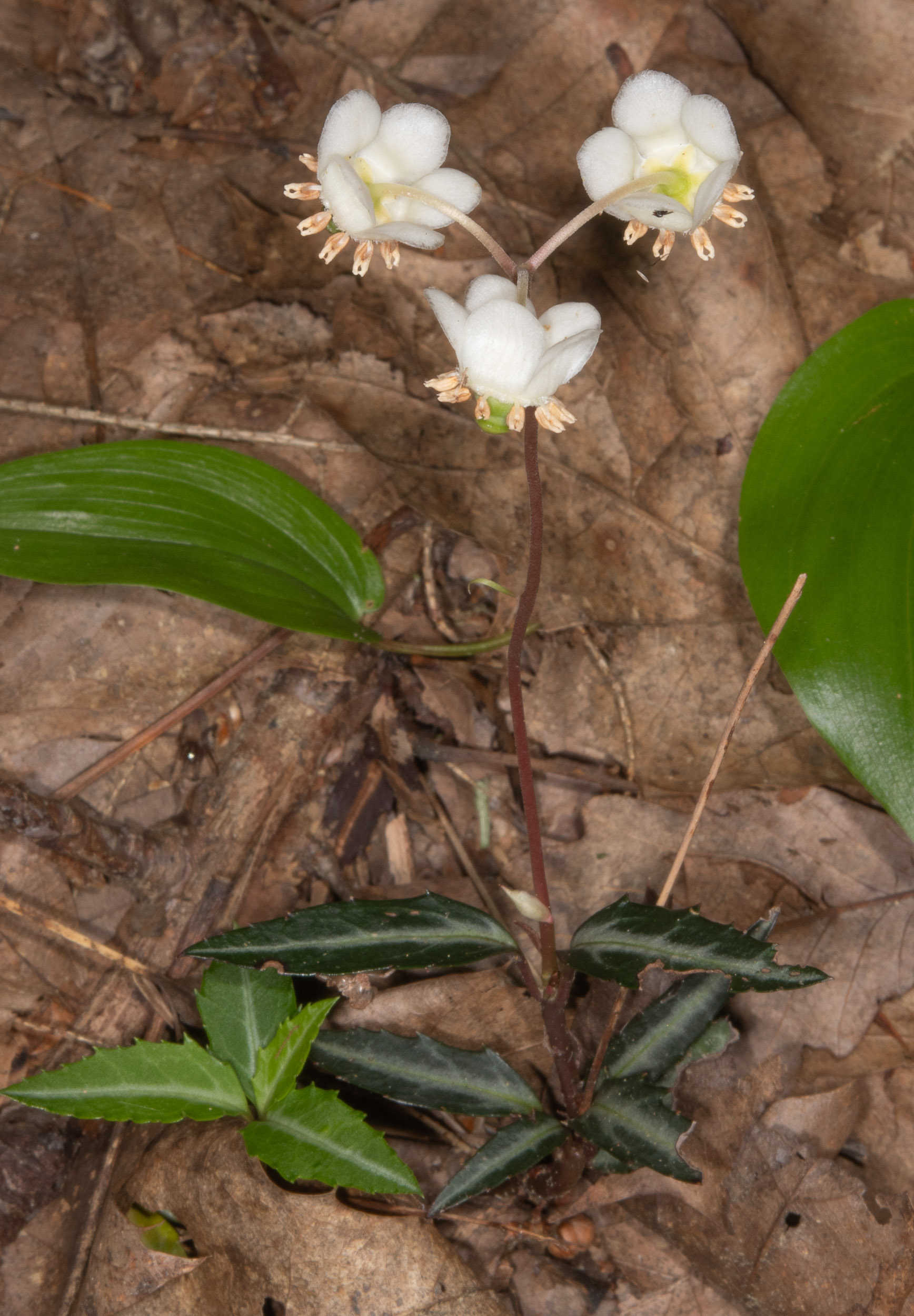
7/15/2019 · Beaver Brook Conservation Area, New Long Loop, Hollis, New Hampshire · ≈ 4 × 6″ (10 × 14 cm) 
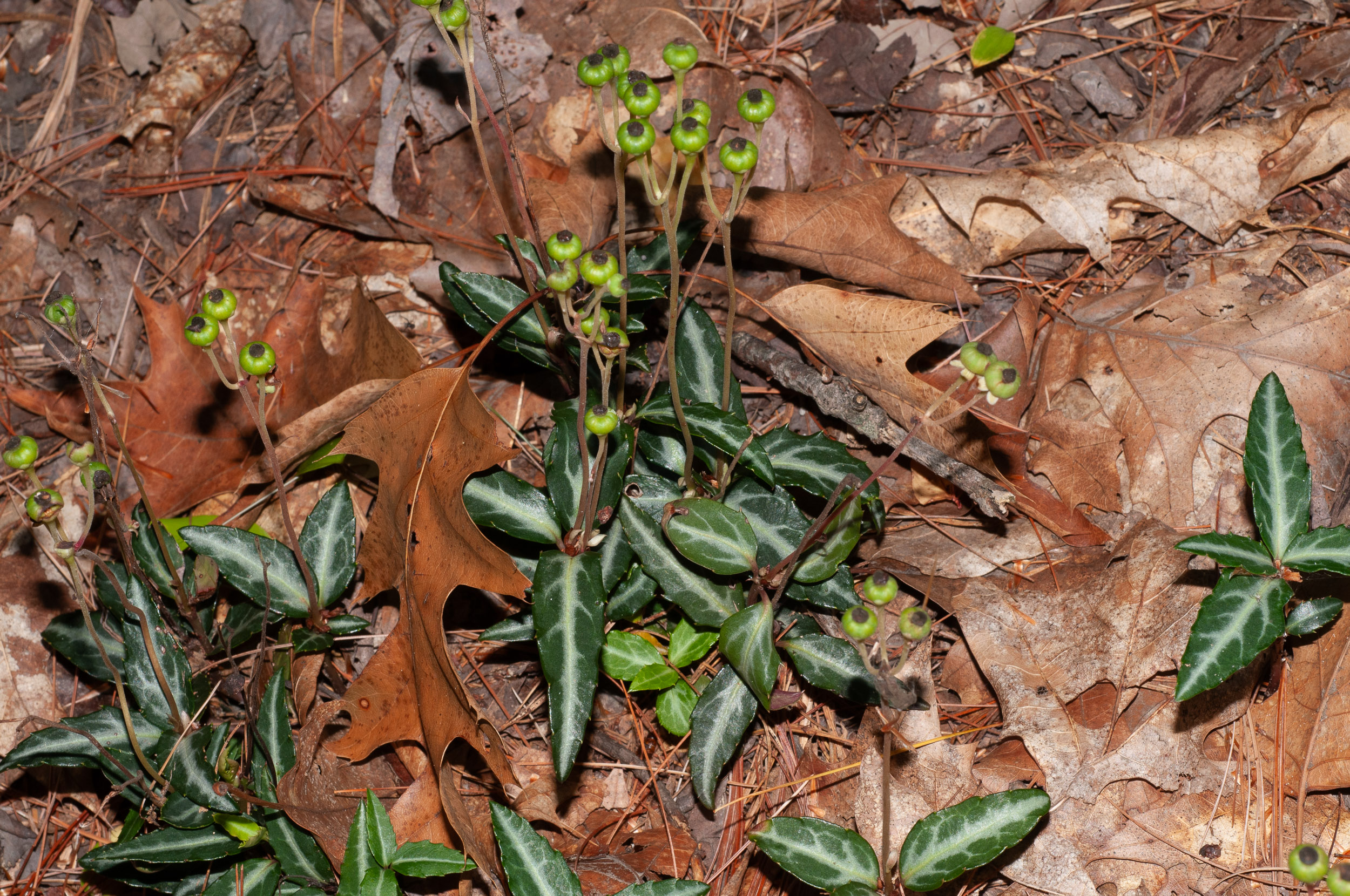
8/30/2010 · Old RR bed near Wilkins Farm, Pepperell, Massachusetts · ≈ 10 × 8″ (24 × 20 cm) 
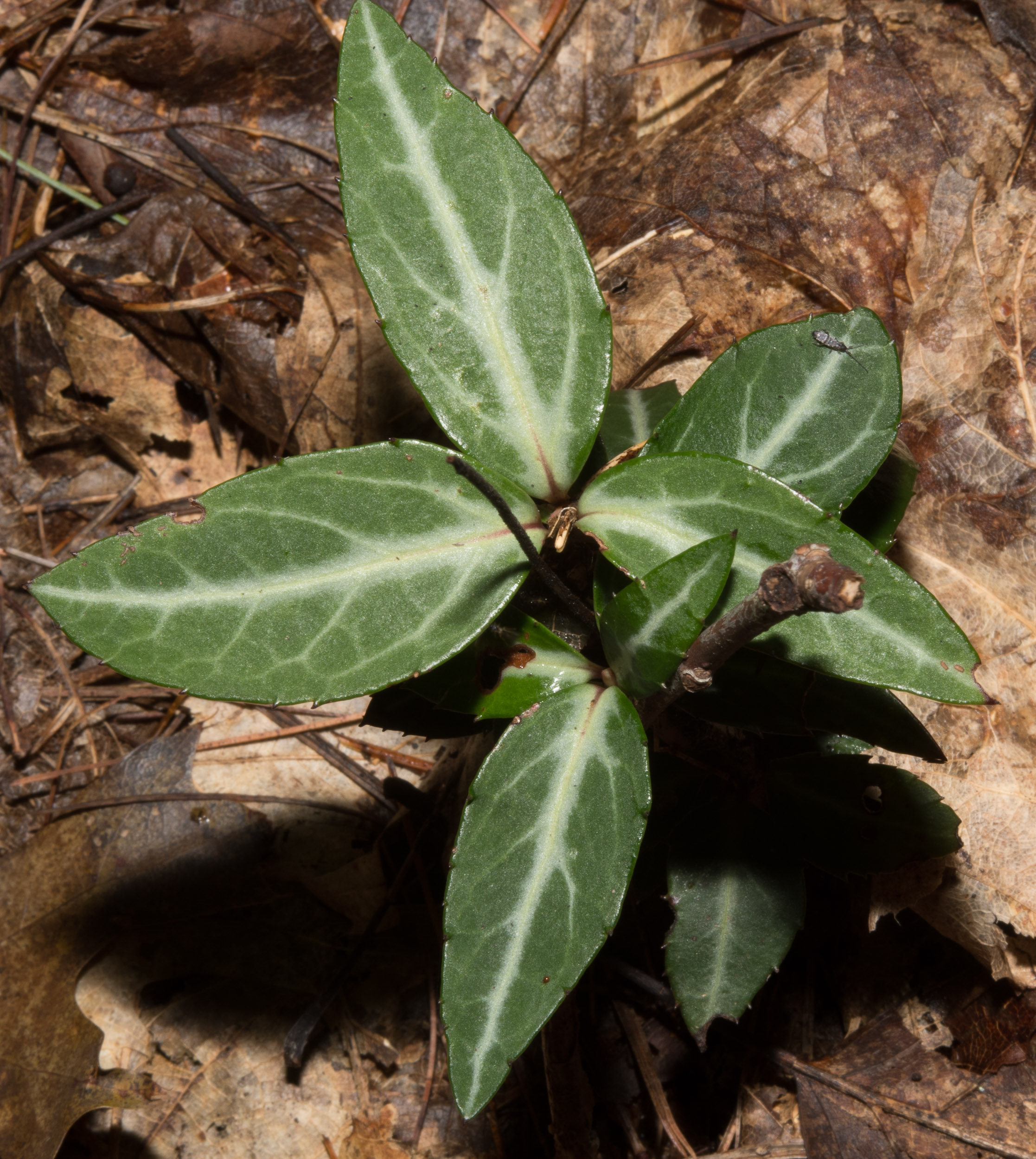
9/16/2017 · Wills Hole/Town Forest, Acton, Massachusetts · ≈ 4½ × 5″ (12 × 13 cm) 

9/16/2017 · Wills Hole/Town Forest, Acton, Massachusetts · ≈ 5 × 7″ (12 × 17 cm) 

7/11/2010 · Nashua River Rail Trail, Groton Center, Groton, Massachusetts · ≈ 6 × 4″ (14 × 10 cm) 

4/22/2016 · Wildflower Trail, Beaver Brook Conservation Area, Hollis, New Hampshire · ≈ 6 × 4½″ (16 × 11 cm) 
| Kingdom | Plantae | Plants, but not fungi, lichens, or algae (from Stearn's Botanical Latin) |
| Subkingdom | Tracheobionta | Vascular plants—plants with a “circulatory system” for delivering water and nutrients |
| Division | Magnoliophyta | Flowering plants, also known as angiosperms |
| Class | Magnoliopsida | Dicotyledons—plants with two initial seed leaves |
| Subclass | Asteridae | A large class that encompasses asters |
| Order | Ericales | Tea, persimmon, blueberry, Brazil nut, azalea, many others |
| Family | Pyrolaceae | Includes at least Chimaphila, Moneses, Orthilia, and Pyrola, and sometimes several genera usually placed in the family Monotropaceae |
| Genus | Chimaphila | From the Greek cheima, “winter weather,” and phelein, “to love,” from its evergreen habit and referring to one of the common names, wintergreen aka pipsissiwa or prince’s pine |
| Species | maculata | Spotted, referring to purple splotches on the stems of leaves or on petals |
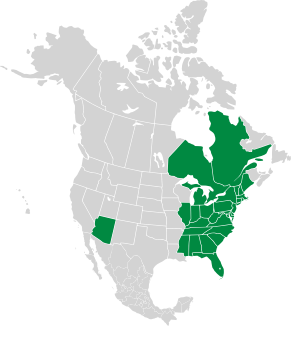
Chimaphila maculata description by Thomas H. Kent, not updated.

© FloraFinder.org. All rights reserved.