Carya ovata (Mill.) K. Koch var. nuttallii Sarg.
Carya ovata (Mill.) K. Koch var. pubescens Sarg.
Hicoria alba Britton p.p.
Hicoria borealis Ashe
Hicoria ovata (Mill.) Britton
Carya ovata (Mill.) K. Koch
Shagbark hickory
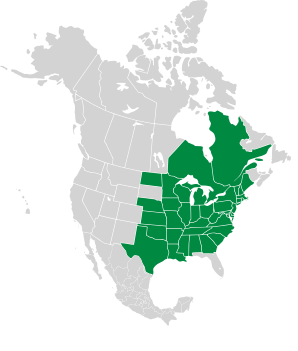
Shagbark hickory is common in eastern North America.
Plants: Trees are 70–100′ (21–30 m) tall, rarely up to 150′ (45 m). The bark is smooth and gray when young, becoming “shaggy” with age, with long loose scales.
Leaves: 8–14″ (20–35 cm) long, pinnate, in groups of 5 or 7. They are pale green and fuzzy on the bottom; oval-shaped, pointed on both ends, with small sharp serrations.
Flowers: Staminate (male) flowers are borne on long-stalked catkins at the tip of old wood or in the axils of the previous season’s leaves. Pistillate (female) flowers occur in short terminal spikes.
Fruits: Shagbark hickory nuts are green. This is really a husk, consisting of four sections that open as they dry, releasing the nuts inside. Nuts are ⅞–1½″ (2.5–4 cm) long, with very hard shells.
Habitats: Habitats are highly variable, depending upon climate.
Edibility: Nuts are edible, and have a sweet, nutty taste.
Online References:
References:
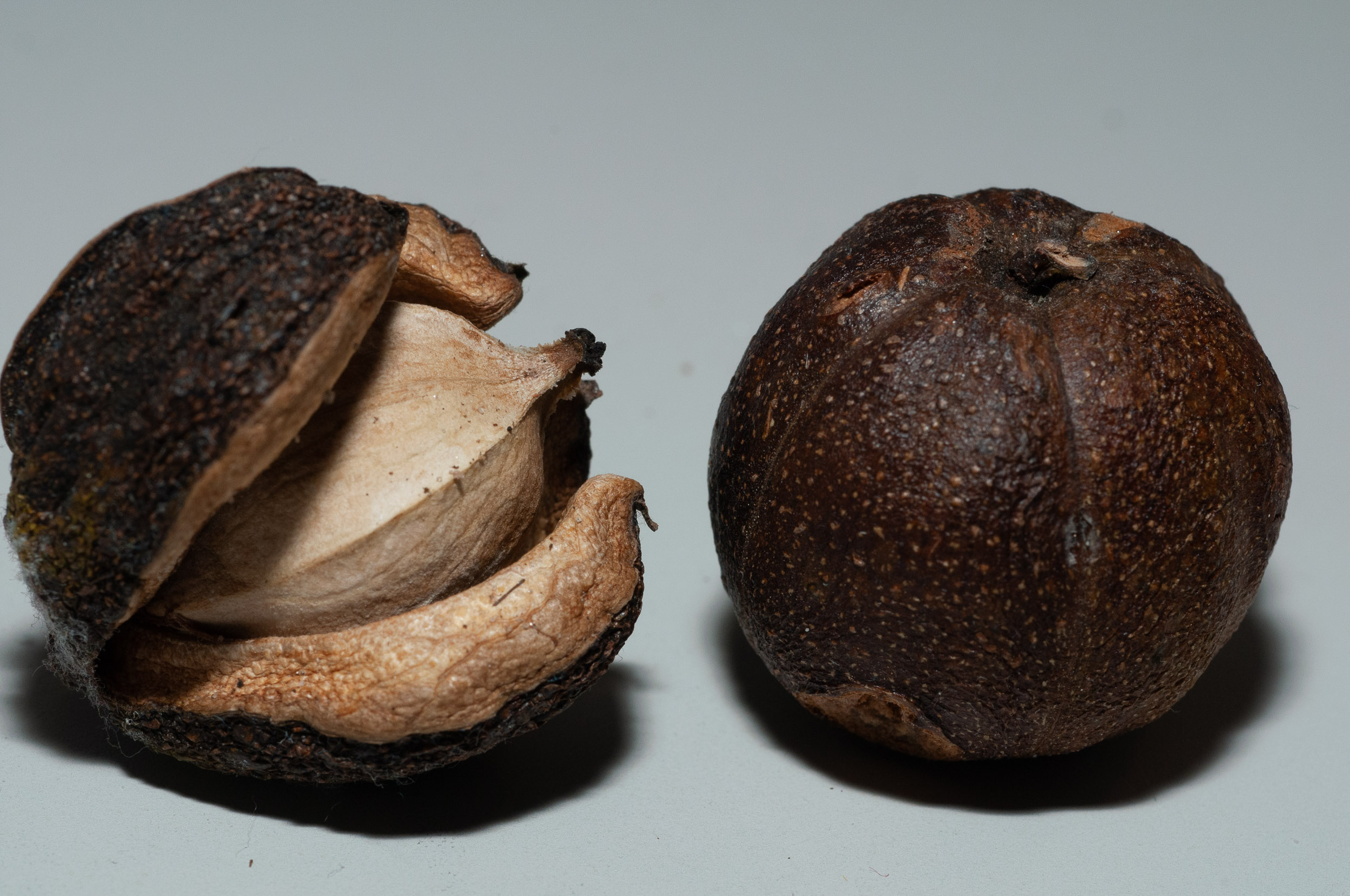
11/5/2009 · Pepperell, Massachusetts · ≈ 4½ × 3″ (11 × 7.9 cm) 

9/23/2017 · Summit of Mt. Agamenticus, York, Maine · ≈ 4 × 6½′ (1.3 × 2.0 m) 

5/2/2010 · Tom and Susan’s, Pepperell, Massachusetts · ≈ 6 × 4½″ (15 × 11 cm) 
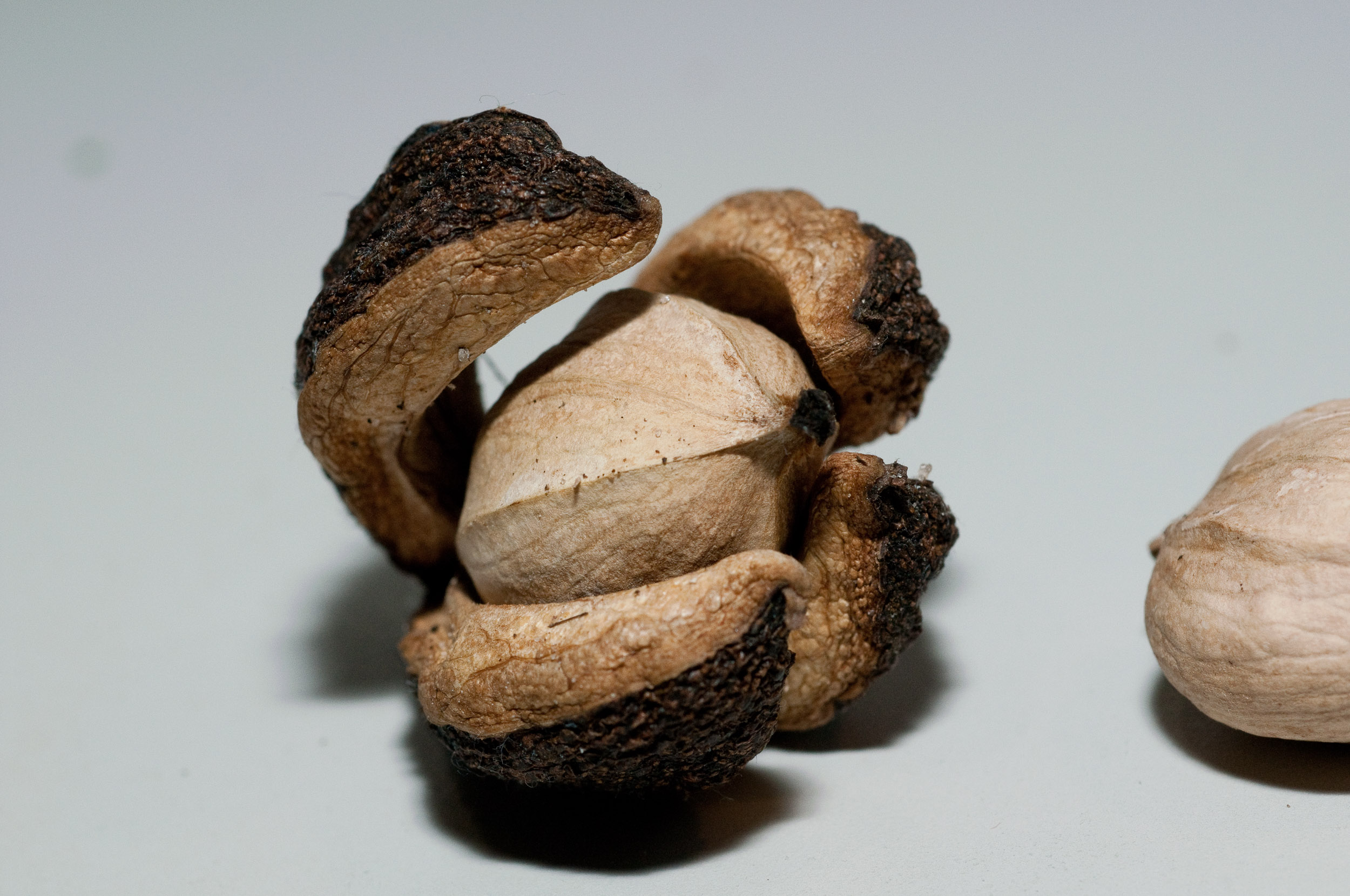
11/5/2009 · Pepperell, Massachusetts · ≈ 4½ × 3″ (11 × 7.9 cm) 
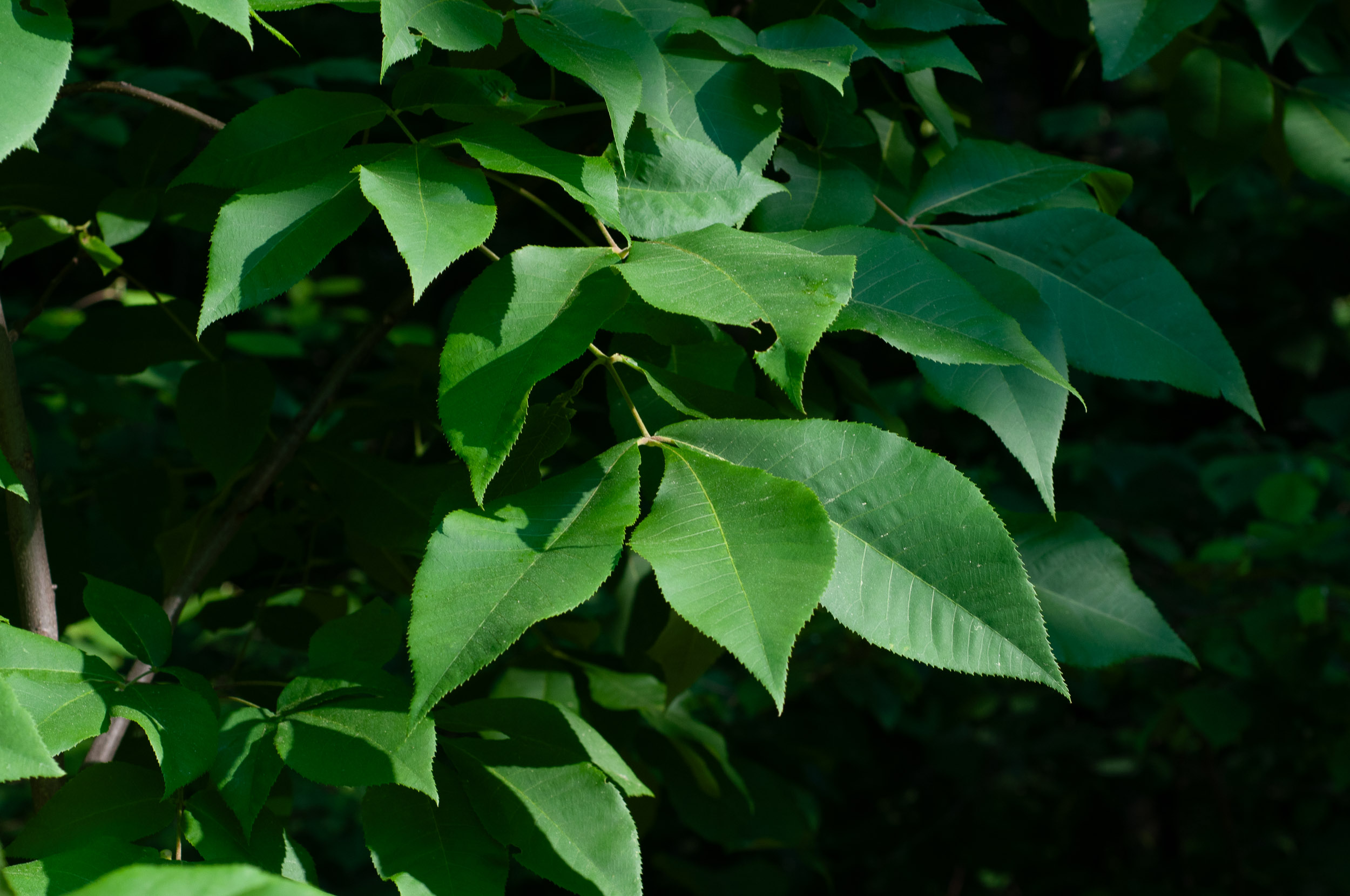
5/31/2010 · Tom and Susan’s, Pepperell, Massachusetts · ≈ 1½ × 1′ (52 × 34 cm) 
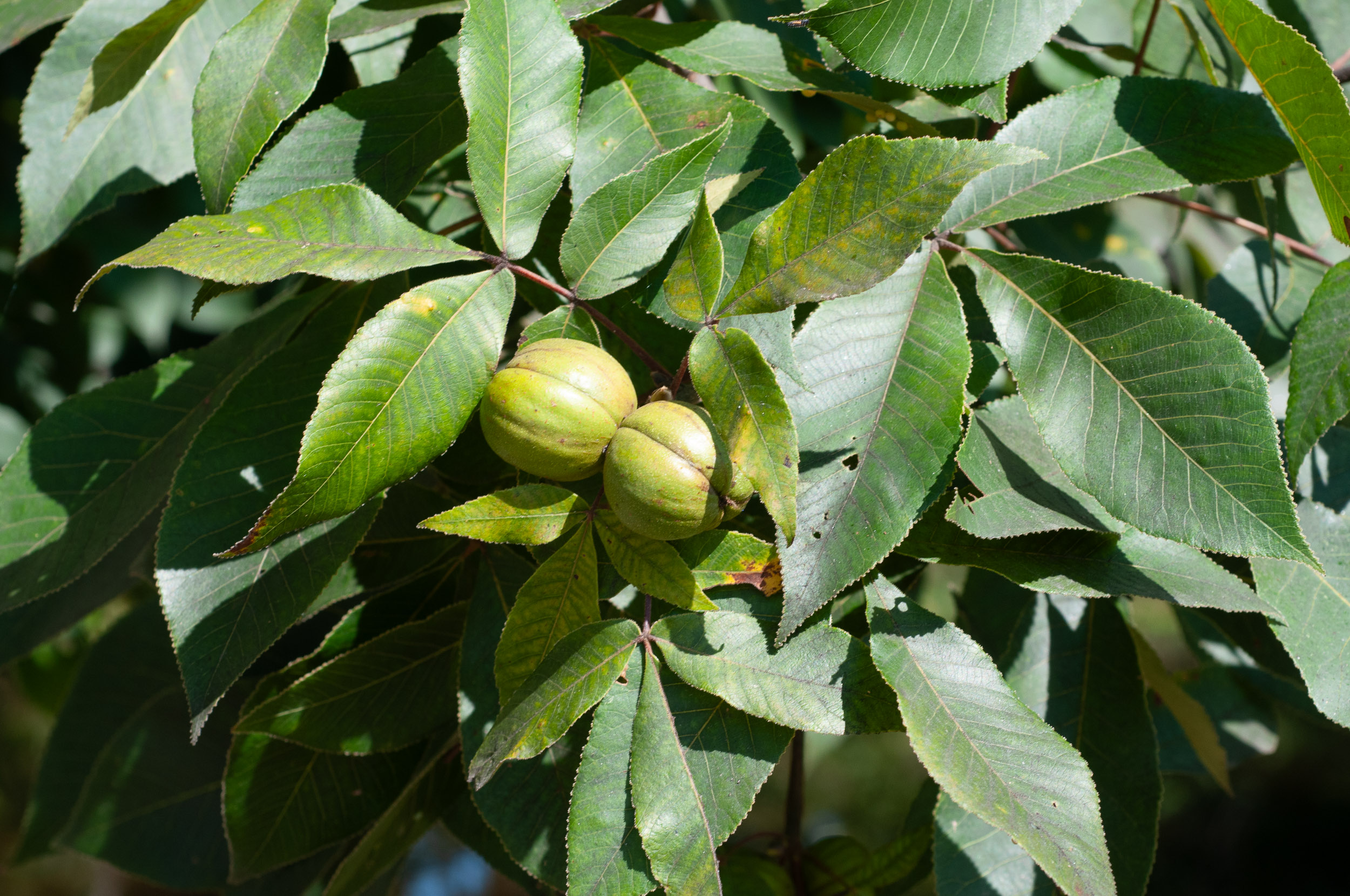
8/22/2012 · Squannacook River Wildlife Area, Townsend, Massachusetts · ≈ 14 × 9″ (35 × 23 cm) 

4/14/2010 · Mt. Lebanon St., Pepperell, Massachusetts 
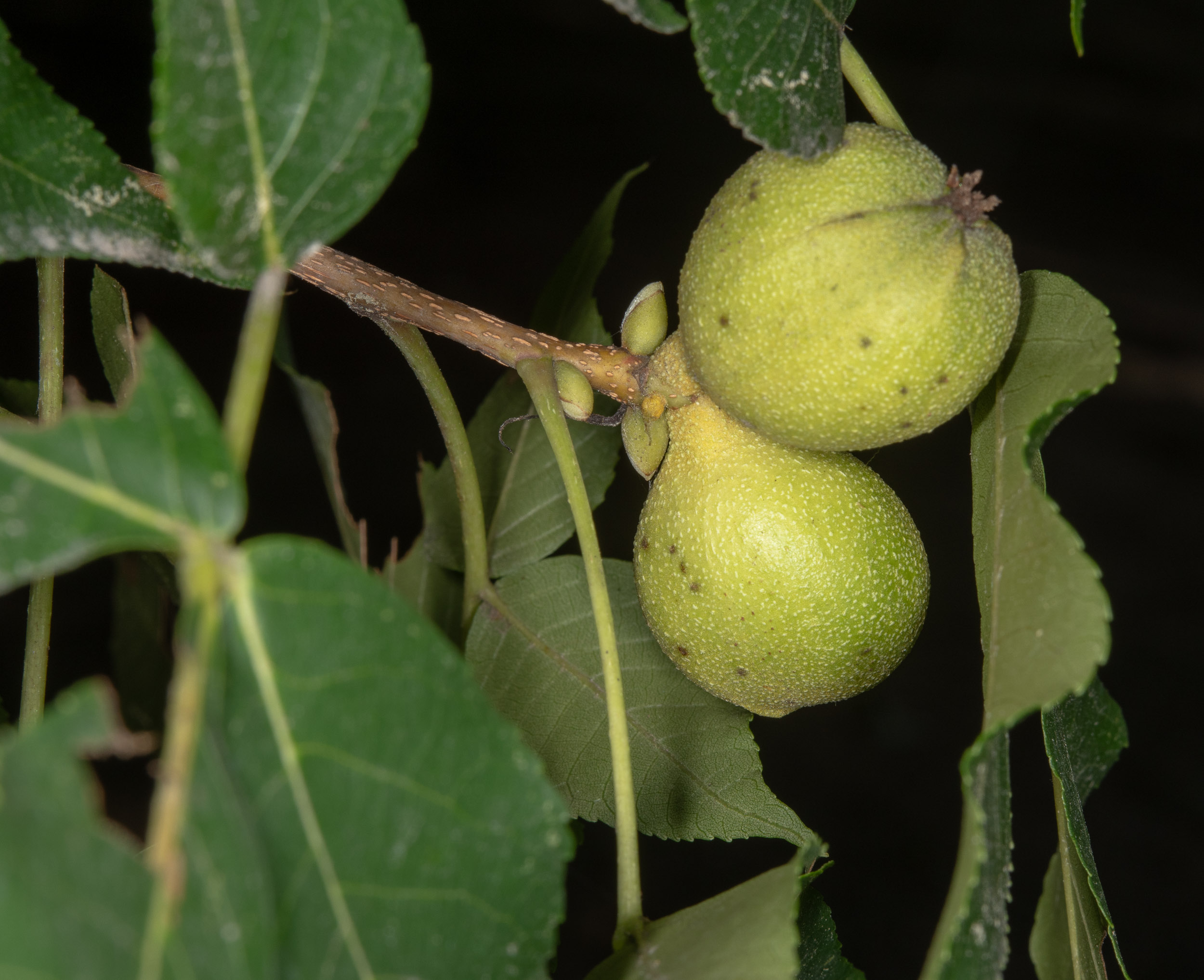
7/31/2018 · Andres Art Institute, Big Bear Mountain, Brookline, New Hampshire · ≈ 5 × 4″ (12 × 10 cm) 
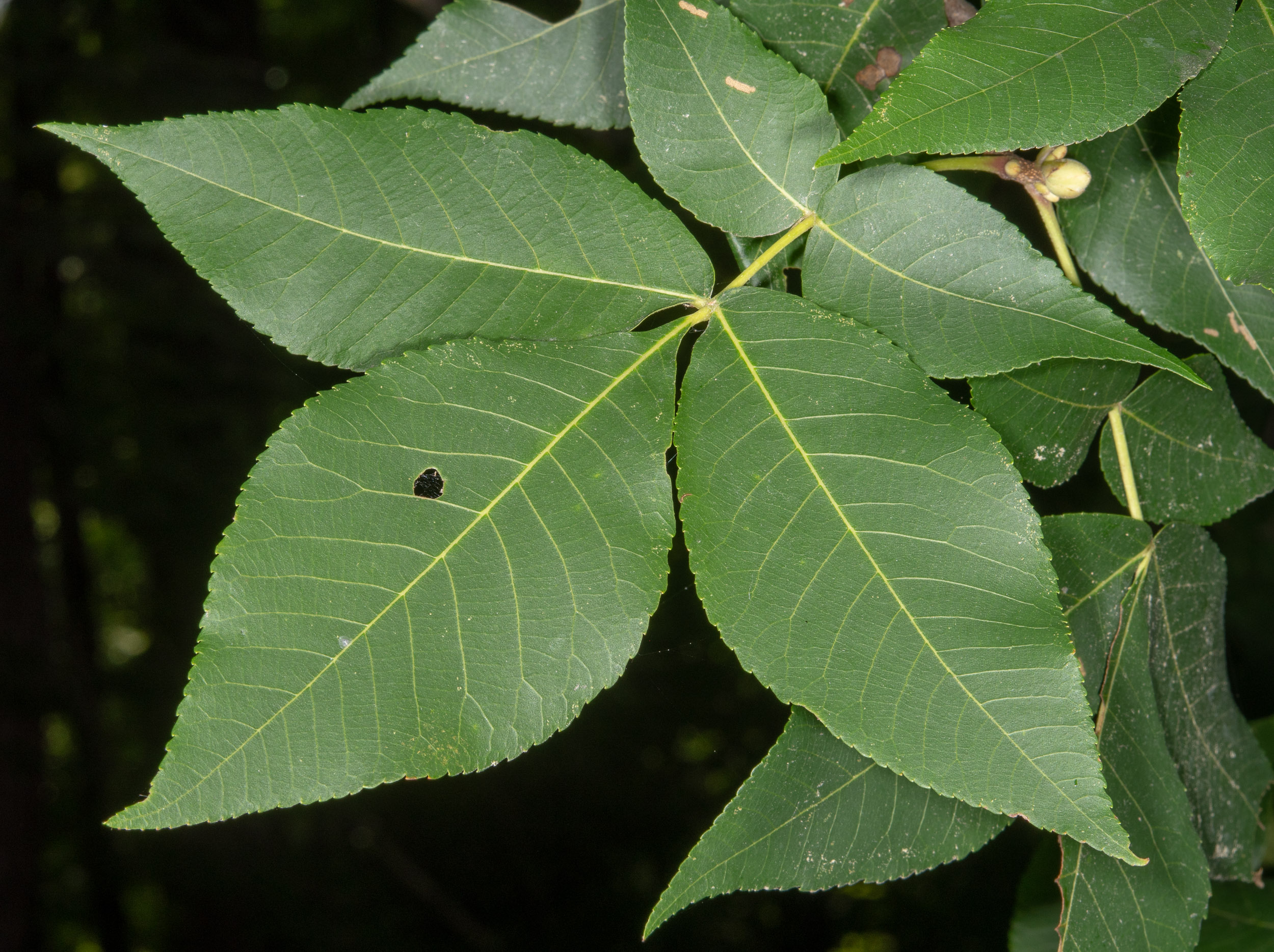
7/31/2018 · Andres Art Institute, Big Bear Mountain, Brookline, New Hampshire · ≈ 9 × 6″ (22 × 16 cm) 
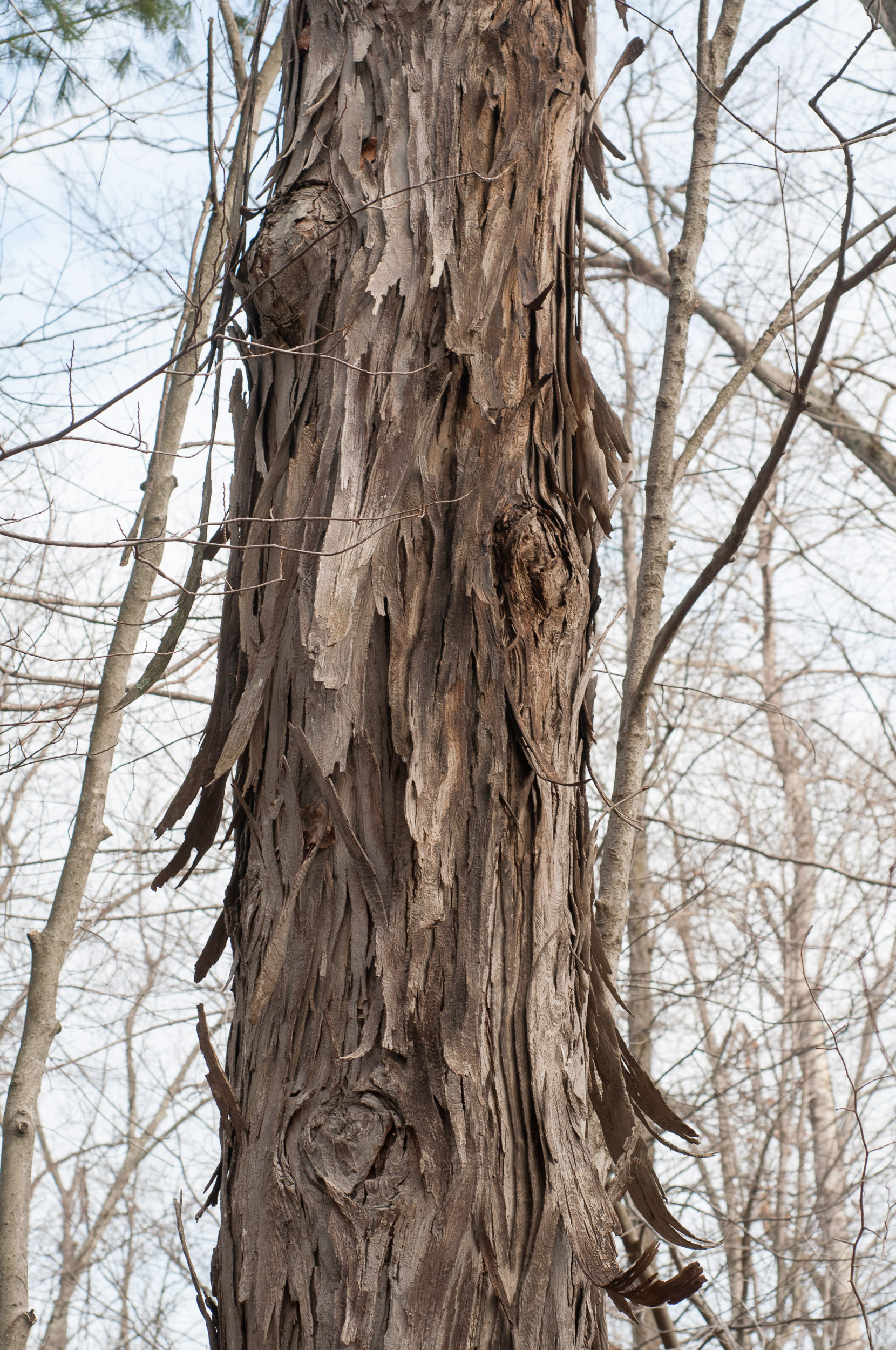
1/5/2012 · Groton Place and Sabine Woods, Groton, Massachusetts 

Very young stage. · 5/12/2007 · Pepperell, Massachusetts 

Older bark is shaggy and loose. · 5/31/2010 · Mt. Lebanon St., Pepperell, Massachusetts · ≈ 1 × 1½′ (34 × 52 cm) 

4/28/2010 · Nashua River Rail Trail, Pepperell, Massachusetts · ≈ 4 × 7″ (11 × 17 cm) 
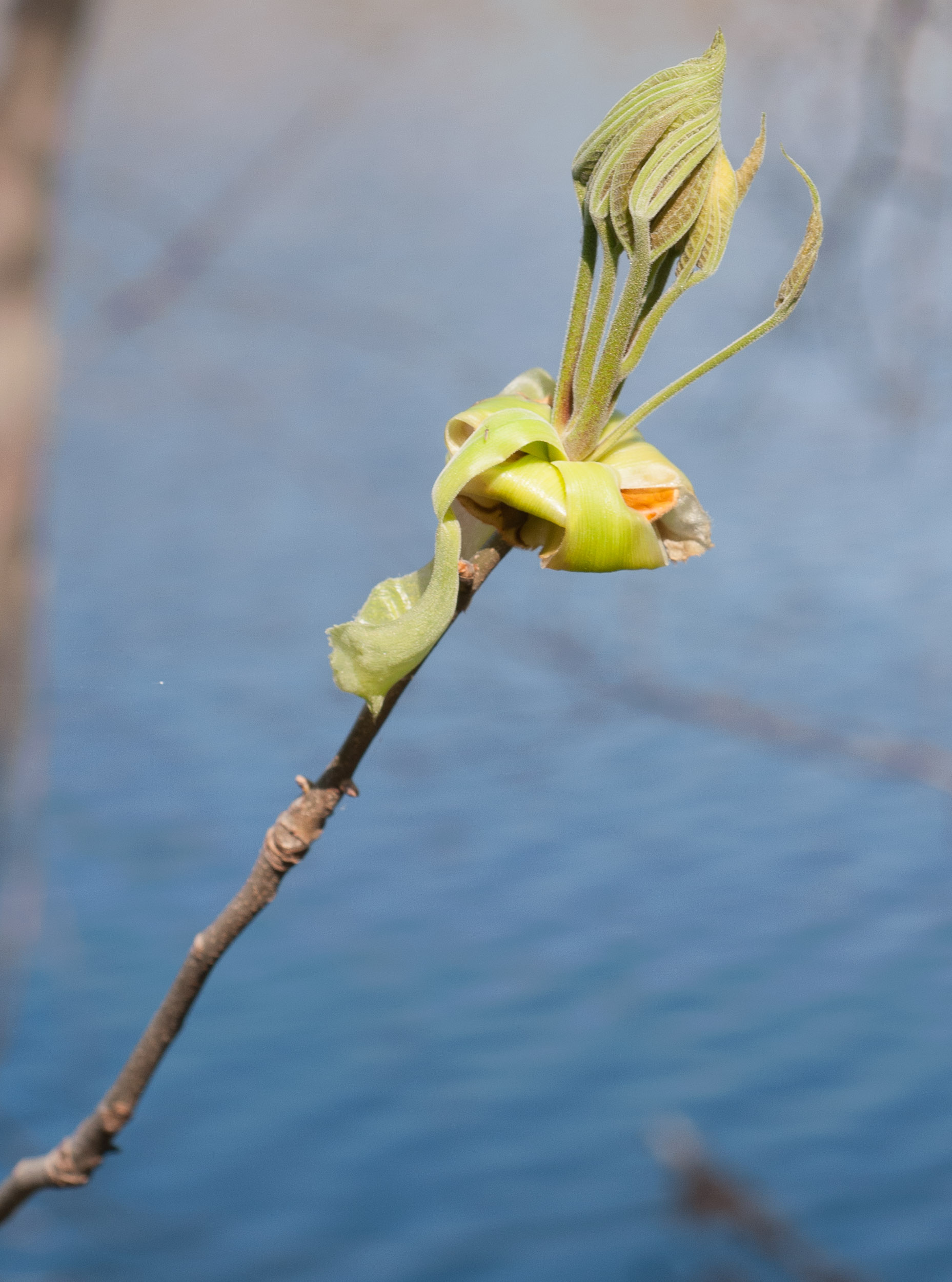
4/20/2012 · Nashua River Rail Trail, East Pepperell, Pepperell, Massachusetts · ≈ 7 × 9″ (17 × 23 cm) 
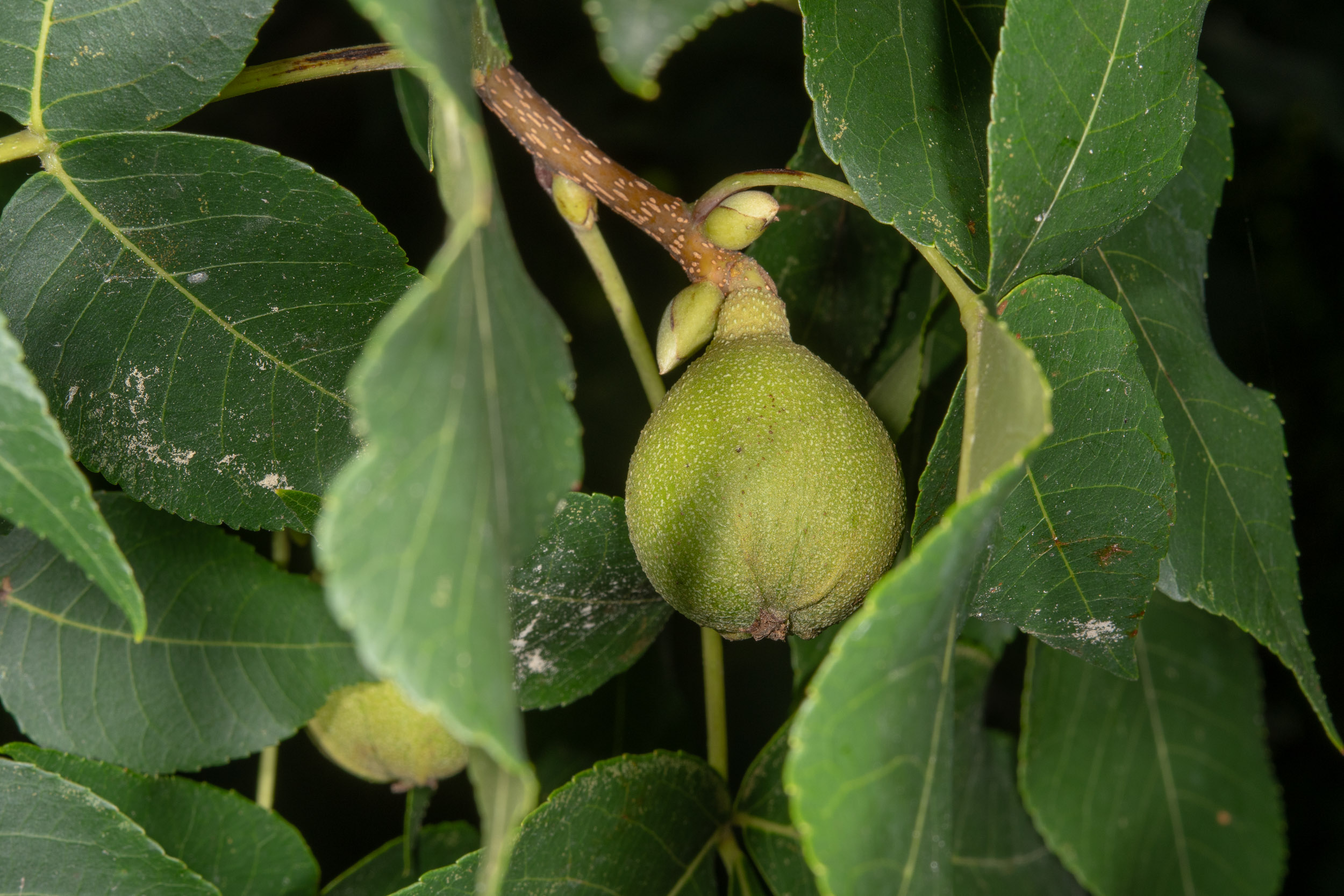
7/31/2018 · Andres Art Institute, Big Bear Mountain, Brookline, New Hampshire · ≈ 6 × 4″ (15 × 10 cm) 
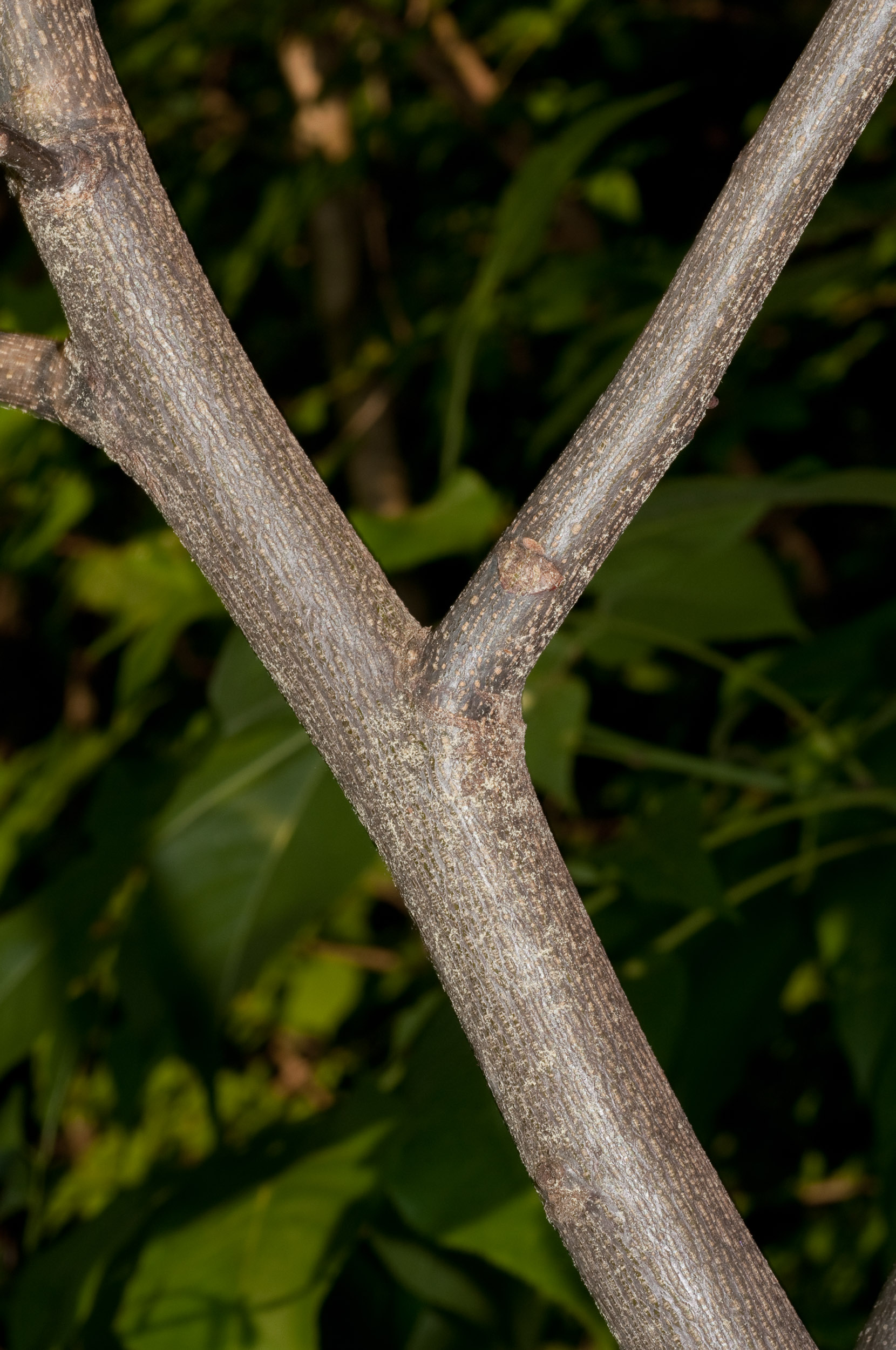
Young bark is smooth, with vertical stripes. · 5/31/2010 · Tom and Susan’s, Pepperell, Massachusetts · ≈ 5 × 8″ (13 × 19 cm) 
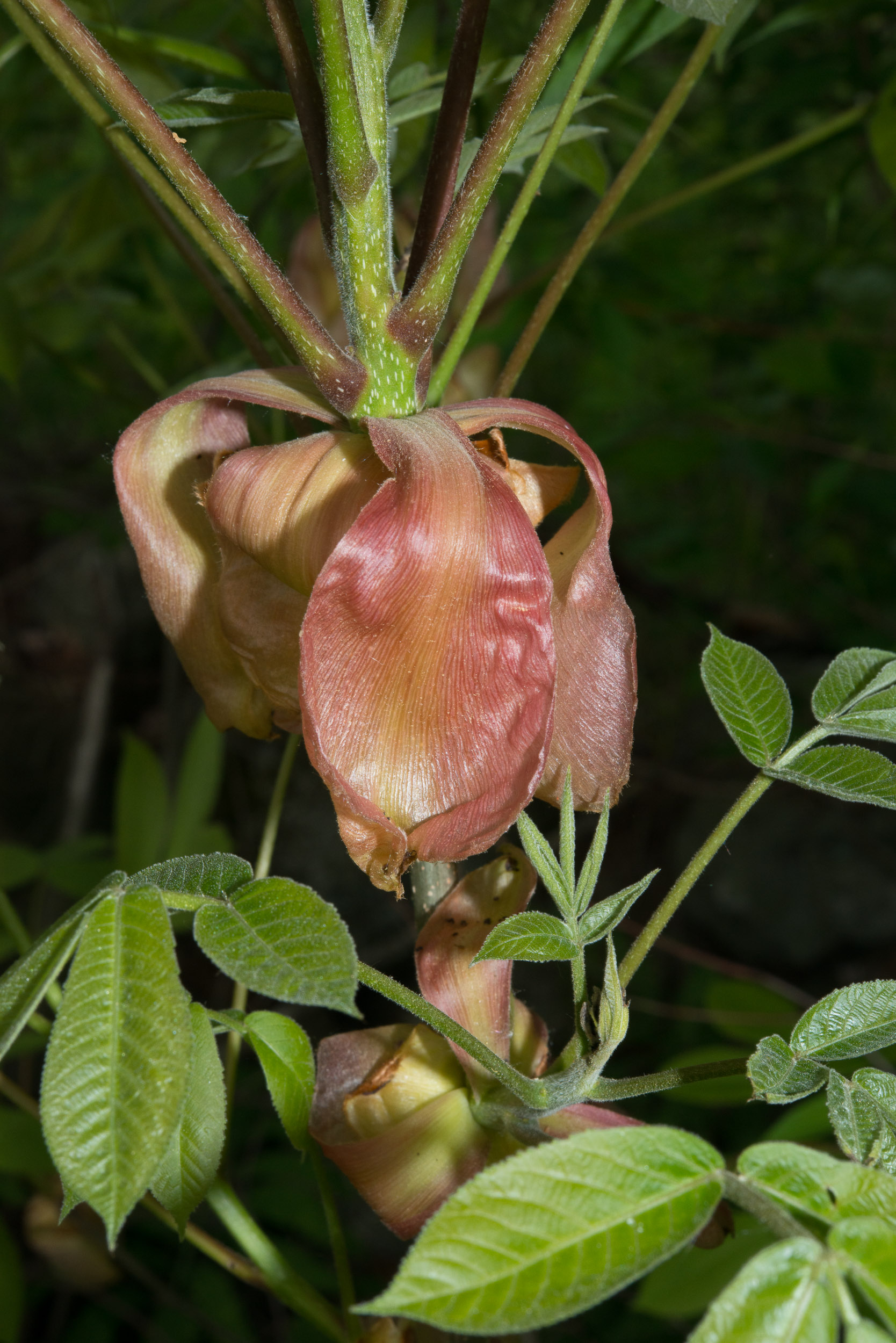
5/21/2013 · Beaver Brook Conservation Area, Hollis, New Hampshire · ≈ 6 × 8″ (14 × 20 cm) 
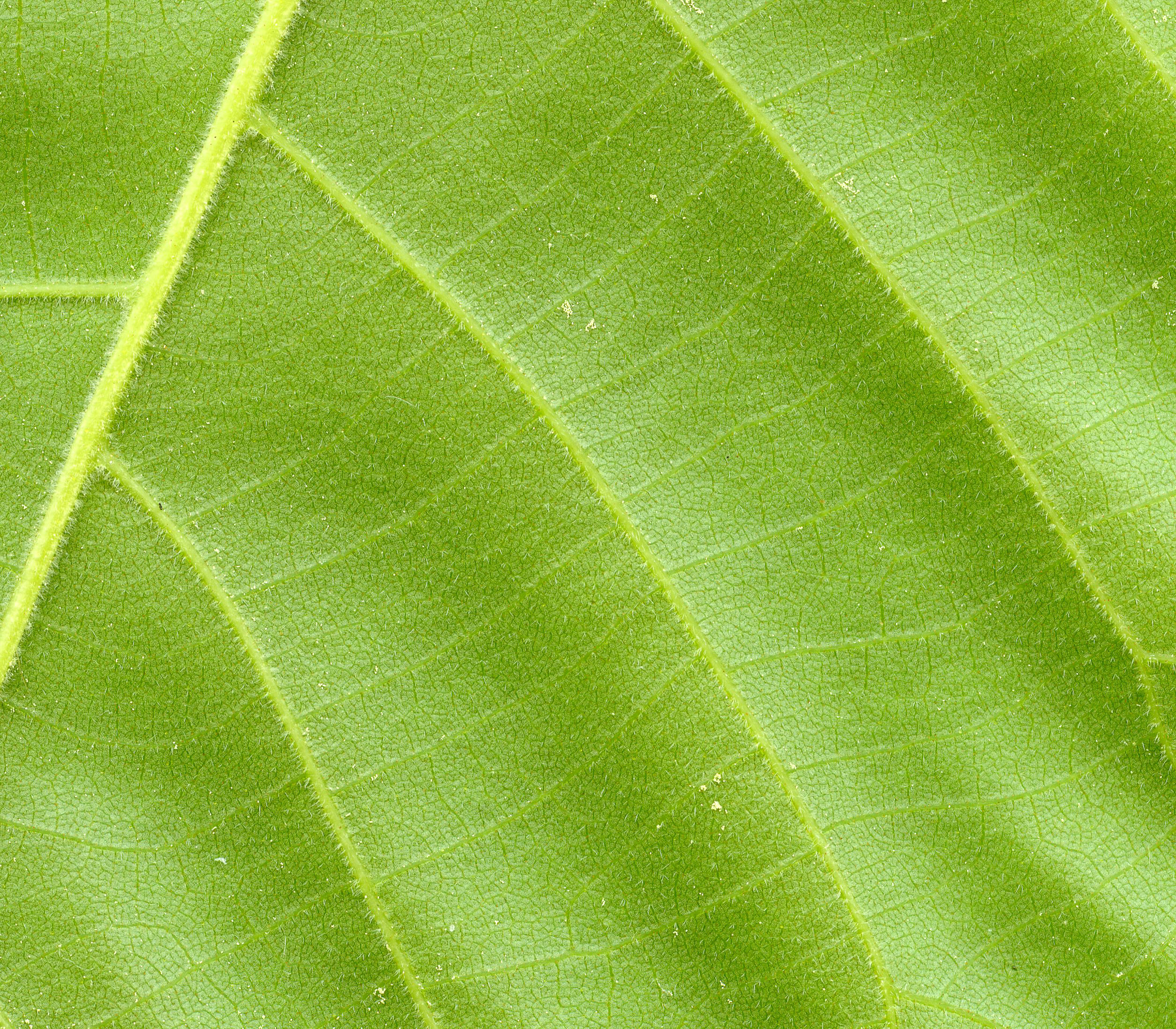
Details of leaf underside. · 5/31/2010 · Tom and Susan’s, Pepperell, Massachusetts 
| Kingdom | Plantae | Plants, but not fungi, lichens, or algae (from Stearn's Botanical Latin) |
| Subkingdom | Tracheobionta | Vascular plants—plants with a “circulatory system” for delivering water and nutrients |
| Division | Magnoliophyta | Flowering plants, also known as angiosperms |
| Class | Magnoliopsida | Dicotyledons—plants with two initial seed leaves |
| Subclass | Rosidae | Roses, legumes, proteas, dogwoods, hydrangeas, mistletoes, euphorbias, grapes, many more |
| Order | Fagales | Birch, she-oak, beech, walnut, bayberry, others |
| Family | Juglandaceae | Walnut family |
| Genus | Carya | Greek κάρυον, “nut” |
| Species | ovata | Refers to the ovate (egg-shaped) leaves |
Carya ovata description by Thomas H. Kent, not updated.

© FloraFinder.org. All rights reserved.