Callicarpa dichotoma ‘Early Amethyst’
Purple beautyberry
Beautyberry is native to China, Vietnam, Korea, and Japan; and cultivated in the United States for hedges.
Plants: Shrubs are deciduous, and typically 3–4′ (91–121 cm) high and 4–5′ (1.2–1.5 m) around. This cultivar blooms earlier than most purple beautyberries, producing more fruit.
Leaves: Opposite, simple, bright medium green leaves, all on the same plane. Leaves are 1–3″ (2.5–7.6 cm) long.
Flowers: Lavendar-pink, appearing June to August.
Fruits: Brilliant purple showy berries in clusters. (Some cultivars have white berries.) They remain after leaves fall, looking even more dramatic.
Edibility: Berries are bitter, mealy, and inedible, though they are popular with squirrels and mockingbirds. Many sources consider them to be poisonous.
Online References:
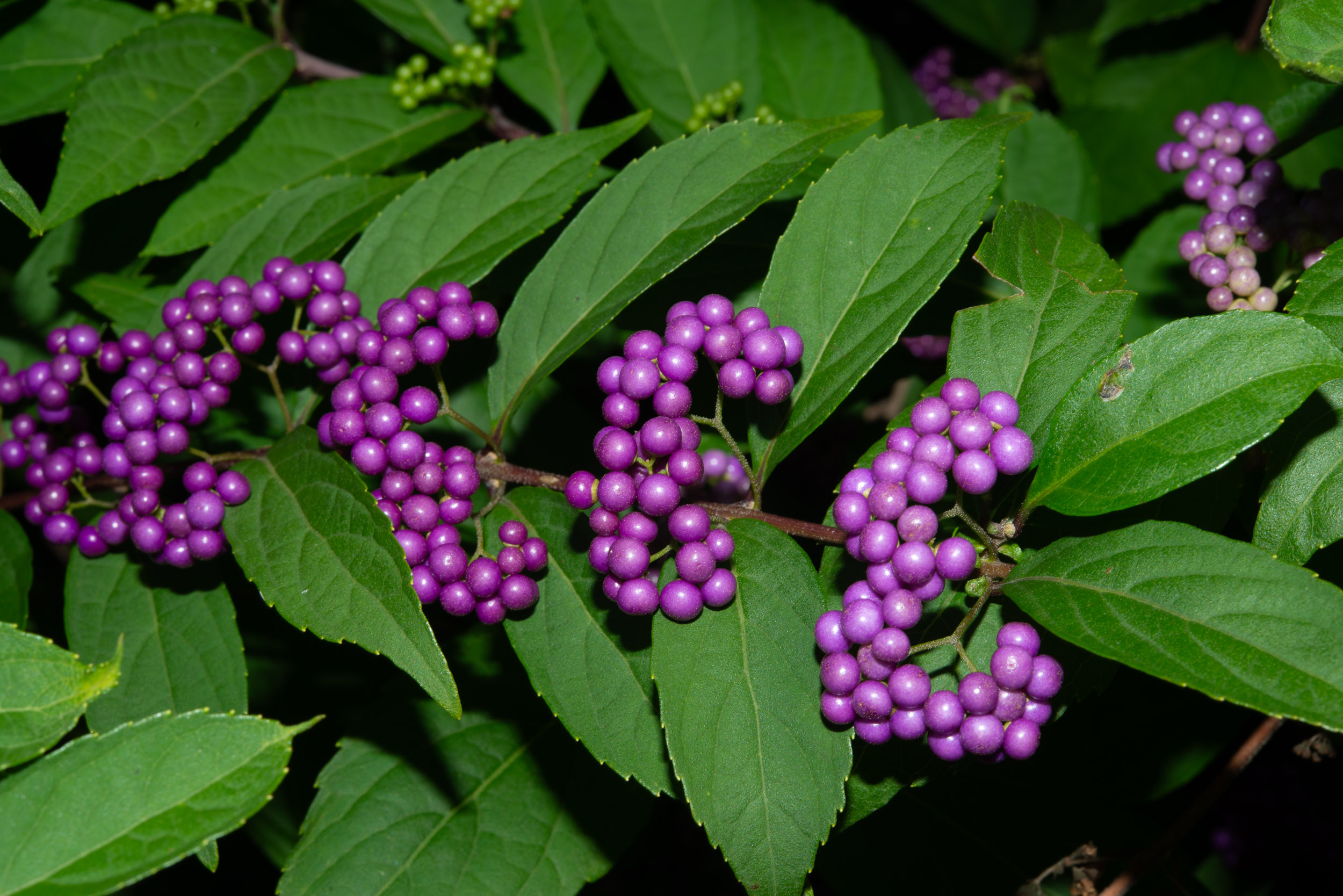
8/30/2013 · Chris and Kelley’s, Midlothian, Virginia · ≈ 8 × 5″ (19 × 13 cm) 
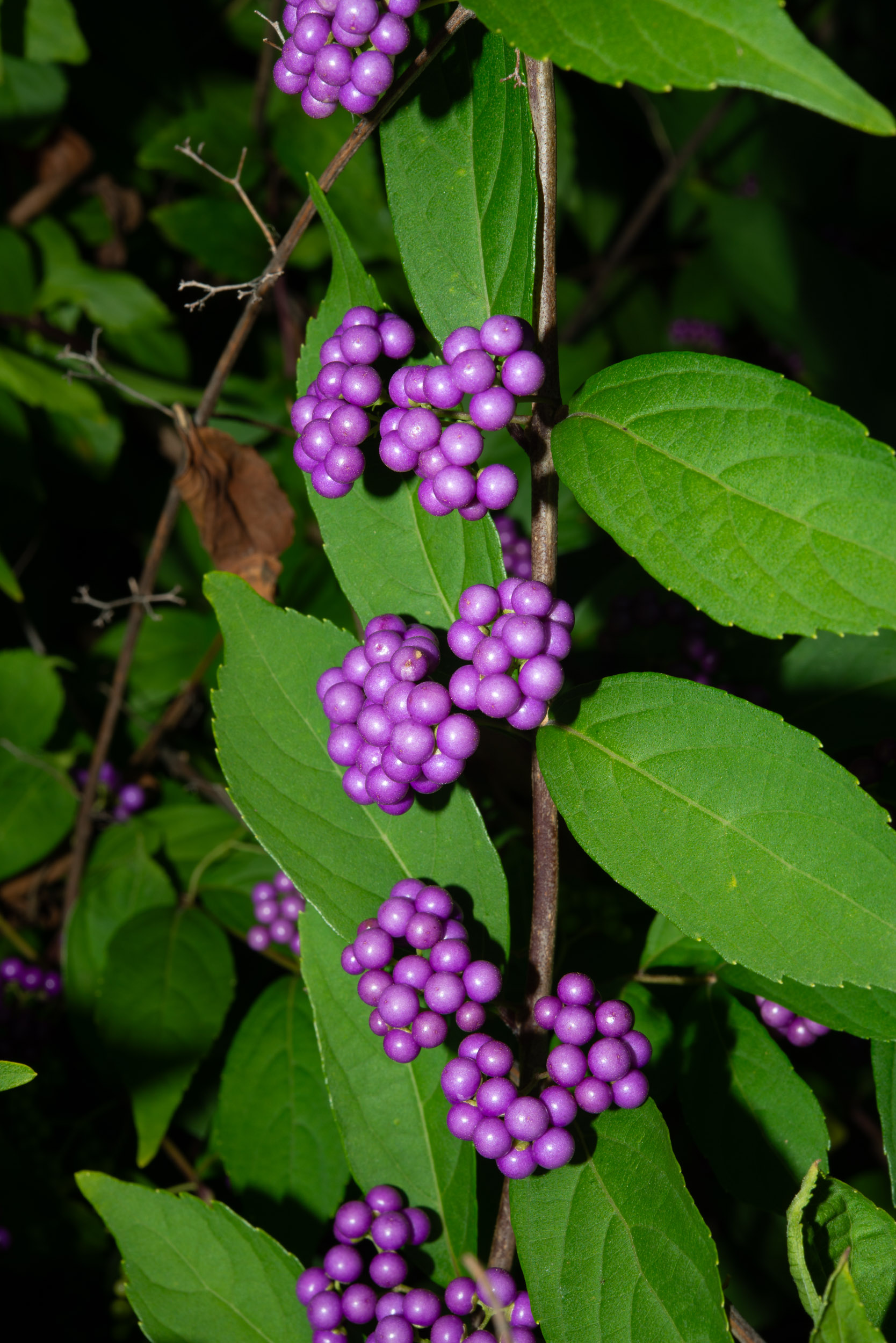
8/30/2013 · Chris and Kelley’s, Midlothian, Virginia · ≈ 5 × 8″ (13 × 19 cm) 
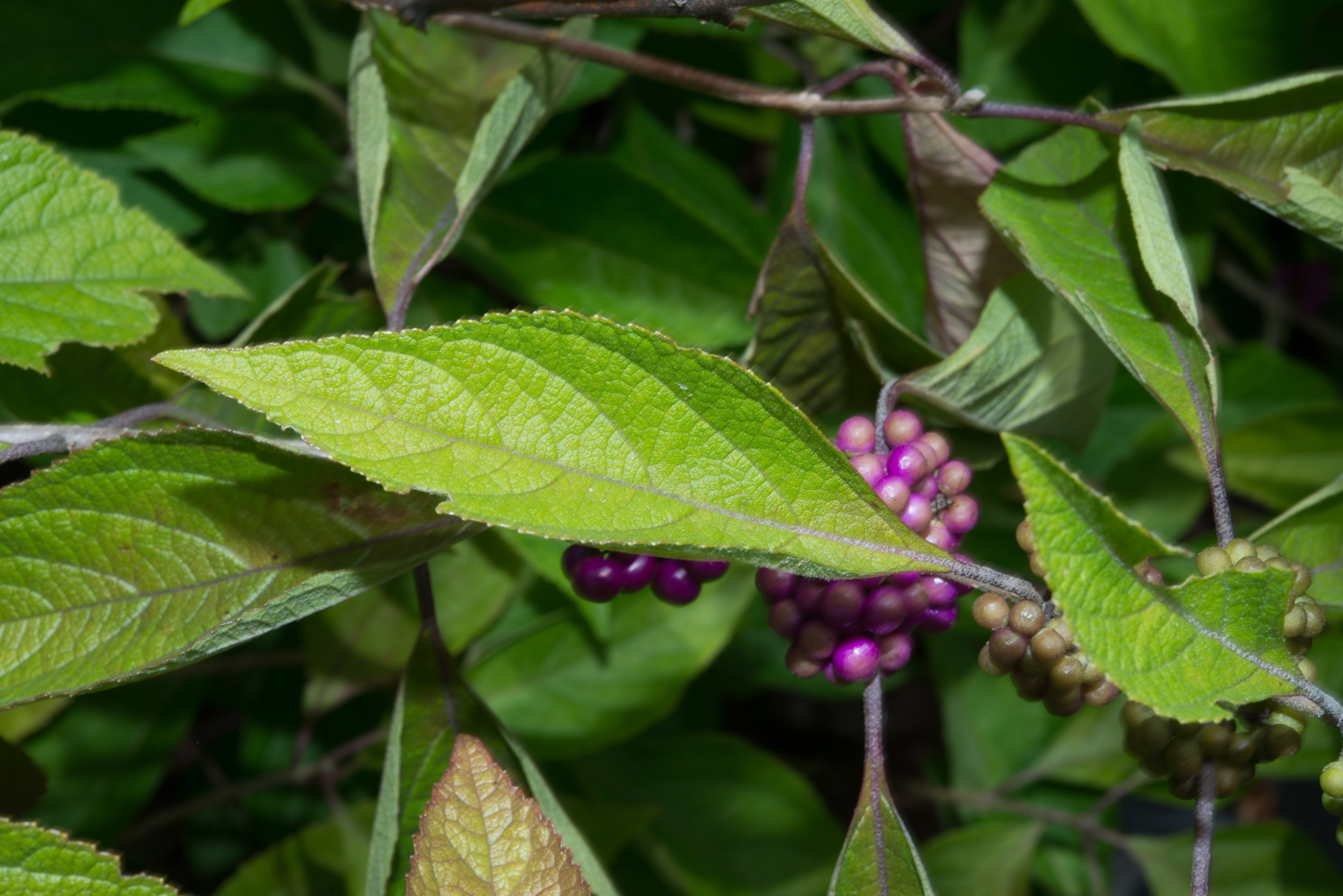
8/31/2013 · Lewis Ginter Botanical Garden, Richmond, Virginia · ≈ 8 × 5″ (19 × 13 cm) 
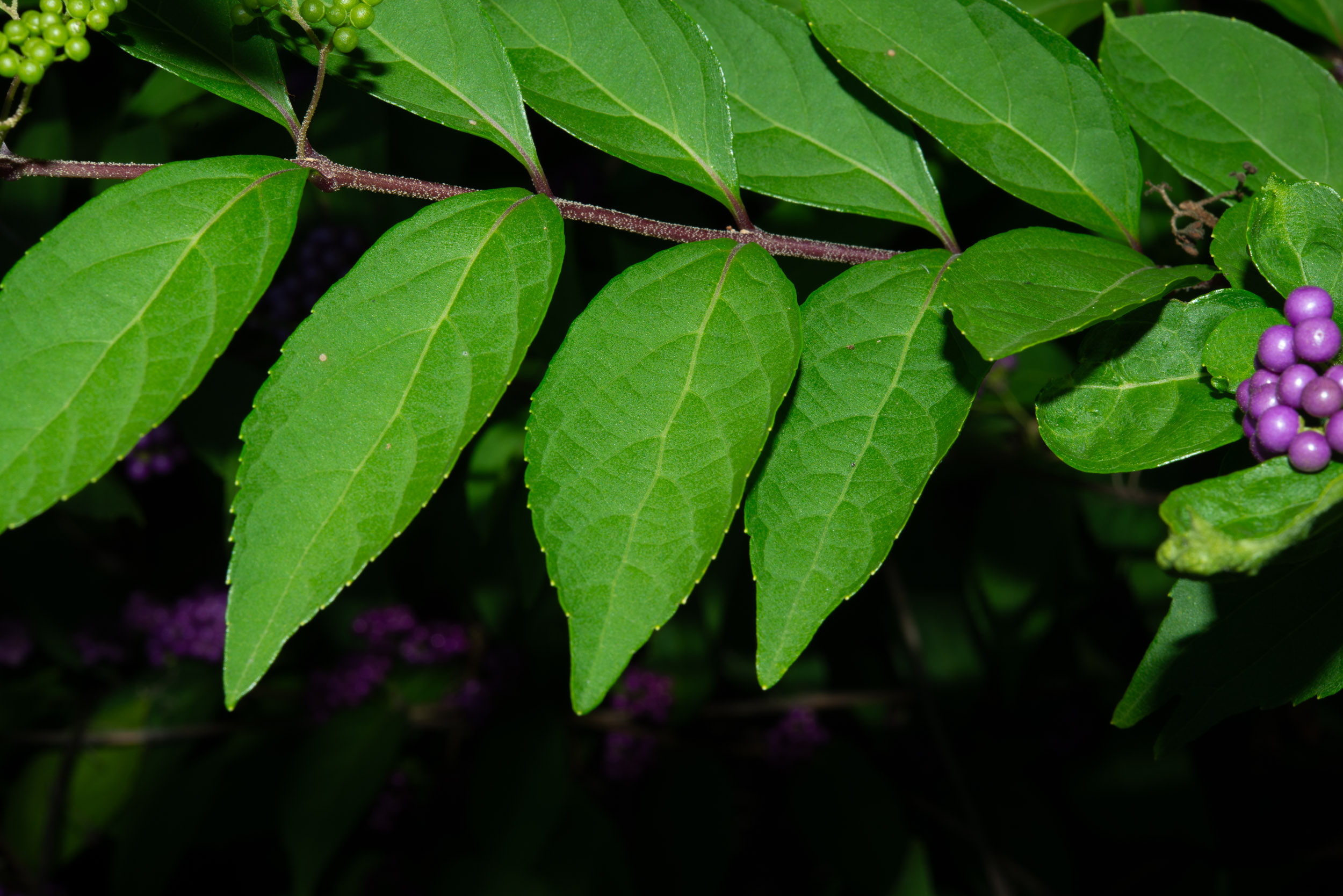
8/30/2013 · Chris and Kelley’s, Midlothian, Virginia · ≈ 8 × 5″ (19 × 13 cm) 
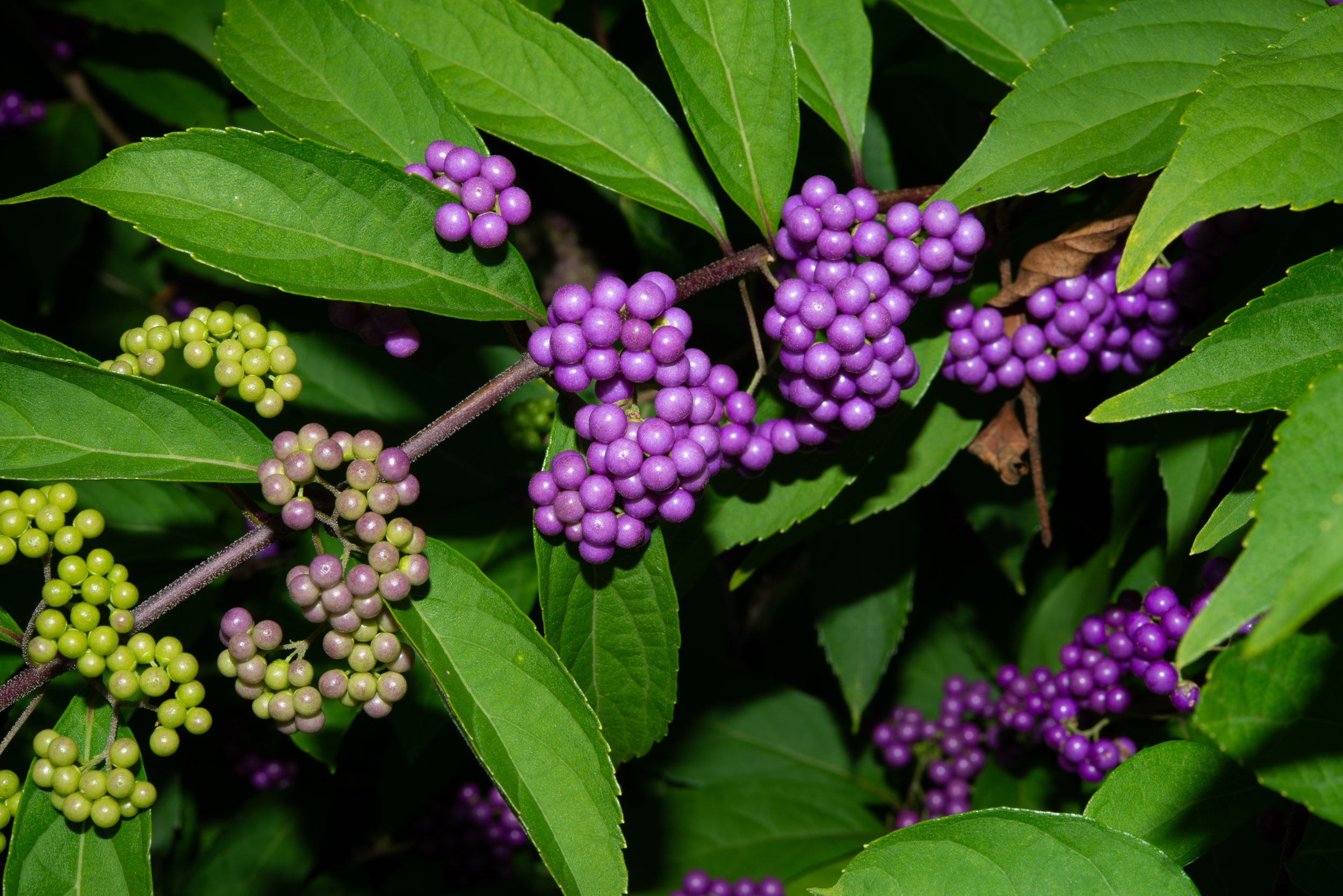
8/30/2013 · Chris and Kelley’s, Midlothian, Virginia · ≈ 8 × 5″ (19 × 13 cm) 
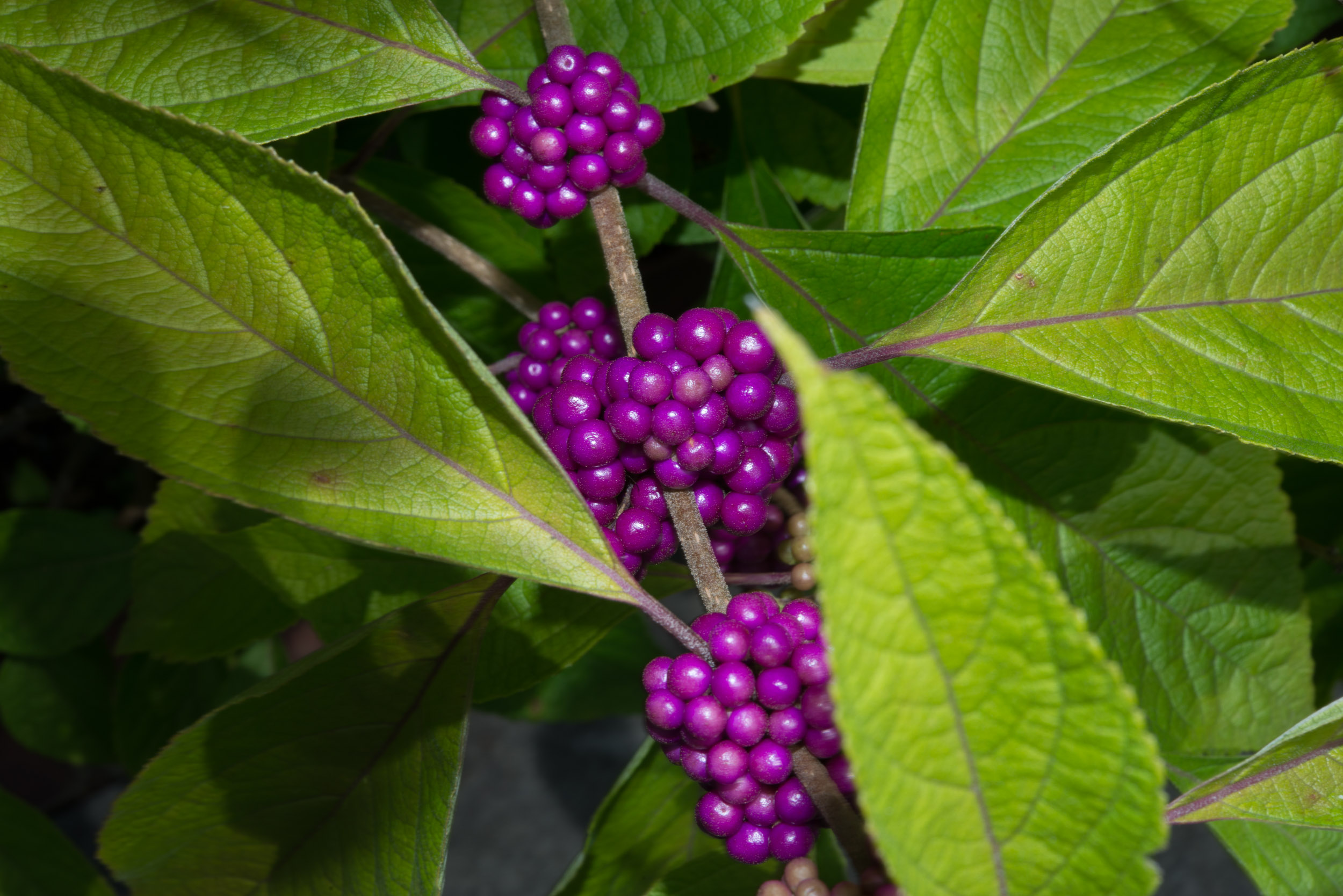
8/31/2013 · Lewis Ginter Botanical Garden, Richmond, Virginia · ≈ 9 × 6″ (22 × 15 cm) 

8/30/2013 · Chris and Kelley’s, Midlothian, Virginia · ≈ 3½ × 6″ (9.6 × 14 cm) 
| Kingdom | Plantae | Plants, but not fungi, lichens, or algae (from Stearn's Botanical Latin) |
| Subkingdom | Tracheobionta | Vascular plants—plants with a “circulatory system” for delivering water and nutrients |
| Division | Magnoliophyta | Flowering plants, also known as angiosperms |
| Class | Magnoliopsida | Dicotyledons—plants with two initial seed leaves |
| Subclass | Asteridae | A large class that encompasses asters |
| Order | Lamiales | Aromatic herbs and shrubs, including lavender, lilac, olive, jasmine, ash, teak, snapdragon, sesame, psyllium, garden sage, mint, basil, and rosemary |
| Family | Lamiaceae | Mint family |
| Genus | Callicarpa | Beautyberries—small shrubs and trees, mostly Asian, also from the Americas and Australia |
| Species | dichotoma | Forked in pairs, repeatedly dividing into pairs of branches |
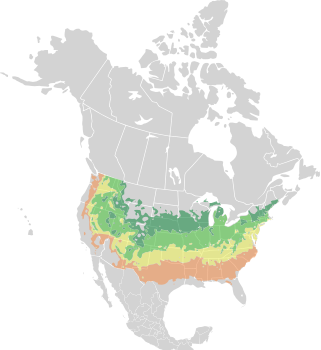
Callicarpa dichotoma ‘Early Amethyst’ description by Thomas H. Kent, not updated.

© FloraFinder.org. All rights reserved.