Betula L.
Birch
Birch comparisons
Betula alleghaniensis
Betula lenta
Betula nigra


|
Betula L. Birch Birch comparisons | |||
Betula alleghaniensis |
Betula lenta |
Betula nigra |
|
|---|---|---|---|
| Common Name | |
|
|
| Plant | Trees are 60–70′ (18–21 m) tall, rarely reaching 100′ (30 m). Tree shape is pyramidal in young trees, and usually uneven in mature trees. The yellowish-bronze bark, easily peeled as with other birches, is unique in appearence; the inner bark has a slight odor or wintergreen. | A mid-sized deciduous tree up to 82′ (25 m) high, with a trunk that can reach 2′ (60 cm) around. Twigs release the scent of wintergreen (methyl salicylate) when scraped. Bark is reddish brown to black. Trees are quite often infected with nectria canker. | Trees are up to 82′ (25 m), rarely reaching 98′ (30 m). They often have multiple trunks. Trees tend to be pyramid-shaped when they are young, becoming more irregular as they age. Bark is highly variable. As with other birches, it peels away spontaneously ("exfoliates"), making the trunk look ragged. It may be dark gray-brown and scaly, pinkish-brown, or white and papery. |
| Leaves | Leaves are alternate and unlobed, 2–4½″ (6–12 cm) long and half as wide. | Alternate, ovate, simple, 1¾–4 ⨉ 1–3″ (5–10 ⨉ 3–8 cm), with finely serrated margins. The leaves contain many roughly parallel veins, emerging from the leaf spine and tilted forward about 45°. | Leaves are dark green, alternate, unlobed. They are roughly diamond-shaped, with the top half of the diamond more pointed and with doubly serrated edges, while the bottom half is flatter and with smooth edges. Leaves turn yellow in the fall. |
| Flowers | Yellow birches have both male and female flowers on the same tree. Male flowers are catkins near twig ends, 1″ (2.5 cm) long and reddish green. Female flowers point upright. They are ⅝″ (1.7 cm) long and reddish-green. | Male flowers are hanging catkins ¾–1″ (1.9–2.5 cm) long. Female catkins are ½–¾″ (1.3–1.9 cm), and erect, green tinged with red. | Male and female flowers appear on the same tree. Male catkins are up to 3″ (7.6 cm) long in April; female flowers are inconspicuous. |
| Fruit | Fruits resemble small cones, ¾–1¼″ (1.9–3.2 cm) × ¼–⅜″ (6.3–9.5 mm). | In the fall, the catkins produce cone-like aggregates comprised of multiple tiny winged seeds. Typically trees do not produce seeds until they are at least 40 years old. | Numerous tiny winged seeds packed between the catkin bracts. |
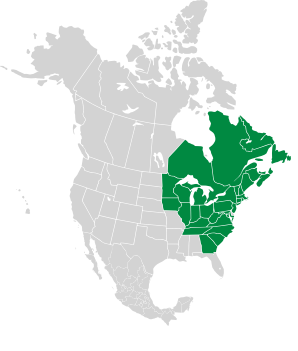
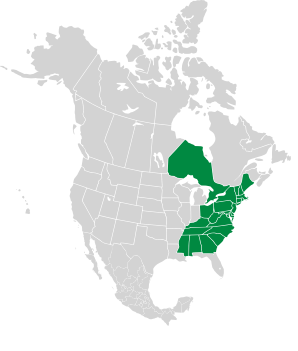
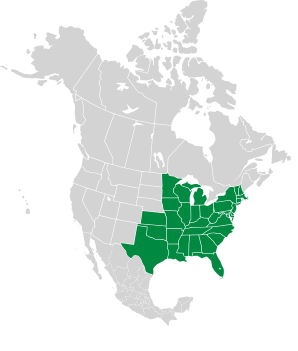
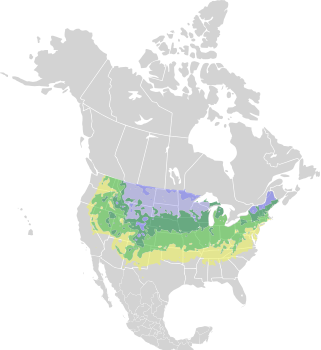
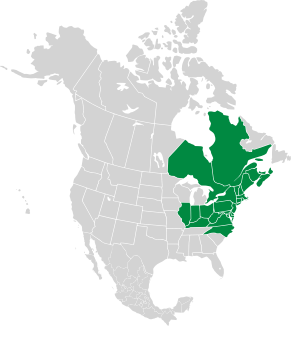
| Range/ Zones |
|
|
|
| Habitats | Moist, cool, forested slopes as well as rockier, more exposed areas. | Floodplains, swamp or river boundaries. | |


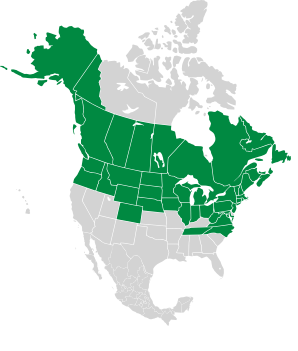
Betula description by Thomas H. Kent, not updated.
© FloraFinder.org. All rights reserved.