Berberis thunbergii DC.
Japanese barberry, Thunberg’s barberry, red barberry
This Japanese native has naturalized through much of eastern North America, and is invasive in many regions. There are many cultivars available, with red, yellow, green, yellow-green and variegated foliage.
Plants: 3–6′ (91–182 cm) high. Stems are woody and grooved.
Leaves: Bright green and obovate or spatula-shaped, much wider at the ends, about ¾ ⨉ ¼″ (1.9 cm ⨉ 6.3 mm). In the fall, the leaves turn orange, deep red, or purple in color. There are ¼″ (6.3 mm) thorns along the branches, which arch and overlap each other.
Flowers: About ¼″ (6.3 mm) around and yellow, distributed along branches.
Fruits: Berries are bright red, with a distinctive oval shape, ¼–⅜″ (7–10 mm) long and 1/16–3/16″ (3–5 mm) in diameter, distributed fairly evenly along branches.
Habitats: Man-made or disturbed habitats, river or stream floodplains, forest edges, forests, meadows and fields.

The unusual shape of the berries is unique to barberries. 
Edibility: Berries are edible, but not tasty and not used in cooking. Other parts of the plant are mildly poisonous, due largely to the presence of berberine.
 |
Similar barberry species. |
Online References:
Berberis thunbergii DC. var. atropurpurea Chenault

9/30/2013 · Moose Point State Park, Searsport, Maine · ≈ 6 × 9″ (16 × 23 cm) 
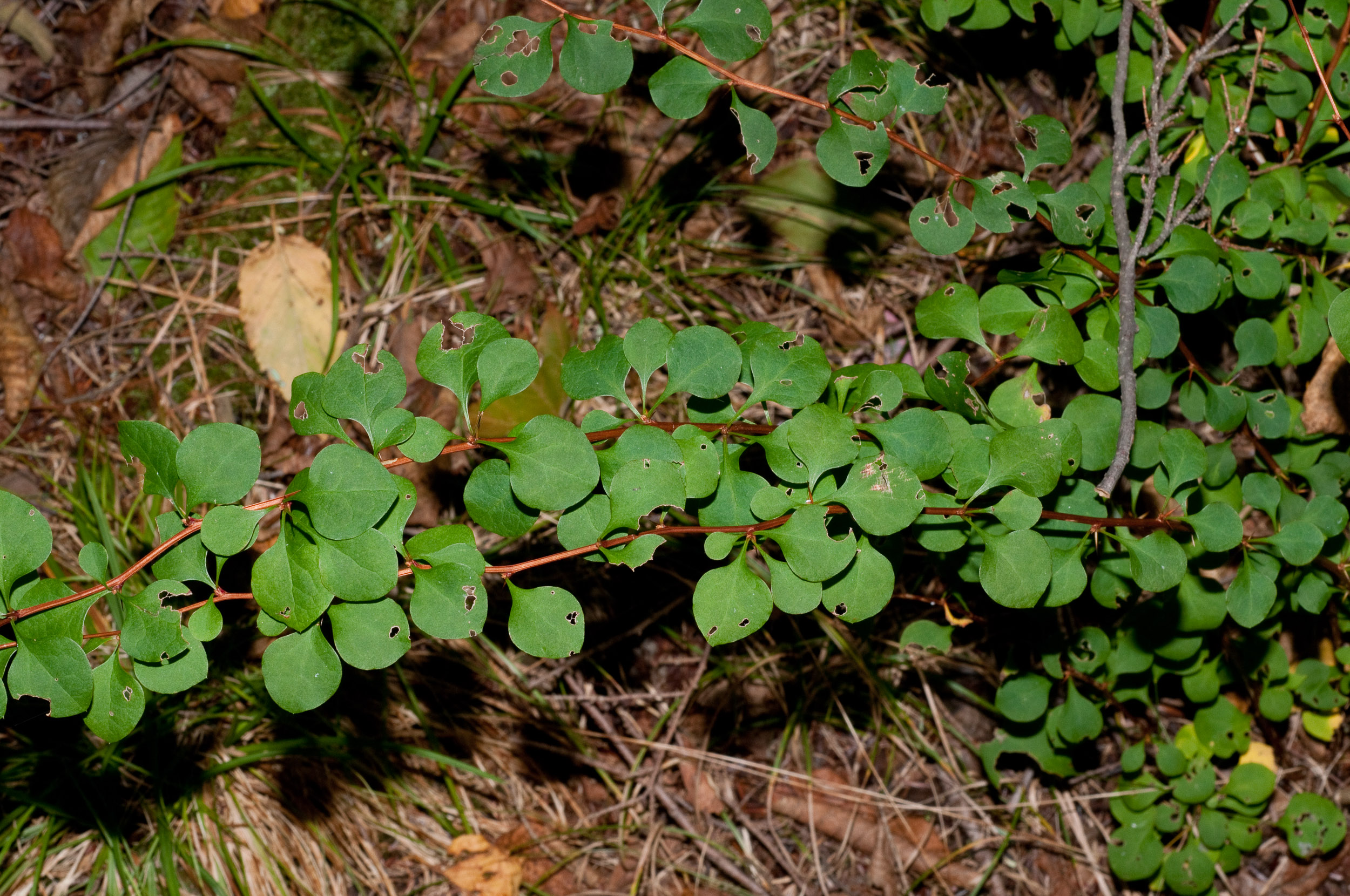
10/3/2010 · Tarkill Interpretive Trail, Rte 402, Poconos, Peck’s Pond, Pennsylvania · ≈ 14 × 9″ (35 × 23 cm)  ID is uncertain
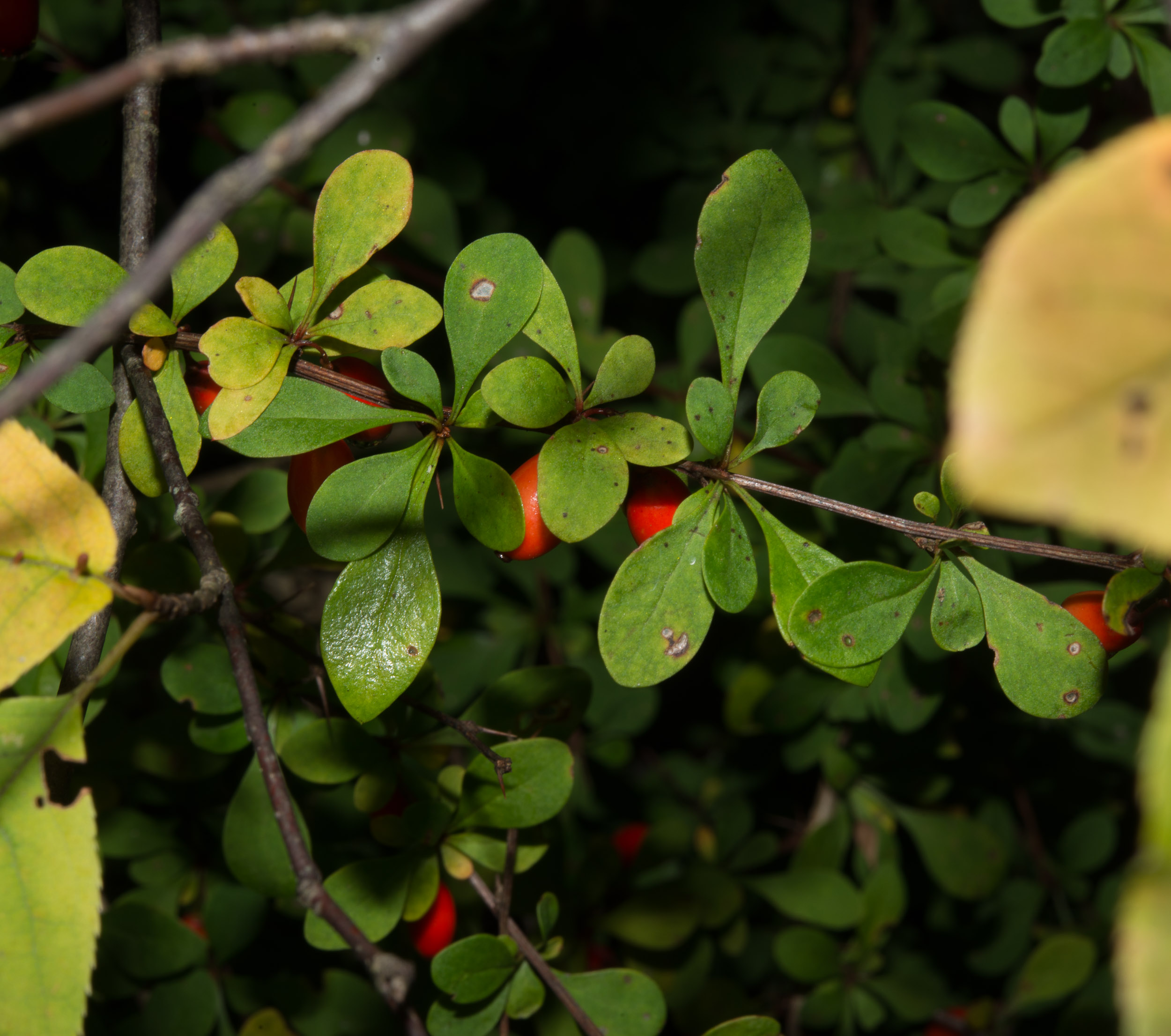
9/22/2013 · Squannacook River Wildlife Management Area, off route 119, Townsend, Massachusetts · ≈ 6 × 5″ (14 × 12 cm) 
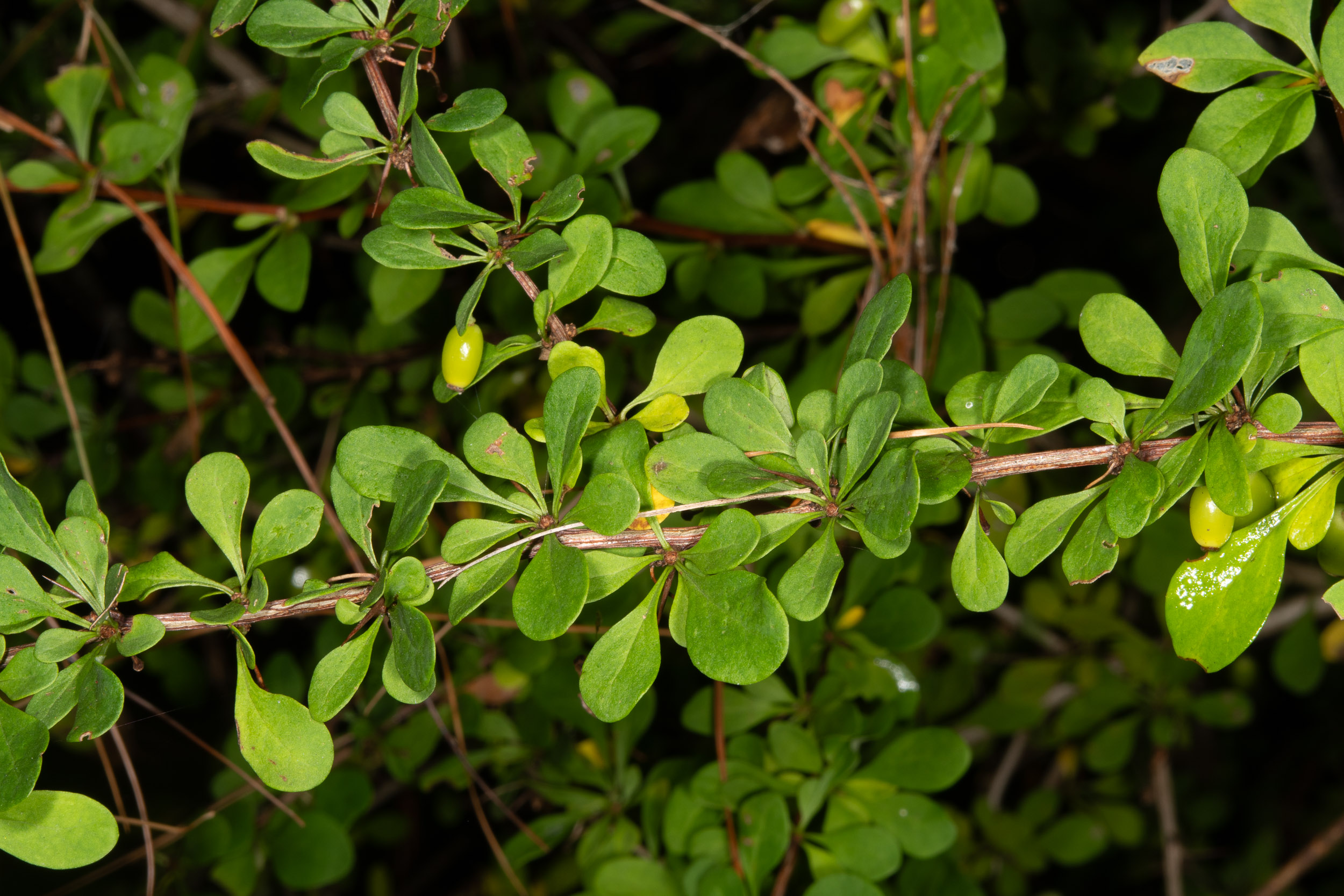
9/3/2020 · Mitchell Field, Harpswell, Maine · ≈ 6 × 4″ (16 × 11 cm) 

5/21/2023 · Merrymeeting Fields Preserve, Woolwich, Maine 

5/24/2024 · Monhegan Island, Maine 

5/21/2023 · Merrymeeting Fields Preserve, Woolwich, Maine 
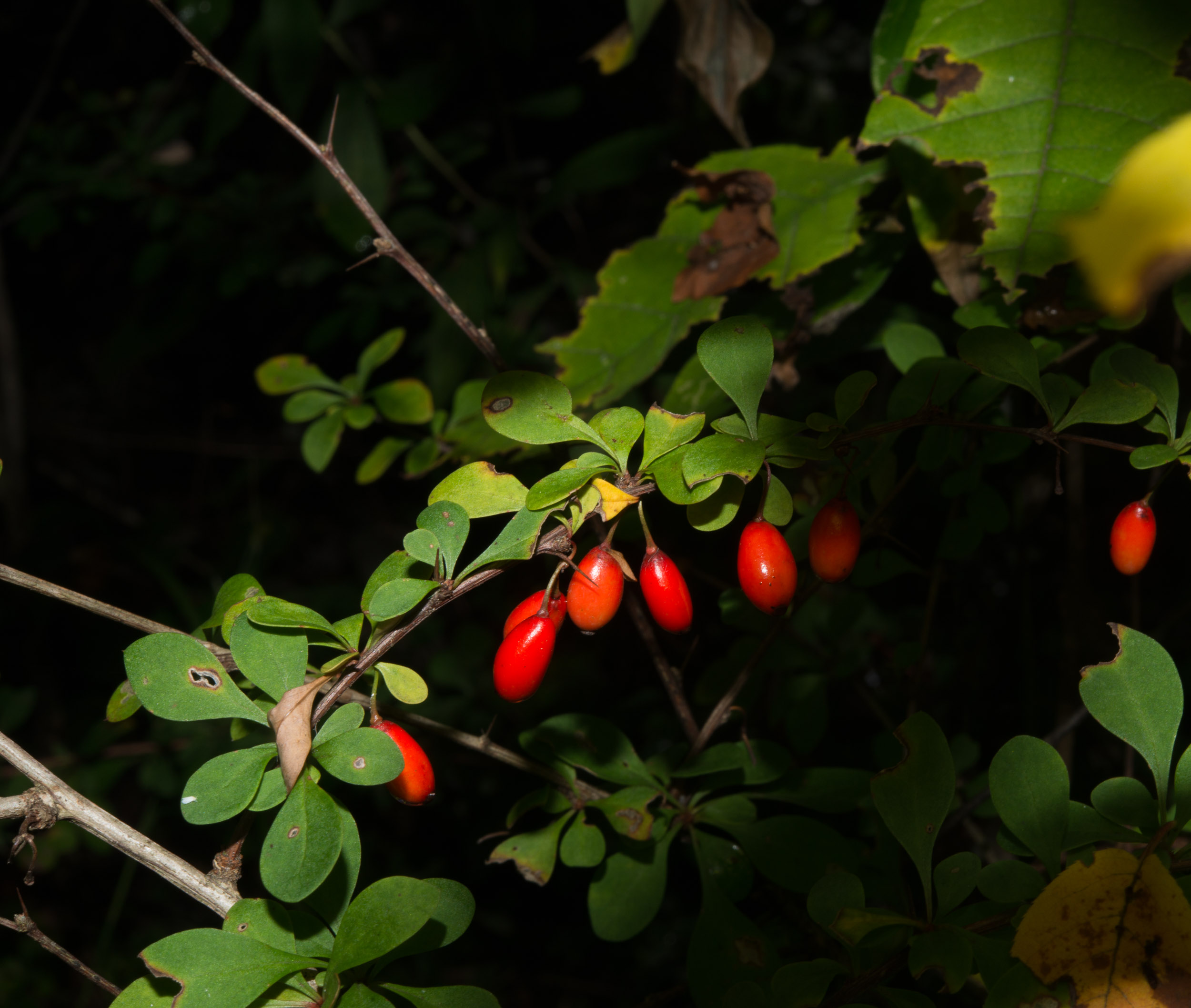
9/22/2013 · Squannacook River Wildlife Management Area, off route 119, Townsend, Massachusetts · ≈ 7 × 6″ (17 × 15 cm) 
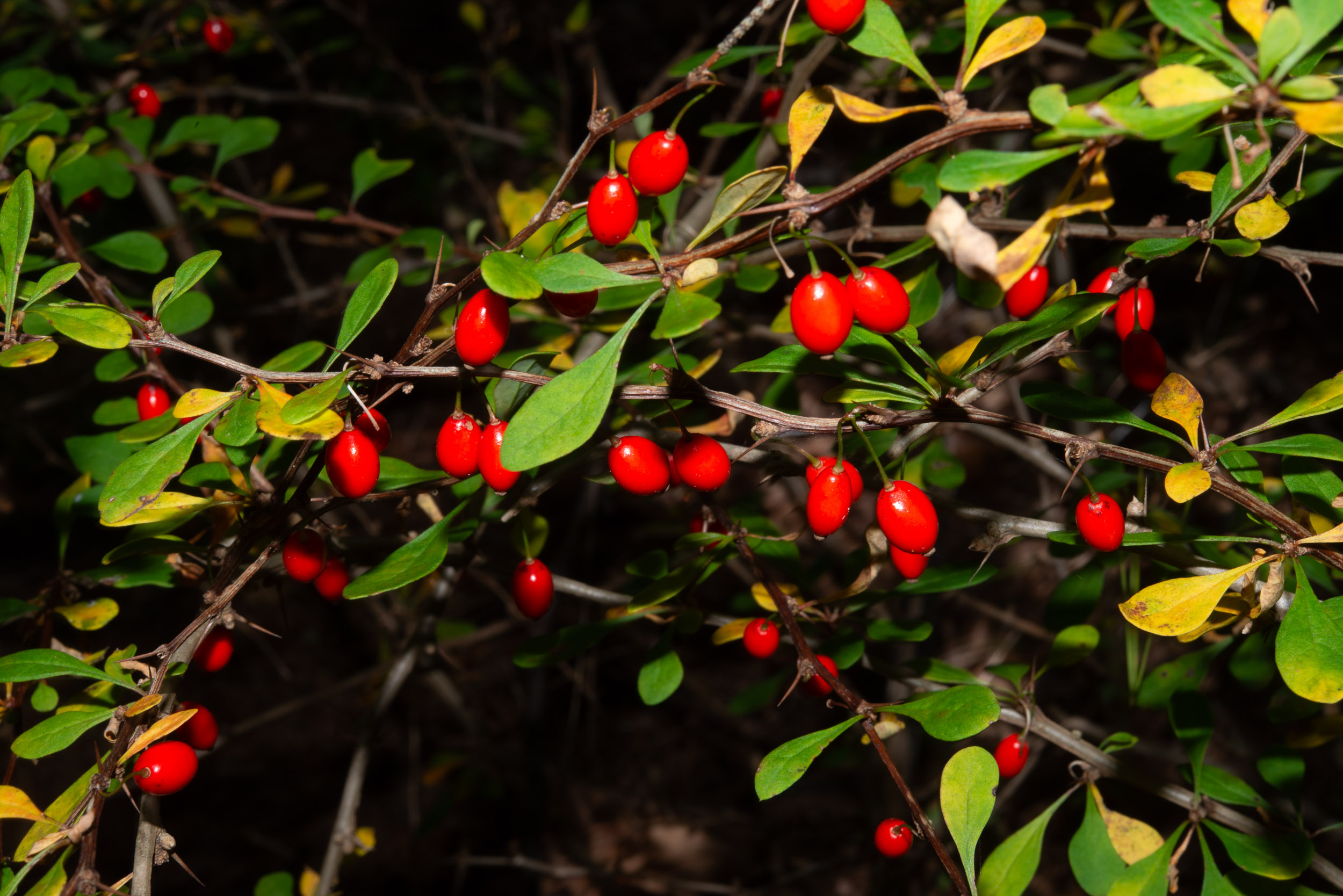
9/30/2013 · Moose Point State Park, Searsport, Maine · ≈ 8 × 6″ (20 × 14 cm) 
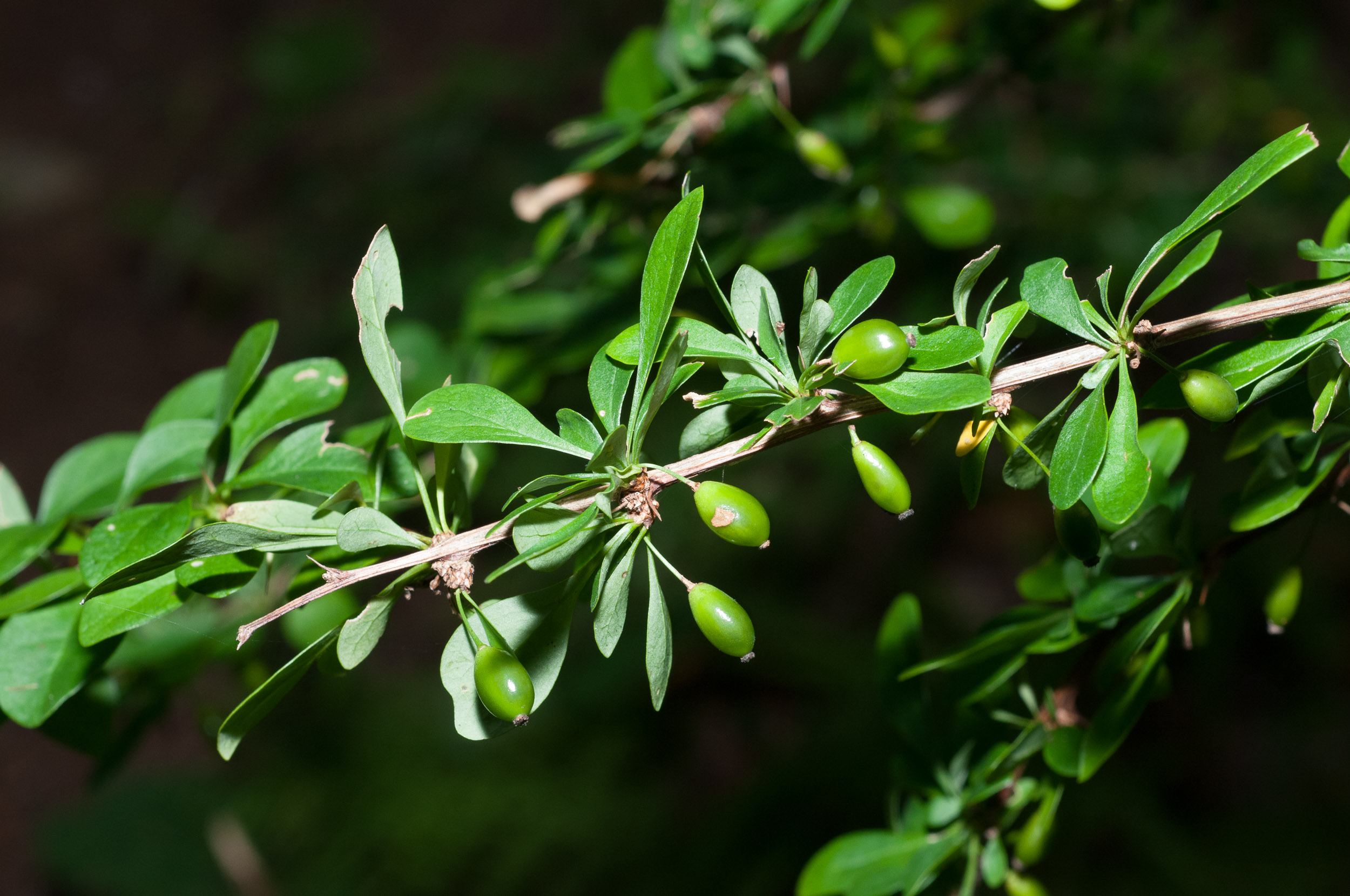
8/20/2009 · Hayes Woods Nature Trail, Shirley St., Pepperell, Massachusetts · ≈ 8 × 5″ (19 × 13 cm) ID is uncertain 

11/6/2024 · Hermit Island, Phippsburg, Maine 

5/12/2021 · Weber-Kelly Preserve, Georgetown, Maine · ≈ 10 × 6″ (24 × 16 cm) 
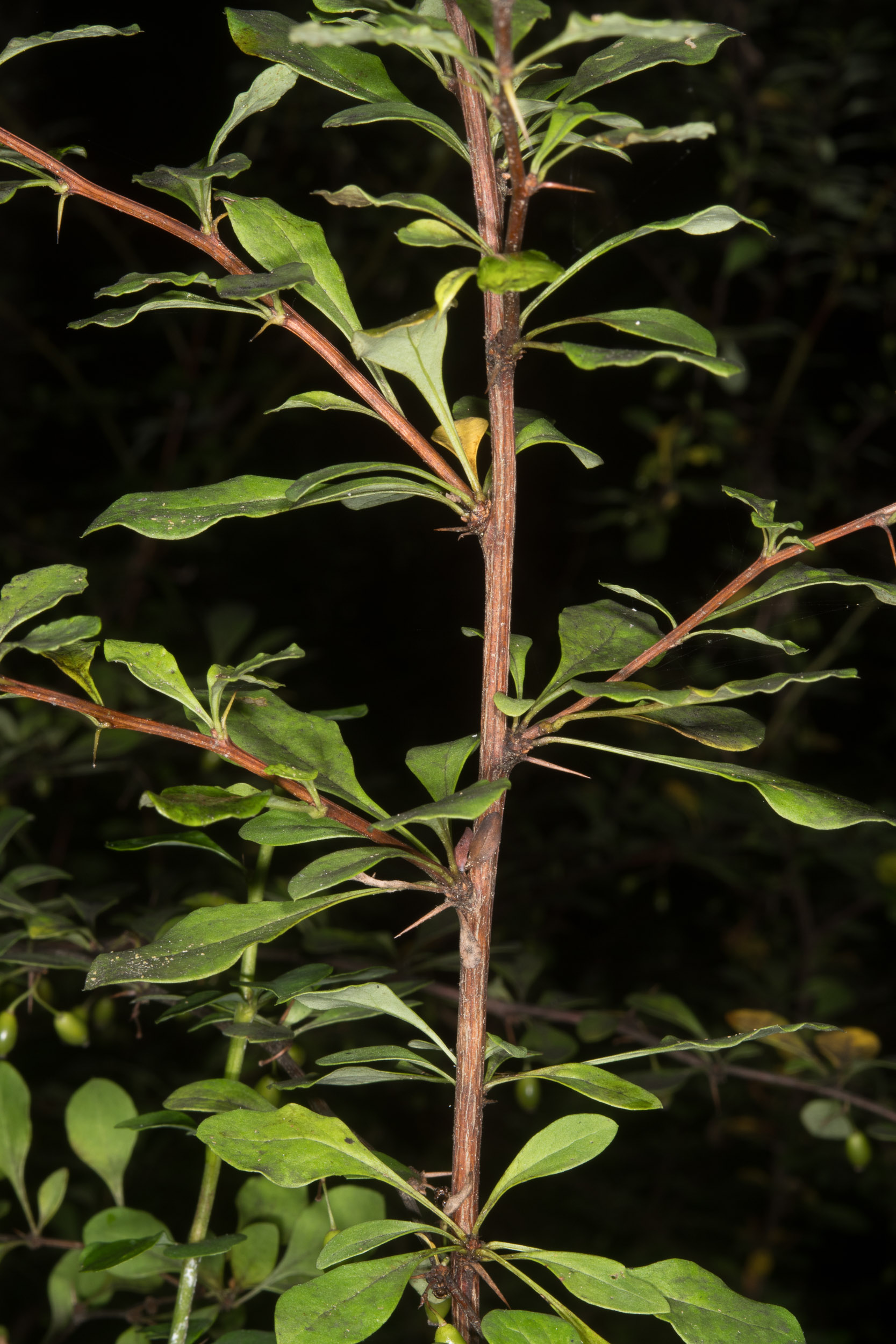
7/23/2017 · Pine Grove Furnace State Park, Pennsylvania · ≈ 5 × 8″ (13 × 20 cm) 

4/21/2021 · Center Pond Preserve, Phippsburg, Maine · ≈ 5 × 3″ (12 × 8.4 cm) 
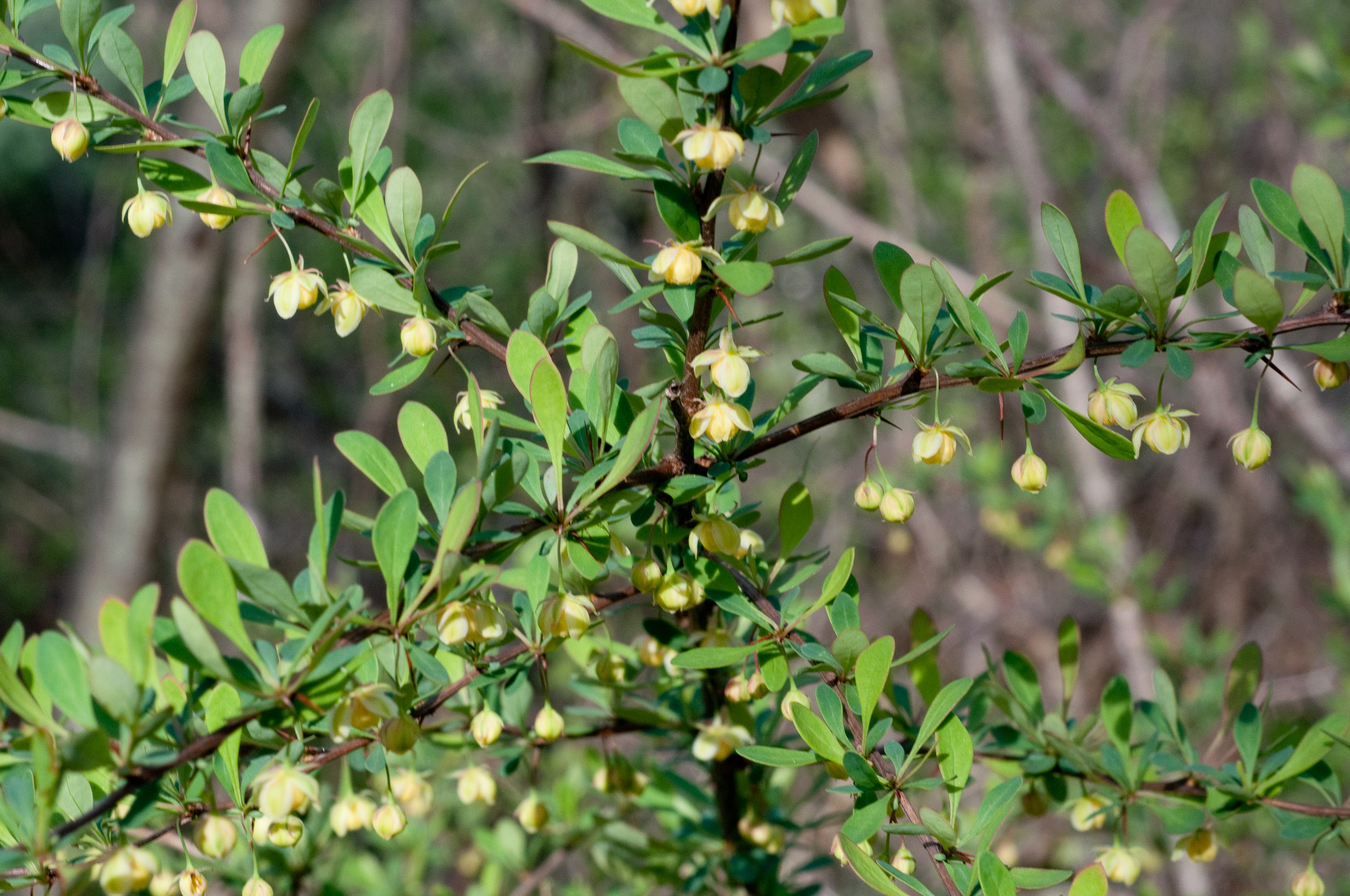
4/21/2010 · Nashua River Rail Trail, Groton Center, Groton, Massachusetts · ≈ 9 × 6″ (22 × 14 cm) ID is uncertain 
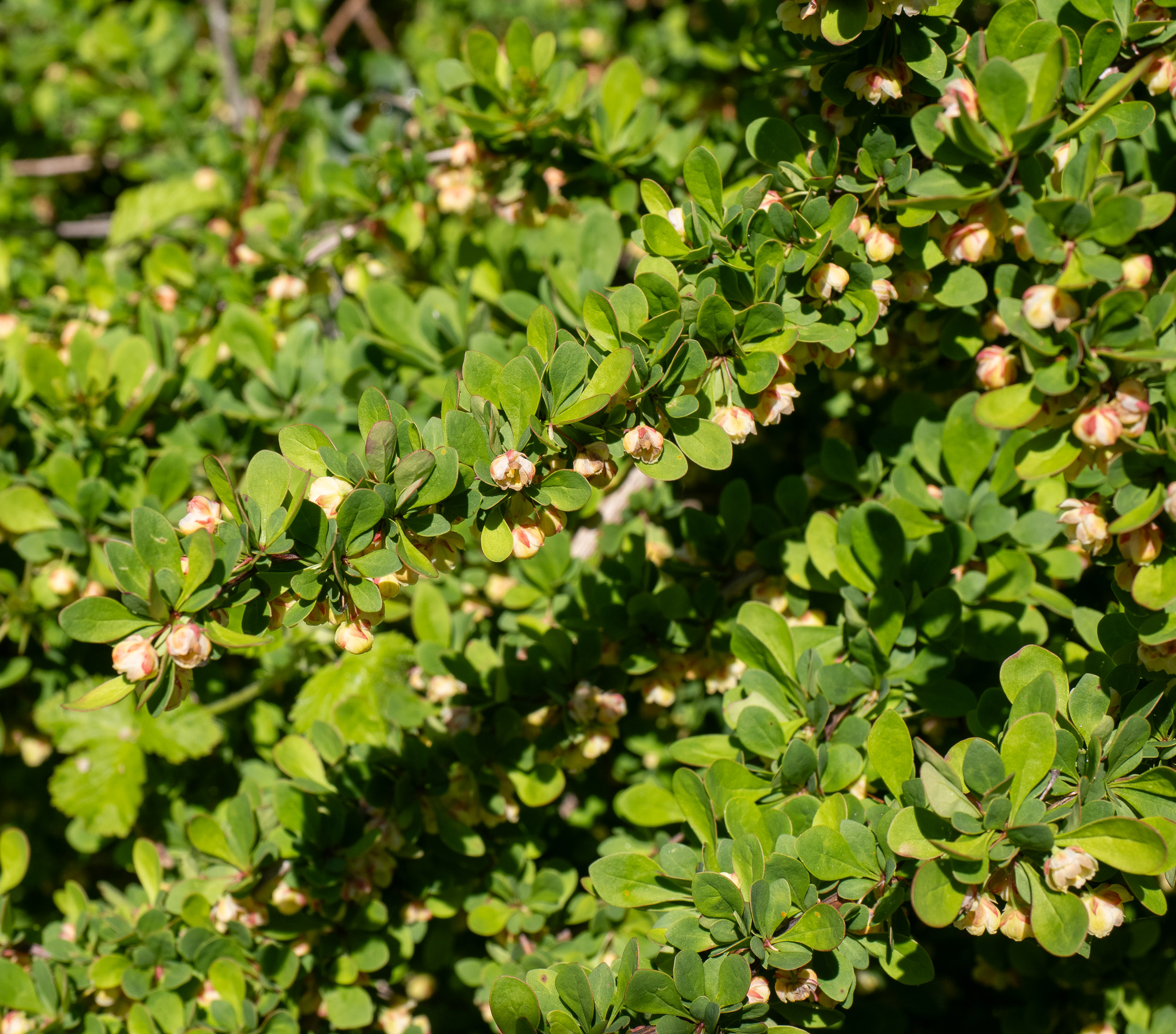
5/24/2024 · Monhegan Island, Maine 
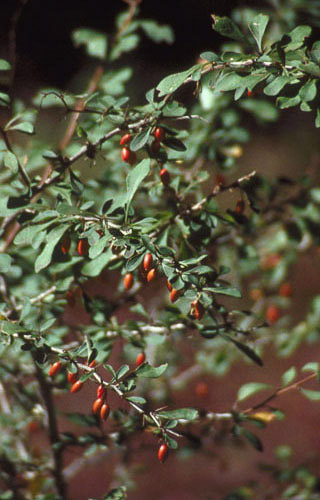
1/5/2026 · By Jacquelyn Boyt 
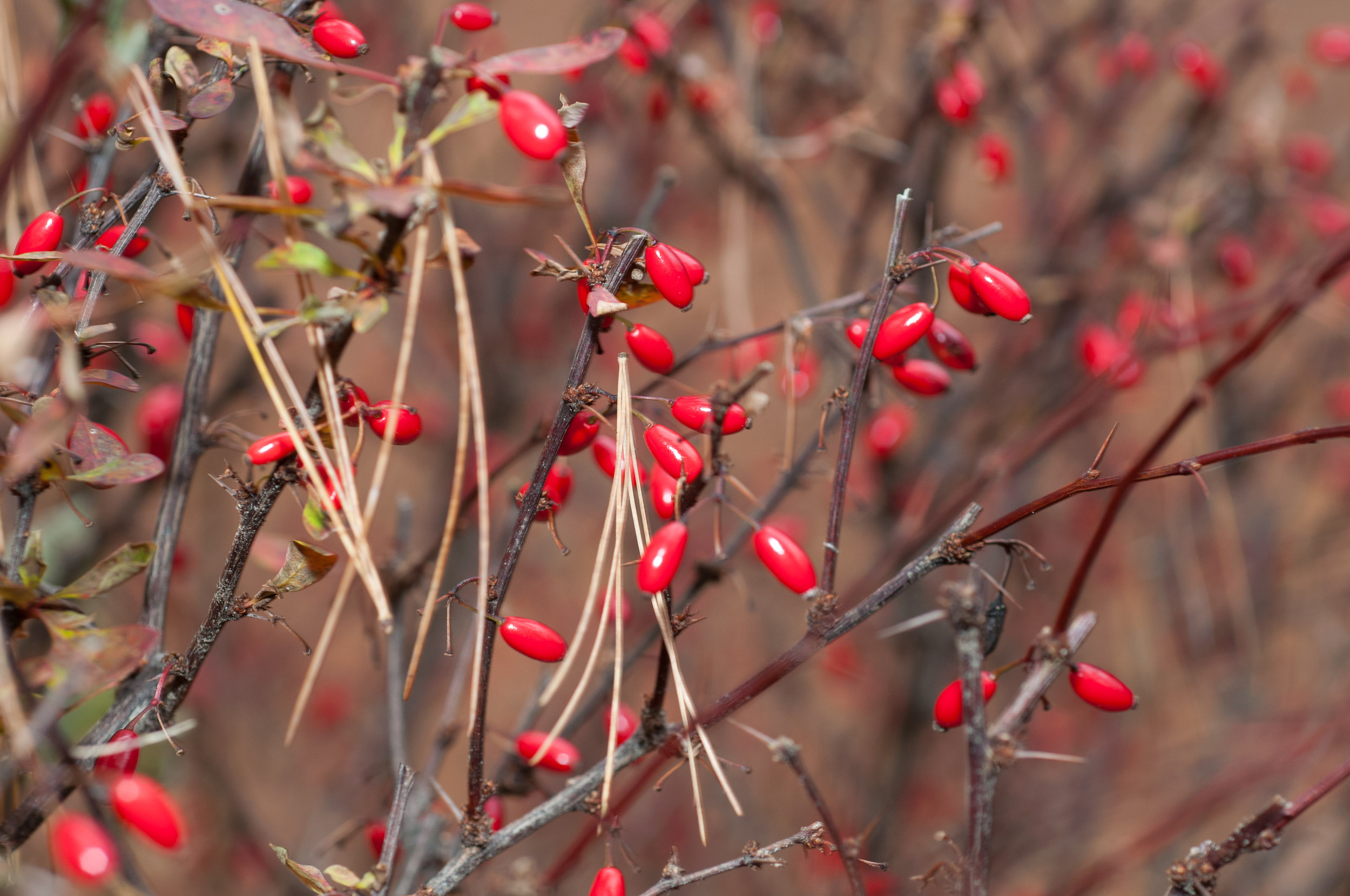
10/23/2009 · Pearl Hill State Park, Townsend, Massachusetts · ≈ 9 × 6″ (22 × 14 cm) ID is uncertain 
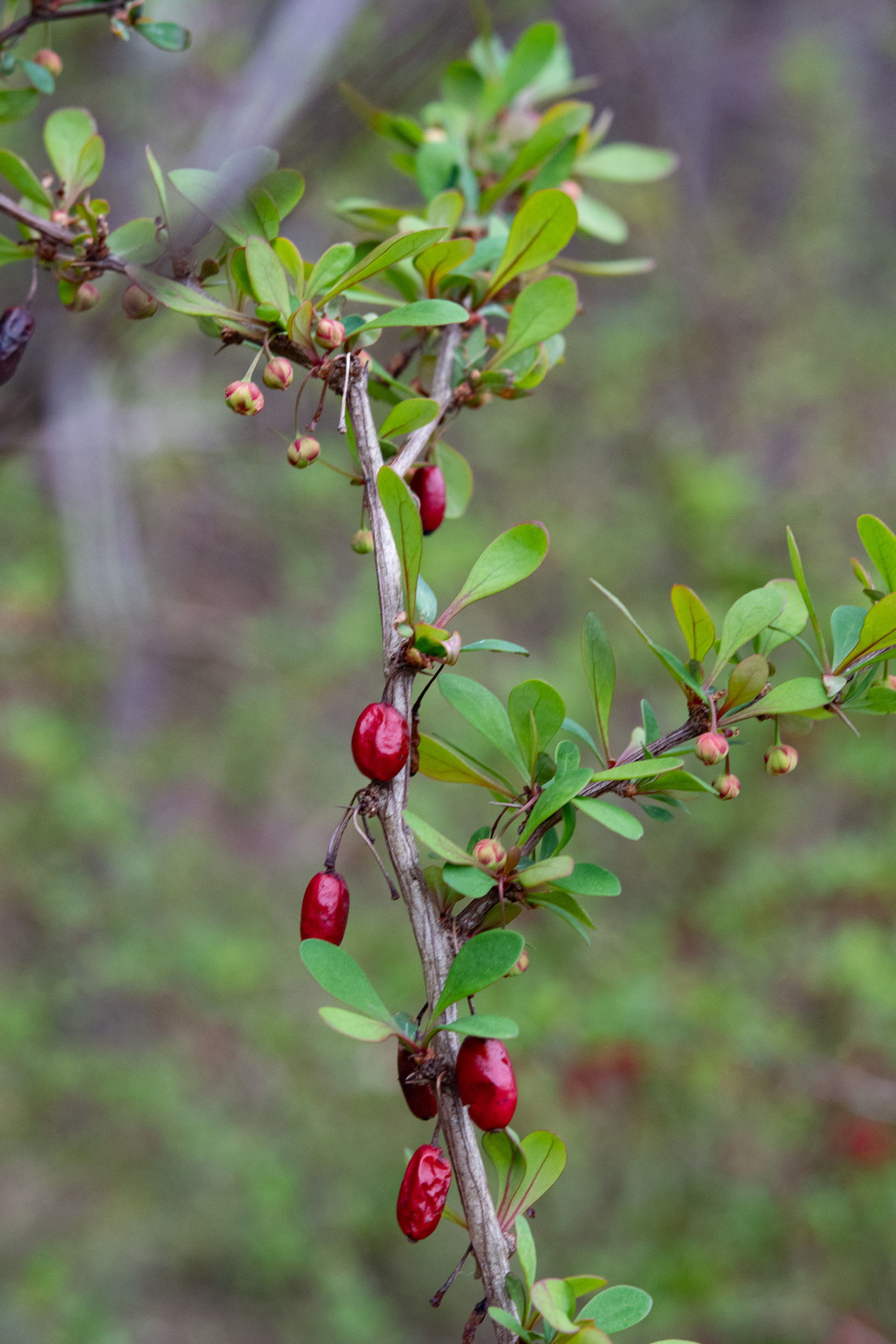
5/1/2016 · Keyes Conservation Area, Pepperell, Massachusetts · ≈ 5 × 8″ (13 × 20 cm) 
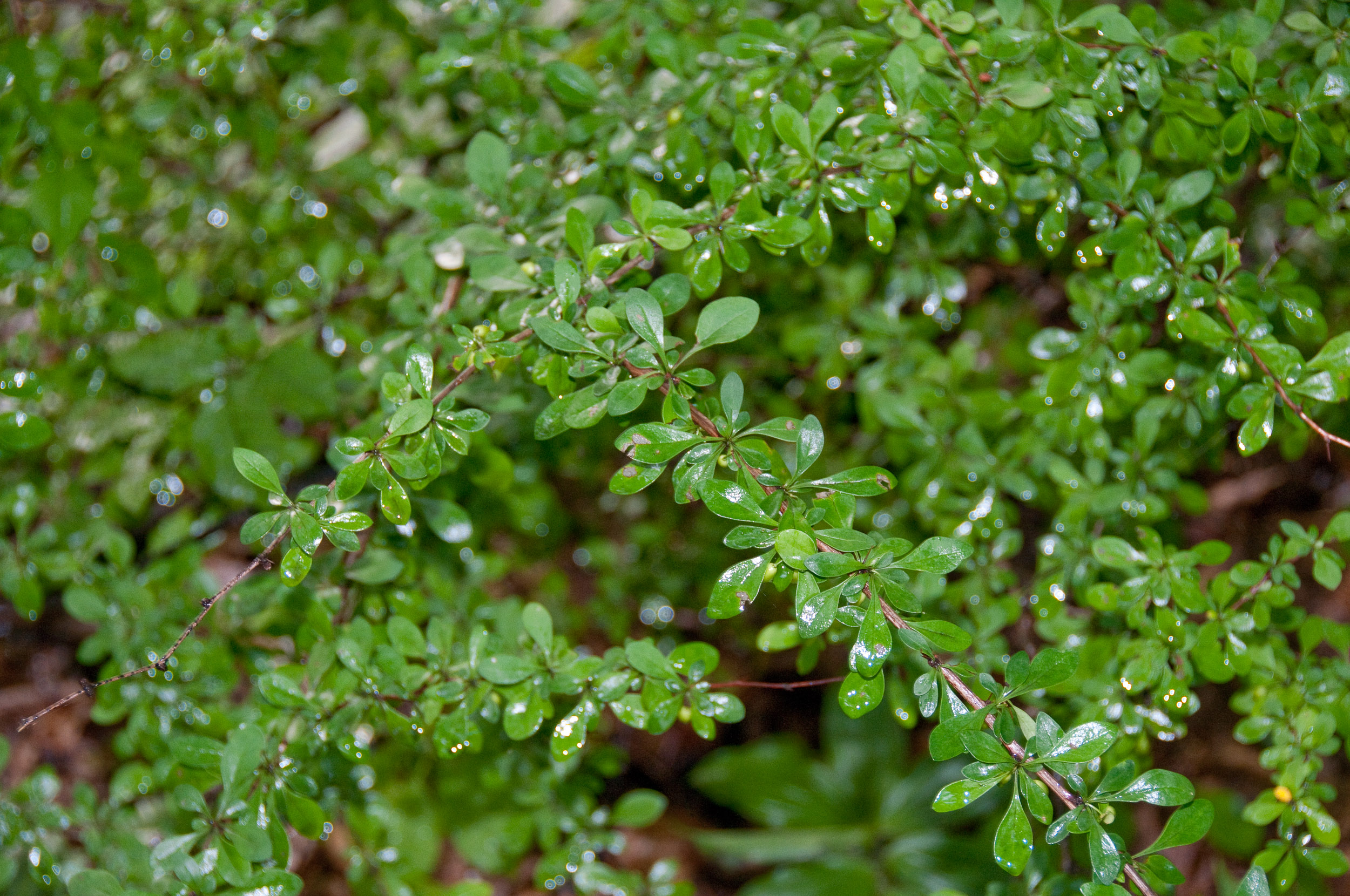
7/27/2009 · Nashua River Rail Trail, Groton, Massachusetts · ≈ 15 × 10″ (37 × 25 cm) ID is uncertain 
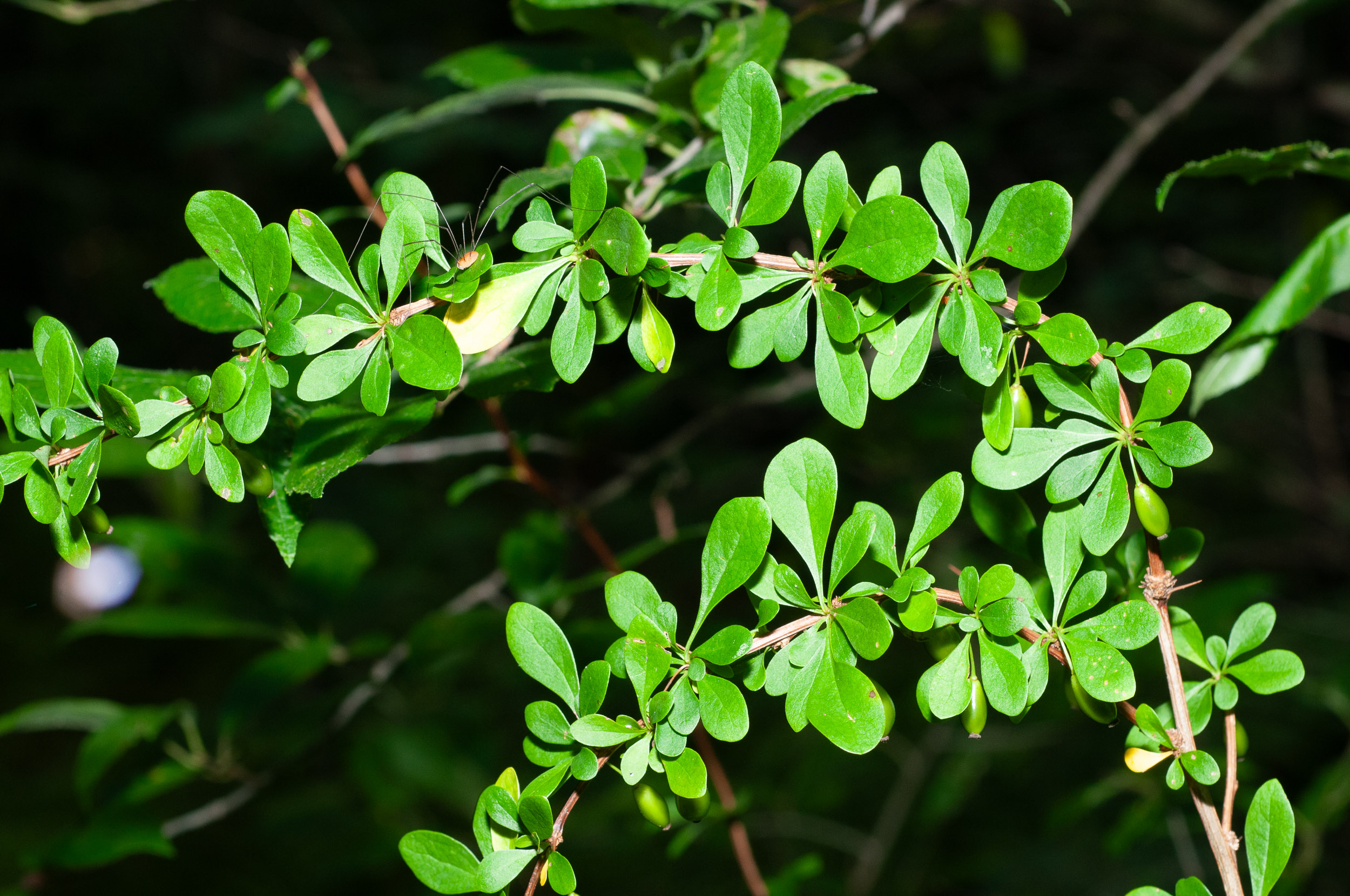
8/20/2009 · Hayes Woods Nature Trail, Shirley St., Pepperell, Massachusetts · ≈ 9 × 6″ (23 × 15 cm) ID is uncertain 

10/3/2010 · Tarkill Interpretive Trail, Rte 402, Poconos, Peck’s Pond, Pennsylvania · ≈ 14 × 9″ (35 × 23 cm) ID is uncertain 
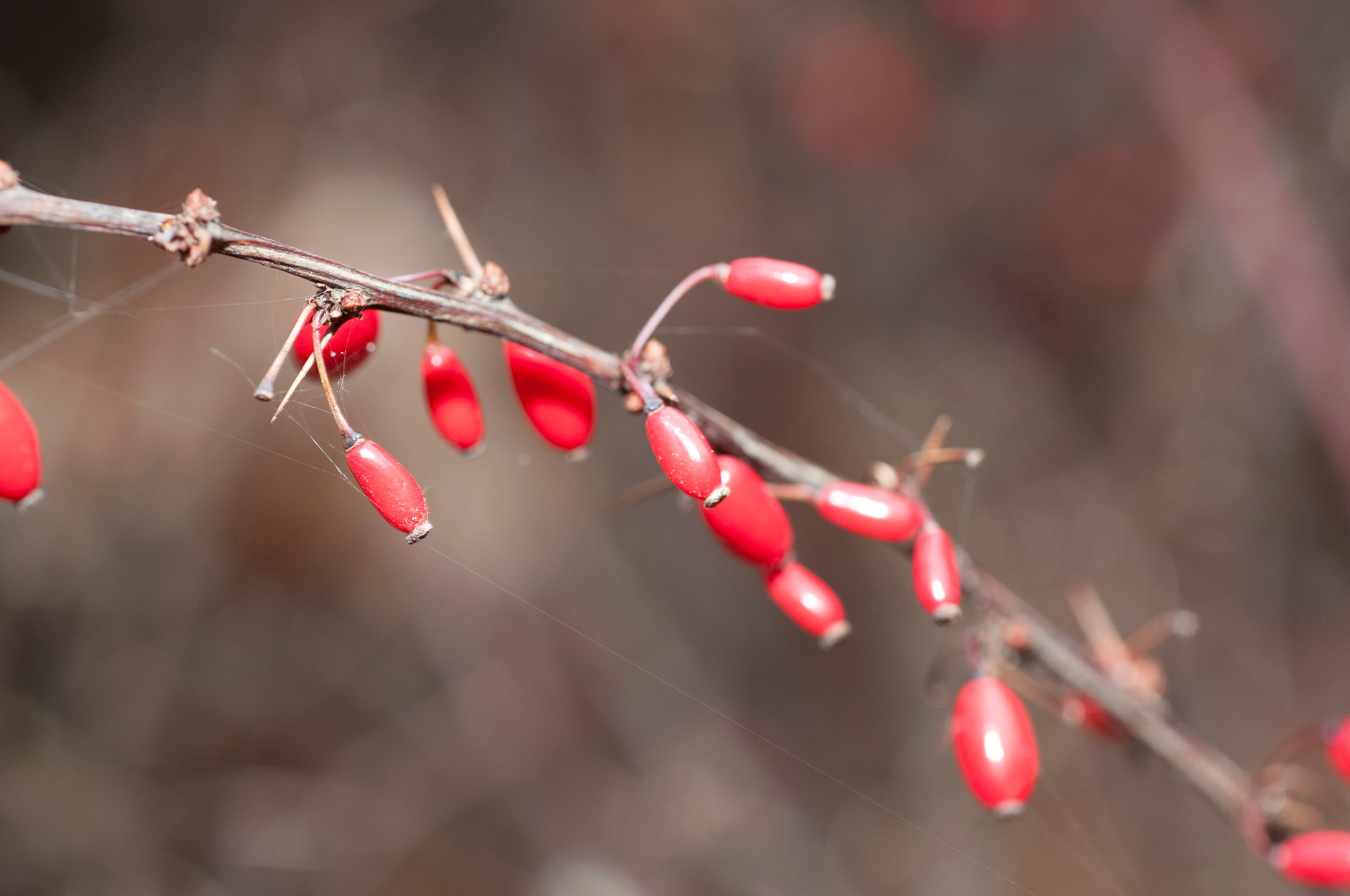
10/23/2009 · Pearl Hill State Park, Townsend, Massachusetts · ≈ 5 × 3½″ (13 × 9.2 cm) ID is uncertain 

5/24/2024 · Monhegan Island, Maine 
| Kingdom | Plantae | Plants, but not fungi, lichens, or algae (from Stearn's Botanical Latin) |
| Subkingdom | Tracheobionta | Vascular plants—plants with a “circulatory system” for delivering water and nutrients |
| Division | Magnoliophyta | Flowering plants, also known as angiosperms |
| Class | Magnoliopsida | Dicotyledons—plants with two initial seed leaves |
| Subclass | Magnoliidae | Includes magnolias, nutmeg, bay laurel, cinnamon, avocado, black pepper, and many others |
| Order | Ranunculales | Basal (evolved earlier) eudicots, also called “true dicots” |
| Family | Berberidaceae | Barberry family |
| Genus | Berberis | The Latinized form of the Arabic name for this fruit |
| Species | thunbergii | For Swedish naturalist Carl Peter Thundberg, apostle of Linnaeus |
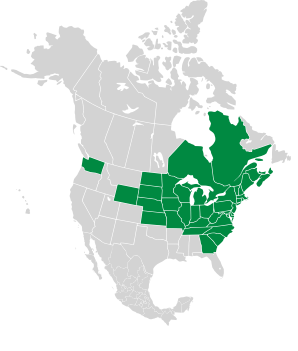
Berberis thunbergii description by Thomas H. Kent, not updated.

© FloraFinder.org. All rights reserved.