Arisaema triphyllum (L.) Schott
Jack-in-the-pulpit, bog onion, brown dragon, Indian turnip, wake robin, wild turnip, jack-in-the-pulput
Jack-in-the-pulpits are herbaceous perennials native to eastern and southern North America. The flowers on this plant are small, in the form of a spadix, a small column with tiny flowers. They are covered by a hood, from which the name is derived.
Plants: 1–2½′ (38–76 cm) high.
Leaves: There are two leaves, each divided into three lobes.
Flowers: The flower spike, or spadix, can be several inches in length, and is maroon-colored. It is partially covered by a leafy bract, or spathe, with zebra-like stripes on the inside. The spadix is the “Jack” and the spathe is the “pulpit.” The actual flowers are small and inconspicuous, appearing in April to May. The hood (called the spadix) has zebra-like stripes on the inside.
Fruits: The flowers turn to a dense mass of berries that become bright red in the fall.
Habitats: Forest or natural areas, in moist woods, along creeks.
Edibility: Poisonous.  Jack-in-the-pulpit contains calcium oxalate
and asparagine. The former causes a burning sensation. A few American Indian cultures may have
processed this plant to remove its toxins and consumed it, though.
Jack-in-the-pulpit contains calcium oxalate
and asparagine. The former causes a burning sensation. A few American Indian cultures may have
processed this plant to remove its toxins and consumed it, though.
 |
Similar species. |
Online References:

7/7/2026 · Butler Head Preserve, Bath, Maine 
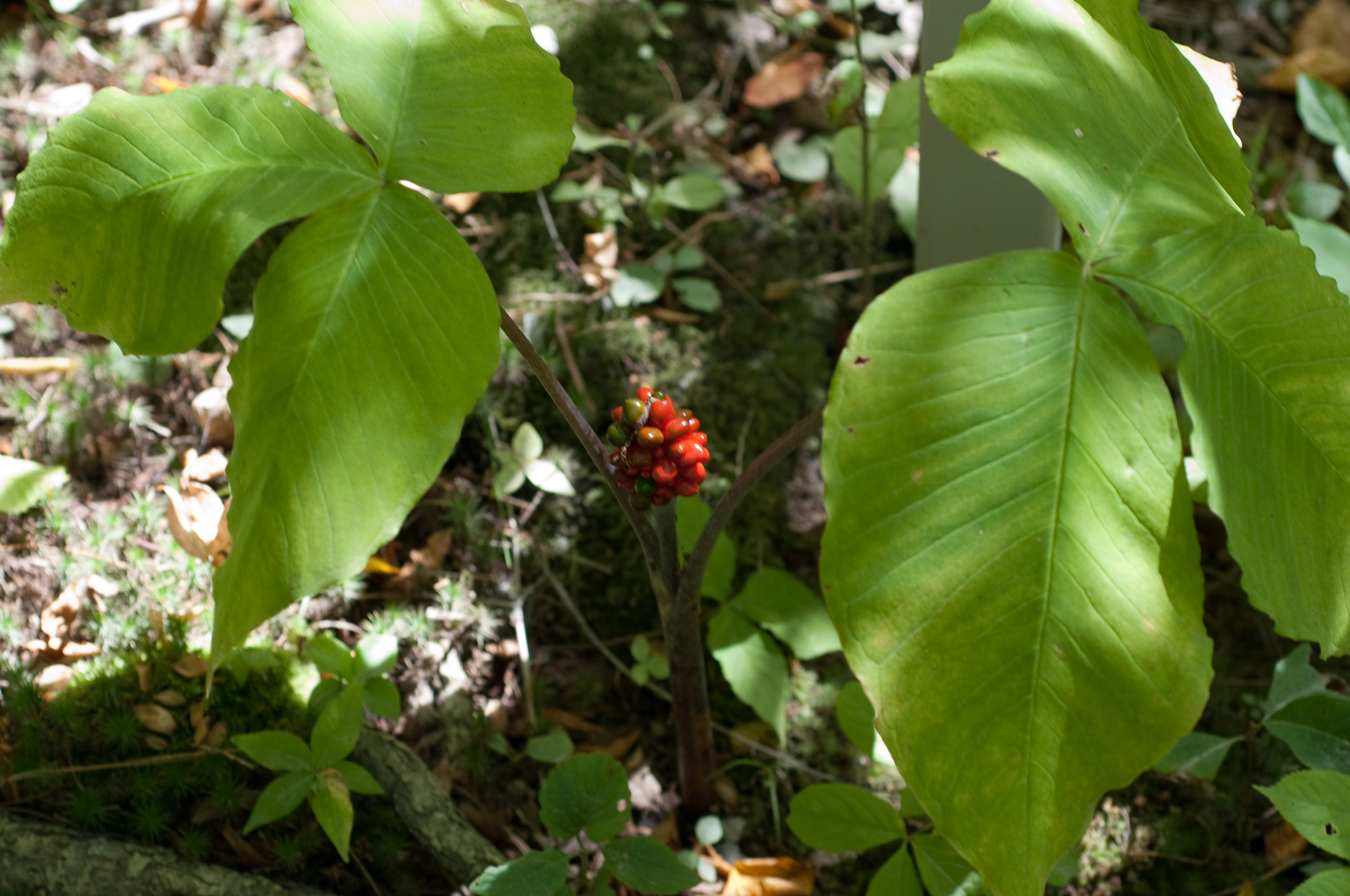
9/20/2009 · Wild Gardens of Acadia, Acadia National Park, Bar Harbor, Maine · ≈ 17 × 12″ (44 × 29 cm) 
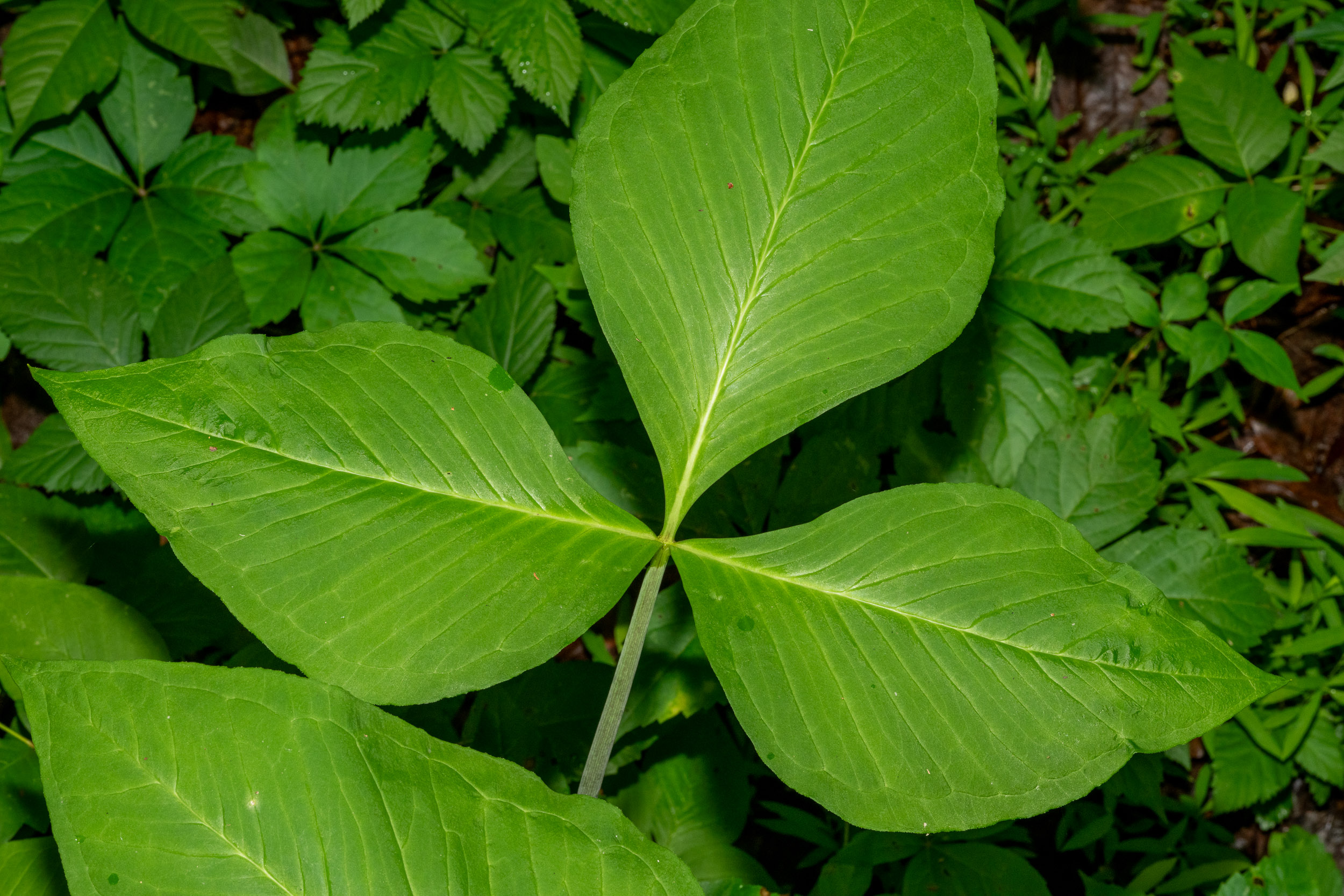
5/24/2026 · Mid-Lothian Mines Park, Midlothian, Virginia · ≈ 16 × 11″ (40 × 27 cm) 
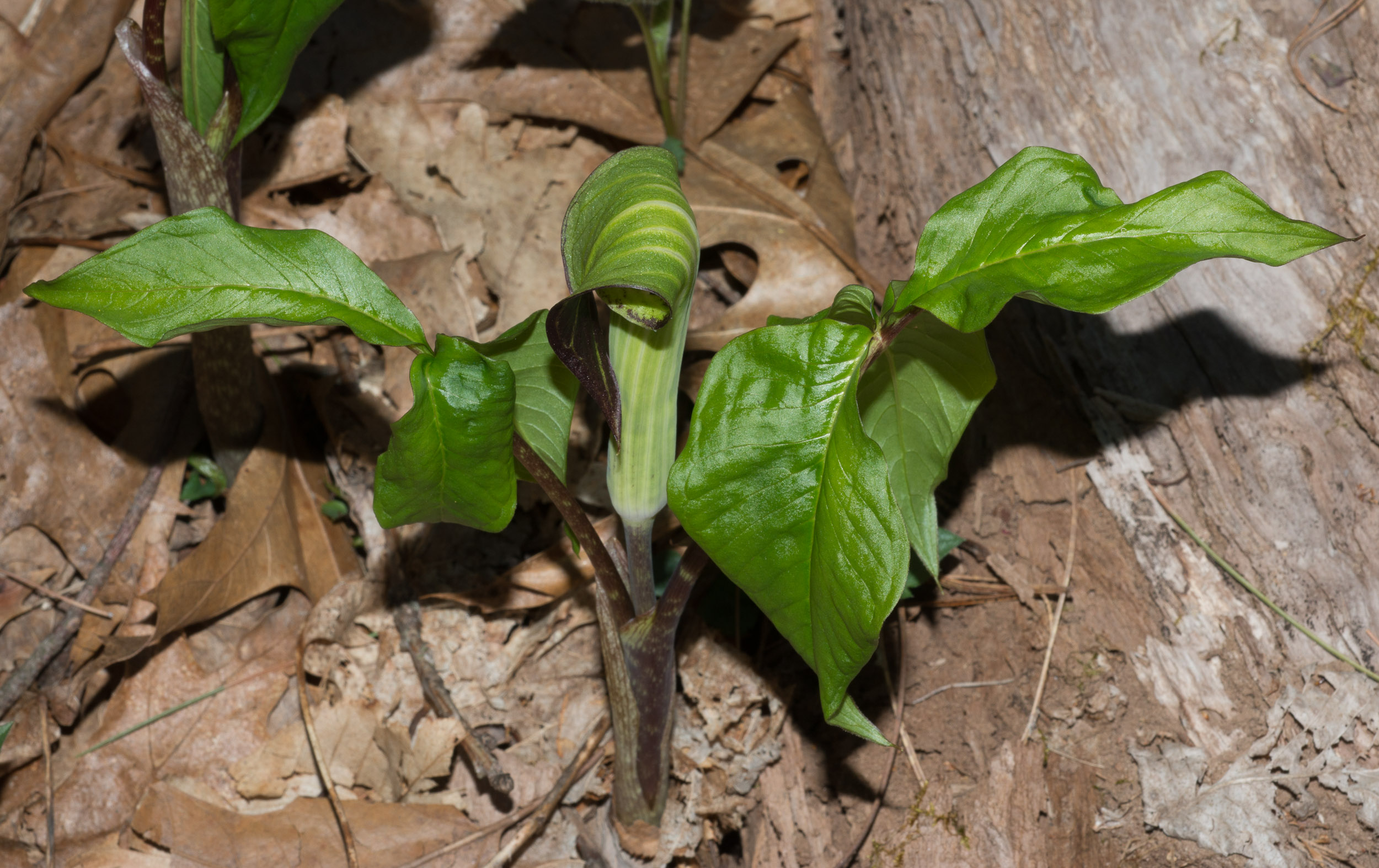
5/2/2013 · Beaver Brook Conservation Area, Hollis, New Hampshire · ≈ 11 × 7″ (26 × 16 cm) 

7/7/2026 · Butler Head Preserve, Bath, Maine · ≈ 6 × 9″ (15 × 22 cm) 
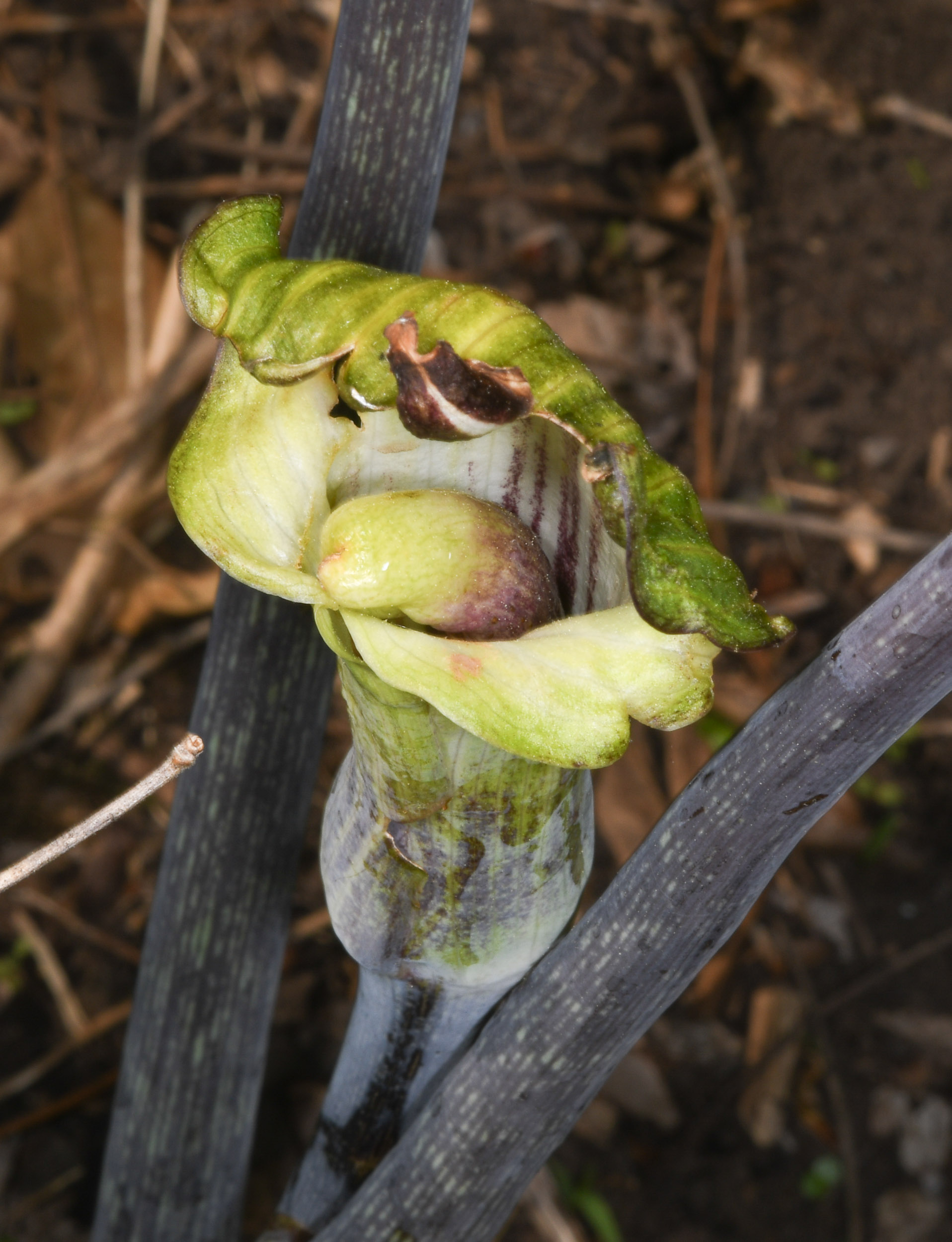
Normally, the top portion (spadix) is longer, hiding the spathe within. Something isn’t quite right with this plant, so we can peek inside. · 5/27/2016 · Acton Arboretum, Acton, Massachusetts 

7/7/2026 · Butler Head Preserve, Bath, Maine 

6/27/2025 · Butler Head Preserve, Bath, Maine · ≈ 1½ × 1½′ (50 × 46 cm) 

10/2/2010 · Raymondskill Falls, Delaware Water Gap National Recr, Pennsylvania · ≈ 6 × 4″ (14 × 10 cm) 
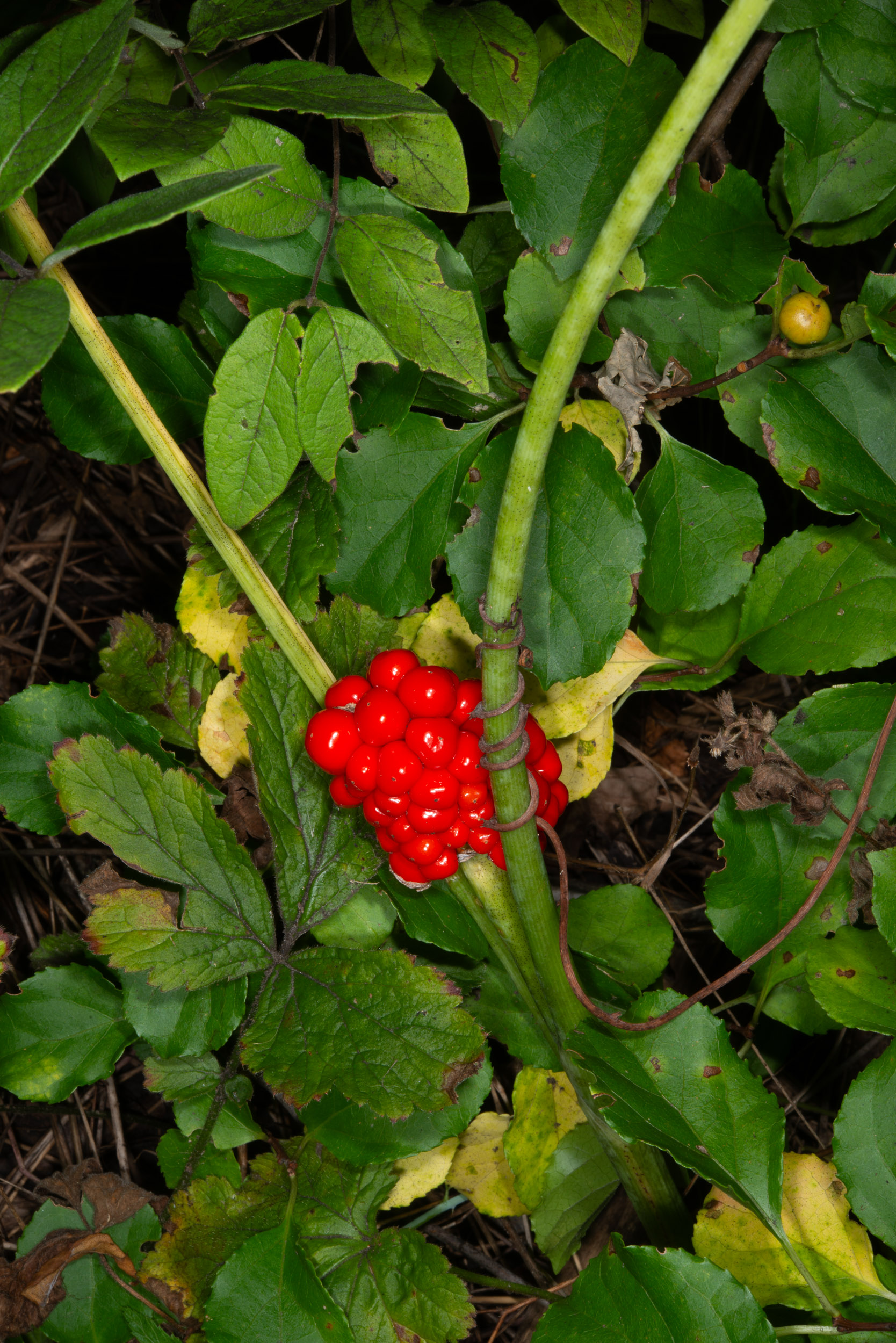
9/10/2014 · Acton Arboretum, Acton, Massachusetts · ≈ 7 × 11″ (18 × 28 cm) 
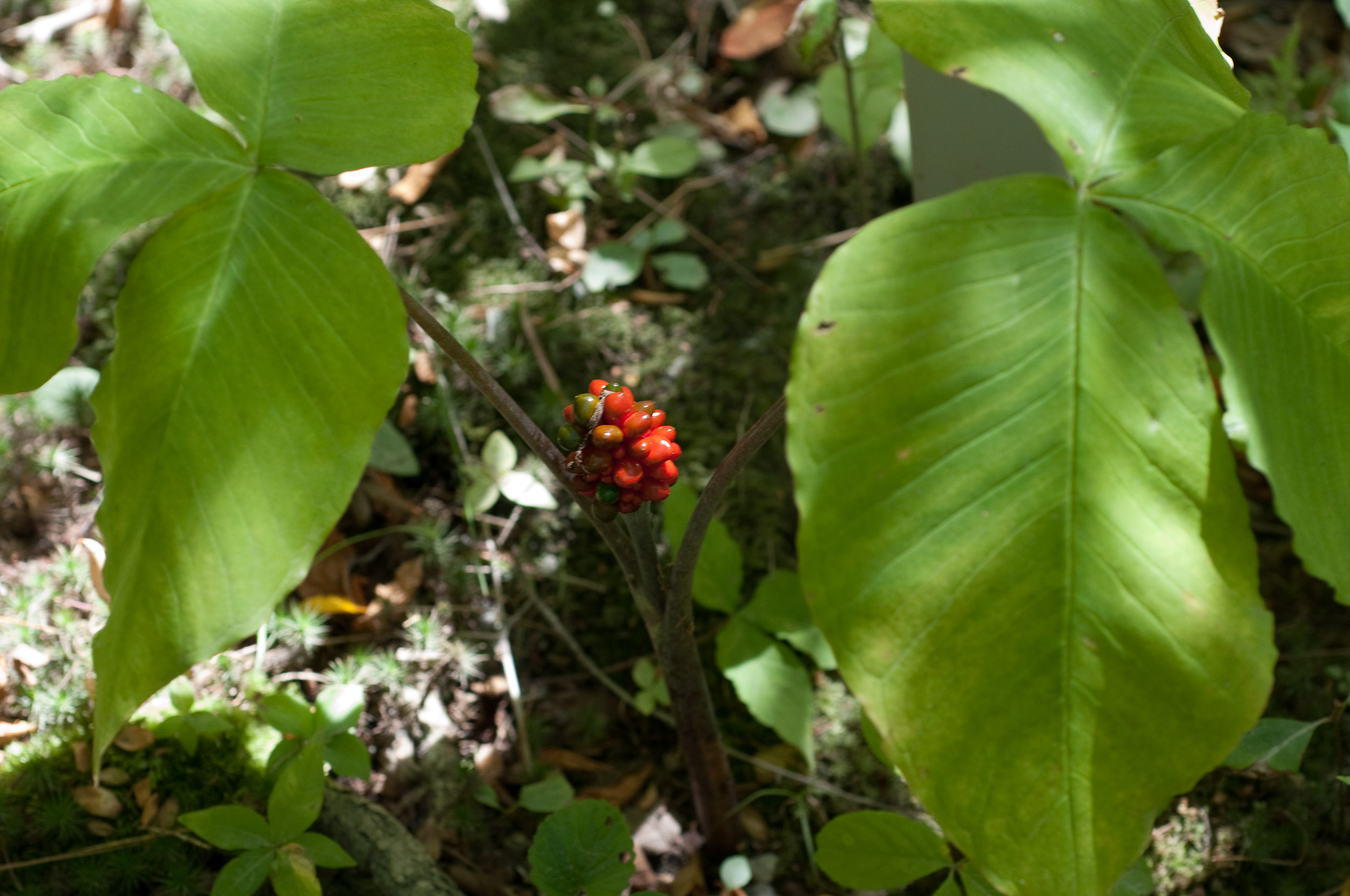
9/20/2009 · Wild Gardens of Acadia, Acadia National Park, Bar Harbor, Maine · ≈ 17 × 12″ (44 × 29 cm) 
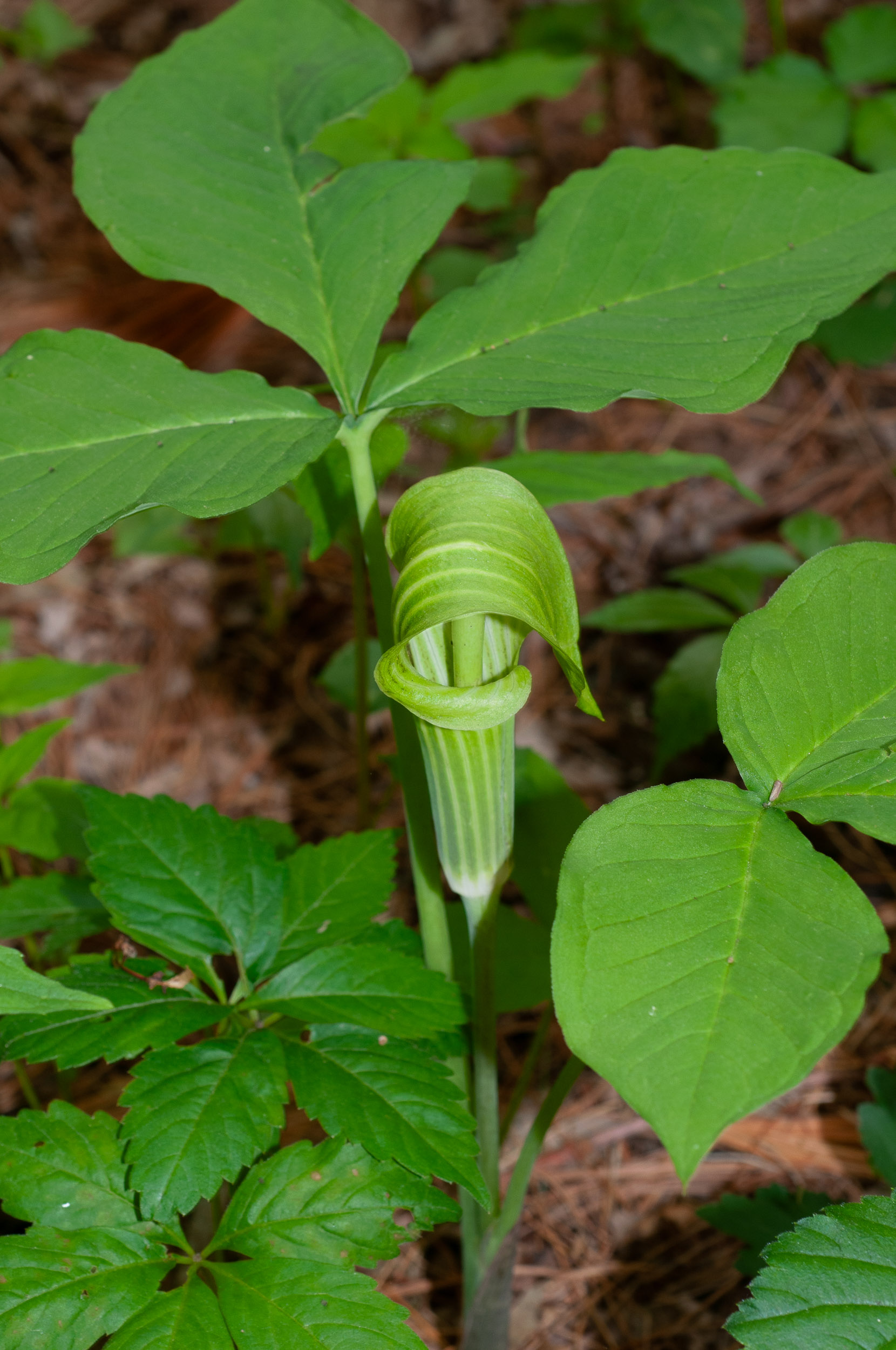
5/14/2012 · Acton Arboretum, Acton, Massachusetts · ≈ 7 × 11″ (18 × 27 cm) 
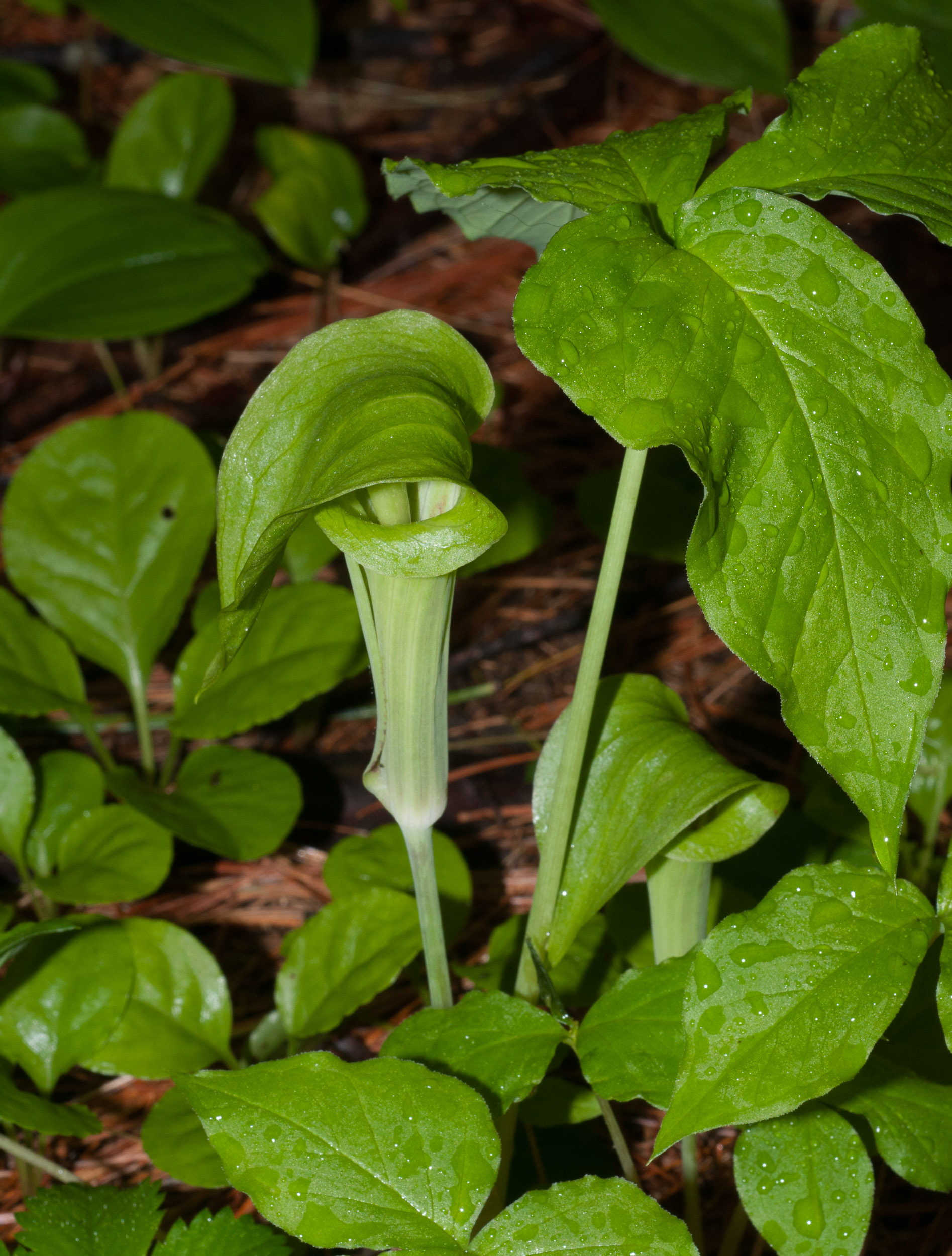
5/14/2010 · Beaver Brook Conservation Area, Hollis, New Hampshire · ≈ 5 × 7″ (13 × 17 cm) 

9/5/2025 · Off Rte 24, Gardiner, Maine · ≈ 4½ × 4″ (11 × 10 cm) 
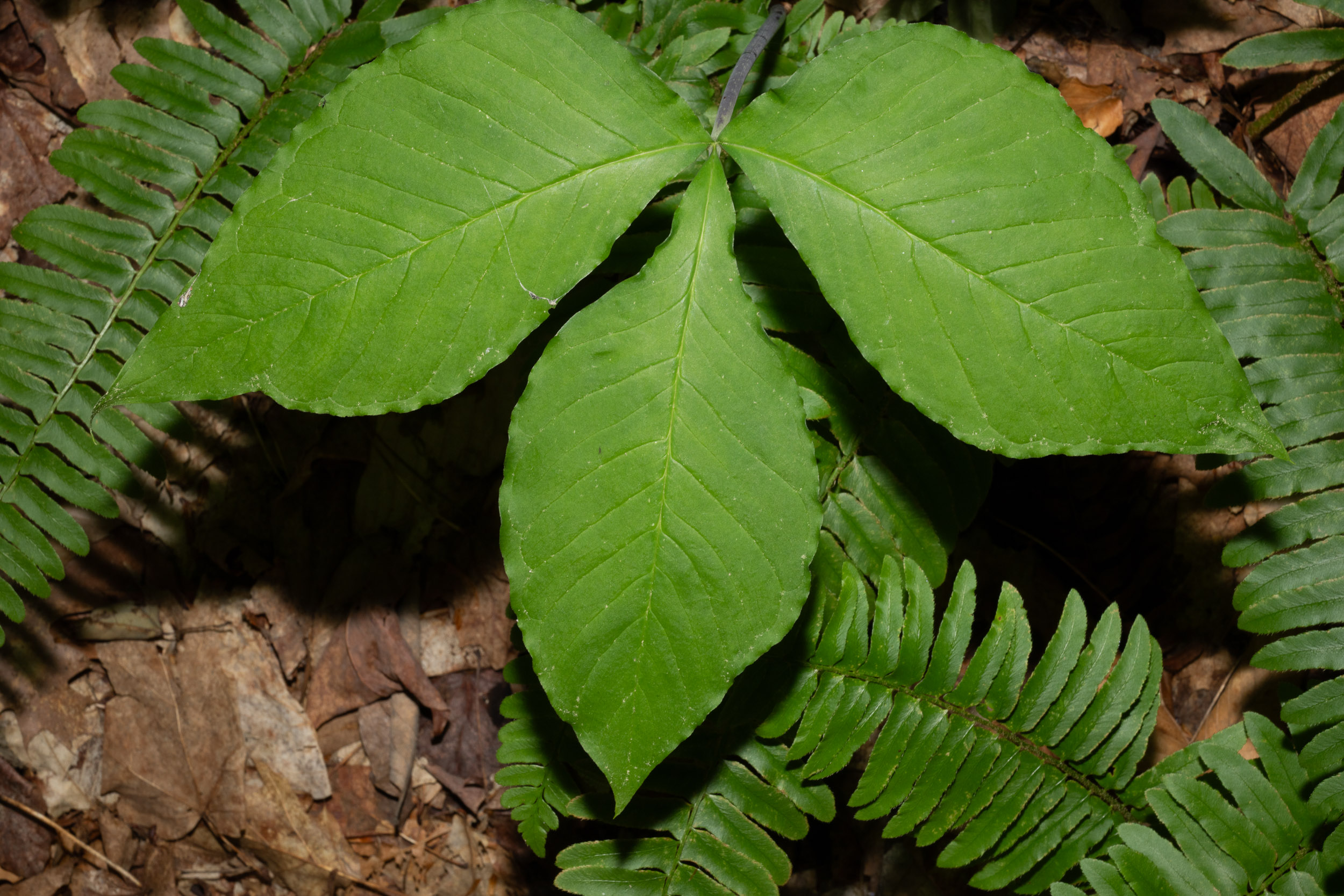
6/30/2025 · Buck's Ledge Community Forest, Bethel, Maine · ≈ 14 × 10″ (36 × 24 cm) 

5/22/2010 · Garden in the Woods, Framingham, Massachusetts  ID is uncertain
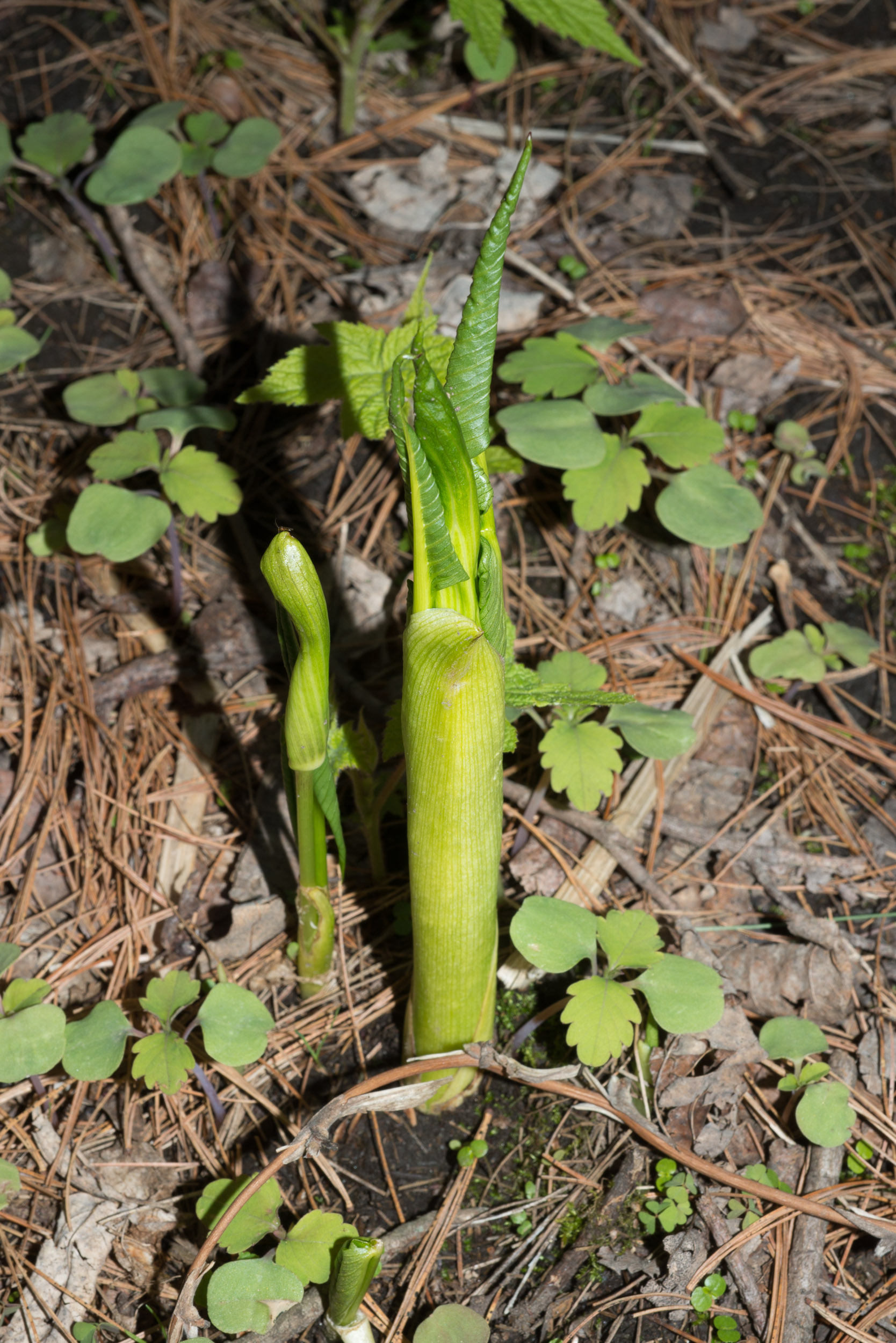
4/30/2013 · Acton Arboretum, Acton, Massachusetts · ≈ 7 × 11″ (17 × 26 cm) ID is uncertain 

5/28/2015 · Bates Land and Blackman Land, Groton Conservation Trust, Groton, Massachusetts · ≈ 8 × 12″ (21 × 31 cm) 
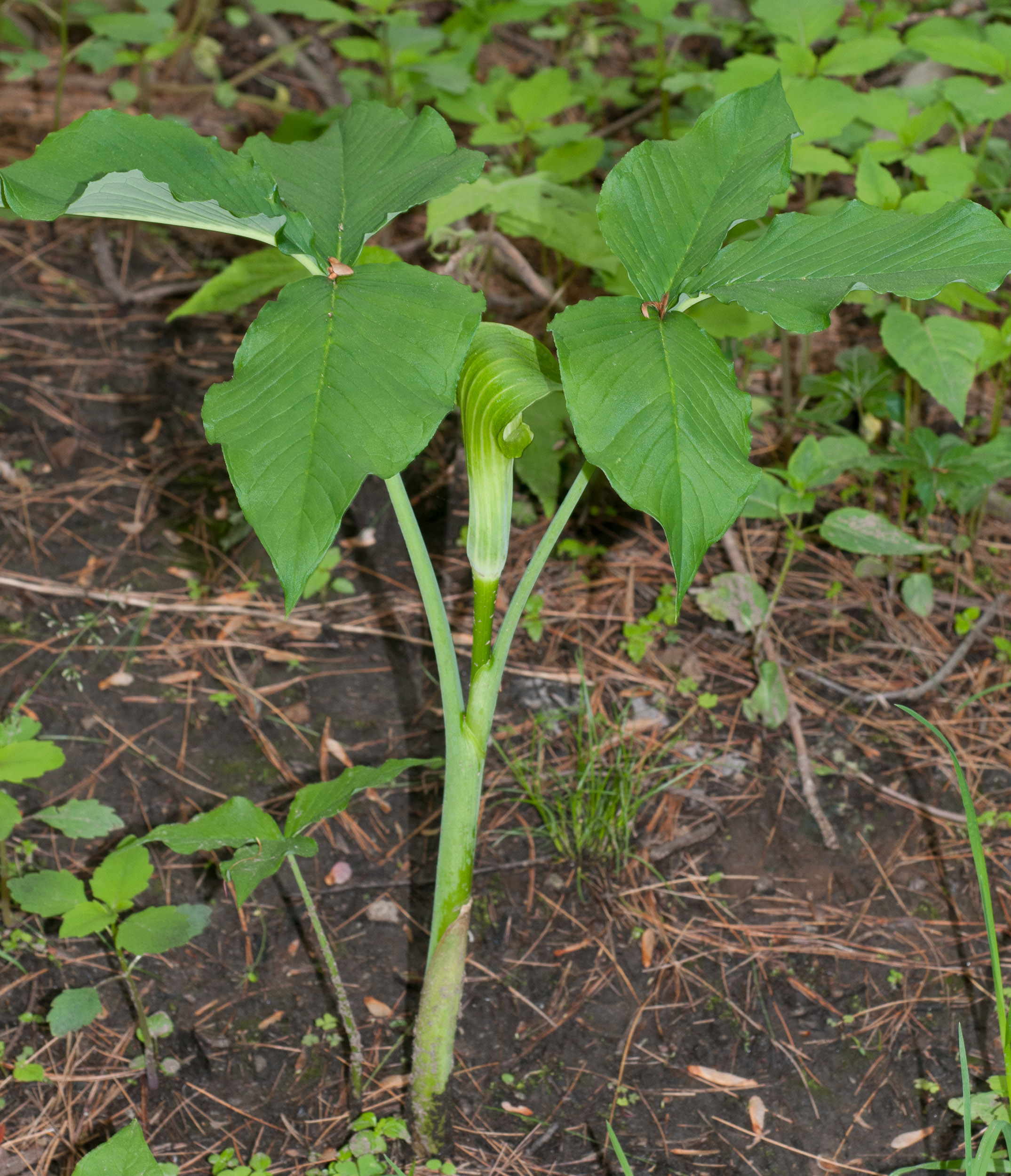
5/14/2012 · Acton Arboretum, Acton, Massachusetts · ≈ 1 × 1′ (34 × 40 cm) 

5/28/2015 · Bates Land and Blackman Land, Groton Conservation Trust, Groton, Massachusetts · ≈ 15 × 10″ (37 × 25 cm) 

5/27/2016 · Acton Arboretum, Acton, Massachusetts · ≈ 8 × 12″ (20 × 31 cm) 

5/15/2010 · Garden in the Woods, Framingham, Massachusetts · ≈ 10 × 12″ (26 × 31 cm) 
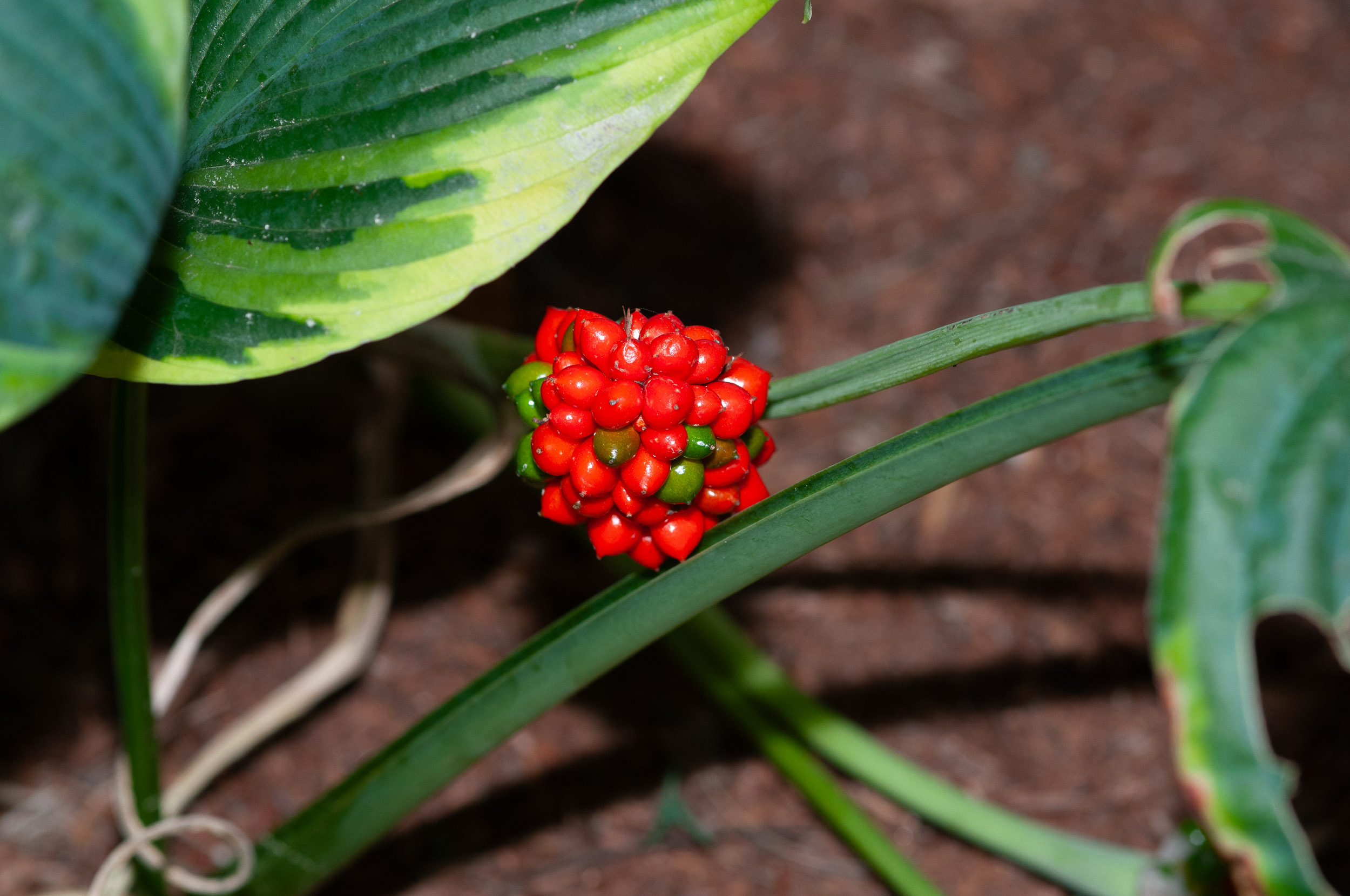
8/8/2010 · Rod and Ellen’s, Westford, Massachusetts · ≈ 9 × 6″ (22 × 15 cm) 
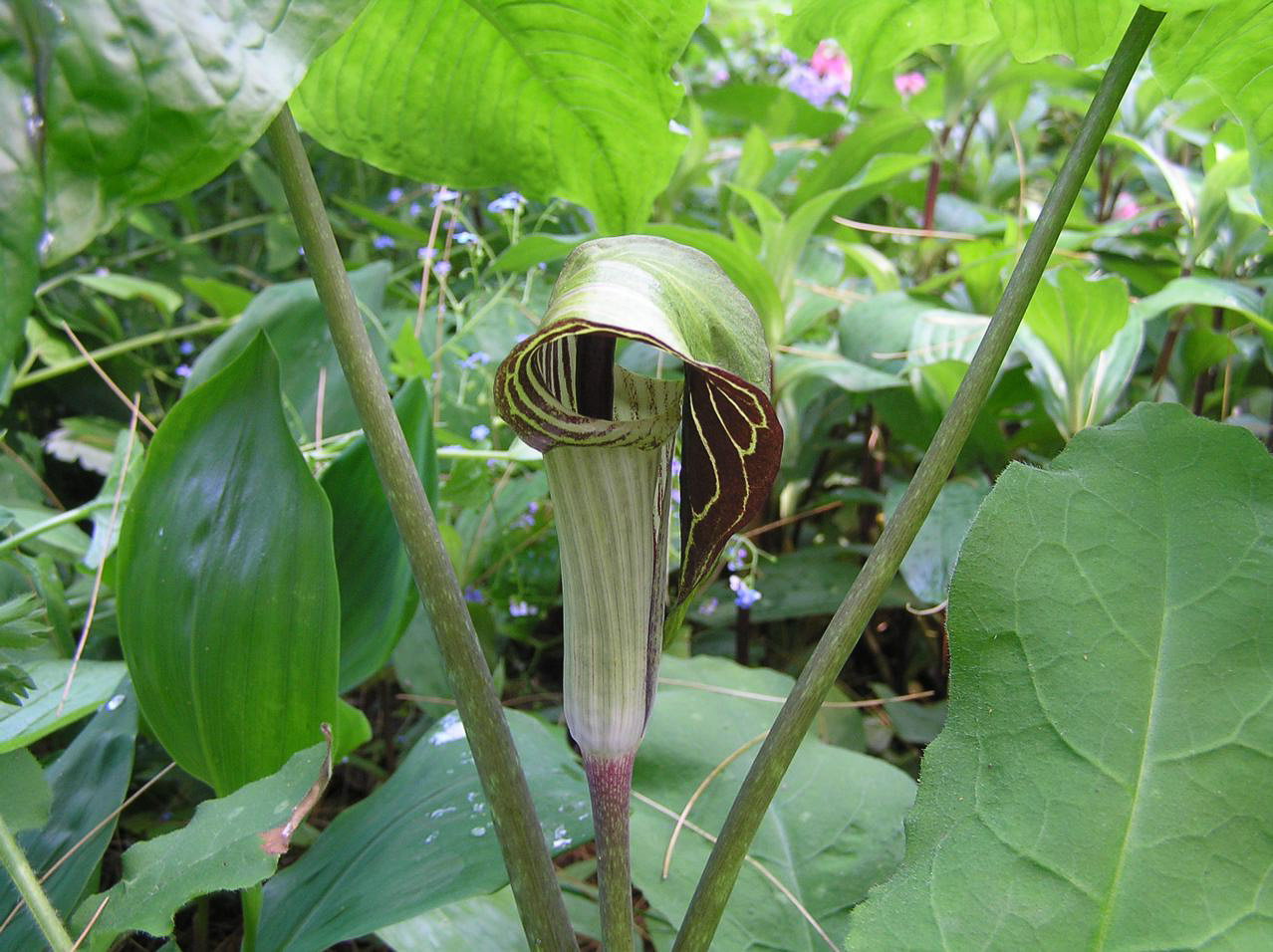
6/5/2007 · Stan and Connie’s, Falmouth, Maine · By Constance B. Kent 
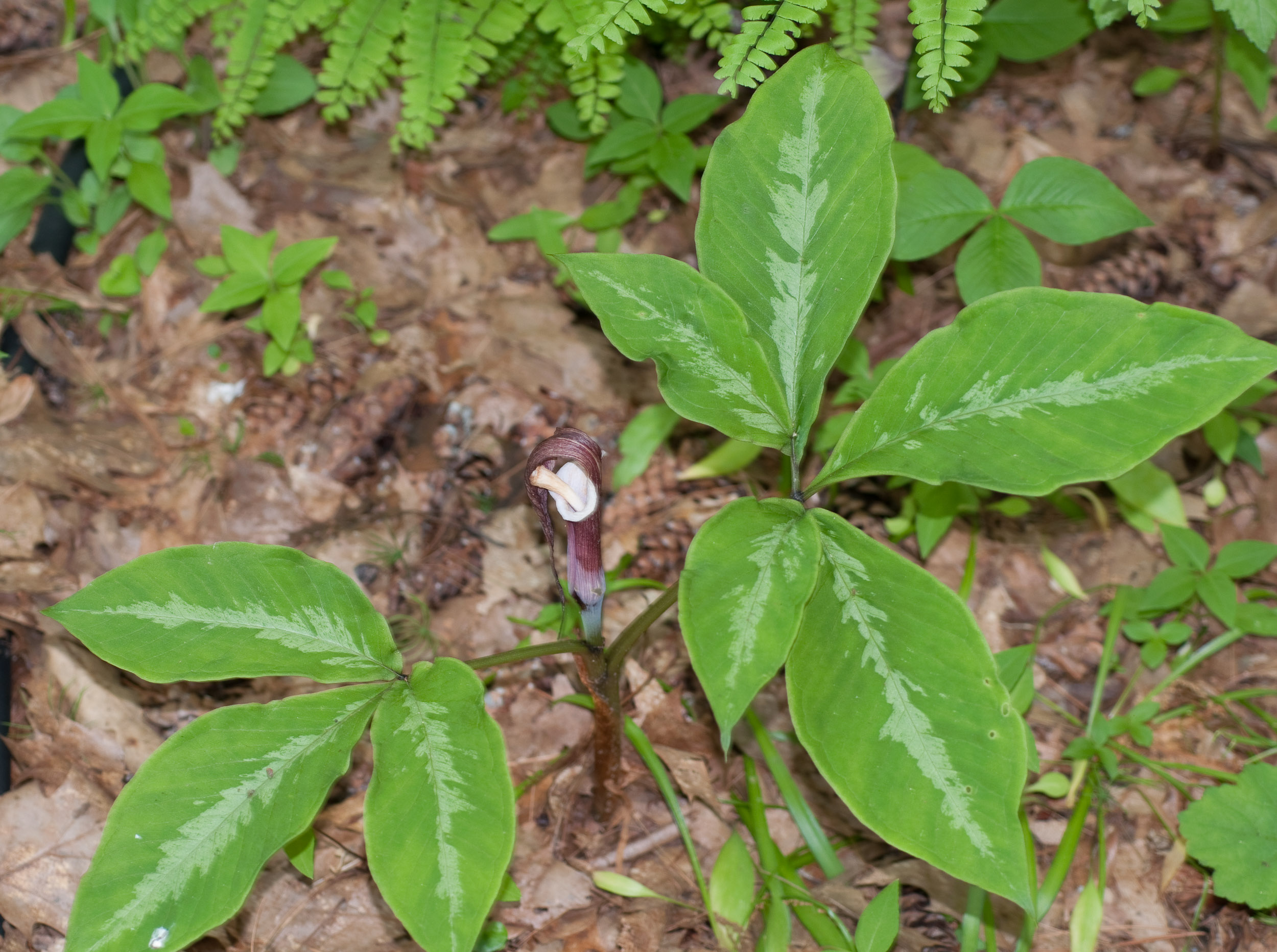
5/22/2010 · Garden in the Woods, Framingham, Massachusetts · ≈ 1½ × 1′ (55 × 41 cm) ID is uncertain 
| Kingdom | Plantae | Plants, but not fungi, lichens, or algae (from Stearn's Botanical Latin) |
| Subkingdom | Tracheobionta | Vascular plants—plants with a “circulatory system” for delivering water and nutrients |
| Division | Magnoliophyta | Flowering plants, also known as angiosperms |
| Class | Liliopsida | Monocots (plants with a single seed leaf); includes the lily family |
| Subclass | Alismatidae | Aquatic and marshy plants |
| Order | Alismatales | Herbaceous flowering plants found in marshy habitats |
| Family | Araceae | Arum family, with plants whose flower is enclosed in a spathe |
| Genus | Arisaema | Greek aris, a kind of arum, and haema, for “blood” |
| Species | triphyllum | Three-leaved |
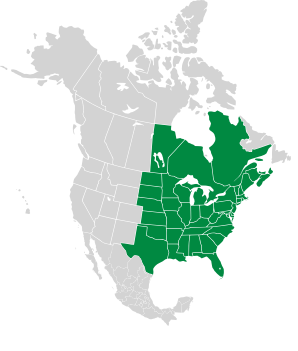
Arisaema triphyllum description by Thomas H. Kent, not updated.

© FloraFinder.org. All rights reserved.