Alliaria officinalis Andrz. ex M. Bieb.
Erysimum alliaria L.
Sisymbrium alliaria (L.) Scop.
Alliaria petiolata (M. Bieb.) Cavara & Grande
Garlic mustard
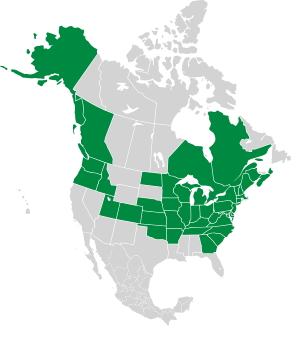
Garlic mustard is native to Europe, Asia, northwestern Africa, and parts of India and China. “Garlic mustard” is so-called because the crushed leaves smell faintly of garlic, and the leaves, flowers and fruits taste like mild garlic and mustard. (The plant is a member of the mustard family.) Originally introduced to North America during the 1800s as a culinary herb, it is now naturalized and widespread. It has found itself a place on the Plant Conservation Alliance’s Alien Plant Working Group Least Wanted list, and on many similar lists. In addition to replacing large areas previously populated by a variety of wildflowers, garlic mustard inhibits ectomycorrhizal fungi, which play a key role in forest ecosystems.
Plants: 12–51″ (30–130 cm) tall.
Leaves: Young leaves are triangular, with fairly sharp-toothed serrations; older leaves are heart-shaped, with rounded serrations; all are wrinkly. Leaves are 1¾–3 ⨉ ¾–2″ (5–7.5 ⨉ 2–6 cm).
Flowers: Groups of small white flowers, each less than ¼″ (6.3 mm) in diameter, with four petals, appear on the top.
Fruits: The fruits, called siliques, resemble tiny upward-pointing bean pods.
Habitats: Forest understories, disturbed soil.
Plants that are often found near garlic mustard include Cut-leaved toothwort, sweet cicely, and early saxifrage. All three of these are occasionally confused with garlic mustard. However, the leaves differ greatly in these species. Cut-leaved toothwort has very narrow, dark green leaves. Sweet cicely has deeply divided, fernlike leaves and 5-petaled white flowers on stalks. Early saxifrage has leaves only at the base, and branching groups of tiny white flowers on long stalks. Its leaves are vaguely similar, but oval-shaped, not heart-shaped.
| Garlic mustard spreads quickly, replacing local plants, because it employs a trick the locals aren’t prepared to defend against. Native plants work in synergy with a soil fungus to extract nutrients from the soil. Garlic mustard releases sinigrin. This turns into mustard oil, the same stuff that gives mustard and horseradish its kick. But it also kills the beneficial fungi. (And here you thought mustard evolved to go on top of hot dogs, not wage war against other plants!) But native plants eventually learn to fight back. For example, clearweed plants (Pilea pumila) found near garlic mustard have developed improved resistance to sinigrin. See the Science News article Native Species Fight Back: First Evidence of Coevolution Between Invasive, Native Species for details. |
Edibility: Leaves, flowers and fruit taste mildly of both garlic and mustard, and can be used to flavor salads and pesto. Young first-year garlic mustard plants contain up to 100 ppm cyanide, a level which is toxic to many vertebrates. The cyanide is dissipated by chopping.
Online References:
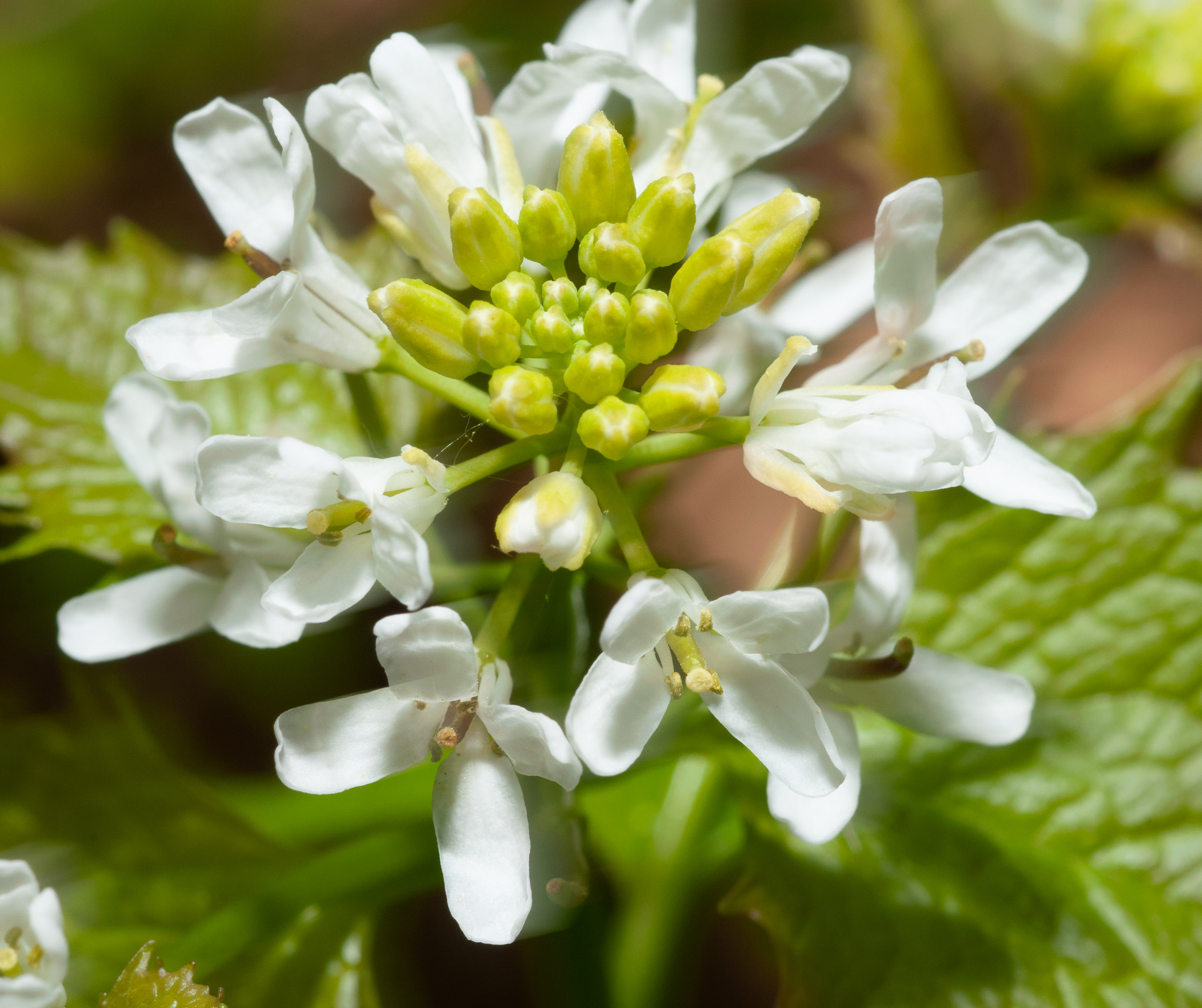
4/30/2010 · Nashua River Rail Trail, Ayer, Massachusetts · ≈ 3 × 2½″ (7.8 × 6.6 cm) 

5/7/2010 · Nashua River Rail Trail, Groton Center, Groton, Massachusetts · ≈ 10 × 15″ (26 × 39 cm) 
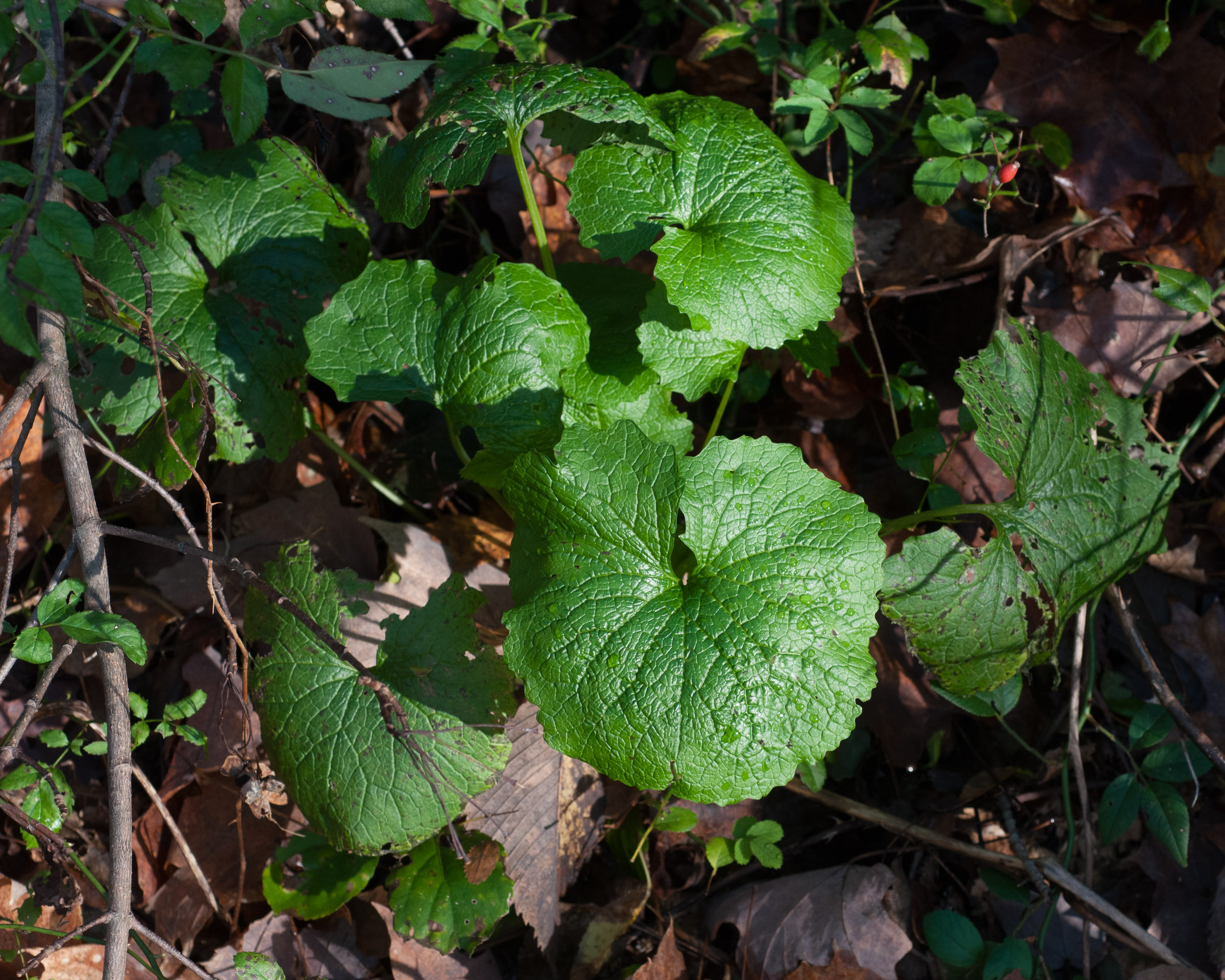
10/20/2011 · Pearl Hill State Park, Townsend, Massachusetts · ≈ 1 × 1′ (41 × 33 cm) 

7/6/2026 · Head of Tide Park, Topsham, Maine · ≈ 10 × 7″ (25 × 17 cm) 

5/6/2016 · Nashua River Rail Trail, Groton, Groton, Massachusetts 
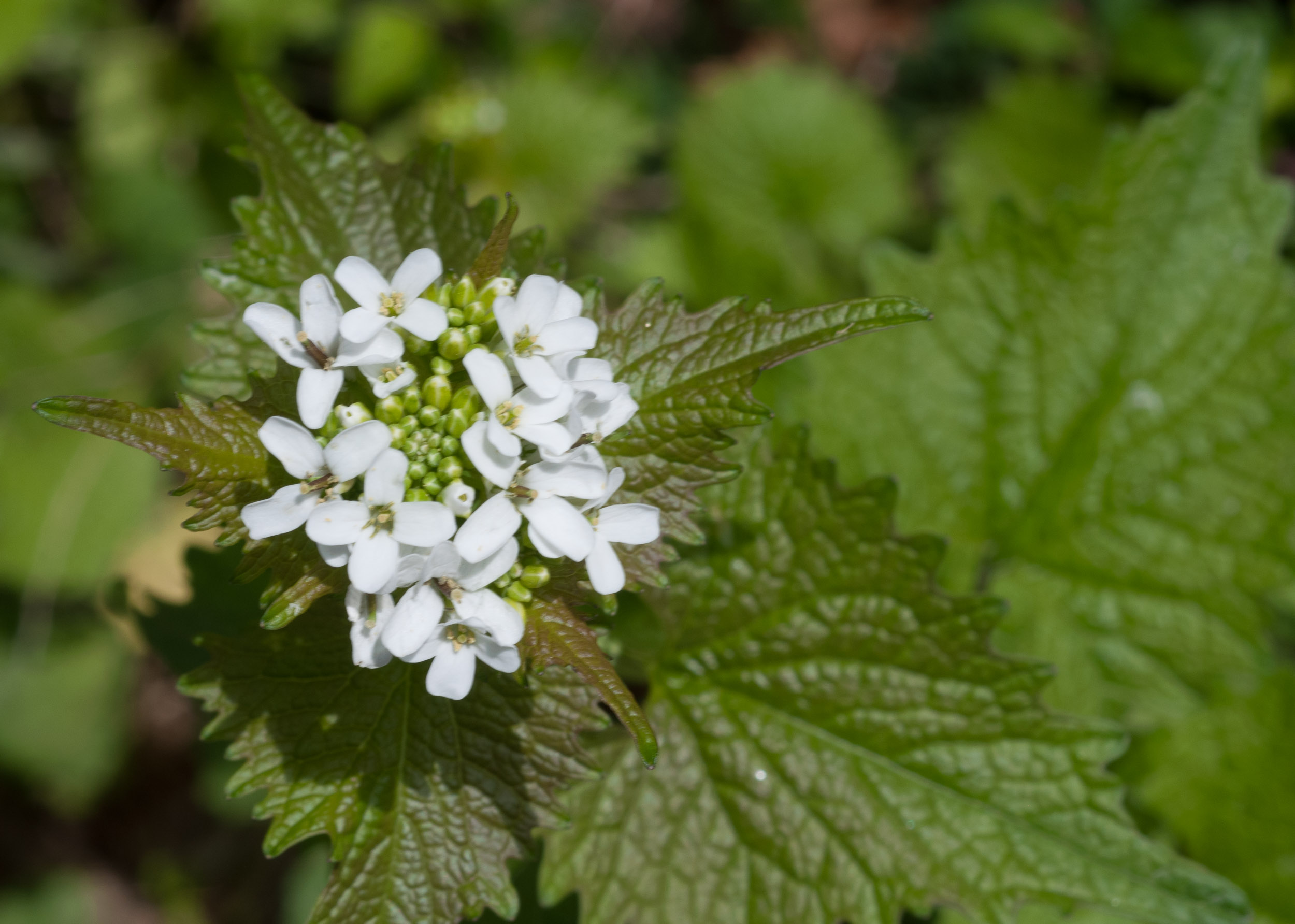
4/4/2012 · North Central Railroad Trail, End, Phoenix, Maryland · ≈ 5 × 3½″ (13 × 9.4 cm) 
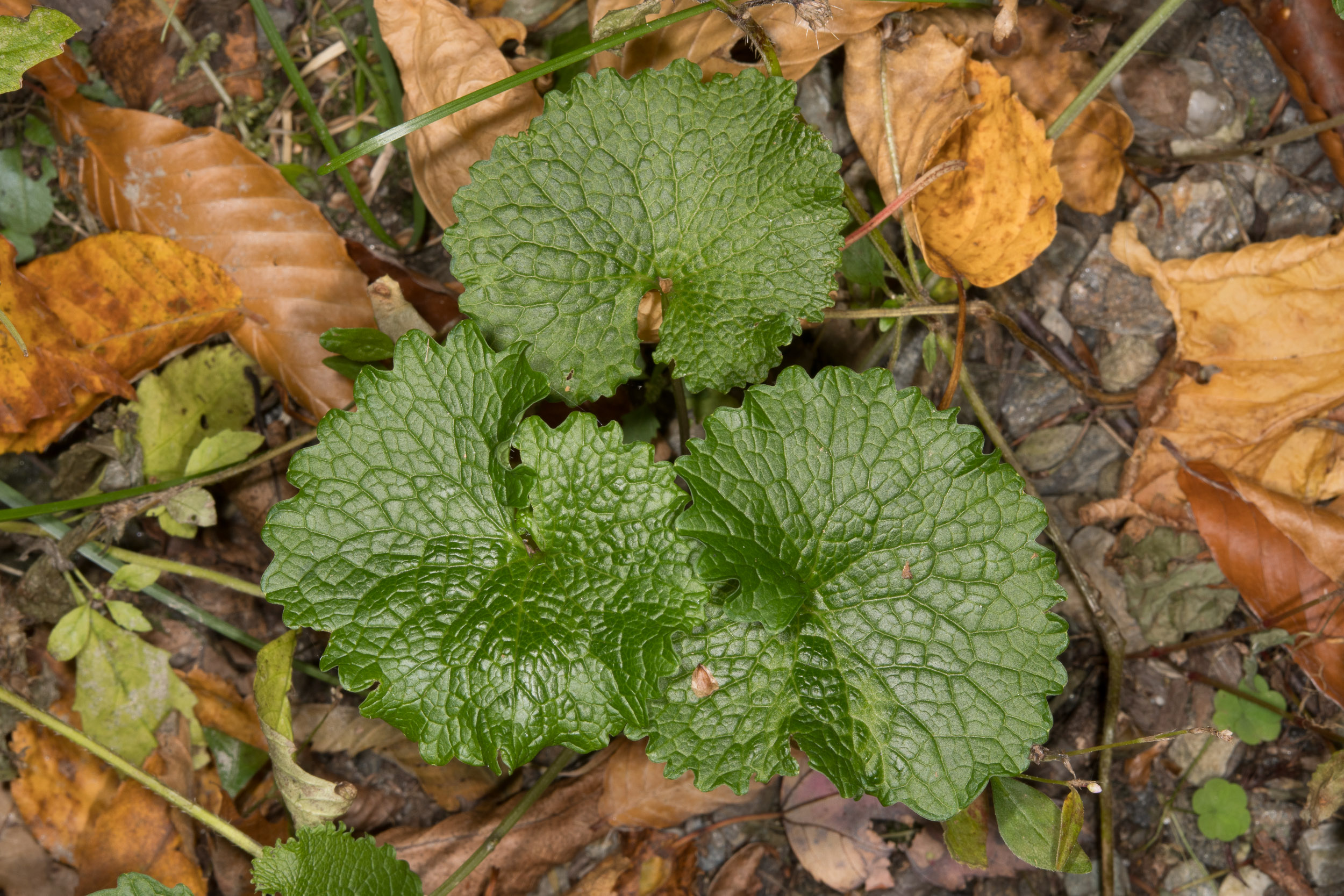
10/16/2016 · Appalachian Trail, Mount Everett, Mt. Washington, Massachusetts · ≈ 8 × 5″ (20 × 13 cm) 
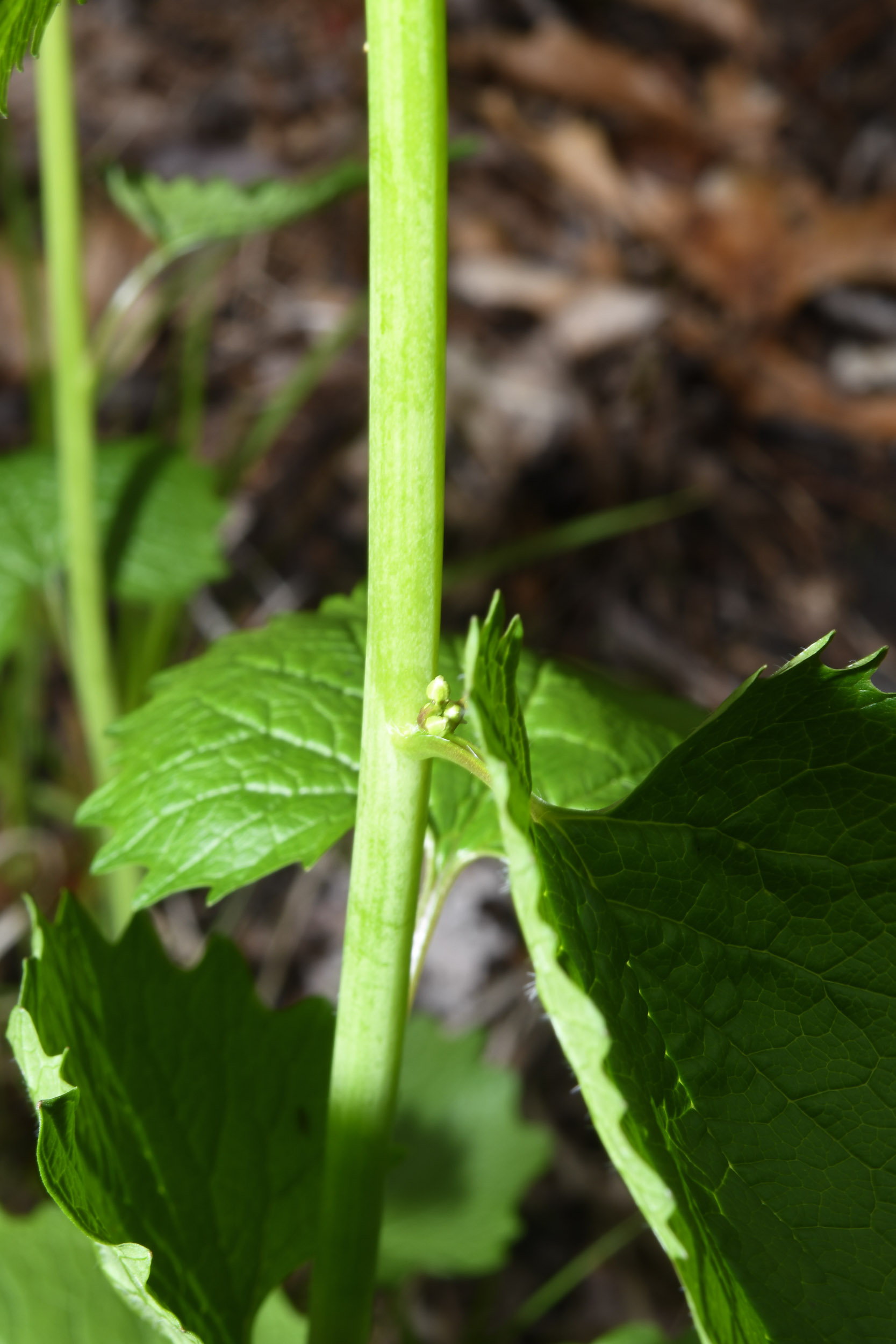
5/6/2016 · Nashua River Rail Trail, Groton, Groton, Massachusetts 

5/6/2016 · Nashua River Rail Trail, Groton, Groton, Massachusetts 

4/27/2010 · Nashua River Rail Trail, Pepperell, Massachusetts · ≈ 6 × 4″ (16 × 11 cm) 

7/6/2026 · Head of Tide Park, Topsham, Maine · ≈ 10 × 7″ (25 × 17 cm) 
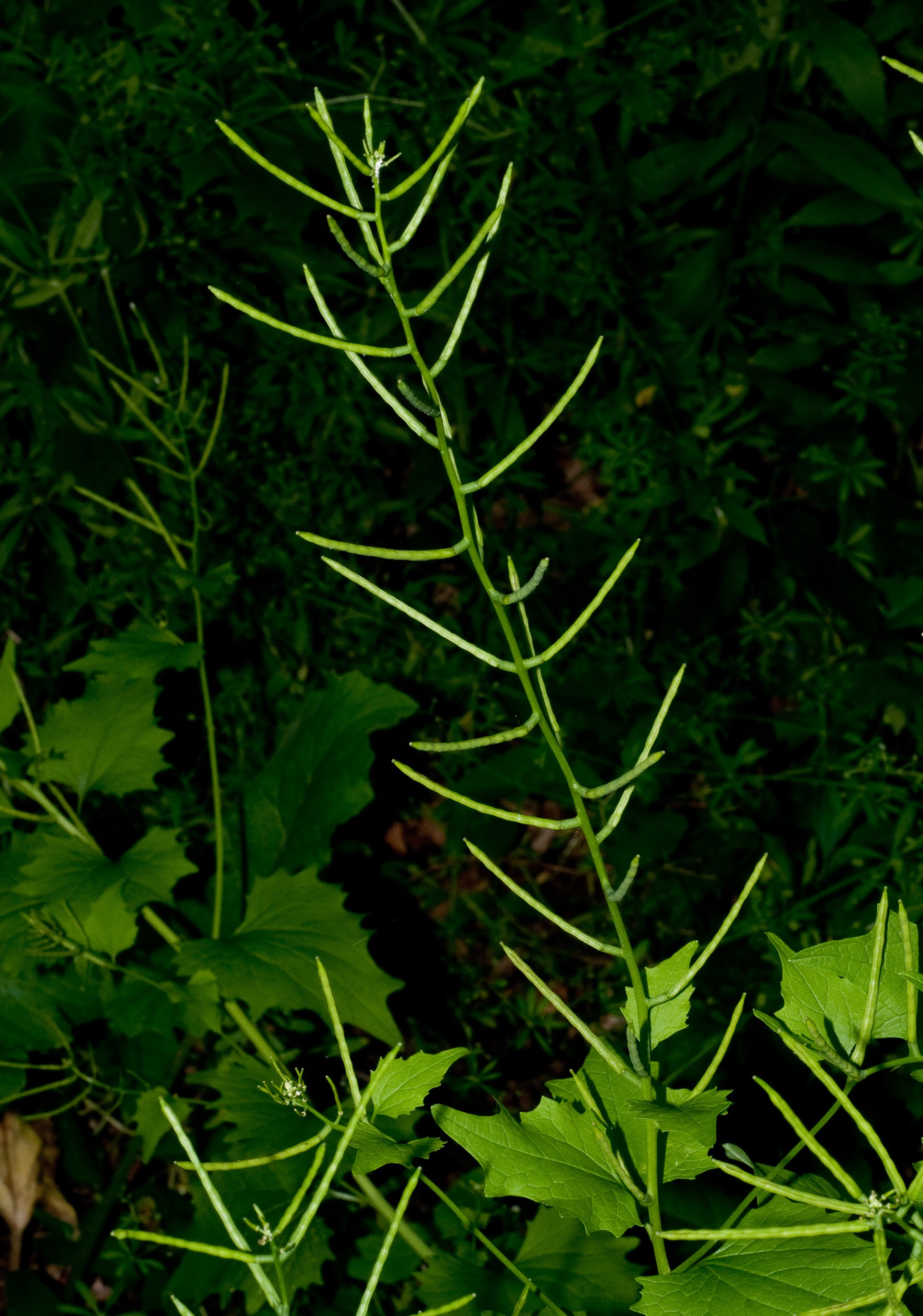
6/7/2010 · Nashua River Rail Trail, Pepperell, Massachusetts · ≈ 11 × 15″ (26 × 37 cm) 
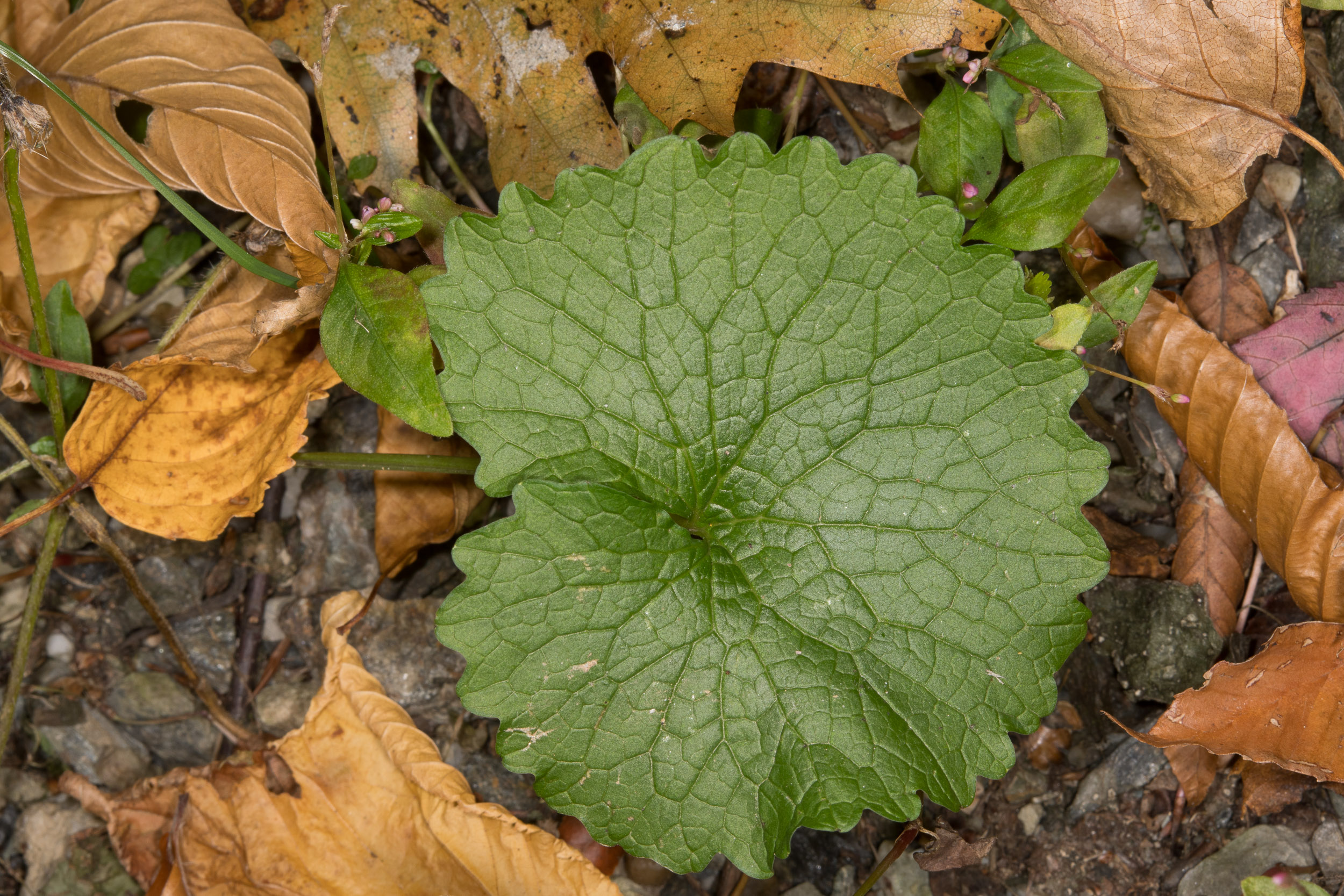
10/16/2016 · Appalachian Trail, Mount Everett, Mt. Washington, Massachusetts · ≈ 7 × 4½″ (18 × 12 cm) 
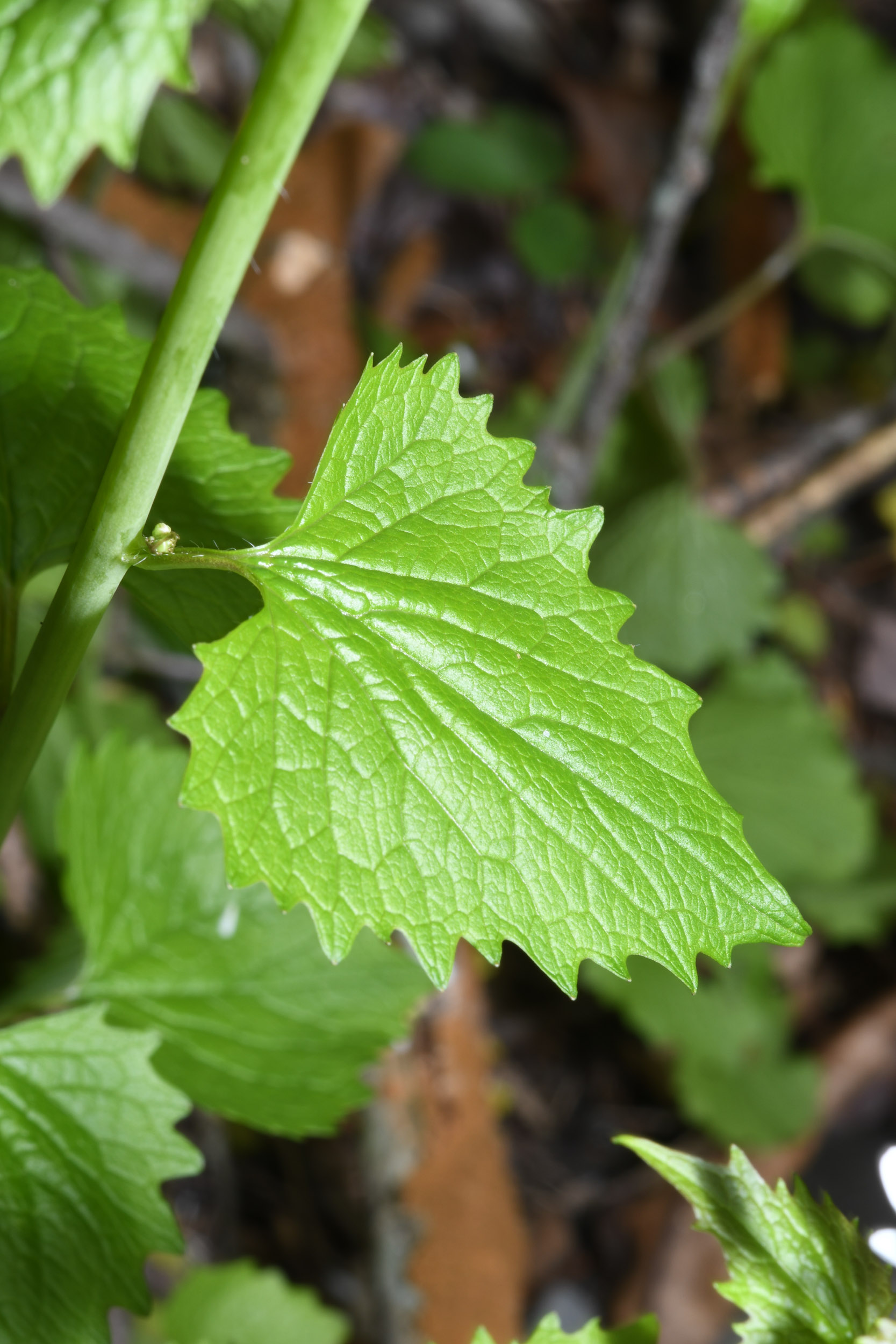
5/6/2016 · Nashua River Rail Trail, Groton, Groton, Massachusetts 

5/4/2017 · Nashua River Rail Trail, Groton Center, Groton, Massachusetts · ≈ 4½ × 7″ (12 × 18 cm) 

4/29/2010 · Bruce Freeman Rail Trail, Chelmsford, Massachusetts · ≈ 1 × 1′ (36 × 34 cm) 

5/16/2024 · Ridge Trail, Freeport, Maine · ≈ 4½ × 5″ (12 × 13 cm) 
| Kingdom | Plantae | Plants, but not fungi, lichens, or algae (from Stearn's Botanical Latin) |
| Subkingdom | Tracheobionta | Vascular plants—plants with a “circulatory system” for delivering water and nutrients |
| Division | Magnoliophyta | Flowering plants, also known as angiosperms |
| Class | Magnoliopsida | Dicotyledons—plants with two initial seed leaves |
| Subclass | Rosidae | Roses, legumes, proteas, dogwoods, hydrangeas, mistletoes, euphorbias, grapes, many more |
| Order | Brassicales | Mustard, cabbage, caper, papaya, nasturtiums, many others; most produce mustard oil |
| Family | Brassicaceae | Mustards, cabbages |
| Genus | Alliaria | Derived from Latin allium, “onion” or “garlic” |
| Species | petiolata | “Stalked” |
Alliaria petiolata description by Thomas H. Kent, not updated.

© FloraFinder.org. All rights reserved.